Astronomy basics Worksheets for Ages 4-7
3 filtered results
-
From - To
Explore the wonders of the universe with our "Astronomy Basics Worksheets for Ages 4-7"! Designed to introduce young learners to the fascinating world of space, these engaging worksheets offer fun activities that teach basic astronomy concepts. Kids will identify planets, understand the sun and moon's roles, and discover constellations through colorful illustrations and easy-to-follow tasks. Perfect for preschoolers and early elementary students, these worksheets promote creativity while enhancing essential skills like counting, writing, and critical thinking. Foster a love for the cosmos in your child with these educational resources that make learning about astronomy an exciting adventure!
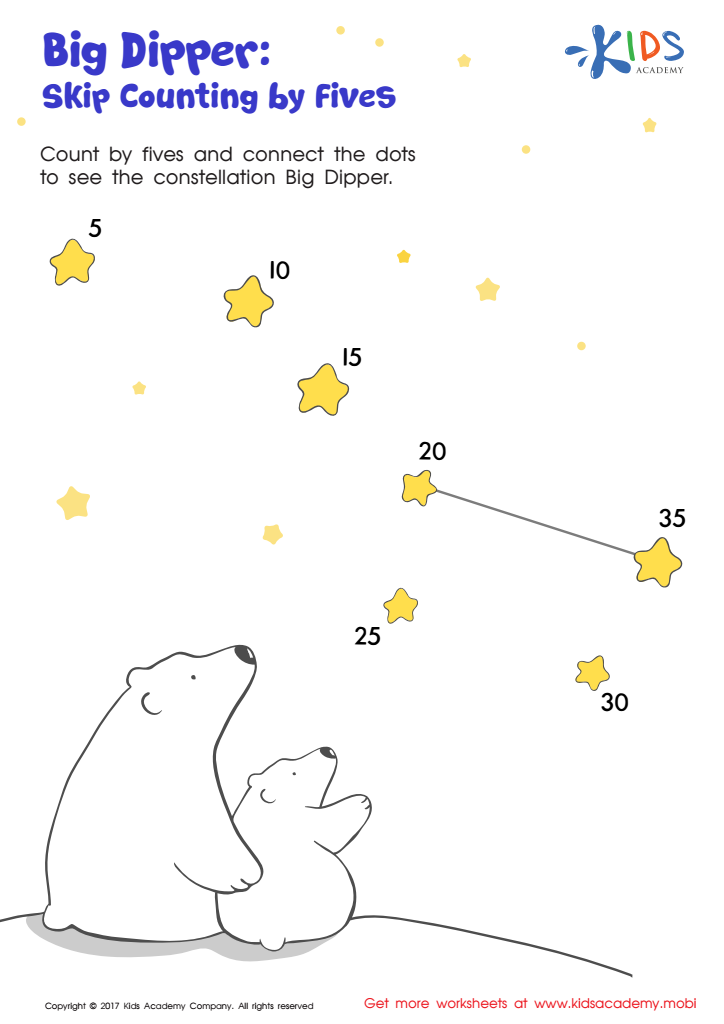
 Assign to My Students
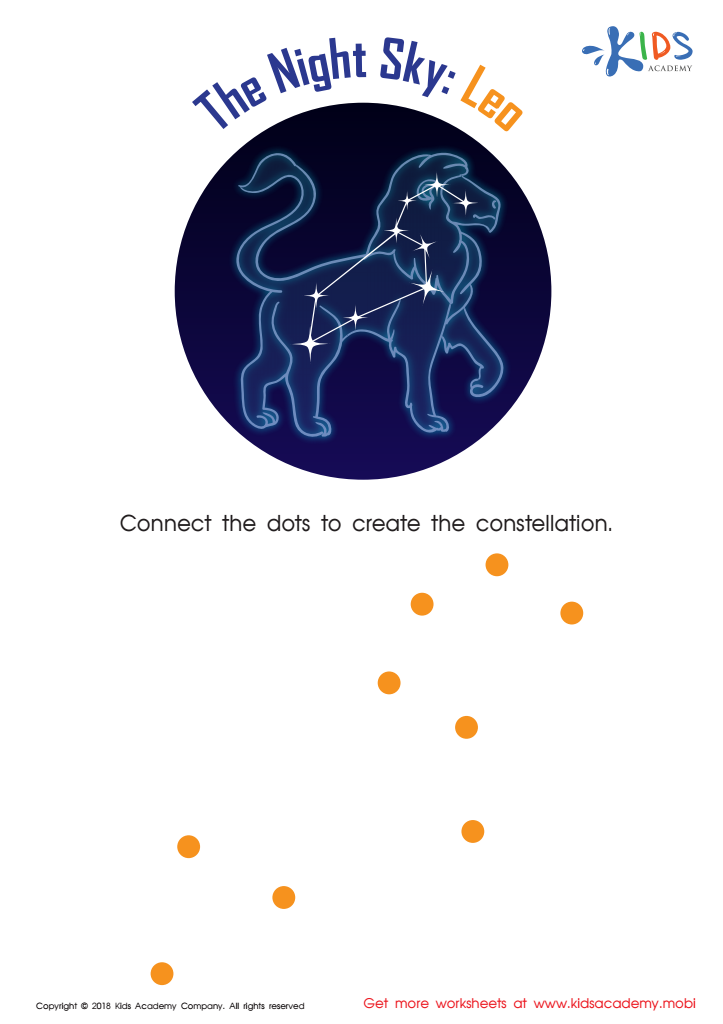
The Night Sky: Leo Worksheet
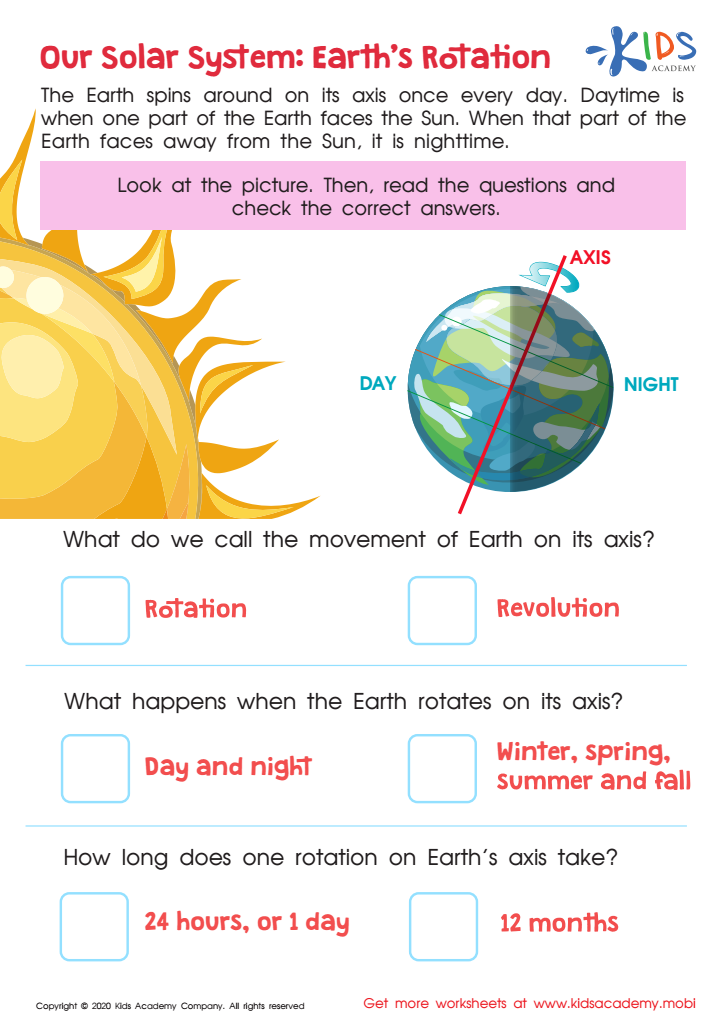
Our Solar System: Earth's Rotation Printable






.jpg)
Understanding the basics of astronomy is crucial for children aged 4-7 as it nurtures curiosity and encourages a love for science. At this developmental stage, kids are naturally inquisitive about the world around them, and astronomy offers a fantastic way to explore big concepts like the universe, planets, and stars. It can be introduced through engaging stories, interactive activities, and simple visuals that capture their imagination.
Learning about astronomy helps enhance critical thinking skills. Children start to question their place in the universe and begin to think about scientific explanations, cause and effect, and the nature of space. This early introduction fosters a sense of wonder and exploration that can translate into lifelong learning.
Moreover, astronomy teaches children valuable concepts like scale and distance, which are foundational to understanding more complex scientific ideas later on. It also ties into important themes of teamwork and collaboration, particularly in group projects like building model solar systems or attending stargazing events.
By integrating astronomy basics into their education, parents and teachers not only broaden a child’s knowledge but also instill a sense of wonder and appreciation for science that can positively influence their overall educational journey. Overall, it's an opportunity to inspire future generations of thinkers and innovators.








