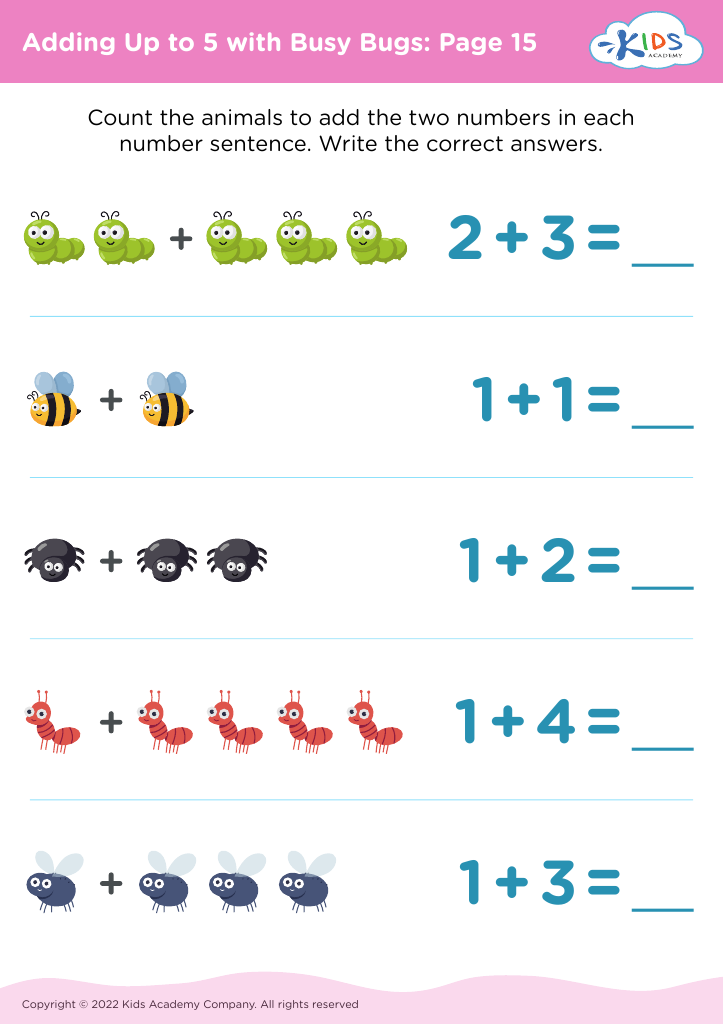








Basic math skills are foundational building blocks for children aged 4-7, setting the stage for future academic and life success. At this critical developmental stage, children are highly receptive to learning new concepts, making it the perfect time to nurture essential math abilities. Mastering basic math skills, such as counting, number recognition, and simple addition and subtraction, equips children with the tools they need to tackle more complex mathematical concepts later on.
For parents and teachers, fostering these skills helps ensure that children develop strong problem-solving abilities and logical reasoning from an early age. These competencies are not only vital for mathematics but also for everyday tasks and decision-making processes. Moreover, early proficiency in math is linked to increased confidence and a positive attitude toward learning, which can influence a child’s entire academic career.
Research demonstrates a clear connection between early math skills and later academic achievement. Children who enter school with strong math foundations are more likely to excel in other subjects, including reading and science. Consequently, by prioritizing basic math skills during ages 4-7, parents and teachers play a crucial role in their children's long-term educational and personal development. This early investment yields lasting benefits, setting children on a path toward lifelong learning and success.








