Building vocabulary Worksheets for Ages 4-7
7 filtered results
-
From - To
Our "Building Vocabulary Worksheets for Ages 4-7" are expertly crafted to enrich your child’s language development and word recognition skills. Featuring engaging activities, these worksheets help young learners explore new words, understand meanings, and enhance verbal and reading proficiency in a fun, interactive way. Designed with colorful visuals and age-appropriate challenges, our educational resources cater to preschoolers and early elementary students, making learning enjoyable and effective. Perfect for parents, teachers, and guardians, these printable sheets provide essential building blocks for a strong vocabulary foundation. Start your child's linguistic journey today!
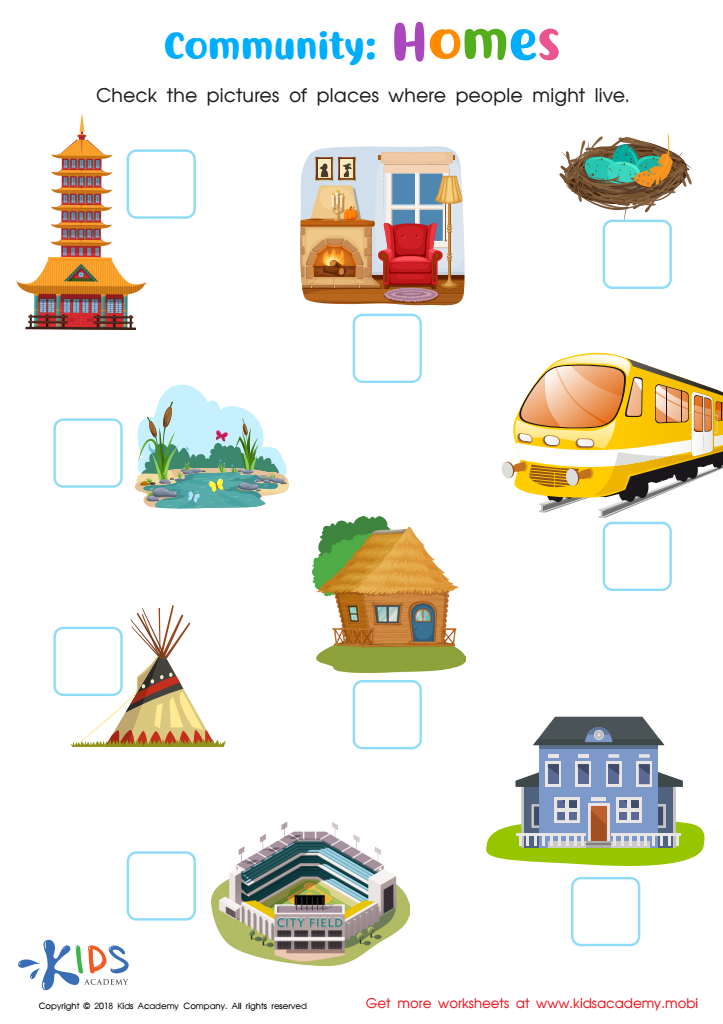
Community: Homes Worksheet
 Assign to My Students
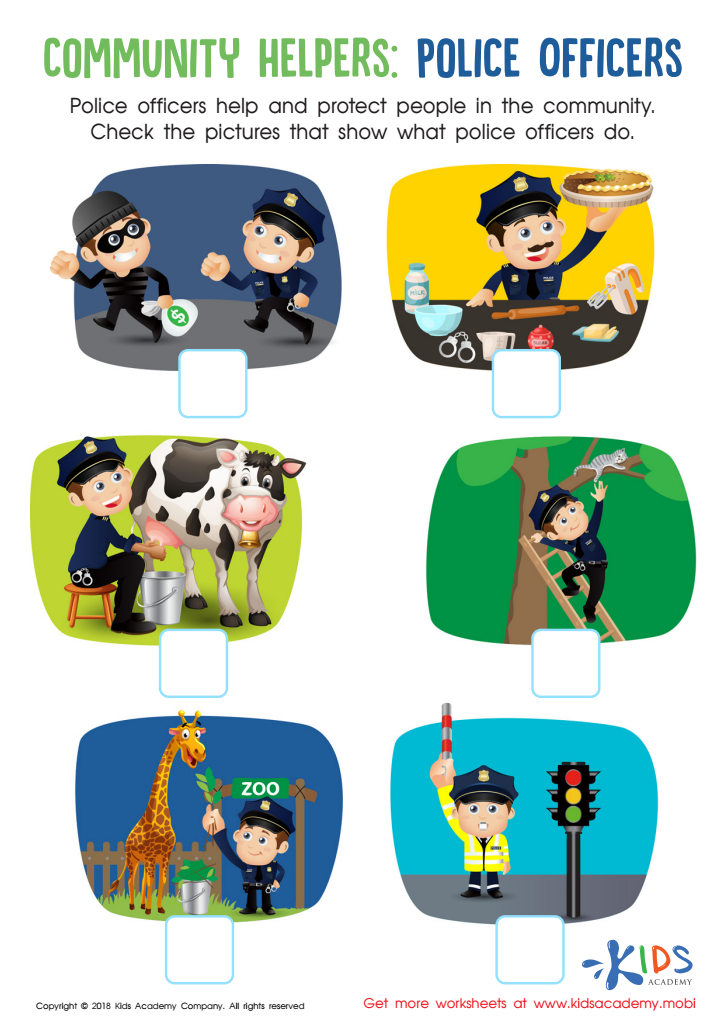
Police Officers Community Helpers Worksheet
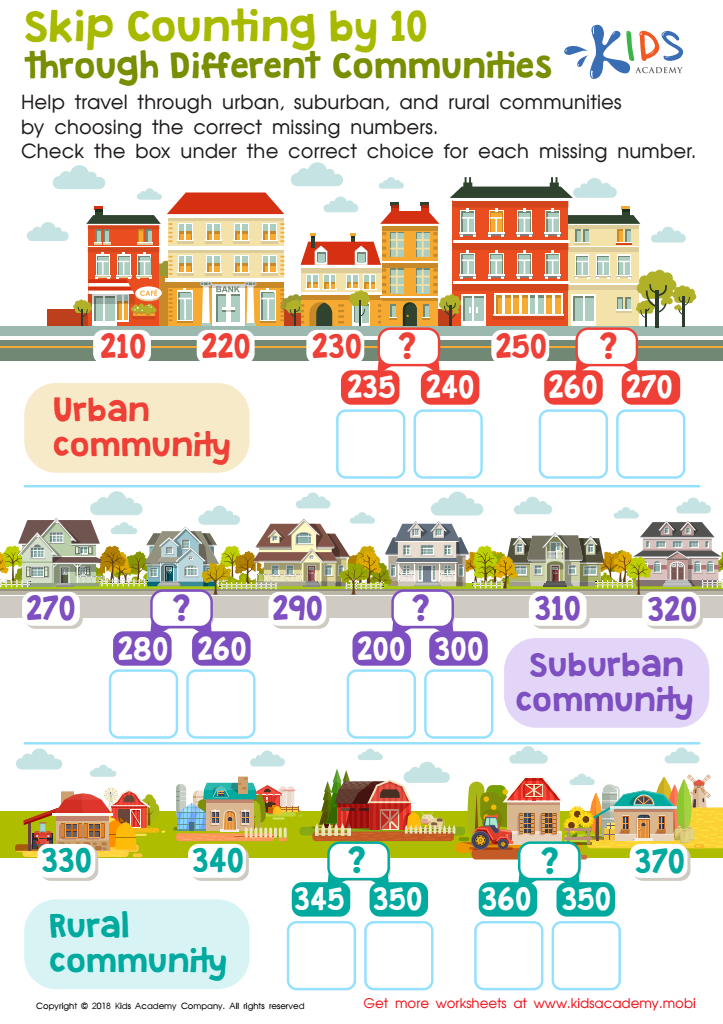
Skip Counting by 10 through Different Communities Worksheet
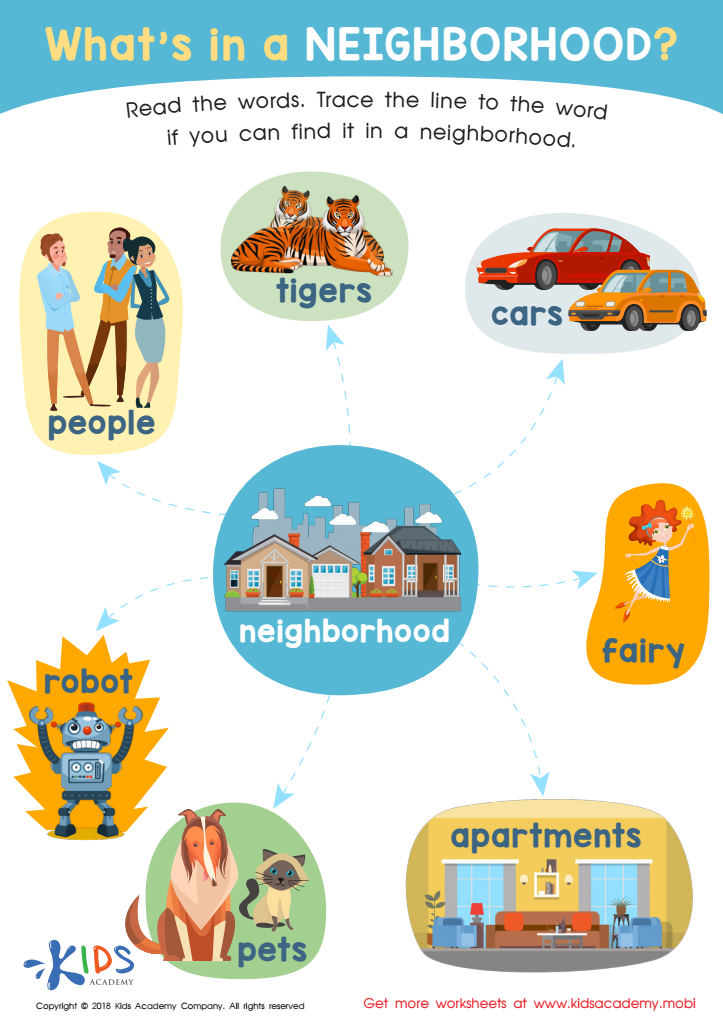
What's in a Neighborhood? Worksheet
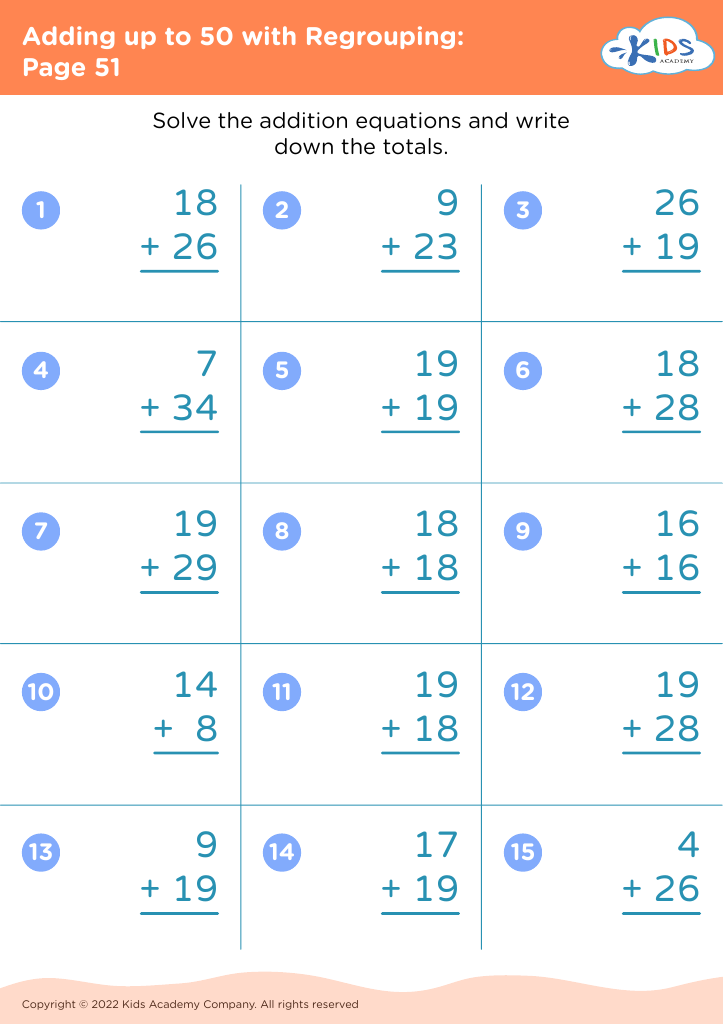
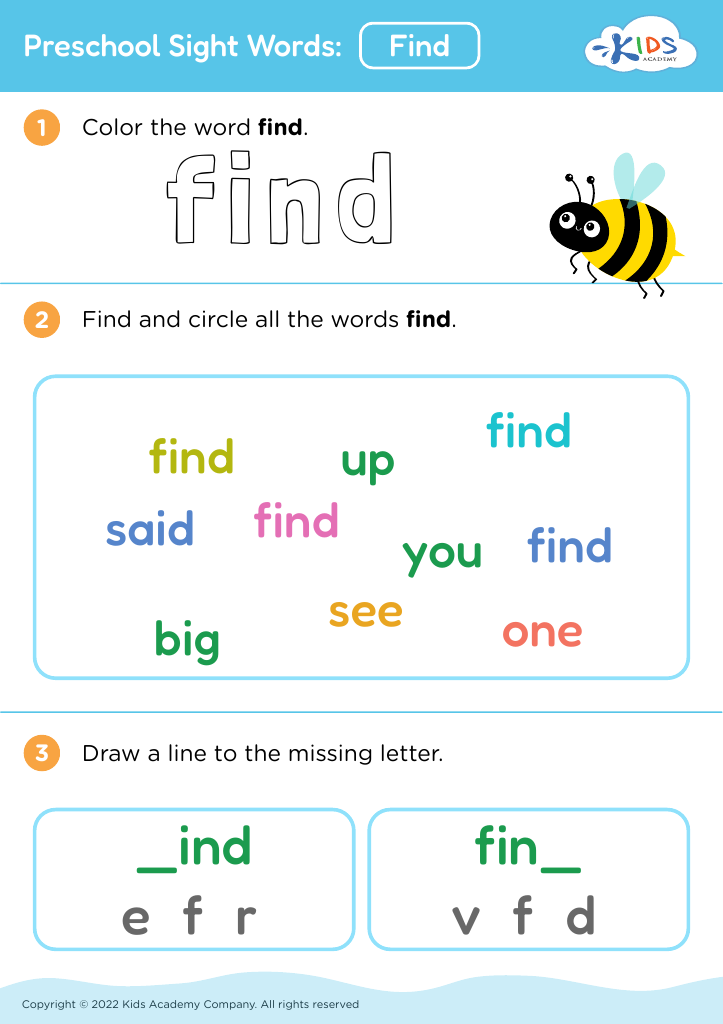







Building vocabulary for children aged 4-7 is crucial as it lays a strong foundation for their overall language development and academic success. At this stage, children's brains are highly receptive to new information and can absorb new words with remarkable speed. A rich vocabulary helps children express themselves more clearly and accurately, which in turn enhances their ability to communicate effectively.
Moreover, a well-developed vocabulary is correlated with better reading skills. When children recognize and understand a variety of words, they are more likely to become confident and proficient readers. This skill is essential not just for literacy development, but for learning across all subjects. Improved vocabulary also aids in comprehension, enabling children to better understand instructions, stories, and other texts they encounter in school.
Beyond academics, a strong vocabulary boosts children's confidence and social interactions. The ability to convey thoughts and feelings accurately helps children make friends and participate actively in class discussions, fostering social and emotional development.
Therefore, both parents and teachers should prioritize vocabulary building during these formative years. Engaging children in conversations, reading aloud to them regularly, and introducing new and diverse words in playful ways can significantly enrich their linguistic repertoire and set them up for long-term success.








