Hand-eye Coordination Worksheets for Ages 4-7 - Page 2
104 filtered results
-
From - To
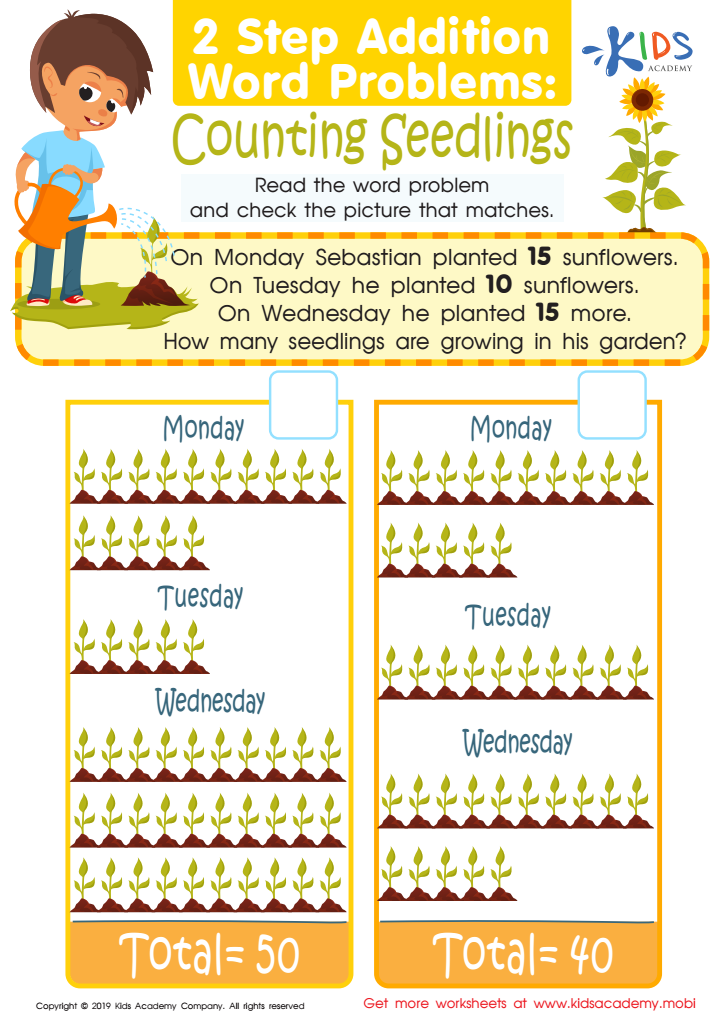
Counting Seedlings Worksheet
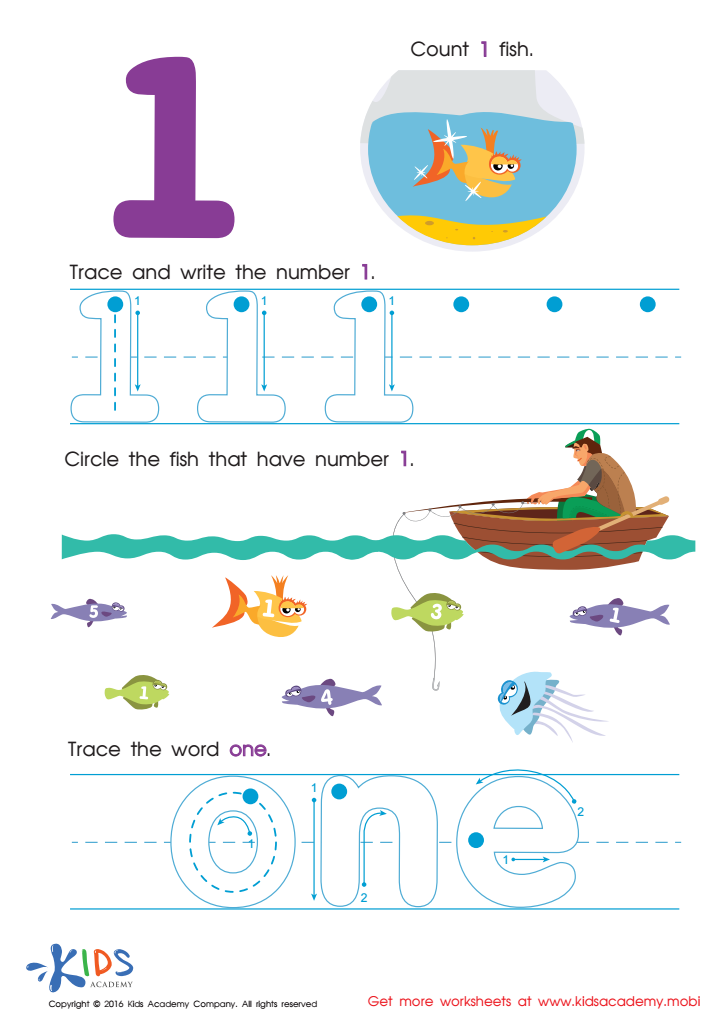
Learning to Write 1 Worksheet
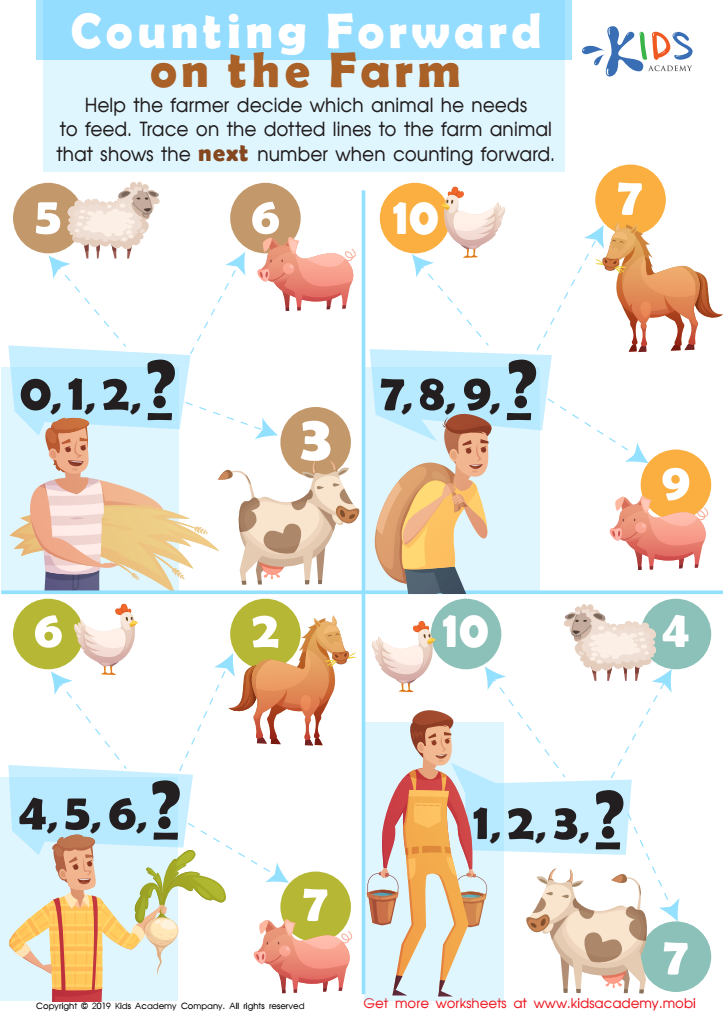
Counting Forward On the Farm Worksheet
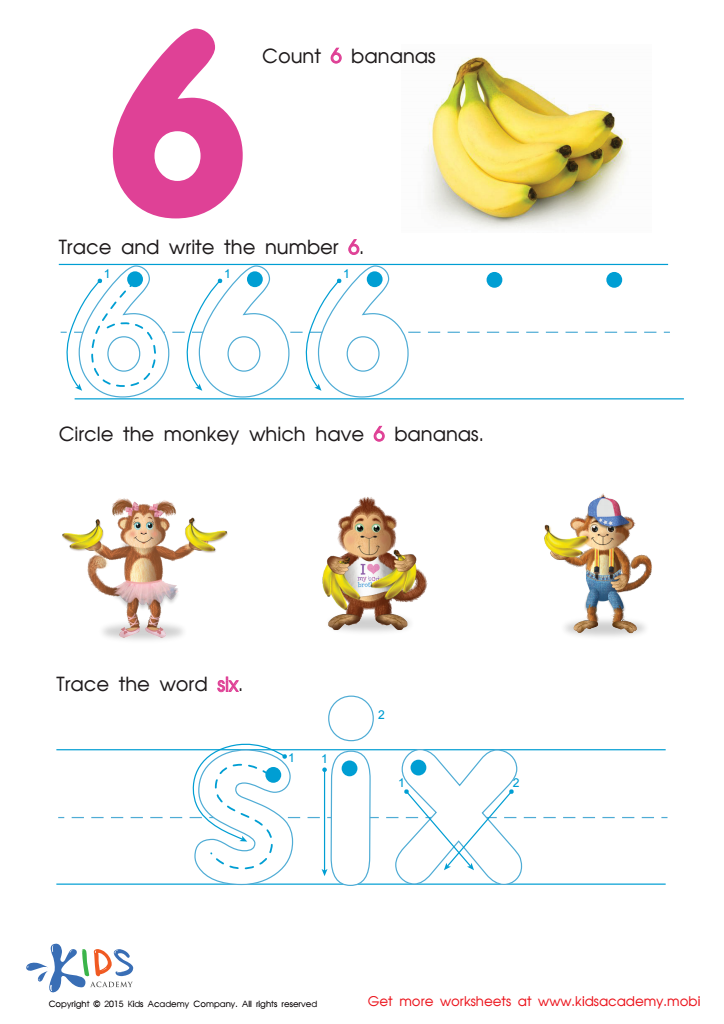
Tracing And Writing Number 6 Worksheet

Letter H Tracing Page
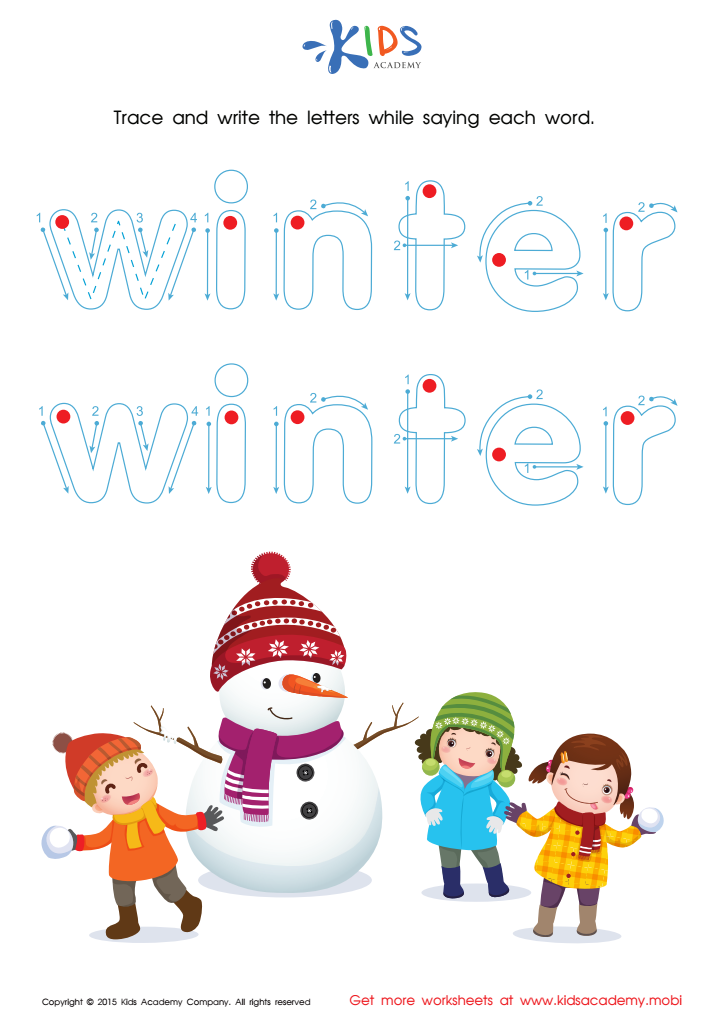
Snowman Tracing Winter Words Worksheet
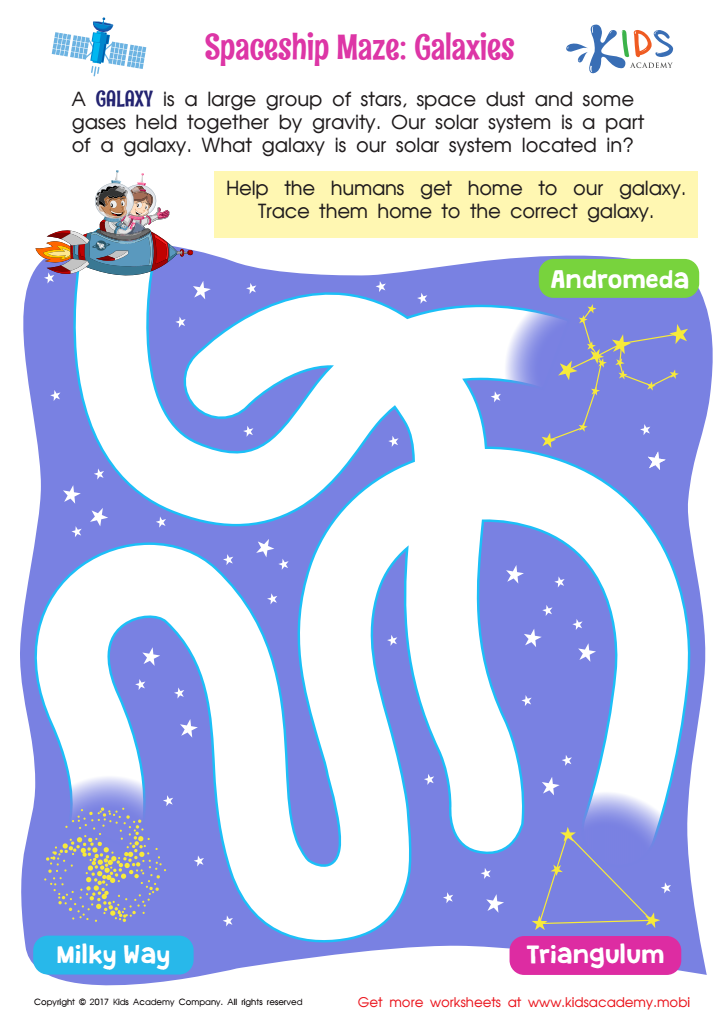
Spaceship Maze: Galaxies Worksheet
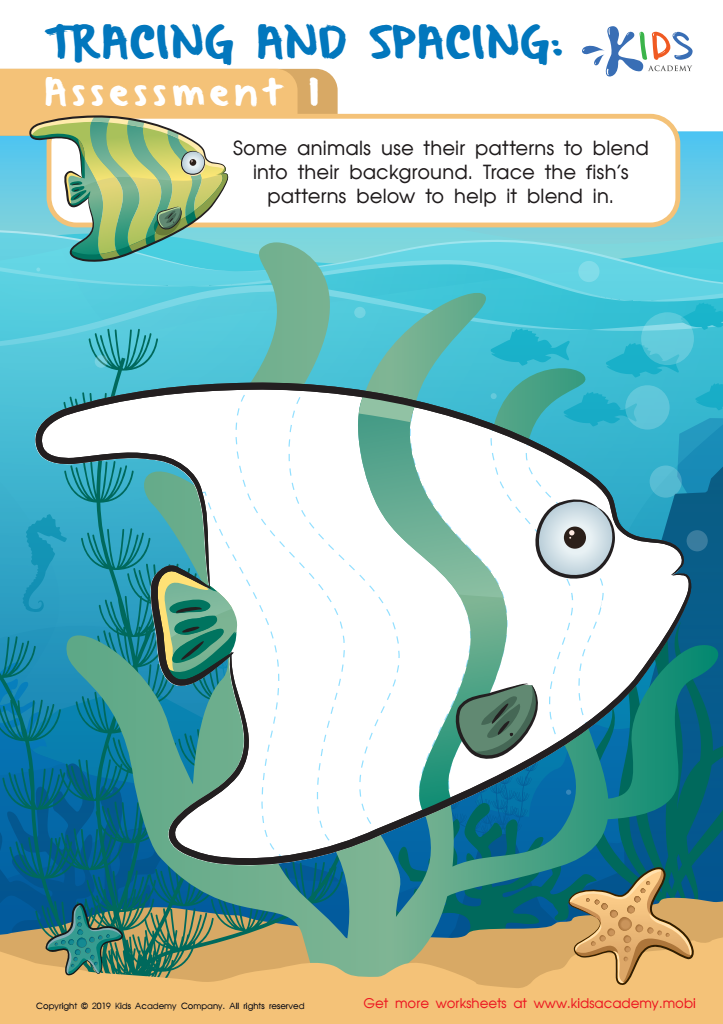
Tracing and Spacing: Assessment 1 Worksheet
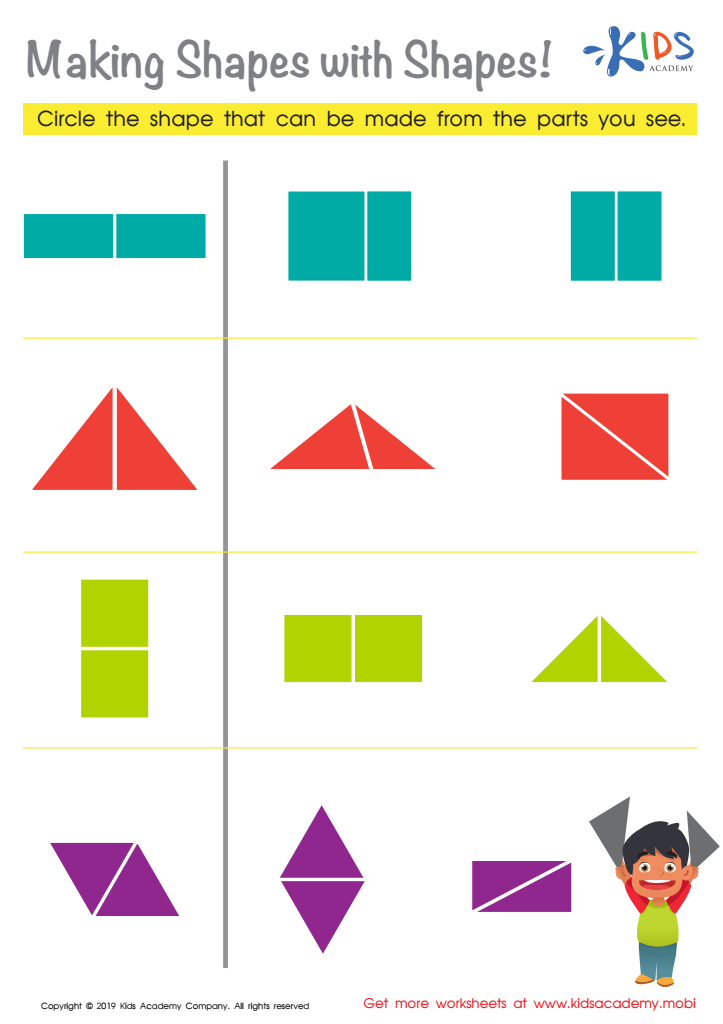
Making Shapes with Shapes Worksheet
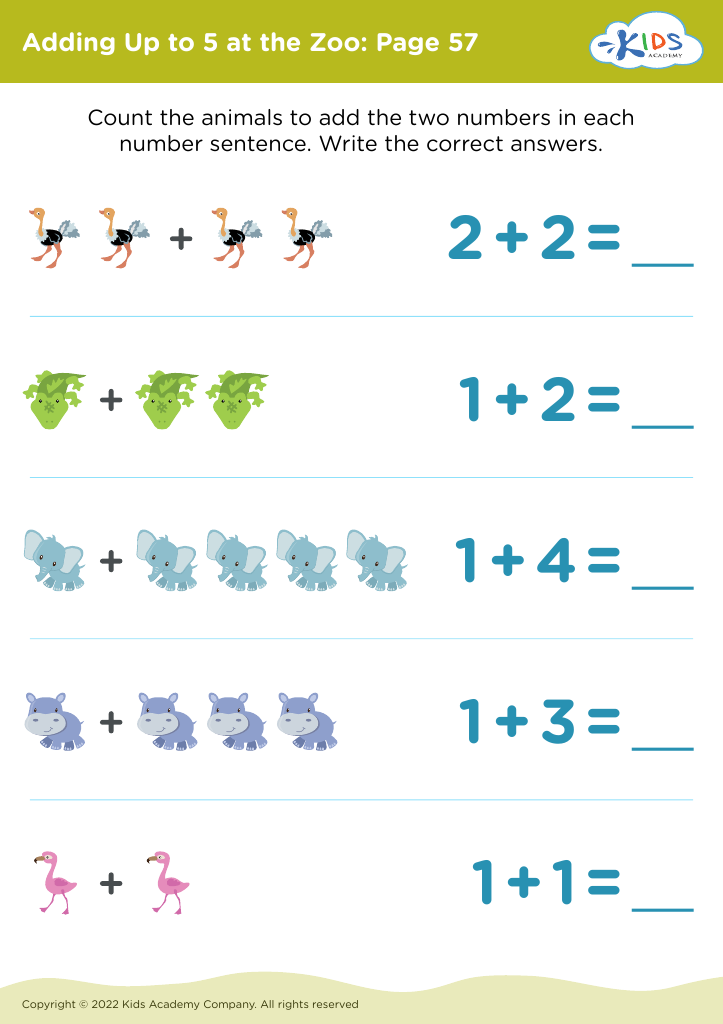
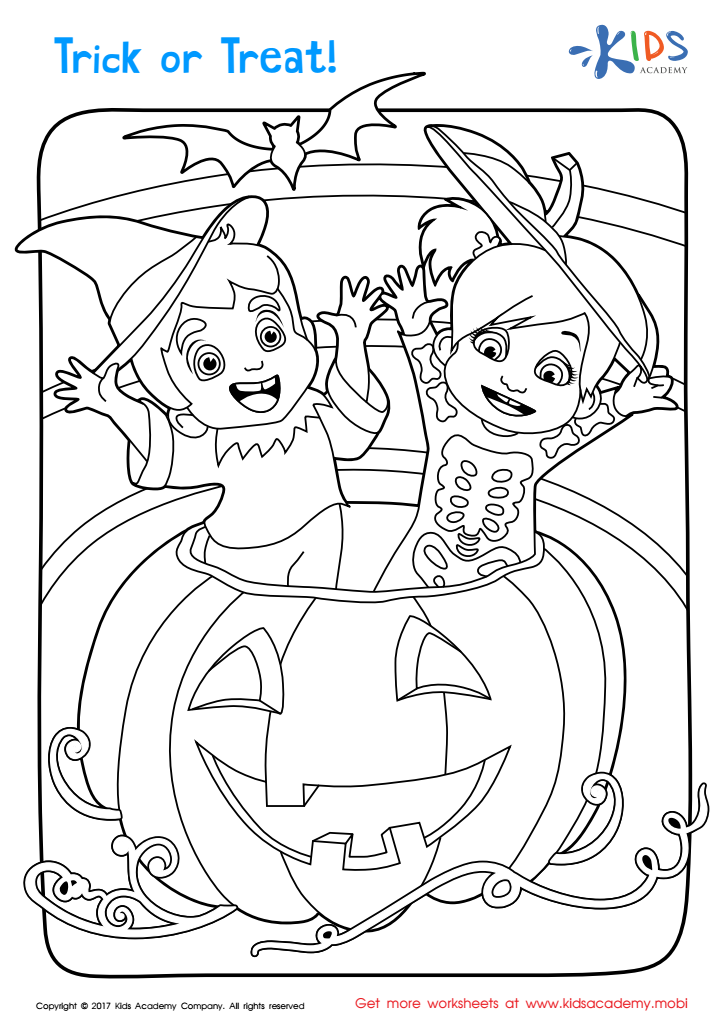
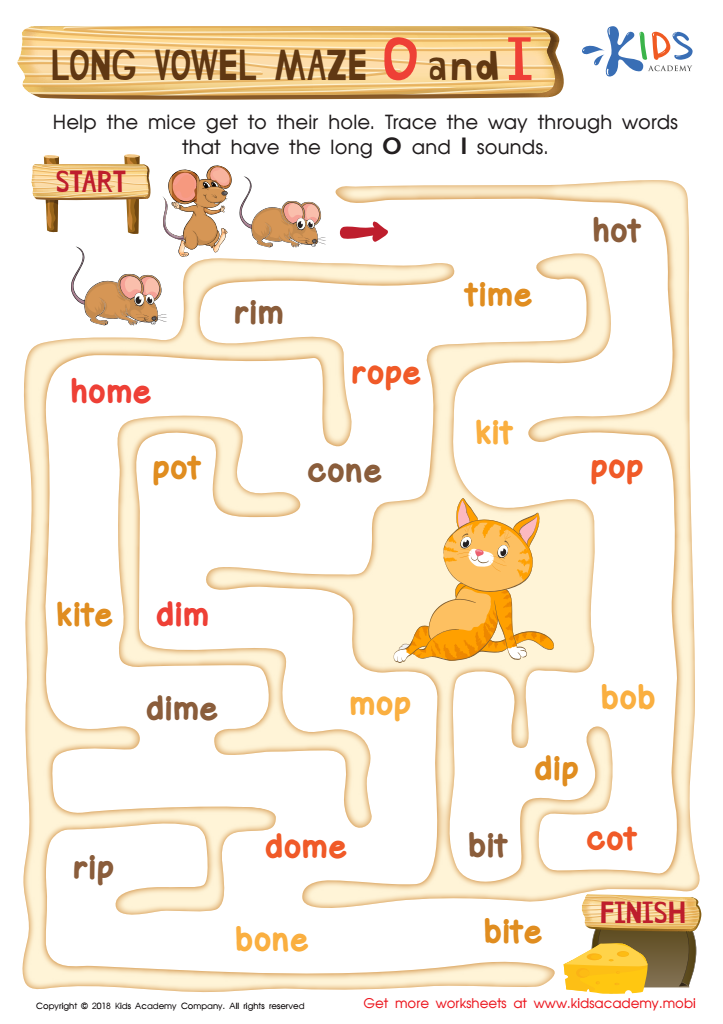
Long Vowel Maze /o/ and /i/ Worksheet
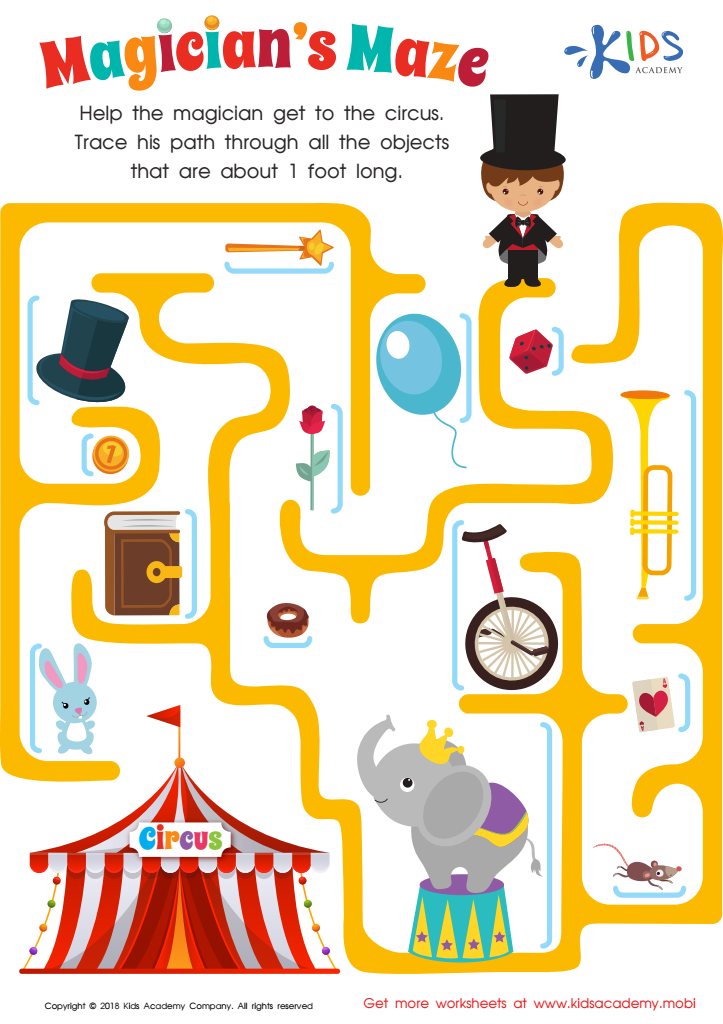
Estimating Length: Magician's Maze Worksheet
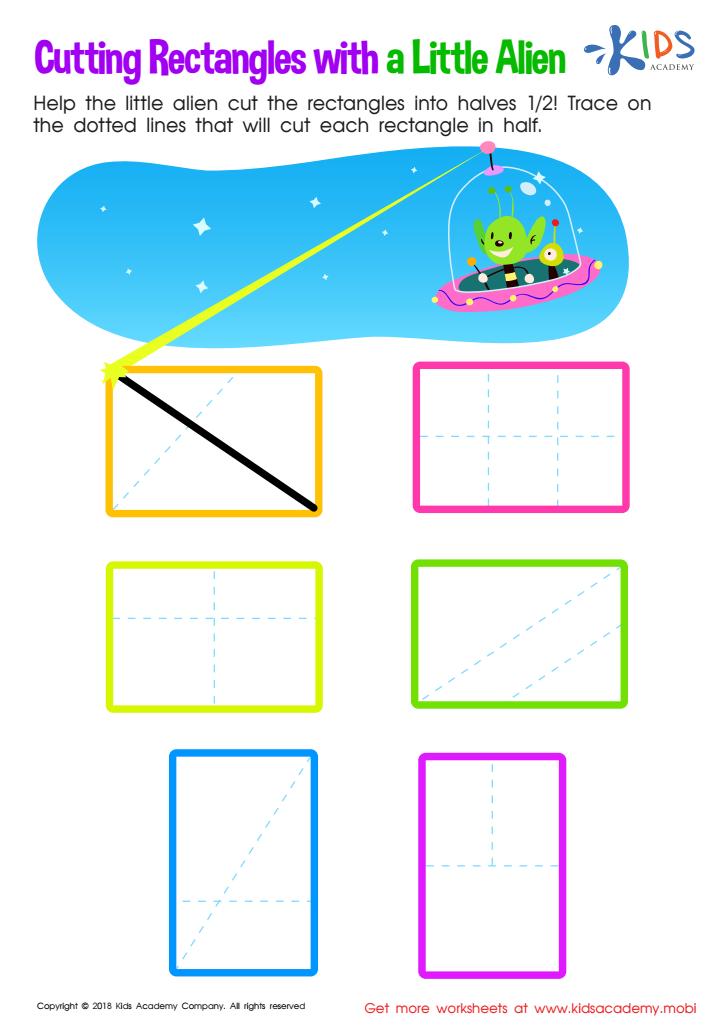
Cutting Rectangles with Alien Worksheet
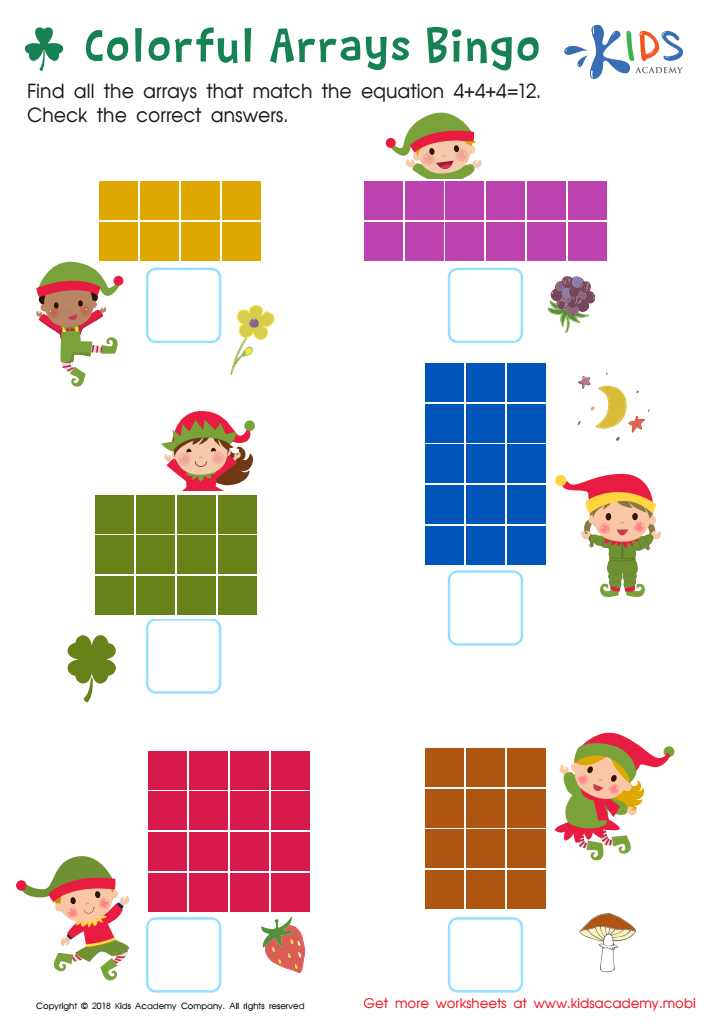
Colorful Arrays Bingo Worksheet
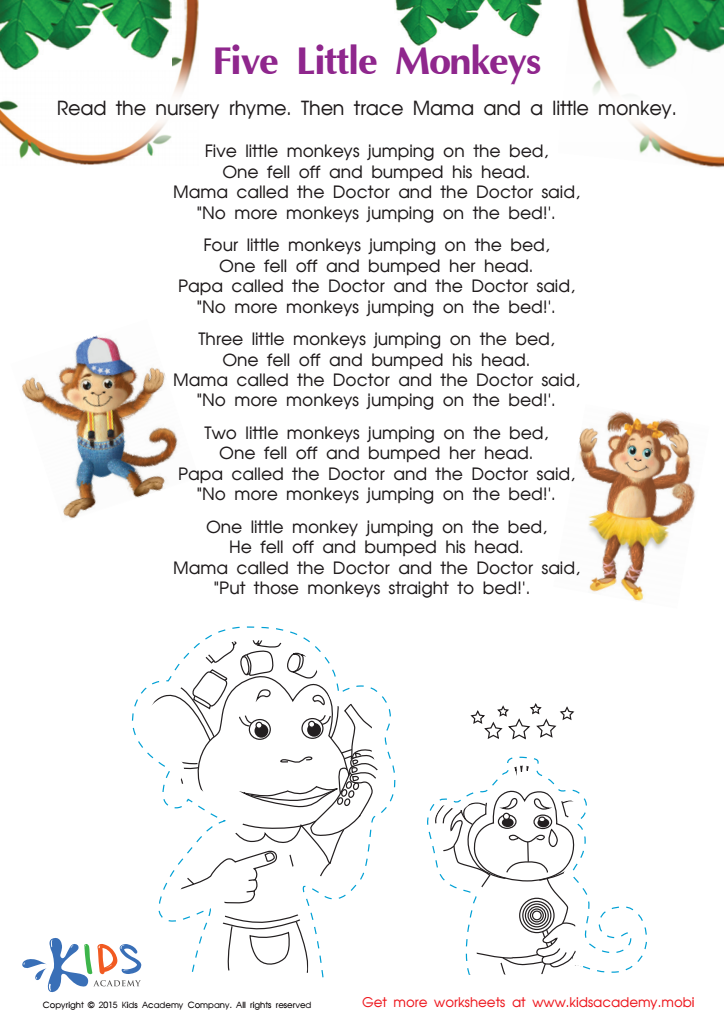
The Five Little Monkeys Nursery Rhyme Worksheet
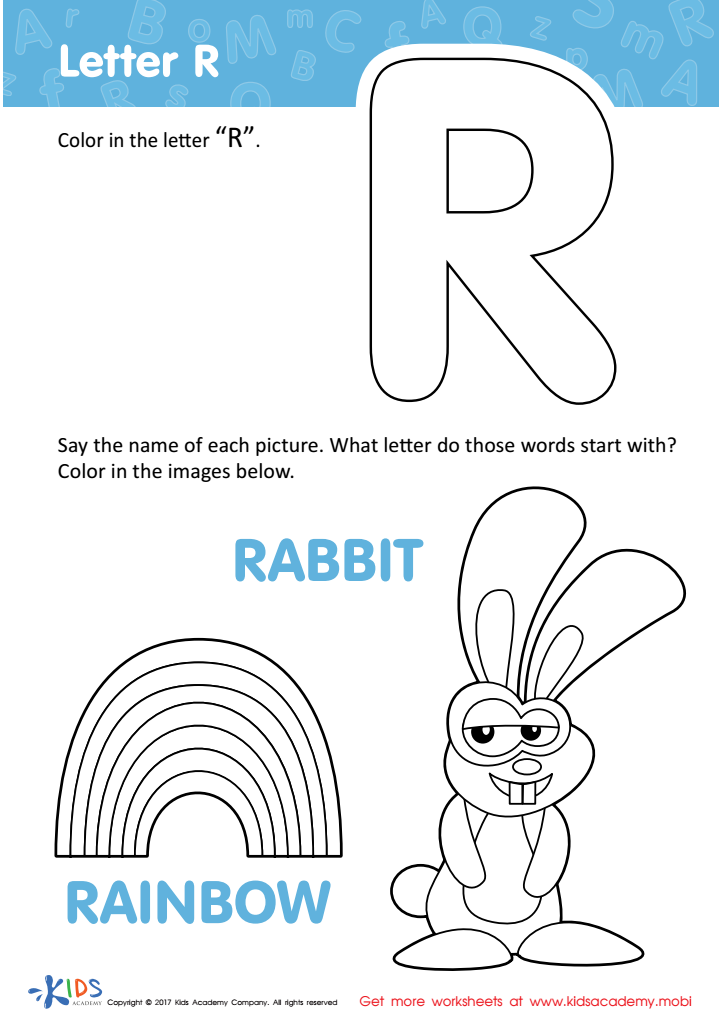
Letter R Coloring Sheet
 Assign to My Students
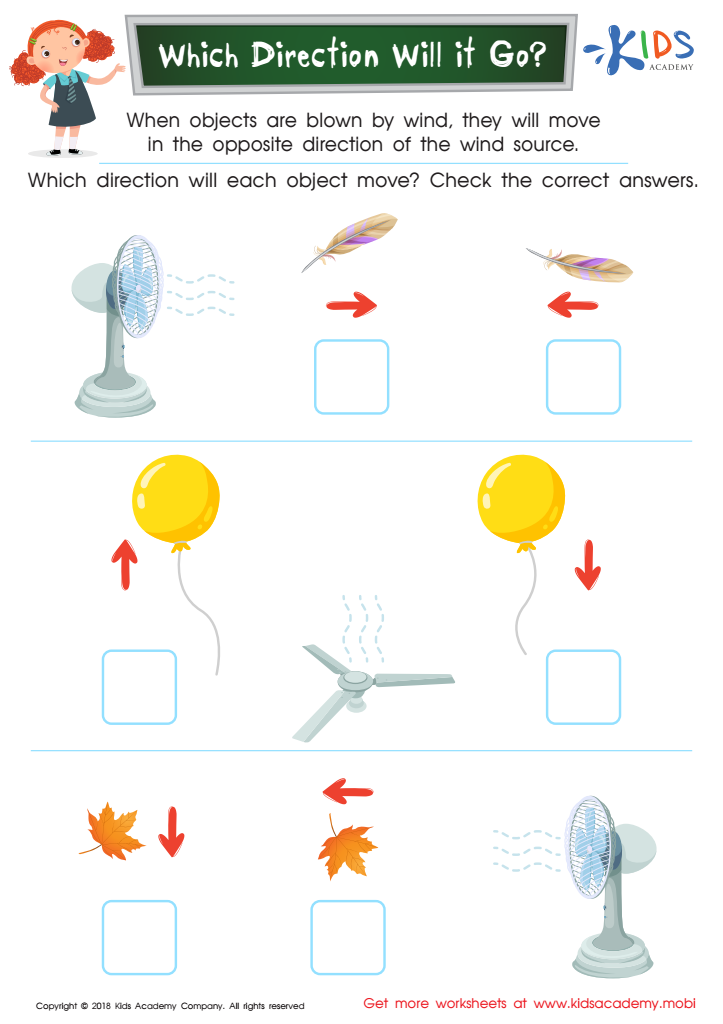
Which Direction Will it Go? Worksheet








Hand-eye coordination is a crucial developmental skill for children aged 4 to 7, as it significantly impacts their overall learning and physical abilities. At this stage, children are honing their fine motor skills, which are essential for tasks such as writing, drawing, and participating in various sports or activities. Good hand-eye coordination supports their ability to perform everyday tasks independently, like dressing and eating, fostering self-confidence and autonomy.
Parents and teachers should care about developing this skill because it lays the foundation for future academic success. Educational activities, such as crafting or playing games that require precision, help enhance children's dexterity and focus. Moreover, improved hand-eye coordination can facilitate participation in group activities and recreational sports, promoting teamwork and social interaction.
In addition, fostering these skills can help prevent frustration and hesitance in engaging in more complex tasks later on. Incorporating play-based learning initiatives that challenge hand-eye coordination can lead to a positive learning environment. Therefore, prioritizing hand-eye coordination is essential for encouraging healthy growth, instilling a sense of achievement, and preparing children for future educational milestones.








