Math skills improvement Worksheets for Ages 4-7
8 filtered results
-
From - To
Discover our engaging Math Skills Improvement Worksheets designed for children aged 4-7! Tailored to support early learners, these worksheets incorporate fun, interactive activities that promote foundational math concepts such as counting, addition, subtraction, and number recognition. With vibrant illustrations and age-appropriate challenges, children will enjoy exploring numbers while developing essential problem-solving skills. Ideal for parents and educators, our resources provide clear instructions and a variety of exercises to boost confidence in young mathematicians. Transform learning into an exciting journey with our worksheets that cater to different learning styles and paces, ensuring each child's unique math skills grow effectively and enjoyably!
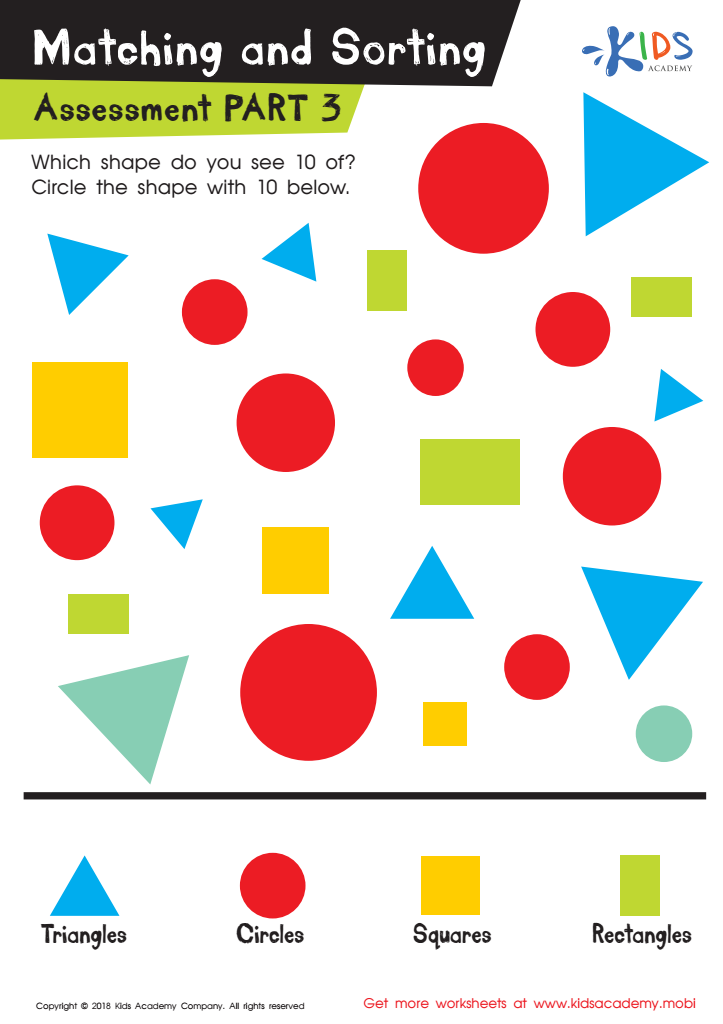
Matching and Sorting for Kindergarten: Assessment 3 Worksheet
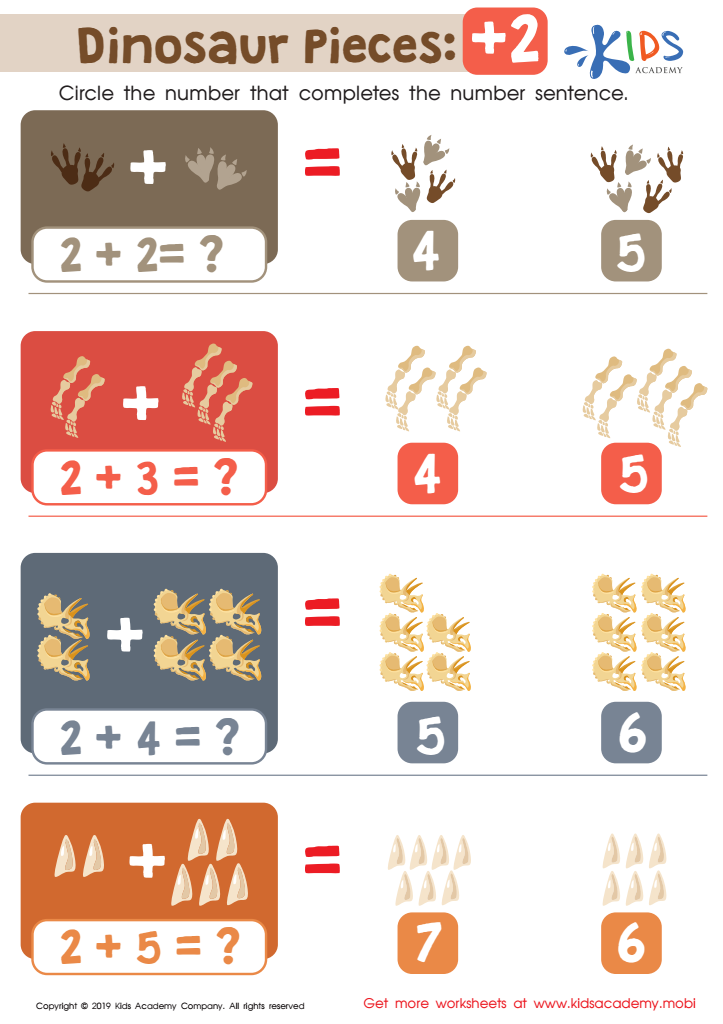
Dinosaur Pieces: +2 Worksheet
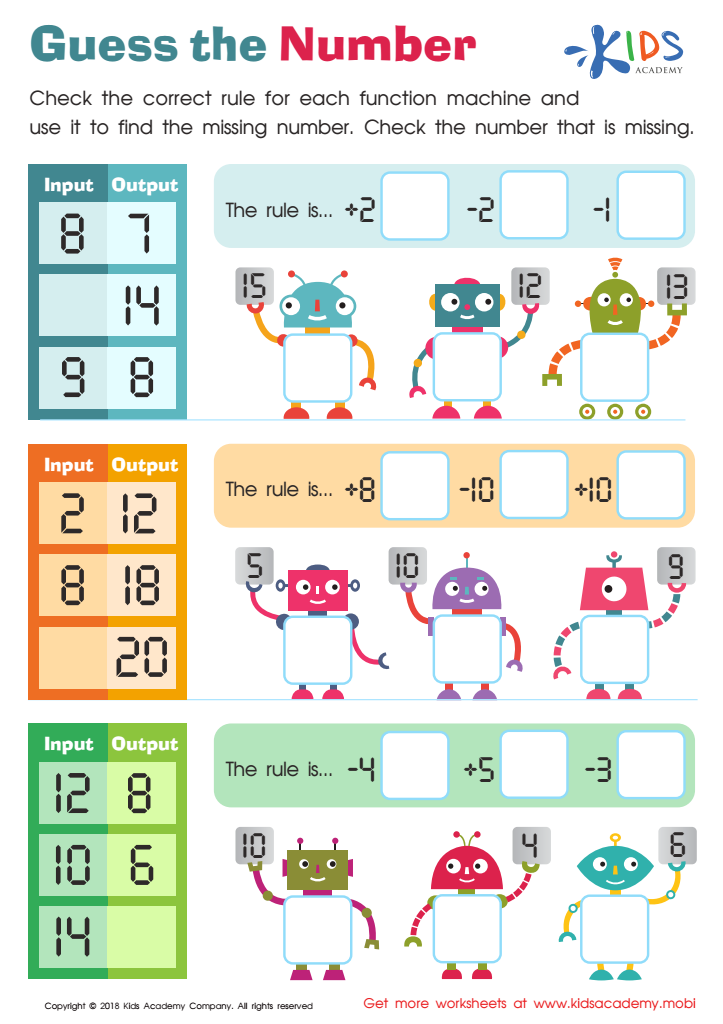
Guess the Number Worksheet
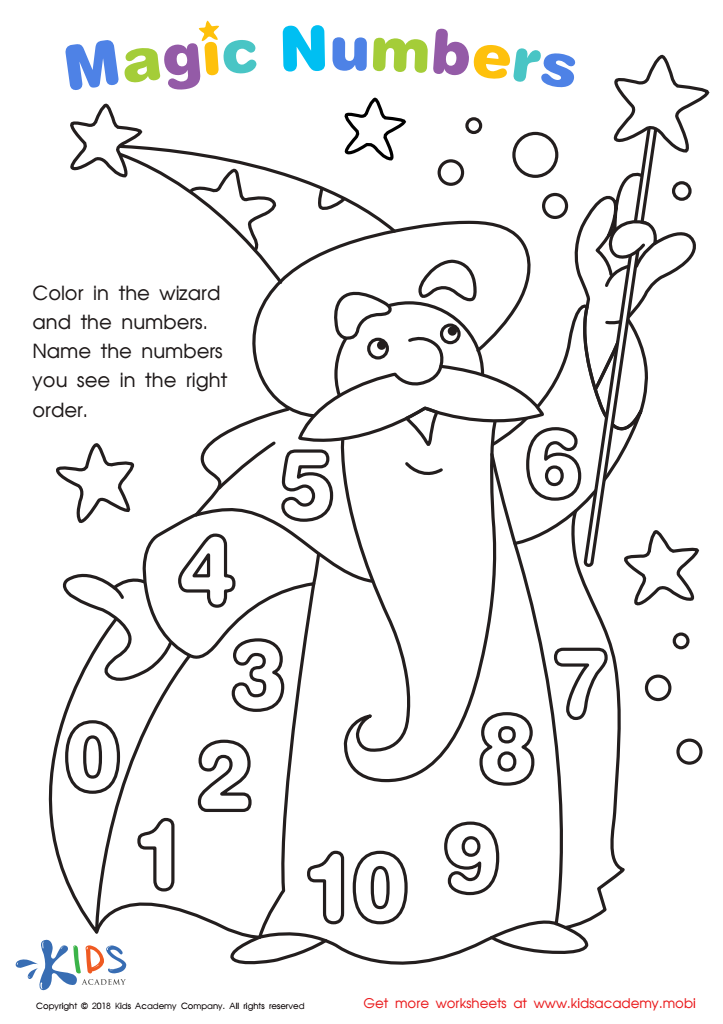
Magic Numbers Worksheet
 Assign to My Students
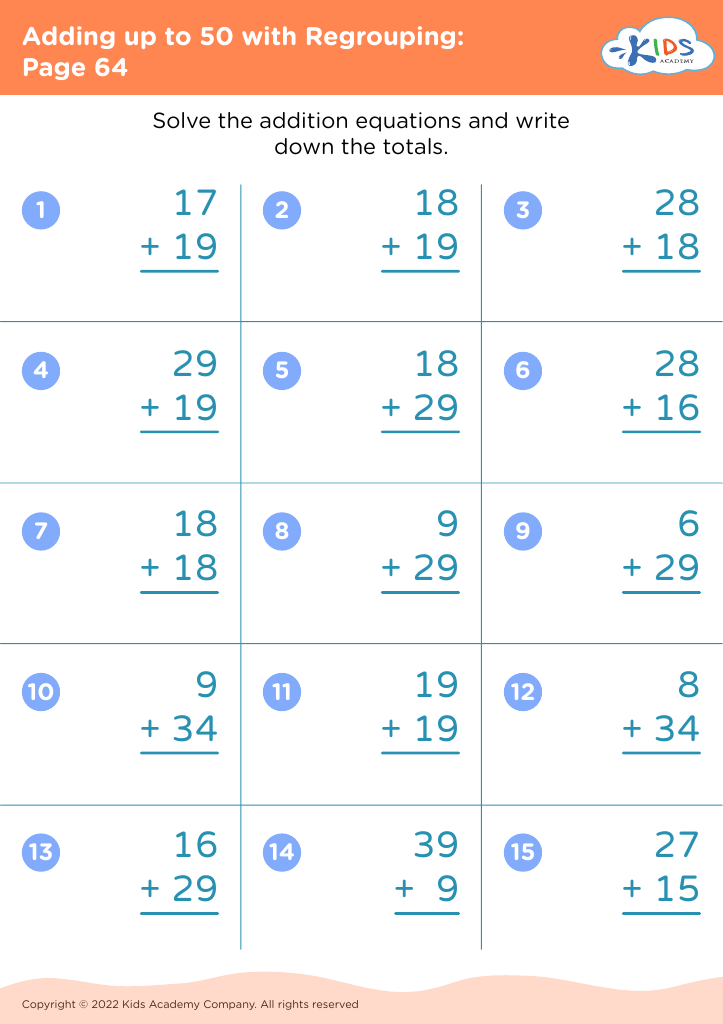
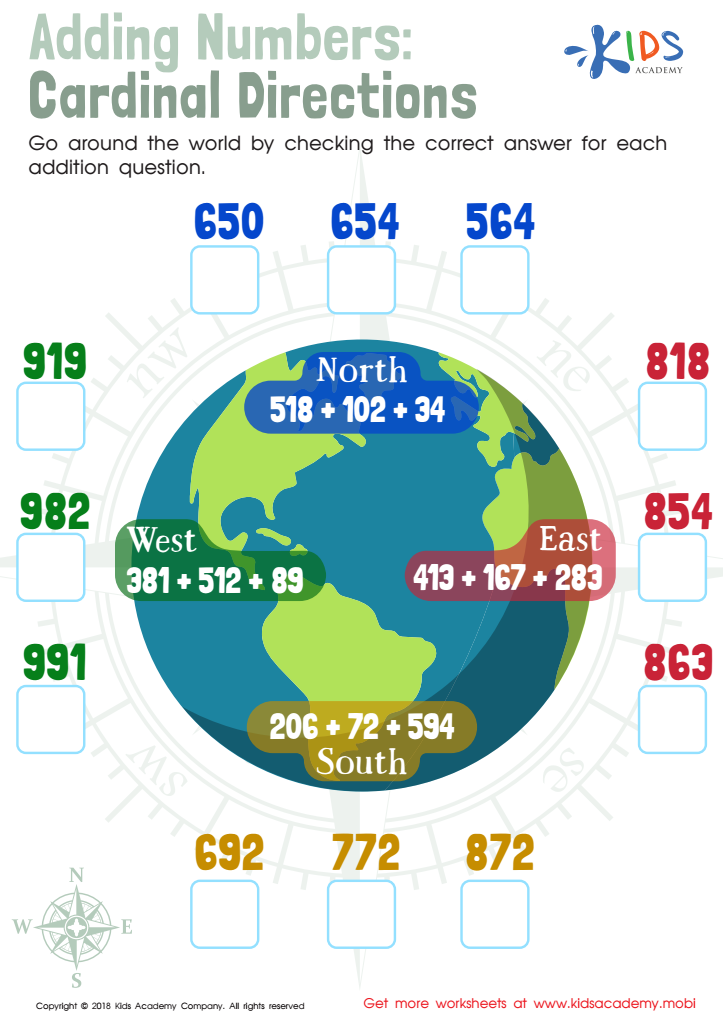
Adding Numbers: Cardinal Directions Worksheet
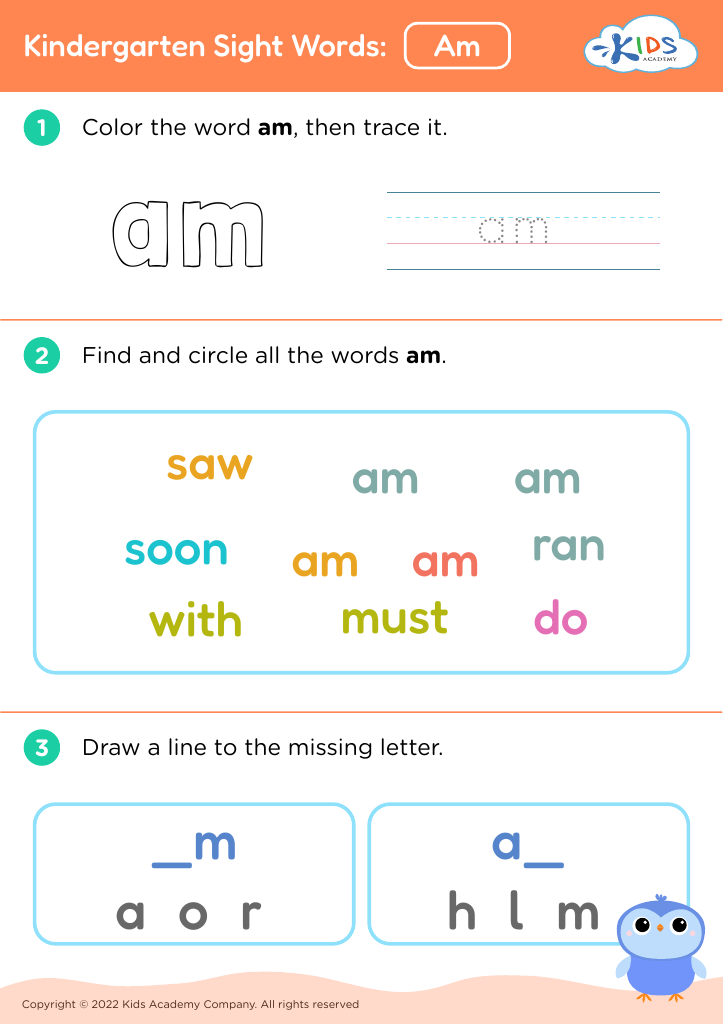






.jpg)

Improving math skills for children aged 4-7 is crucial as these early years form the foundation for a child's cognitive development. At this stage, children are like sponges, eagerly absorbing information and building essential skills that will benefit them throughout their lives. Math helps students develop logical thinking, problem-solving abilities, and analytical skills, which are not only vital for academic success but are also important life skills.
Early math skills foster a child's ability to recognize patterns, understand numbers, and perform basic operations, leading to greater confidence in learning. Parents and teachers can support this developmental stage through engaging activities and playful learning experiences that make math enjoyable and accessible.
Moreover, strong math skills are linked to a positive attitude towards learning. When children grasp the basics early on, they are more likely to pursue math-related subjects in the future, opening doors to various career opportunities in technology, engineering, and sciences.
Investing time and effort into the improvement of math skills can also enhance a child's self-esteem and social interactions. Overall, math proficiency is not just an academic requirement, but a vital building block for holistic development and lifelong learning.








