Filters

826 filtered results

Clear all filters
Favorites
With answer key
Interactive

826 filtered results

Difficulty Level

Grade


Check out this FREE "Number Recognition" Trial Lesson for age 4-7!

Drawing Addition Story Problems

Favorites
With answer key
Interactive
  • 4-7
  • Number Recognition
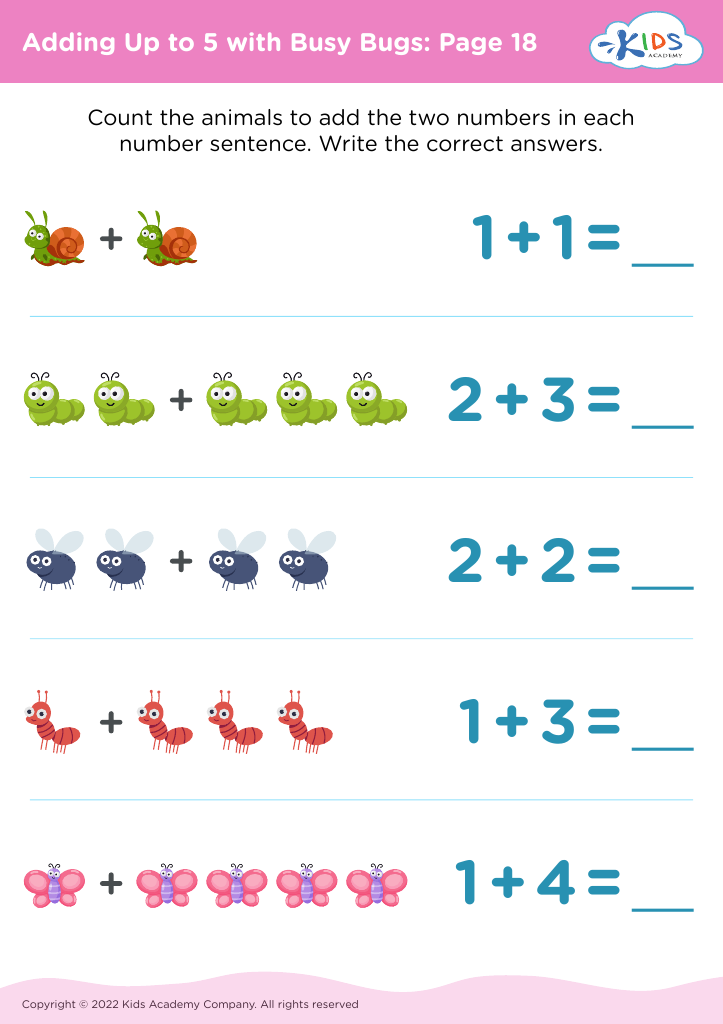
Adding Up to 5 with Busy Bugs: Page 18
Worksheet
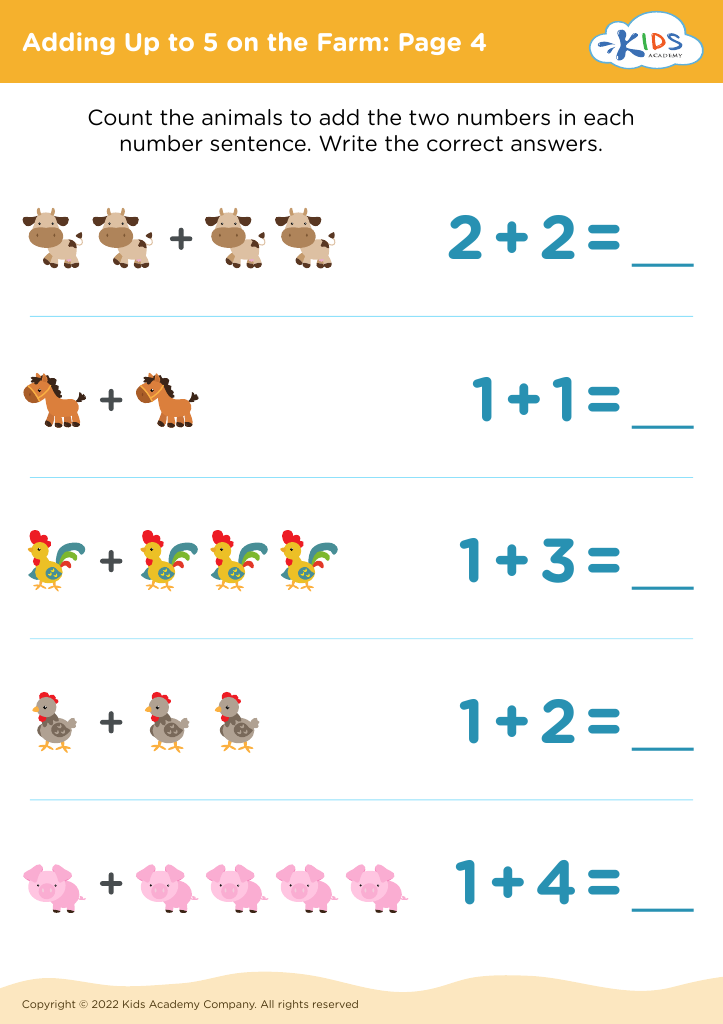
Adding Up to 5 on the Farm: Page 4
Worksheet
Under the Sea Addition Worksheet

Under the Sea Addition Worksheet

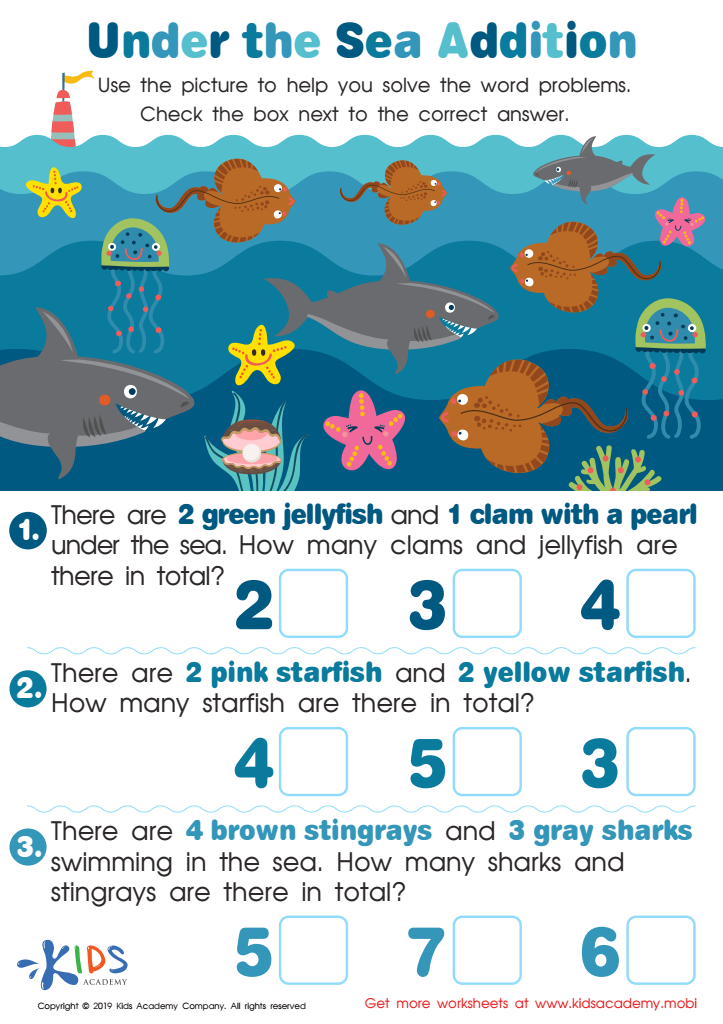
Ask your kids to identify undersea animals in a picture, then solve the word problems at the bottom with it! If they're into the nature channel or marine life, they'll love this worksheet. Check the box next to the correct answer for each one. 80 words
Under the Sea Addition Worksheet
Worksheet
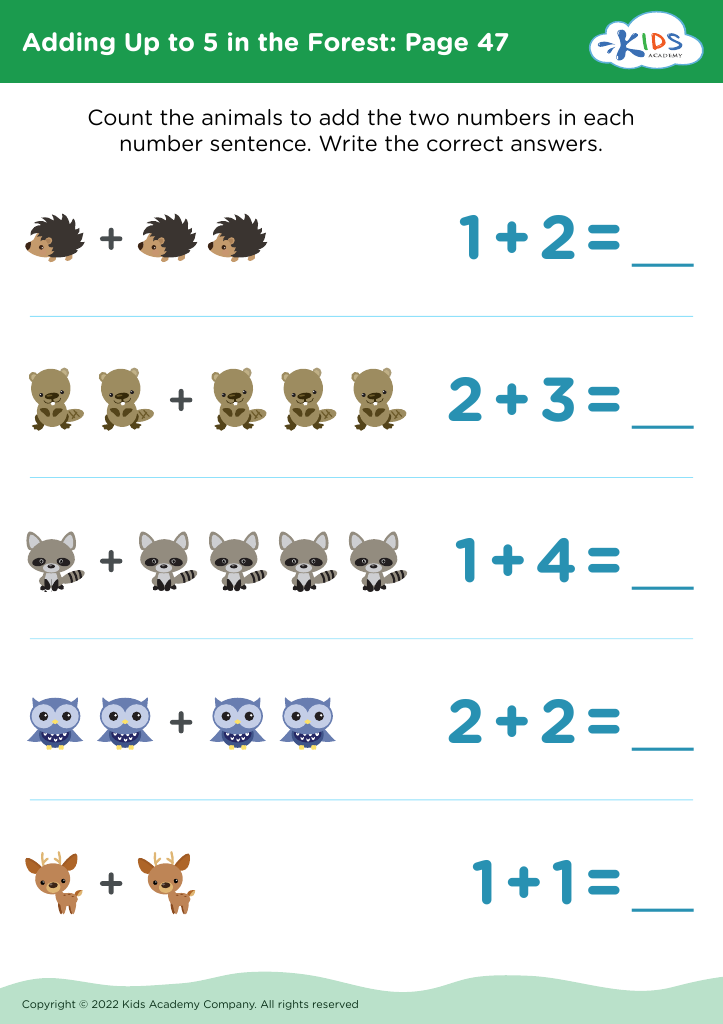
Adding Up to 5 in the Forest: Page 47
Worksheet
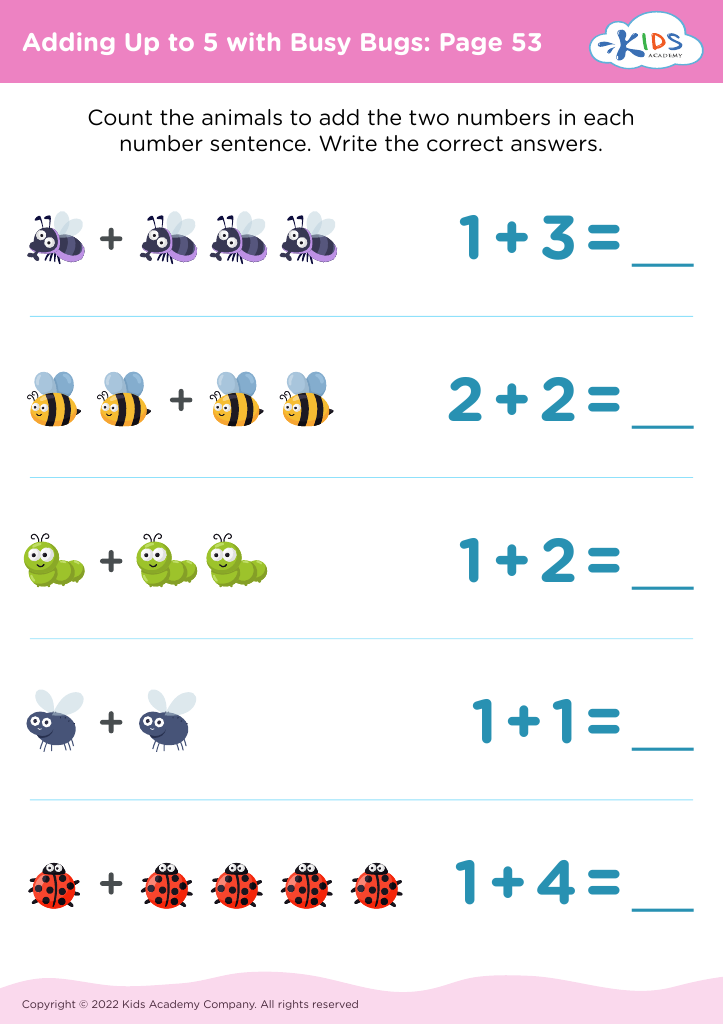
Adding Up to 5 with Busy Bugs: Page 53
Worksheet
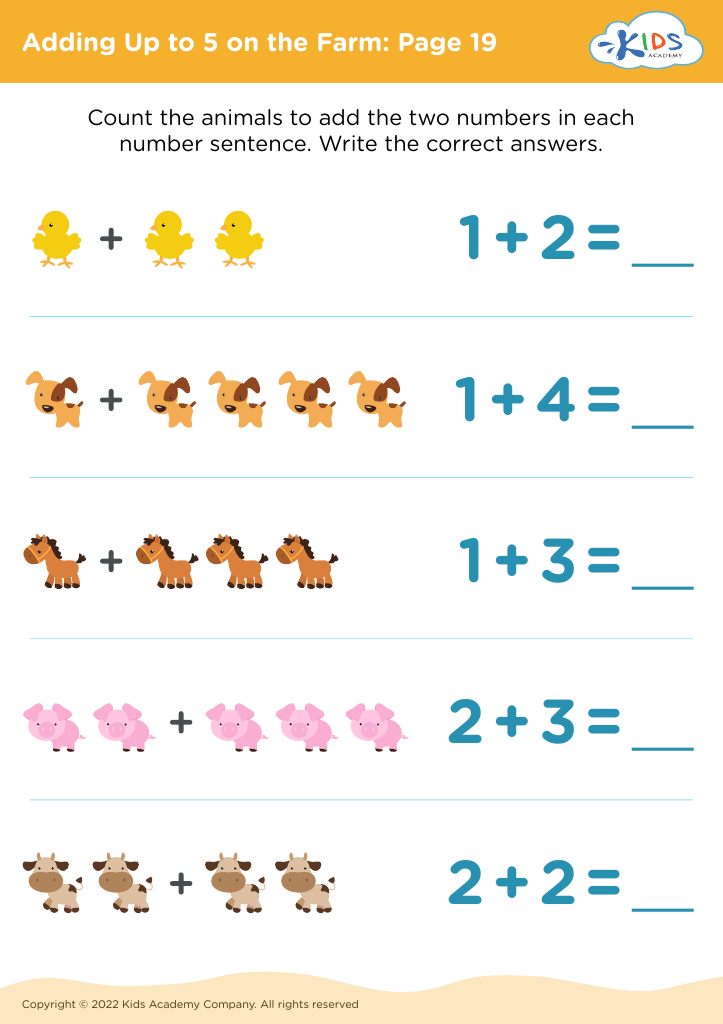
Adding Up to 5 on the Farm: Page 19
Worksheet
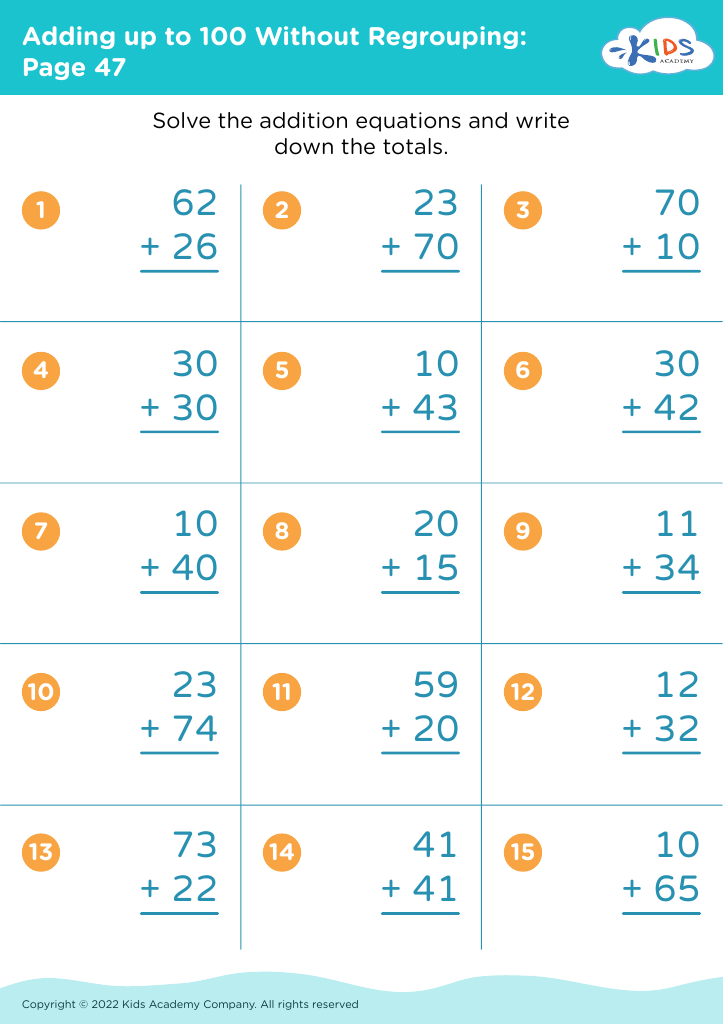
Adding up to 100 Without Regrouping: Page 47
Worksheet
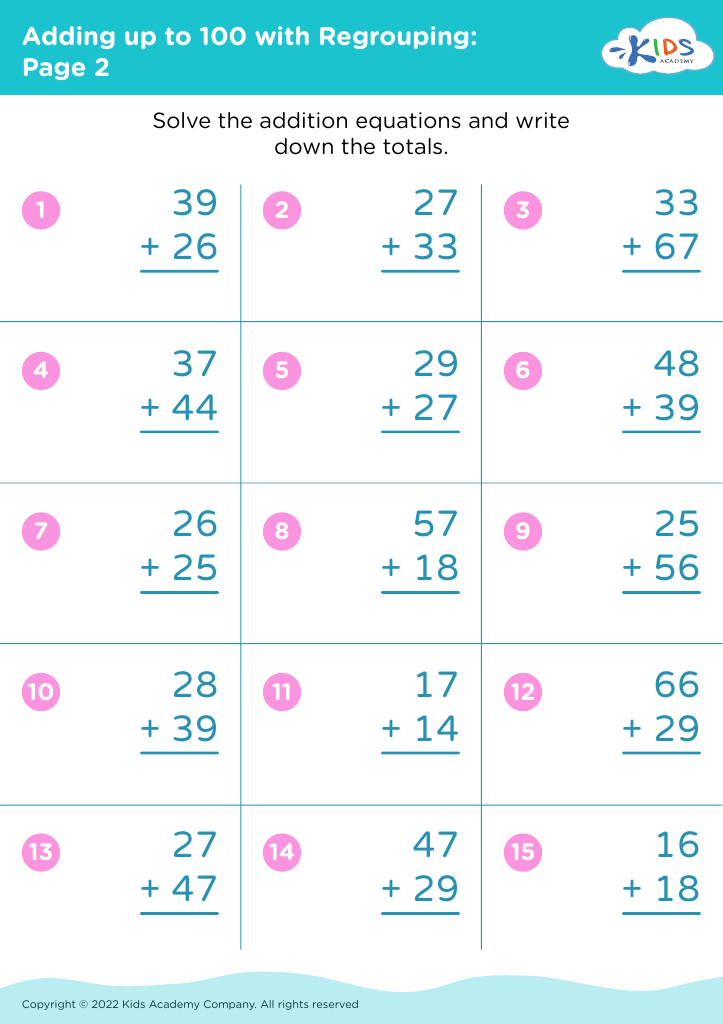
Adding up to 100 with Regrouping: Page 2
Worksheet
What Makes 17 Worksheet

What Makes 17 Worksheet

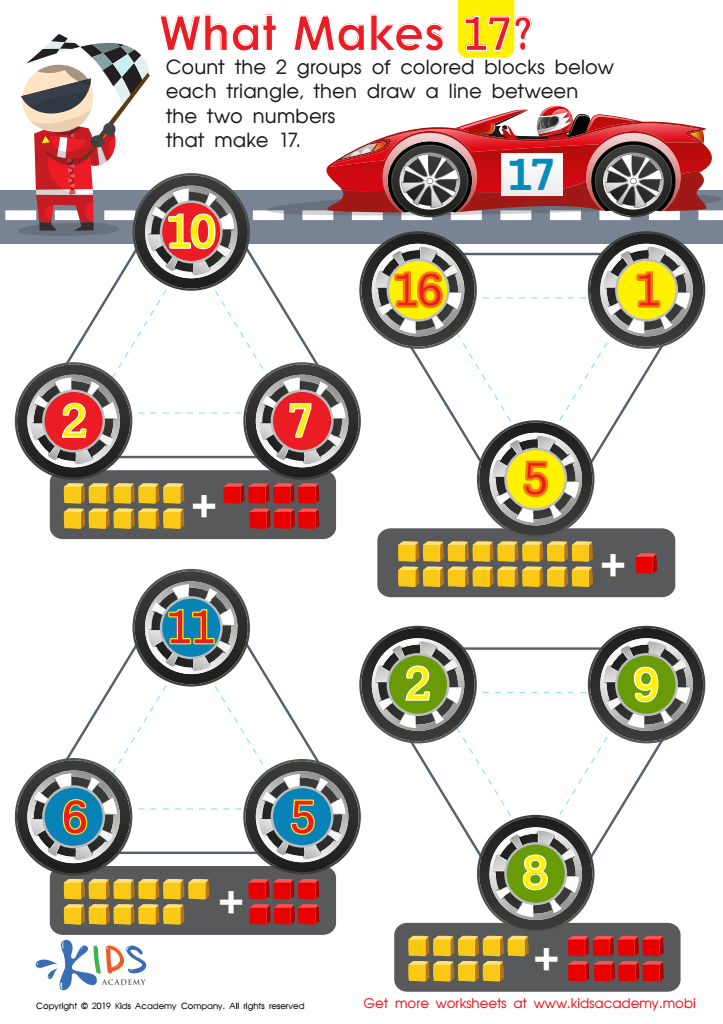
Practice makes perfect! Let your kindergartners explore addition using this worksheet. Count the blocks in each triangle to reach the same total of 17, and draw a line between the two numbers. Once they get the hang of it, nothing will be too difficult!
What Makes 17 Worksheet
Worksheet
Adding Up to 5 with Busy Bugs: Page 25
Worksheet
Tooth Fairy Addition Worksheet

Tooth Fairy Addition Worksheet

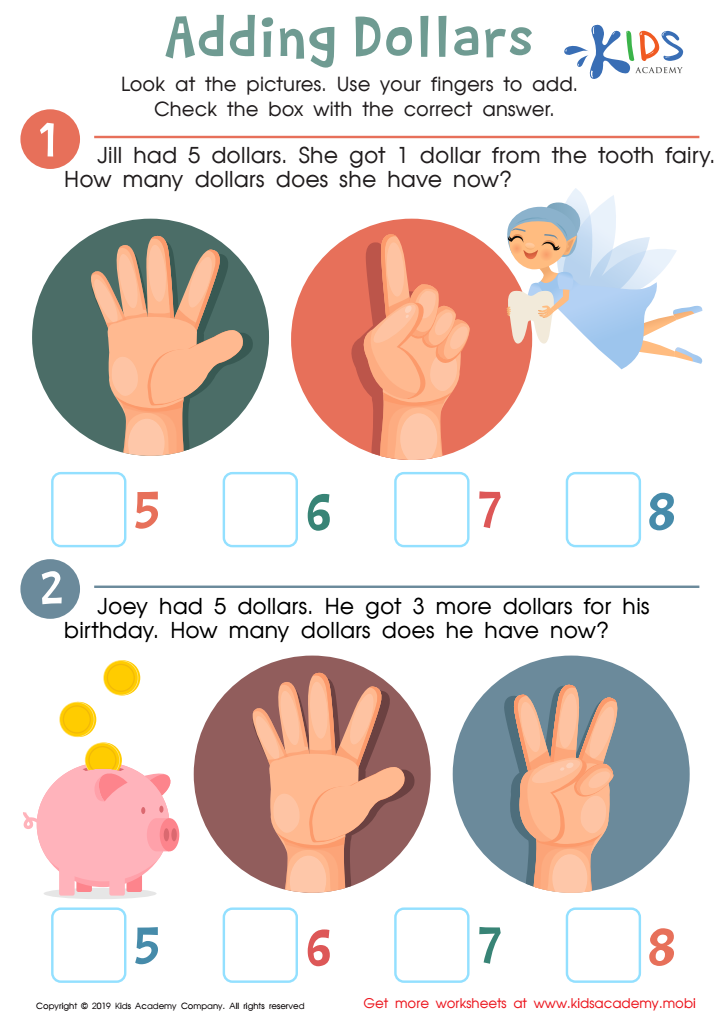
Kids know of the tooth fairy and may have experienced visits. Kids love counting the money left in exchange for their teeth under the pillow. In this worksheet, help Jill and Joey count the tooth fairy's dollars. Ask your kids to use their fingers to add the numbers and check the box with the correct answer.
Tooth Fairy Addition Worksheet
Worksheet
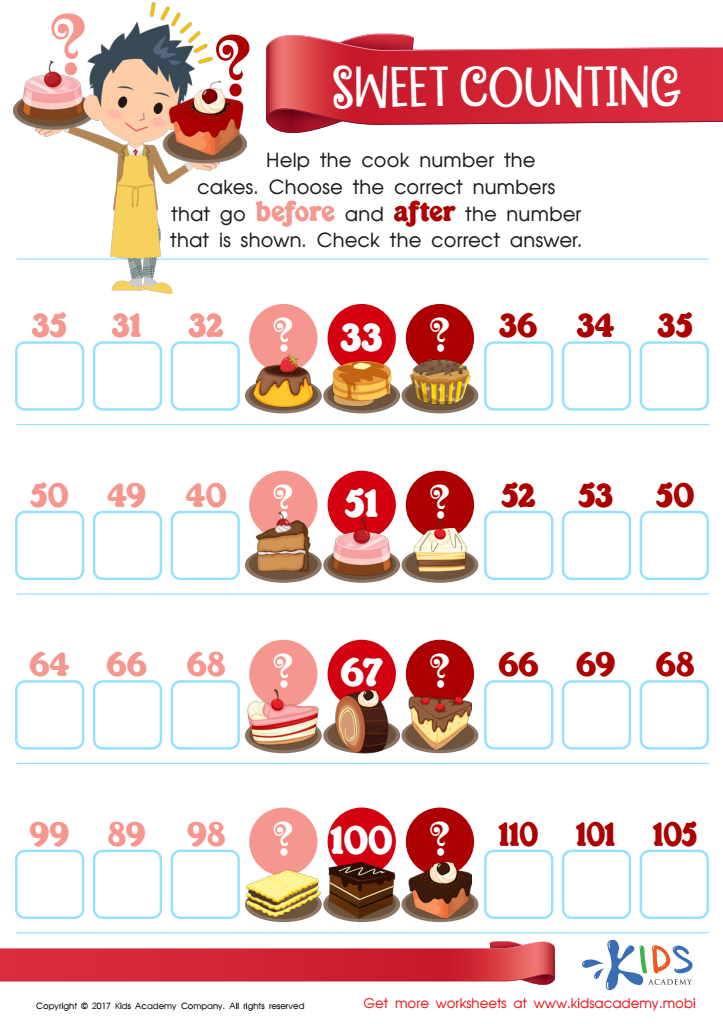
Sweet Counting - Part 1 Worksheet
Sweet Counting - Part 1 Worksheet
Help your child learn numbers by counting cakes! Download this fun worksheet and have them fill in the numbers missing in the line of cakes. They'll have fun helping the cook and be learning at the same time!
Sweet Counting - Part 1 Worksheet
Worksheet
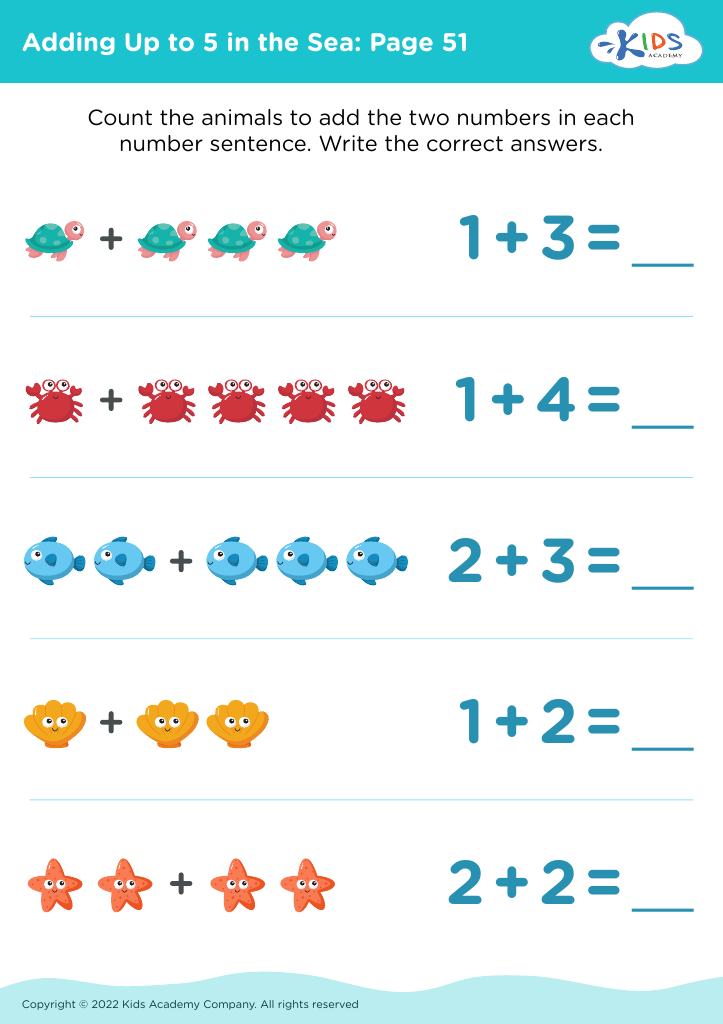
Adding Up to 5 in the Sea: Page 51
Worksheet
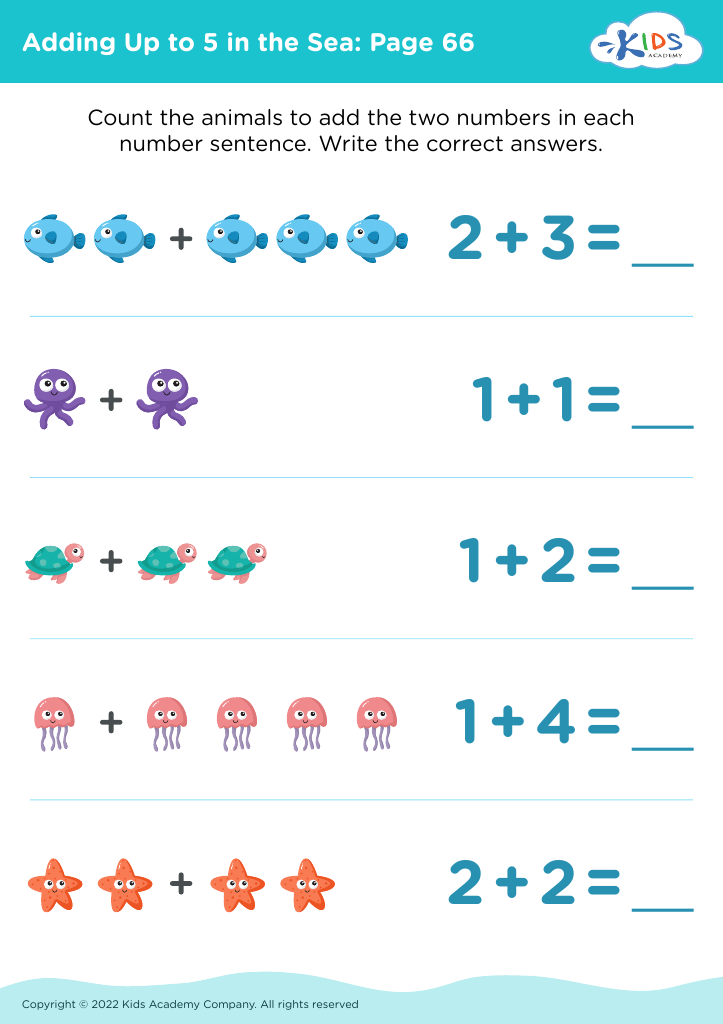
Adding Up to 5 in the Sea: Page 66
Worksheet
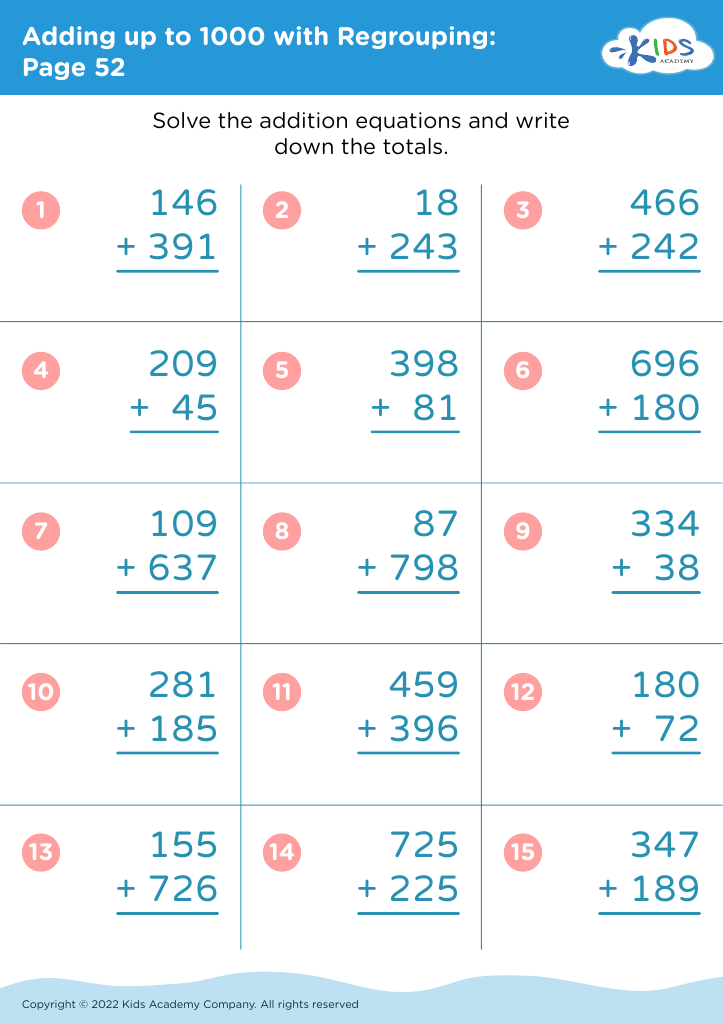
Adding up to 1000 with Regrouping: Page 52
Worksheet
Adding Up to 5 on the Farm: Page 72
Worksheet
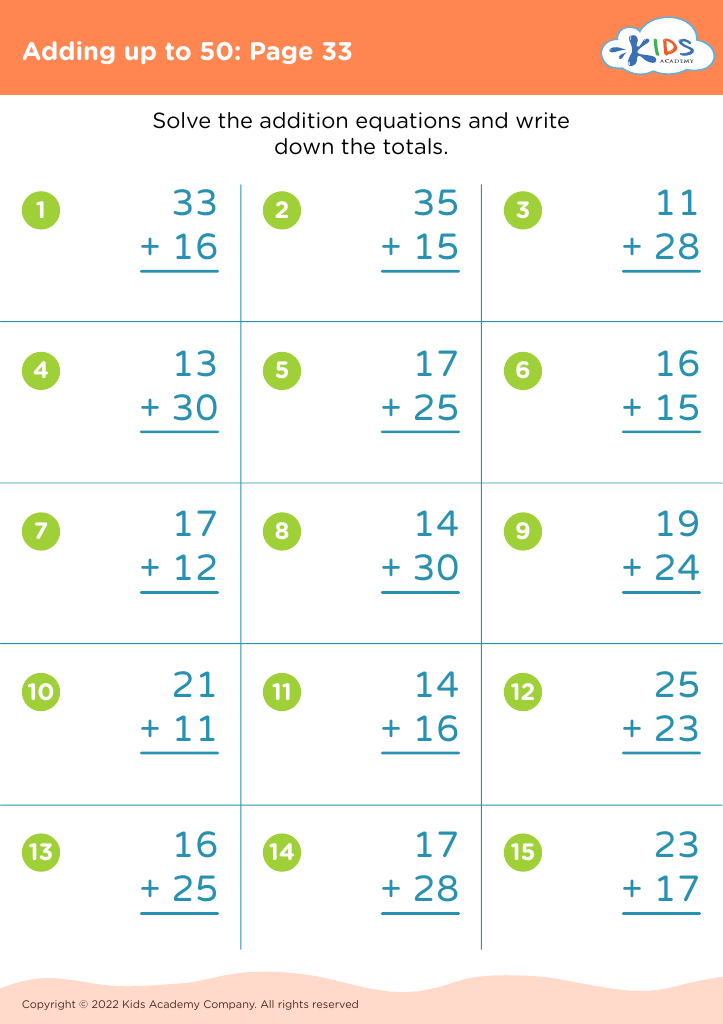
Adding up to 50: Page 33

Adding up to 50: Page 33

Adding up to 50: Page 33
Worksheet
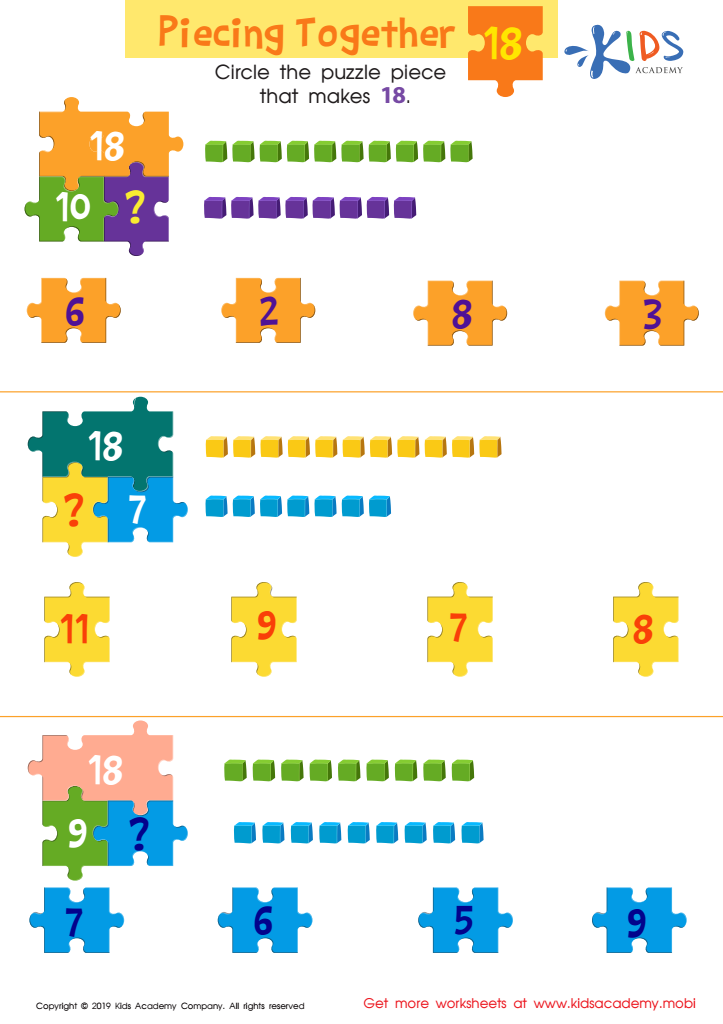
Piecing Together 18 Worksheet
Piecing Together 18 Worksheet

Let your preschoolers learn and have fun with this colorful worksheet. Look at the picture with them and ask what they see. Help them solve the equations missing on each puzzle piece and then circle the one that will make the bottom puzzle piece numbers equal 16. Puzzles and bright colors make learning easy and enjoyable!
Piecing Together 18 Worksheet
Worksheet
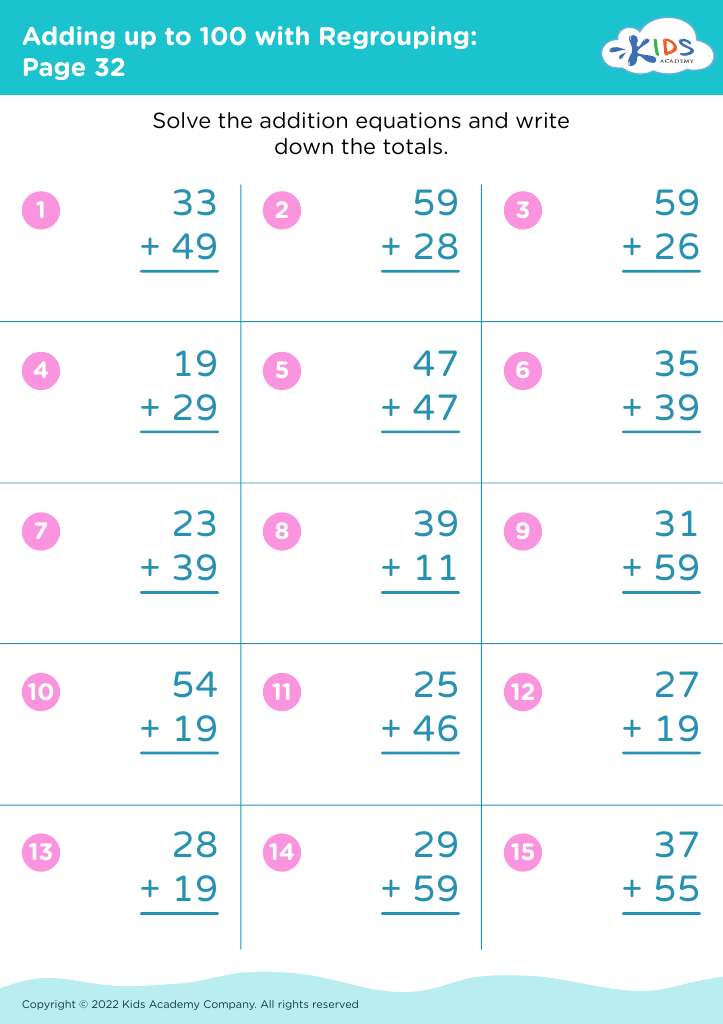
Adding up to 100 with Regrouping: Page 32
Worksheet
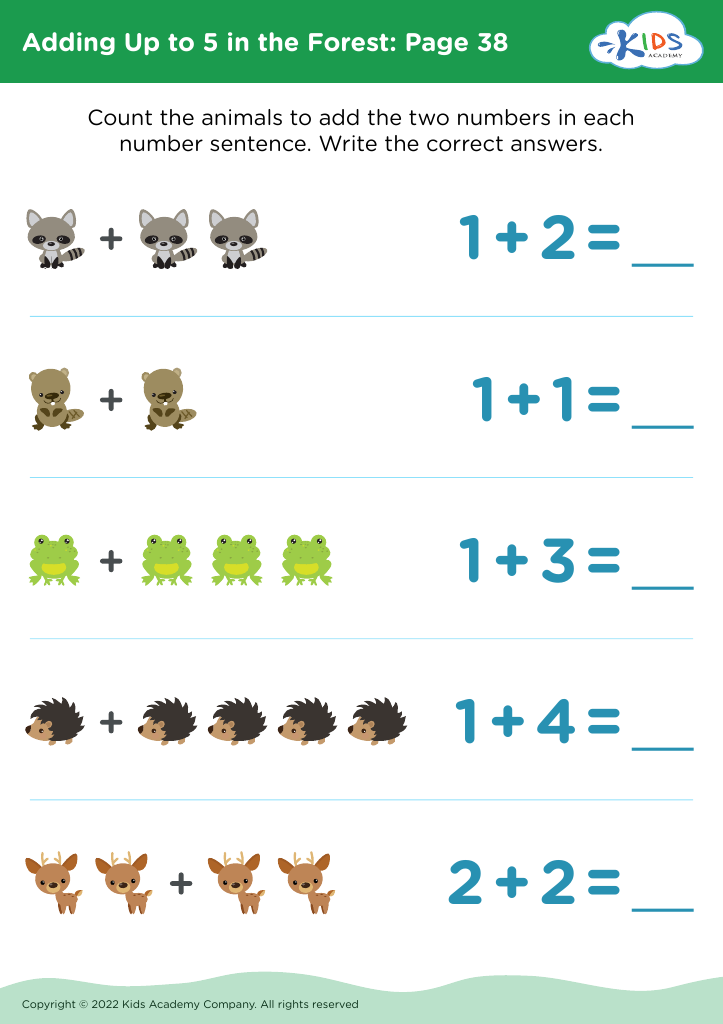
Adding Up to 5 in the Forest: Page 38
Worksheet
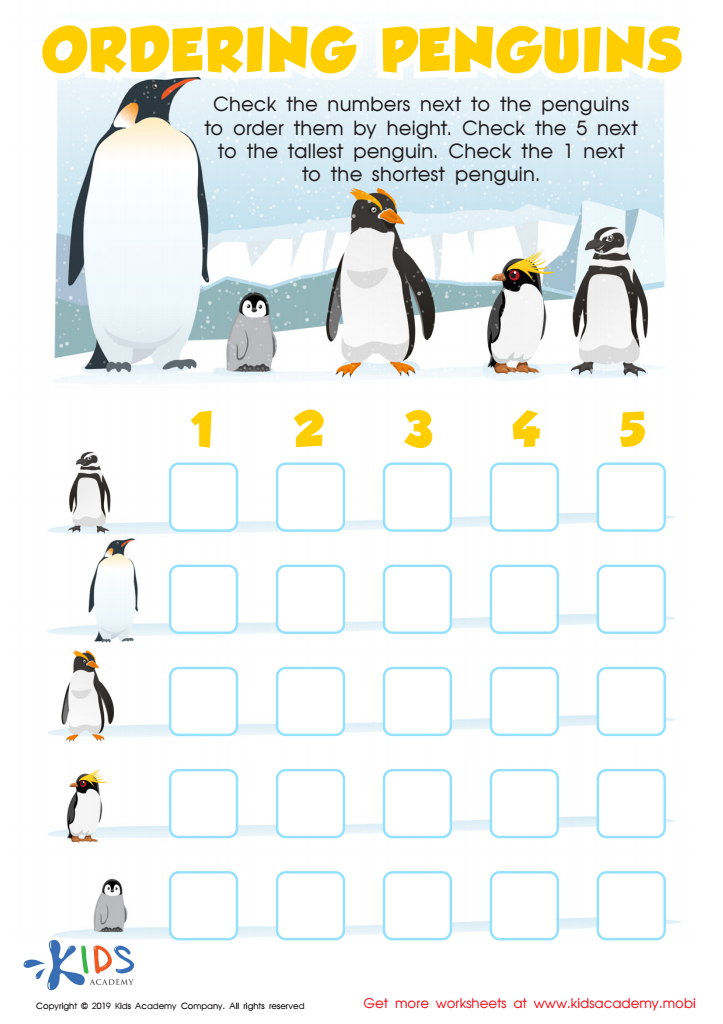
Ordering Penguins Worksheet
Ordering Penguins Worksheet
Check photos of penguins with your kids, then help them order by height. Tallest gets a 5, shortest gets a 1. Learn cool facts while having fun!
Ordering Penguins Worksheet

Worksheet
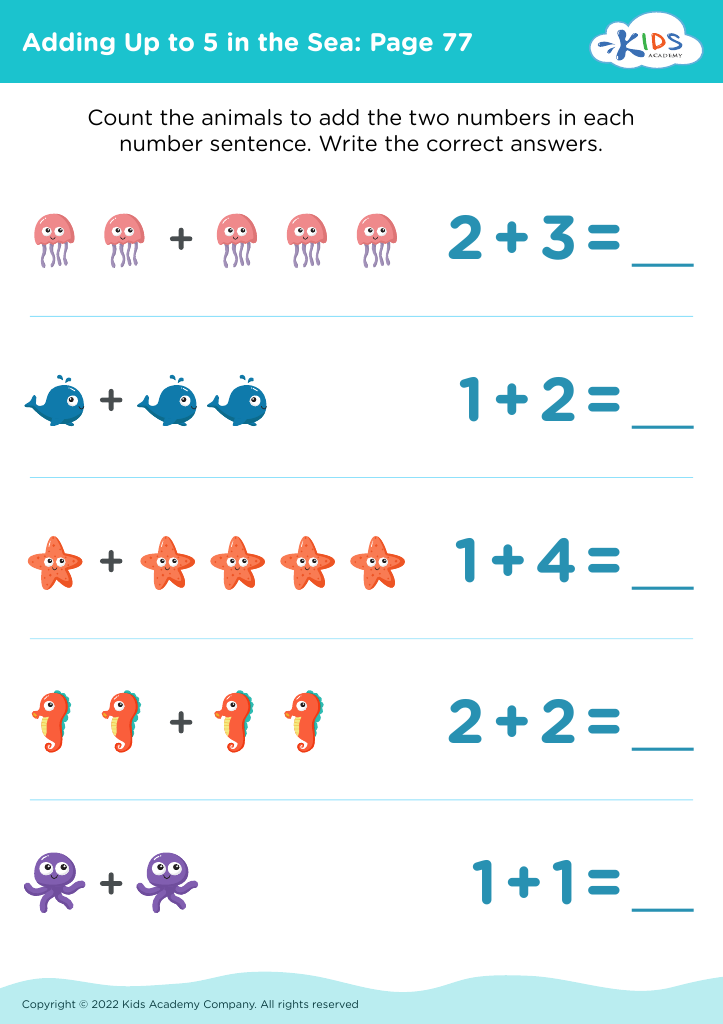
Adding Up to 5 in the Sea: Page 77
Worksheet
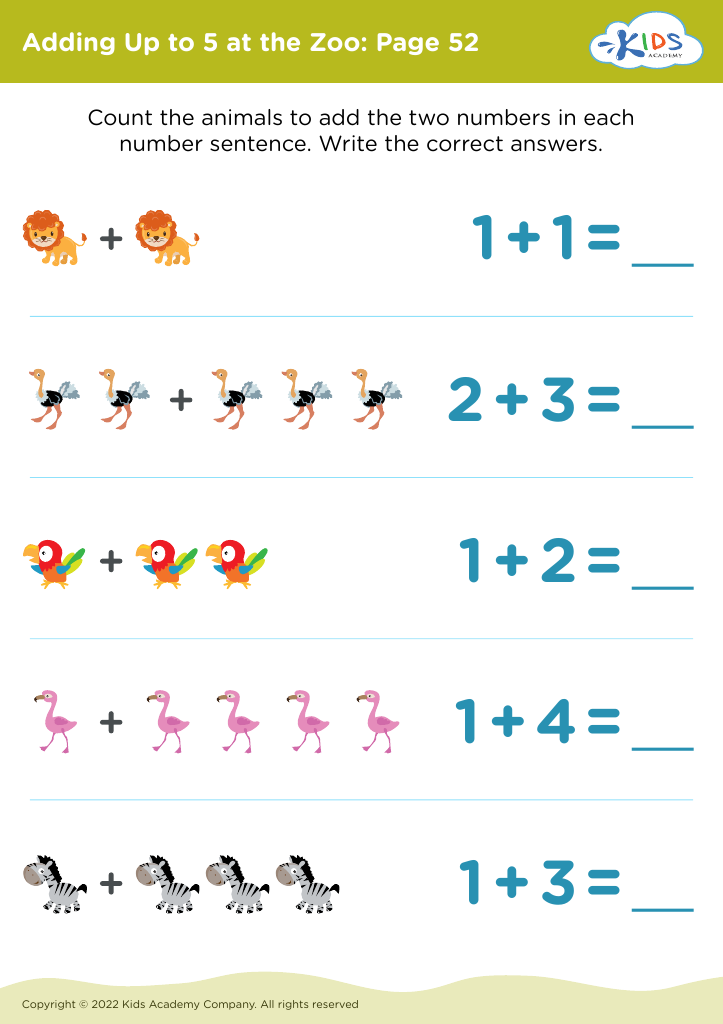
Adding Up to 5 at the Zoo: Page 52
Worksheet
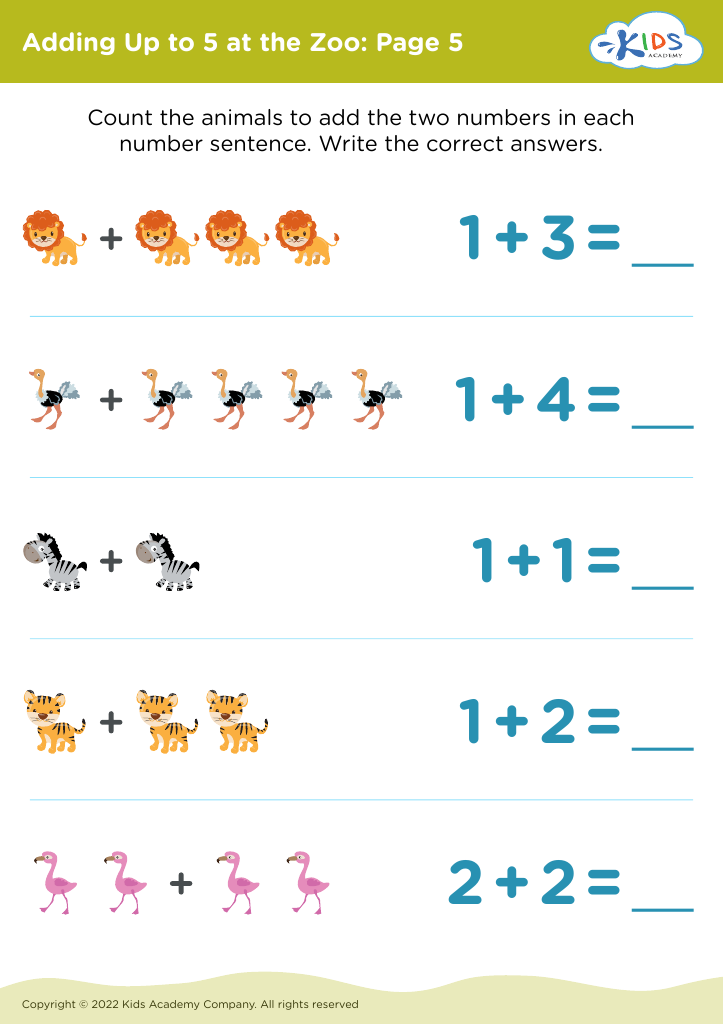
Adding Up to 5 at the Zoo: Page 5

Adding Up to 5 at the Zoo: Page 5

Adding Up to 5 at the Zoo: Page 5
Worksheet


Number recognition is a vital skill for children aged 4-7 as it lays the foundation for their future mathematical learning. During this critical stage, children not only learn to identify and understand numbers but also start grasping early mathematical concepts such as counting, addition, and subtraction. By recognizing numbers, children can comprehend quantitative relationships, enabling them to make sense of their world.

Parents and teachers play an essential role in nurturing this skill. When children can recognize numbers confidently, it boosts their self-esteem and motivates them to engage with more complex mathematical ideas. This foundational literacy fosters a strong connection between math and everyday life, such as understanding time, managing finances, or measuring ingredients while cooking.

Moreover, developing number recognition skills at an early age helps prevent future learning difficulties in math-related subjects. Engaging parents and teachers fosters a collaborative environment where children feel supported. Fun activities, games, and everyday situations can reinforce number recognition, making learning enjoyable and effective. By prioritizing number recognition, we equip children with essential skills that encourage logical thinking, problem-solving, and analytical abilities—tools they will utilize throughout their education and into adulthood.