Pattern recognition Worksheets for Ages 4-7 - Page 2
30 filtered results
-
From - To
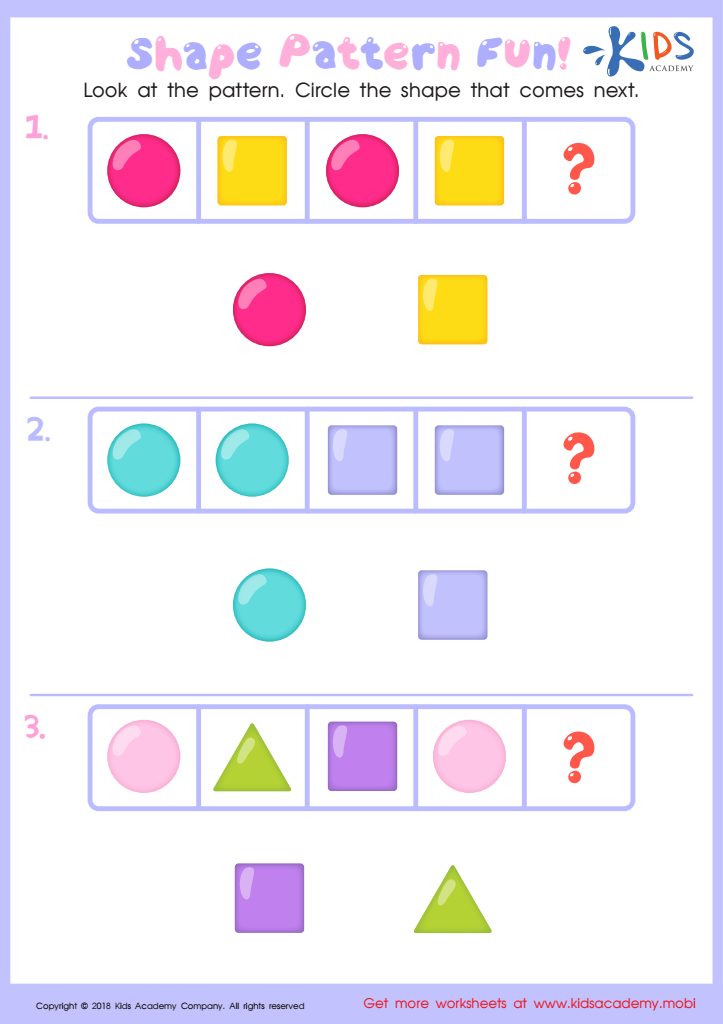
Shape Pattern Fun Worksheet
 Assign to My Students
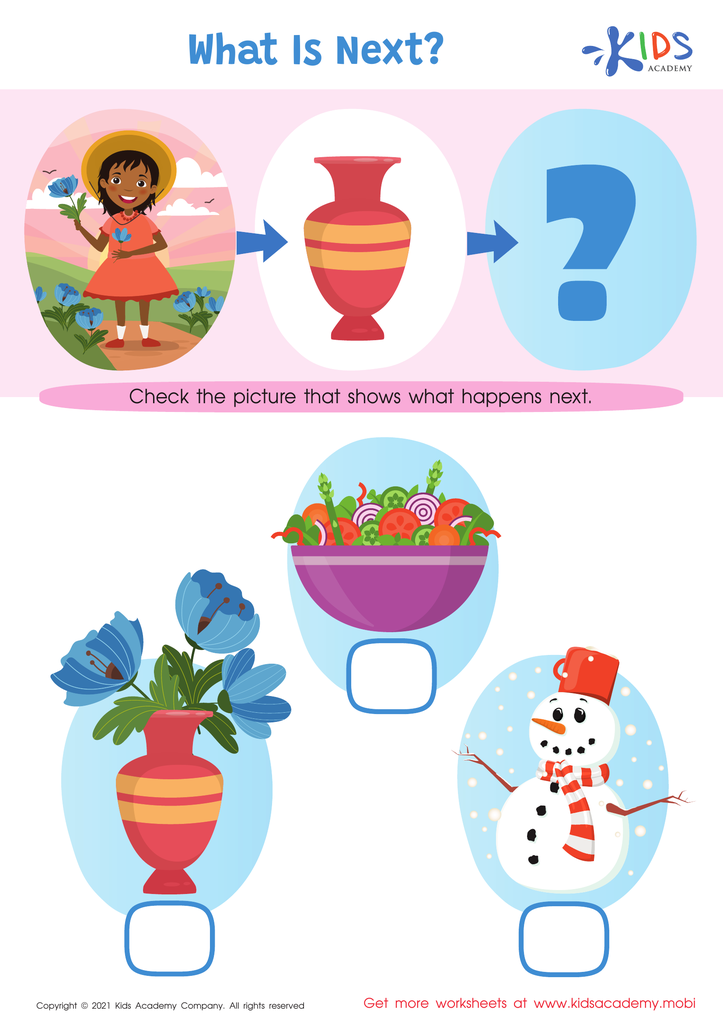
What is Next? Worksheet
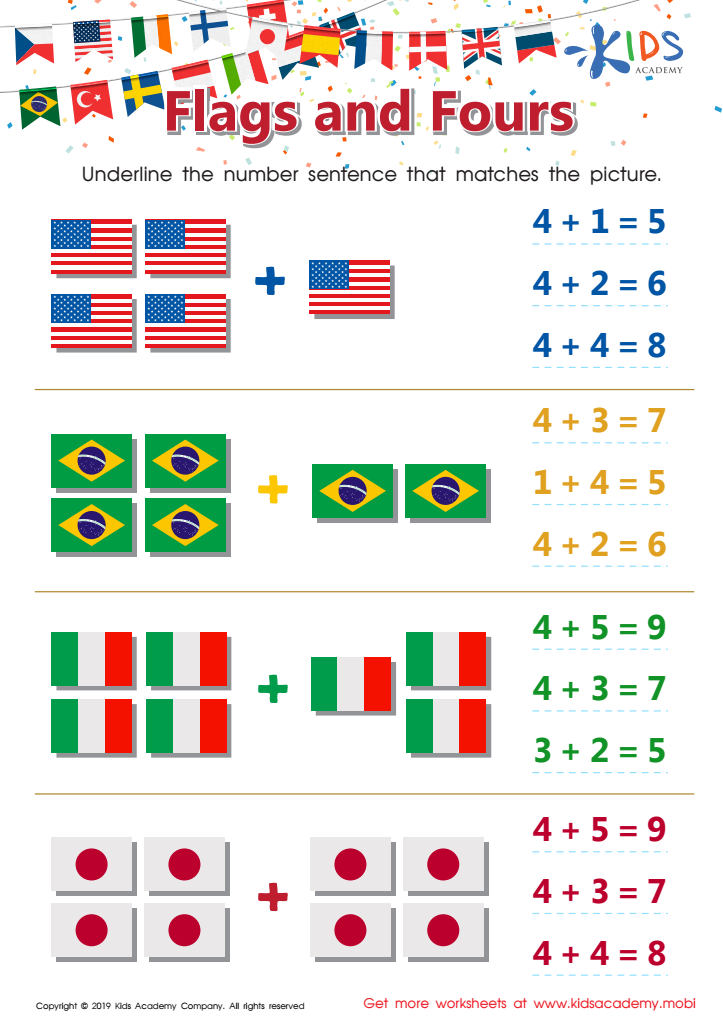
Flags and Fours Worksheet
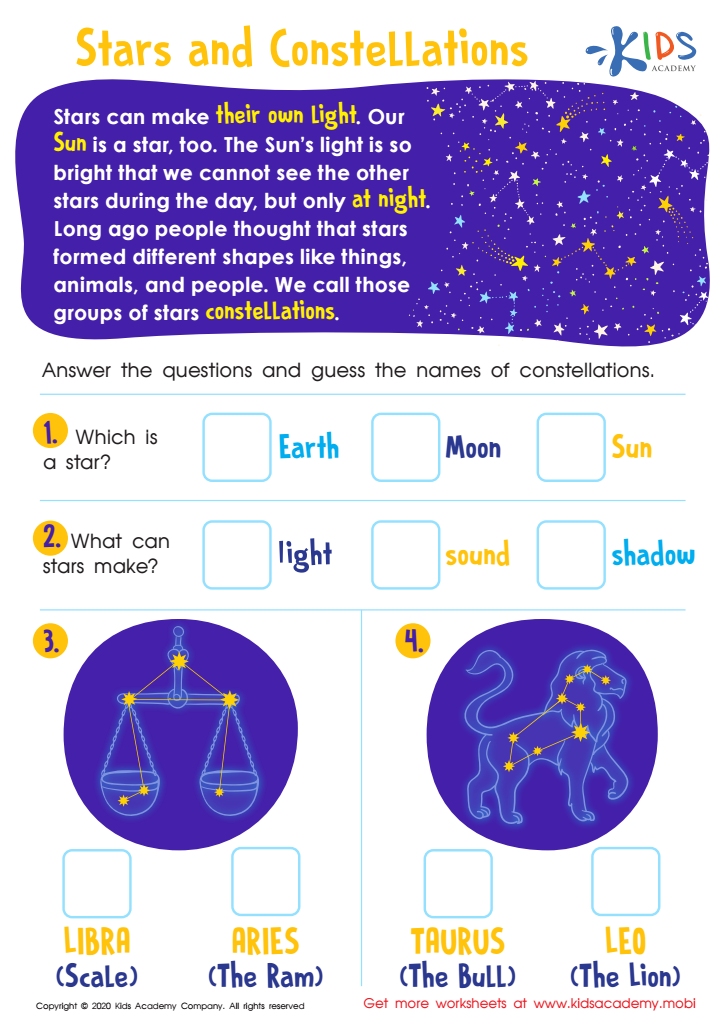
Stars and Constellations Worksheet
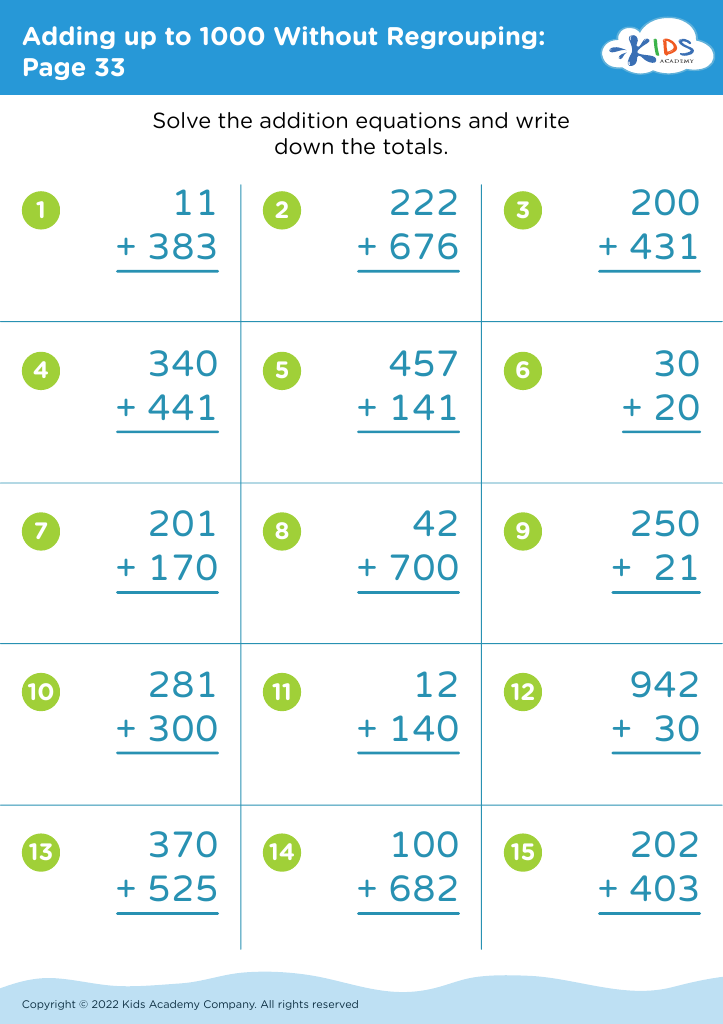
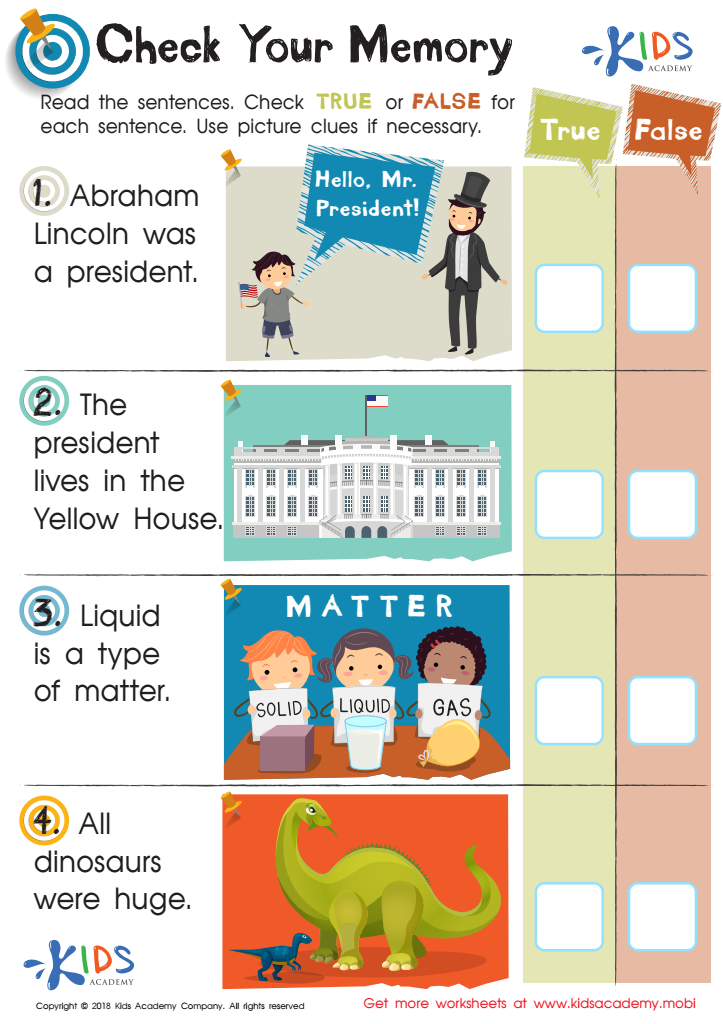
Check Memory Worksheet





.jpg)

Pattern recognition is crucial for children ages 4-7 because it forms the foundation for a myriad of essential skills across various domains of learning. During these formative years, a child's brain is exceptionally receptive to identifying sequences, regularities, and structures, which lays the groundwork for more complex cognitive abilities.
Firstly, engaging in pattern recognition helps children develop mathematical skills. Recognizing and creating patterns fosters an understanding of numbers, geometry, and logical relationships, essential for problem-solving and arithmetic operations. Pattern recognition is also fundamental in learning to read. Children who can identify patterns in letters, words, and sentences are better equipped to decode language, understand phonics, and improve their reading fluency and comprehension.
Furthermore, pattern recognition supports critical thinking and reasoning abilities. It enables children to make predictions, categorize information, and identify relationships between different concepts. These skills are invaluable for scientific exploration and overall intellectual development.
Socially and emotionally, recognizing patterns in behavior and social interactions helps children understand social norms and respond appropriately in various contexts. It aids in developing routines that provide a sense of security and predictability in their daily lives.
By nurturing pattern recognition, parents and teachers empower children with a solid cognitive framework that enriches their learning experiences and problem-solving capabilities, setting the stage for lifelong analytical and creative thinking skills.








