Sequence Understanding Worksheets for Ages 4-7
7 filtered results
-
From - To
Enhance your child's cognitive development with "Sequence Understanding Worksheets for Ages 4-7"! These engaging and educational worksheets are designed to help young learners grasp the concept of sequence and order. Perfect for ages 4 to 7, each activity encourages critical thinking and supports the development of essential skills such as pattern recognition, logical reasoning, and storytelling. Discover a variety of fun exercises featuring colorful images and relatable scenarios to keep your child motivated and entertained. Nurture their sequencing abilities effortlessly through interactive and hands-on learning. Unlock the door to smarter thinking and greater comprehension at Kids Academy!
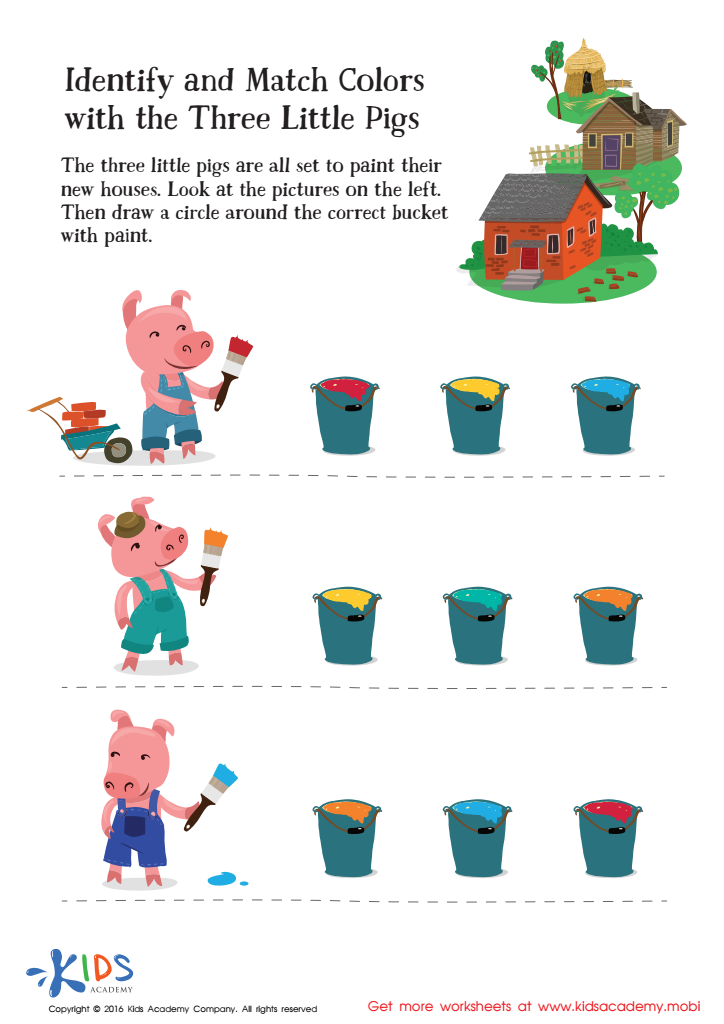
Fairy Tale Worksheet: Identify and Match Colors with Three Little Pigs
 Assign to My Students
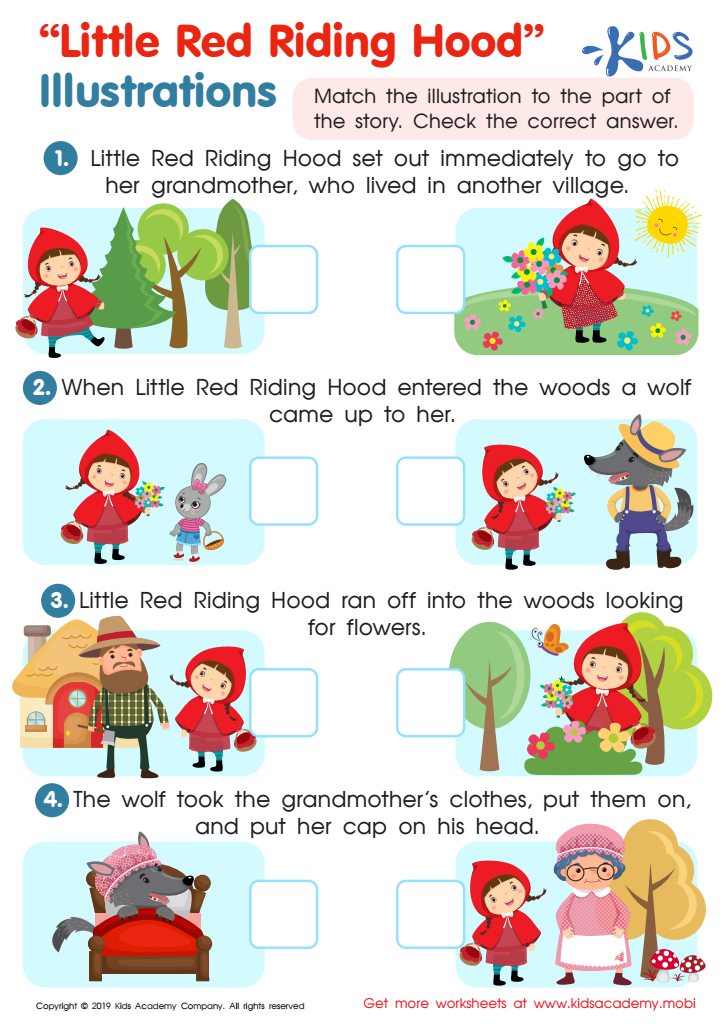
Little Red Riding Hood: Illustrations Worksheet
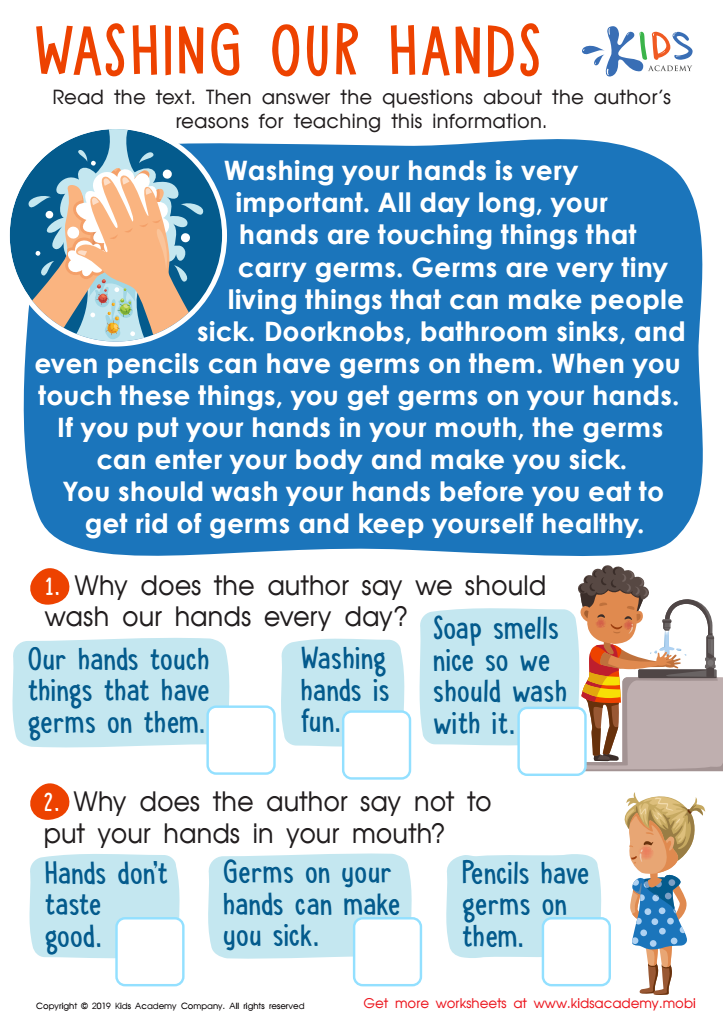
Washing Our Hands Worksheet
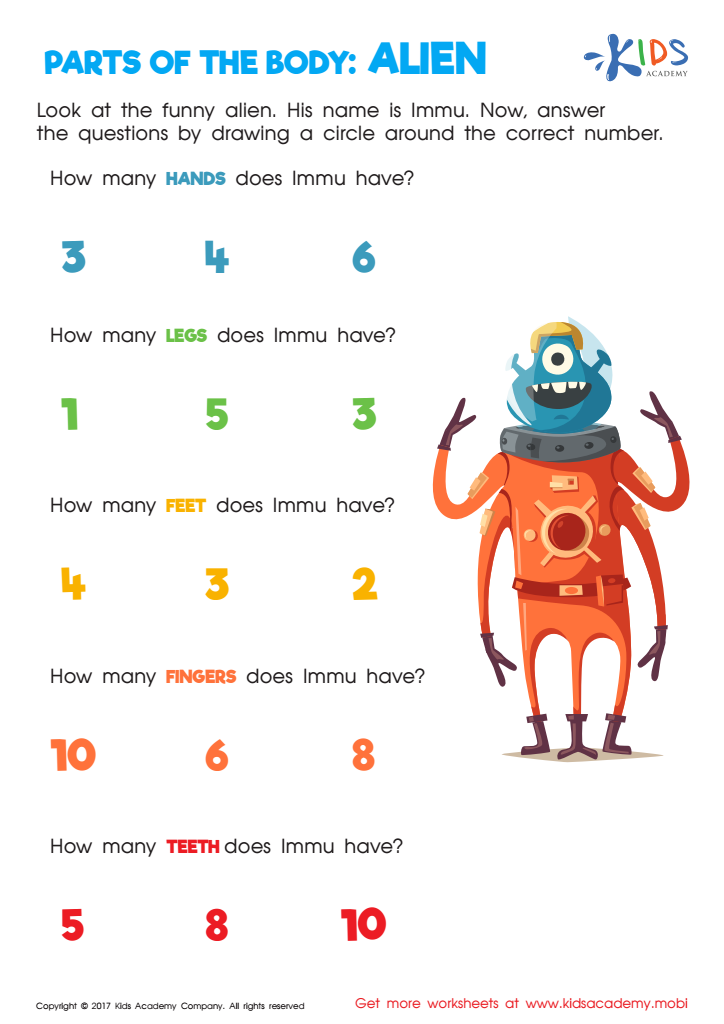
Alien Worksheet
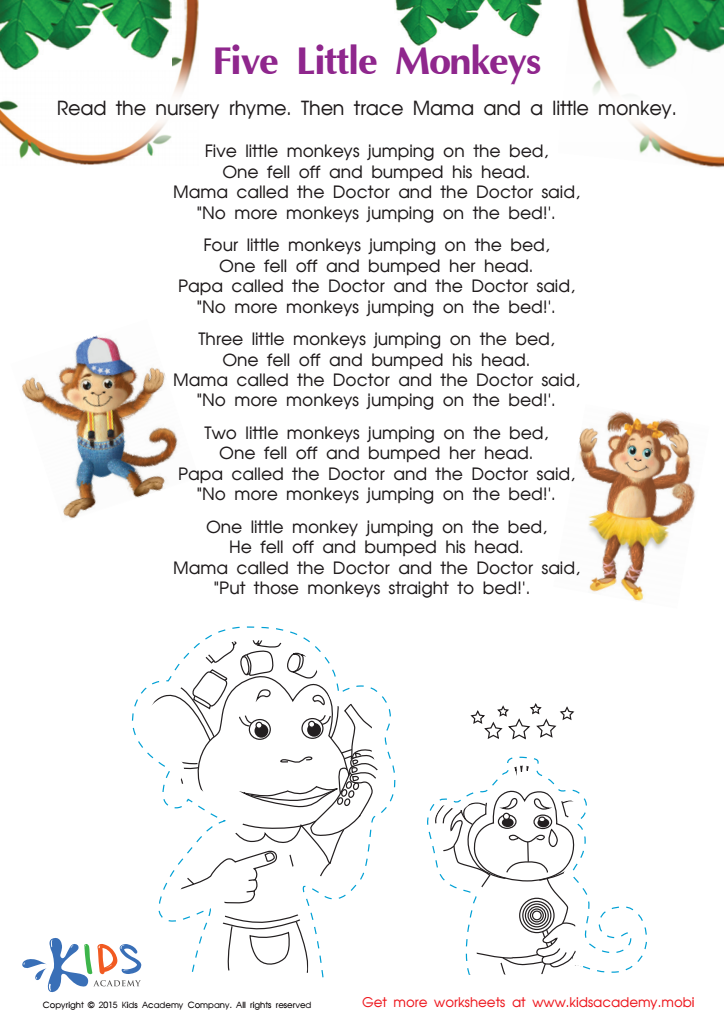
The Five Little Monkeys Nursery Rhyme Worksheet
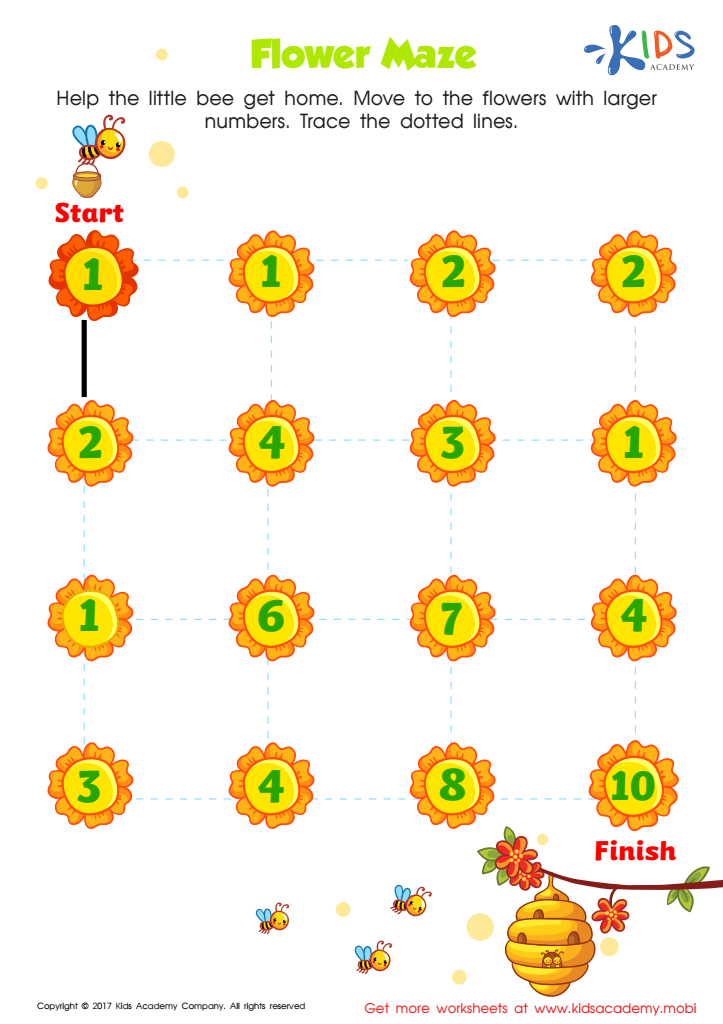
Number Maze For Kindergarten Printable
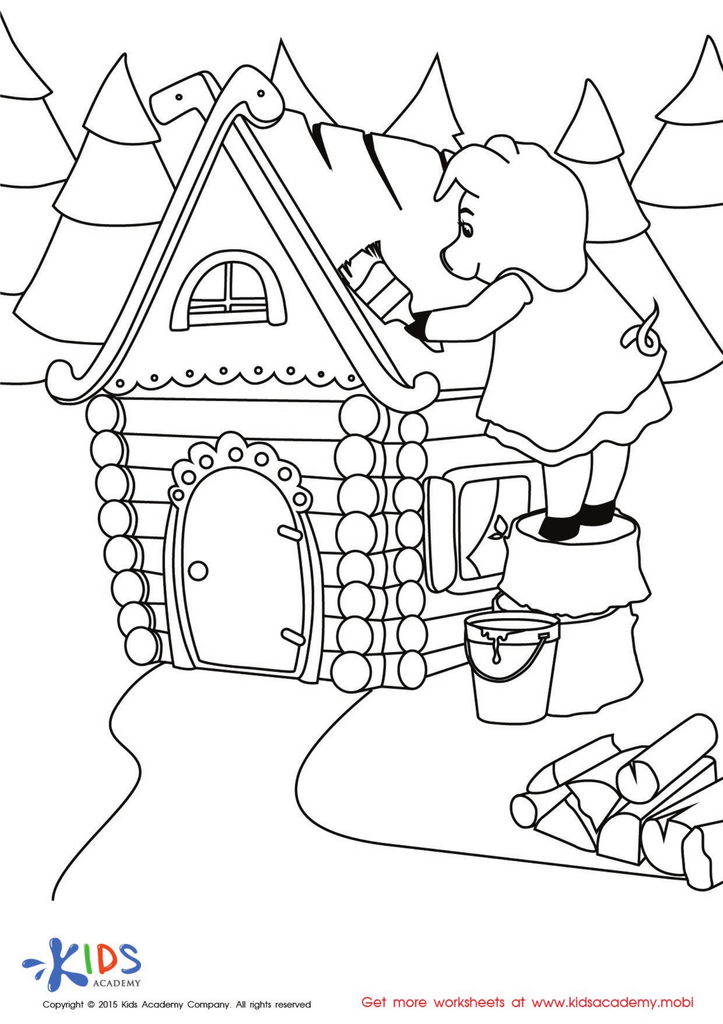
The Three Little Pigs Worksheet






Parents and teachers should care about sequence understanding in children aged 4-7 because it plays a critical role in their cognitive and academic development. Sequence understanding involves recognizing the order in which events or steps occur, which is foundational for various essential skills.
Firstly, sequence understanding aids in reading comprehension. Early readers must follow the sequence of letters, sounds, and words to make sense of sentences and stories. Recognizing story sequences (beginning, middle, end) helps children grasp the plot, predict outcomes, and improve their retention and enjoyment of reading.
Secondly, it enhances mathematical skills. Math concepts, such as counting, addition, subtraction, and problem-solving, rely heavily on recognizing and following patterns or sequences. Understanding ordinal numbers (first, second, third) and numerical order sets the stage for more complex mathematical operations.
Furthermore, sequence skills are vital for daily routines and self-regulation. Learning to plan and execute tasks in a sequential order (e.g., getting dressed, brushing teeth) fosters independence and time management. It also aids in understanding cause-and-effect relationships, enhancing reasoning and decision-making skills.
Overall, nurturing sequence understanding from a young age builds a solid foundation for academic success, problem-solving abilities, and practical life skills. Engaging children in activities such as storytelling, sequencing games, and simple tasks helps develop these crucial competencies.








