Shape identification Worksheets for Ages 4-7 - Page 2
40 filtered results
-
From - To
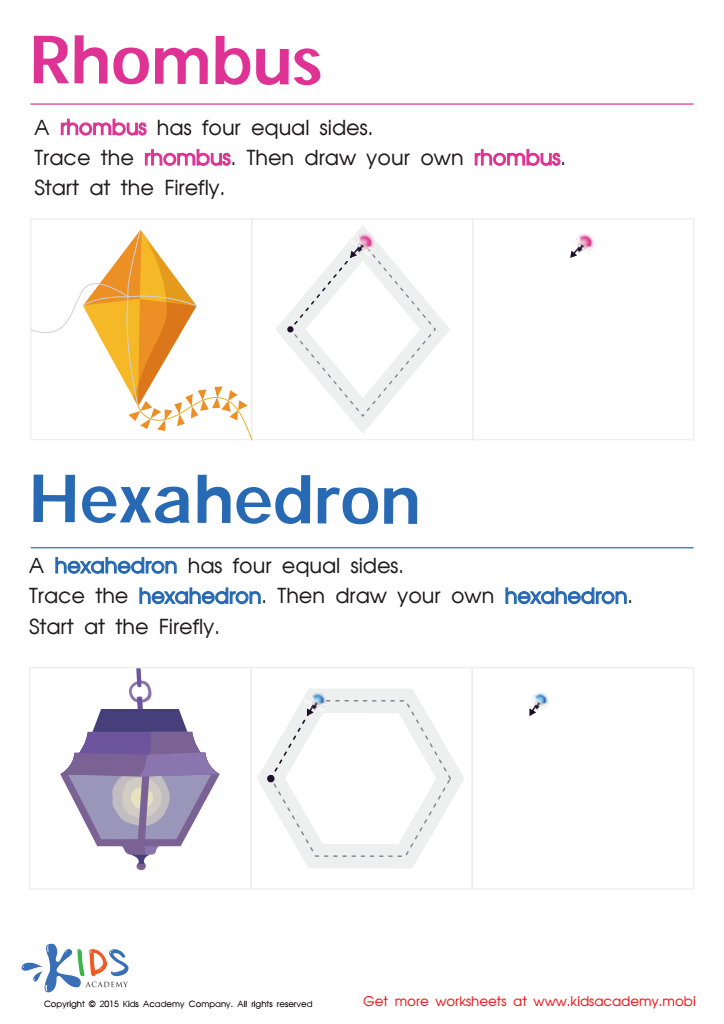
Draw a Rhombus And a Hexahedron Printable
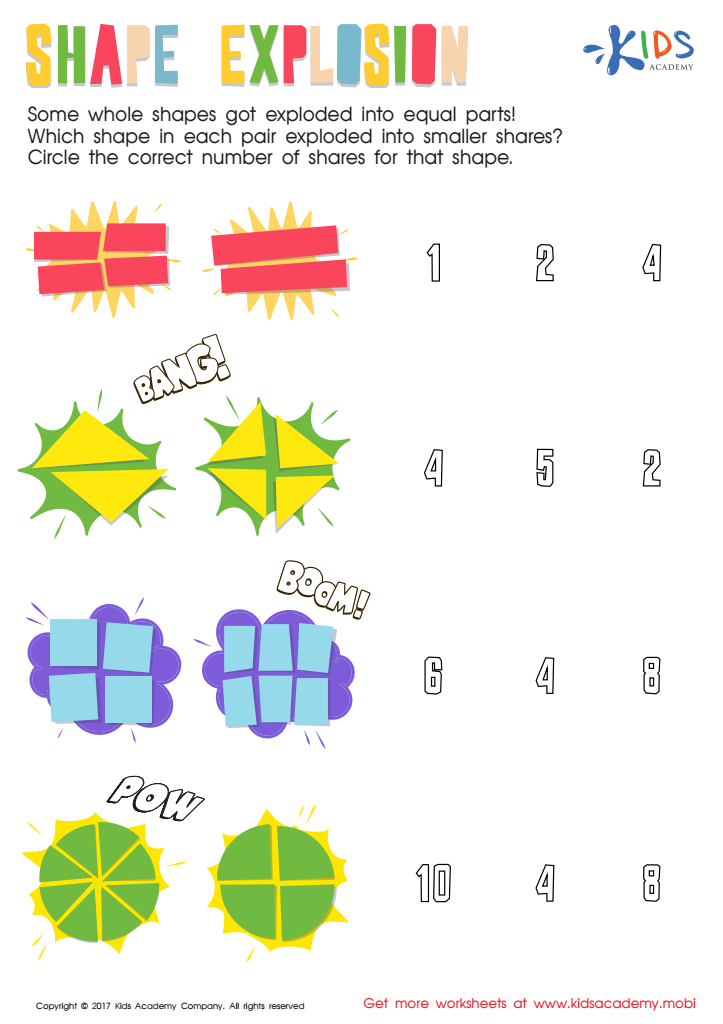
Shape Explosion Worksheet
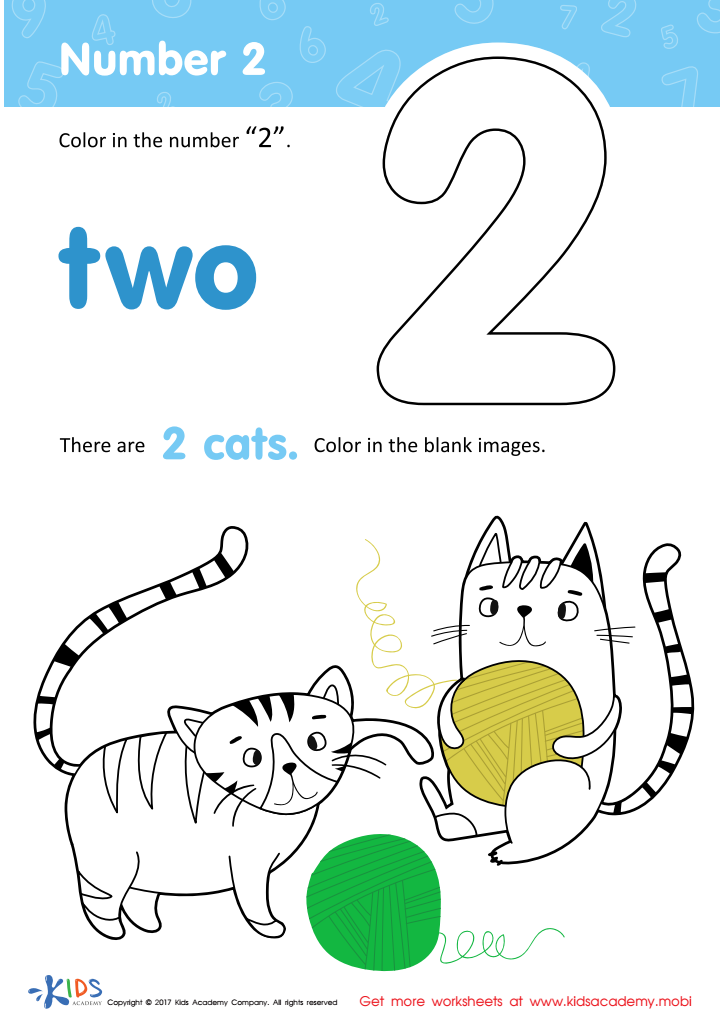
Number 2 Printable
 Assign to My Students
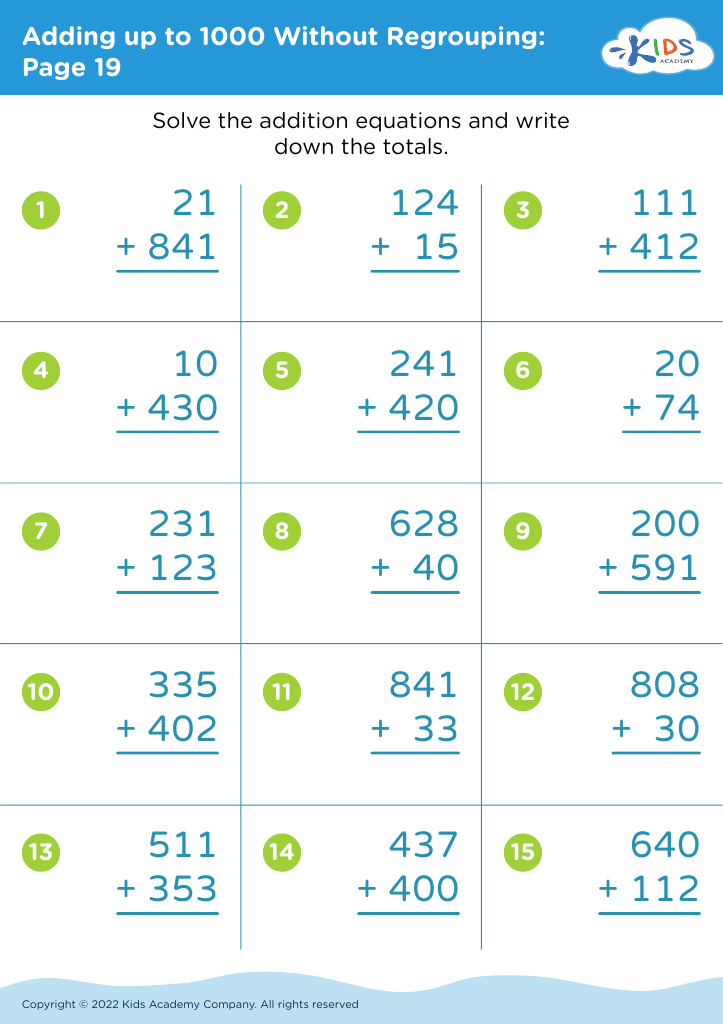
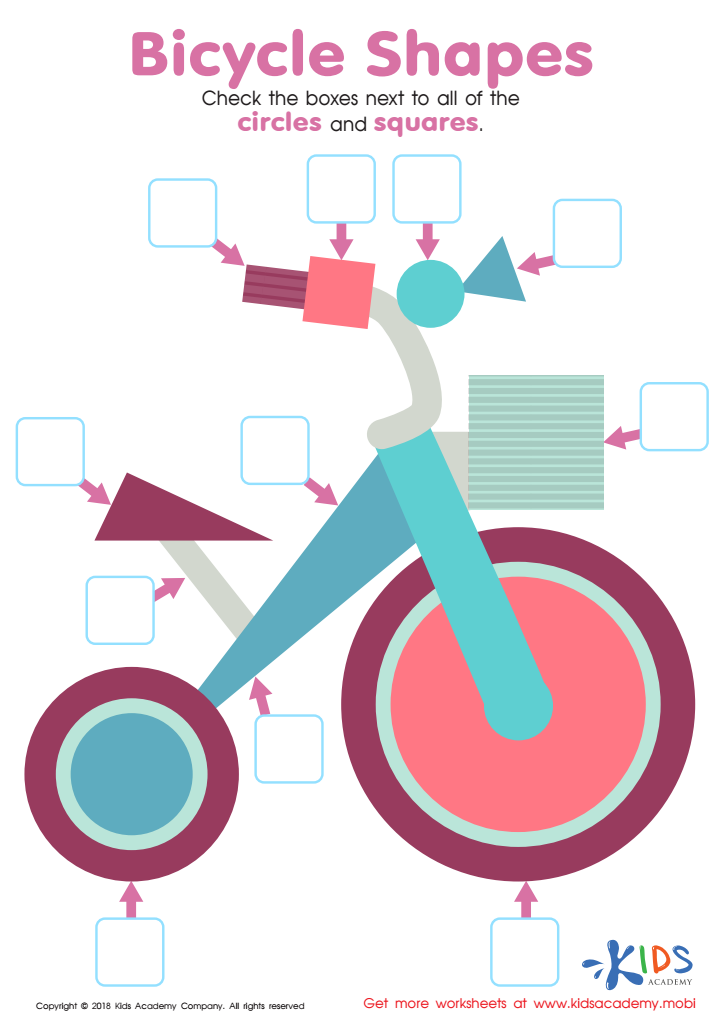
Bicycle Shapes Worksheet
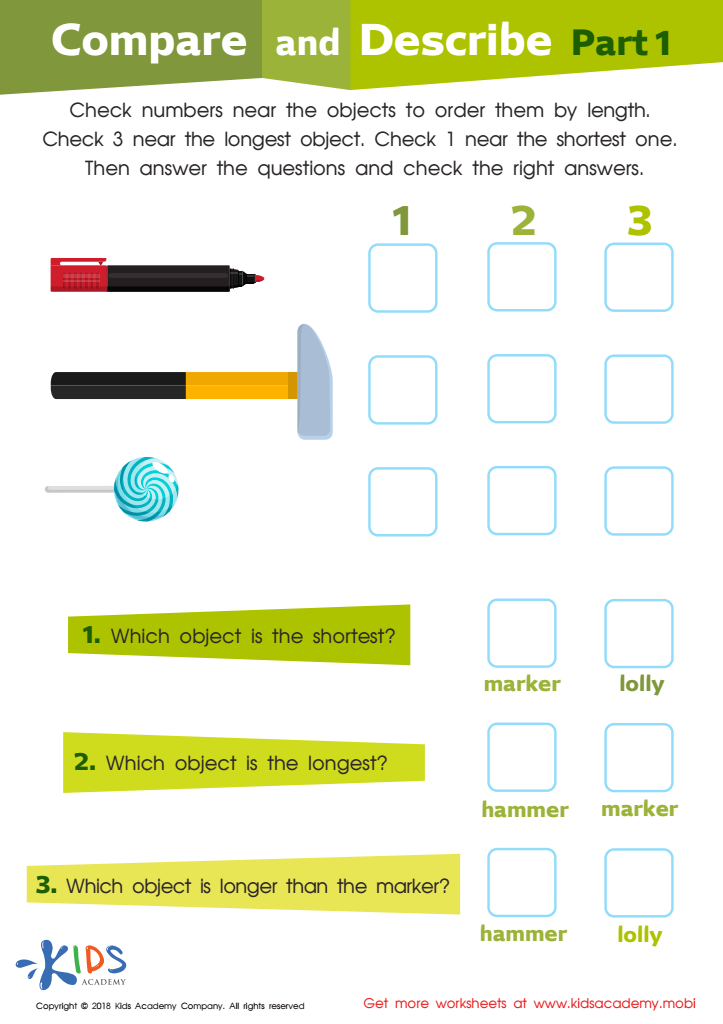
Compare and Describe: Part 1 Worksheet
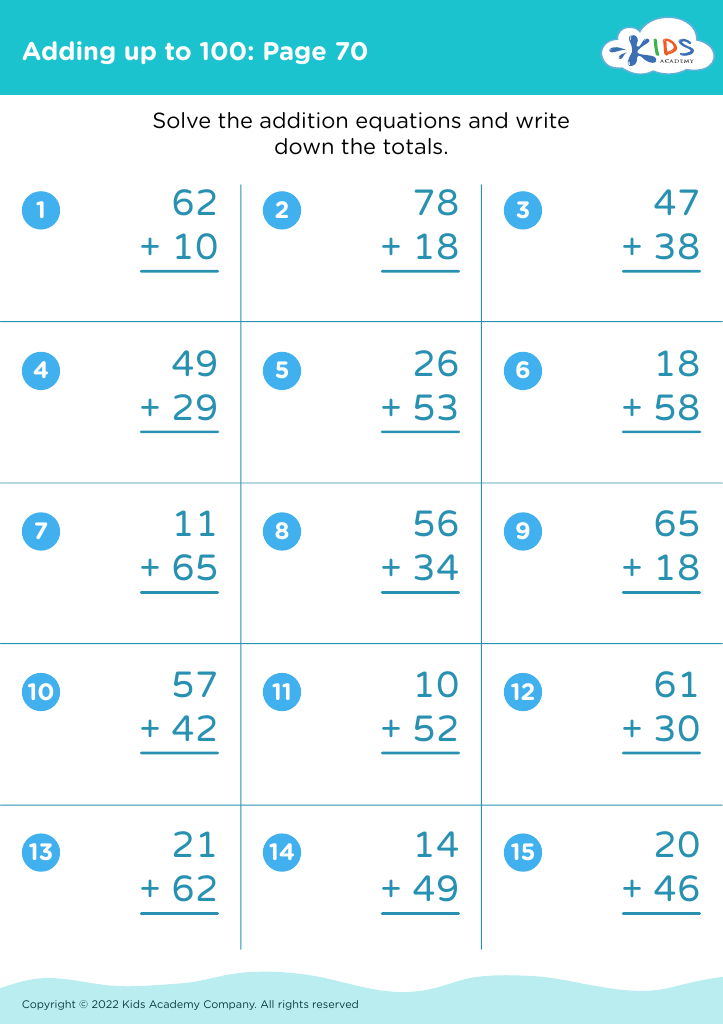
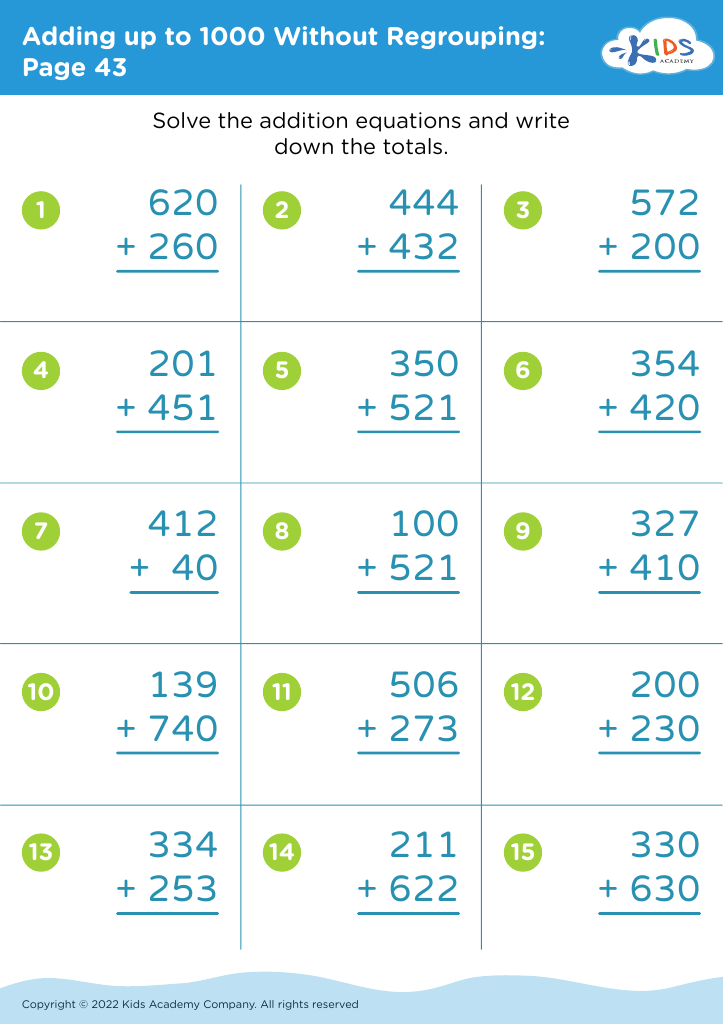
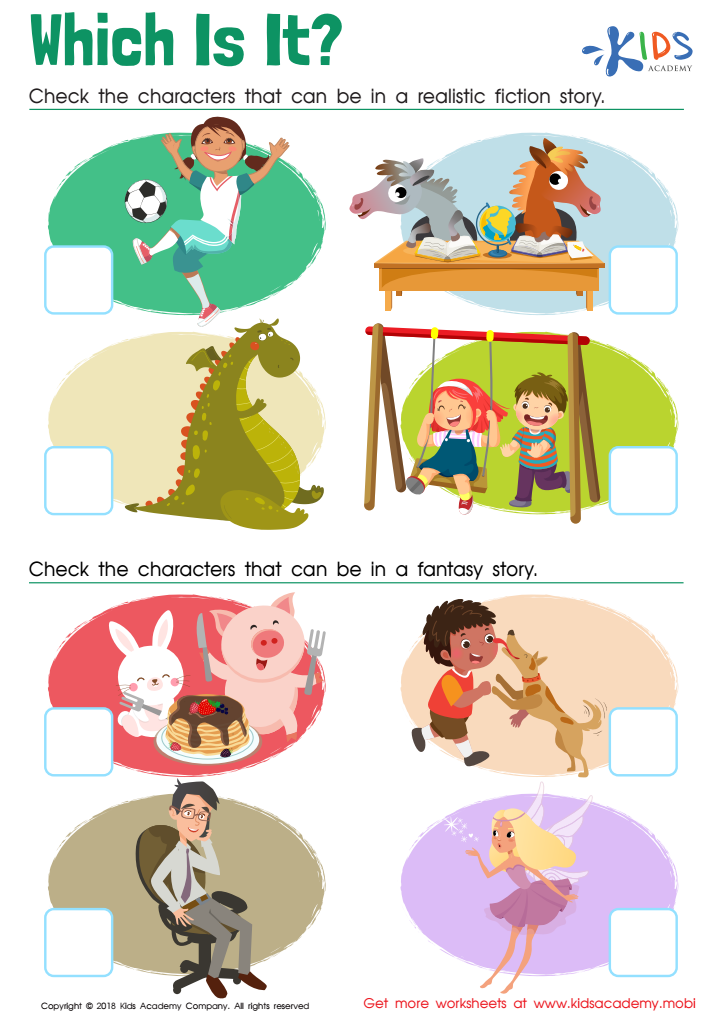
Which Is It? Worksheet
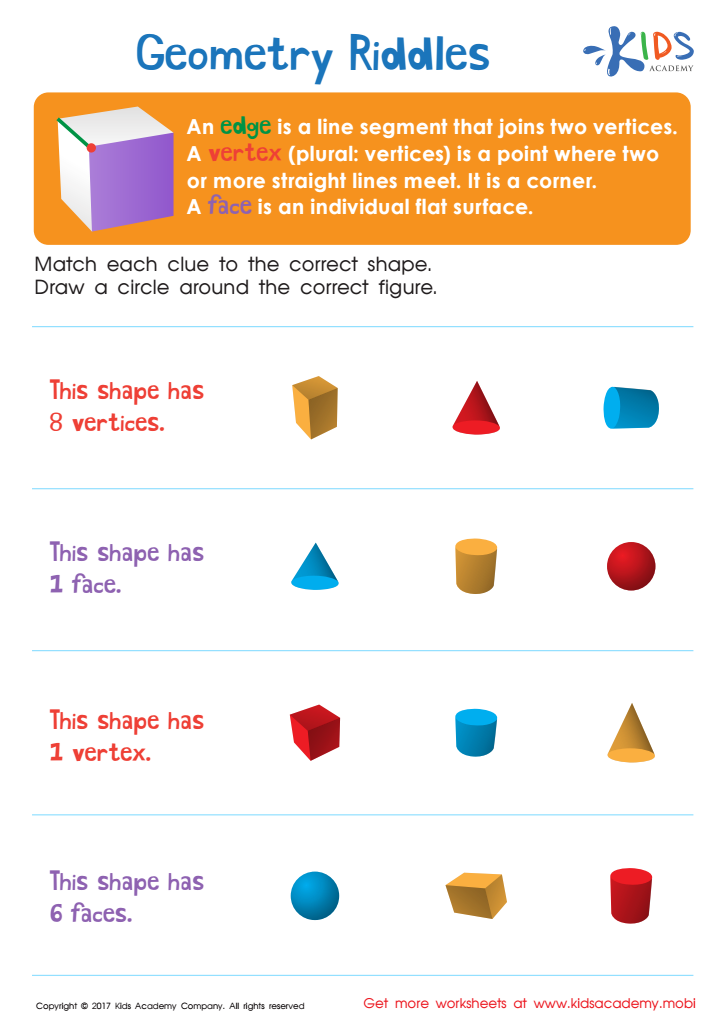
Geometry Riddles Printable
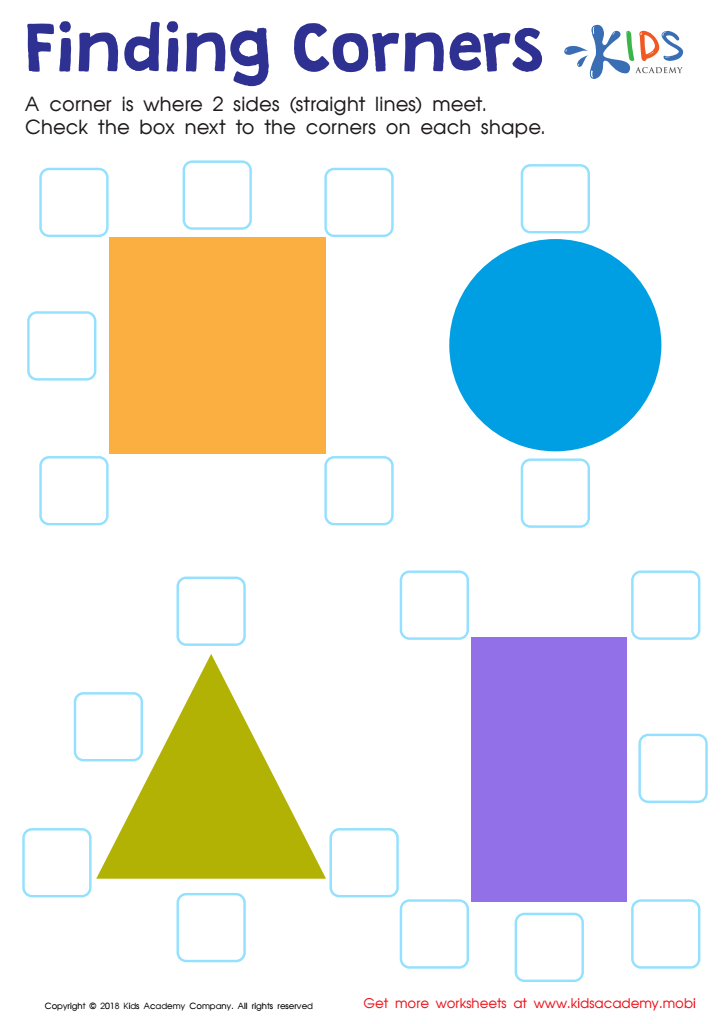
Finding Corners Worksheet
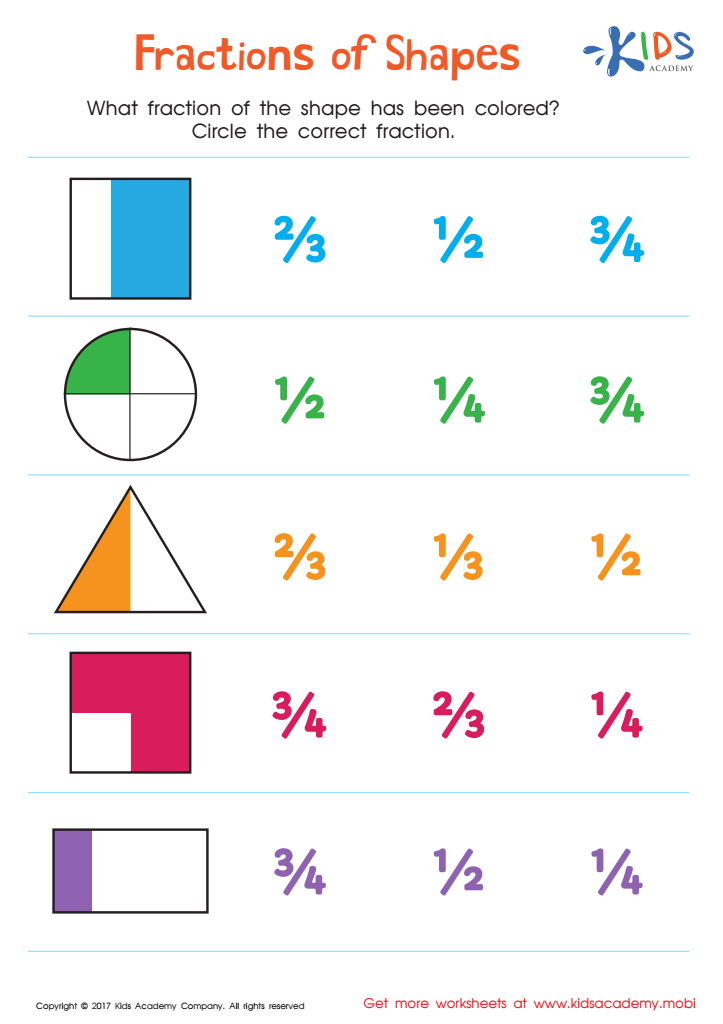
Fractions of Shapes: Math Concept Worksheet
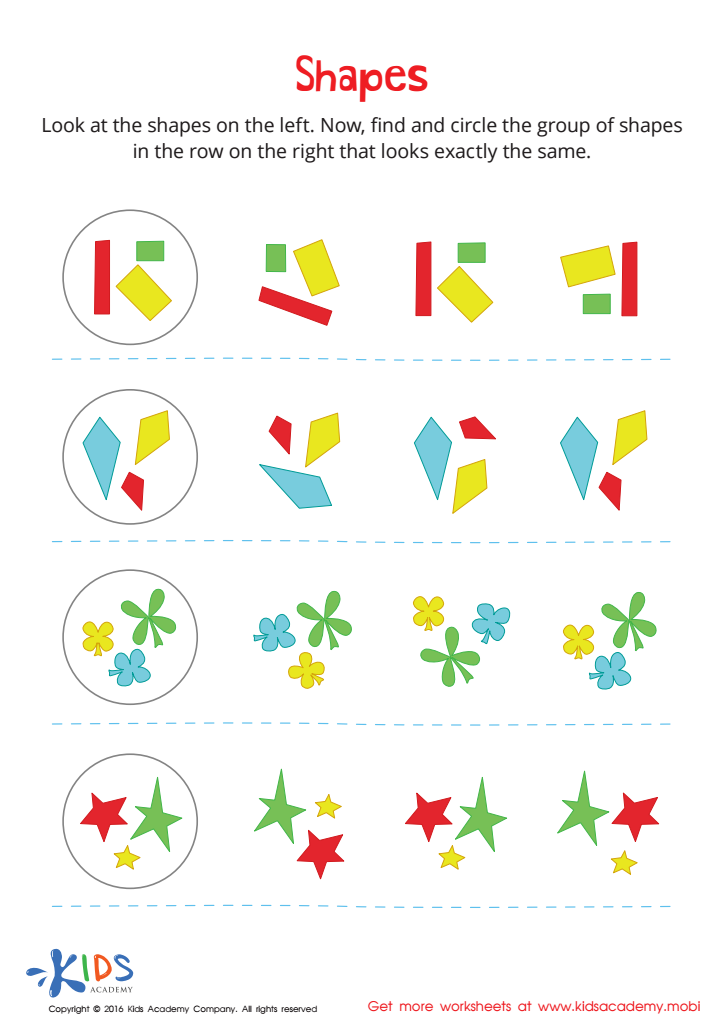
Shapes Worksheet
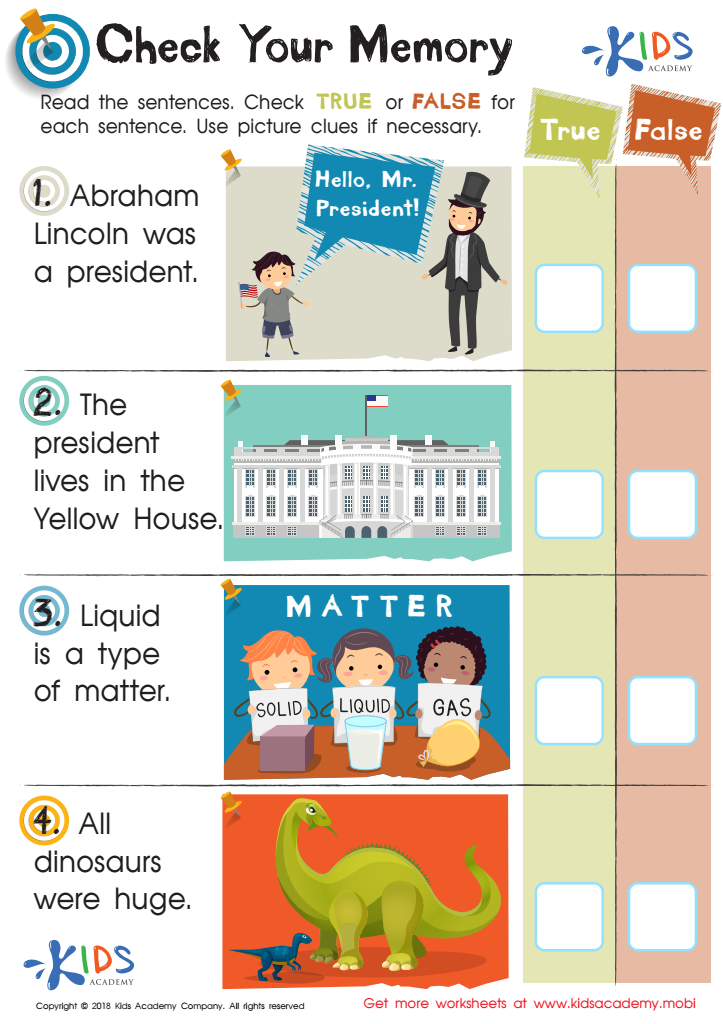
Check Memory Worksheet
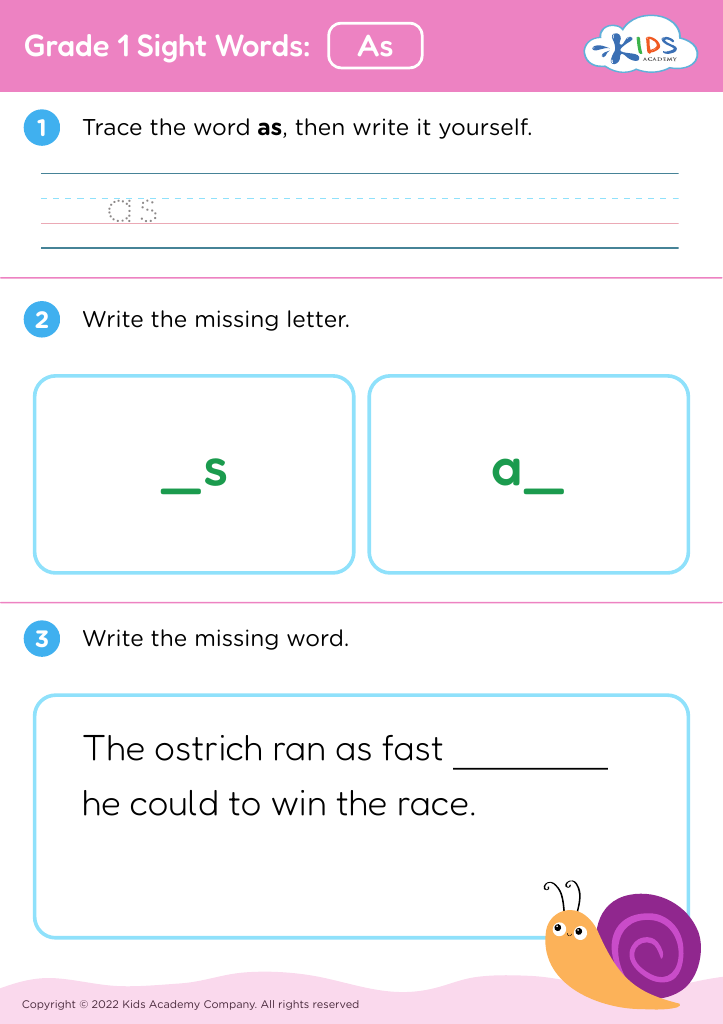
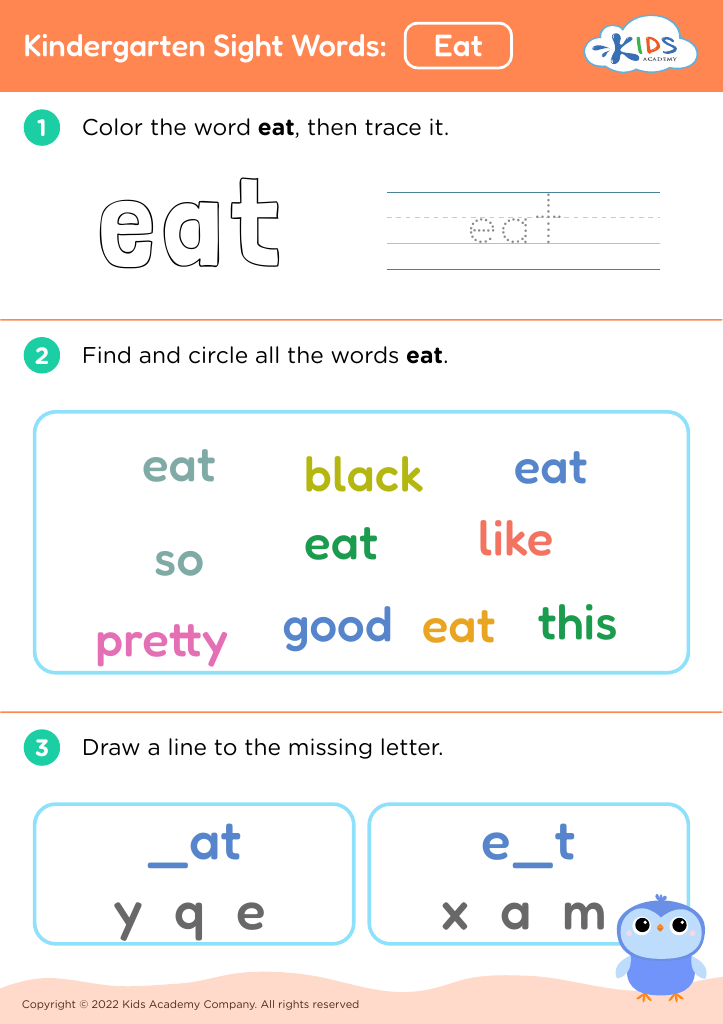








Shape identification is a fundamental skill crucial for children's cognitive development during ages 4-7. During this critical period, children are naturally curious and eager to explore their environment, making it an optimal time to engage them in learning about shapes. Understanding shapes helps children recognize and categorize objects in their world, fostering their spatial awareness and critical thinking skills.
Parents and teachers should care about shape identification because it serves as a foundational concept for mathematics and geometry in later years. Recognizing and naming shapes not only aids in developing mathematical skills but also enhances problem-solving abilities as children learn to visualize and manipulate shapes in various contexts.
Additionally, learning about shapes promotes fine motor skills as children engage in hands-on activities, like drawing, tracing, or building shapes with blocks. These activities encourage creativity while reinforcing their shape knowledge.
Furthermore, shape identification supports language development as children learn to articulate their understanding of shapes and their properties. By integrating shape identification into daily activities—like cooking, art, or outdoor play—adults can create enriching learning experiences that bolster children’s overall development and preparation for future academic success.








