Understanding Simple Machines Worksheets for Ages 4-7
4 filtered results
-
From - To
Discover the fascinating world of simple machines with our engaging worksheets designed specifically for children aged 4-7! Our "Understanding Simple Machines" worksheets introduce young learners to fundamental concepts like levers, pulleys, and wheels in a fun and interactive way. Each worksheet is carefully crafted to promote critical thinking and problem-solving skills while encouraging hands-on activities. Perfect for at-home learning or classroom use, these resources ensure that kids grasp essential science concepts through delightful illustrations and relatable examples. Help your little ones build a strong foundation in science and spark their curiosity about how things work with our simple machines worksheets!
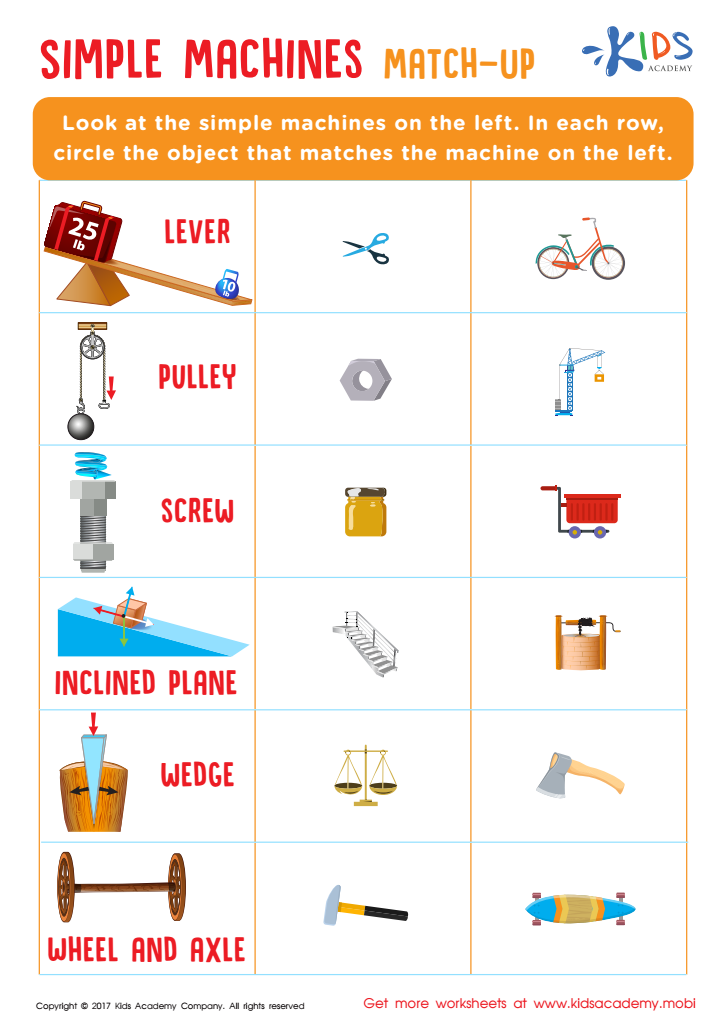
Simple Machines Worksheet
 Assign to My Students
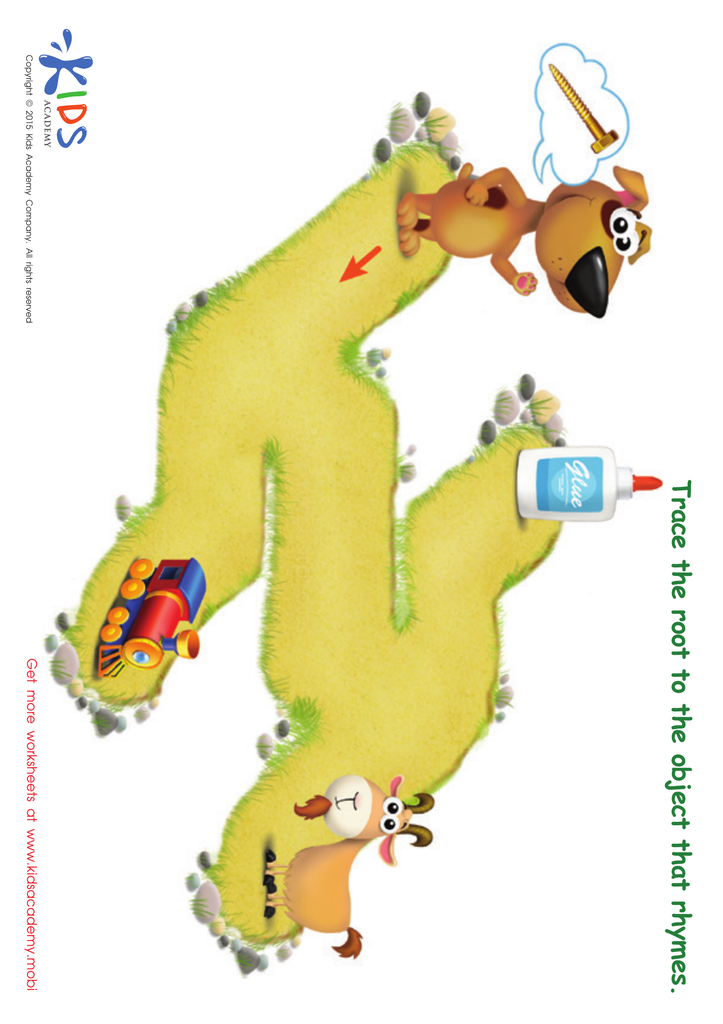
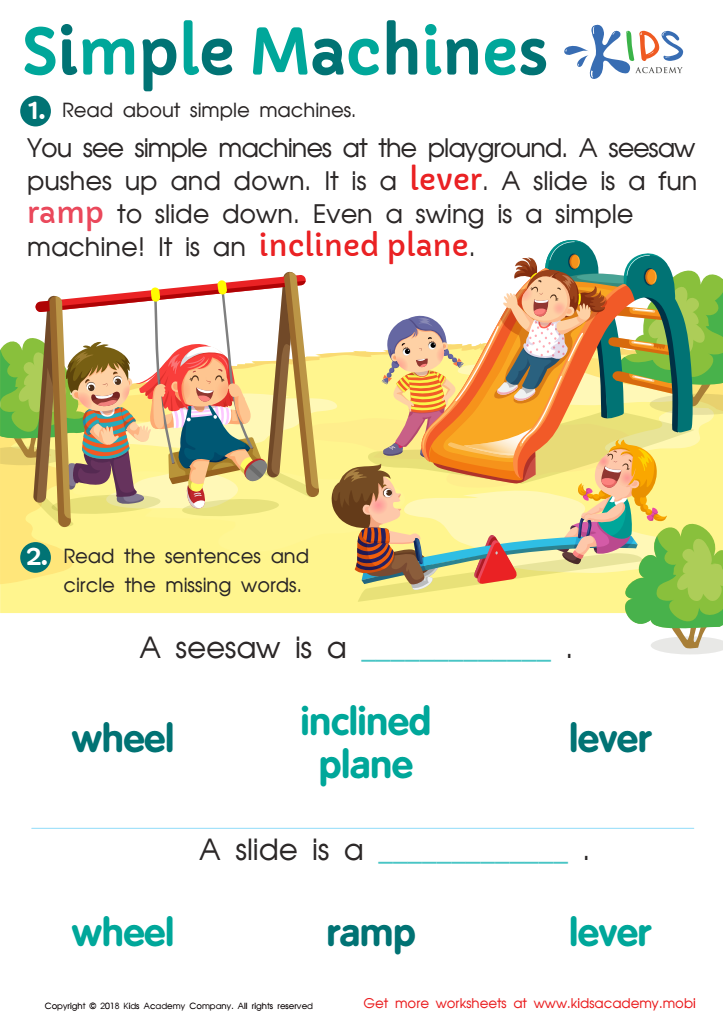
Simple Machines Worksheet
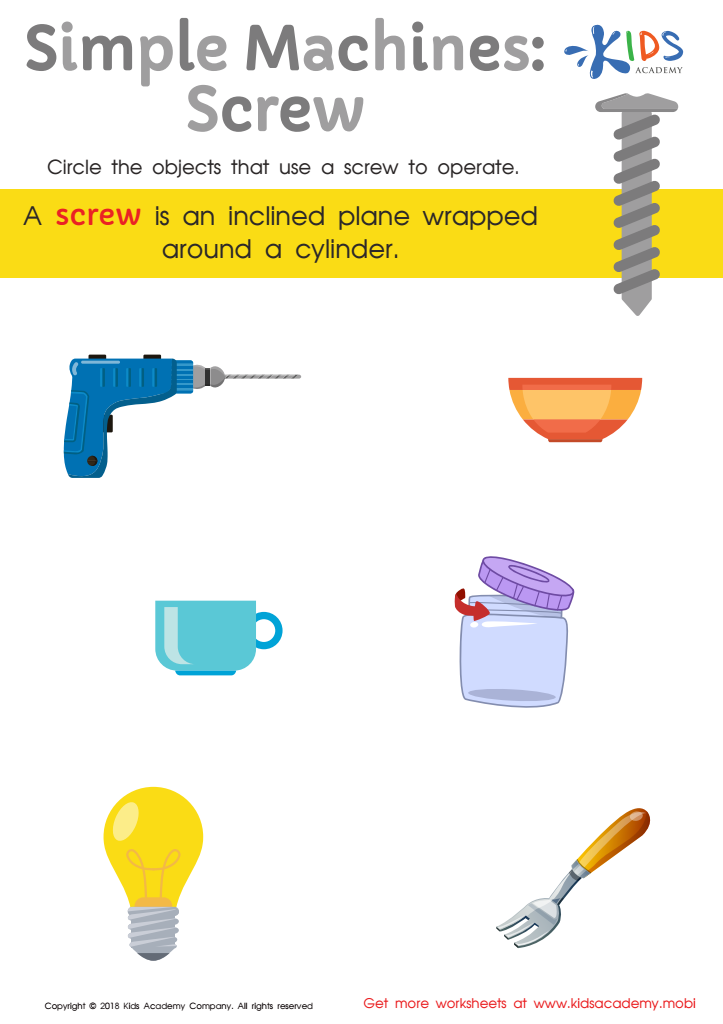
Simple Machines: Screw Worksheet








Understanding simple machines is essential for children ages 4-7 as it forms a foundational grasp of fundamental science and engineering concepts. At this young age, children are naturally curious and eager to explore the world around them. Simple machines, including levers, pulleys, inclined planes, wheels and axles, screws, and wedges, help them see how everyday objects function, sparking interest and instilling a sense of wonder.
By introducing these concepts, parents and teachers encourage critical thinking and problem-solving skills. Engaging children in hands-on activities, such as building with blocks or experimenting with levers, helps solidify their understanding and fosters creativity. Moreover, recognizing the principles behind simple machines can enhance children's motor skills and hand-eye coordination, which are crucial at this developmental stage.
Early exposure to engineering principles promotes confidence and a positive attitude toward science and technology, helping to dispel common anxieties associated with these subjects. As these children grow, their early comprehension of simple machines lays the groundwork for more complex scientific reasoning. Ultimately, encouraging exploration of simple machines nurtures inquisitive minds, preparing them for a future where innovation and STEM careers are increasingly vital.








