Visual perception Worksheets for Ages 4-7 - Page 3
63 filtered results
-
From - To
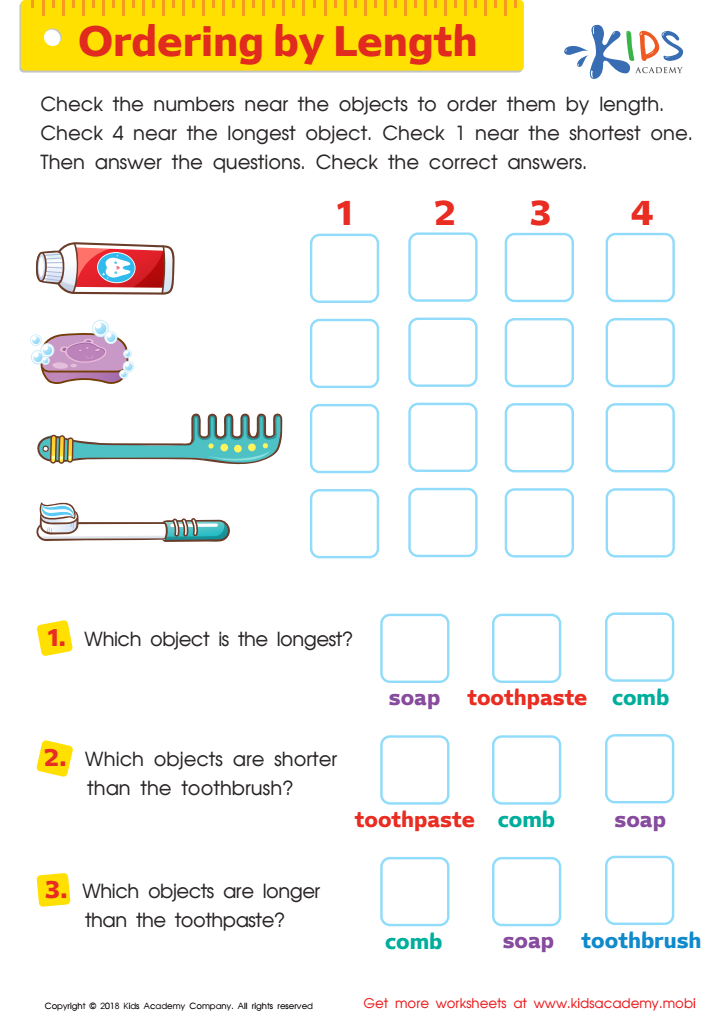
Ordering by Length Worksheet
 Assign to My Students
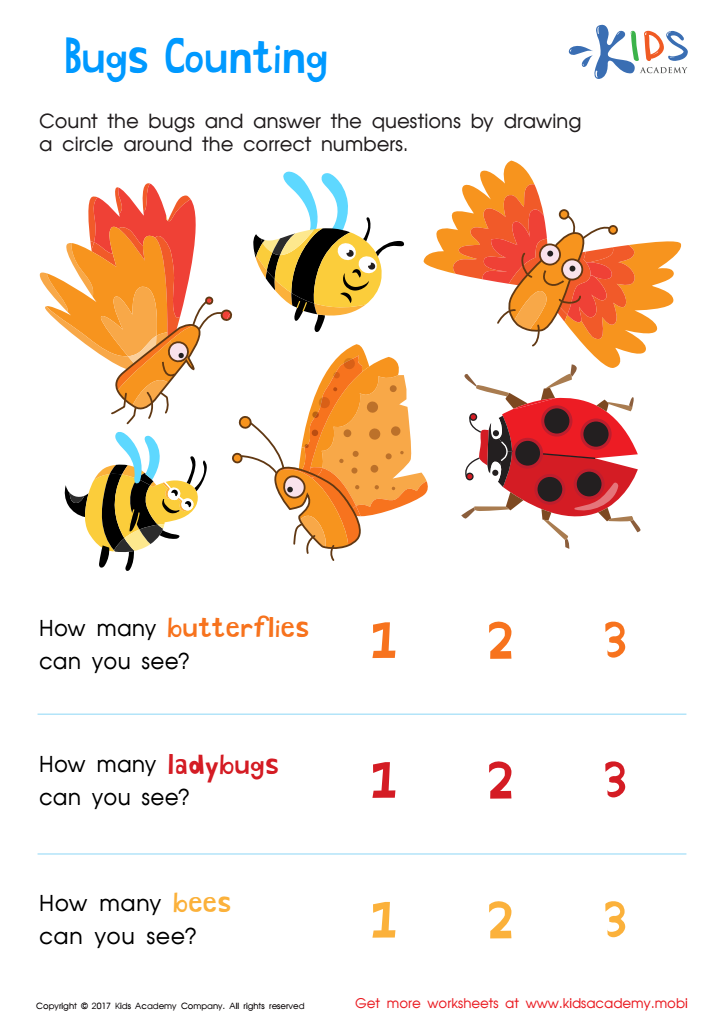
Bugs Counting Worksheet
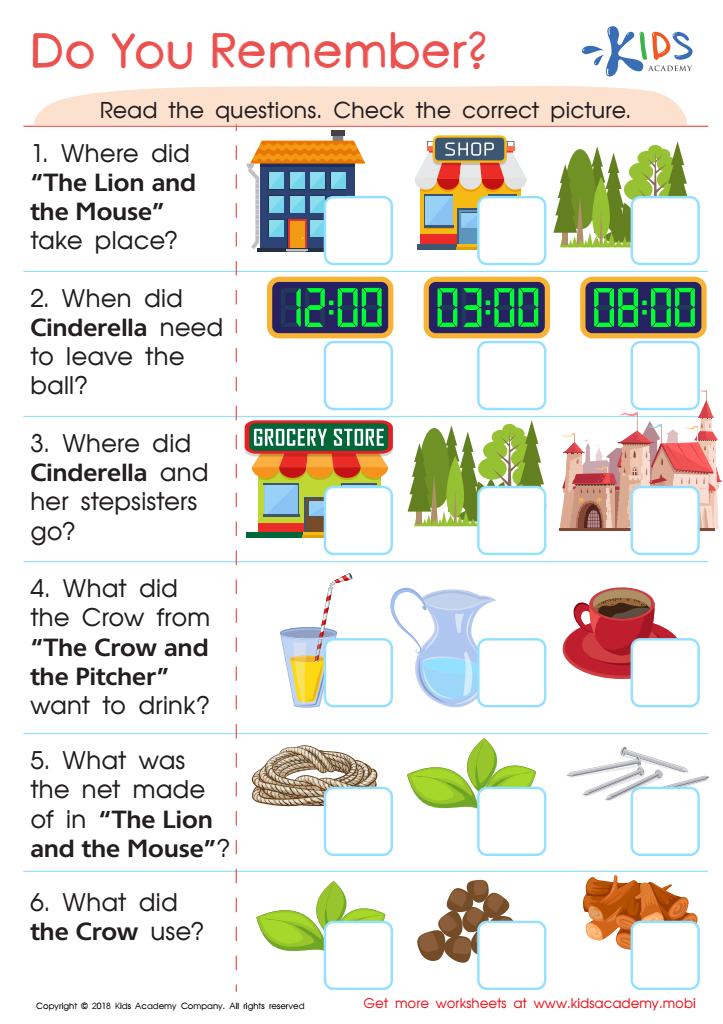
Do You Remember? Worksheet
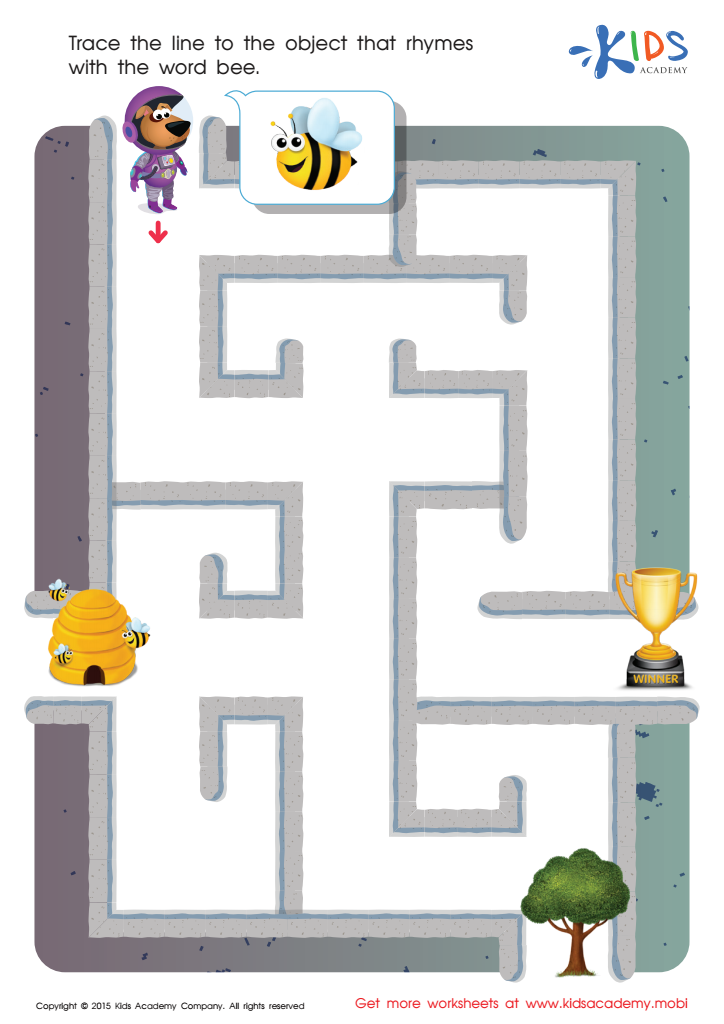
Bee Rhyming Words Worksheet
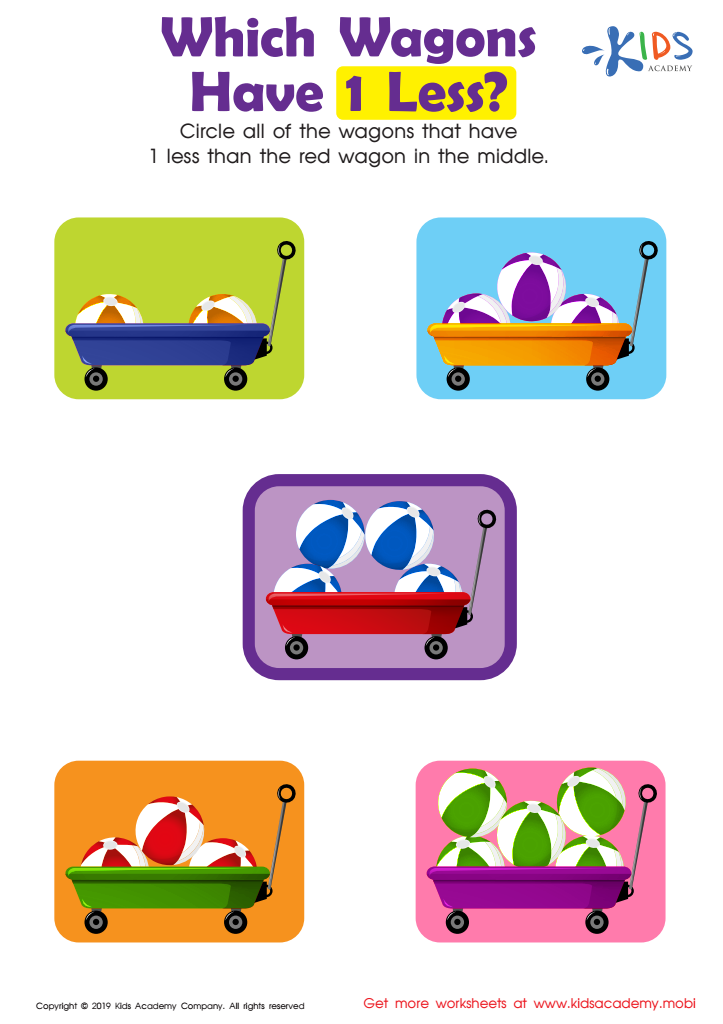
Which Wagons Have 1 Less? Worksheet
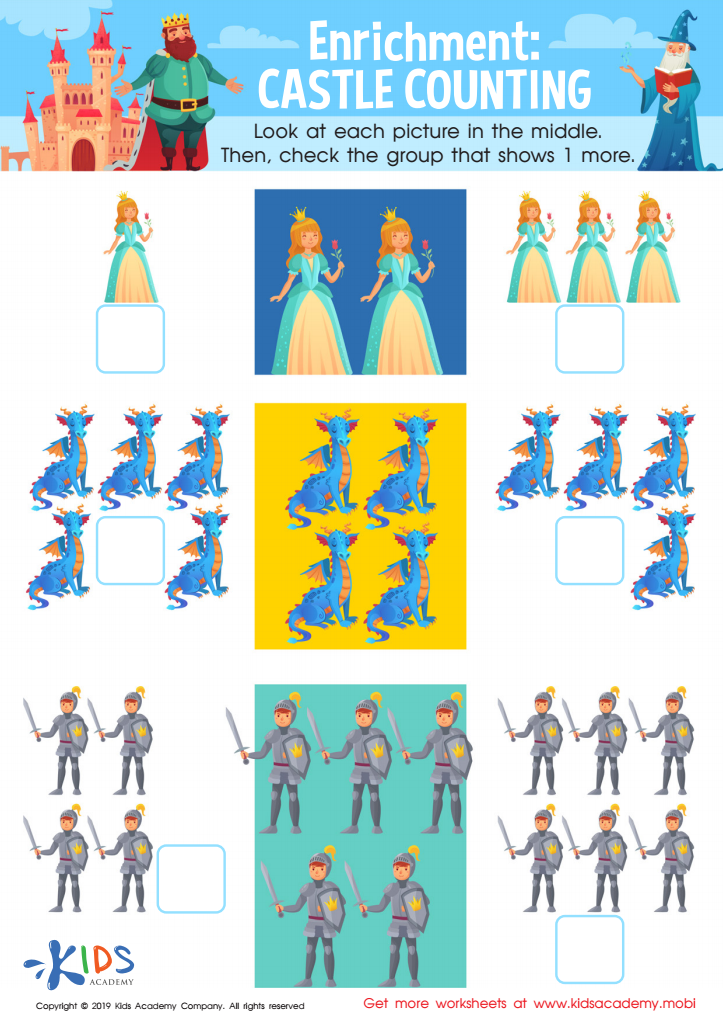
Enrichment: Castle Counting Worksheet
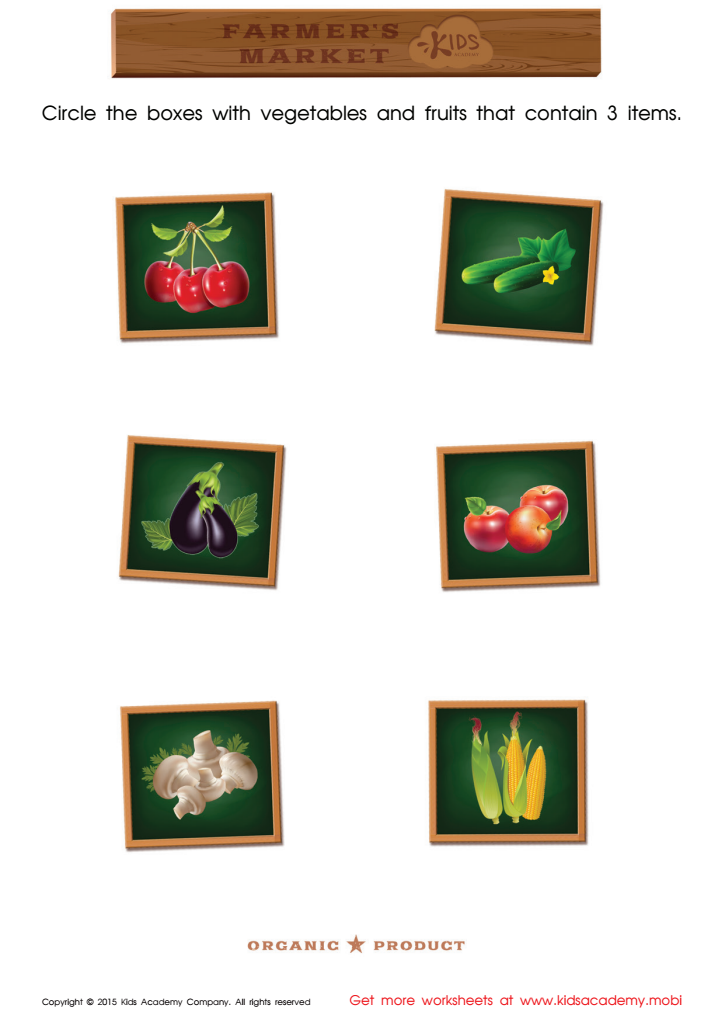
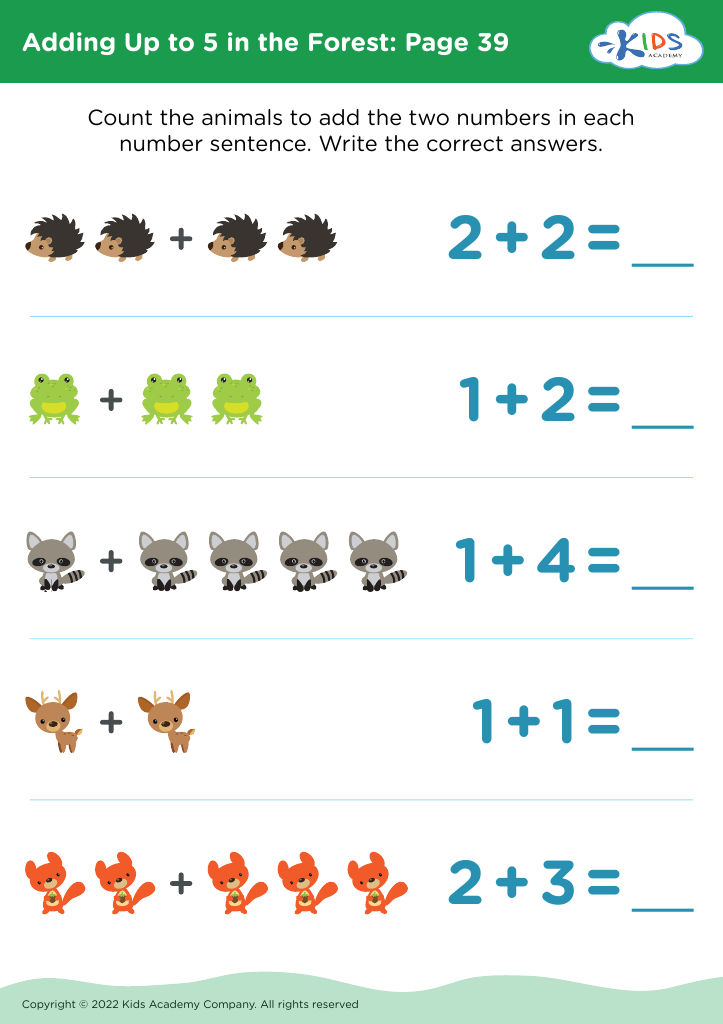
Count and Match Vegetables 1 – 5 Math Worksheet
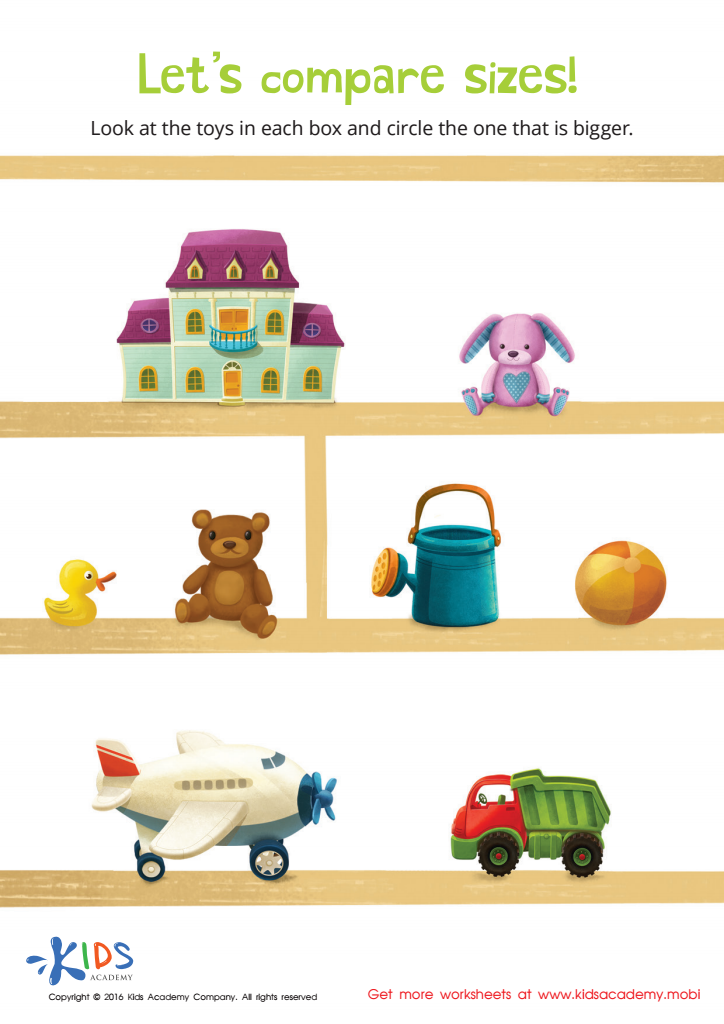
Classifying by Size Sorting Worksheet
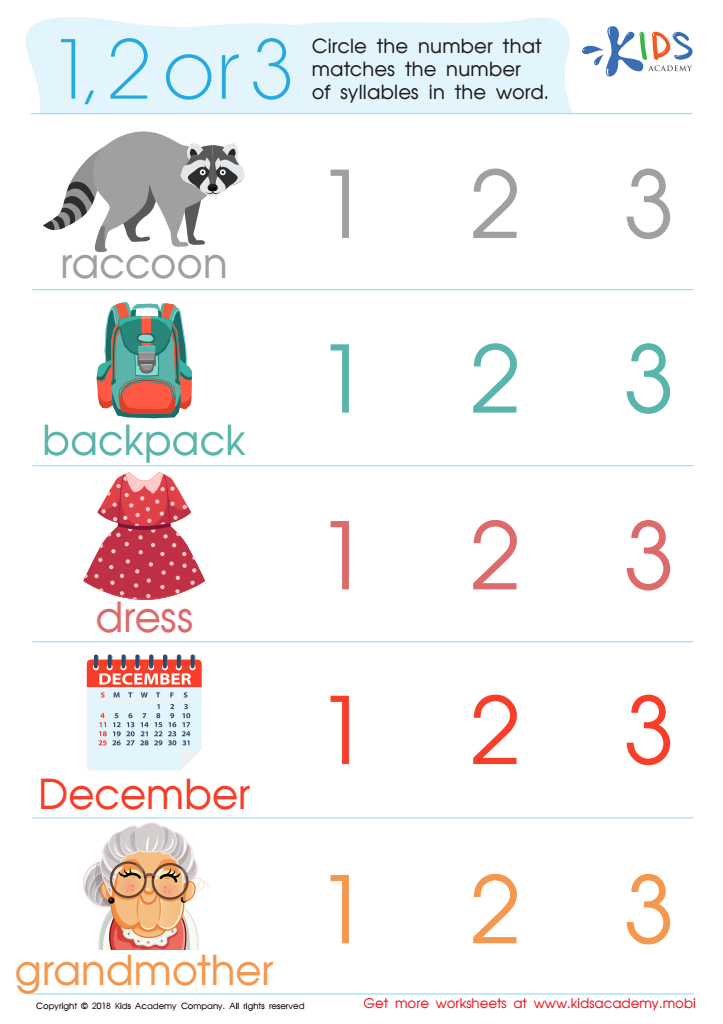
1, 2 or 3? Worksheet
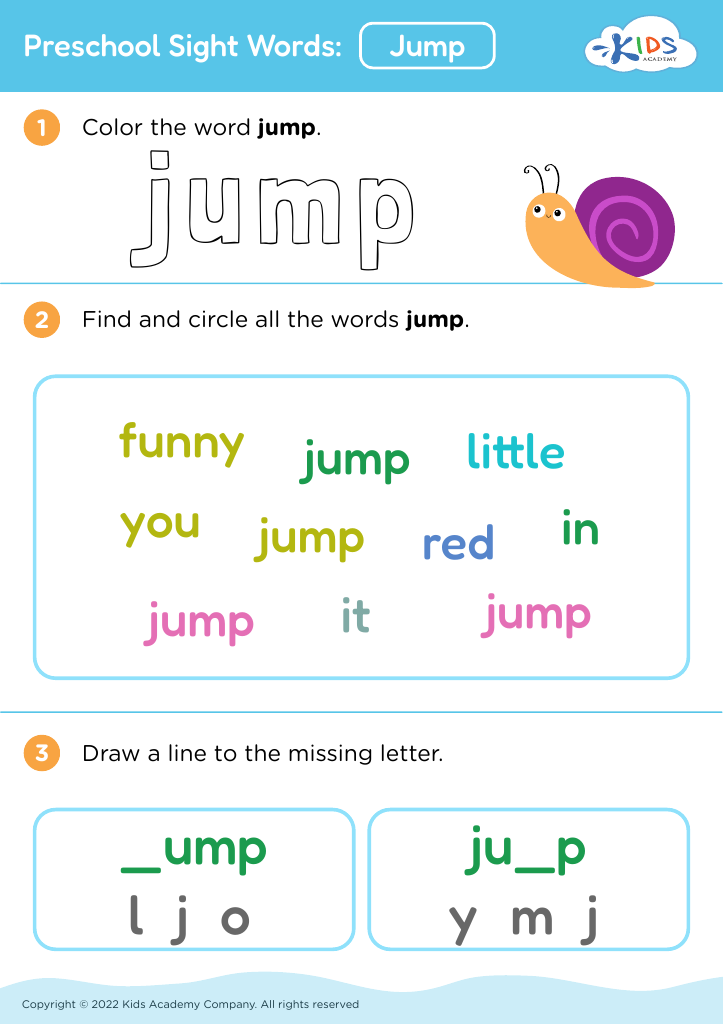
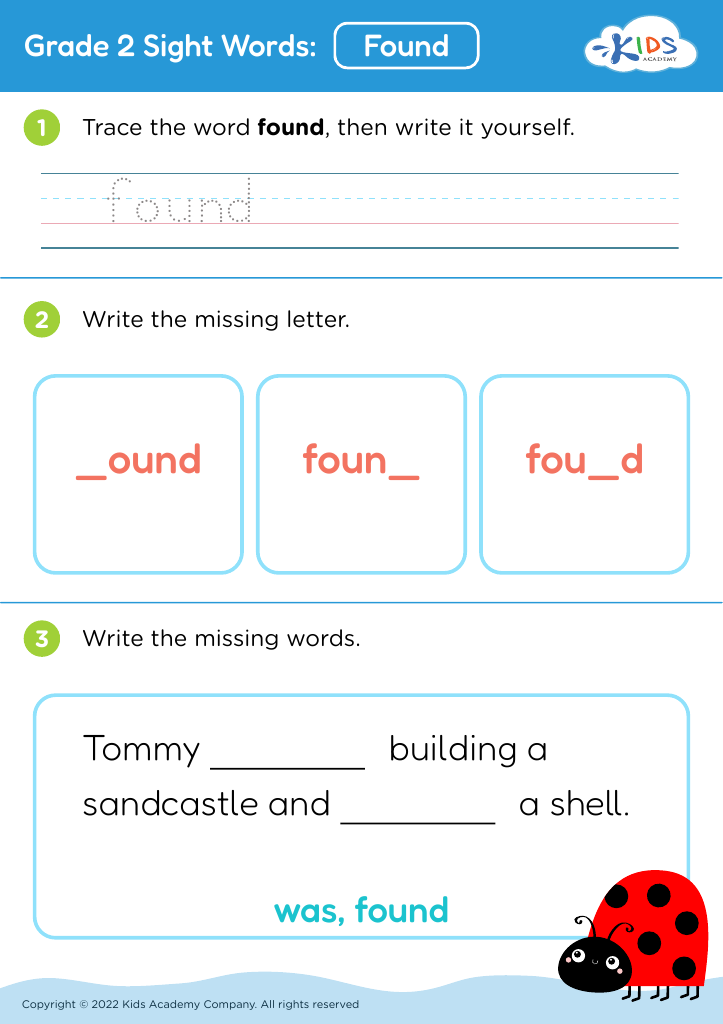







Visual perception is a critical skill for children aged 4-7, as it plays a fundamental role in their overall development and learning. Parents and teachers should care about visual perception because it directly impacts a child's ability to process and understand the visual information they encounter daily. This includes everything from recognizing shapes, colors, letters, and numbers to interpreting visual cues from their environment.
Strong visual perception skills enhance a child's ability to engage with reading and writing tasks, which are crucial in early education. Children who struggle with these skills may face difficulties in academic situations, leading to frustrations that can hinder their overall confidence and enthusiasm for learning. Additionally, good visual perception aids in hand-eye coordination, essential for physical activities and daily tasks such as drawing, cutting, and even playing sports.
Moreover, fostering these skills can encourage cognitive development, problem-solving abilities, and creativity. Engaging in activities that promote visual perception, like puzzles and games that involve pattern recognition, benefits social interactions as children learn to collaborate while developing these skills. In essence, prioritizing visual perception not only lays the foundation for academic success but also supports holistic growth and adaptability in young learners.








