Word identification Worksheets for Ages 4-7
12 filtered results
-
From - To
Discover our engaging Word Identification Worksheets designed specifically for children aged 4-7. These printable resources enhance early literacy skills by helping young learners recognize and understand various words through fun activities. With colorful illustrations and relatable themes, these worksheets capture children's attention while promoting vocabulary development. Each worksheet includes a mix of exercises such as matching, tracing, and fill-in-the-blank to cater to different learning styles. Perfect for both classroom and home use, our worksheets support phonics instruction and boost reading confidence. Help your child build a strong foundation in language arts today with our interactive word identification resources!
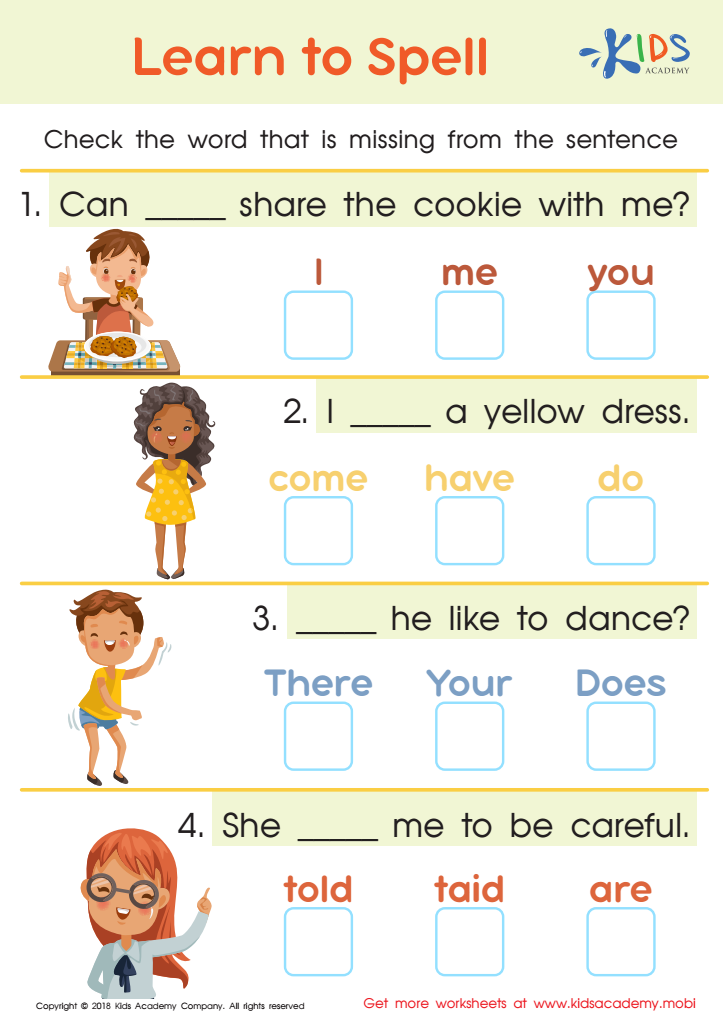
Learn to Spell Worksheet
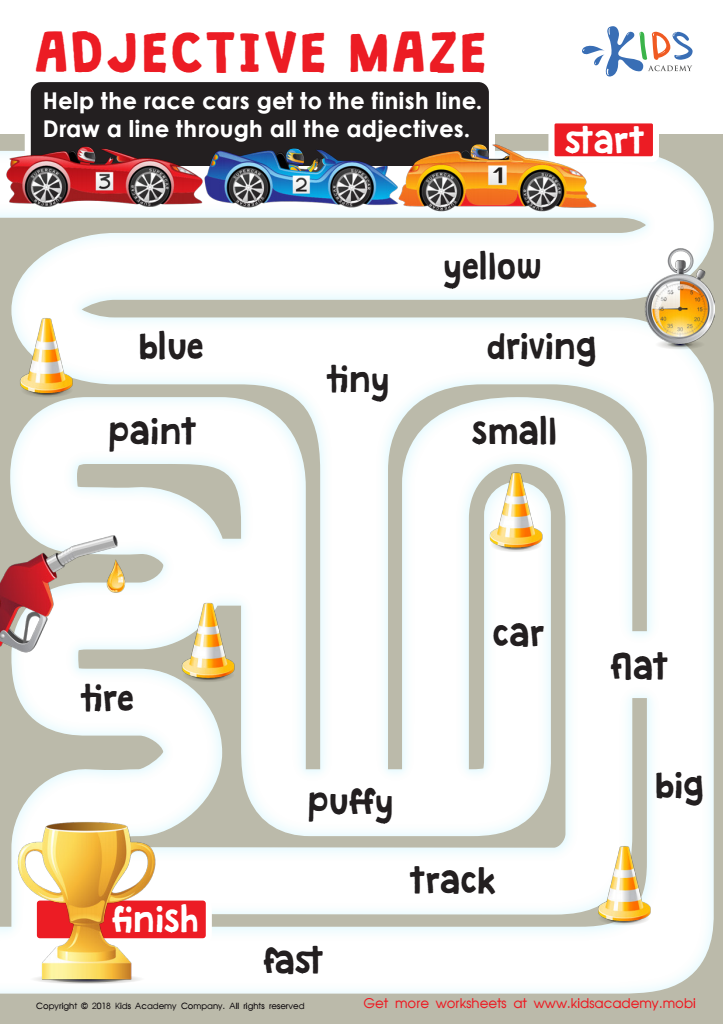
Adjective Maze Worksheet
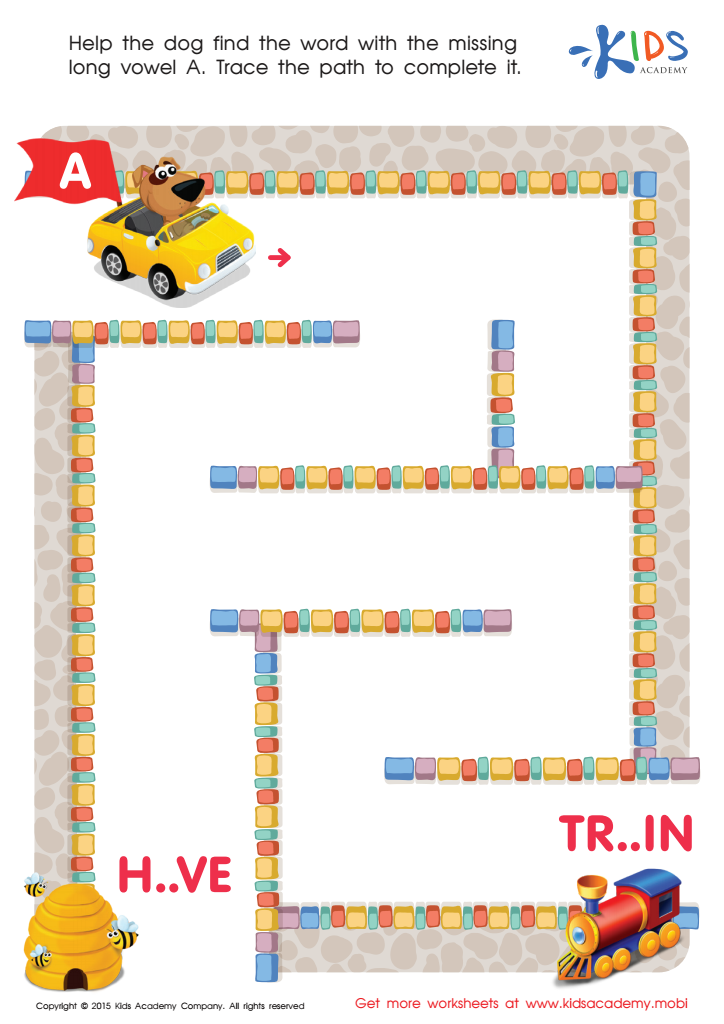
Long Vowel Sound A Worksheet
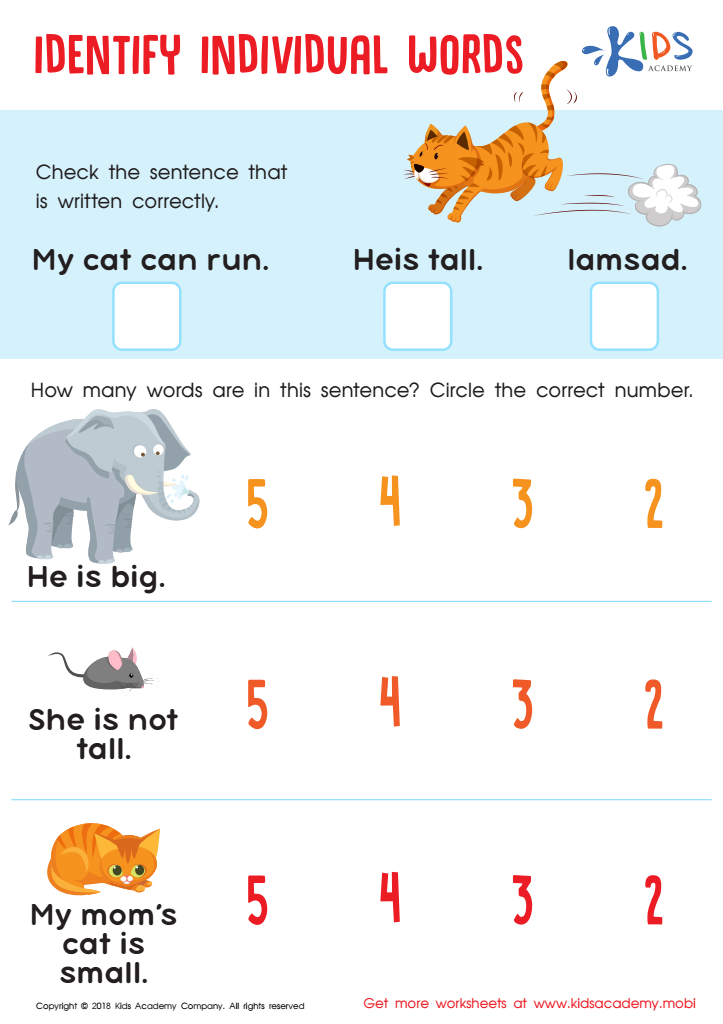
Identify Individual Words Worksheet
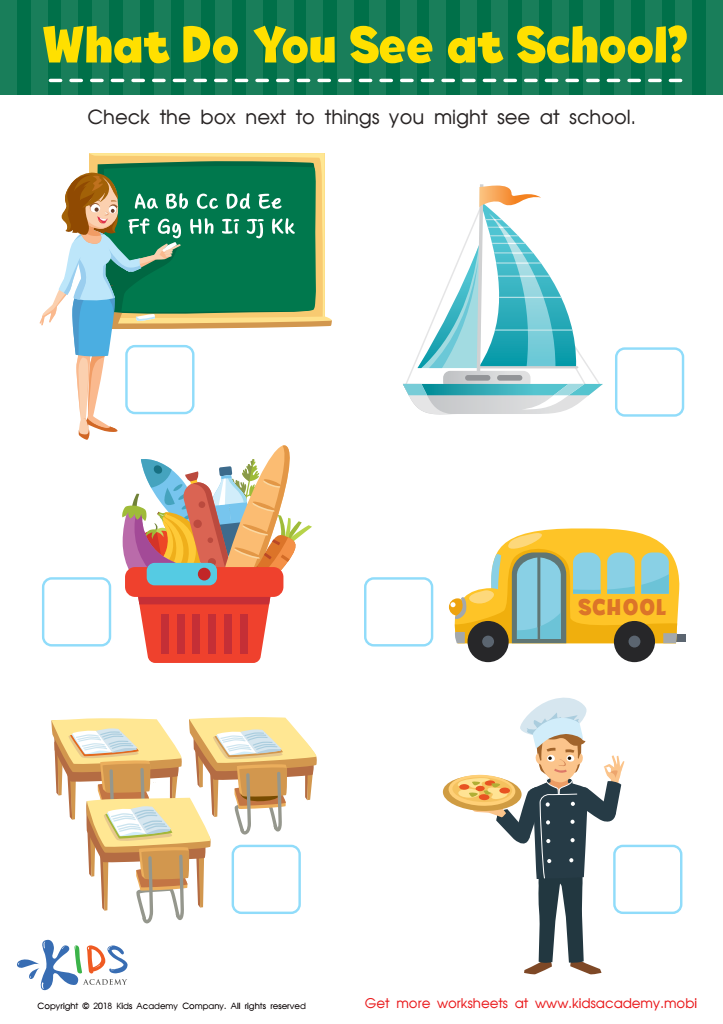
What Do you See at School? Worksheet
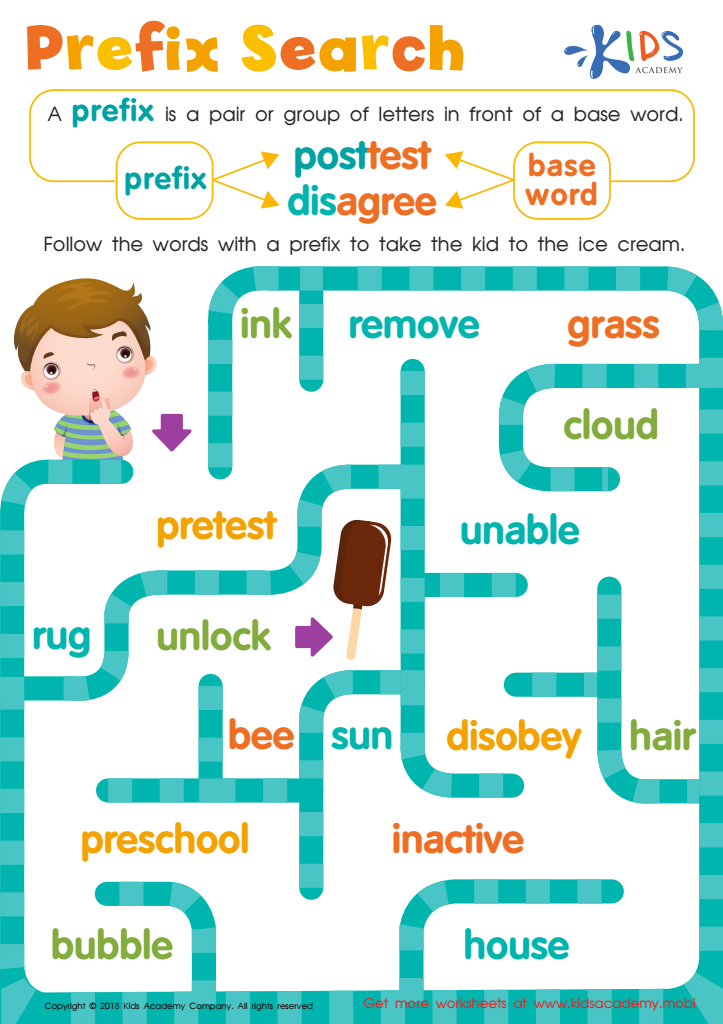
Reading: Prefix Search Worksheet
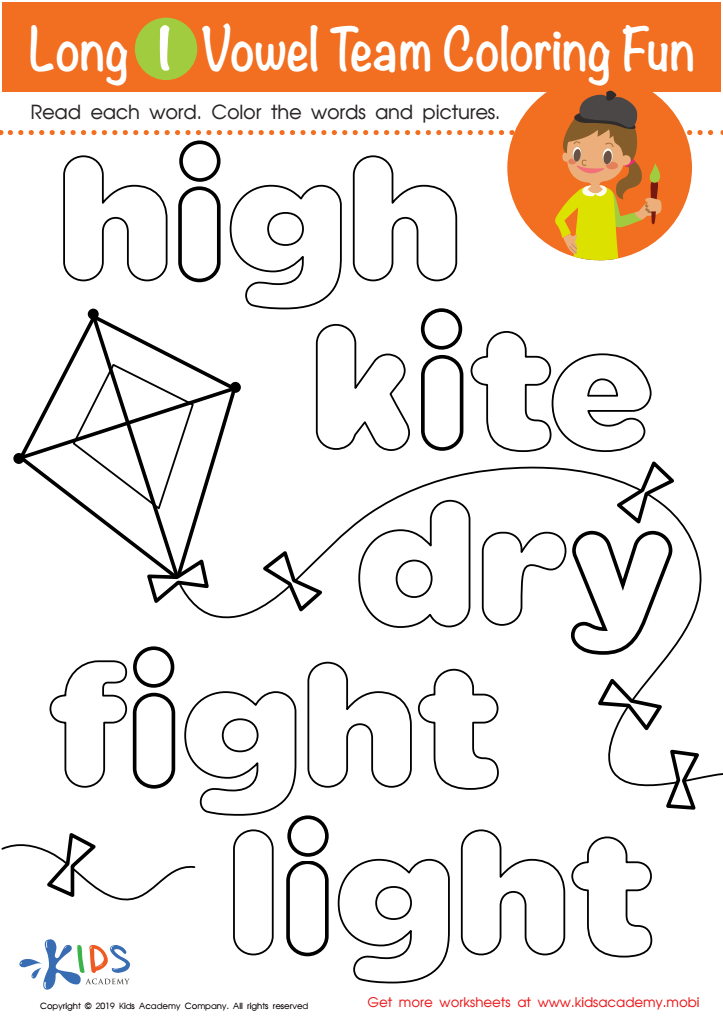
Long I Vowel Team Coloring Worksheet
 Assign to My Students
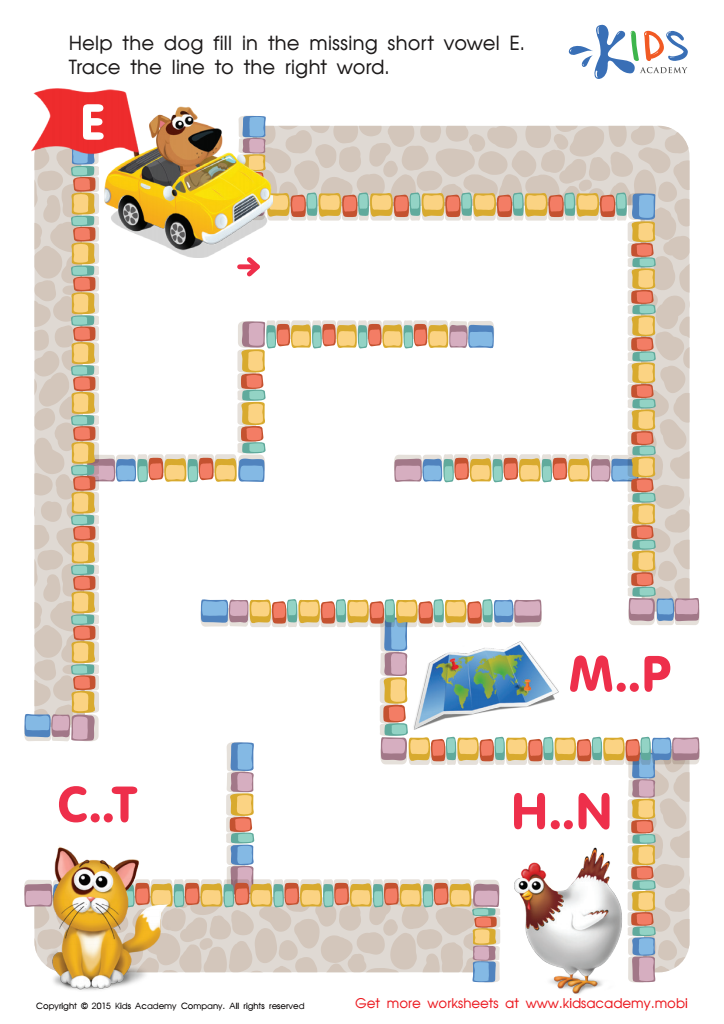
Short Vowel Sound E Worksheet
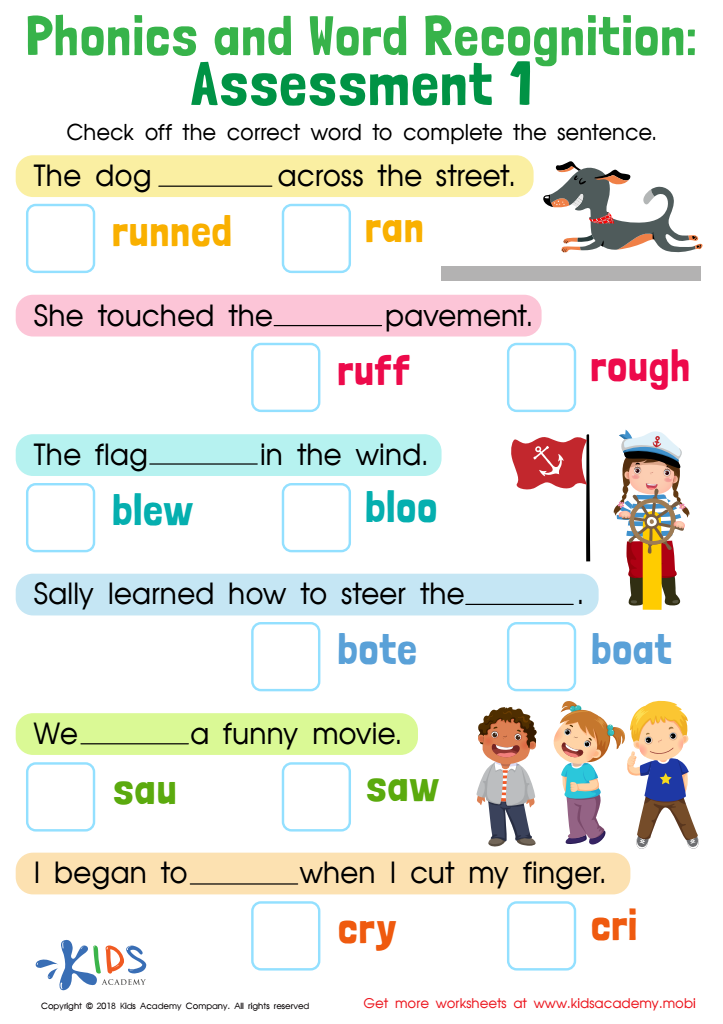
Phonics and Word Recognition: Assessment 1 Worksheet
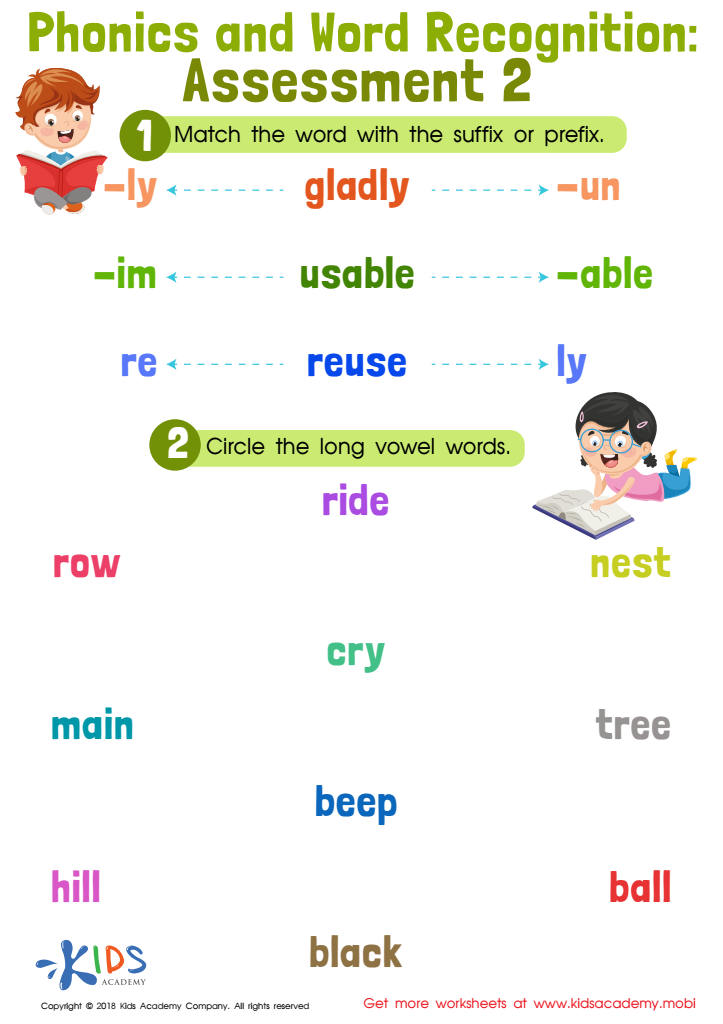
Phonics and Word Recognition: Assessment 2
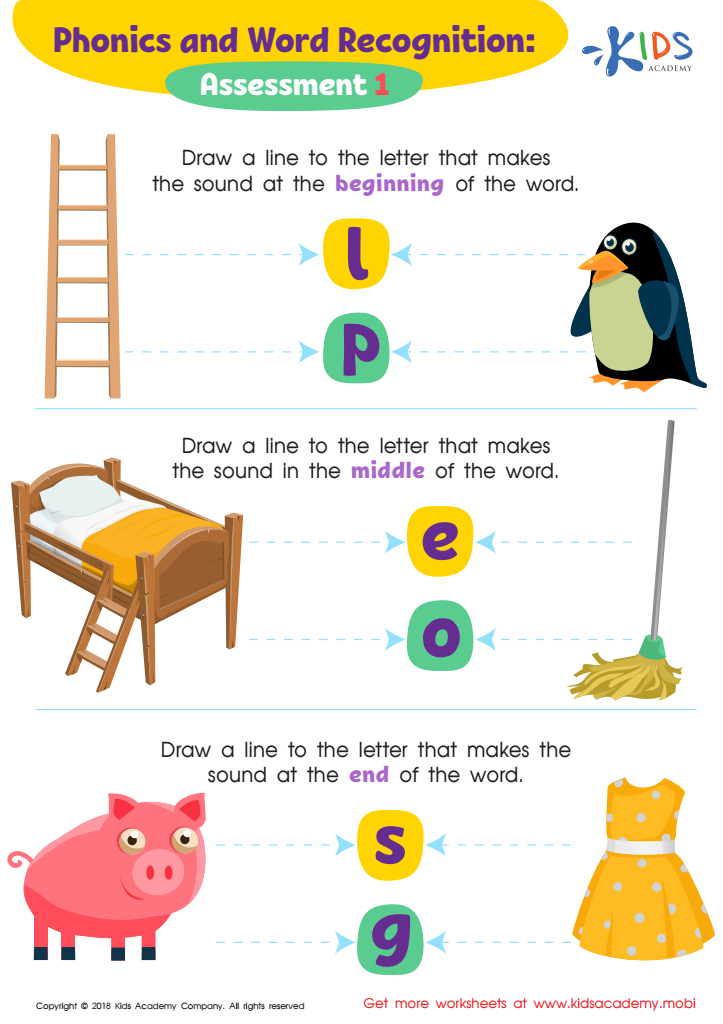
Phonics and Word Recognition: Assessment 1 ELA Worksheet







Word identification is a crucial skill for children aged 4 to 7, forming the foundation for effective reading and language development. Parents and teachers should prioritize this skill as it directly influences children's literacy success. At this age, children are in a critical phase of cognitive and linguistic development, where they learn to recognize words and understand their meanings. Mastery of word identification boosts children's confidence and fosters a love for reading, creating positive attitudes towards learning.
Additionally, proficient word identification contributes to better comprehension skills. When children can quickly and accurately recognize words, they can focus on understanding and interpreting the content rather than struggling with decoding. This is vital as the ability to understand text impacts not only academic achievement but also overall communication skills.
Early intervention in word identification can prevent struggles later in a child's educational journey. Teachers and parents can utilize engaging activities and resources to support this skill, from phonics games to interactive reading sessions. By emphasizing the importance of word identification, we empower children to become enthusiastic readers and lifelong learners, setting them on a path to future academic success and self-confidence. Ultimately, investing time in this foundational skill reaps long-term benefits for both children and their educators.








