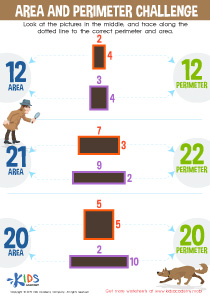
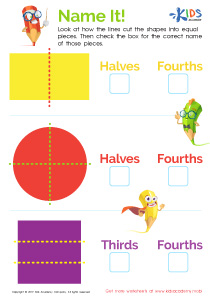
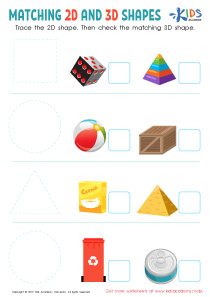
Comparing shapes 2D Shapes Worksheets for Ages 4-7
4 filtered results
-
From - To
Explore our engaging "Comparing 2D Shapes Worksheets for Ages 4-7" to help young learners identify and compare different shapes like circles, squares, triangles, and rectangles. These worksheets are carefully designed to develop critical thinking, problem-solving skills, and shape recognition in a fun, interactive way. Perfect for building foundational math skills, each activity encourages kids to observe similarities and differences, fostering a deeper understanding of geometry. Ideal for classroom or at-home learning, our worksheets create an exciting and educational experience that will boost your child's confidence in recognizing and comparing 2D shapes.
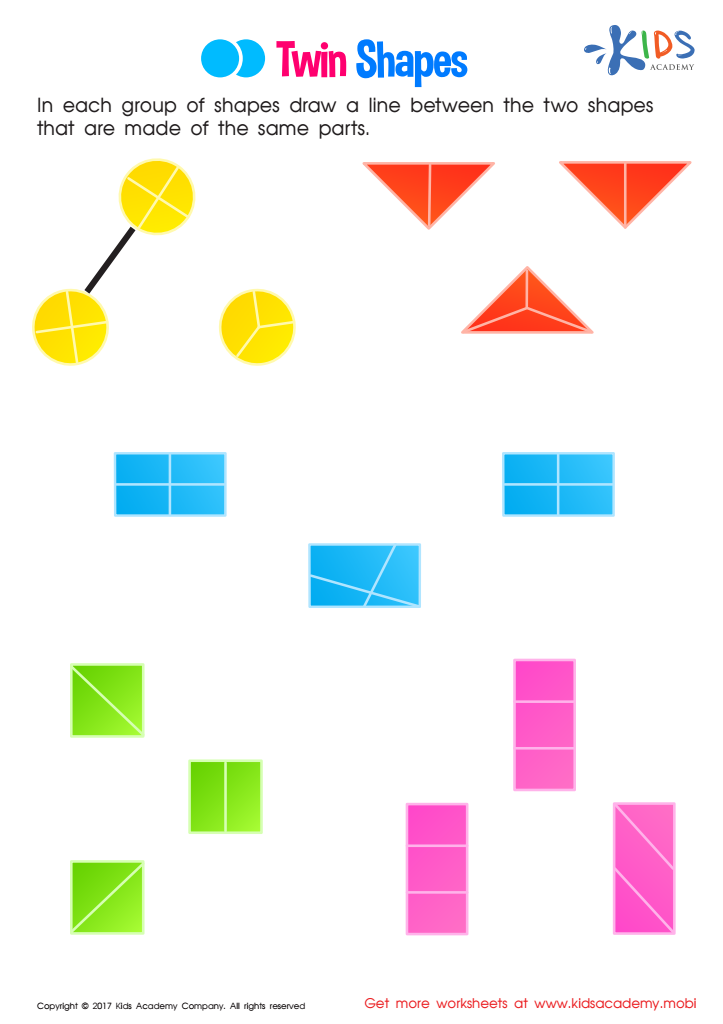
Twin Shapes Worksheet
 Assign to My Students


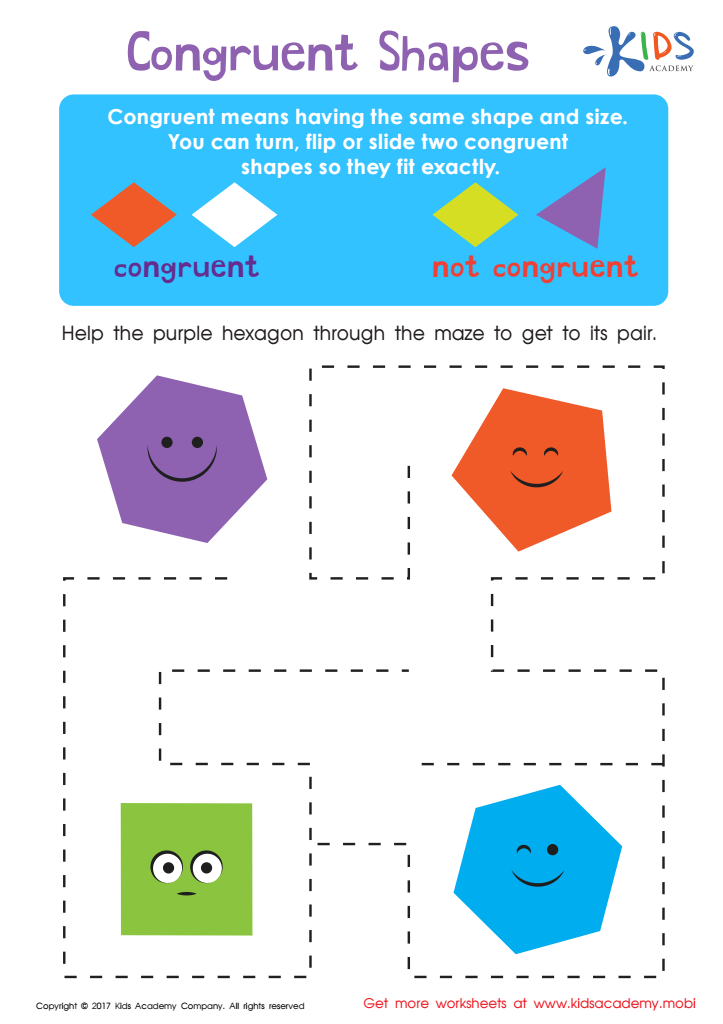
Congruent Shapes Worksheet
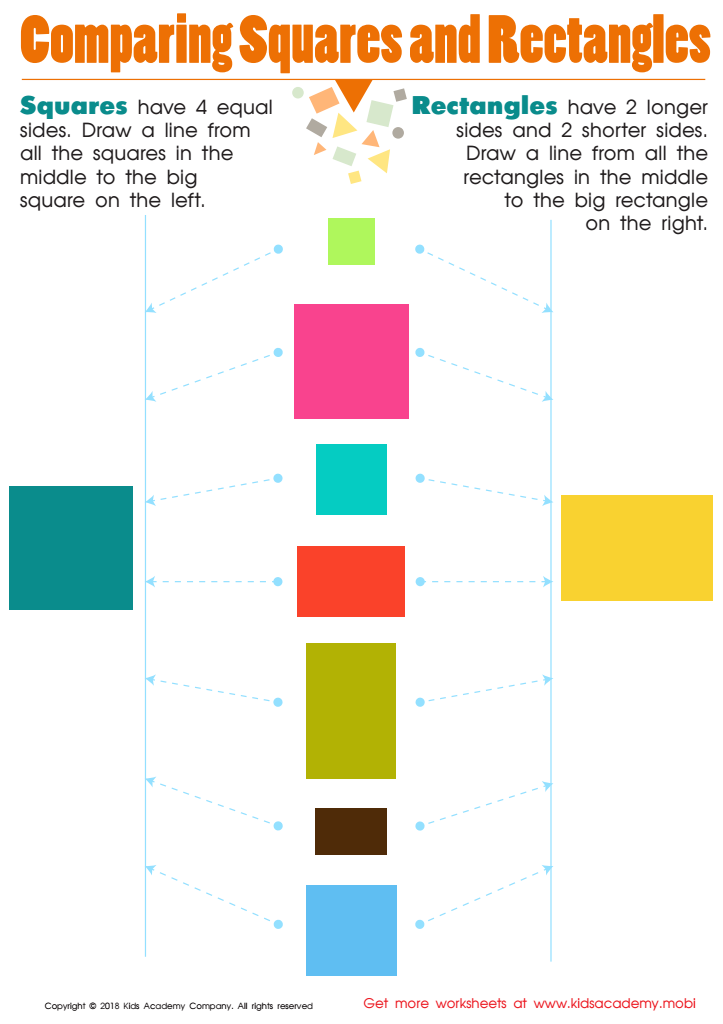
Comparing Squares Rectangles Worksheet
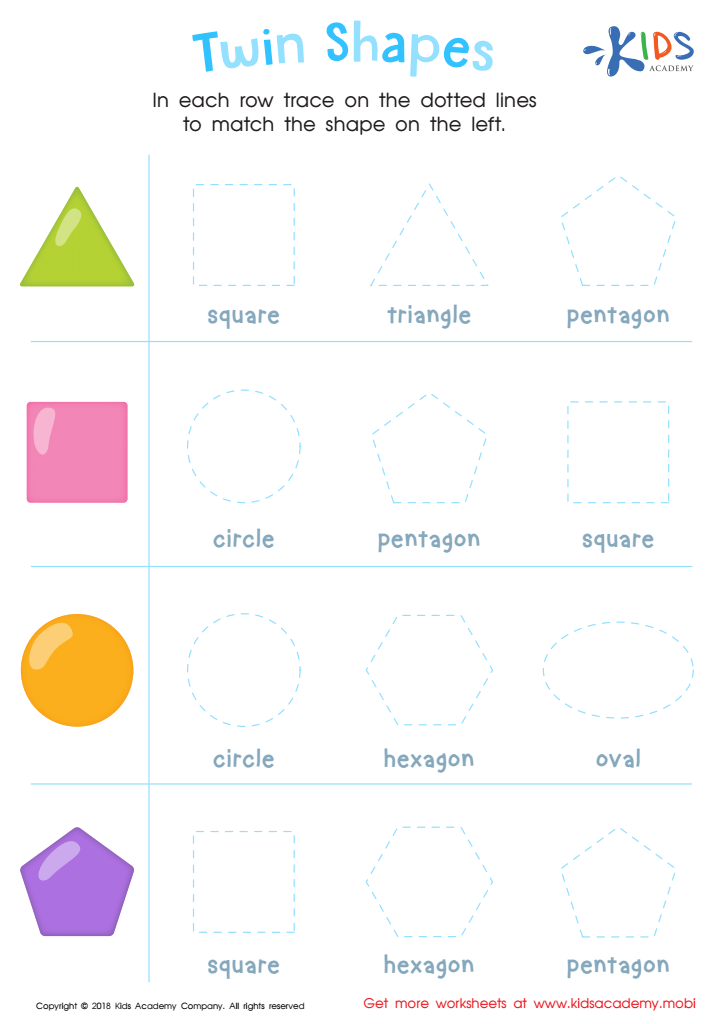
Twin Shapes Dot-to-Dot Worksheet








Parents and teachers should care about comparing 2D shapes for children ages 4-7 because this fundamental skill is crucial for early cognitive development and future academic success. Engaging young children in activities that involve comparing shapes helps develop their spatial awareness, a key component of mathematical reasoning and problem-solving abilities. Recognizing and describing geometric shapes fosters a child's ability to observe and notice differences and similarities, which is important for later learning in geometry and arithmetic.
Understanding shapes is not just about identifying them by name; it also includes recognizing their properties – such as the number of sides and vertices – and visualizing how different shapes can relate to one another. This skill lays the groundwork for more complex concepts like symmetry, fractions, and more advanced mathematical equations. Furthermore, it integrates with literacy development, as children learn to articulate their observations, enriching their vocabulary and descriptive language.
Additionally, comparing shapes offers a hands-on, interactive way of learning that holds young children's attention and enhances their fine motor skills through activities like sorting, tracing, and creating shapes using various materials. By encouraging exploration and critical thinking, parents and teachers can nurture a lifelong interest in learning and help children build confidence in their analytic abilities, setting the stage for later success in both math and other subjects.