Comparing numbers Addition & Subtraction Worksheets for Ages 4-7
4 filtered results
-
From - To
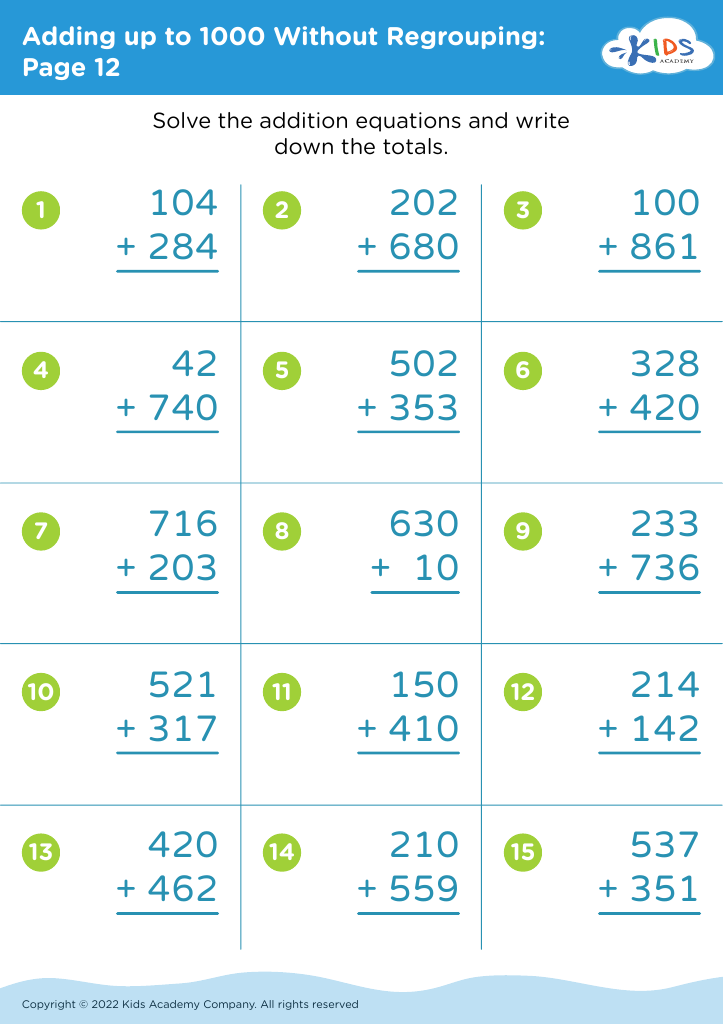
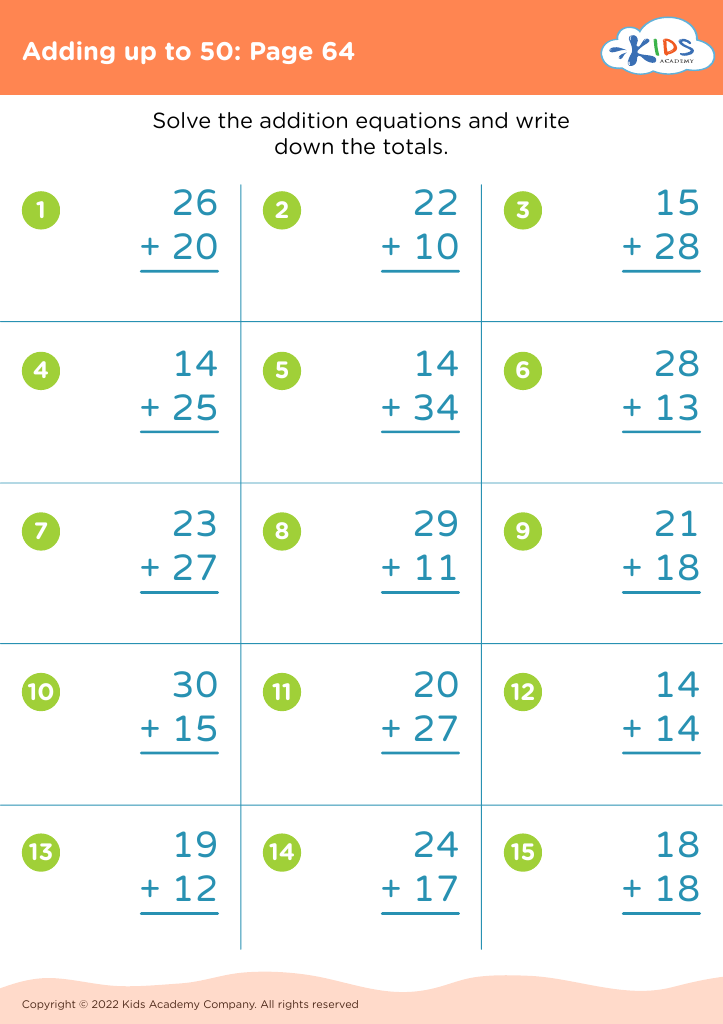
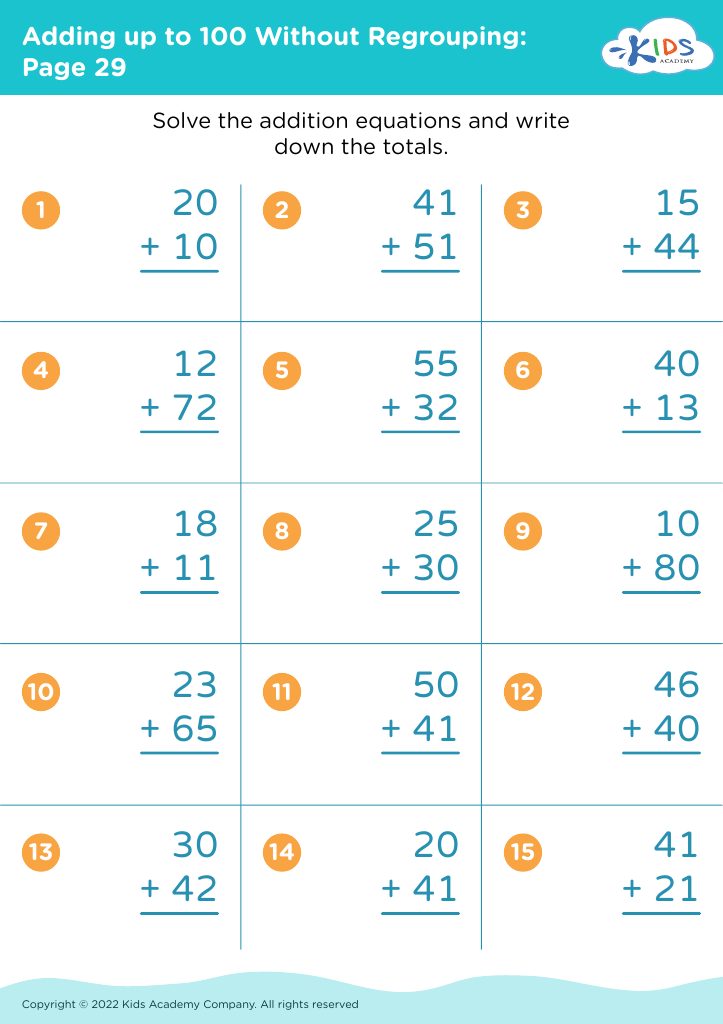
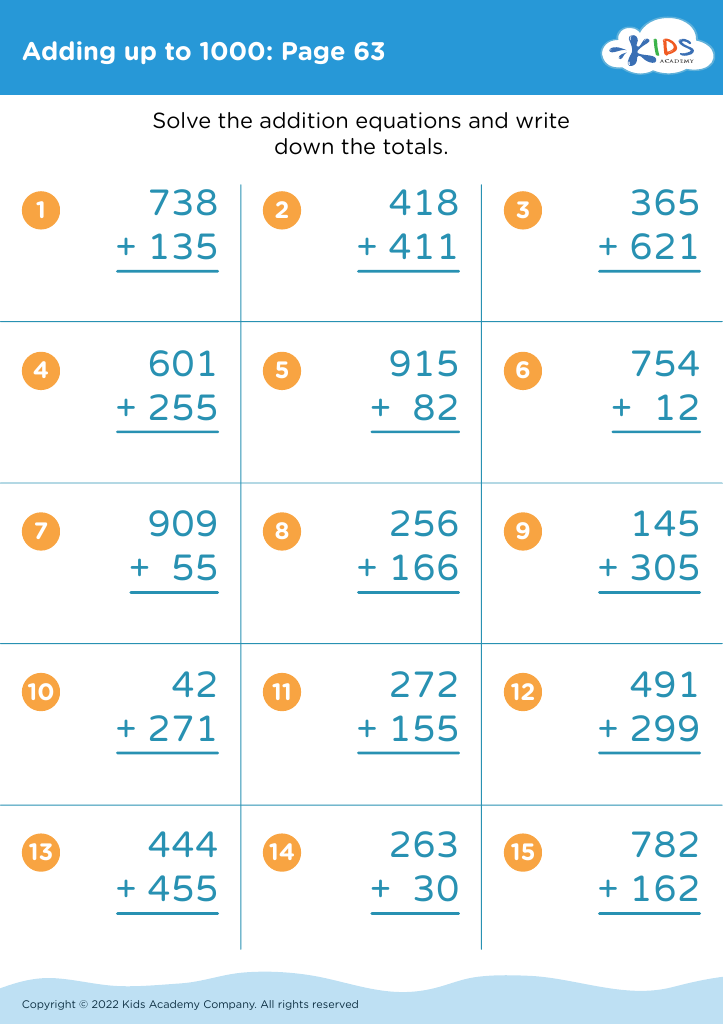
Discover our engaging "Comparing Numbers: Addition & Subtraction Worksheets" ideal for children ages 4-7! These worksheets are designed to enhance your child's math skills by focusing on comparing numbers through fun and interactive exercises. Students will learn to identify greater than, less than, and equal to while practicing addition and subtraction. Perfect for reinforcing foundational concepts in a playful manner, these worksheets are easy to print and can be used at home or in the classroom. Help your child build confidence in their mathematical abilities while enjoying hands-on learning experiences! Start exploring our collection today to support their educational journey.








Comparing numbers, along with addition and subtraction, forms the foundation of early math skills vital to a child's cognitive development. For children aged 4 to 7, understanding these concepts is essential as they build critical thinking and problem-solving abilities. Parents and teachers should care about these skills because they help children grasp basic numerical relationships, enabling them to make sense of everyday situations.
Moreover, comparing numbers fosters a sense of quantity—helping children distinguish between more and less, greater and lesser, which is essential in decision-making. Mastery of addition and subtraction not only supports academic success but also promotes confidence; when children can manipulate numbers effectively, they develop a sense of competence that translates to a love for learning.
Engagement in these activities also enhances cognitive flexibility, allowing children to approach problems from different angles, a skill vital in higher-level mathematics and life situations. Furthermore, early proficiency in these concepts is linked to improved performance in later academic pursuits, providing a strong foundation in mathematical reasoning. By investing in early math education, parents and teachers are equipping children with tools they will draw upon throughout their lives, laying the groundwork for their future success.








