Discover our Simplifying Fractions Addition & Subtraction Worksheets for Ages 4-7 at Kids Academy! Carefully designed for young learners, these worksheets make complex fraction concepts accessible and fun. Through engaging activities and colorful illustrations, children will practice adding and subtracting fractions with ease. Our resources help build a strong mathematical foundation, critical for future success. Perfect for classroom use or at-home learning, these materials are tailored to boost your child's confidence and proficiency in fractions. Bring math to life and empower your little one with skills that will last a lifetime. Download now and start learning today!
Check out this FREE Trial Lesson on Addition & Subtraction for age 4-7!

Match Exactly the Same

Favorites
With answer key
Interactive
  • 4-7
  • Simplifying Fractions
  • Addition & Subtraction
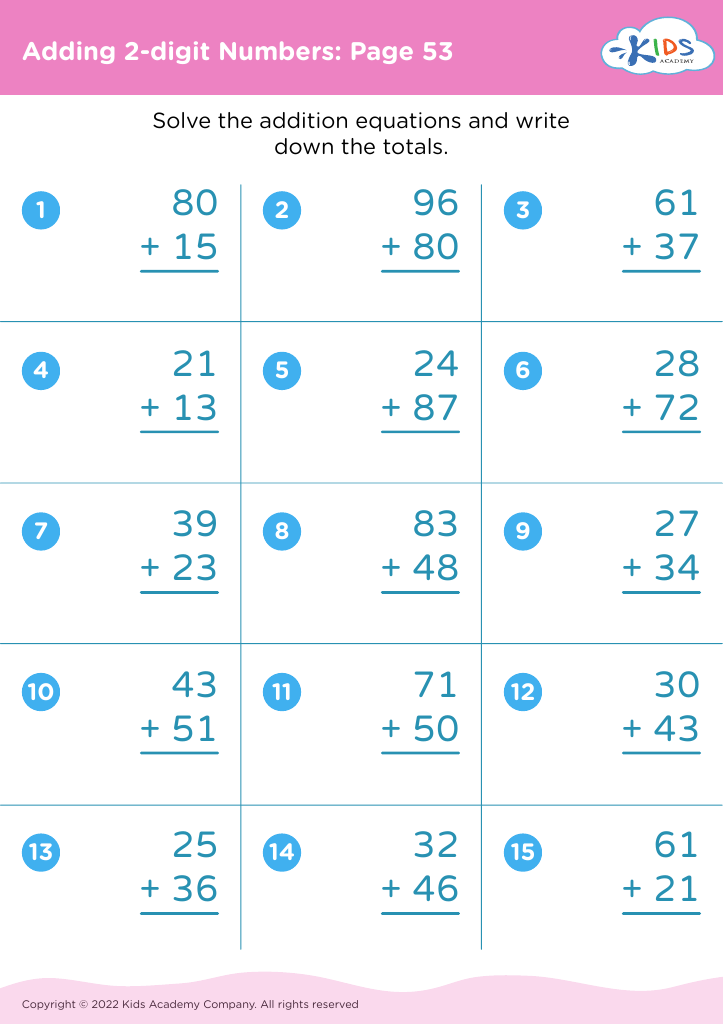
Adding 2-digit Numbers: Page 53

Adding 2-digit Numbers: Page 53

Adding 2-digit Numbers: Page 53
Worksheet
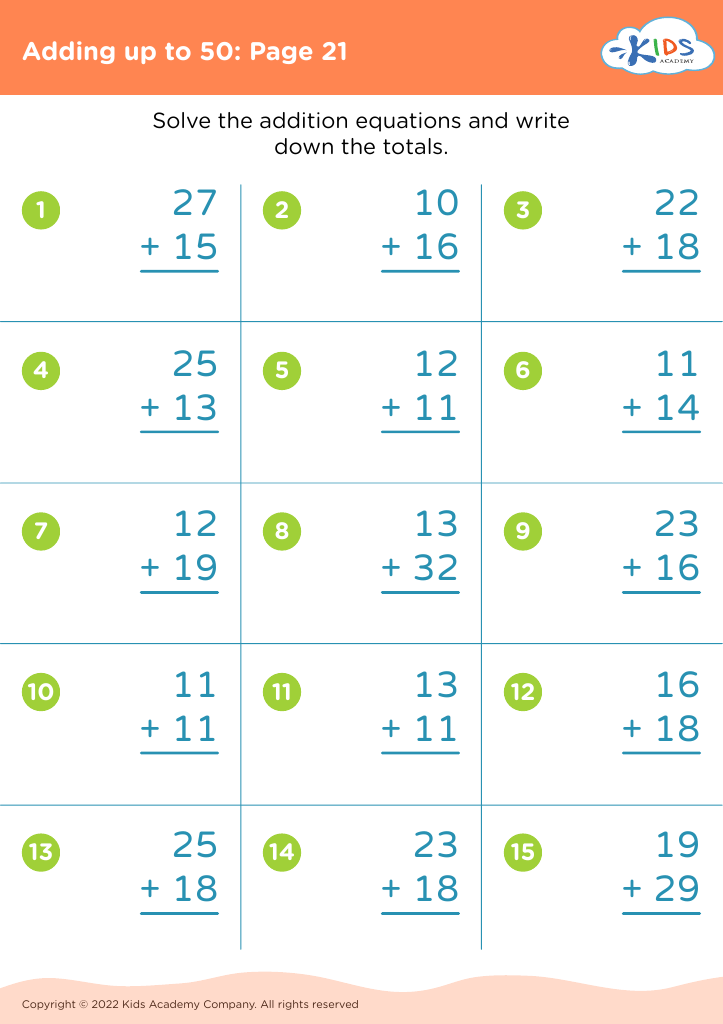
Adding up to 50: Page 21

Adding up to 50: Page 21

Adding up to 50: Page 21
Worksheet
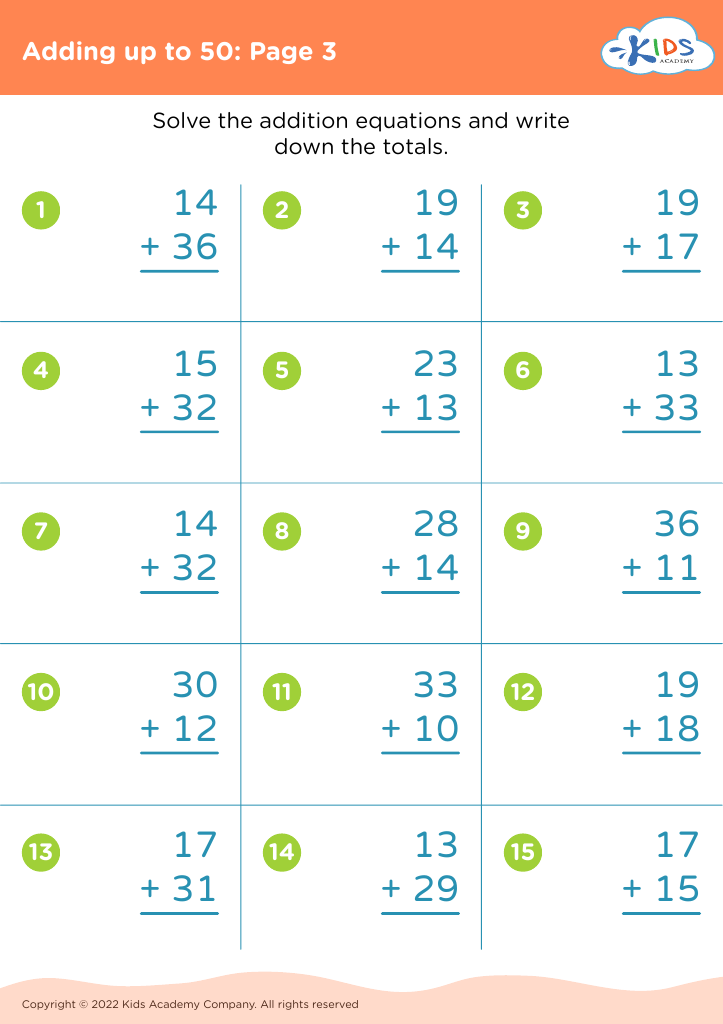
Adding up to 50: Page 3

Adding up to 50: Page 3

Adding up to 50: Page 3
Worksheet
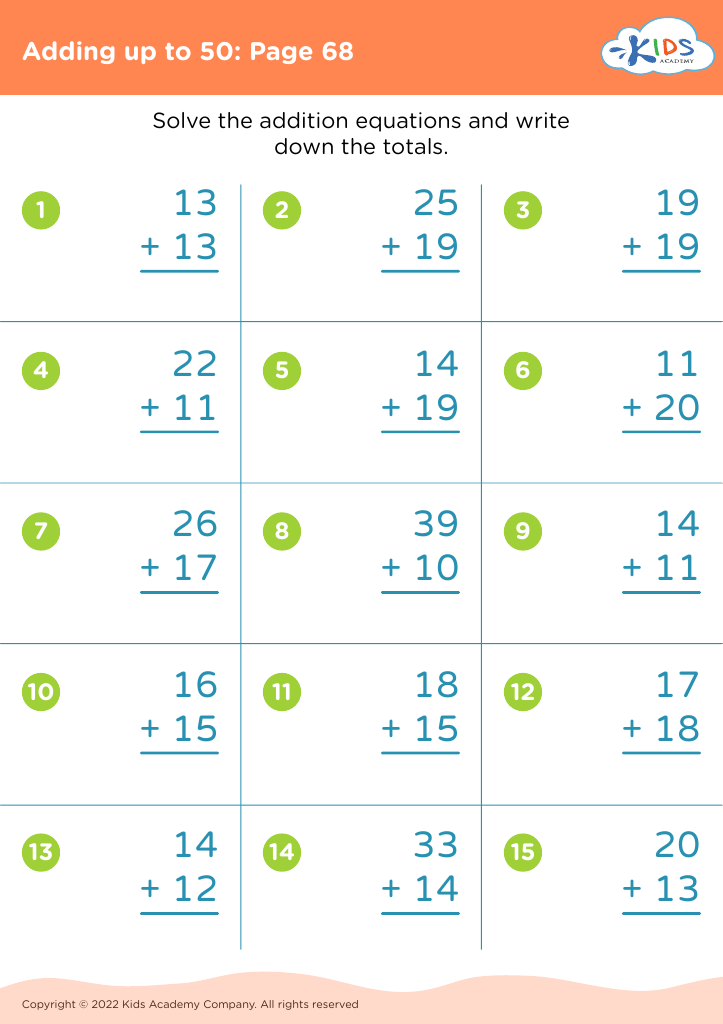
Adding up to 50: Page 68

Adding up to 50: Page 68

Adding up to 50: Page 68
Worksheet
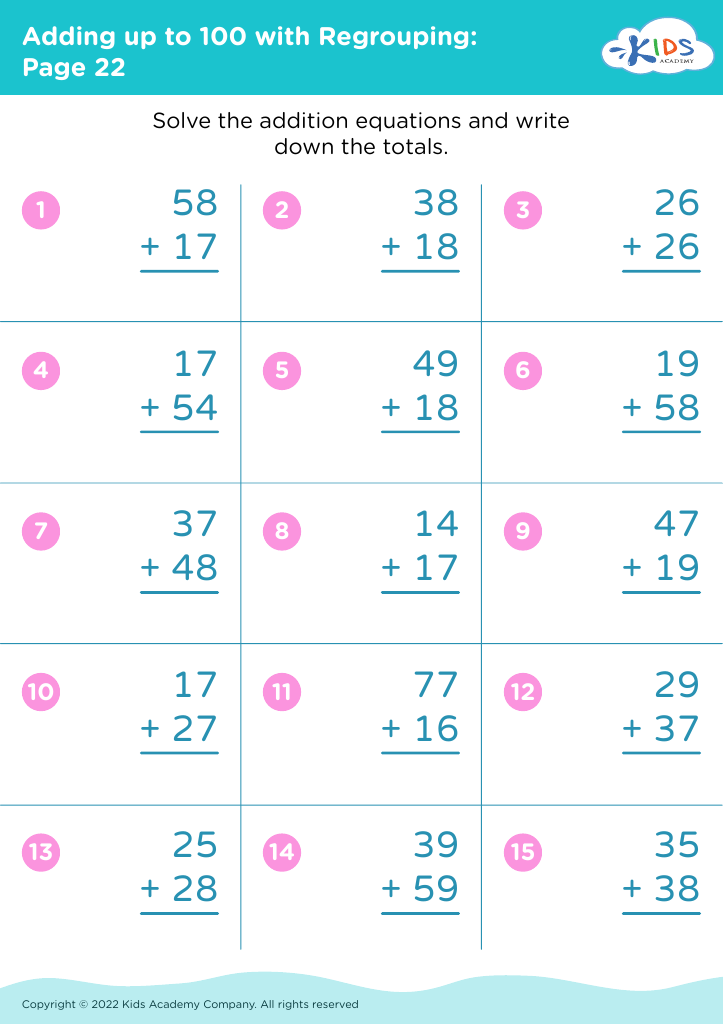
Adding up to 100 with Regrouping: Page 22
Worksheet
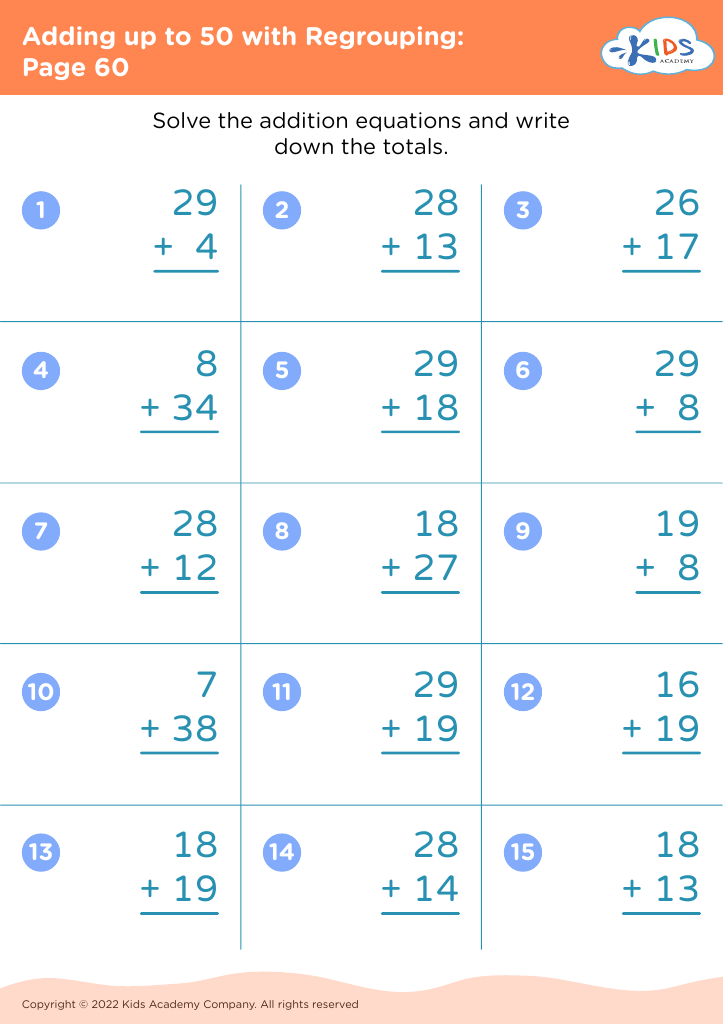
Adding up to 50 with Regrouping: Page 60
Worksheet
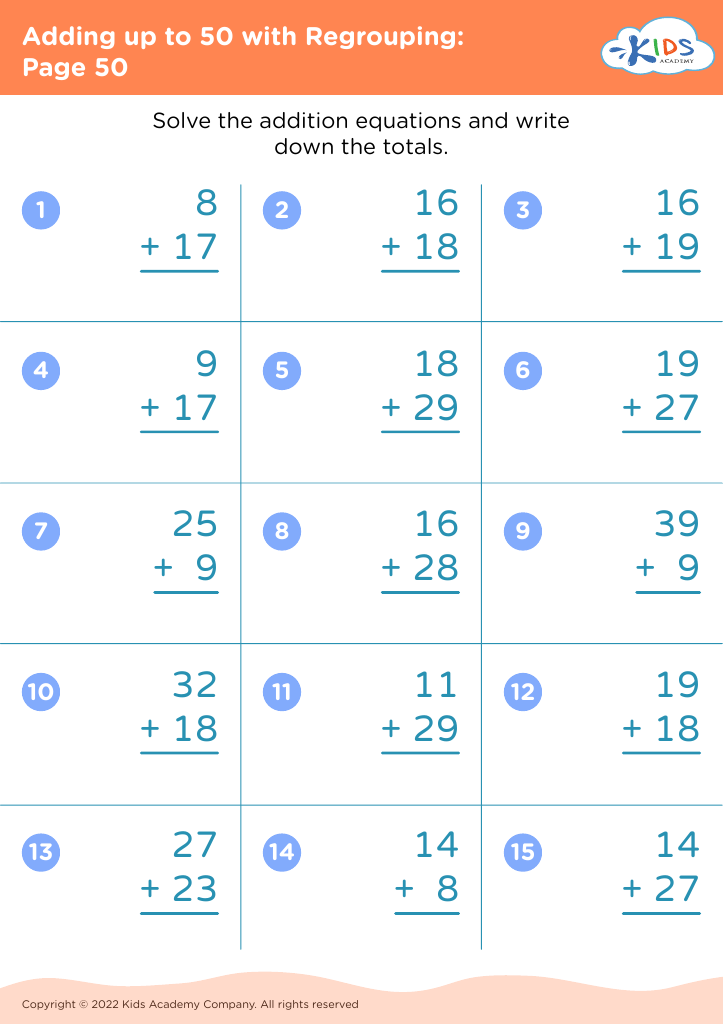
Adding up to 50 with Regrouping: Page 50
Worksheet
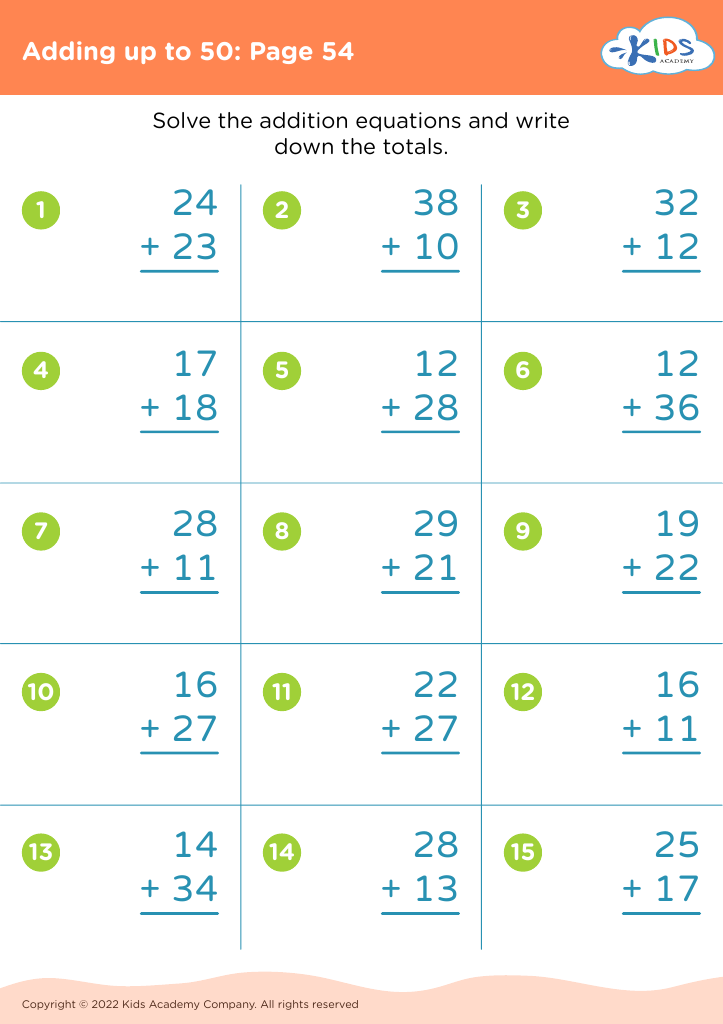
Adding up to 50: Page 54

Adding up to 50: Page 54

Adding up to 50: Page 54
Worksheet
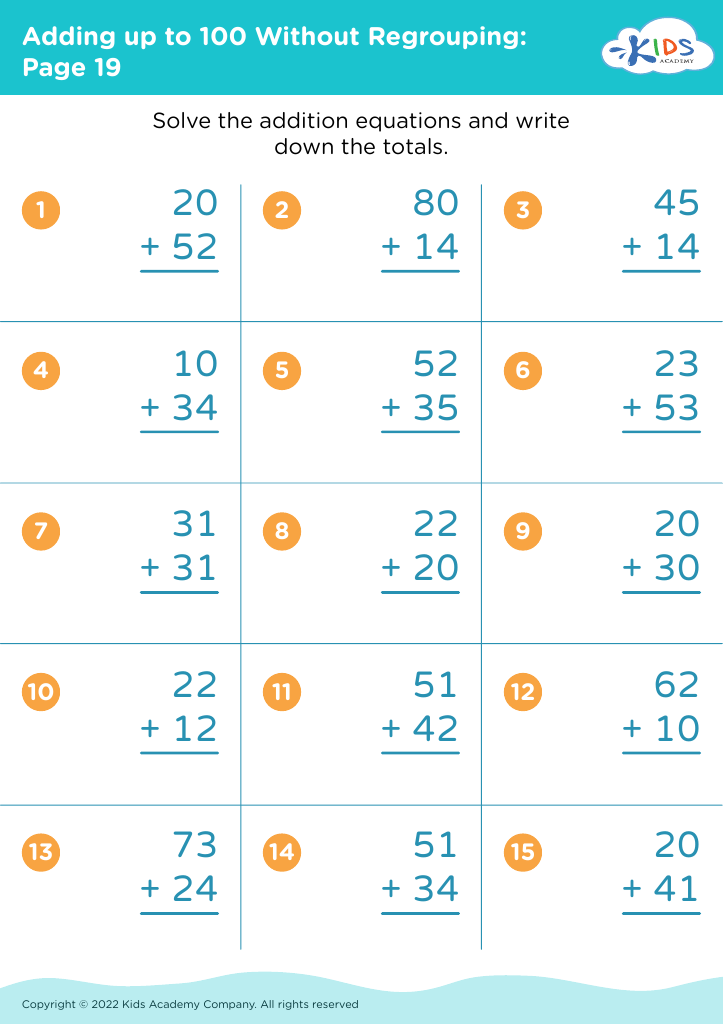
Adding up to 100 Without Regrouping: Page 19
Worksheet
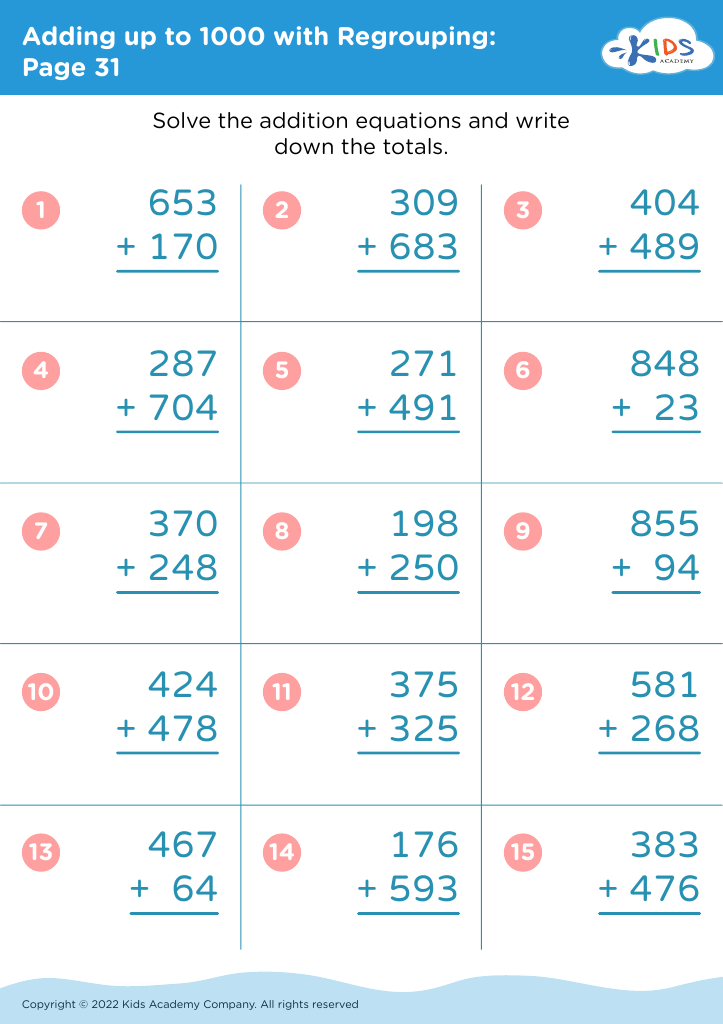
Adding up to 1000 with Regrouping: Page 31
Worksheet
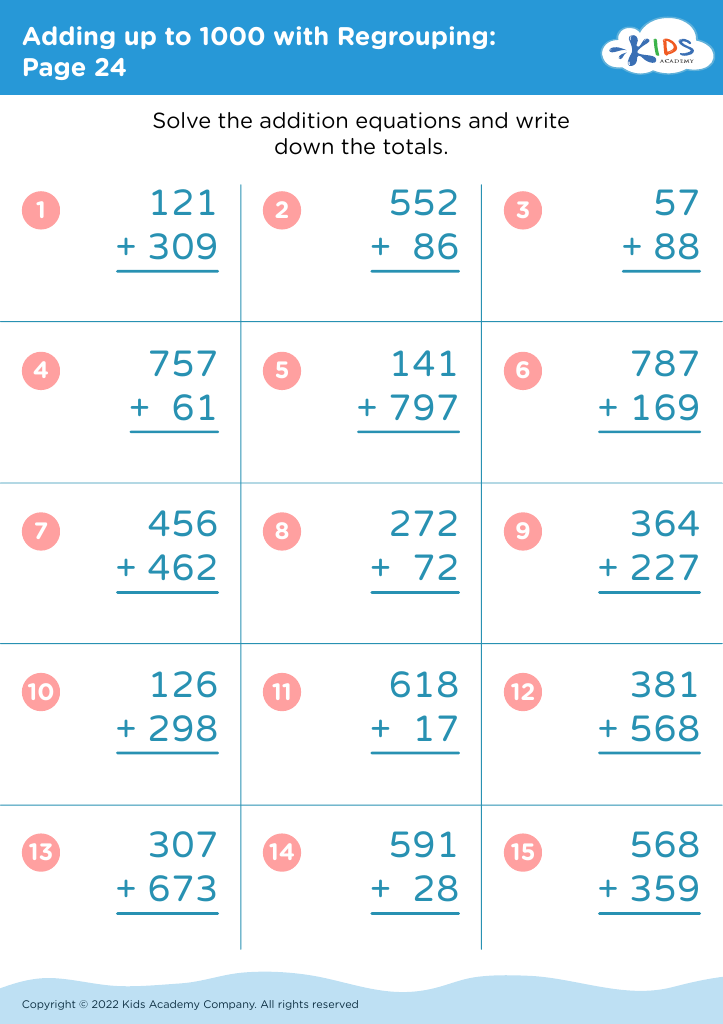
Adding up to 1000 with Regrouping: Page 24
Worksheet
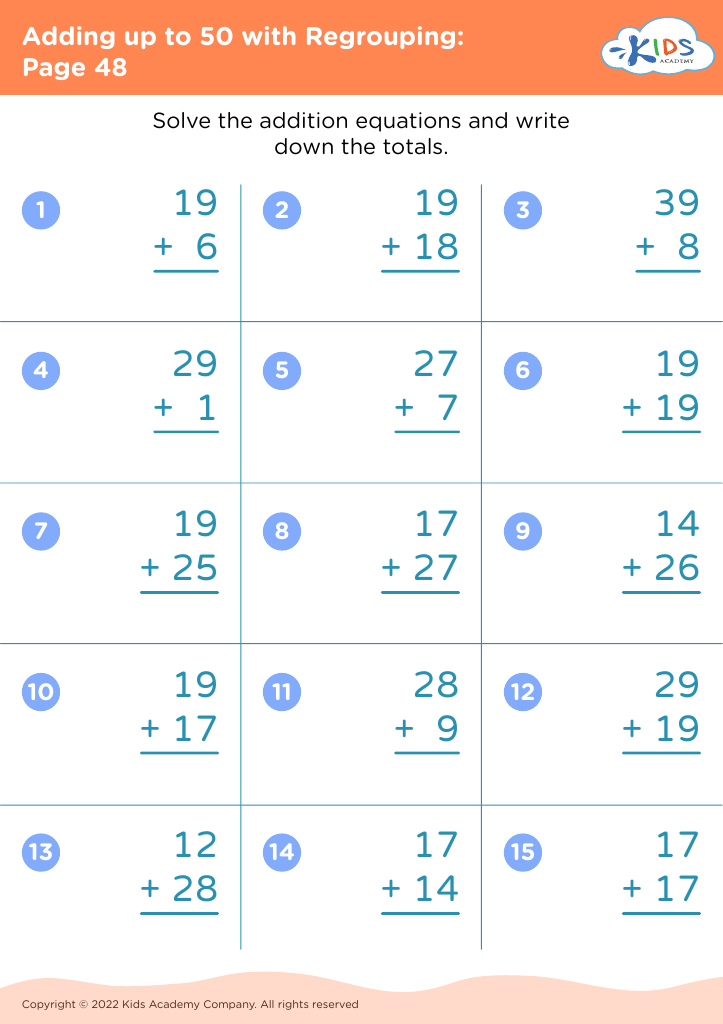
Adding up to 50 with Regrouping: Page 48
Worksheet
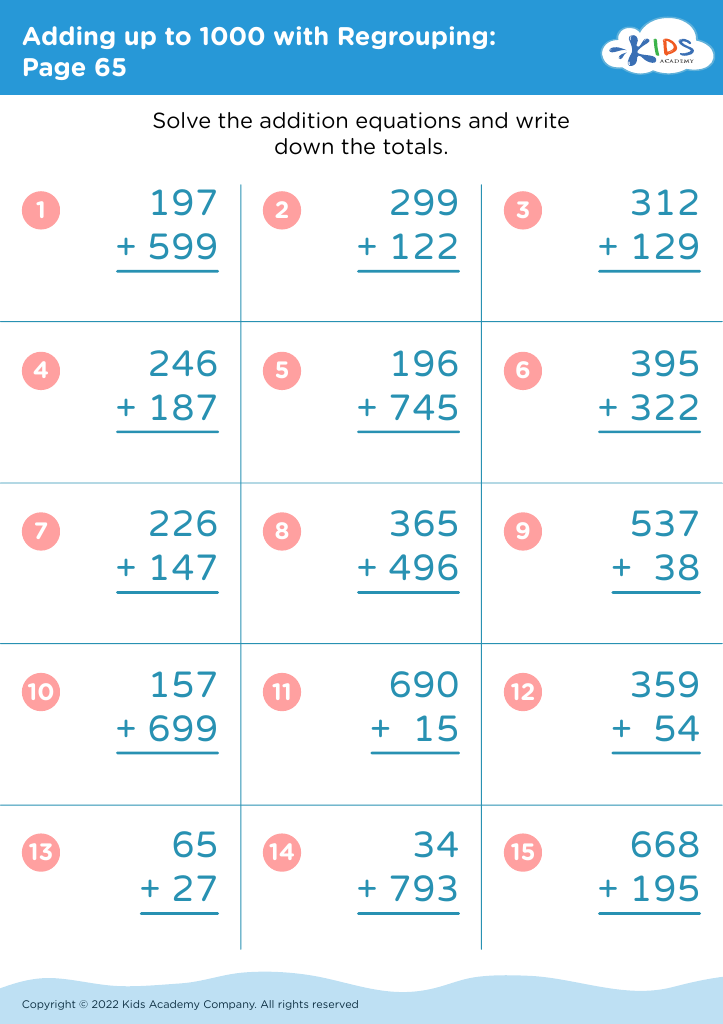
Adding up to 1000 with Regrouping: Page 65
Worksheet
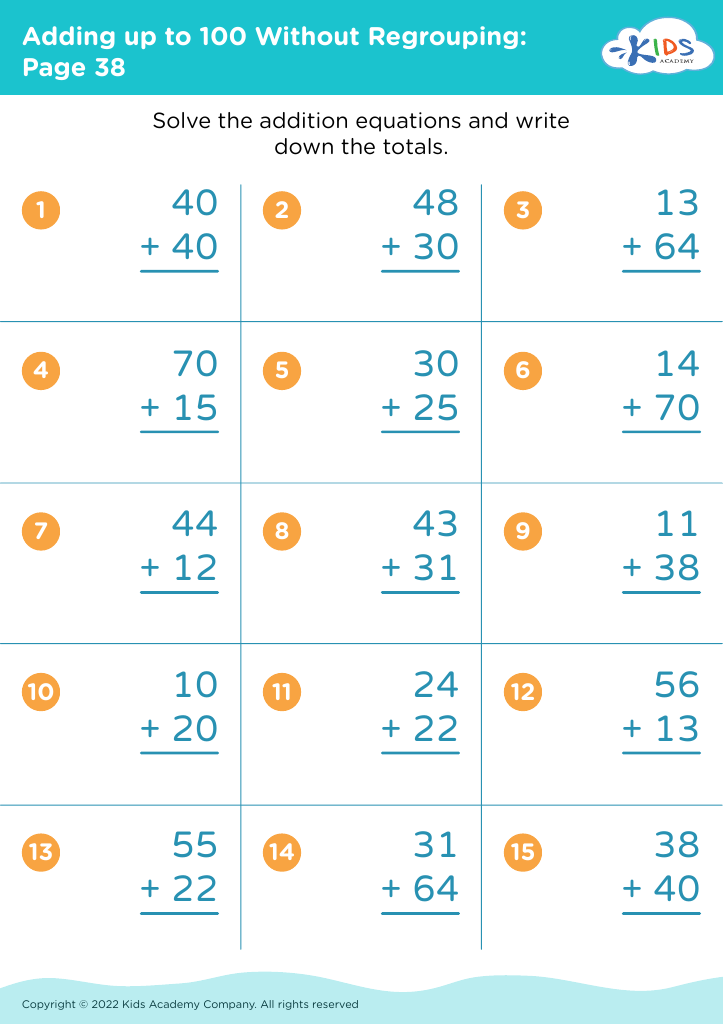
Adding up to 100 Without Regrouping: Page 38
Worksheet
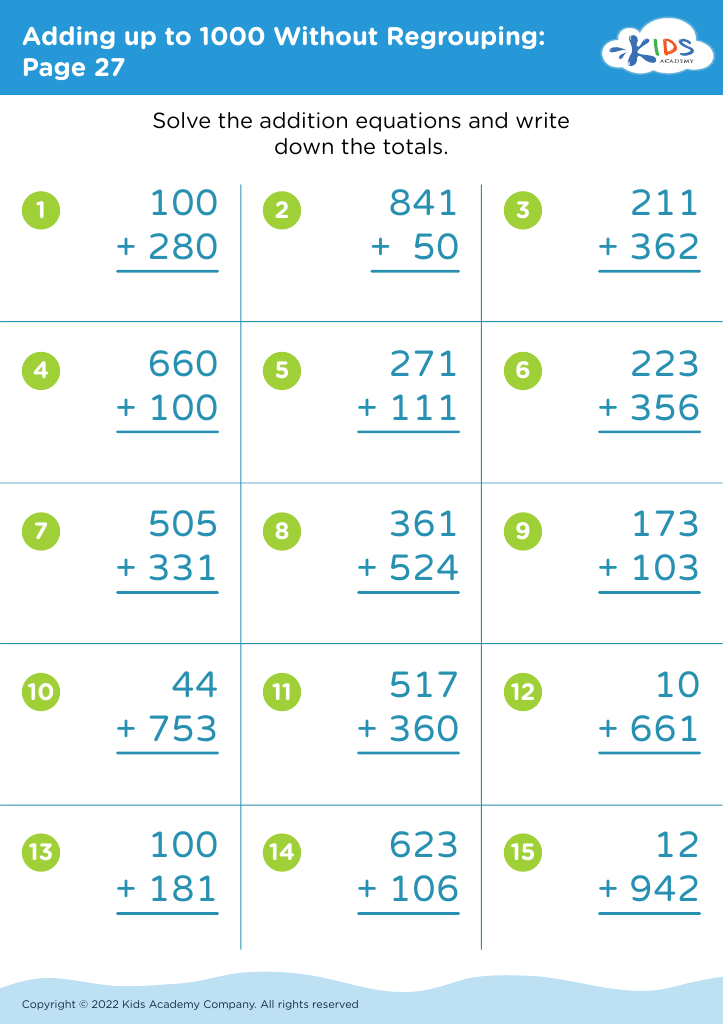
Adding up to 1000 Without Regrouping: Page 27
Worksheet
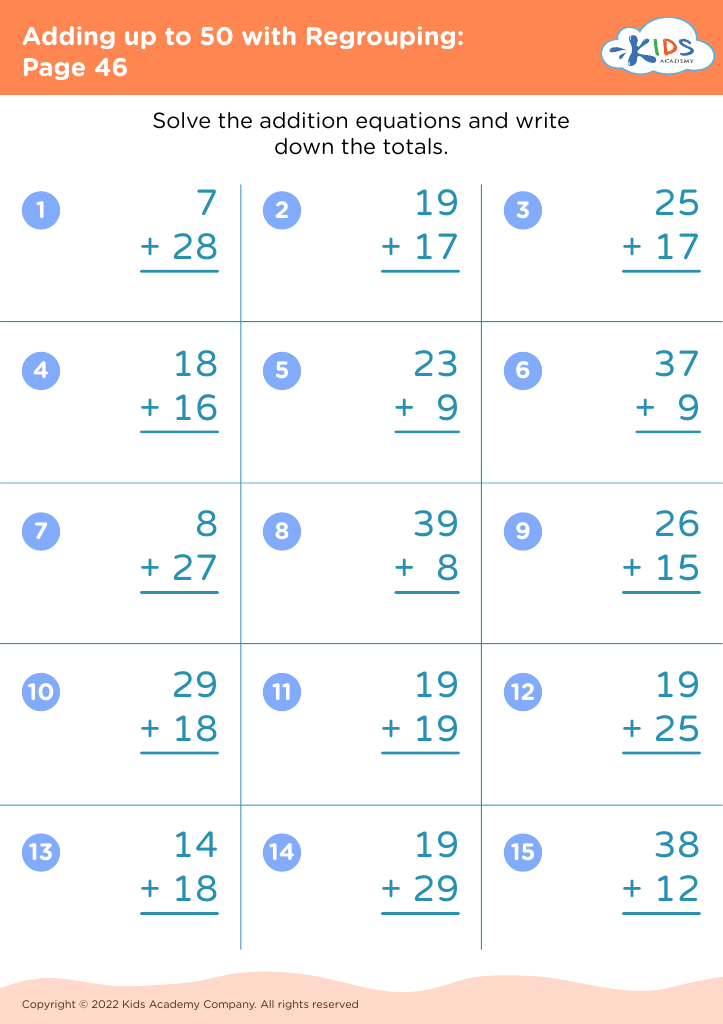
Adding up to 50 with Regrouping: Page 46
Worksheet
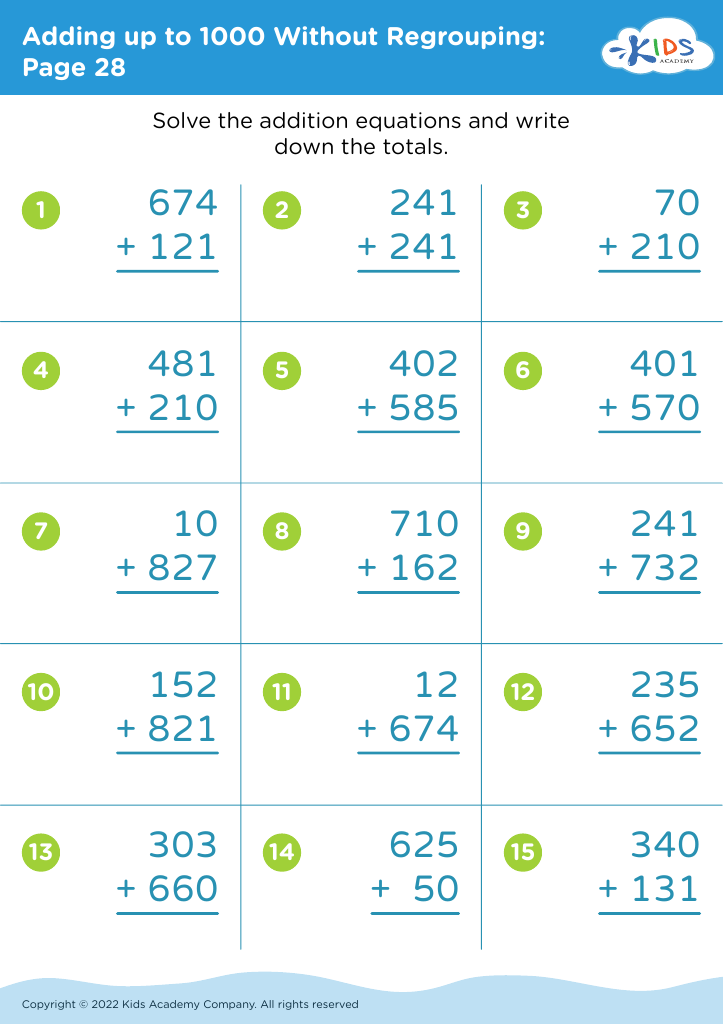
Adding up to 1000 Without Regrouping: Page 28
Worksheet
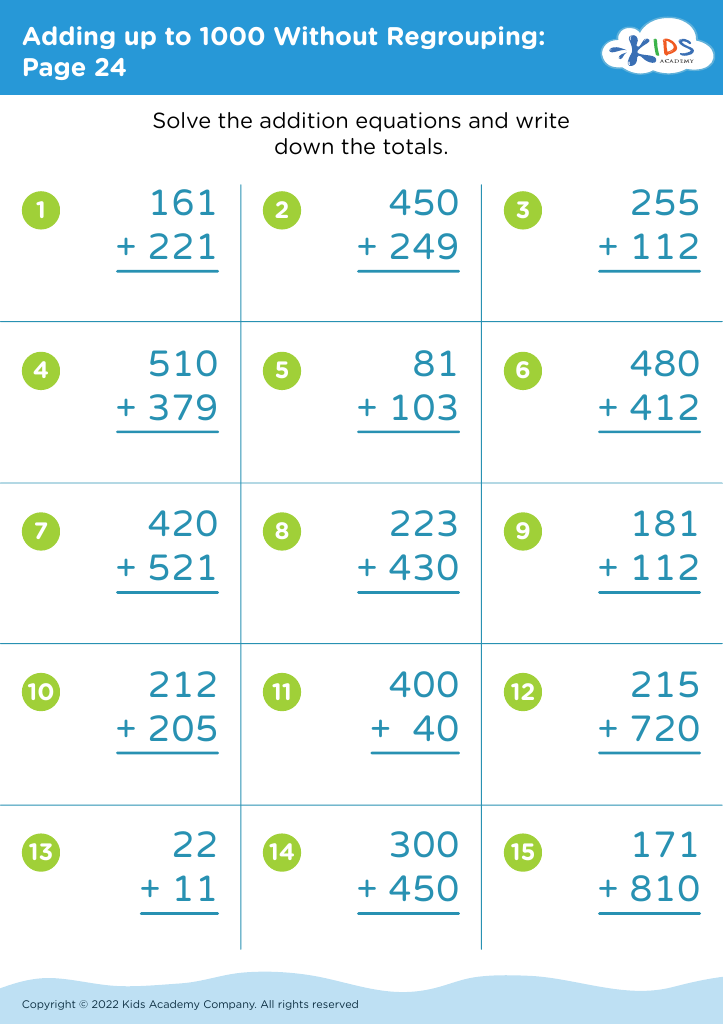
Adding up to 1000 Without Regrouping: Page 24
Worksheet


Simplifying fractions addition and subtraction for kids aged 4-7 is crucial as it lays the foundational groundwork for future math proficiency. Early exposure to basic fraction concepts helps children develop a strong number sense, which is the ability to understand, relate, and connect numbers. At this age, kids are often introduced to basic arithmetic, and integrating fractions into their learning helps them make sense of parts and wholes, a concept vital in mathematics and real-life situations.

When parents and teachers make the extra effort to simplify these concepts, they make fractions approachable and less intimidating. Visual aids like pie charts, pizza slices, or segmented bars can transform abstract ideas into tangible, relatable objects. This method makes it easier for kids to grasp the idea that 1/2 is the same as 2/4 or 4/8.

Early mastery of fractions boosts confidence and encourages a positive attitude towards math. Children accustomed to these concepts from an early age are better prepared for more challenging topics, such as ratios, percentages, and even algebra. Simplifying fraction addition and subtraction develops problem-solving skills, critical thinking, and logical reasoning. Therefore, prioritizing this at a young age sets a strong educational foundation, making future learning more effective and enjoyable.