Visual Learning Addition & Subtraction Worksheets for Ages 4-7 - Page 2
94 filtered results
-
From - To
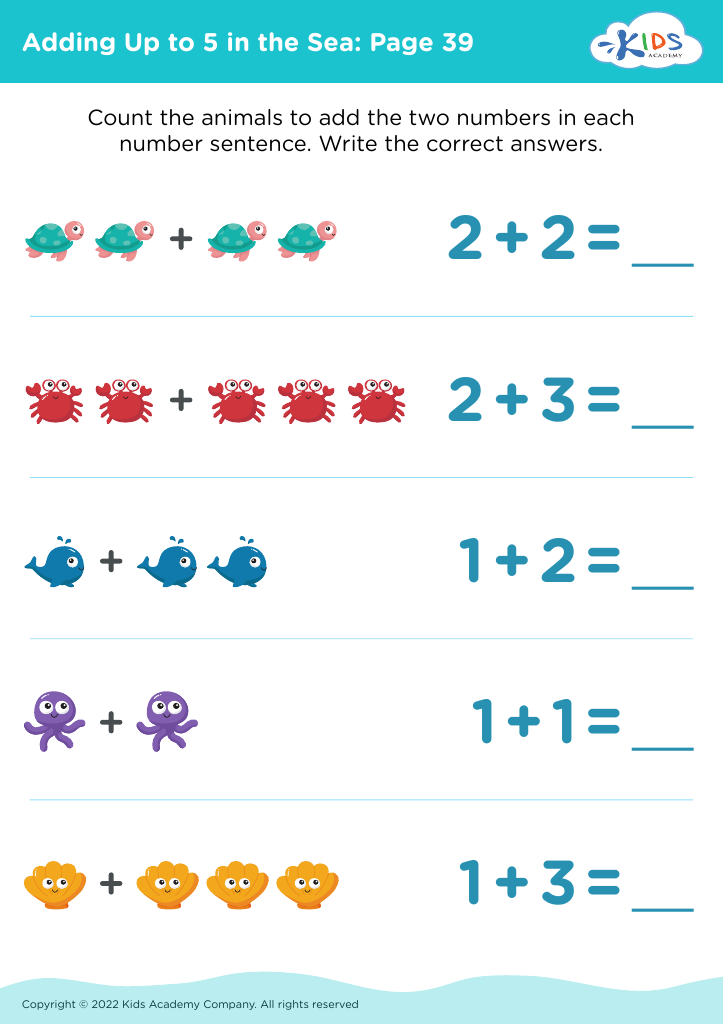
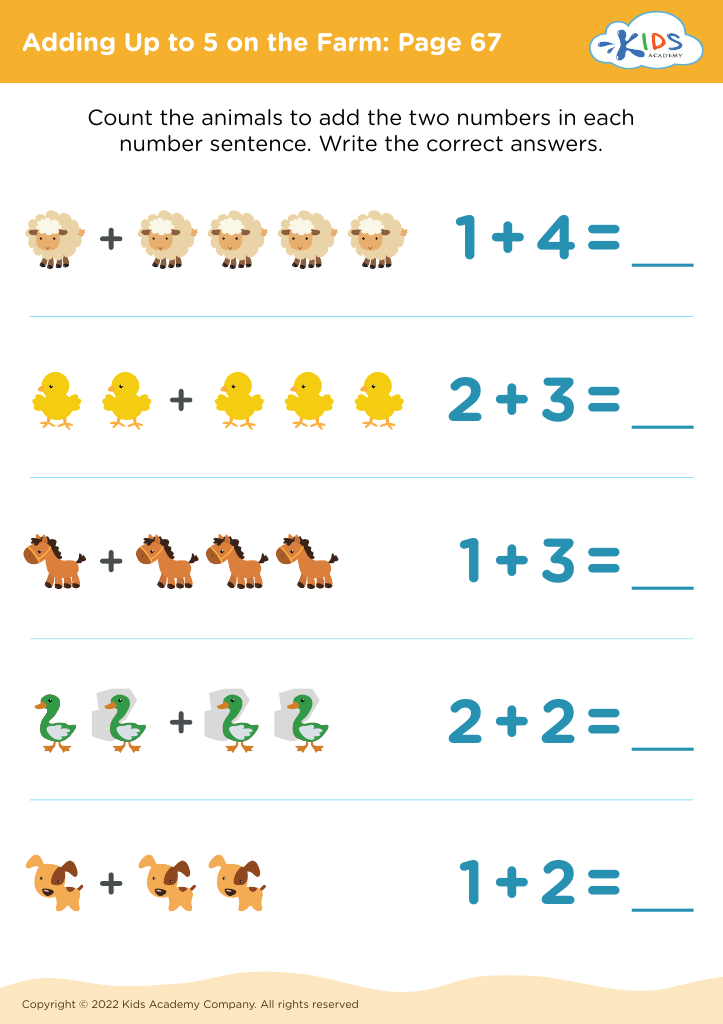
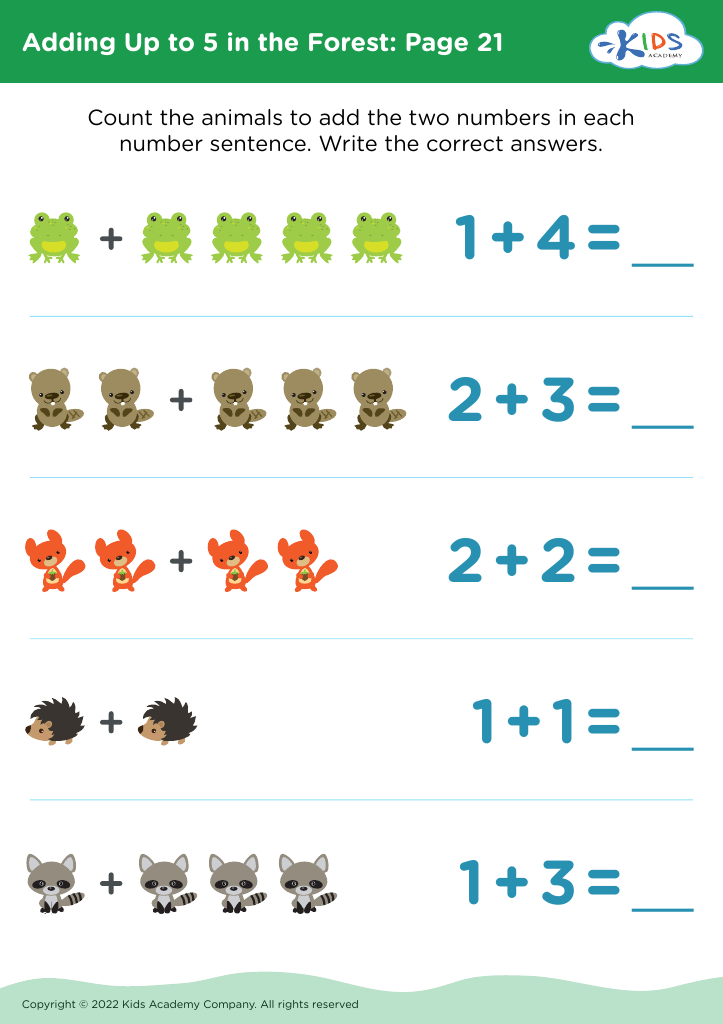
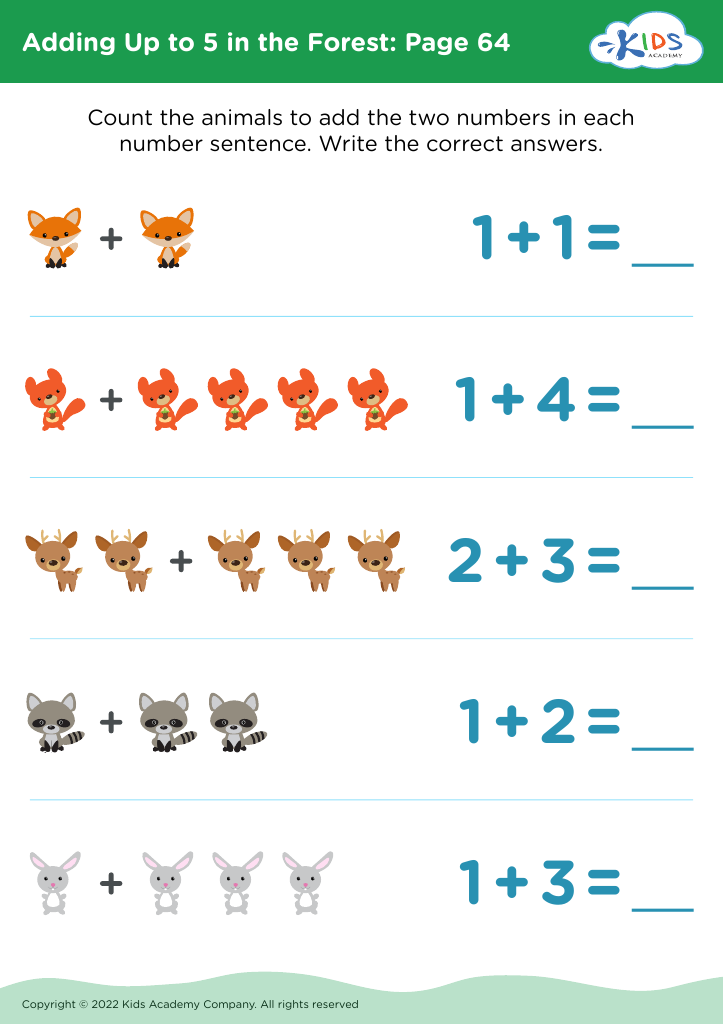
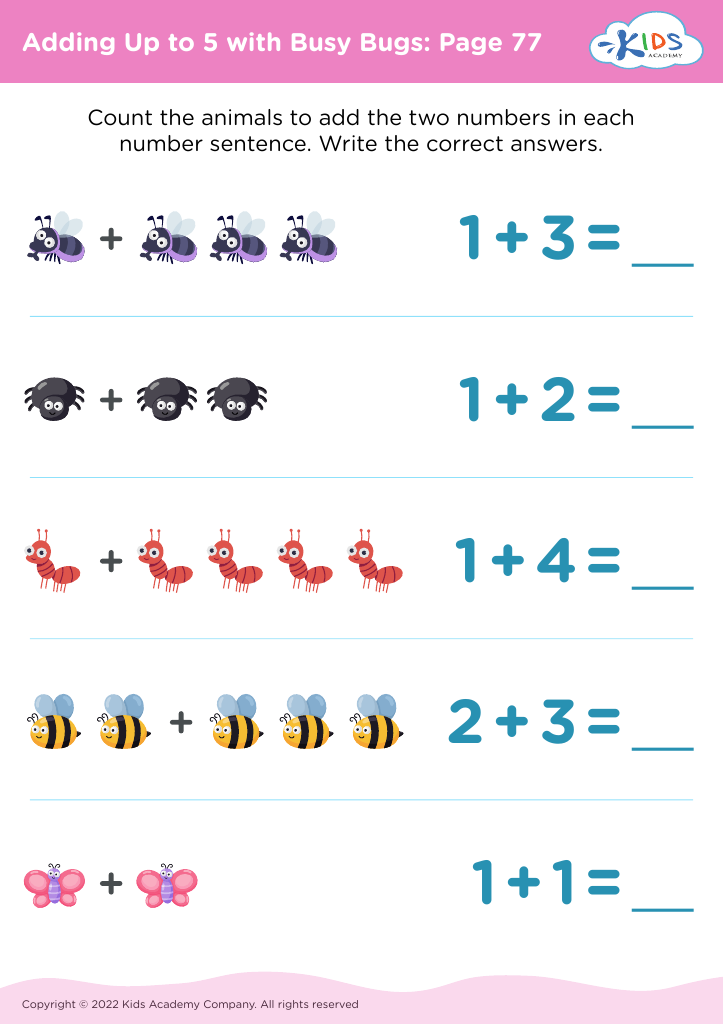
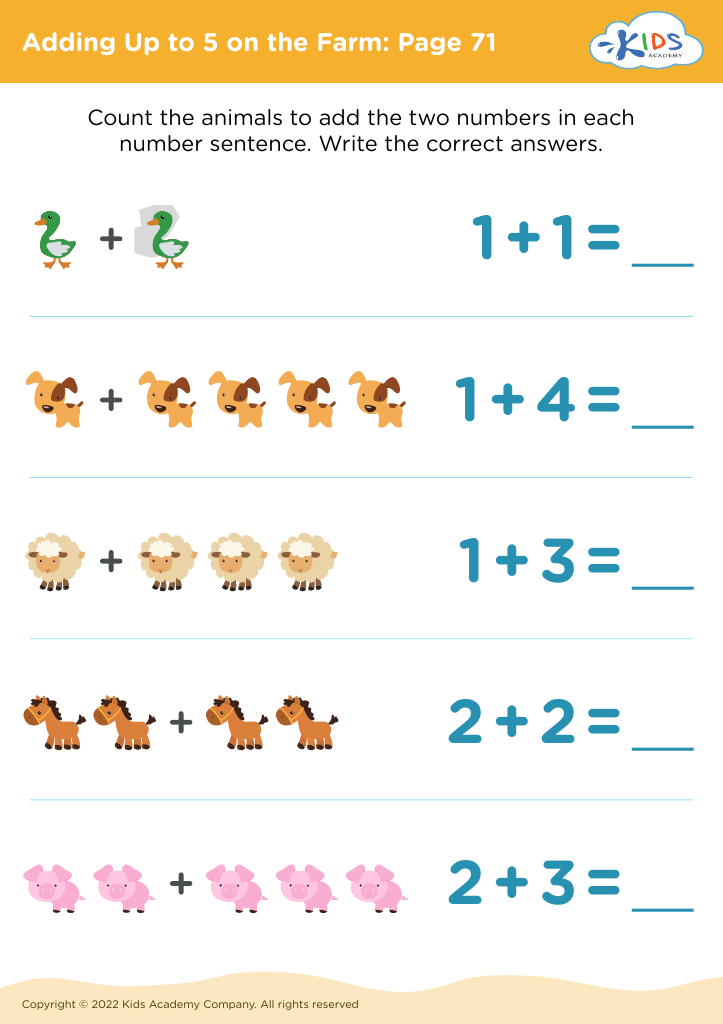
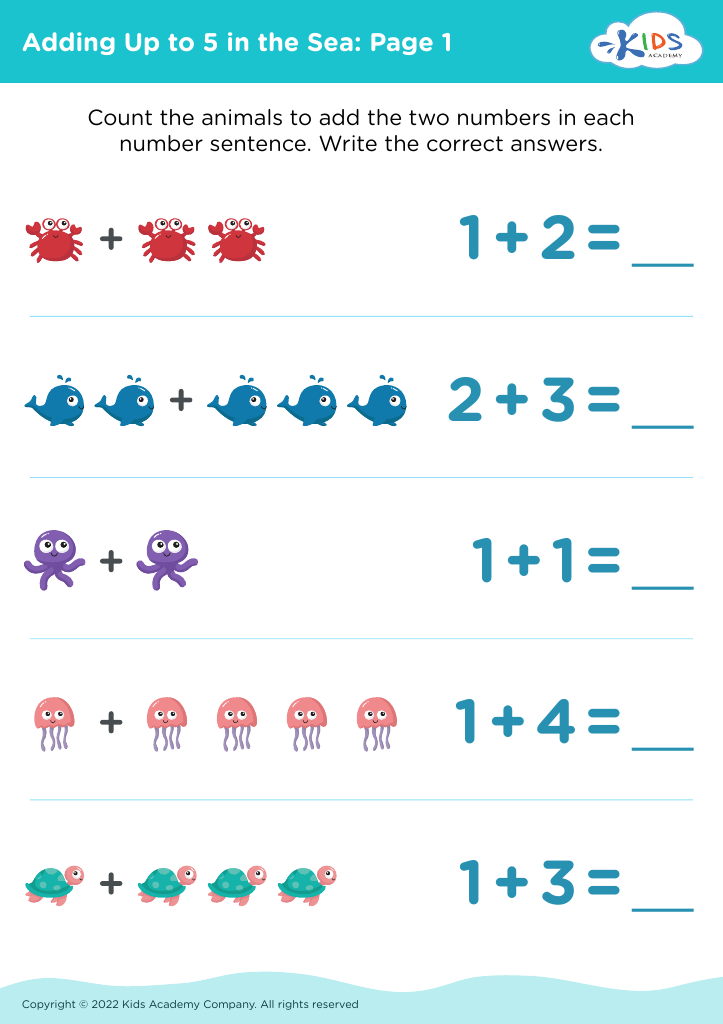
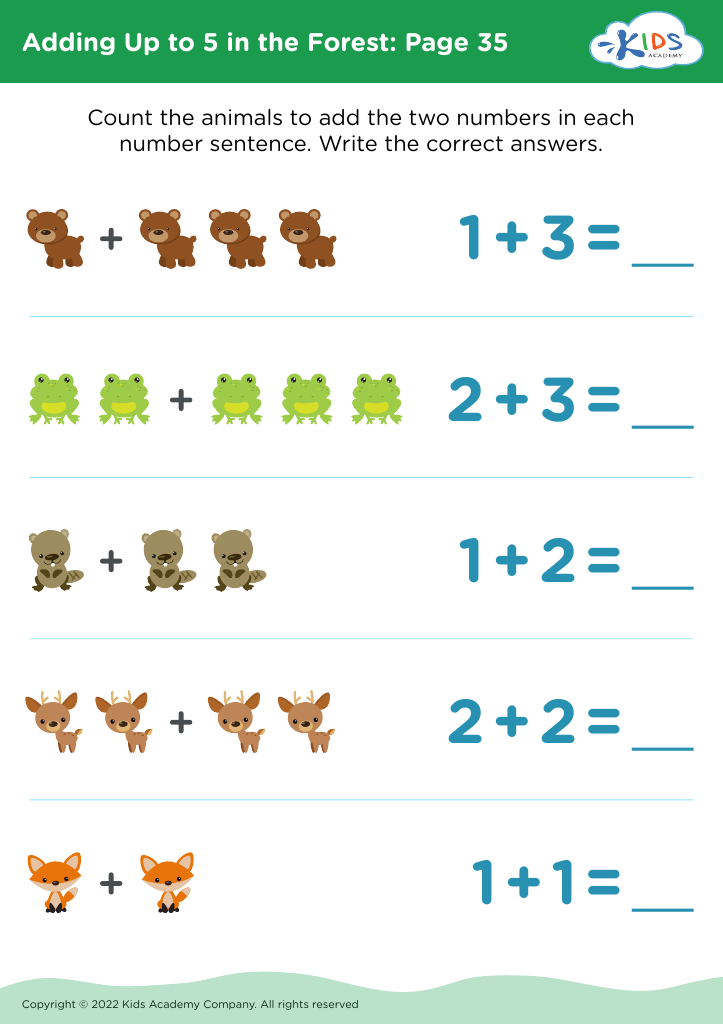
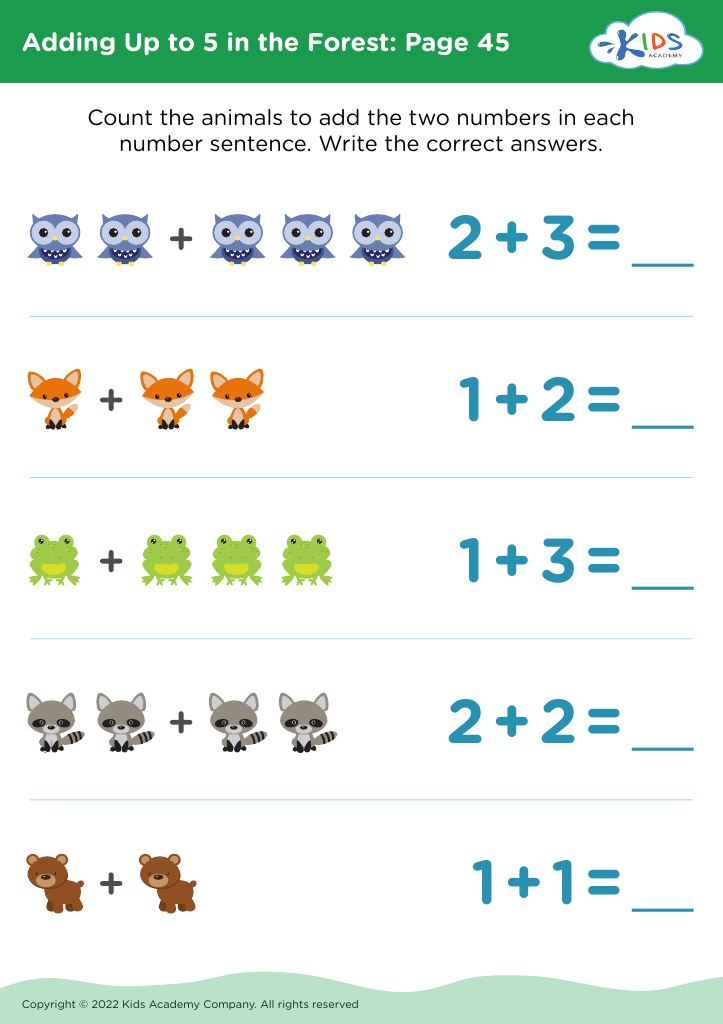
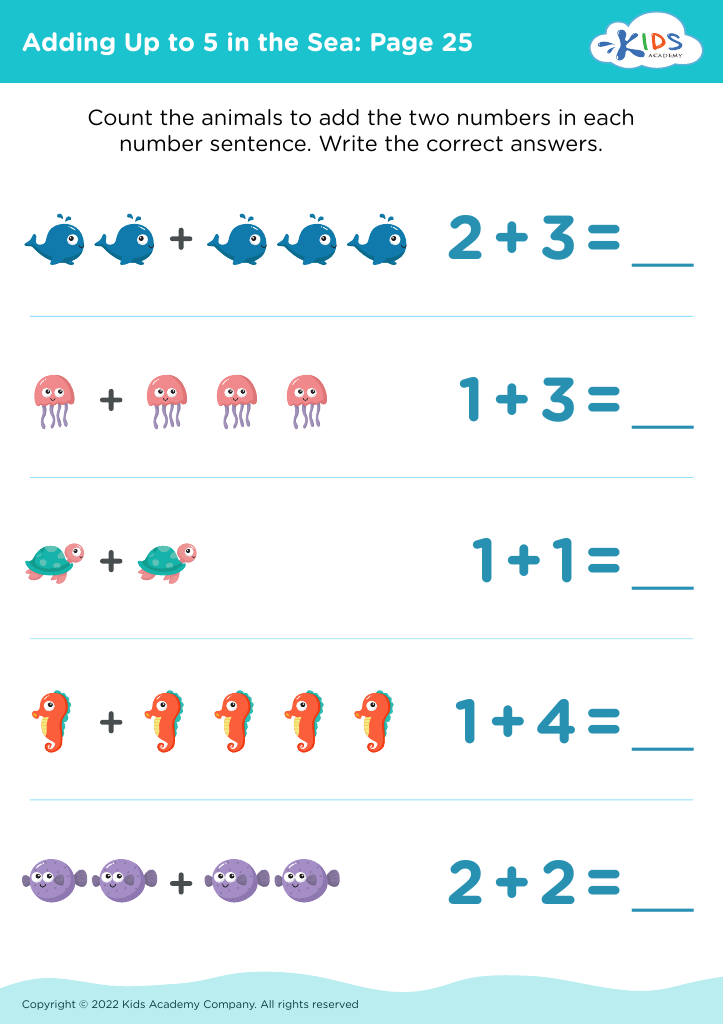
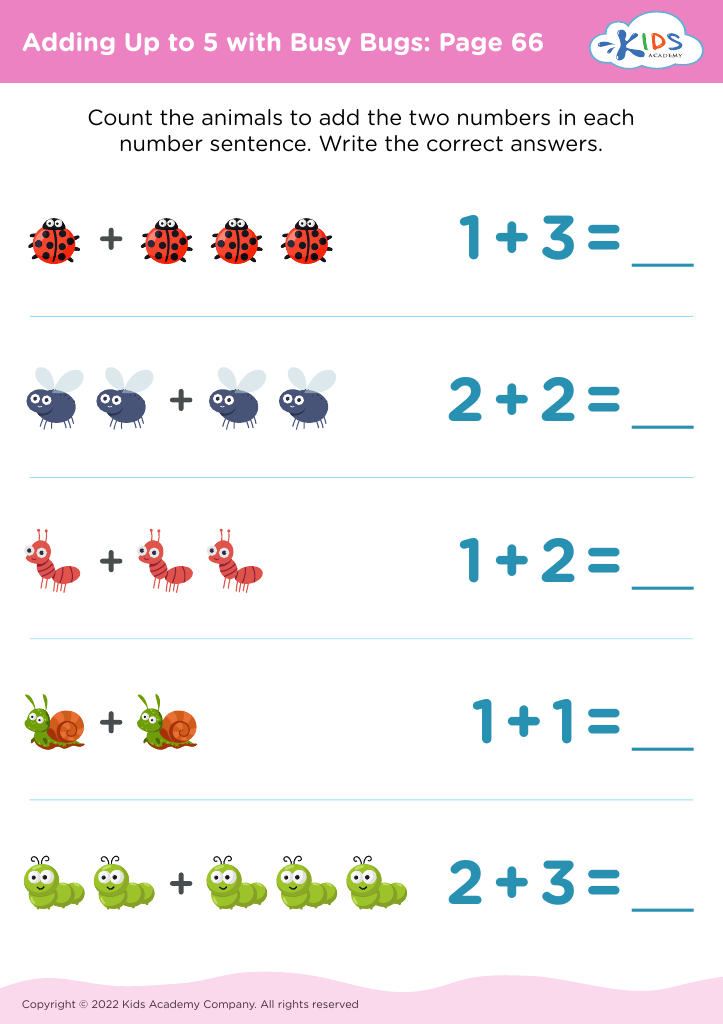
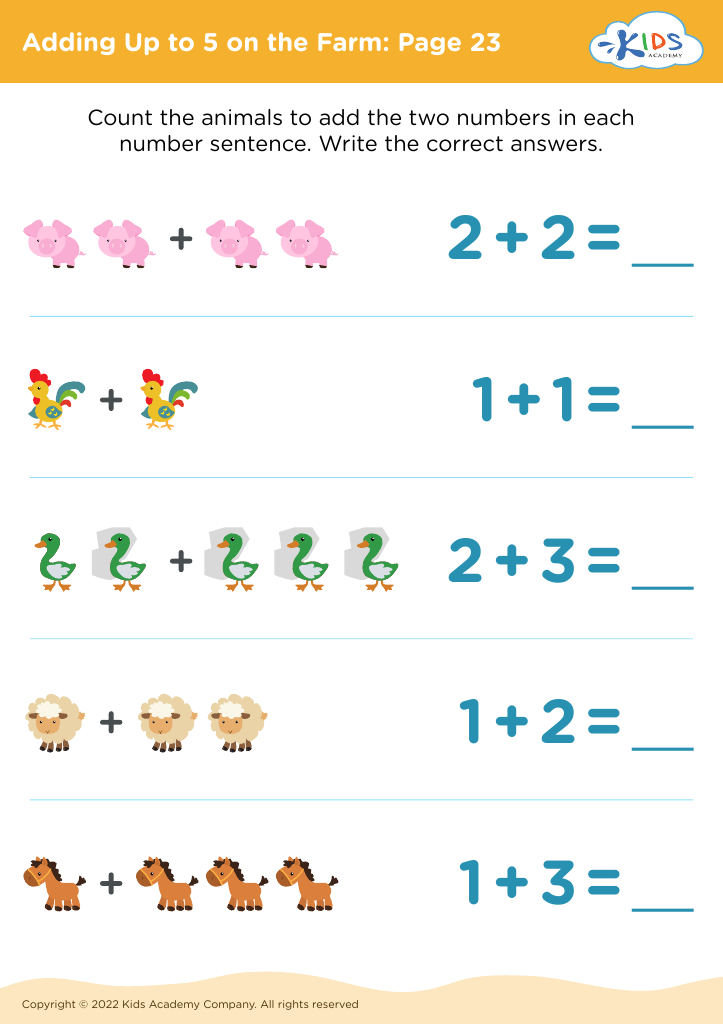
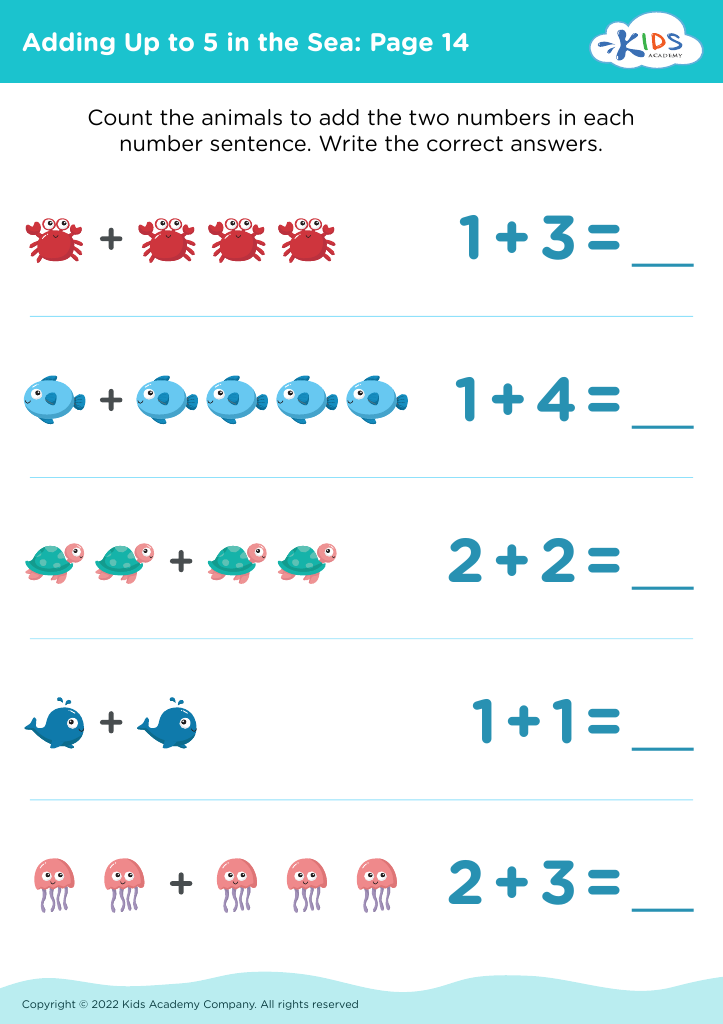
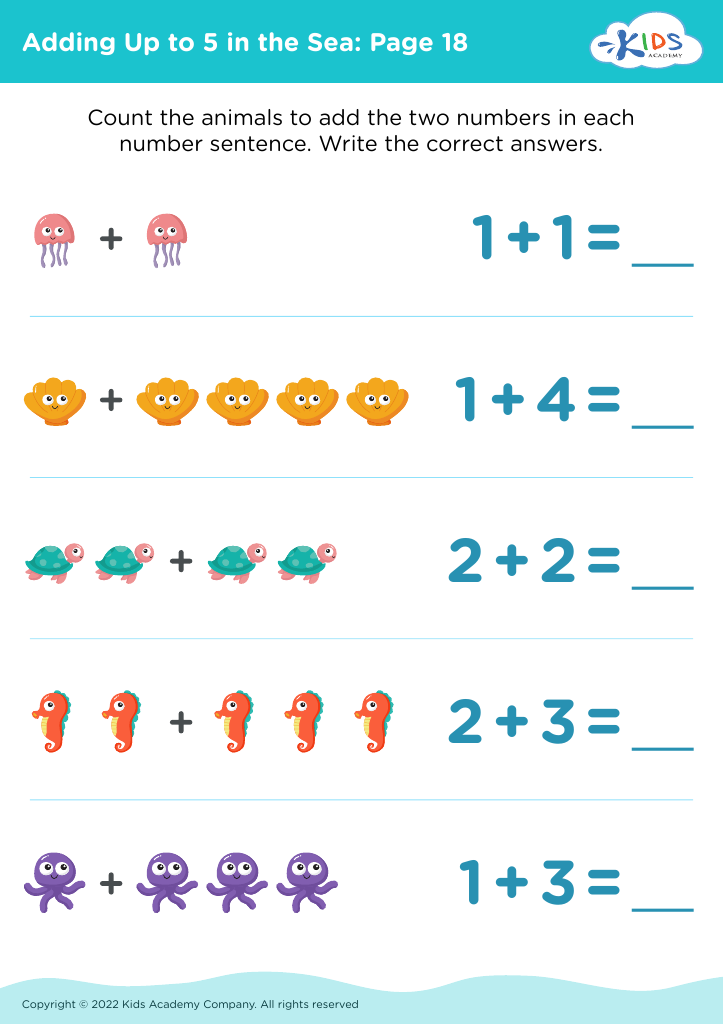
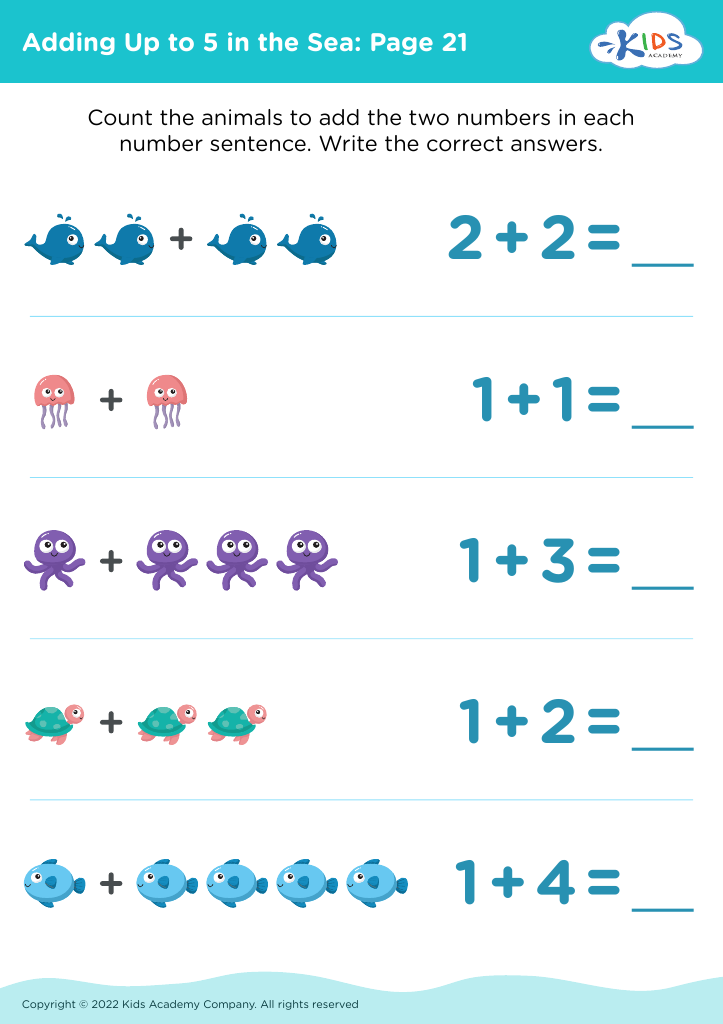
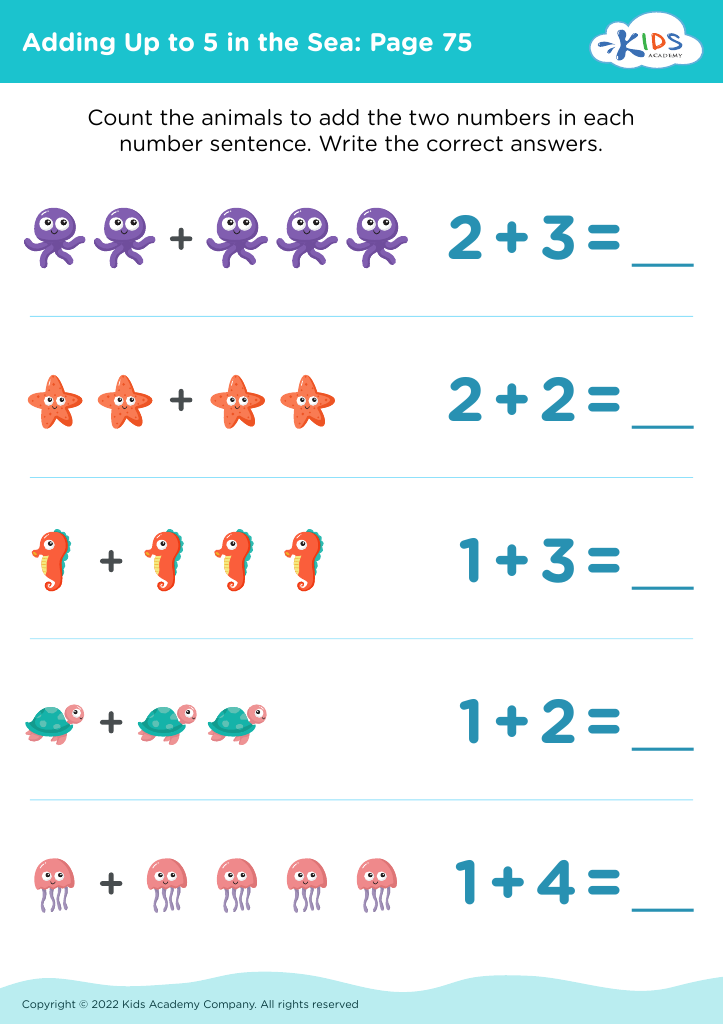
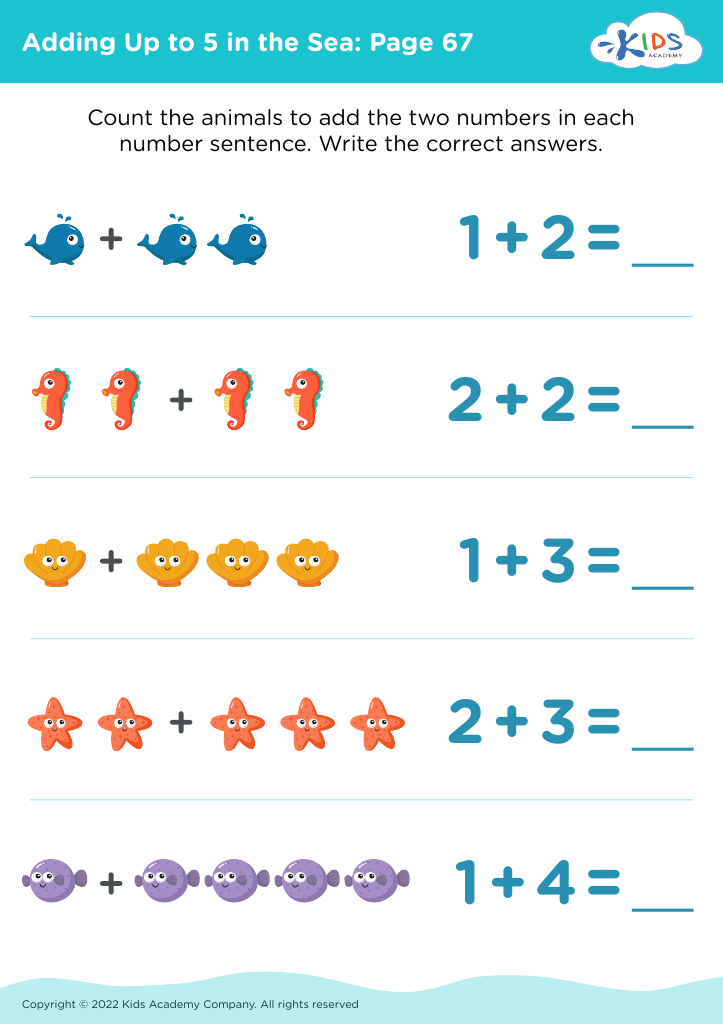
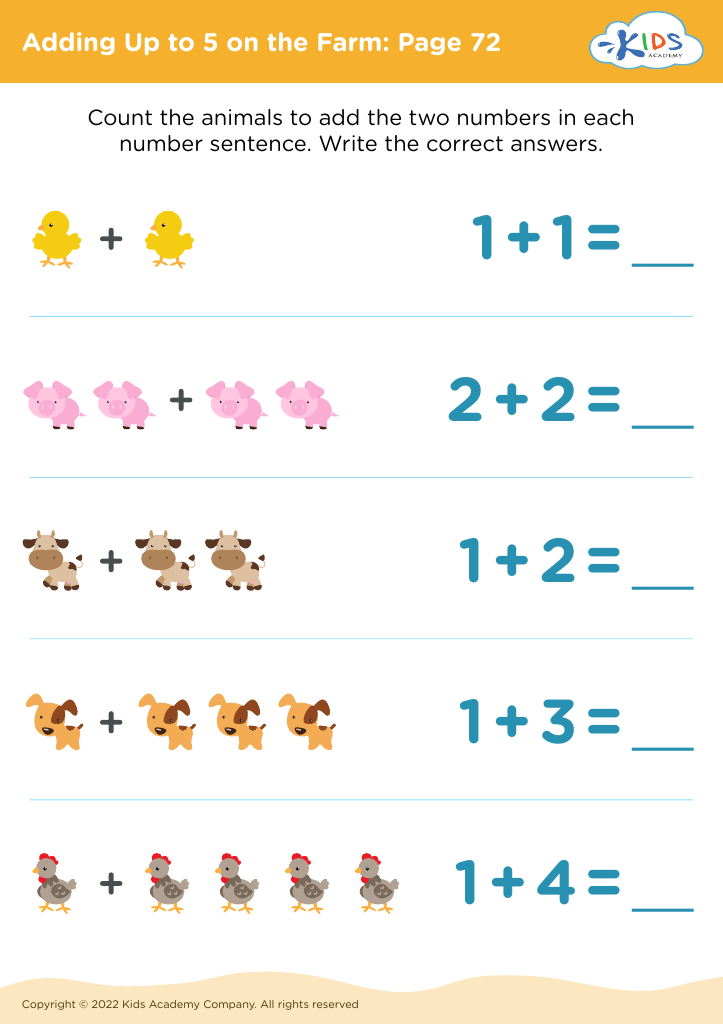
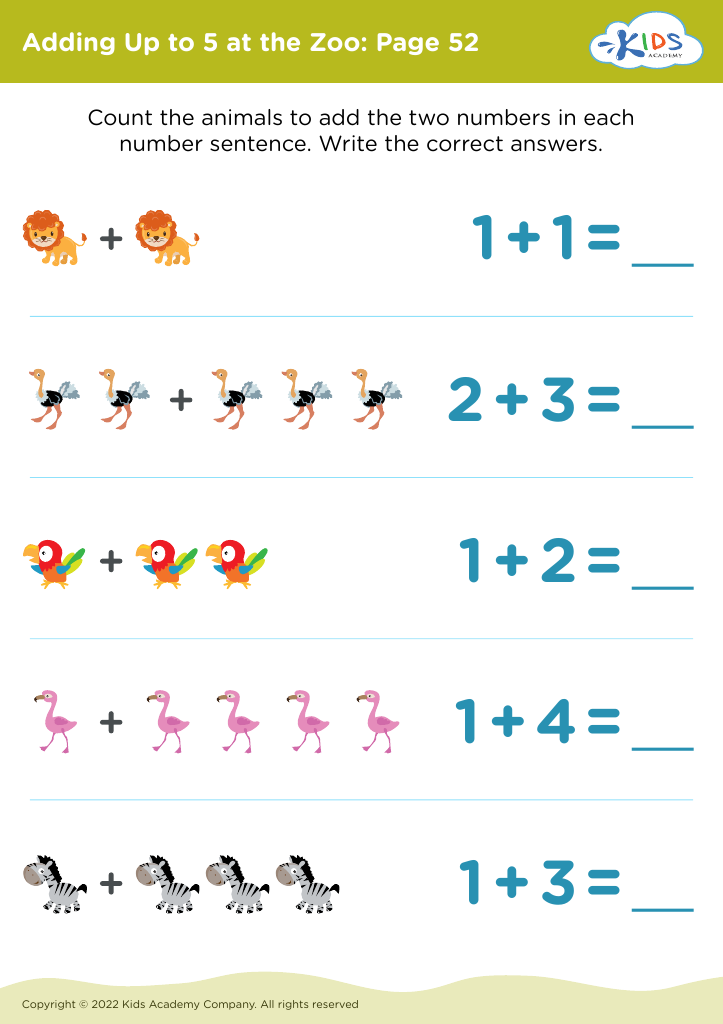
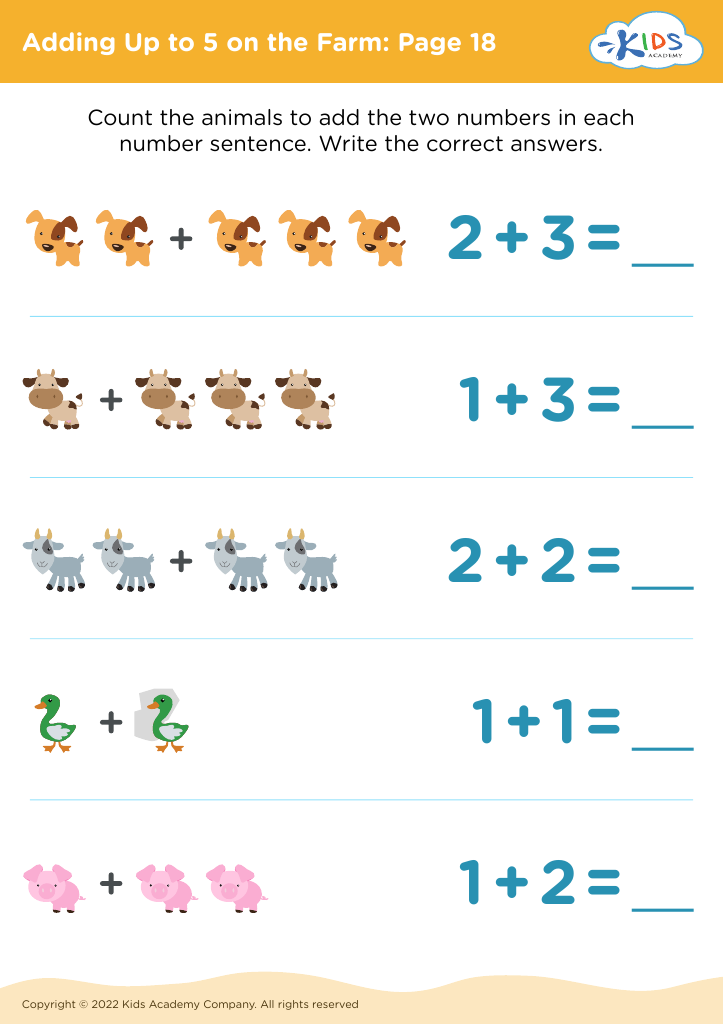
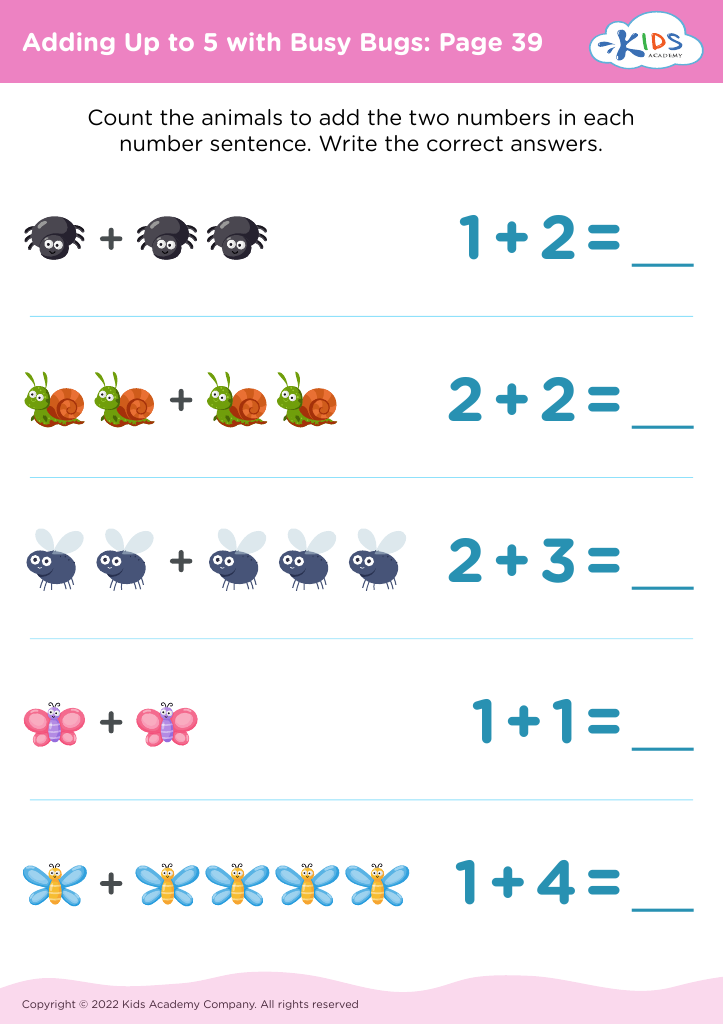
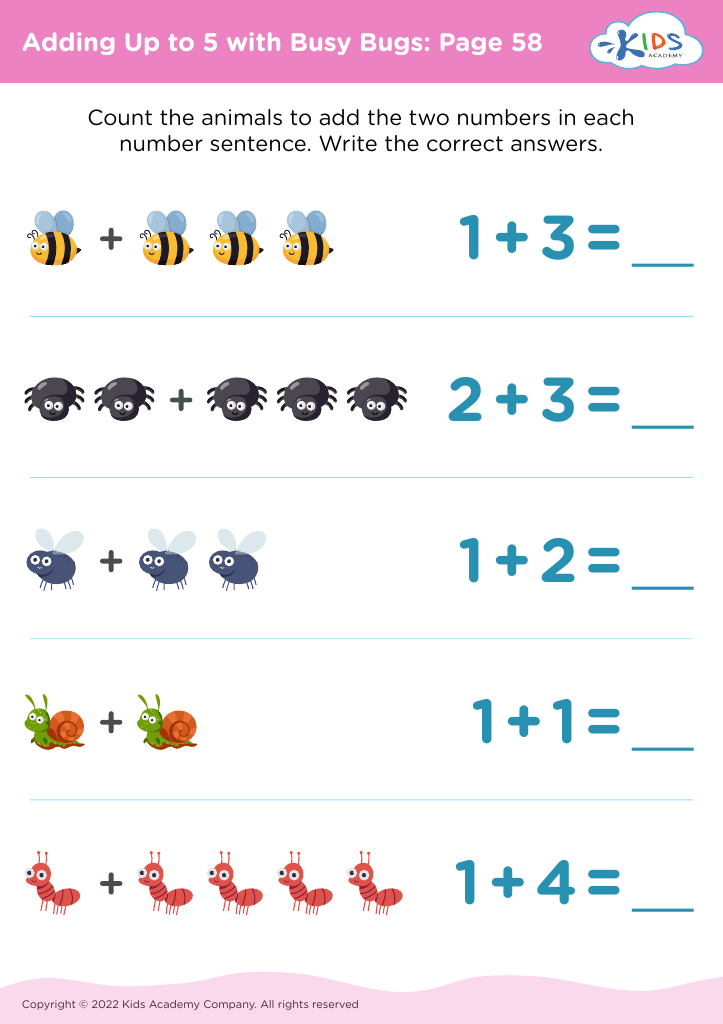
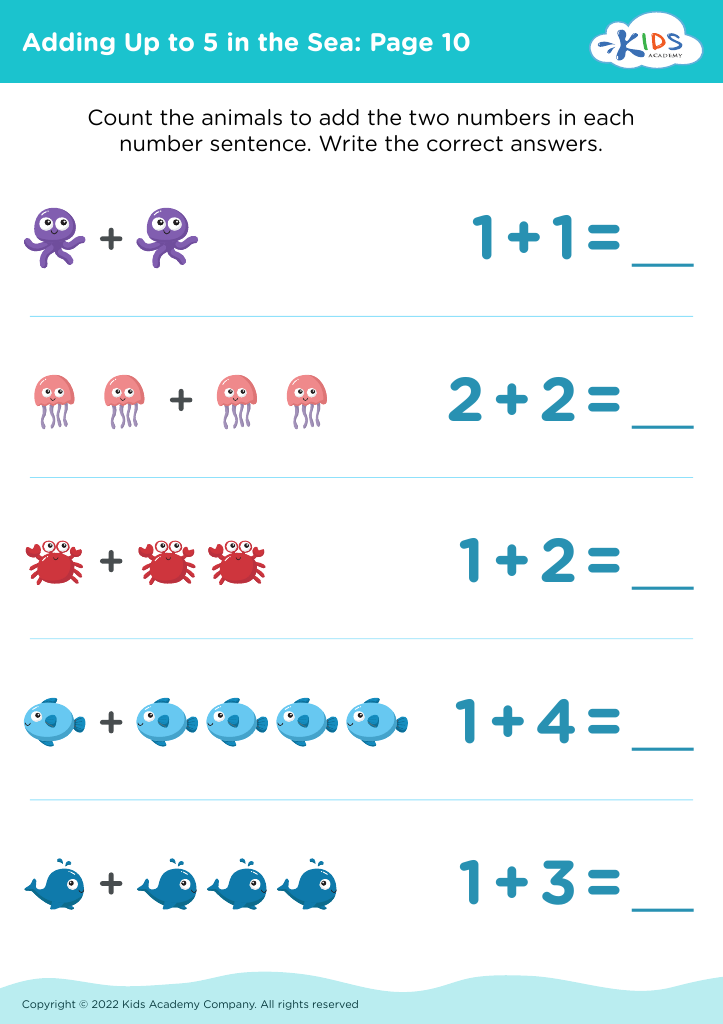
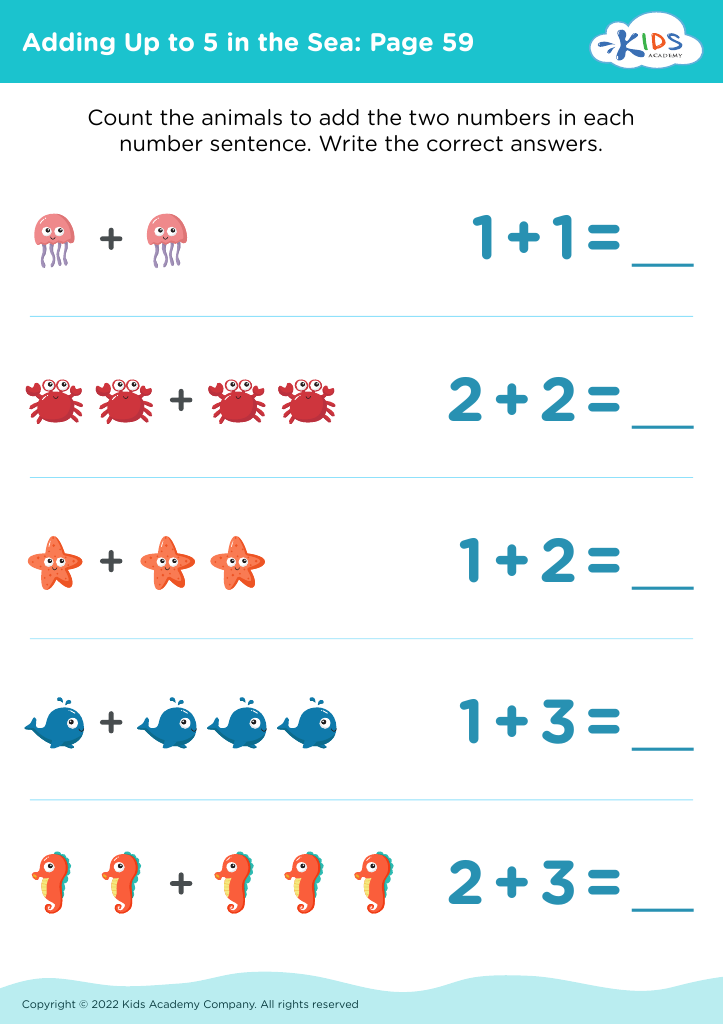








Parents and teachers should prioritize visual learning for addition and subtraction for children aged 4-7 because it lays a strong foundation for mathematical understanding. At this developmental stage, children are highly receptive to visual aids, which help them grasp abstract concepts through tangible representation. Visual learning utilizes objects, drawings, and interactive tools like counters or number lines, making math relatable and engaging.
By incorporating visual strategies, children can recognize patterns and develop problem-solving skills. Visual representations foster critical thinking, as kids learn to visualize numbers and operations, leading to a deeper understanding of relationships between them. This approach caters to various learning styles, accommodating both visual and kinesthetic learners, and can boost confidence by making challenging concepts more accessible.
Moreover, applying visual learning techniques can encourage a positive attitude toward mathematics. Early experiences with math can shape a child’s perception of their abilities, influencing their future academic choices. When kids see math as fun and manageable, they’re more likely to remain engaged and curious, fostering a lifelong love for learning. Ultimately, prioritizing visual learning in early math education equips children with essential skills they will use throughout their educational journeys and daily lives.








