Filters

225 filtered results

Clear all filters
Favorites
With answer key
Interactive

225 filtered results

Difficulty Level

Grade


Subject

Check out this FREE Trial Lesson on Addition for age 4-7!

Making 12

Favorites
With answer key
Interactive
  • 4-7
  • Counting skills
  • Addition
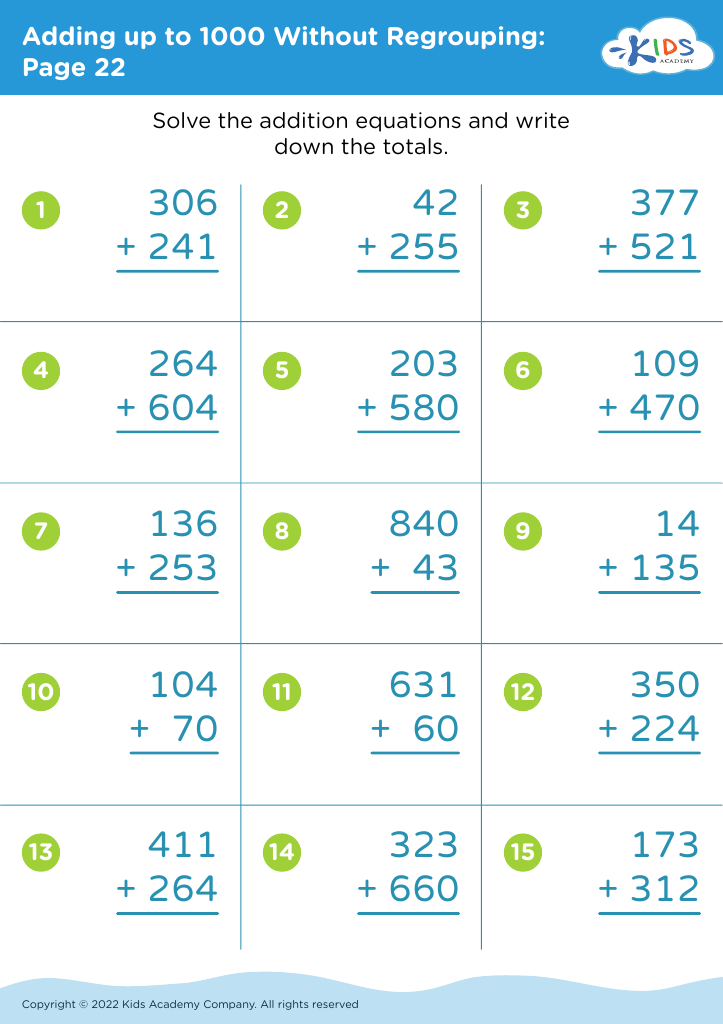
Adding up to 1000 Without Regrouping: Page 22
Worksheet
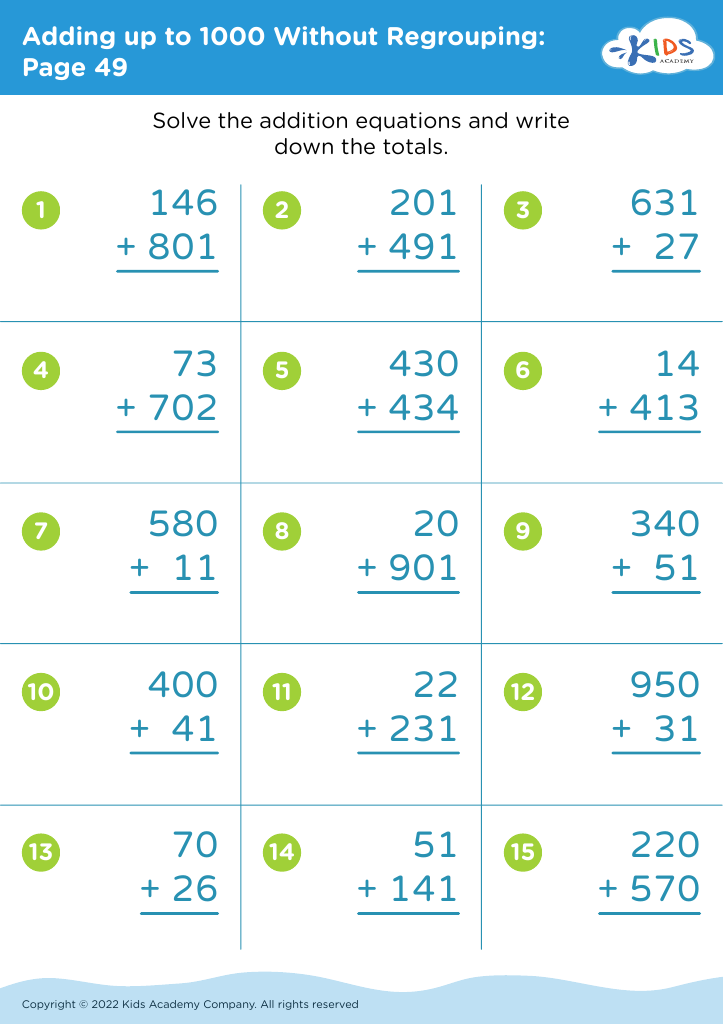
Adding up to 1000 Without Regrouping: Page 49
Worksheet
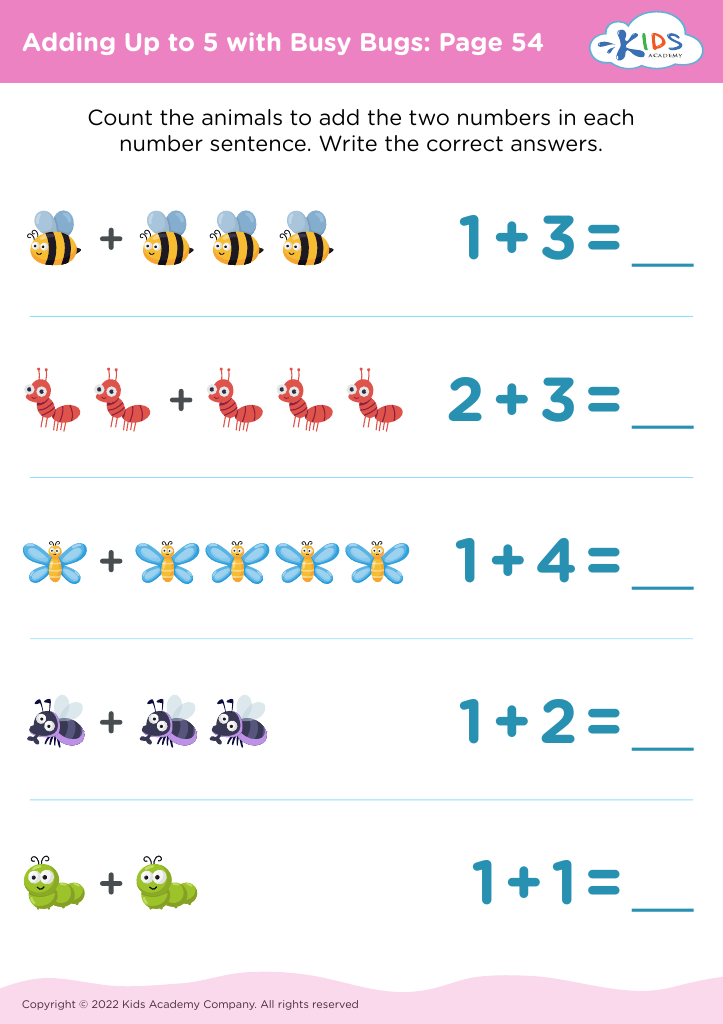
Adding Up to 5 with Busy Bugs: Page 54
Worksheet
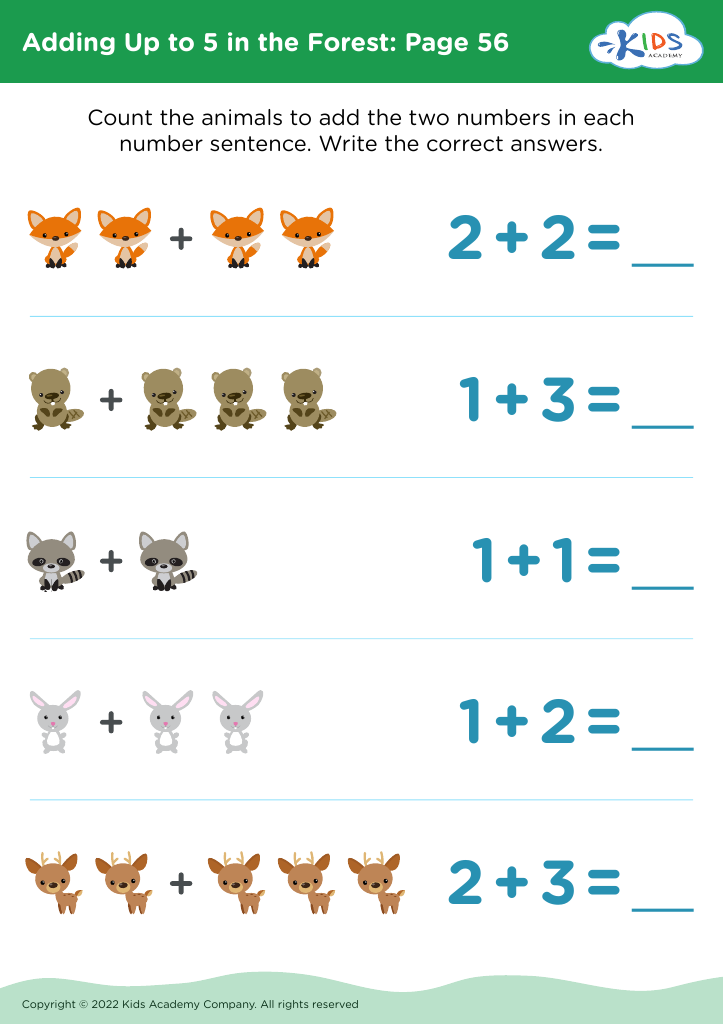
Adding Up to 5 in the Forest: Page 56
Worksheet
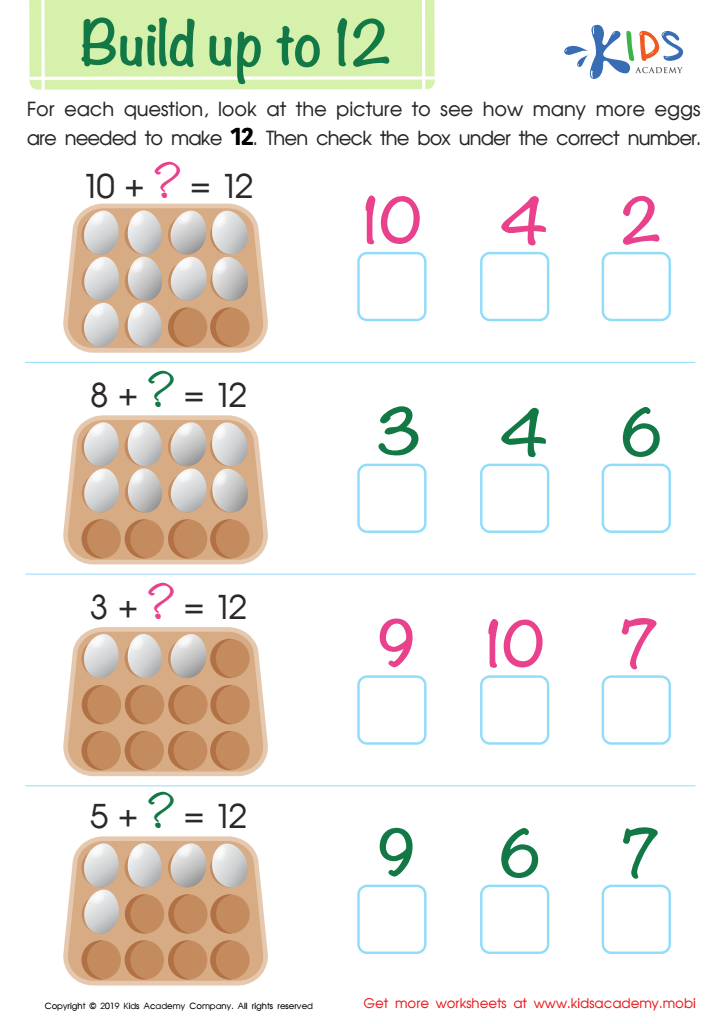
Build up to 12 Worksheet

Build up to 12 Worksheet

Love eggs? Kids can identify them in the picture in this worksheet. We need to add numbers to make 12. Look at the picture and see how many eggs are needed. Check the correct number box. Breakfast or baking, eggs are essential!
Build up to 12 Worksheet
Worksheet
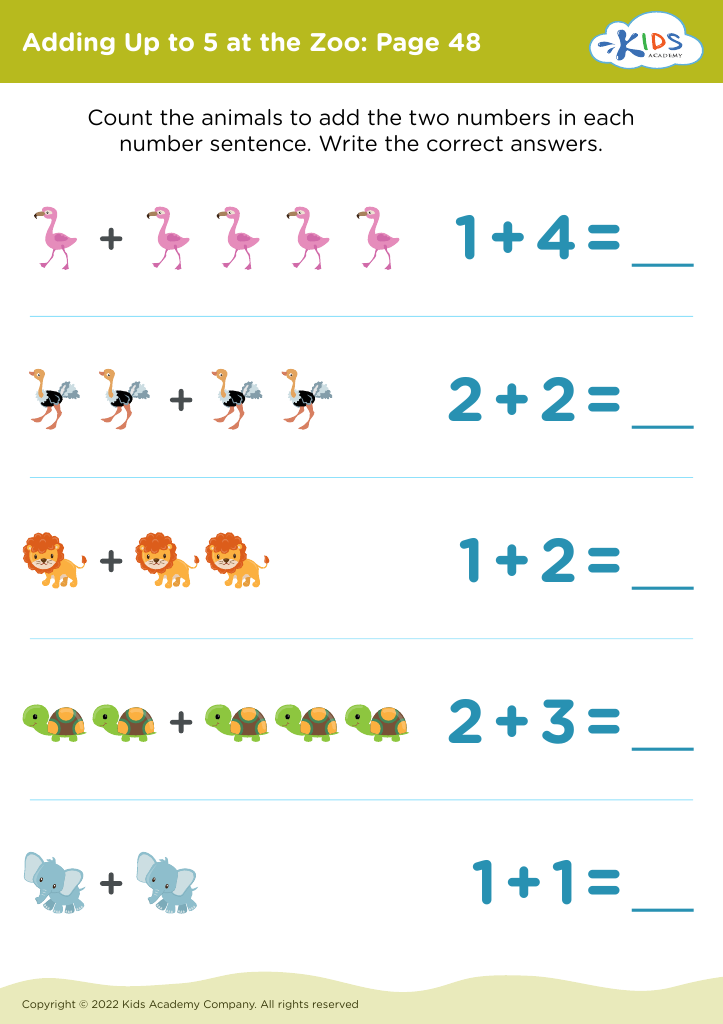
Adding Up to 5 at the Zoo: Page 48
Worksheet
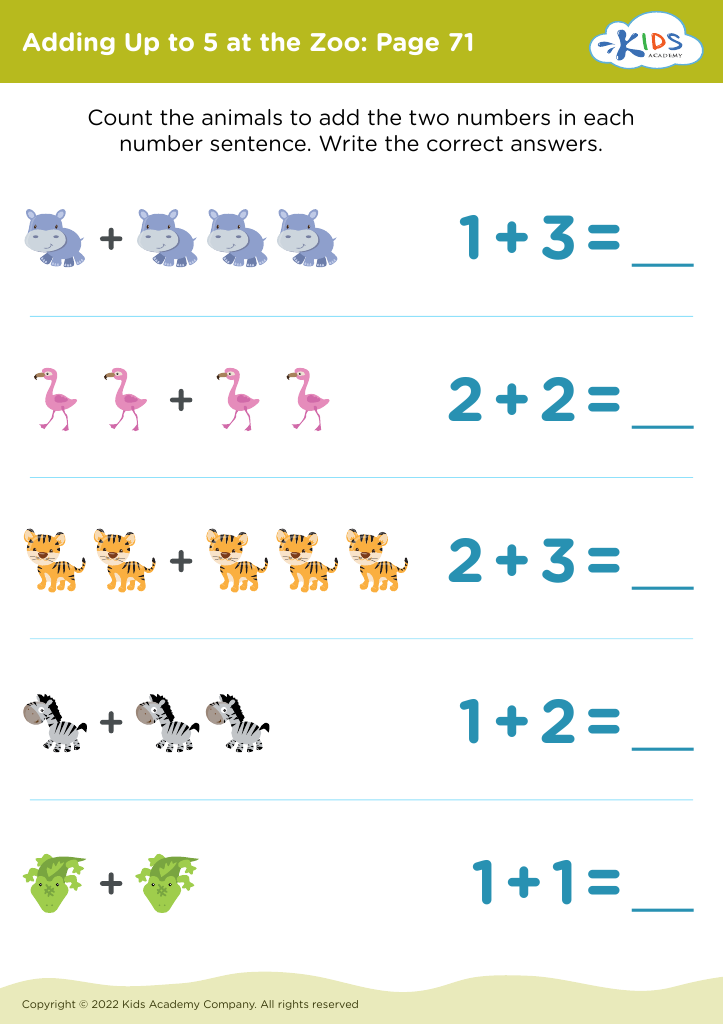
Adding Up to 5 at the Zoo: Page 71
Worksheet
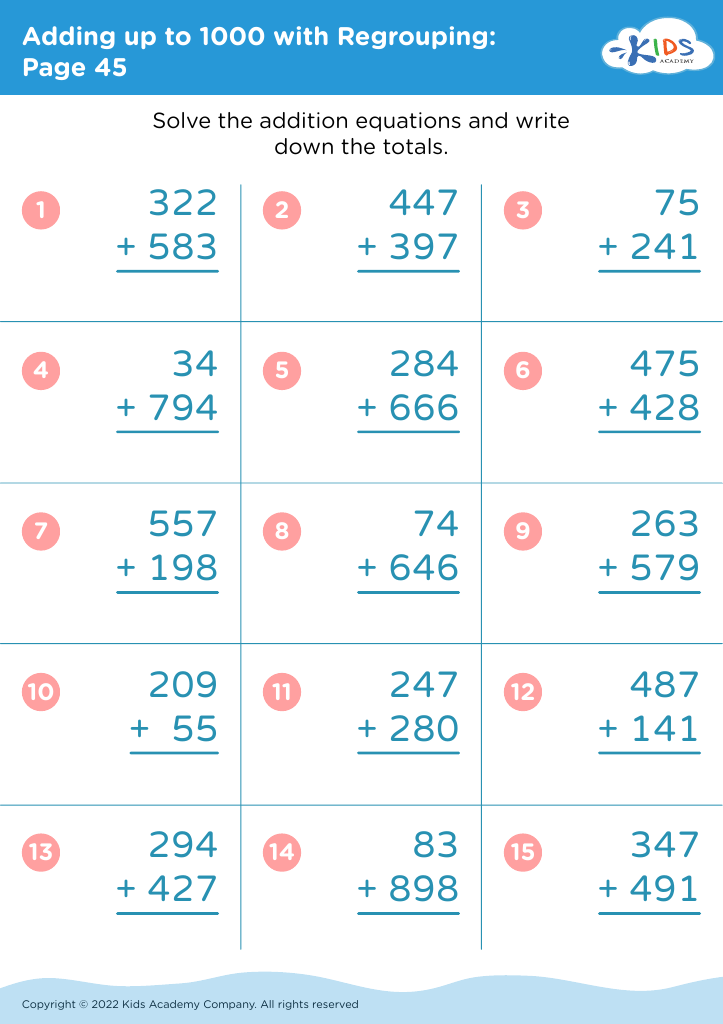
Adding up to 1000 with Regrouping: Page 45
Worksheet
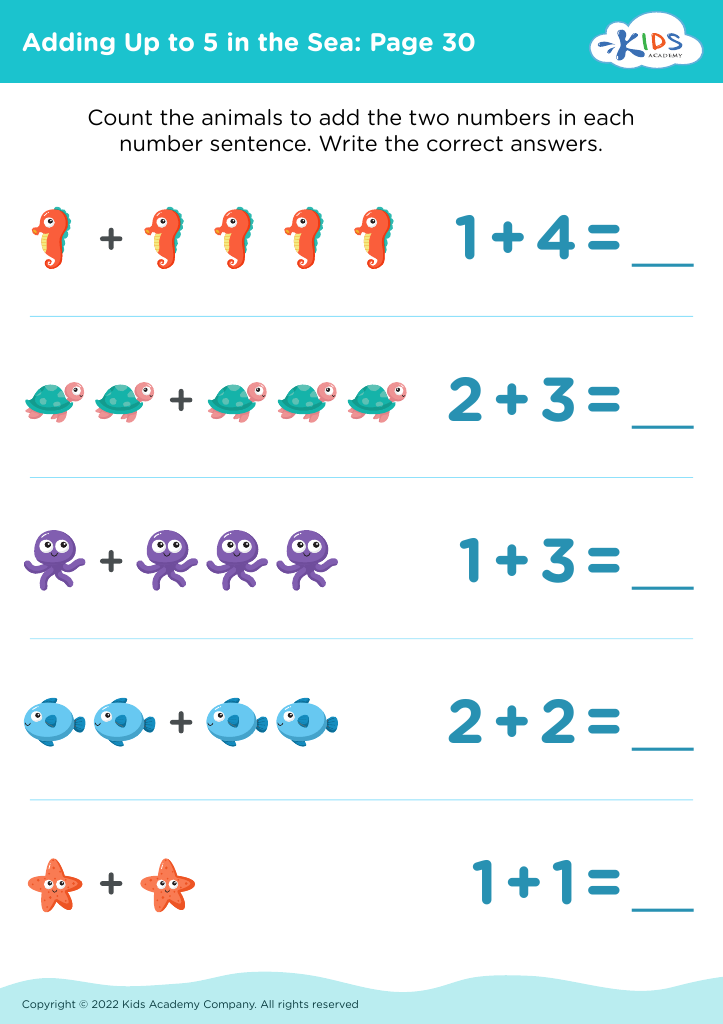
Adding Up to 5 in the Sea: Page 30
Worksheet
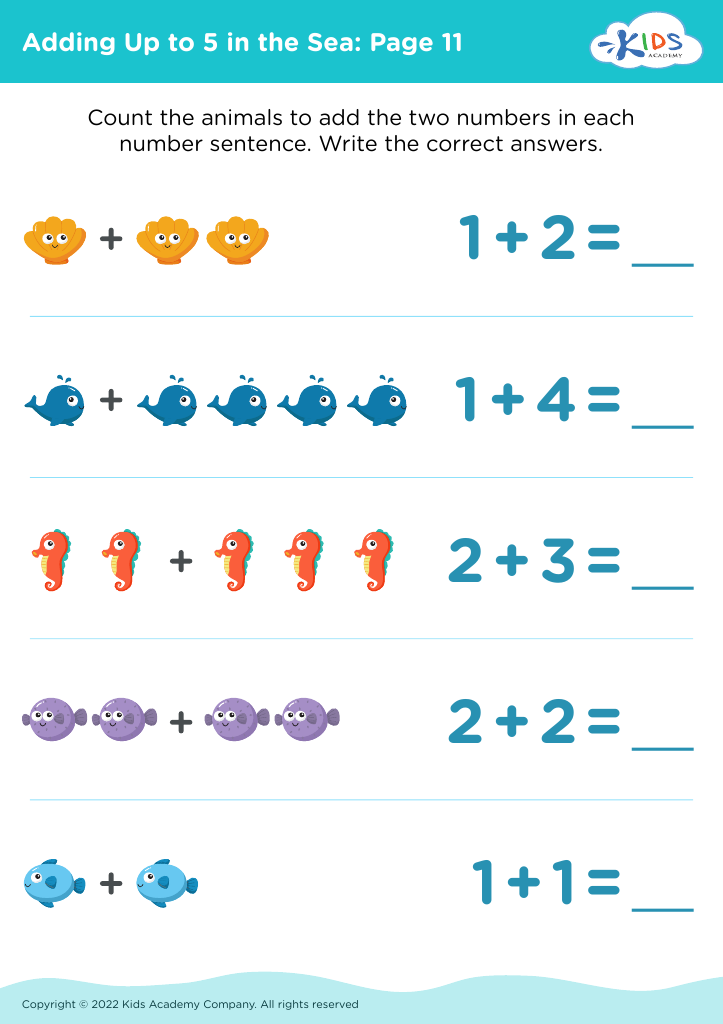
Adding Up to 5 in the Sea: Page 11
Worksheet
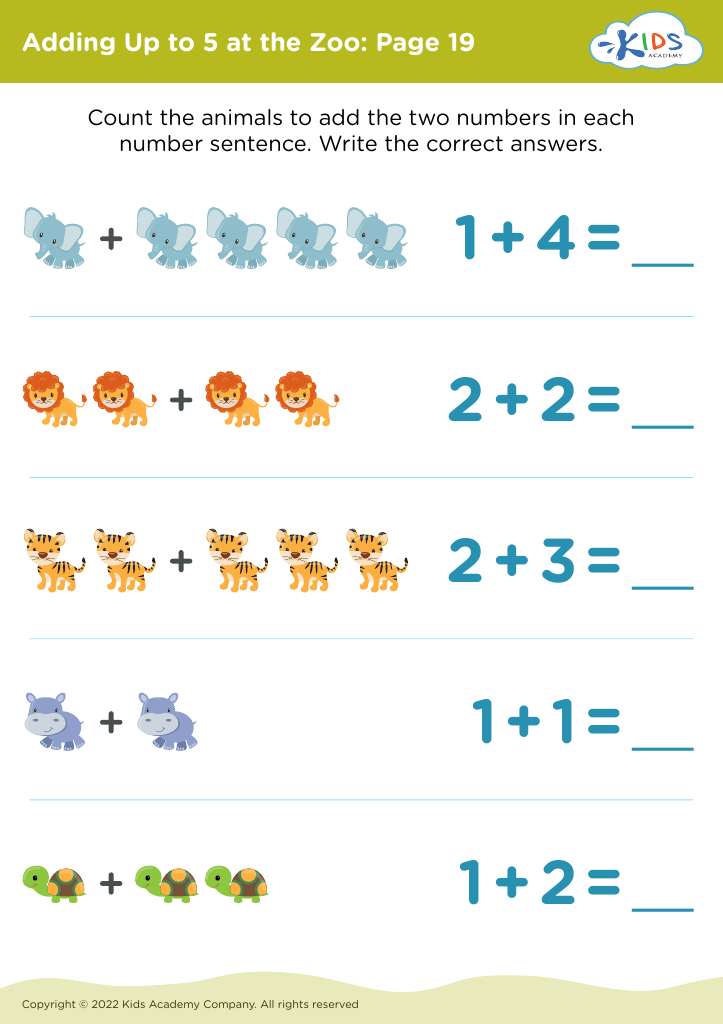
Adding Up to 5 at the Zoo: Page 19
Worksheet
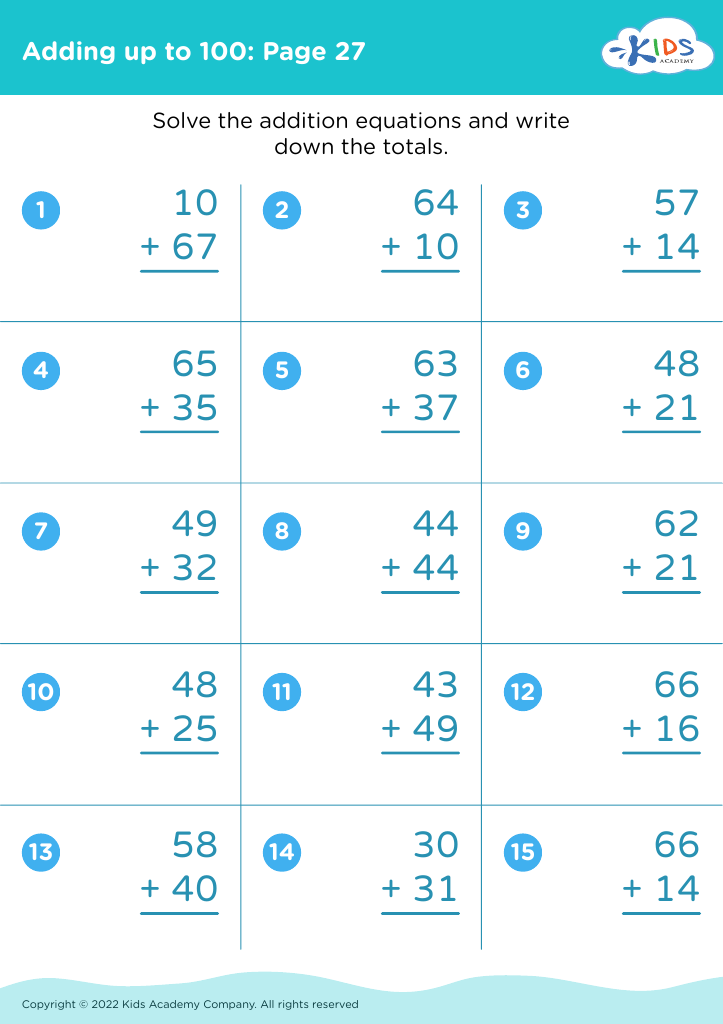
Adding up to 100: Page 27

Adding up to 100: Page 27

Adding up to 100: Page 27
Worksheet
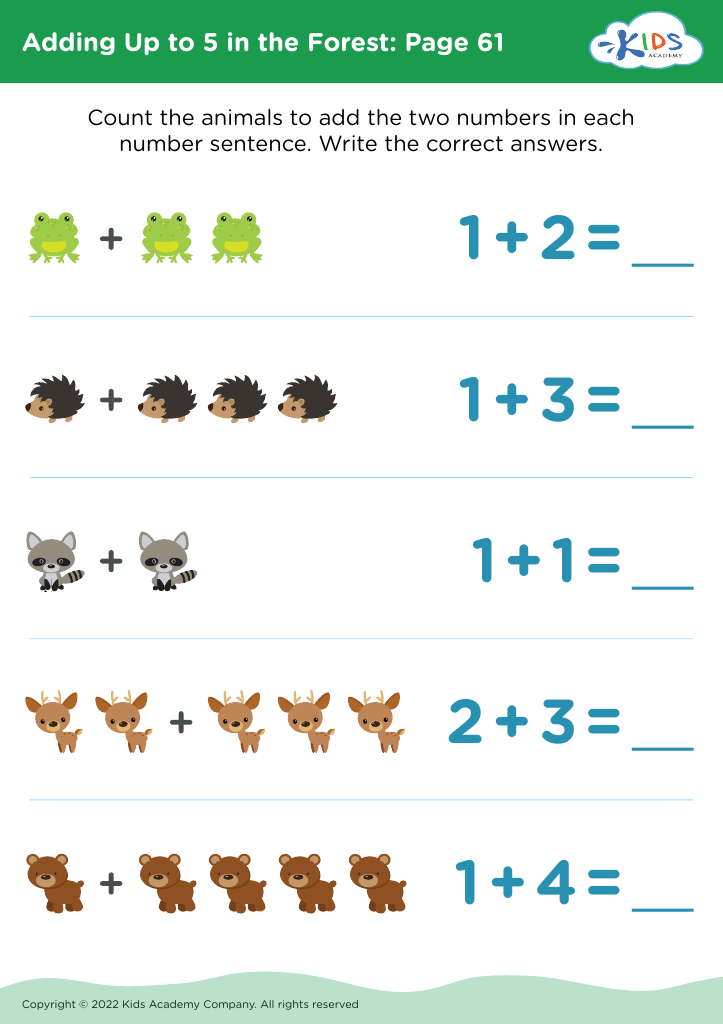
Adding Up to 5 in the Forest: Page 61
Worksheet
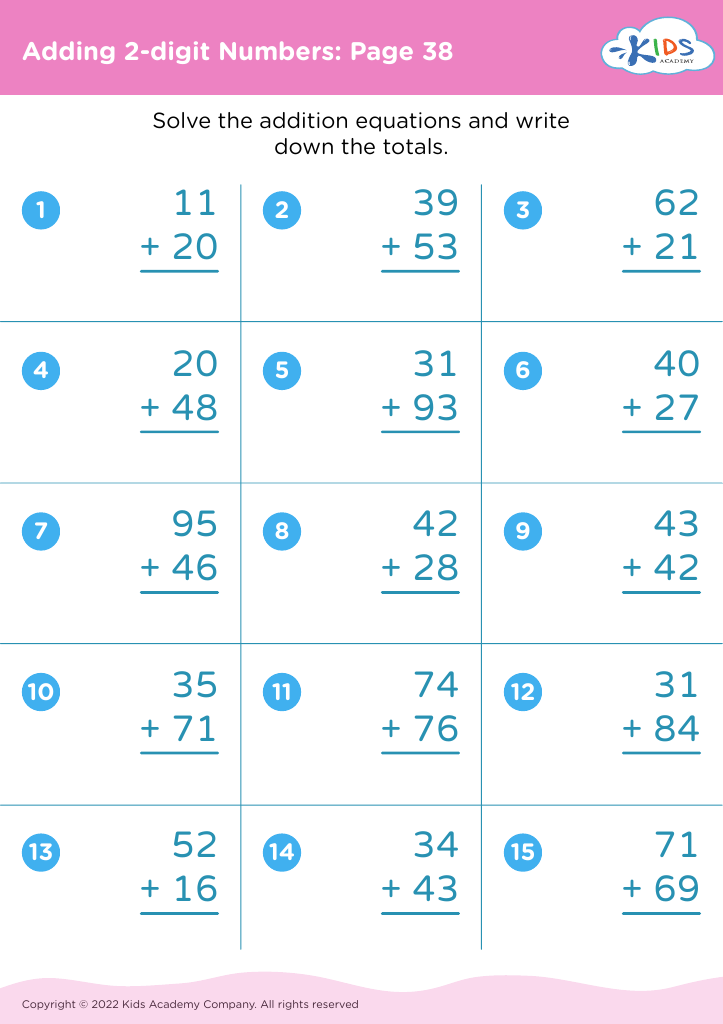
Adding 2-digit Numbers: Page 38

Adding 2-digit Numbers: Page 38

Adding 2-digit Numbers: Page 38
Worksheet
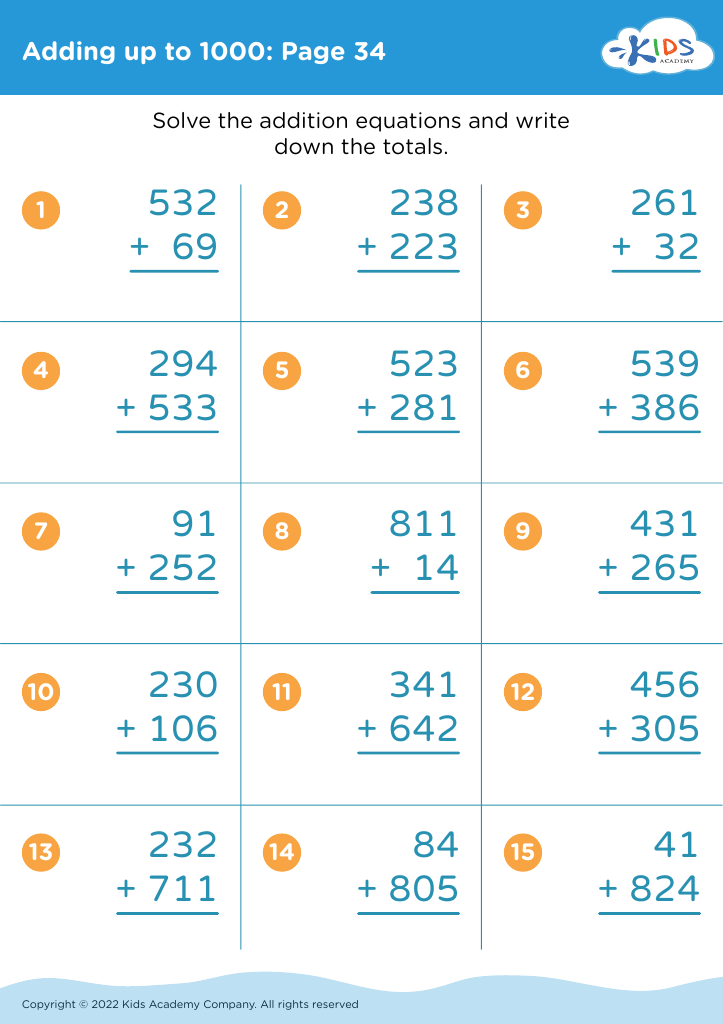
Adding up to 1000: Page 34

Adding up to 1000: Page 34

Adding up to 1000: Page 34
Worksheet
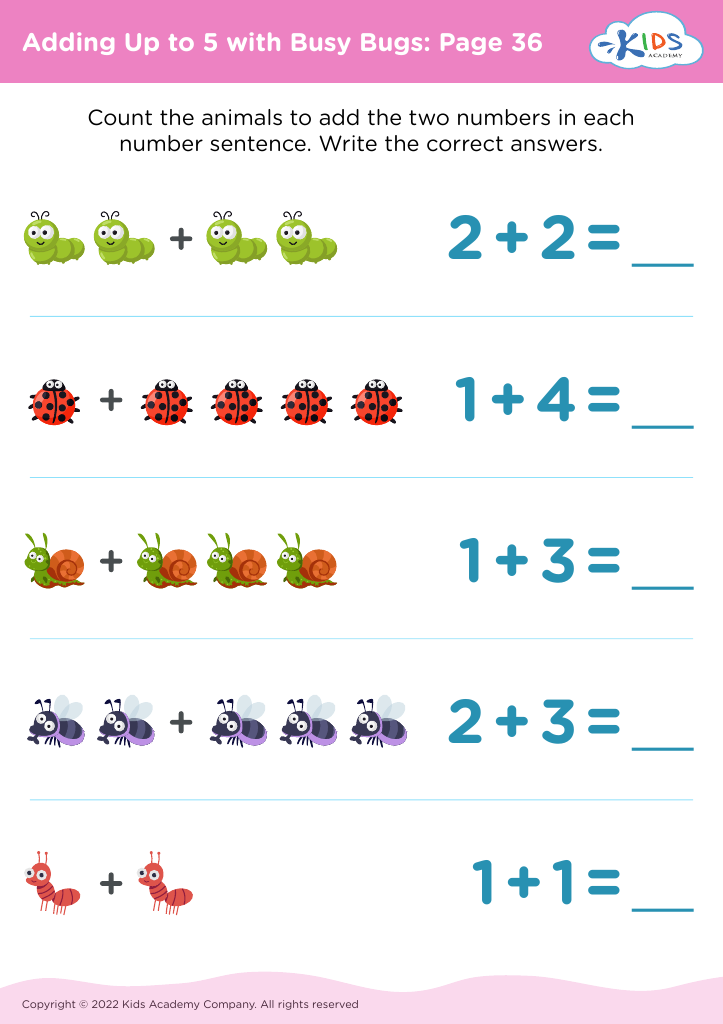
Adding Up to 5 with Busy Bugs: Page 36
Worksheet
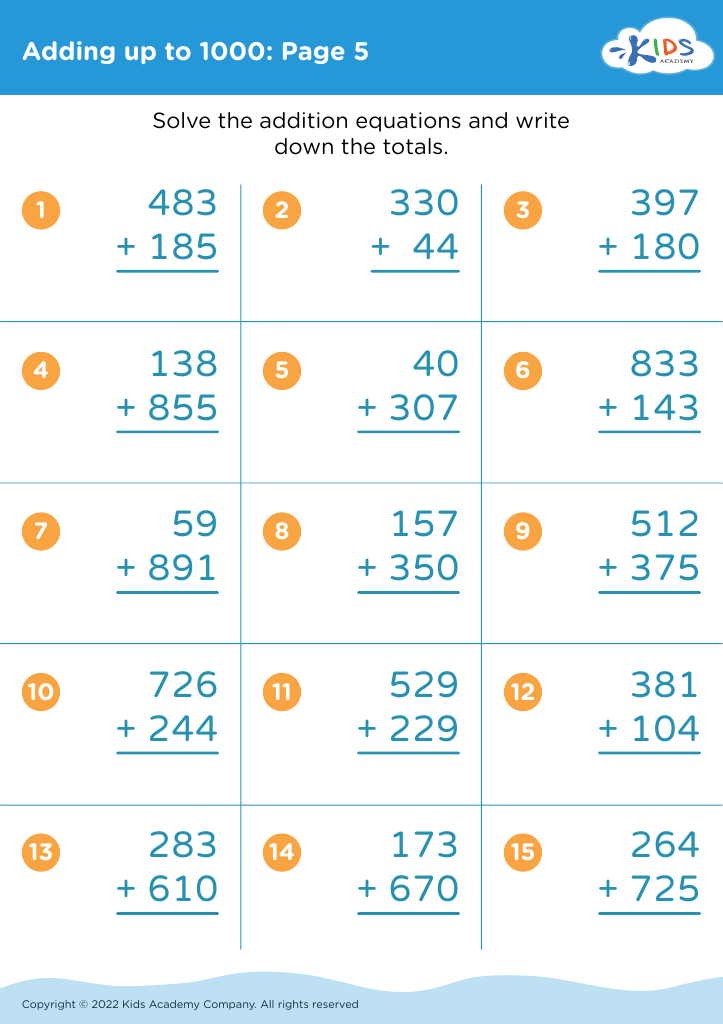
Adding up to 1000: Page 5

Adding up to 1000: Page 5

Adding up to 1000: Page 5
Worksheet
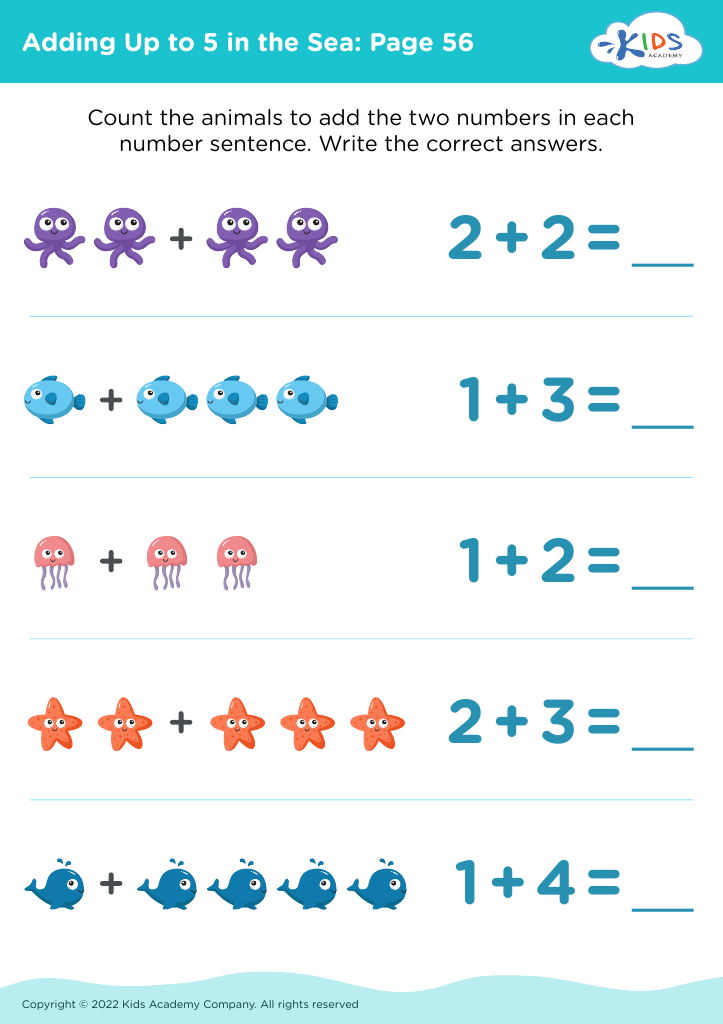
Adding Up to 5 in the Sea: Page 56
Worksheet
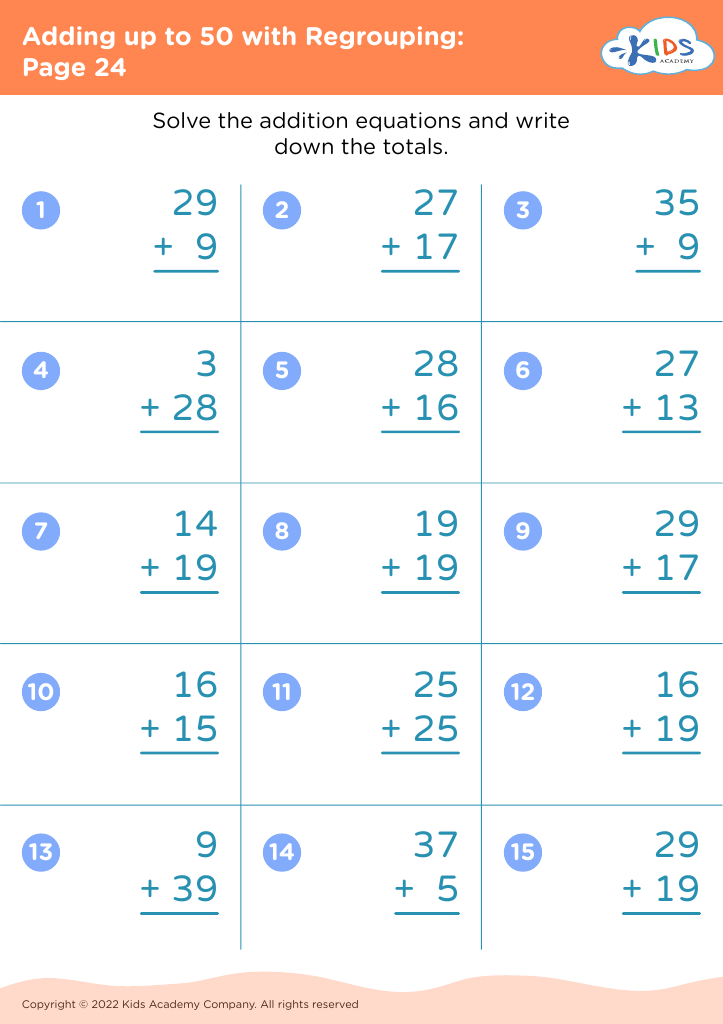
Adding up to 50 with Regrouping: Page 24
Worksheet
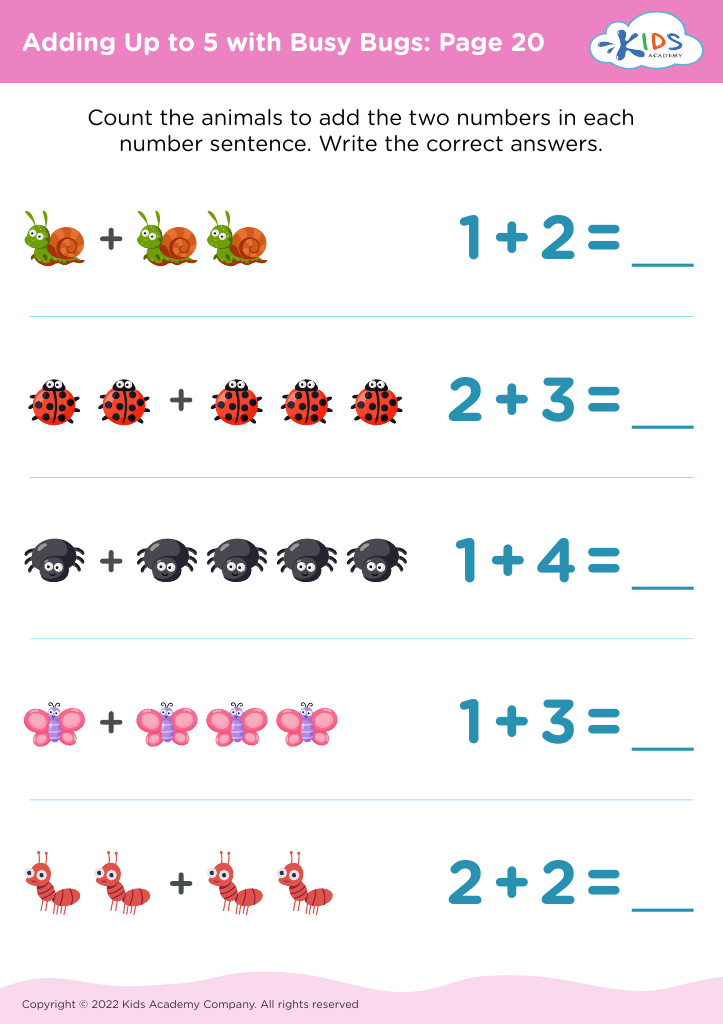
Adding Up to 5 with Busy Bugs: Page 20
Worksheet
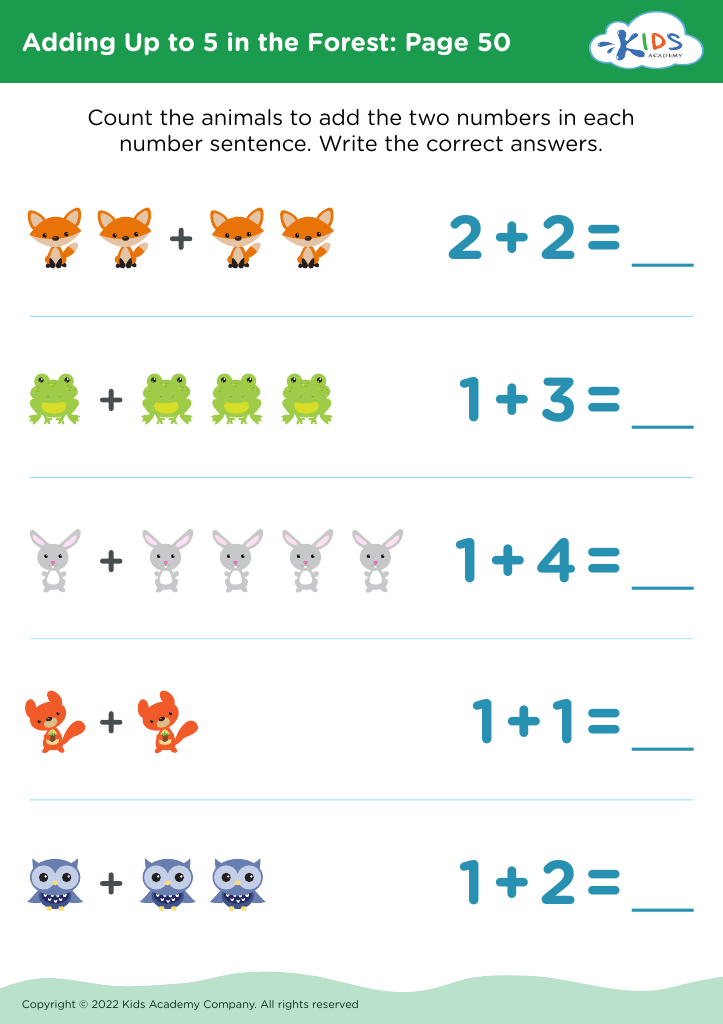
Adding Up to 5 in the Forest: Page 50
Worksheet
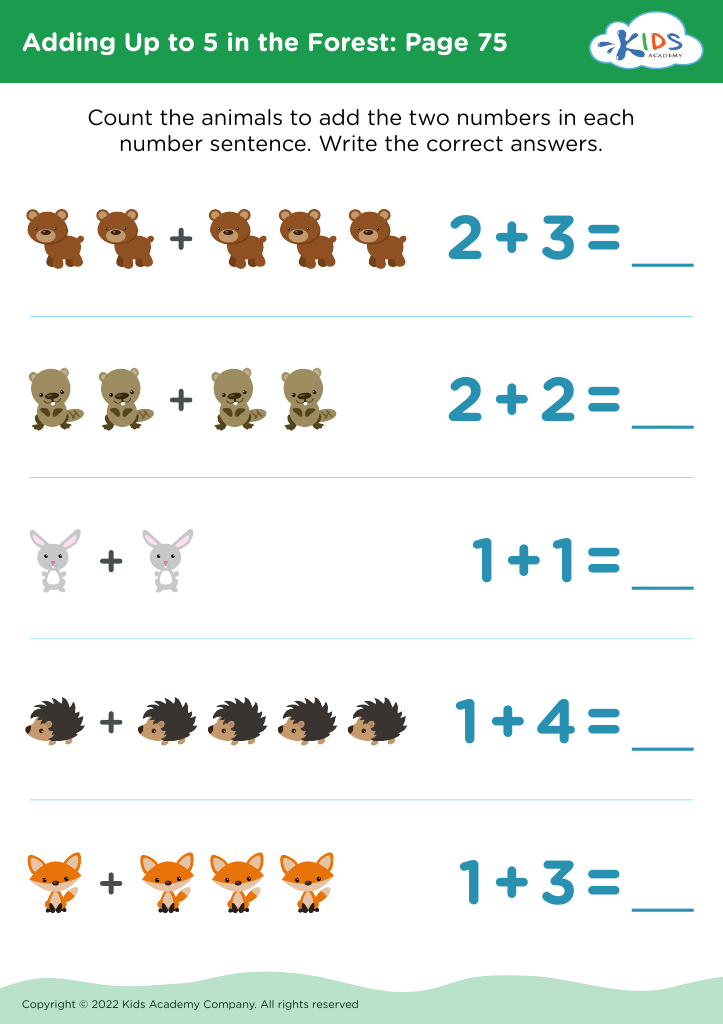
Adding Up to 5 in the Forest: Page 75
Worksheet
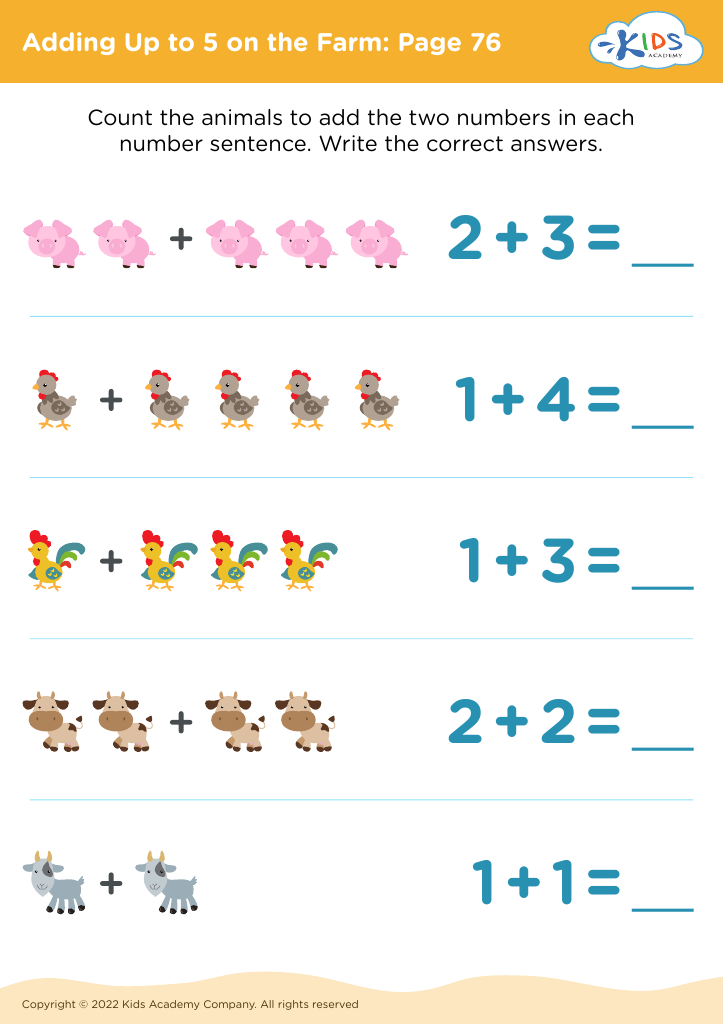
Adding Up to 5 on the Farm: Page 76
Worksheet
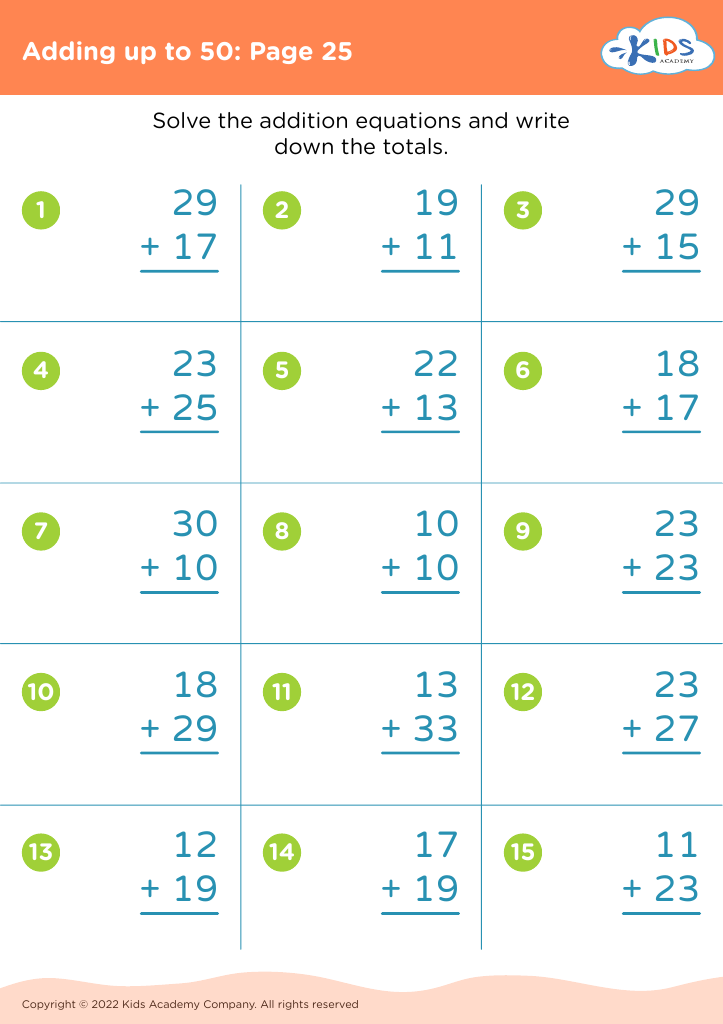
Adding up to 50: Page 25

Adding up to 50: Page 25

Adding up to 50: Page 25
Worksheet


Counting skills and addition are foundational components of early mathematics, critical for children's overall cognitive development. For parents and teachers, fostering these skills in children aged 4-7 brings numerous benefits that extend beyond math proficiency.

Firstly, counting lays the groundwork for understanding number concepts and operations, which are essential for their academic journey. Children who develop strong counting skills often find it easier to grasp more complex arithmetic in later grades. Furthermore, early experiences with addition reinforce problem-solving skills and logical reasoning, enabling children to approach various challenges methodically.

Additionally, mastering counting and addition contributes to a child's confidence and self-esteem. Successfully solving basic math problems helps children feel accomplished and encourages a positive attitude towards learning. Moreover, these skills help cultivate critical thinking and early scientific reasoning as kids begin to recognize patterns and relationships in numbers.

Socially, engaging in counting and simple addition can enhance cooperative play among peers while also encouraging communication. Teachers and parents can create a rich learning environment by incorporating games and practical activities. Ultimately, investing in these early skills not only promotes mathematical readiness but fuels a lifelong love for learning, equipping children with essential tools to navigate their world successfully.