Shape Recognition Geometry Worksheets for Ages 4-7 - Page 3
62 filtered results
-
From - To
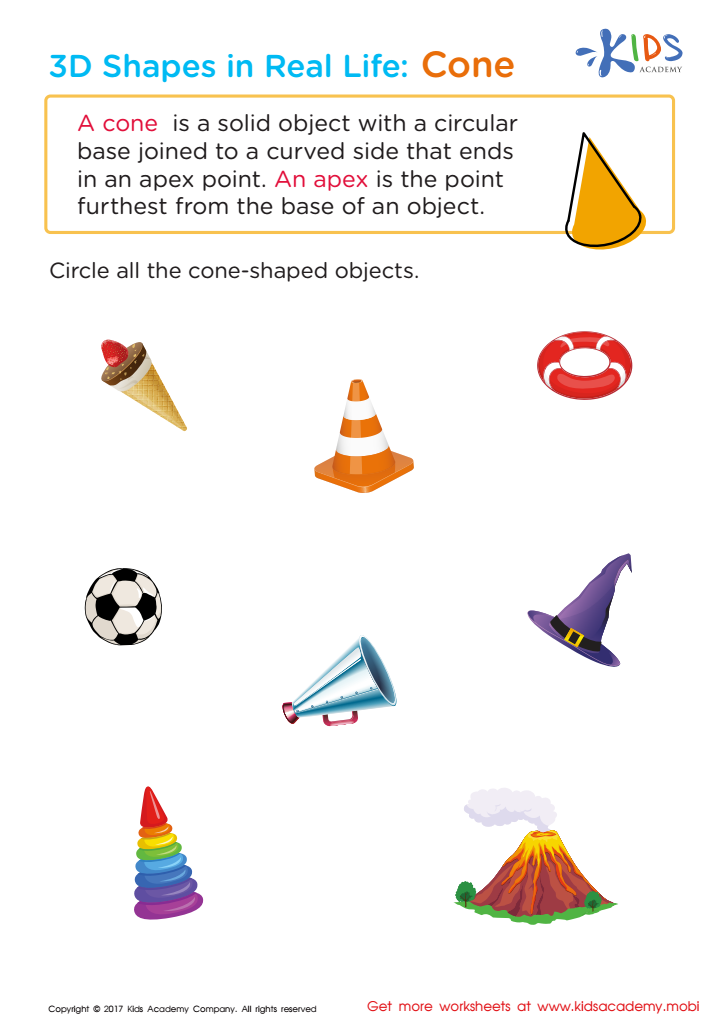
Shapes in Real Life: Cone Worksheet
 Assign to My Students











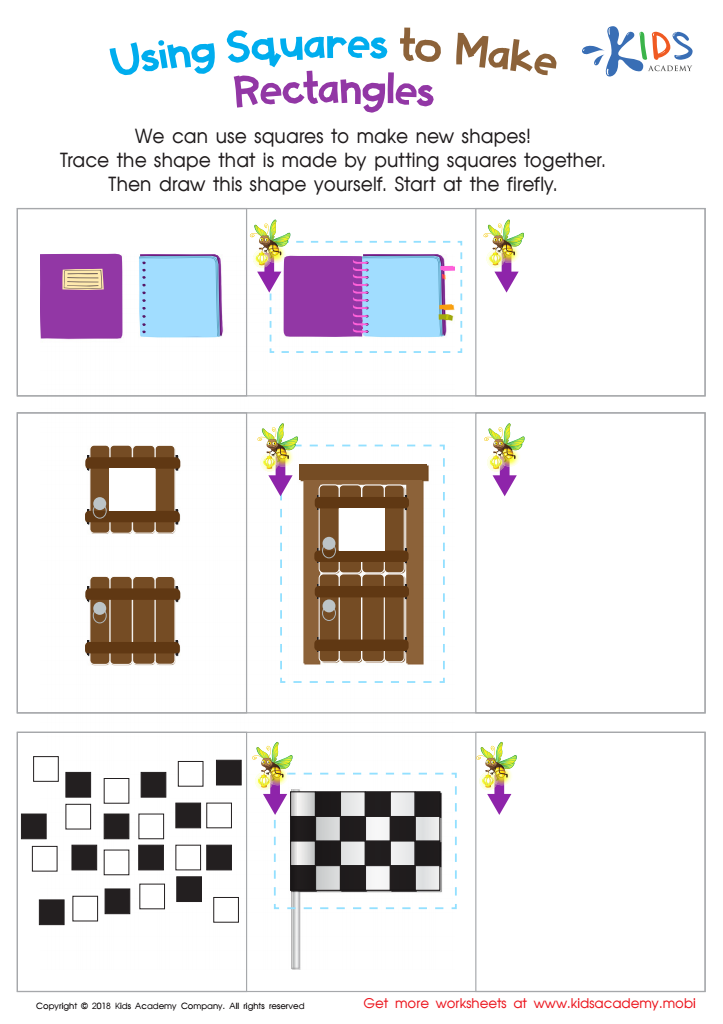
Using Squares to Make Rectangles Worksheet
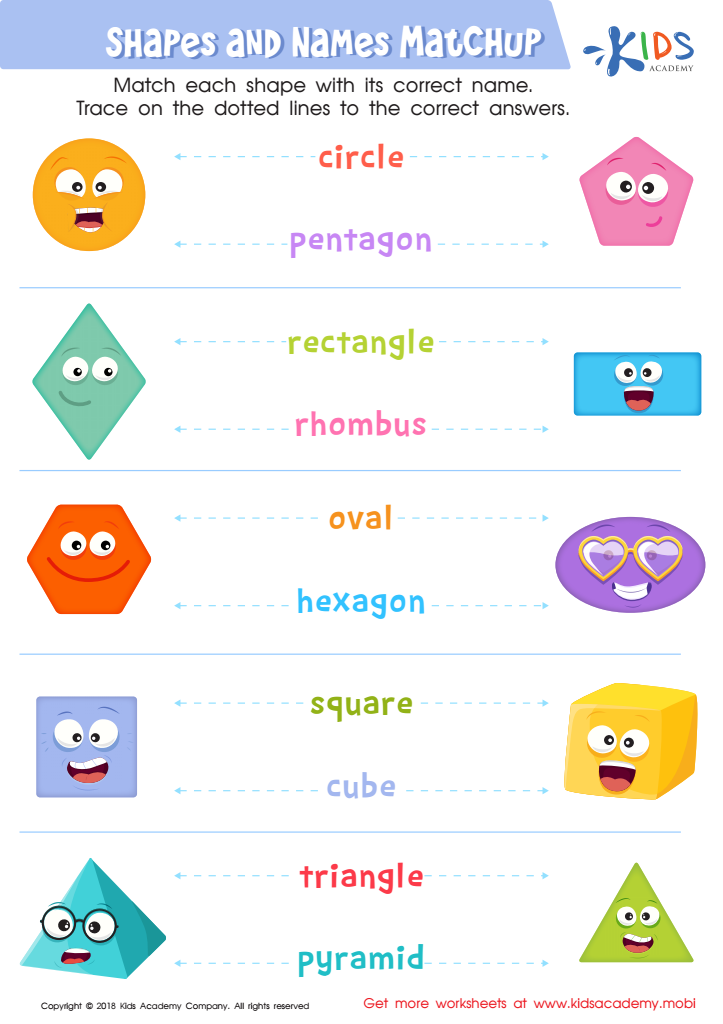
Shapes and Names Matchup Worksheet
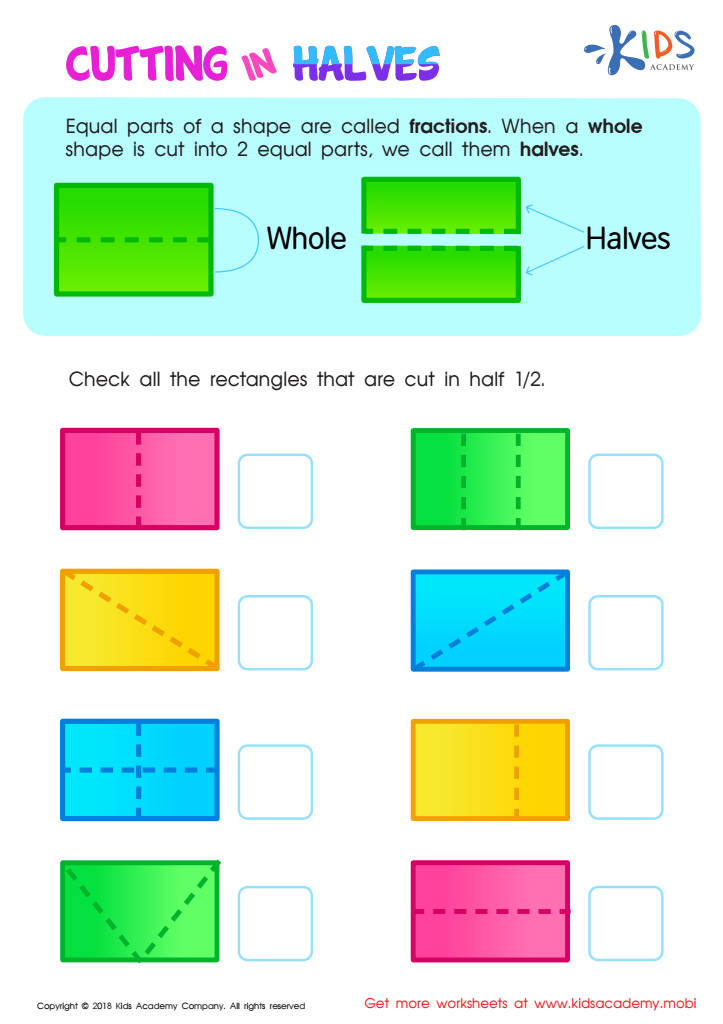
Cutting in Halves Worksheet
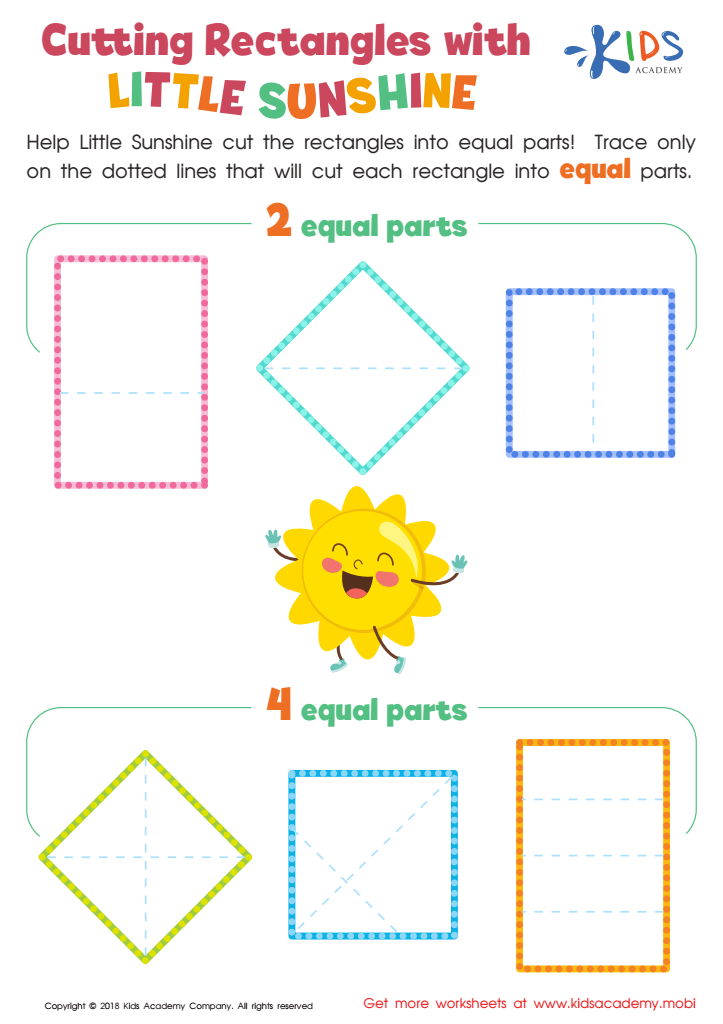
Cutting Rectangles with Little Sunshine Worksheet
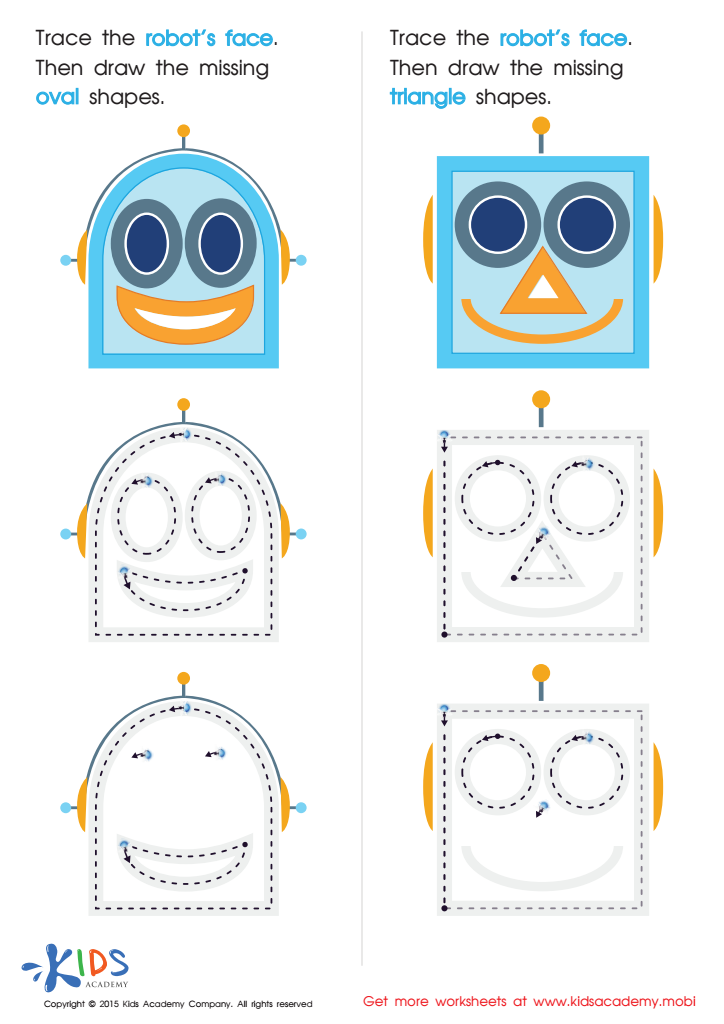
Drawing Ovals And Triangles with Fun Printable
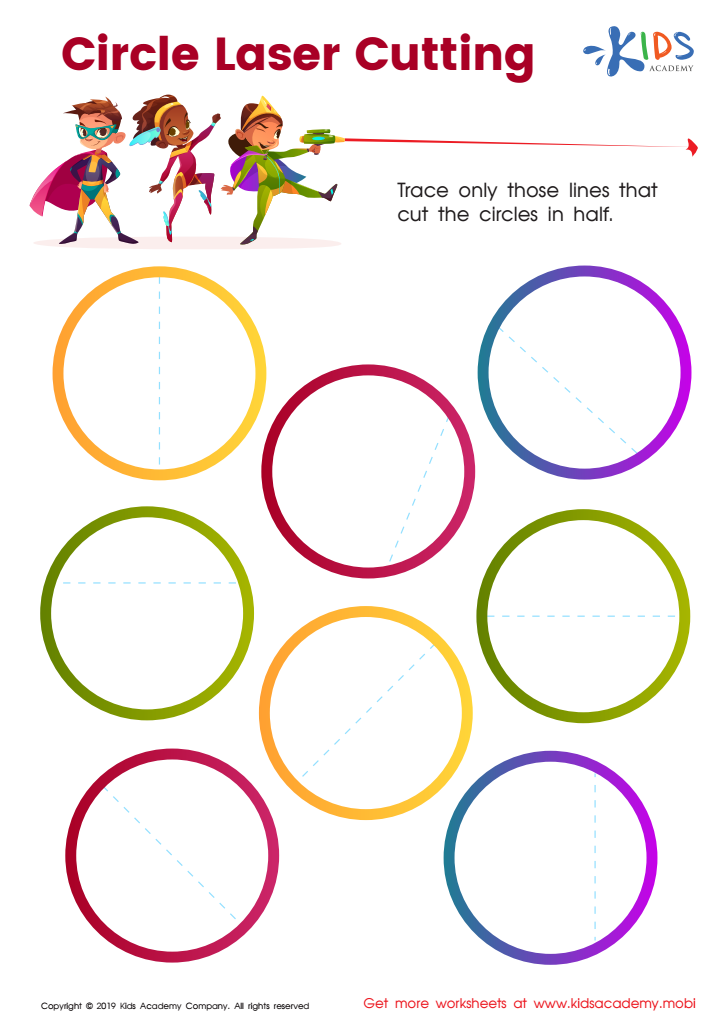
Circle Laser Cutting Worksheet
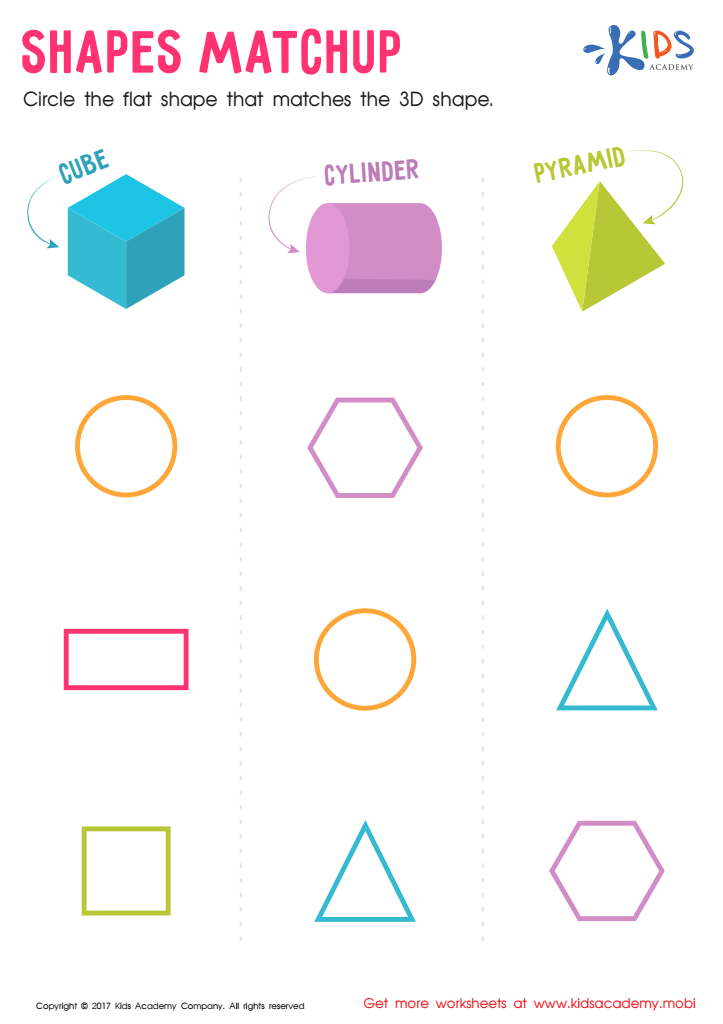
Shapes Matchup Worksheet
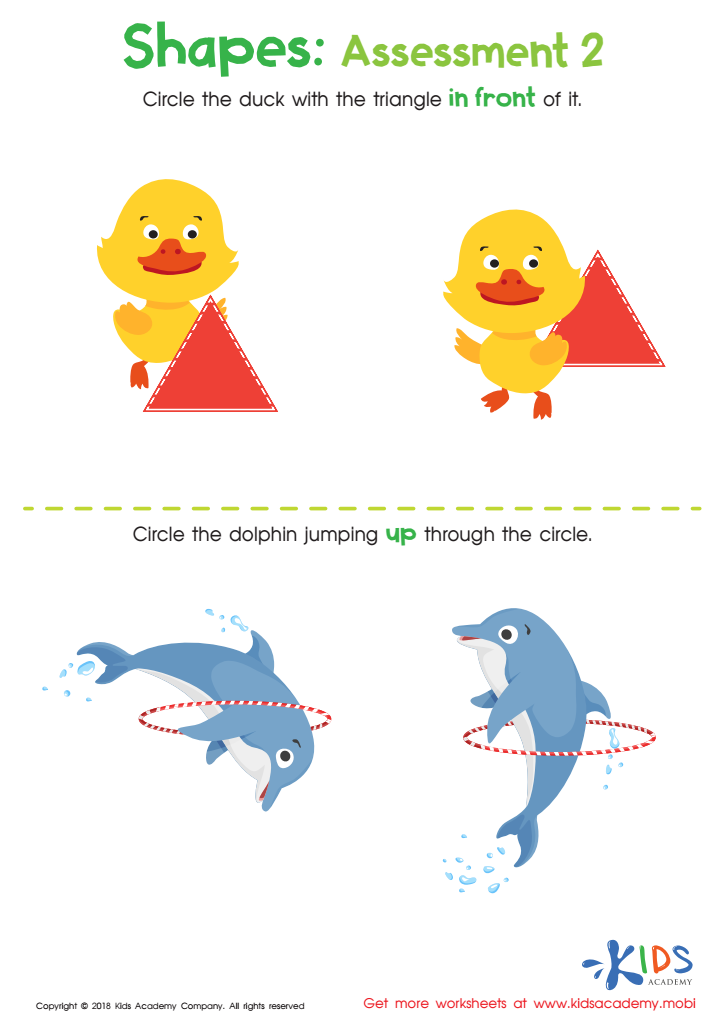
Geometry – Assessment 2 Worksheet
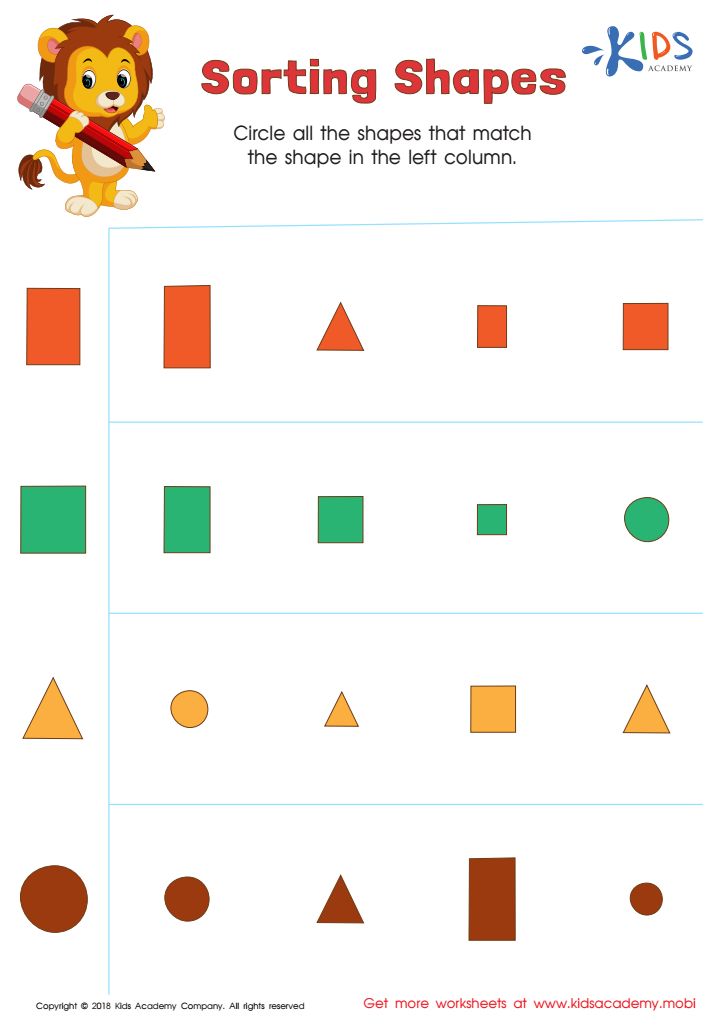
Sorting Shapes - Part 2 Worksheet
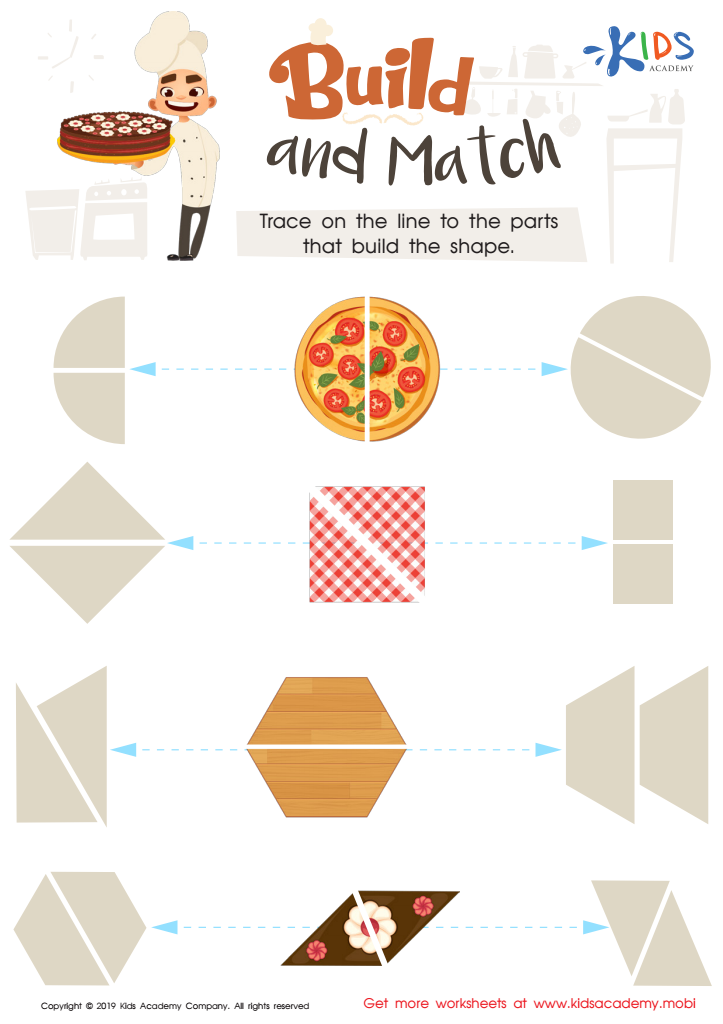
Build and Match Worksheet
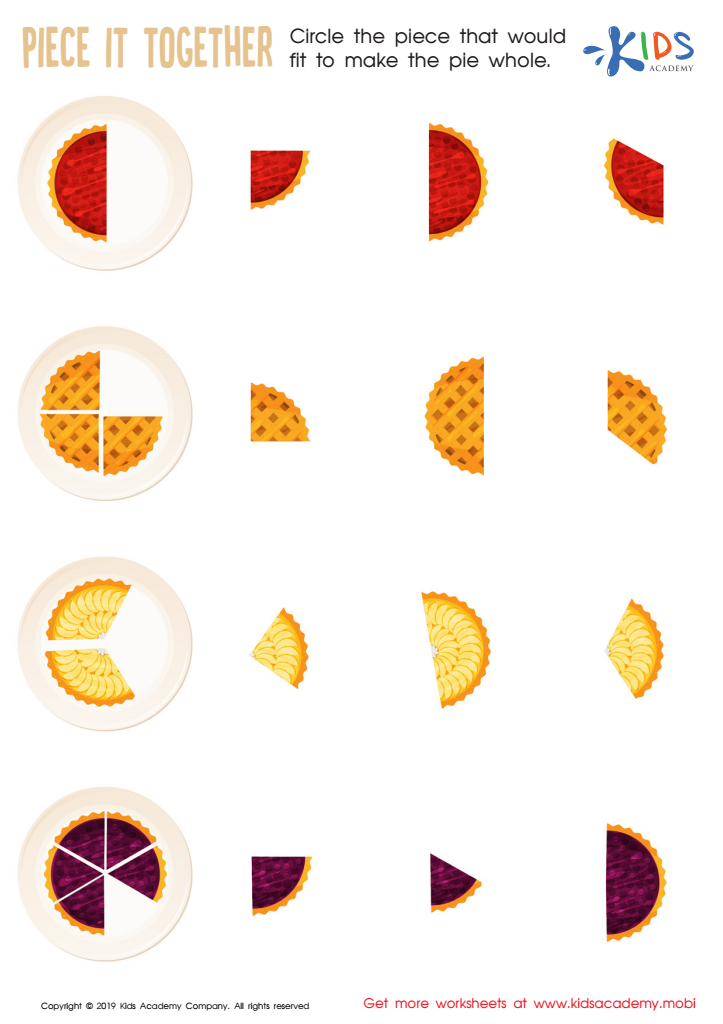
Piece it together Worksheet
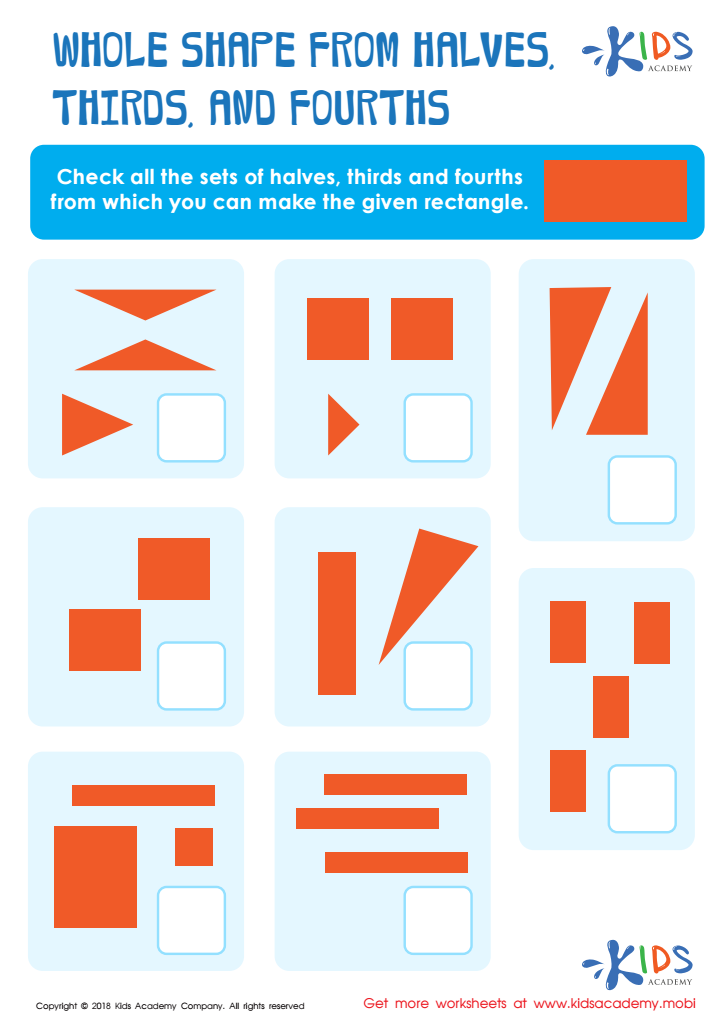
Whole Shape from Halves, Thirds and Fourths Worksheet
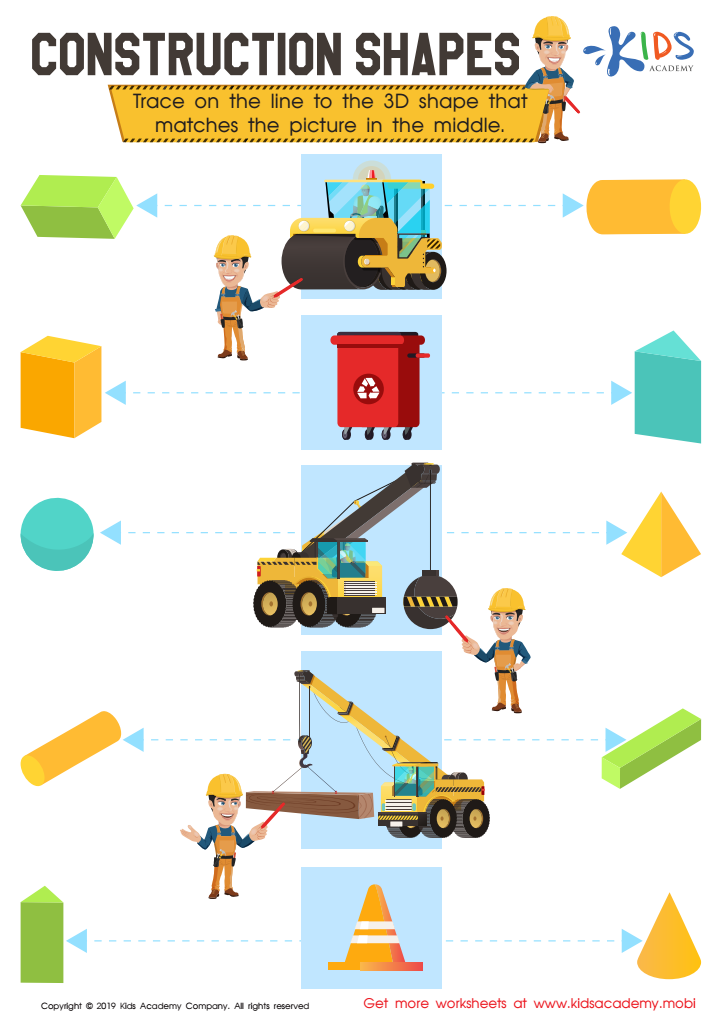
Construction Shapes Worksheet








Shape recognition and geometry are foundational skills that greatly benefit young learners aged 4-7. At this critical developmental stage, children are naturally curious about the world around them and inclined to explore their environments, making it an excellent time to introduce basic geometric concepts.
First and foremost, recognizing and understanding shapes improve a child's spatial awareness. Knowing shapes helps them comprehend how different objects fit together, which is crucial not just in mathematics but in everyday problem-solving skills. For instance, understanding that a square has equal sides and a rectangle does not can advance their reasoning skills.
These early lessons in geometry also enhance their cognitive development. Identifying, categorizing, and comparing shapes engage children’s analytical thinking and help develop their memory and attention skills. Additionally, such activities promote language development as children learn to describe shapes and their attributes, broadening their vocabulary and communication skills.
Moreover, shapes are not just confined to math. They are omnipresent in art, science, and daily life, making this knowledge incredibly versatile. Recognizing different shapes in their environment--from road signs to toys--makes learning relevant and practical. Overall, a solid grounding in shape recognition helps build a strong educational foundation that supports future learning, making it an essential focus for parents and teachers.








