Basic Arithmetic Numbers Worksheets for Ages 4-7
6 filtered results
-
From - To
Explore our engaging Basic Arithmetic Numbers Worksheets designed specifically for children ages 4-7. These fun and interactive worksheets introduce fundamental math concepts, such as addition and subtraction, through colorful and captivating activities. Tailored to foster early numeracy skills, our resources help young learners develop a strong foundation in mathematics while encouraging critical thinking and problem-solving abilities. Each worksheet is crafted to make learning enjoyable and effective, featuring relatable contexts and opportunities for hands-on practice. Perfect for school or home learning, our Basic Arithmetic Worksheets support your child's academic growth and boost their confidence in numbers. Start your math adventure today!
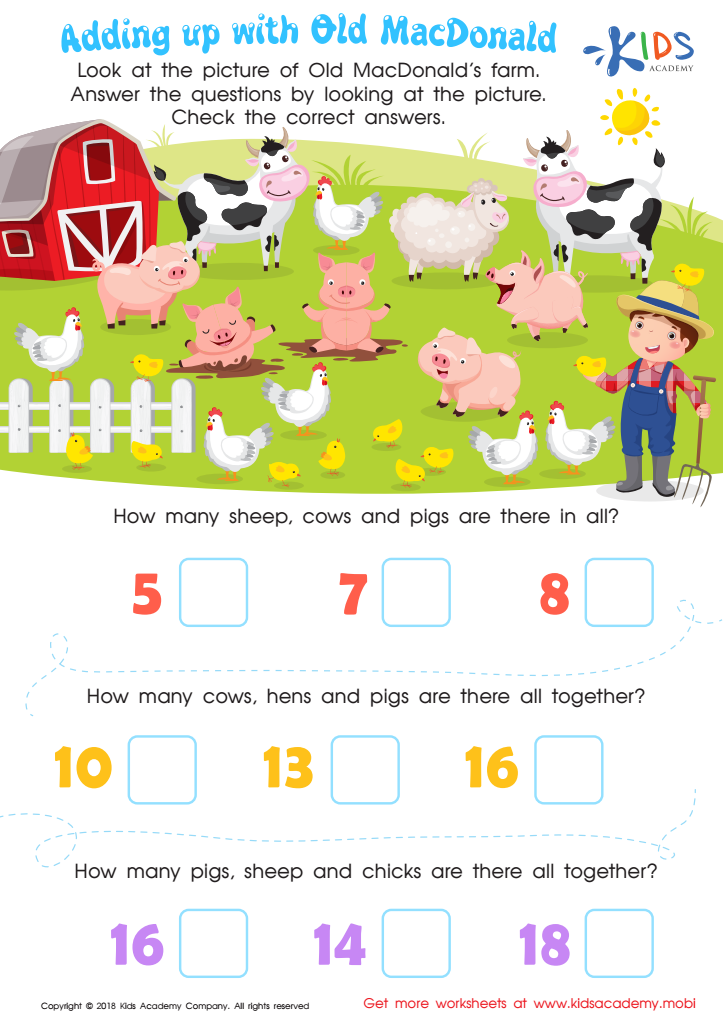
Adding Up with Old MacDonald Worksheet
 Assign to My Students
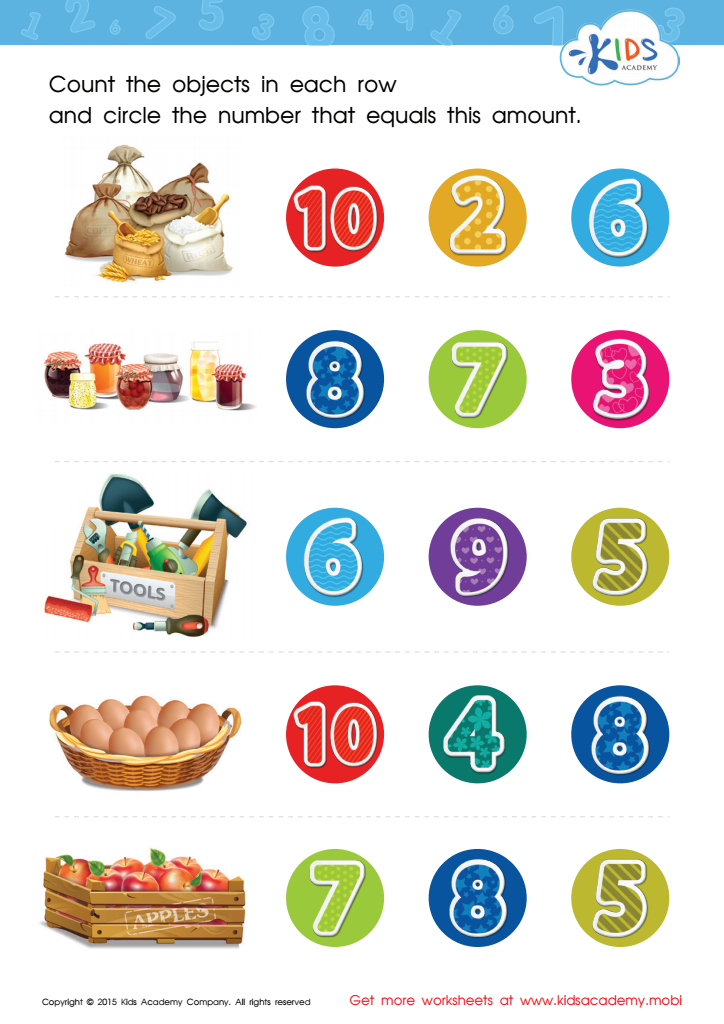
Count and Match 6 – 10 Math Worksheet
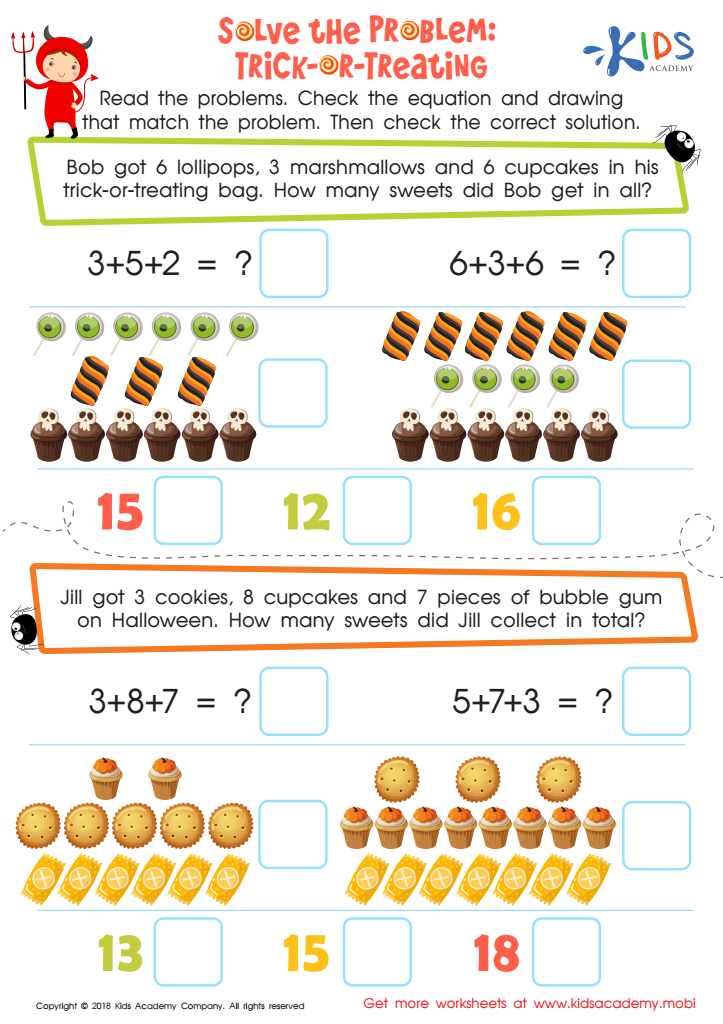
Solve the Problem: Trick–or–treating Worksheet
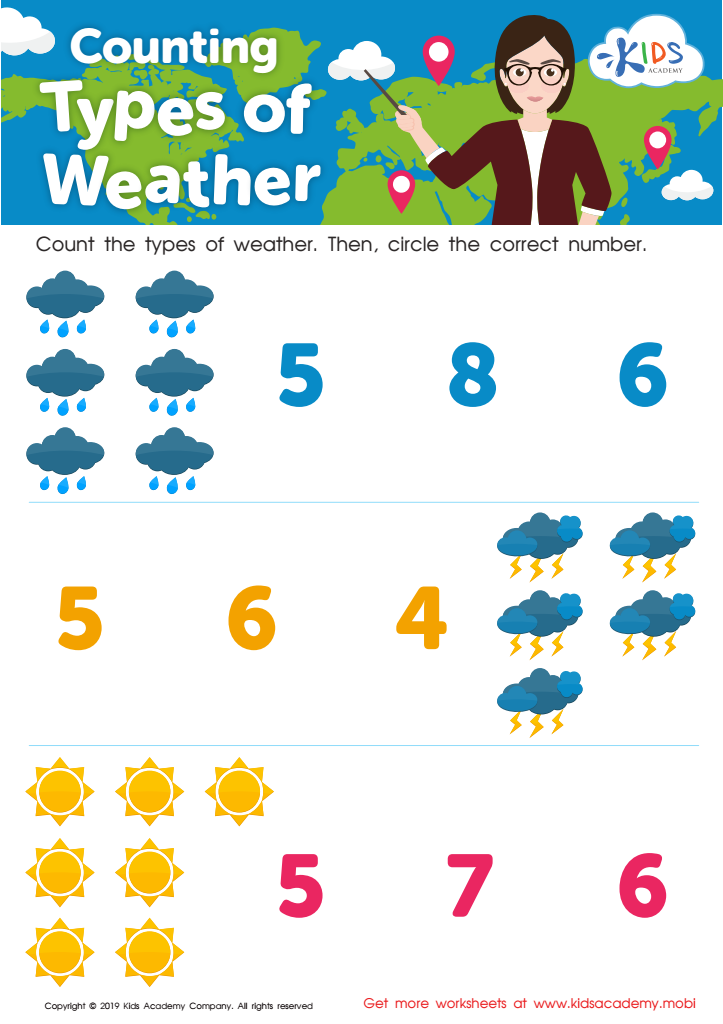
Counting Types of Weather Worksheet
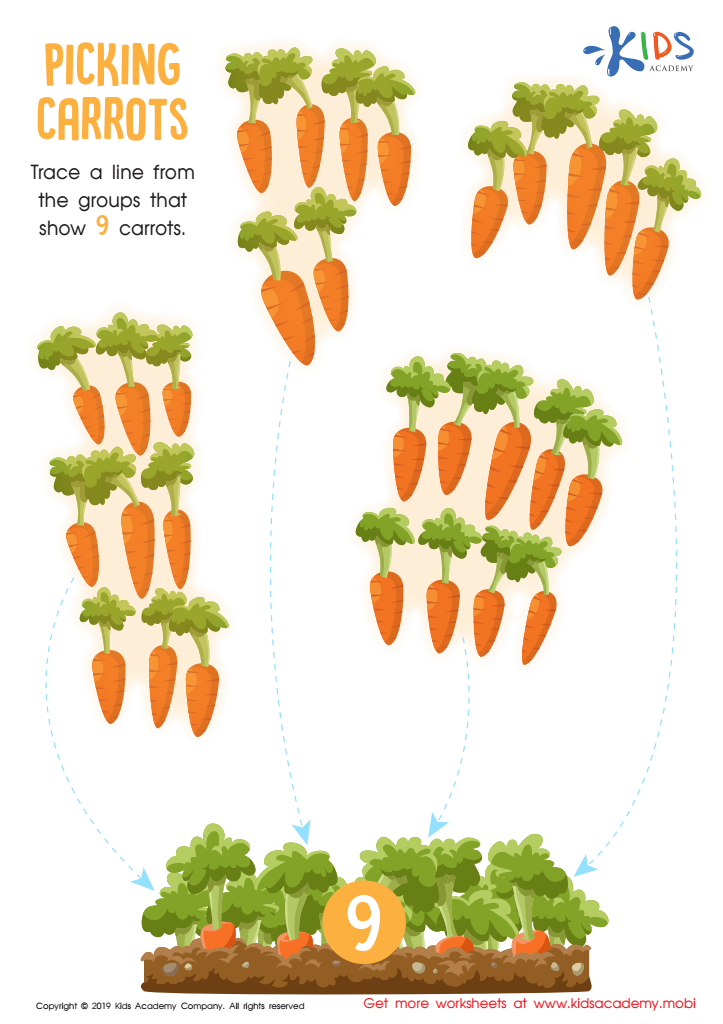
Picking Carrots Worksheet
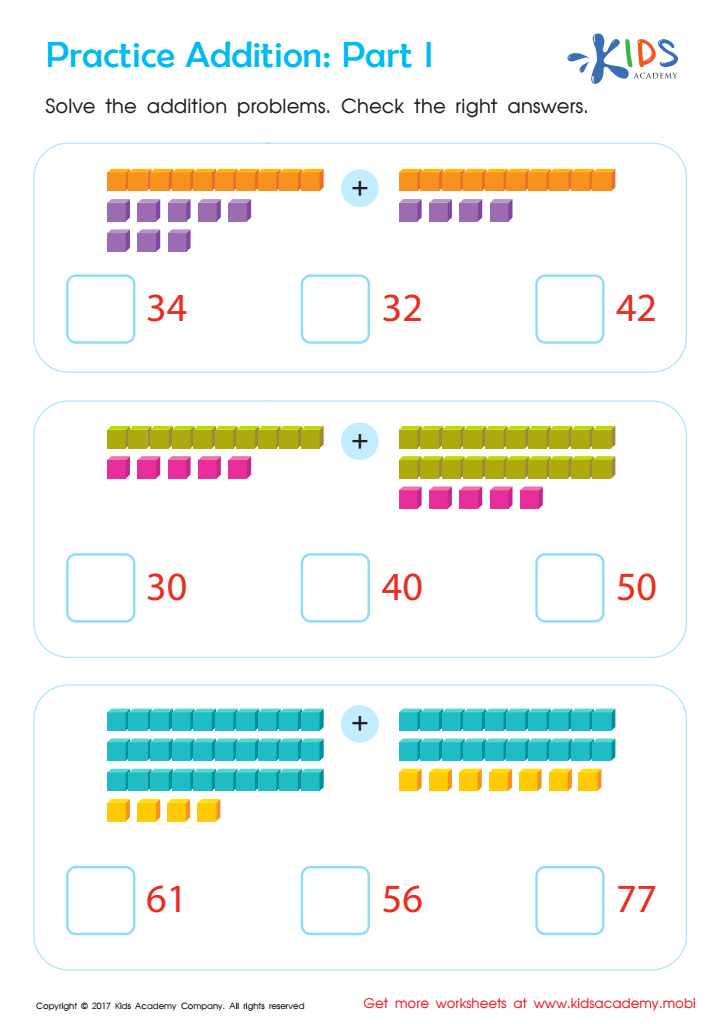
Practice Addition: Part 1 Worksheet






.jpg)

Basic arithmetic numbers are foundational for children's cognitive development and shape their future learning experiences. For children aged 4-7, mastering these concepts is crucial as they enable kids to understand the world around them. Knowledge of numbers lays the groundwork for critical thinking and problem-solving skills.
Parents and teachers should prioritize basic arithmetic because it promotes early mathematical fluency, a skill that has a lasting impact on a child’s academic journey. At this age, children learn to recognize numbers, count, and understand their relationships through simple addition and subtraction. These early experiences foster a love for learning and build confidence in their abilities.
Moreover, engaging young learners with arithmetic in playful, relatable contexts—like games, stories, or everyday scenarios—can make math more enjoyable and less intimidating. This approach helps develop a positive attitude towards mathematics, combating the fear and aversion many face later. Good foundational skills also correlate with better performance in future subjects, paving the way for career opportunities in an increasingly math-dependent world.
Consequently, a strong focus on basic arithmetic not only enriches children’s lives in the present but also equips them for academic success and diverse career paths in the future.








