
Color Identification Numbers Worksheets for Ages 4-7
13 filtered results
Difficulty Level
Grade
Age
-
From - To
Subject
Activity
Standards
Discover our engaging Color Identification Numbers Worksheets, designed specifically for children ages 4-7. These interactive worksheets help young learners recognize colors while developing their number skills in a fun and educational way. Each activity encourages creativity and critical thinking as kids match colors with corresponding numbers. Perfect for homeschoolers and classroom settings, our resources ensure that foundational skills are mastered through enjoyable learning experiences. Suitable for various learning styles, these worksheets foster early math abilities while enhancing color recognition, making learning a colorful adventure. Join us in sparking excitement for learning with our expertly crafted worksheets!
Favorites
With answer key
Interactive
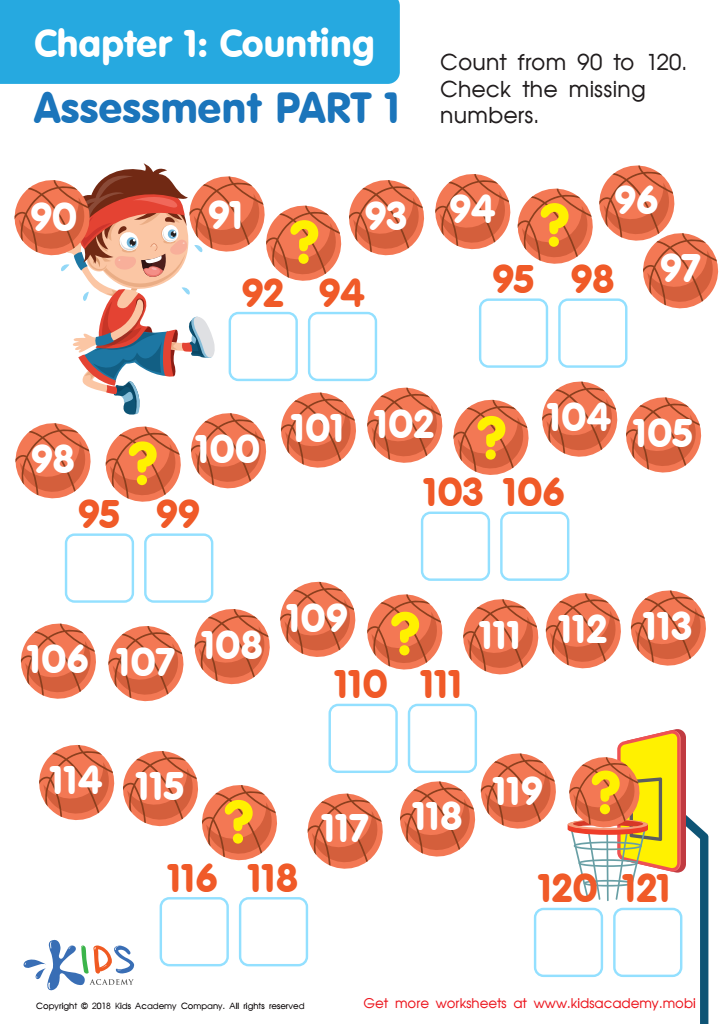
Counting Past 1: Assessment 1 Worksheet
Test your children's counting skills with this worksheet. Have them count from 90 to 120, checking for missing numbers. You'll be able to see how well they do and how far they have progressed. See how high they can count with little or no mistakes!
 Assign to My Students
Counting Past 1: Assessment 1 Worksheet
Worksheet
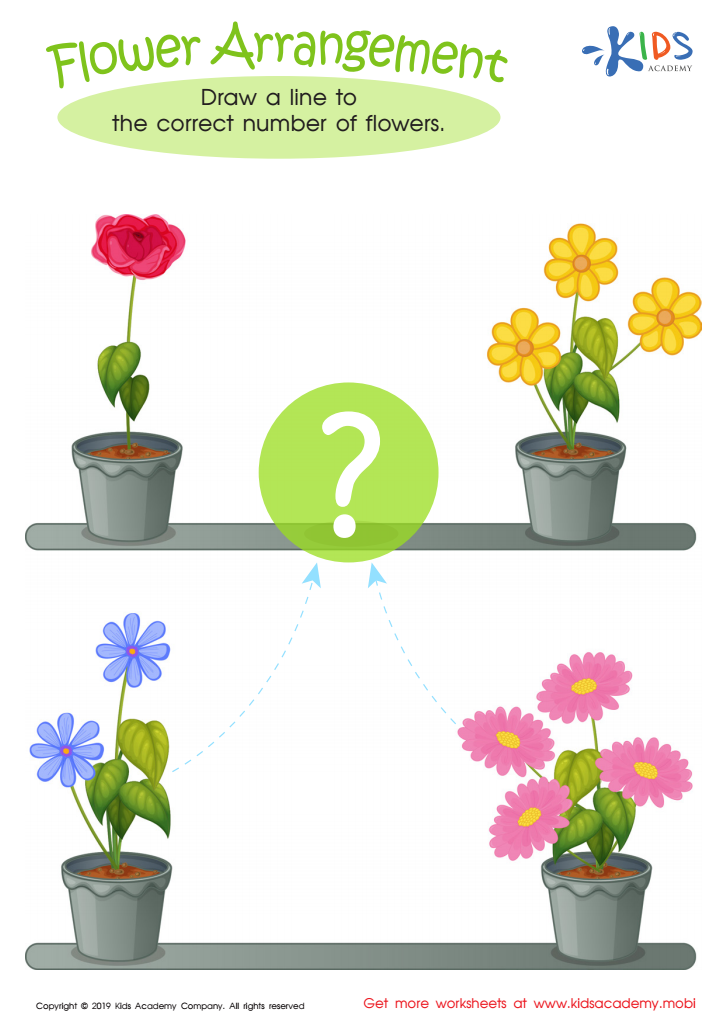
Flower Arrangement Worksheet
Your math whizzes can use flower power to showcase their counting skills with this bright PDF! One-to-one representation in pictures helps children build number sense, which leads to better math and computation efficiencies. This PDF features traceable lines for kids to draw to the correct number of flowers, all while practicing their counting with pretty pictures.
Flower Arrangement Worksheet
Worksheet
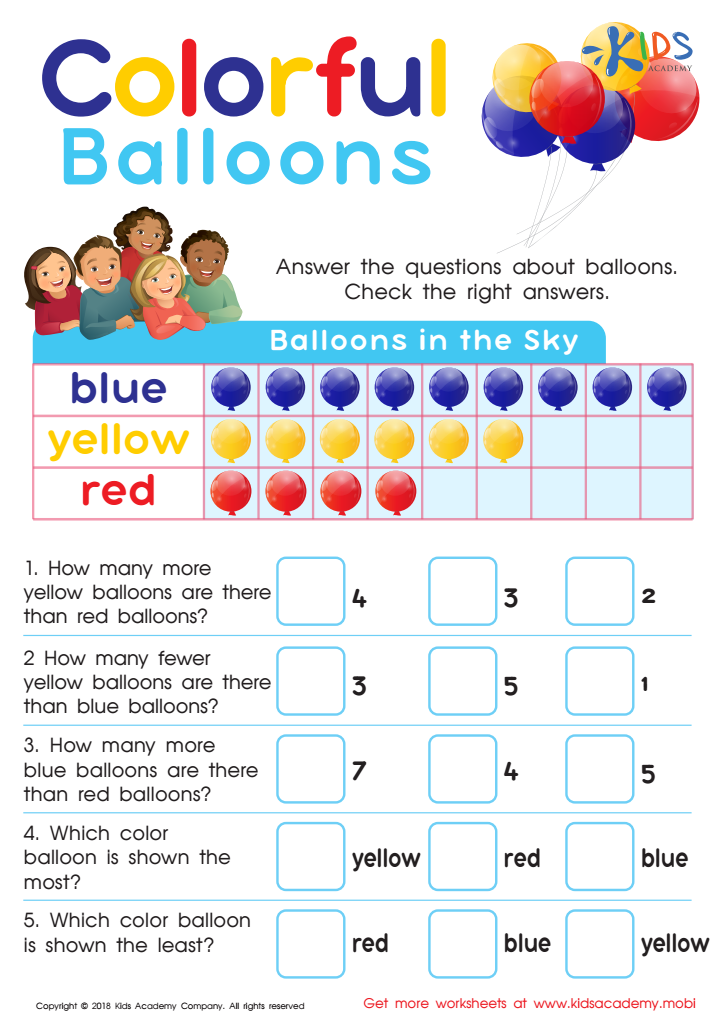
Picture Graphs: Colorful Balloons Worksheet
Kids love balloons at parties! Now you can use them to review graphs and math with this worksheet. View the balloons and count how many of each color, then answer the questions to complete math problems and report important details. Bring joy to your child's studies and make learning fun!
Picture Graphs: Colorful Balloons Worksheet
Worksheet
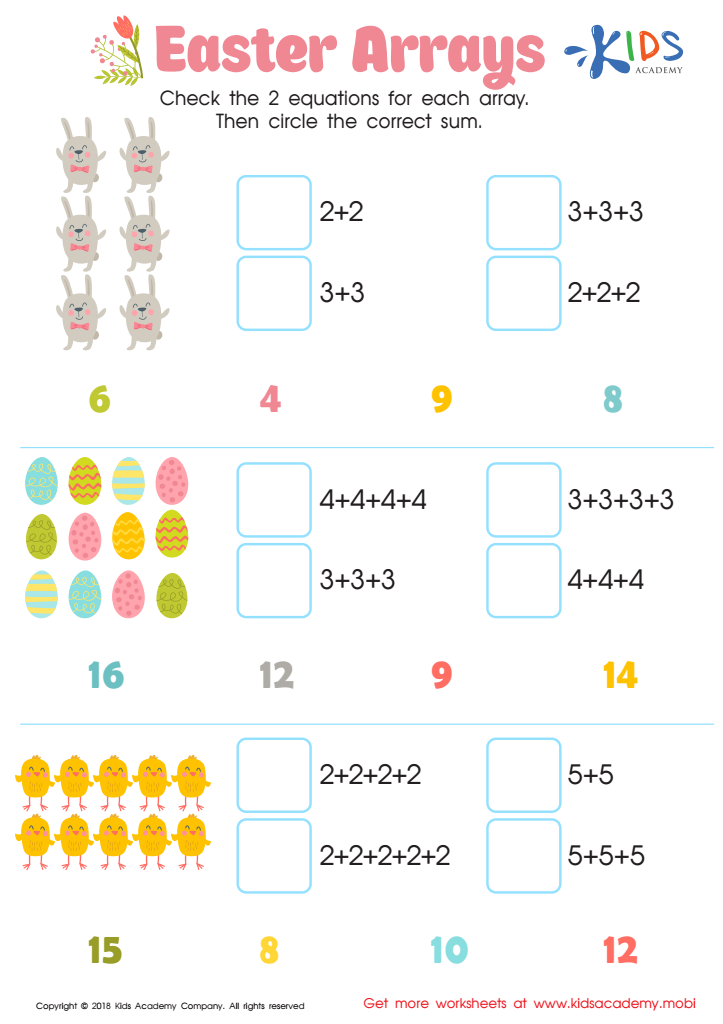
Easter Arrays Worksheet
Does your child love Easter? Do they adore the Easter bunny and egg hunts? Help them have fun with this worksheet! Go through it with them and check the equations for each array. Then, have them circle the correct sum. It's a great way to make the holiday extra exciting!
Easter Arrays Worksheet
Worksheet
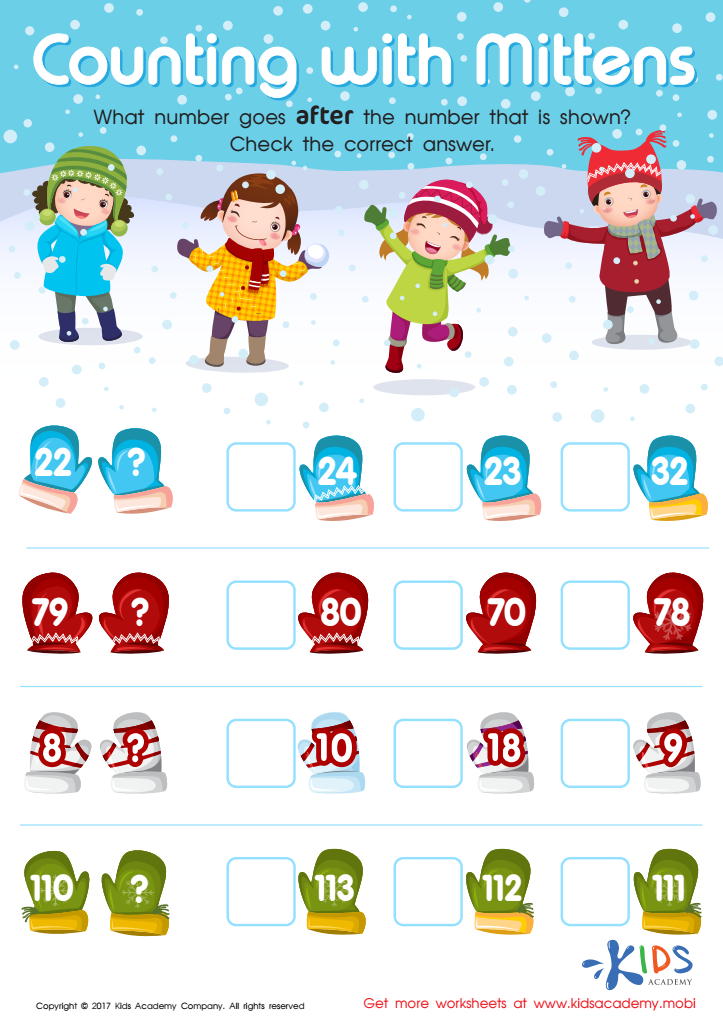
Counting with Mittens Worksheet
Let your kid have fun with this counting worksheet! It encourages them to count numbers and figure out which come next in the picture. Check the box with the correct answer - it's already provided. No more groaning and tears - this is a great way to learn!
Counting with Mittens Worksheet
Worksheet
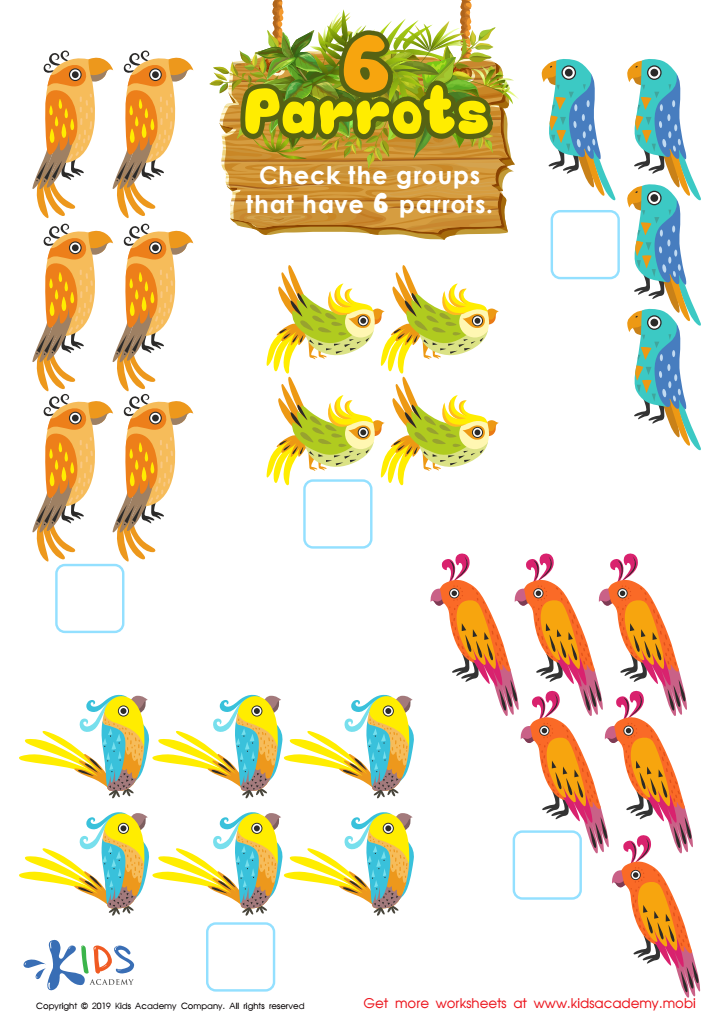
6 Parrots Worksheet
Love parrots? Here's a free worksheet to help your children practice counting to six with colorful parrot representations! Kids will adore counting the parrots and checking off groups of six - and it won't even feel like math! Just a fun way to make some new and exciting friends.
6 Parrots Worksheet
Worksheet
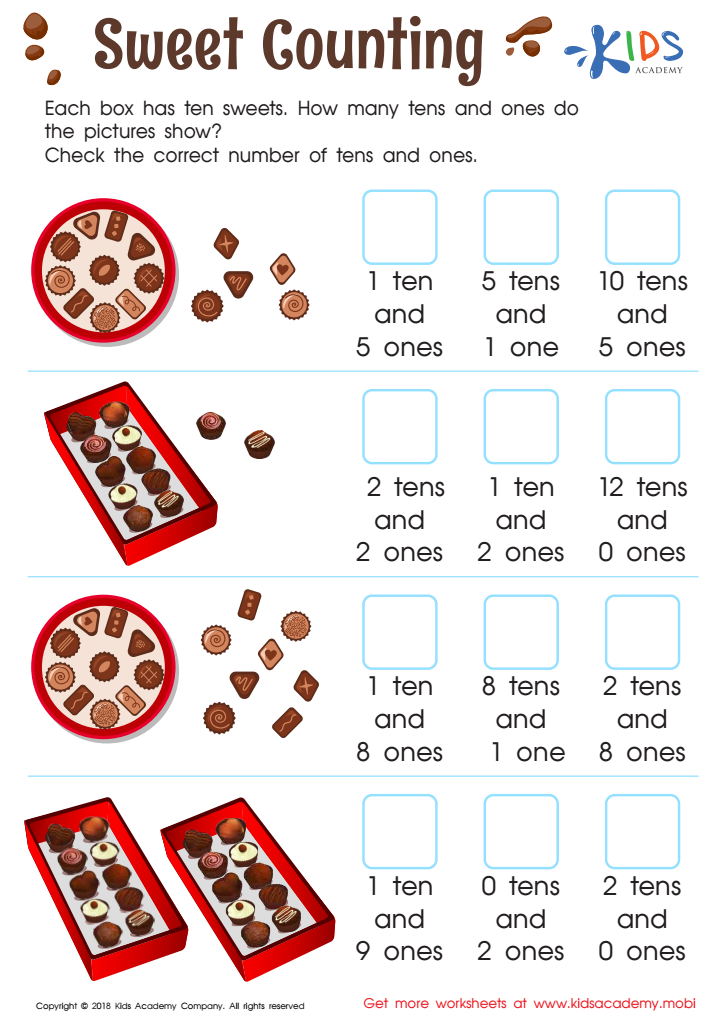
Sweet Counting - Part 2 Worksheet
Kids adore sweets! Make counting fun with this sweet-themed worksheet. Guide your child to count chocolates in boxes of 10, plus individual candies. Group them into tens and ones. Ask: "How many ones and tens are in each row?" Check the answer and complete the practice sheet.
Sweet Counting - Part 2 Worksheet
Worksheet
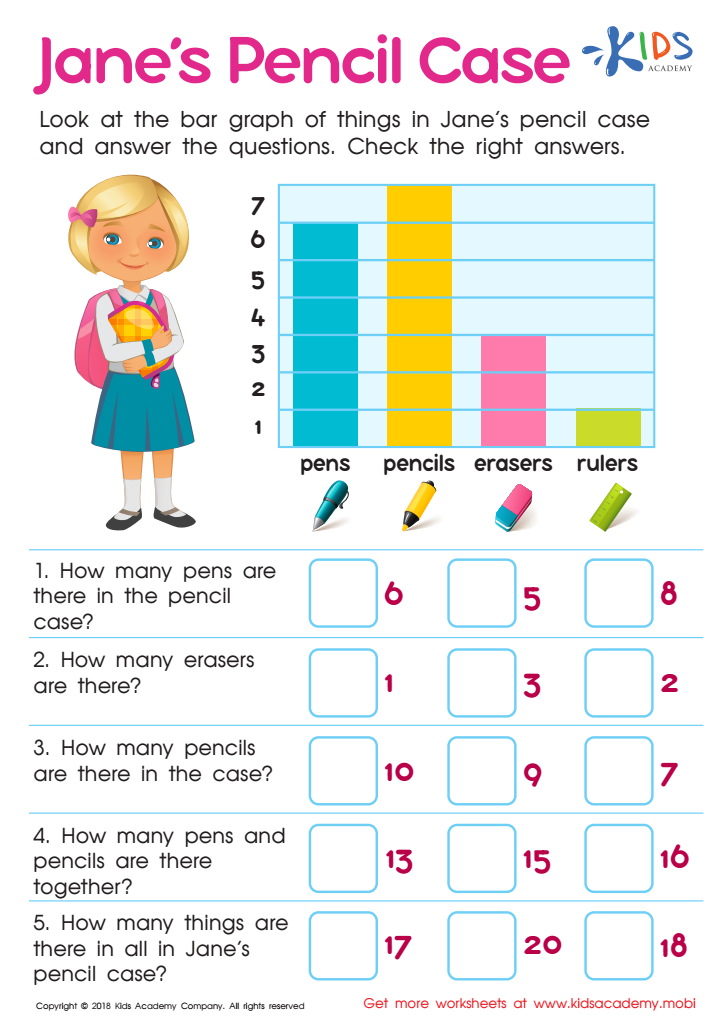
Jane's Pencil Case Worksheet
Help Jane organize her pencil case! Have your child look and the bar graph on the worksheet and interpret the data. Ask them to read each problem, then check the box next to the correct number. It's a fun way to practice reading graphs and reporting data.
Jane's Pencil Case Worksheet
Worksheet
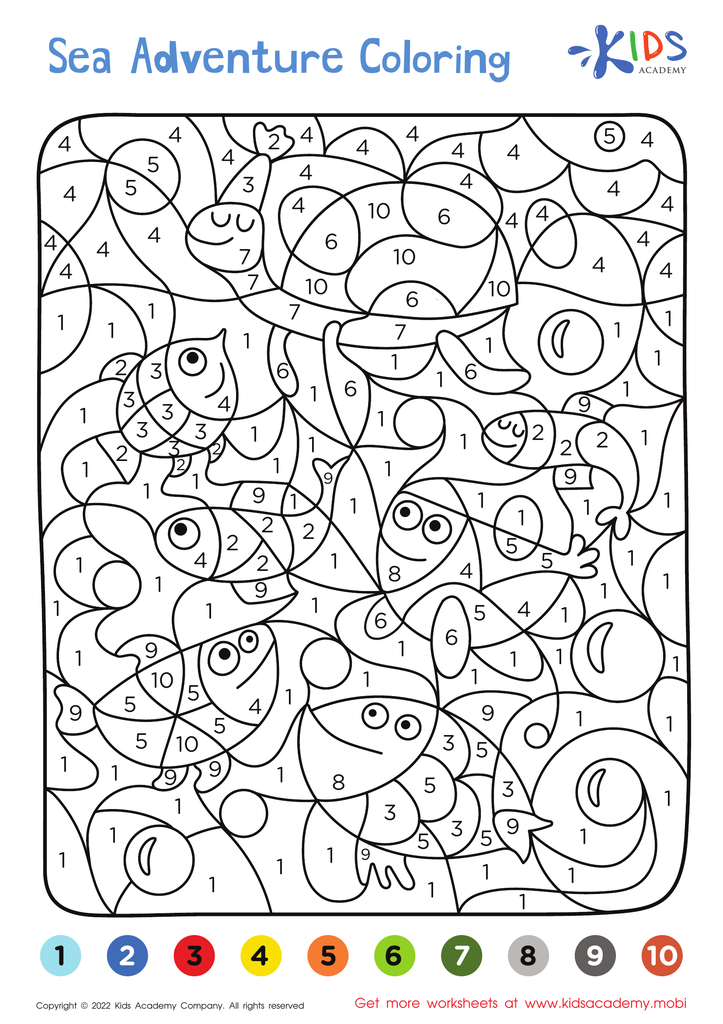
Sea Adventure – Coloring by Numbers
Unlock a sea adventure with a free coloring by numbers PDF page! Download now to get creative and fill the page with vibrant colors.
Sea Adventure – Coloring by Numbers
Worksheet
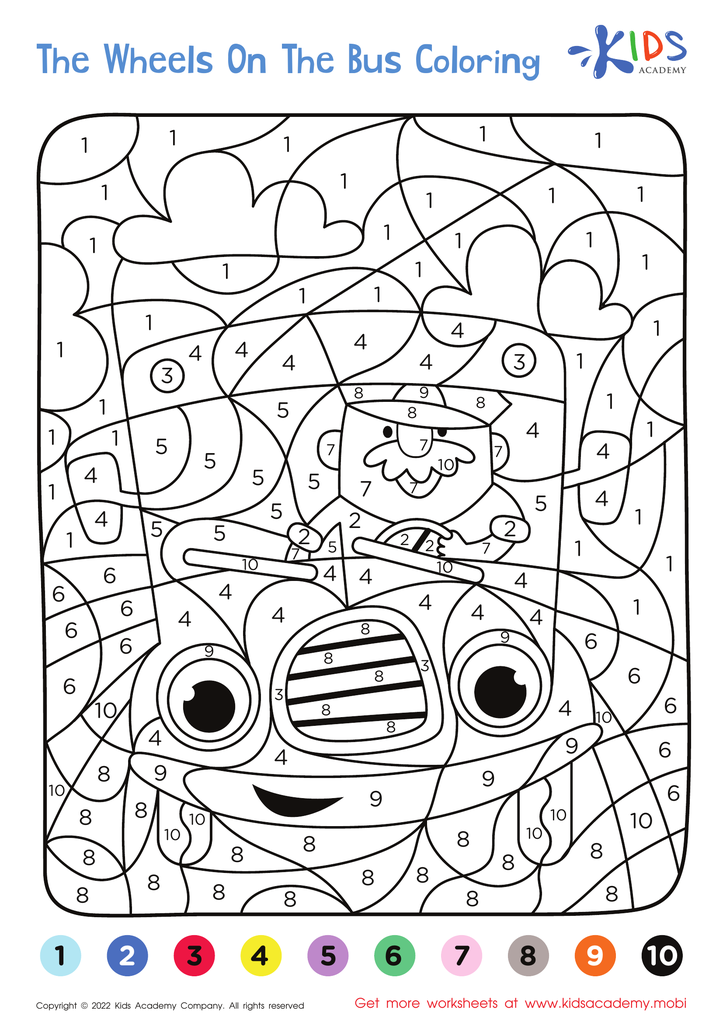
Wheels on the Bus – Coloring by Numbers
Download our free PDF page to color in the bus driver! Simply print, find the right colors, and start creating some fun! Have a great time and don't forget to share your masterpiece with us!
Wheels on the Bus – Coloring by Numbers
Worksheet
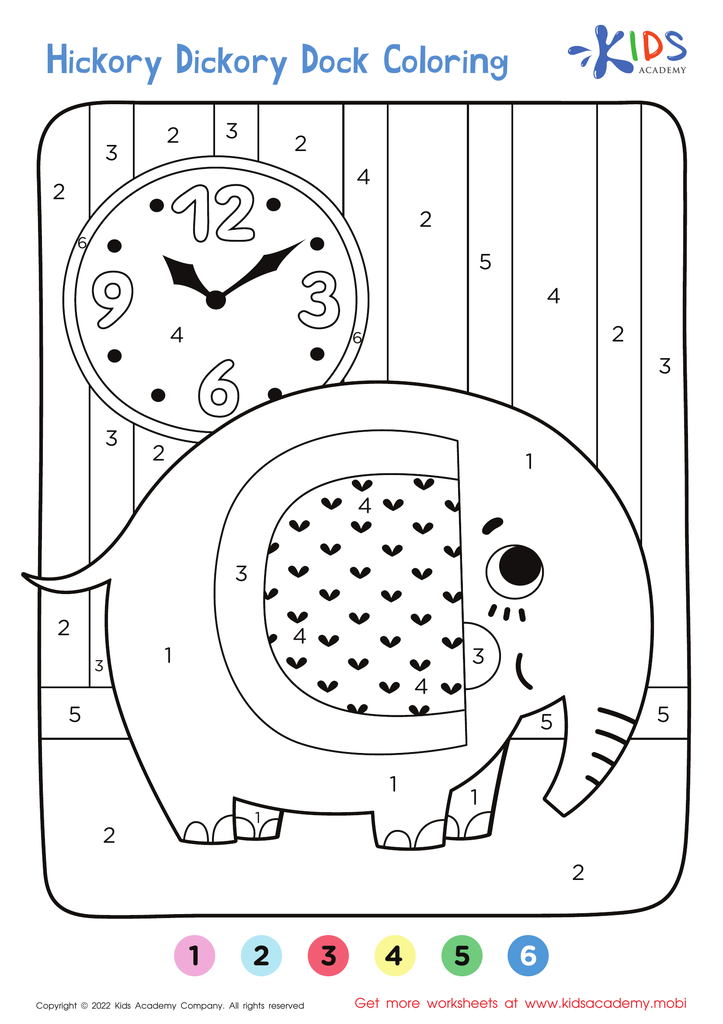
Hickory Dickory Dock – Coloring by Numbers
Colour in a classic nursery rhyme with our free Hickory Dickory Dock PDF page. Follow the numbers to create a scene that will bring the rhyme to life. Download now and get creative!
Hickory Dickory Dock – Coloring by Numbers
Worksheet
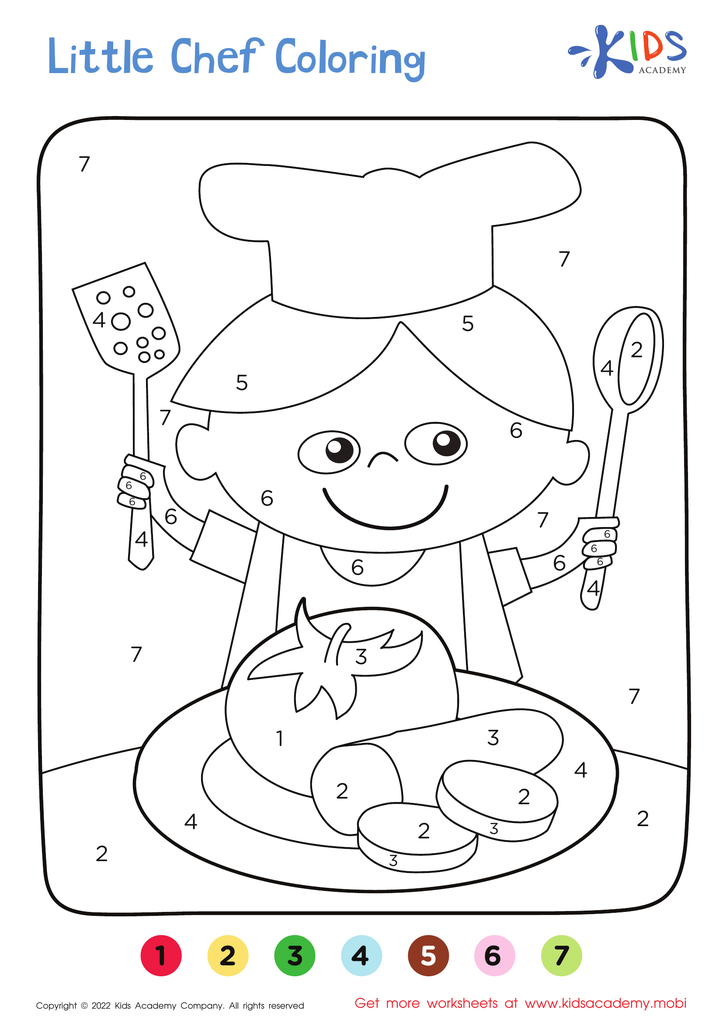
Little Chef – Coloring by Numbers
This PDF page lets you color in a cute little chef! Download it for free and explore your artistic side by using numbers to color in the picture. Let your creativity flow and have some fun!
Little Chef – Coloring by Numbers
Worksheet
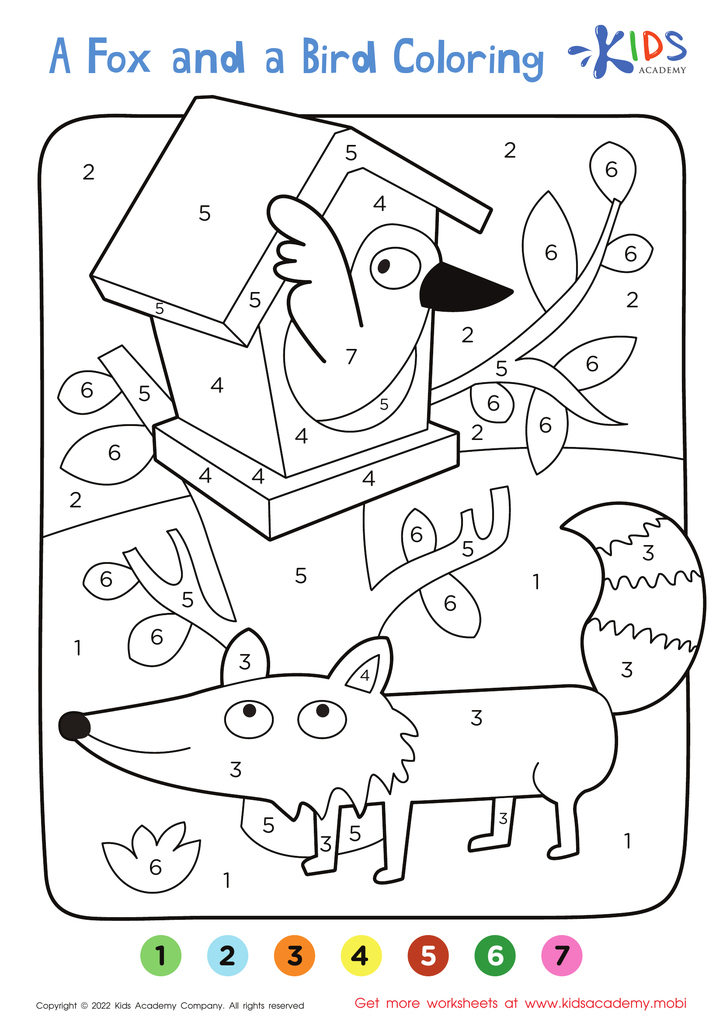
A Fox and a Bird – Coloring by Numbers
Download this free PDF page and color the fox and bird using numbers. Fun and easy way to be creative with the whole family! Spend quality time together and create something unique.
A Fox and a Bird – Coloring by Numbers
Worksheet
Join Kids Academy for Free
Who is primarily going to use this learning content?








Color Identification Numbers (CIN) play a crucial role in the cognitive and educational development of children aged 4-7. At this stage, children are not only learning to identify colors but also how to communicate about them—essential skills for early language development. Understanding and using CIN can enhance their ability to categorize, compare, and articulate color differences, fostering critical thinking and observational skills.
Parents and teachers should care about CIN because these numbers can simplify color-related tasks in a consistent way, aiding in learning and retention. For instance, in art activities, referencing a specific CIN can help children recognize and mix colors more effectively, strengthening their creativity and fine motor skills. Moreover, incorporating CIN into educational games encourages collaboration and social interaction among peers. This nurtures teamwork and communication skills.
Additionally, familiarization with CIN prepares children for more advanced concepts, such as coding and technology, where color identification is often a component. By integrating CIN into everyday learning, parents and educators set a foundation for better understanding of visual information, which is vital in a media-rich world. Ultimately, engaging with CIN can foster a love for learning and creativity, making it a worthwhile focus for both parents and educators.








