Basic Math knowledge Math Worksheets for Ages 4-7
3 filtered results
-
From - To
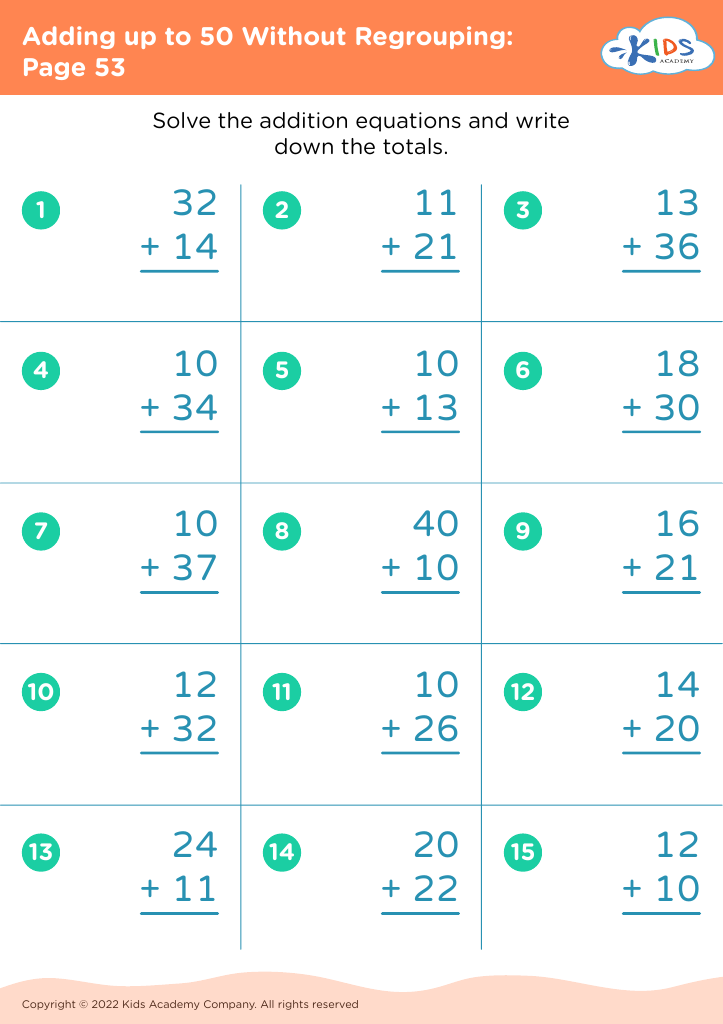
Unlock your child’s potential with our Basic Math Knowledge Worksheets designed for ages 4-7! Kids Academy's engaging printables cover essential math skills including counting, addition, subtraction, and number recognition. These fun activities help young learners develop a strong math foundation through interactive and colorful exercise sheets. Perfect for home or classroom use, our worksheets ensure that learning math becomes an enjoyable adventure. Encourage your child's critical thinking and problem-solving skills today with our specially crafted resources. Visit Kids Academy to start boosting your little one's confidence and love for math!
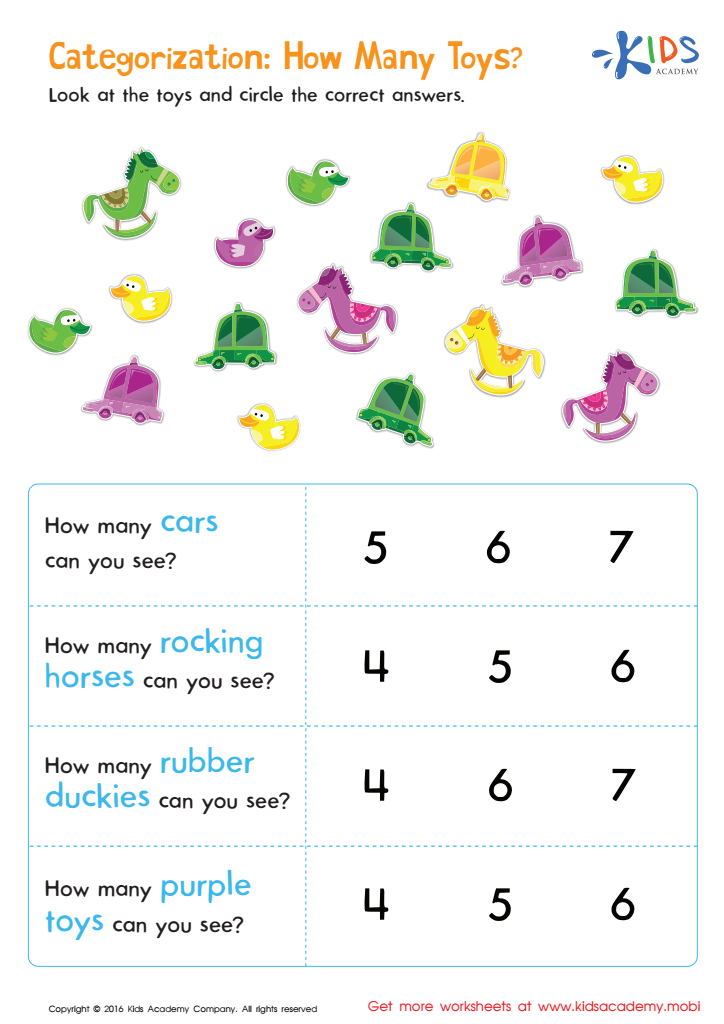
Classifying Toys by Type and Color Sorting Worksheet
 Assign to My Students
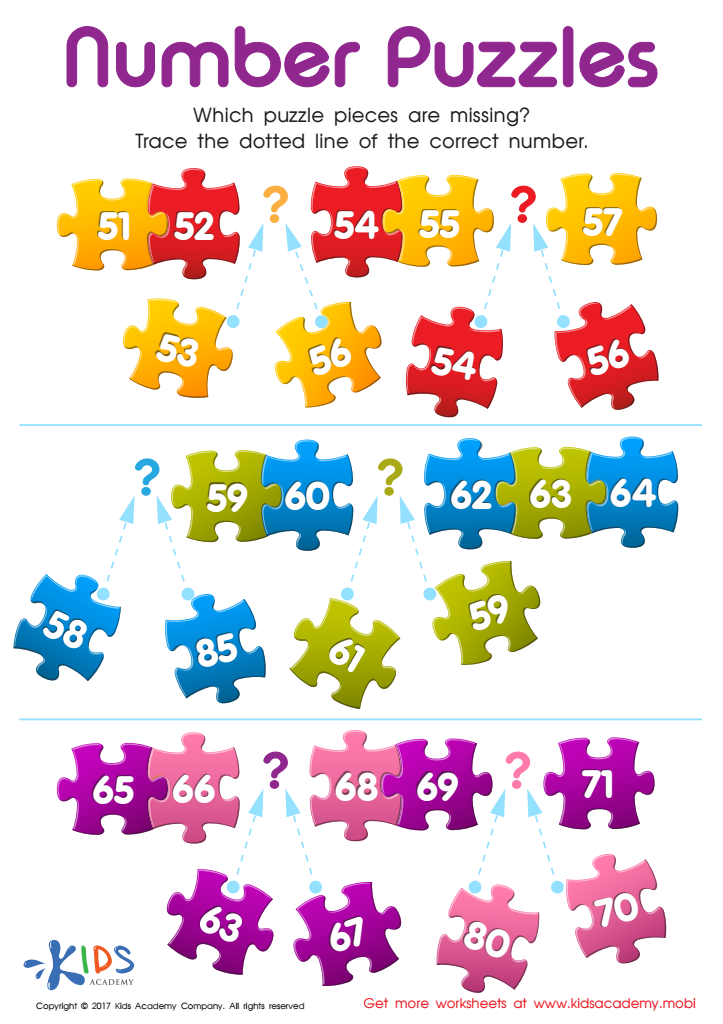
Number Puzzles Worksheet







Caring about basic math knowledge for children aged 4-7 is crucial, as these formative years lay the foundation for future academic and life skills. Early math skills are not just about numbers and counting; they also enhance logical thinking, problem-solving, and the ability to make connections in their everyday lives. A strong grasp of basic math concepts helps improve children's cognitive development, supporting their ability to think critically and reason effectively.
During ages 4-7, children are exceptionally receptive to learning new things. Introducing them to math in engaging, playful, and practical ways fosters a positive attitude toward the subject, reducing math anxiety in later years. Early math learning also improves their language skills by integrating vocabulary, sequence, and comparison terms like "more than" or "less than."
Parents and teachers play a significant role in making math accessible and enjoyable. Encouraging early math skills through games, everyday tasks, and storytelling ensures that children not only understand basic concepts but can also apply them. This prioritization ultimately sets the stage for academic success across various subjects, as math skills are foundational to numerous disciplines. Investing time and effort in early math education positively impacts a child's educational journey and their confidence in tackling complex problems as they grow.








