Basic Math understanding Math Worksheets for Ages 4-7
12 filtered results
-
From - To
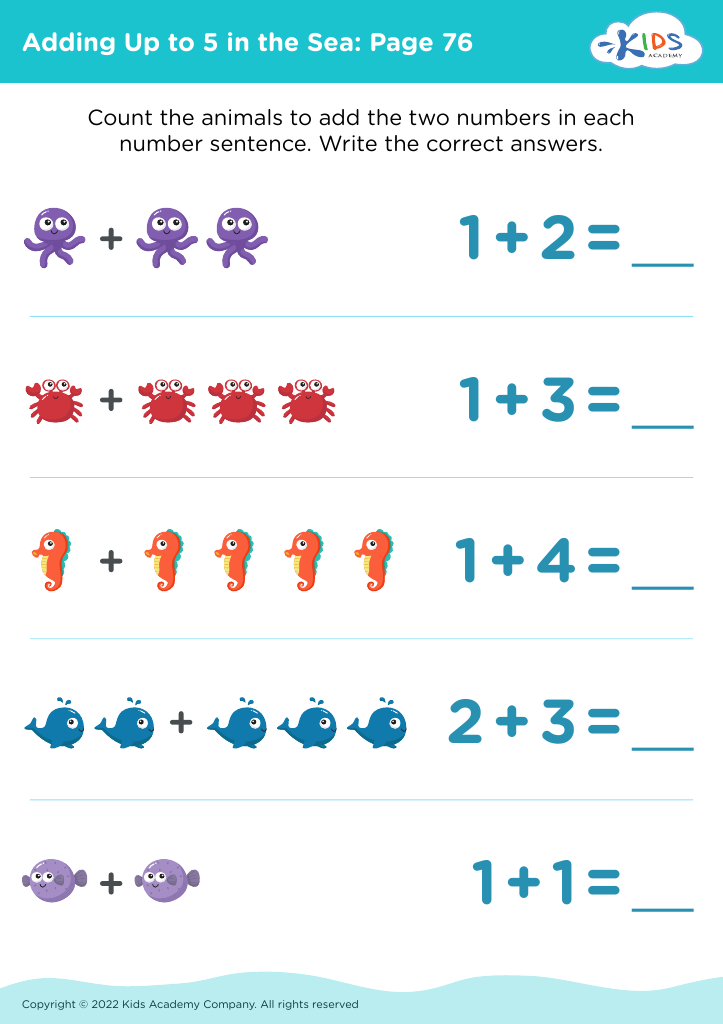
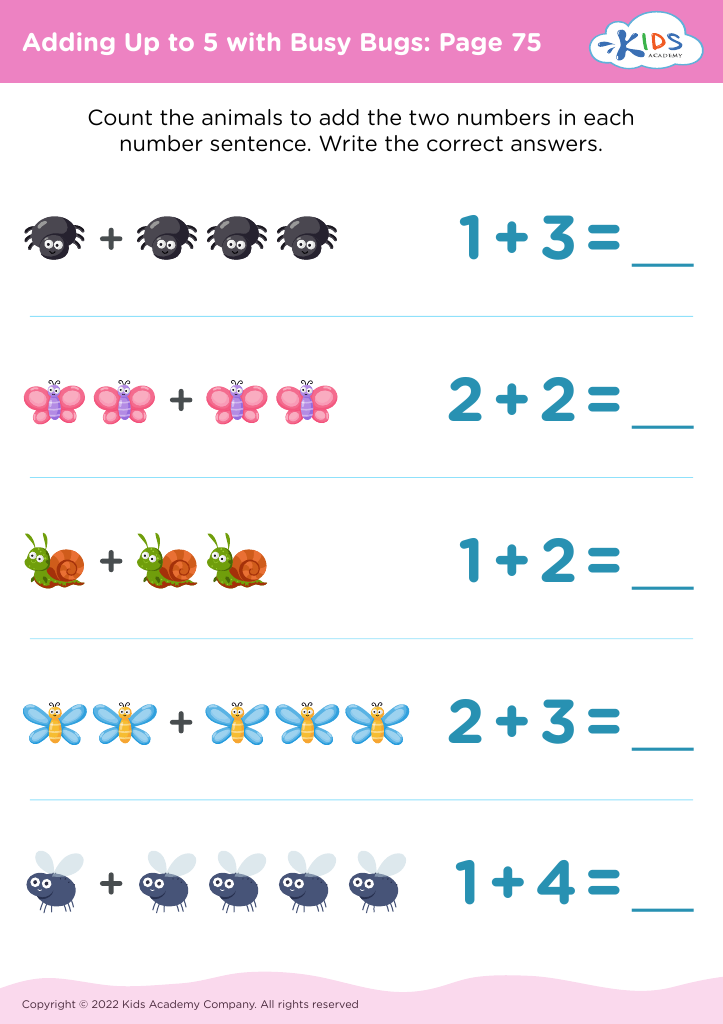
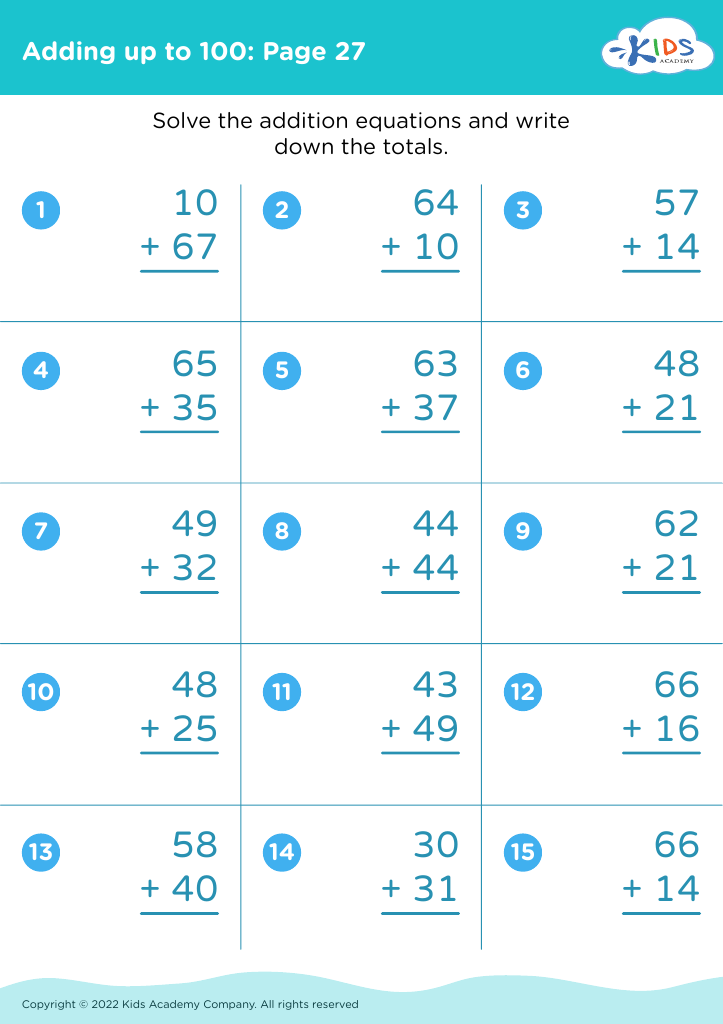
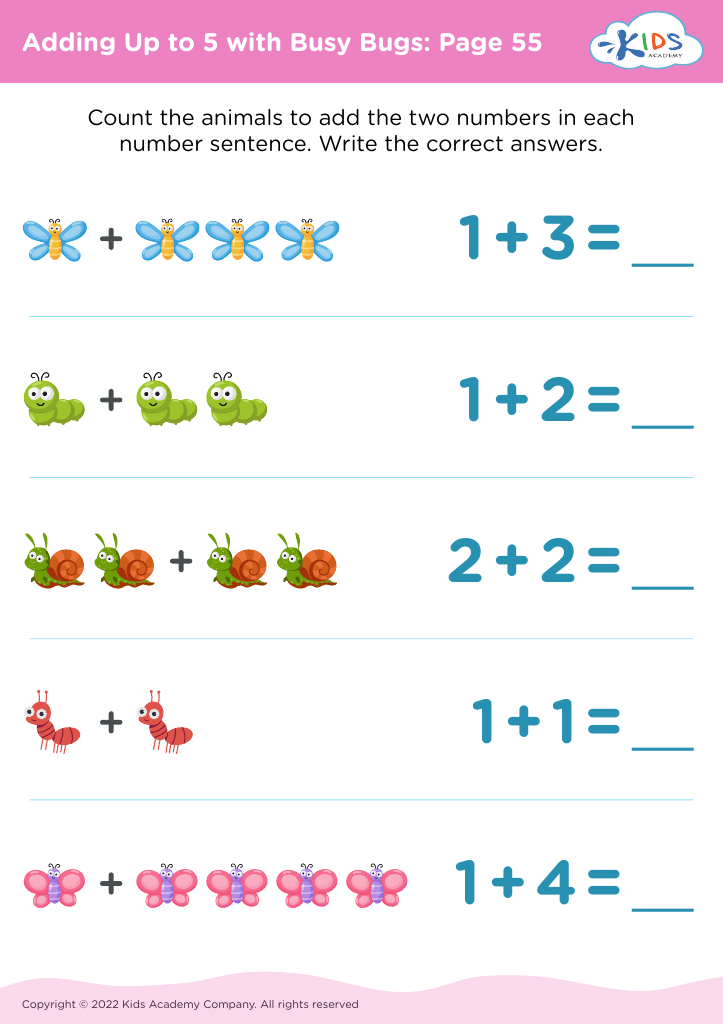
Discover a variety of engaging 'Basic Math Understanding' worksheets designed for children ages 4-7! These innovative resources aim to build a strong foundation in essential math skills, including counting, addition, subtraction, and number recognition. Our colorful, interactive worksheets promote hands-on learning, making math fun and accessible for young learners. Aligned with early education standards, these worksheets facilitate skill development in a way that intrigues and motivates children. Ideal for parents and educators alike, these printable activities provide the perfect tools to nurture your child's confidence and proficiency in math. Start their math journey today with our exceptional resources!
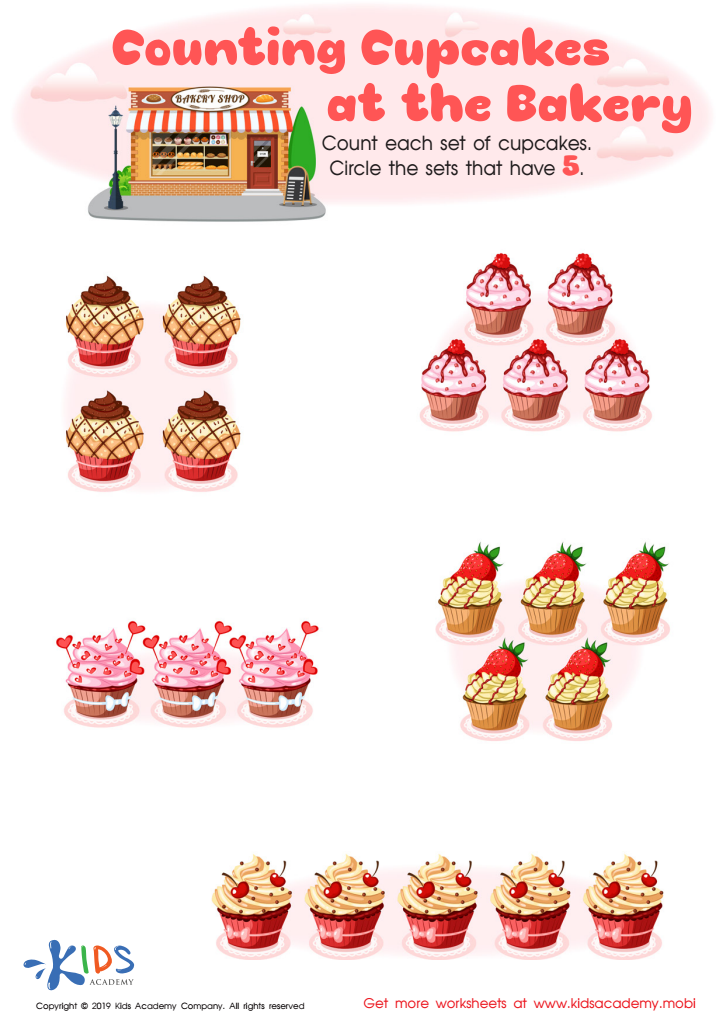
Counting Cupcakes Worksheet
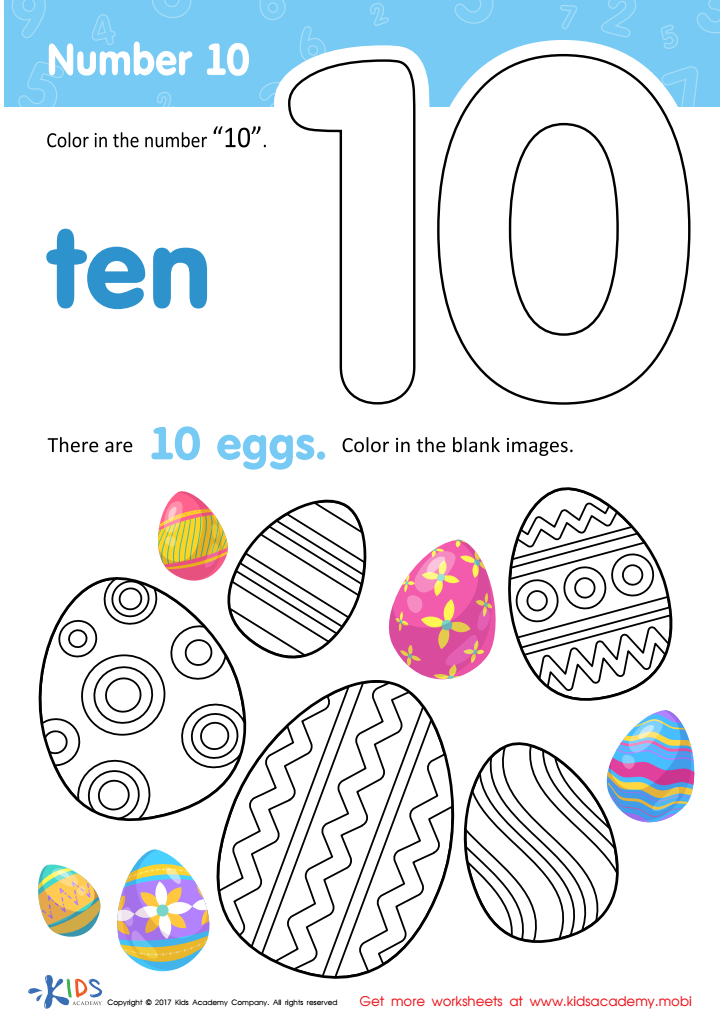
Number 10 Printable
 Assign to My Students
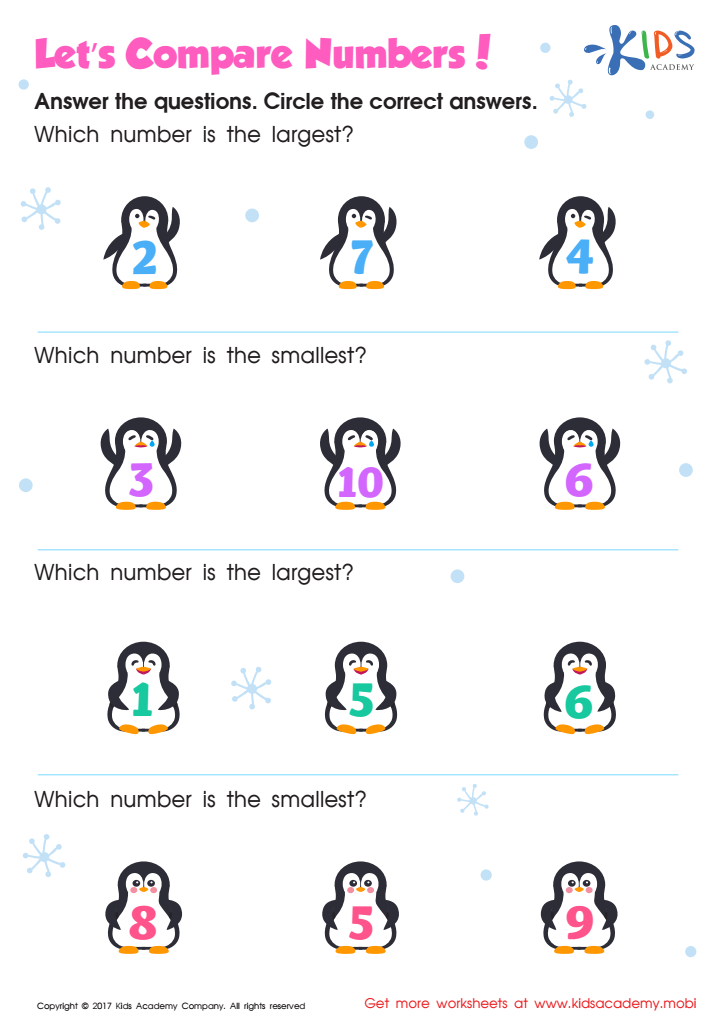
Comparing Numbers 1–10 Worksheet Kindergarten
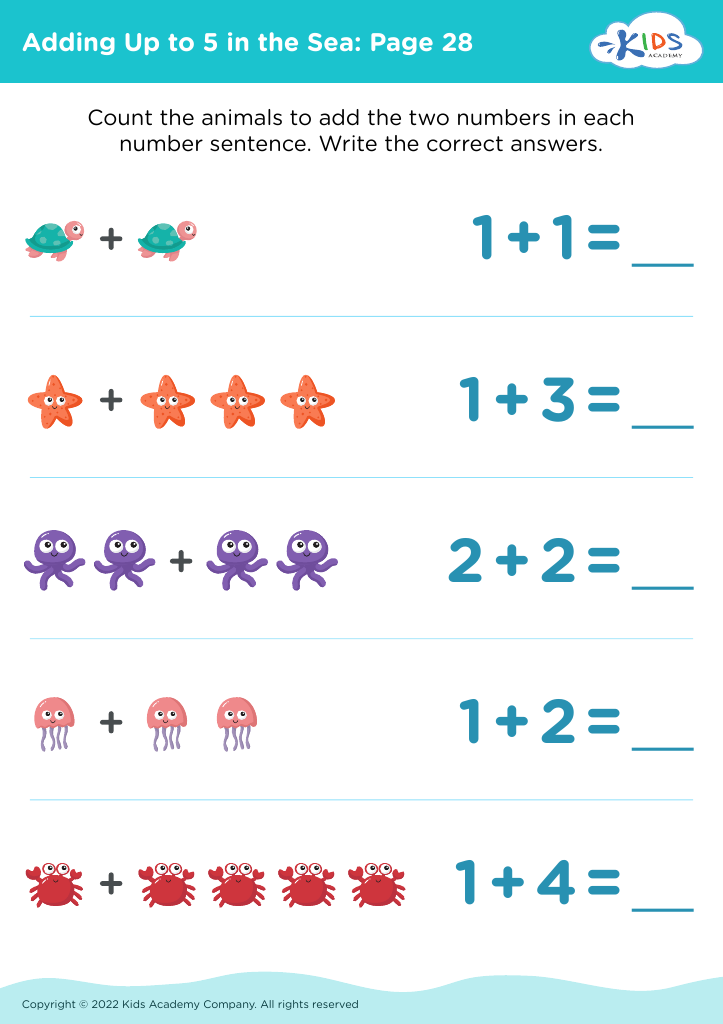
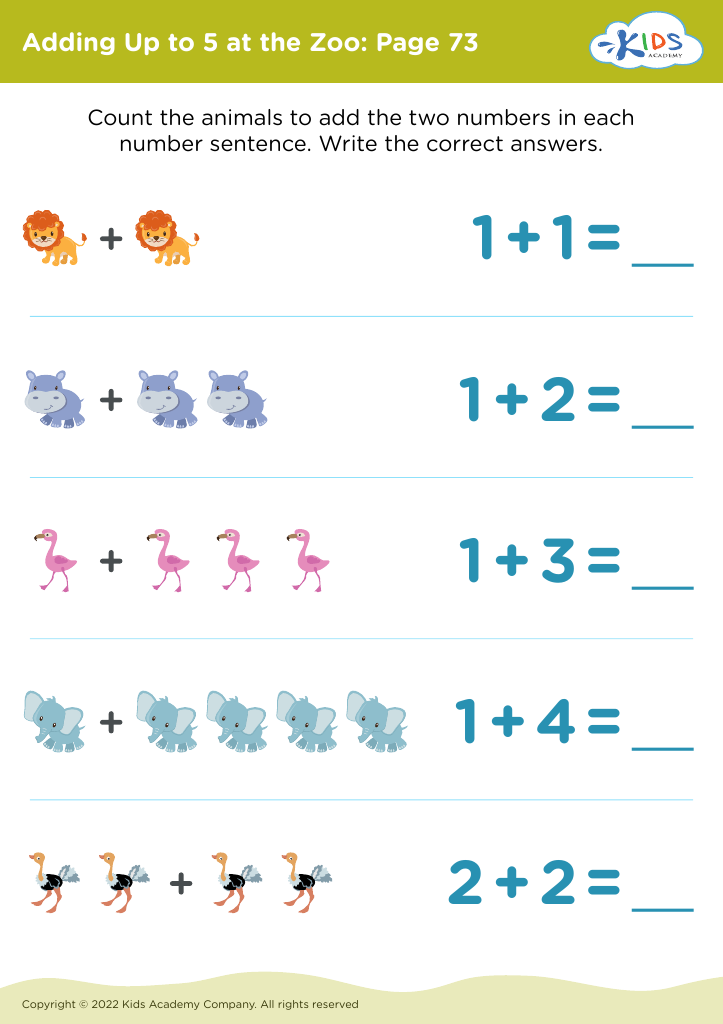
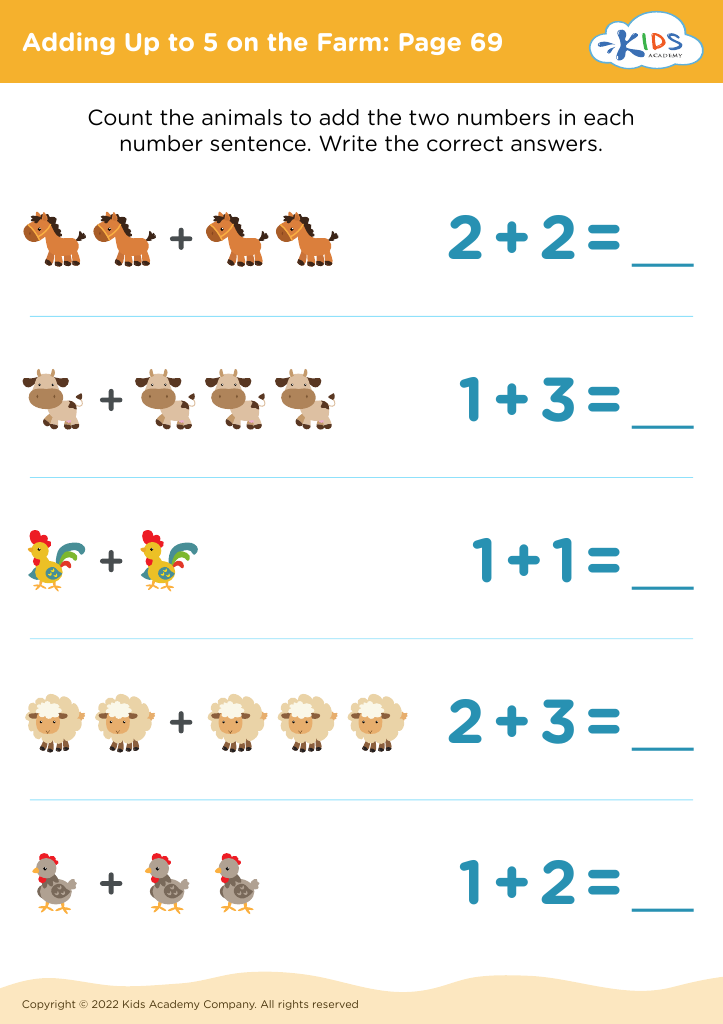
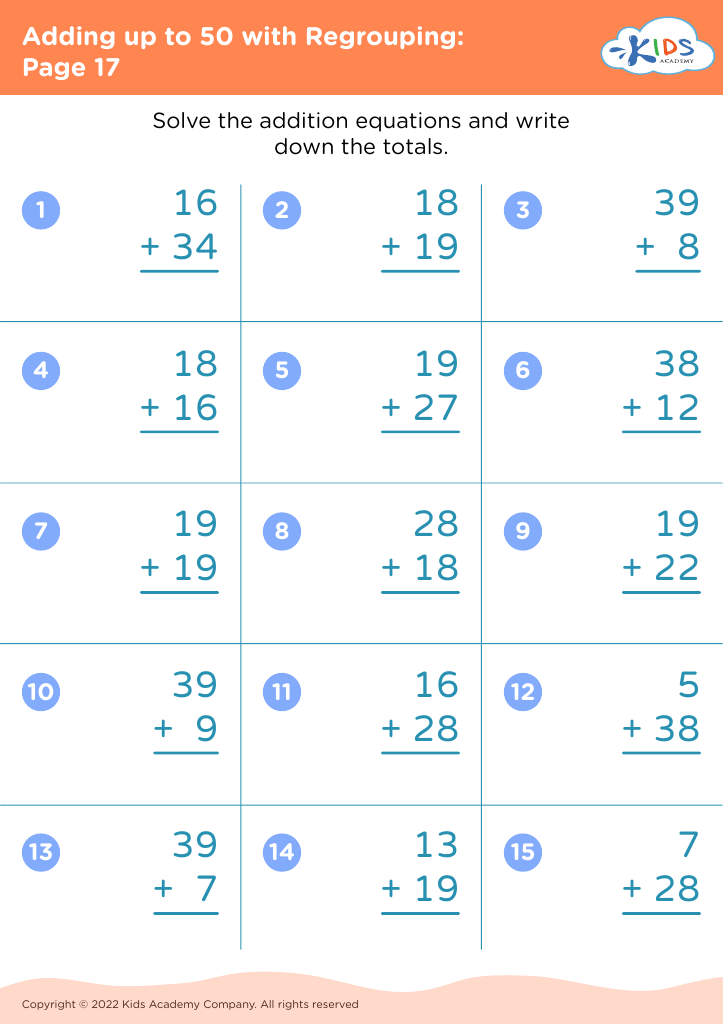
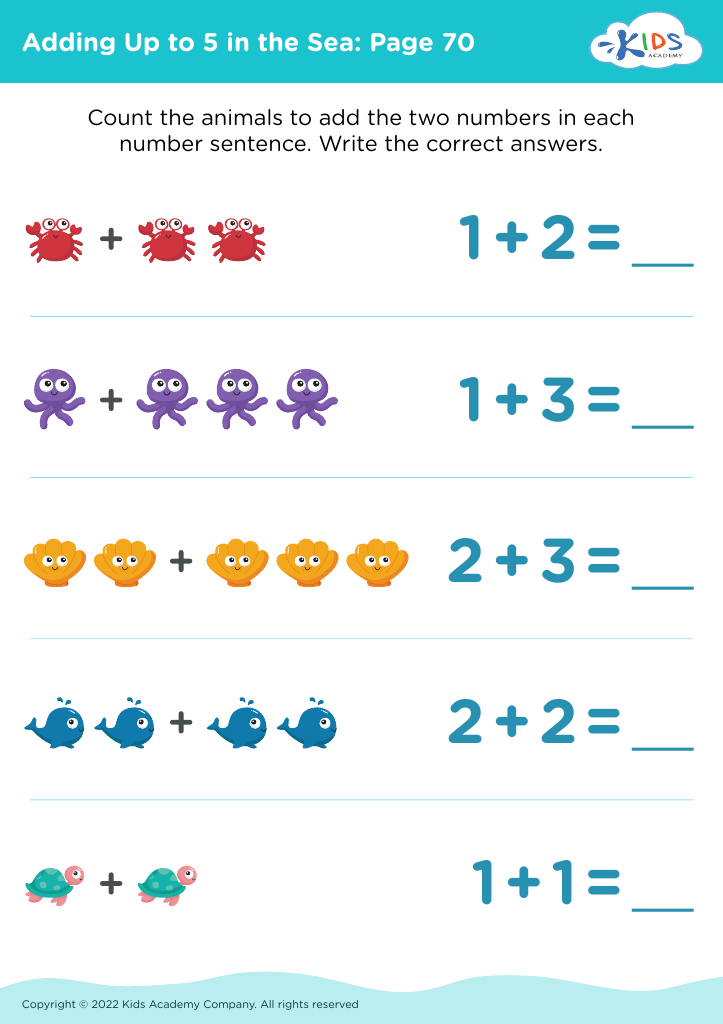





Understanding basic math concepts is crucial for children ages 4-7 as it forms the foundation for their future learning and cognitive development. At this young age, children are naturally curious, and engaging with math can enhance their problem-solving skills and critical thinking abilities. Early math education helps children recognize patterns, grasp the concept of numbers, and understand relationships—skills that are invaluable not just in math but in everyday life.
Moreover, research shows that early math skills are strong predictors of later academic success. Children who grasp foundational concepts often develop a positive attitude towards learning, which fosters a lifelong love for education. For parents and teachers, this period is an ideal time to introduce fun, interactive math activities such as counting games, measuring with cups during cooking, or exploring shapes in their environment.
Incorporating math into play helps demystify the subject, making it less intimidating. Parents and teachers can collaboratively support children by creating a rich learning environment that values math as an integral part of their everyday experiences. By nurturing early math understanding, we're helping children build their confidence and skills, paving the way for future academic achievements and positive attitudes towards learning.








