Introduce your child to the world of numbers with our engaging Counting Objects Math Worksheets for ages 4-7. Designed to capture young learners' interest, our worksheets help kids practice counting with a variety of fun, themed illustrations. These colorful and interactive activities develop foundational math skills through counting and recognition exercises. Perfect for both home and classroom settings, our worksheets align with early learning standards, giving your child a head start on their mathematical journey. Help your little one build confidence and mastery in counting as they enjoy each educational adventure. Download and print today to make learning fun.
Check out this FREE Trial Lesson on Math for age 4-7!

Z

Favorites
With answer key
Interactive
  • 4-7
  • Counting objects
  • Math
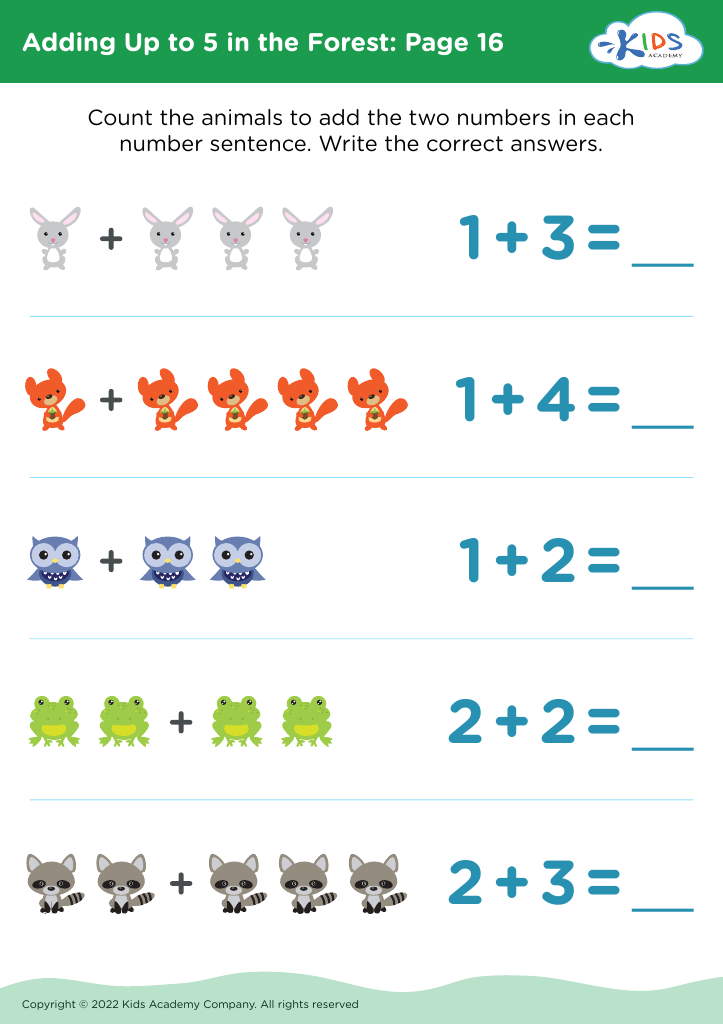
Adding Up to 5 in the Forest: Page 16
Worksheet
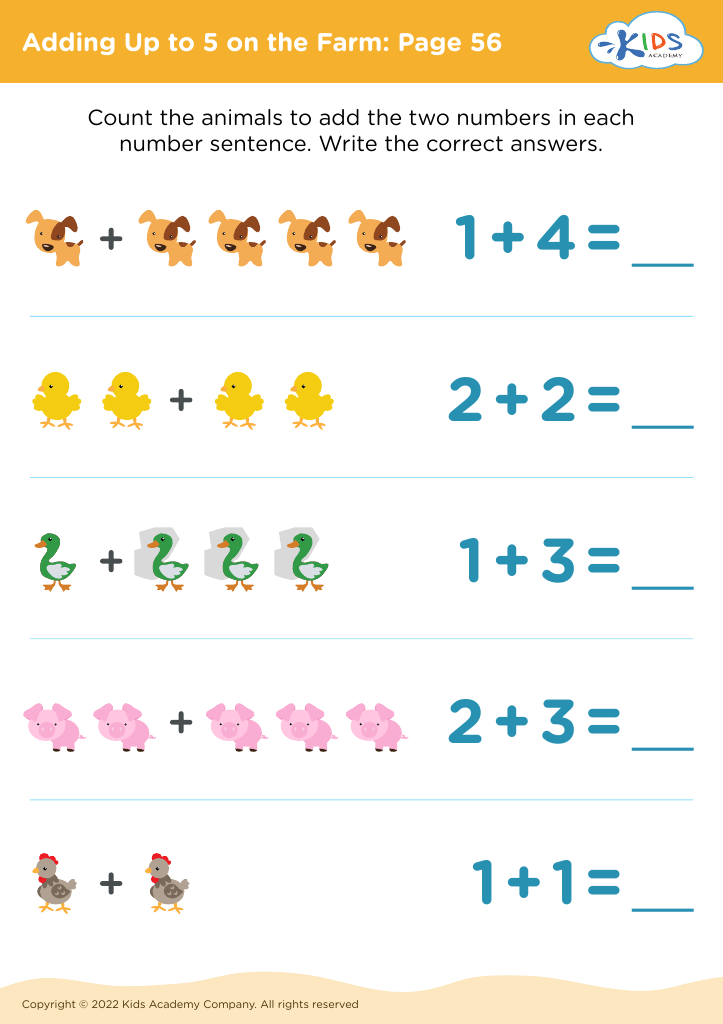
Adding Up to 5 on the Farm: Page 56
Worksheet
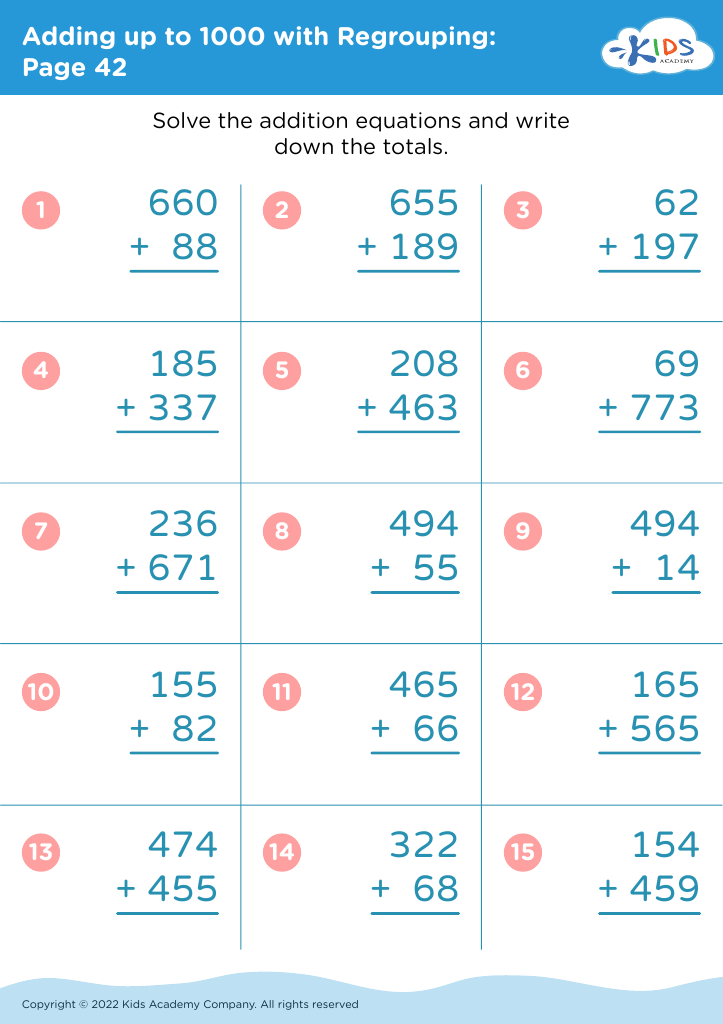
Adding up to 1000 with Regrouping: Page 42
Worksheet
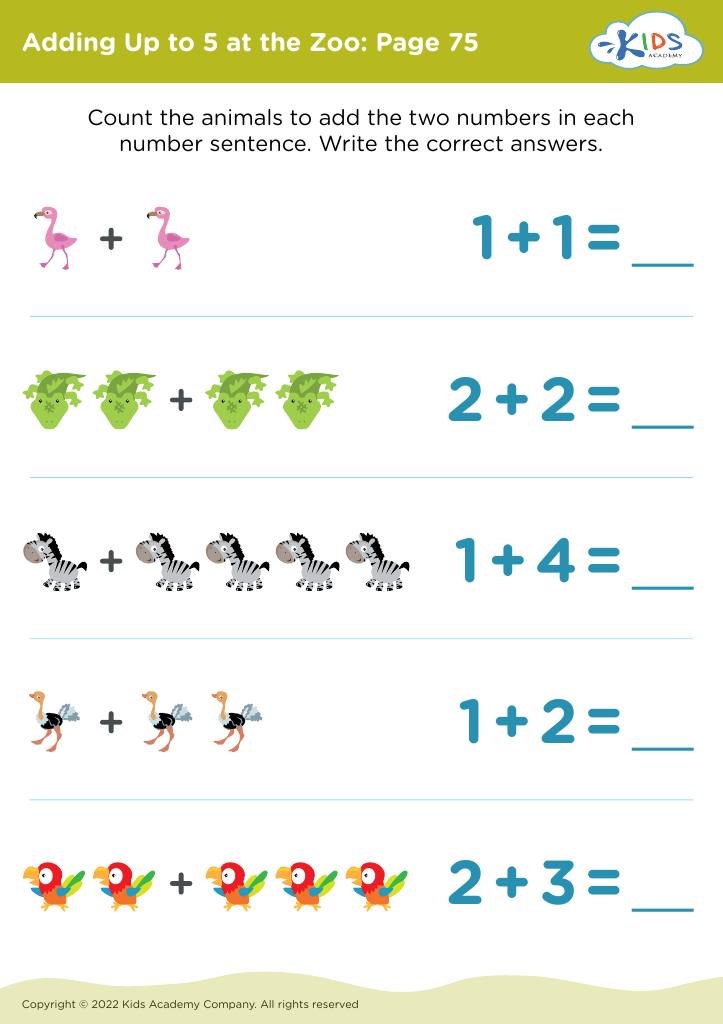
Adding Up to 5 at the Zoo: Page 75
Worksheet
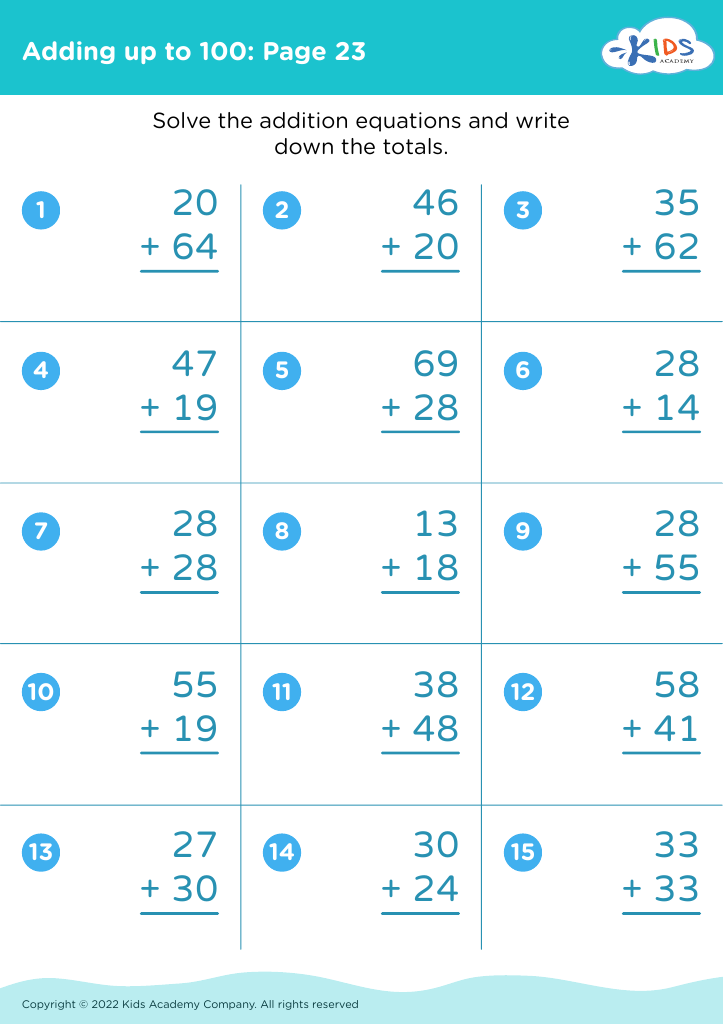
Adding up to 100: Page 23

Adding up to 100: Page 23

Adding up to 100: Page 23
Worksheet
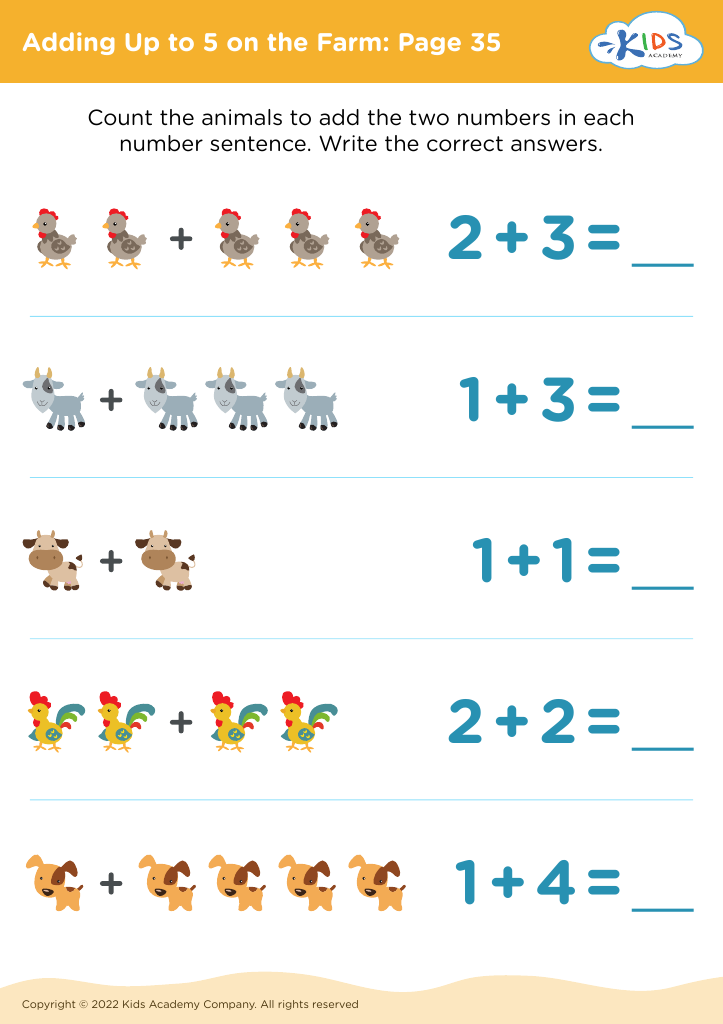
Adding Up to 5 on the Farm: Page 35
Worksheet
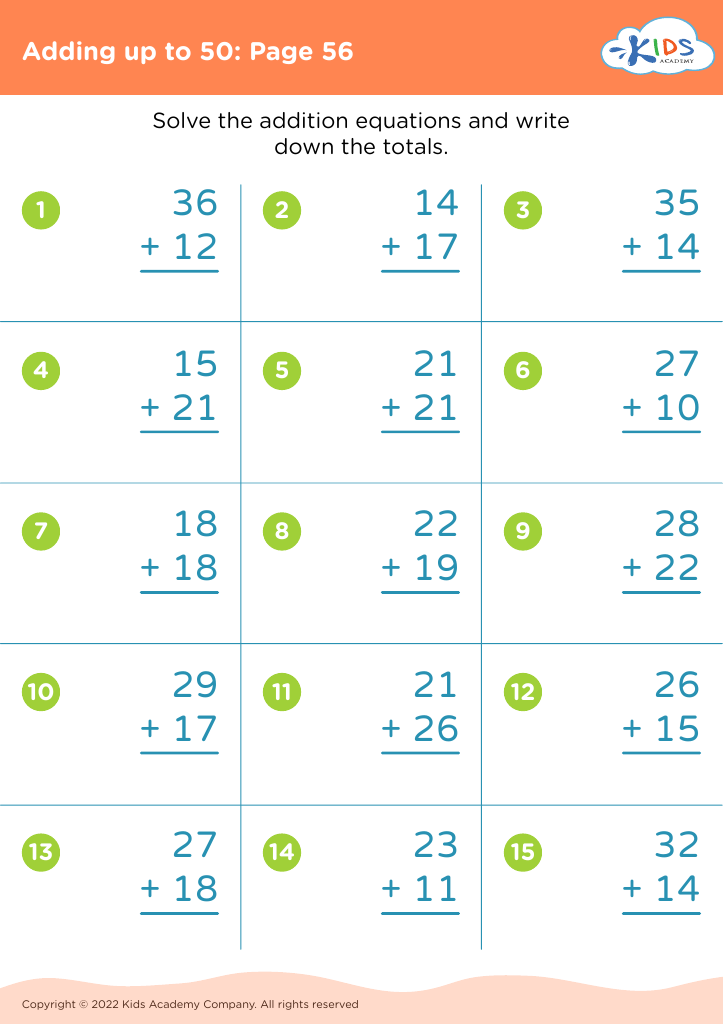
Adding up to 50: Page 56

Adding up to 50: Page 56

Adding up to 50: Page 56
Worksheet
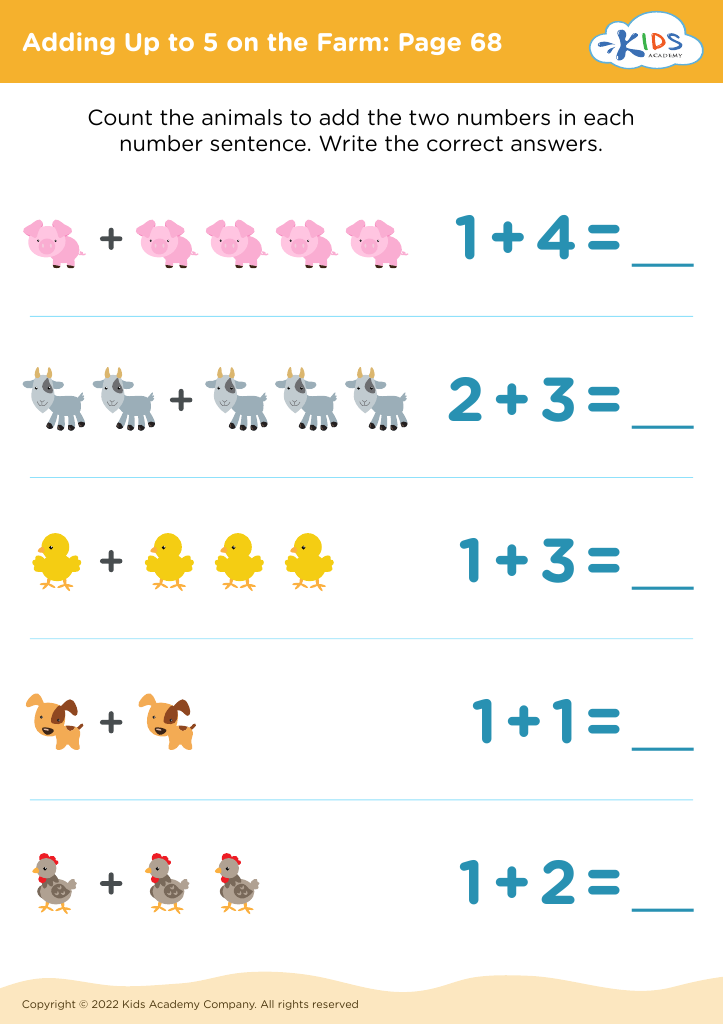
Adding Up to 5 on the Farm: Page 68
Worksheet
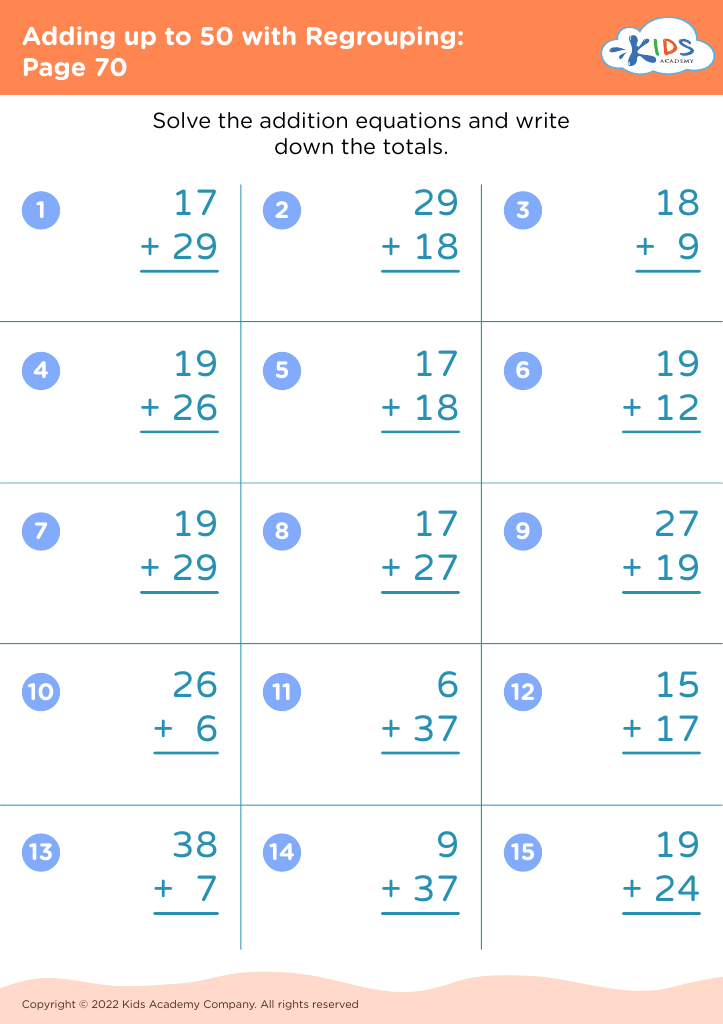
Adding up to 50 with Regrouping: Page 70
Worksheet
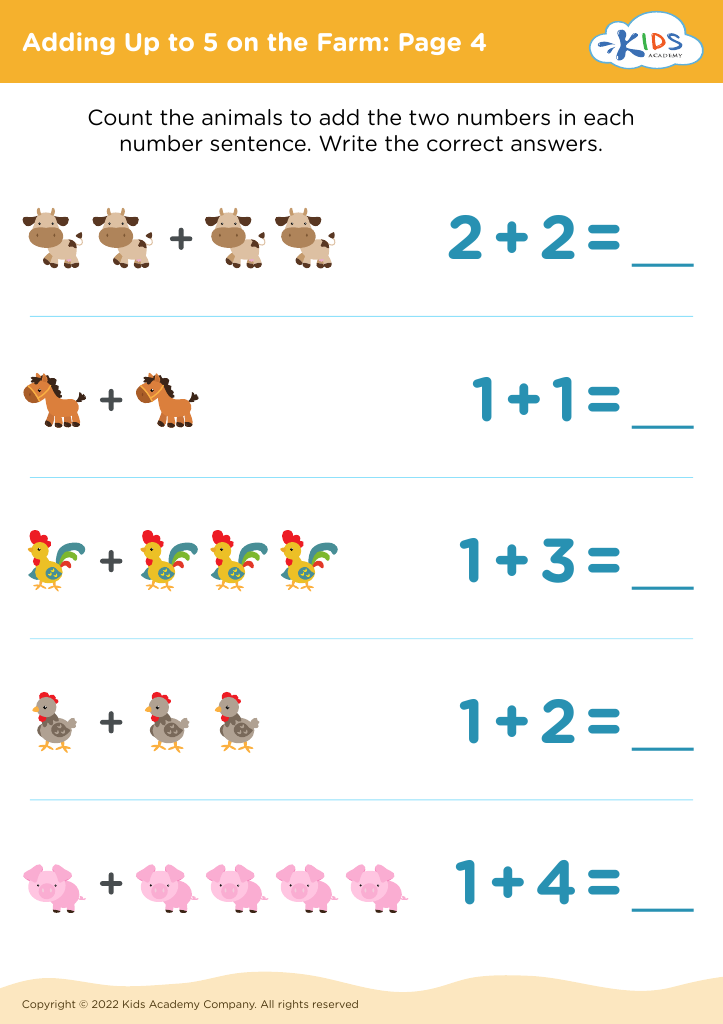
Adding Up to 5 on the Farm: Page 4
Worksheet
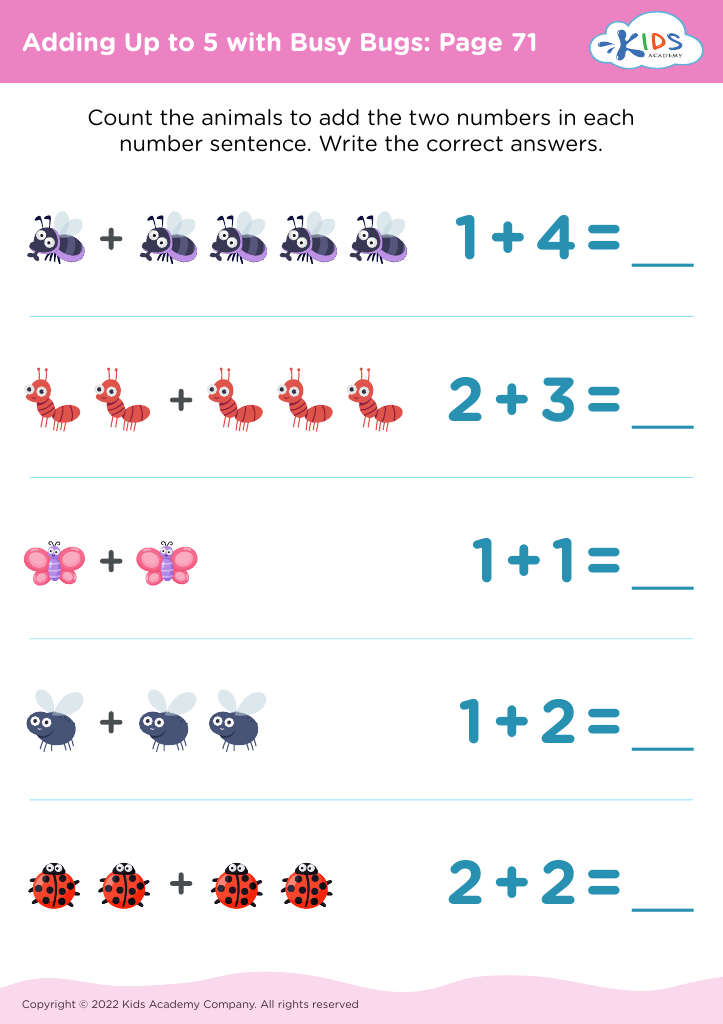
Adding Up to 5 with Busy Bugs: Page 71
Worksheet
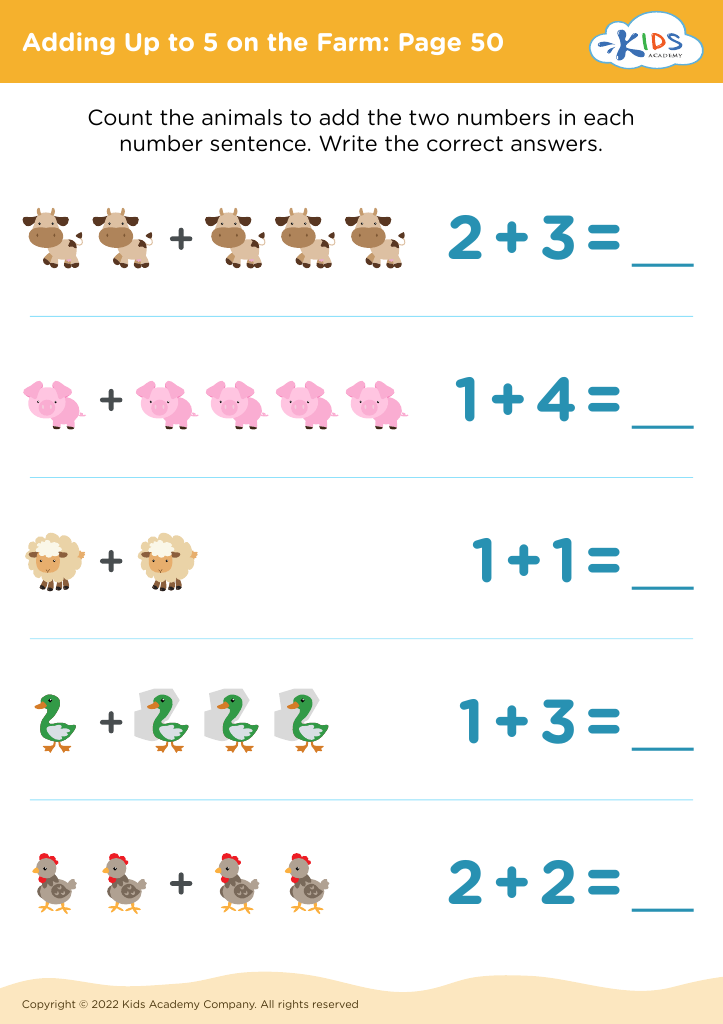
Adding Up to 5 on the Farm: Page 50
Worksheet
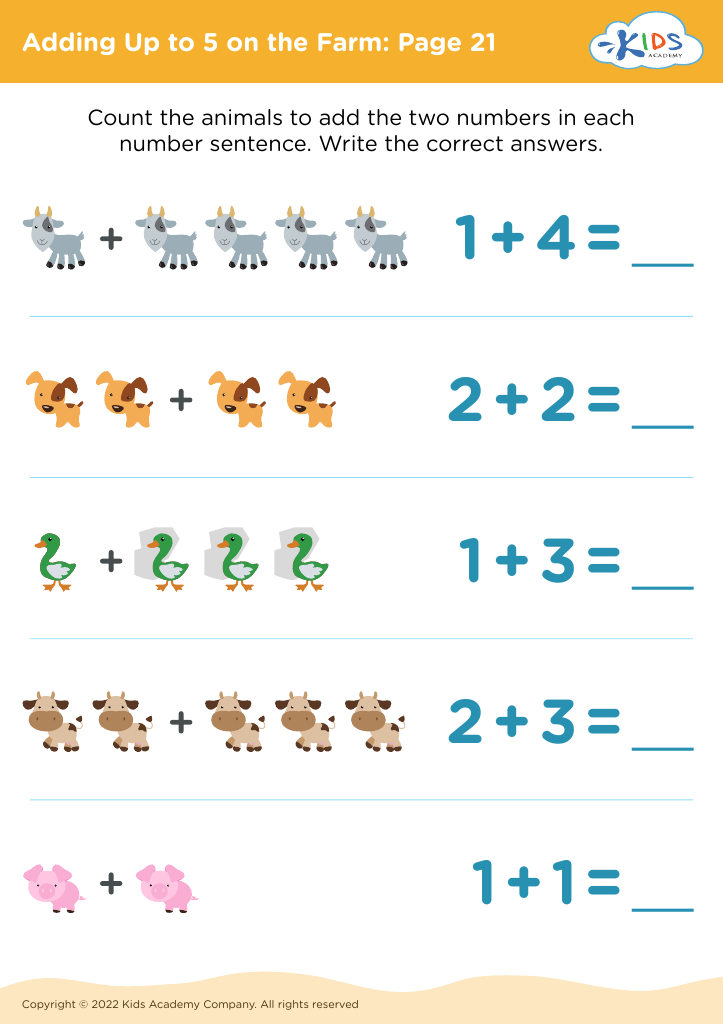
Adding Up to 5 on the Farm: Page 21
Worksheet
What's an Array? Worksheet

What's an Array? Worksheet

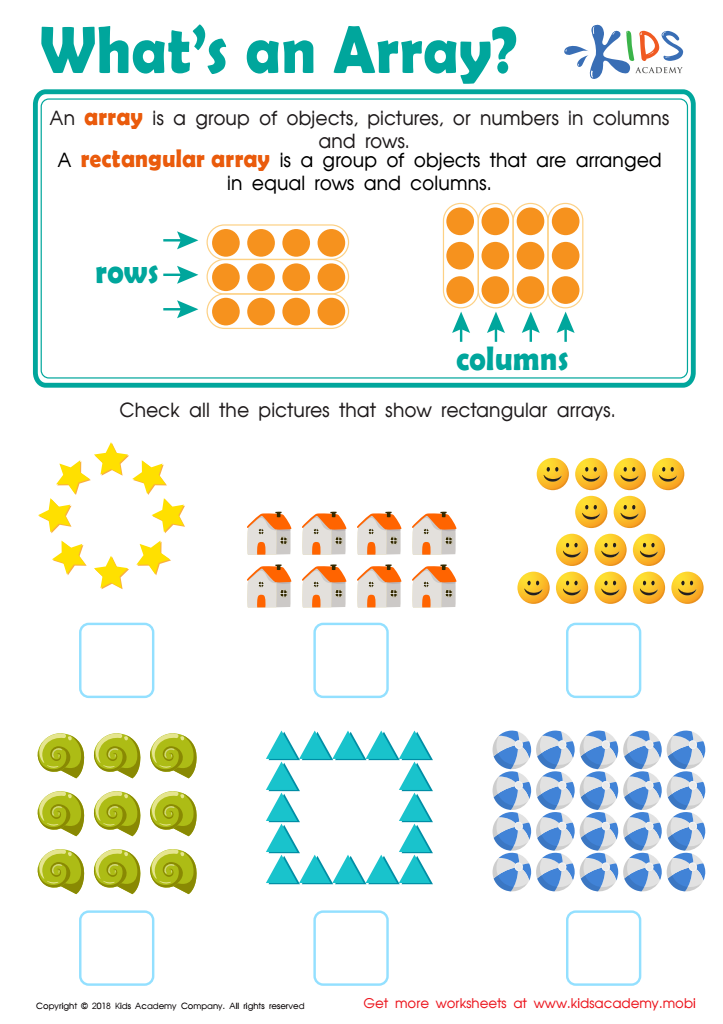
Explain to your child that an array is a group of objects, pictures, or numbers in columns and rows. Show them a rectangular array is a group of objects in equal rows and columns. Guide them to check the pictures in the worksheet to spot any rectangular arrays. Help them remember this concept.
What's an Array? Worksheet
Worksheet
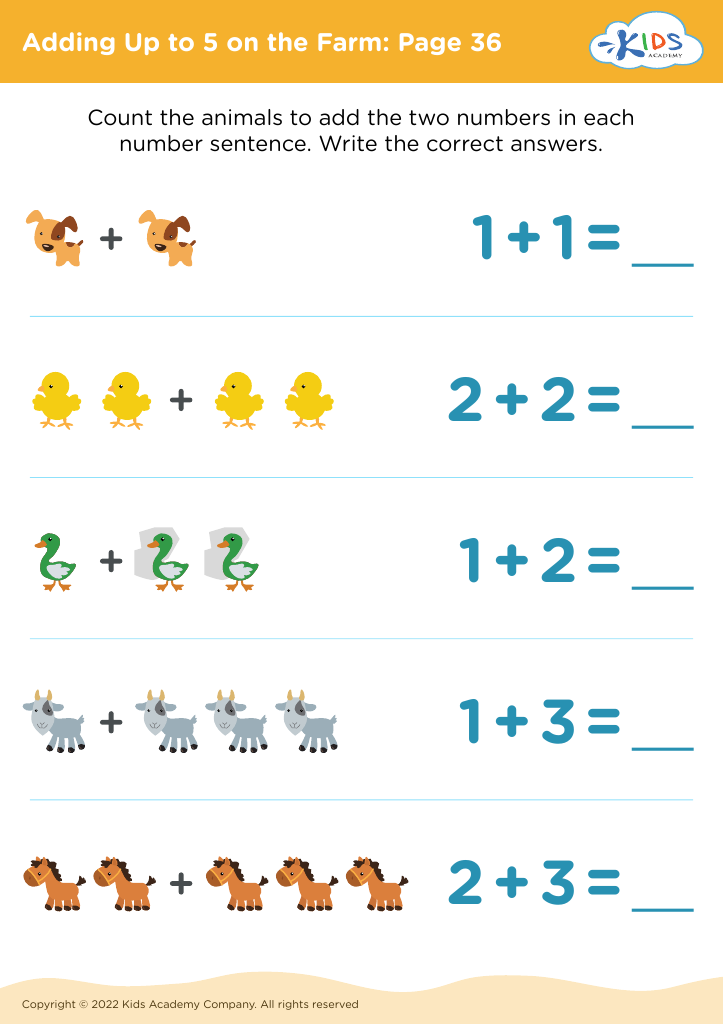
Adding Up to 5 on the Farm: Page 36
Worksheet
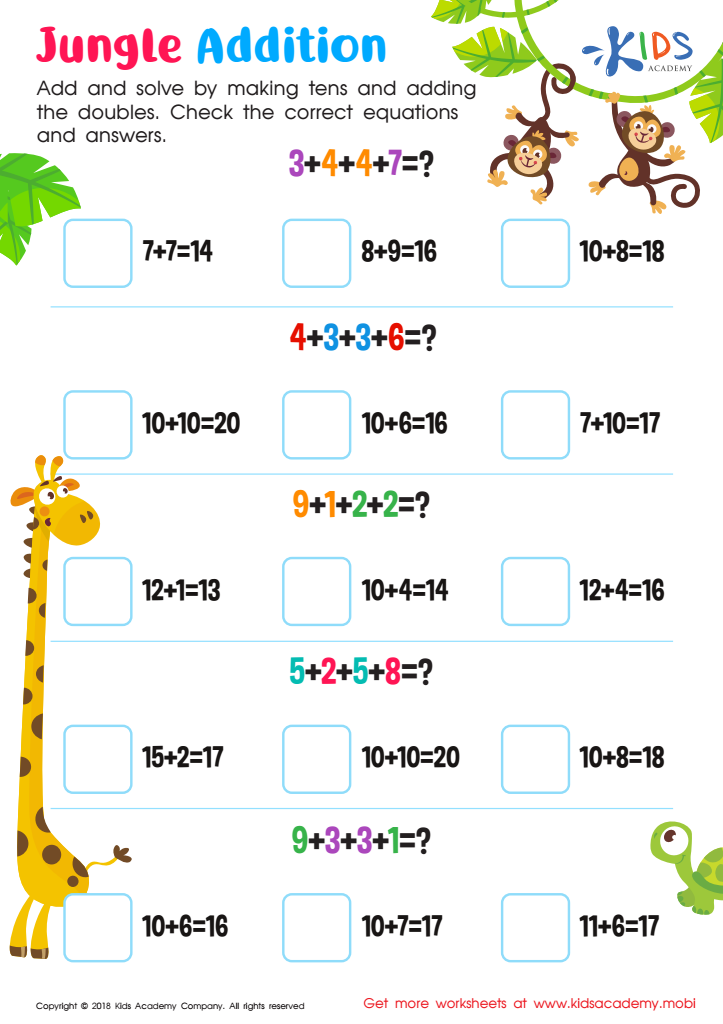
Jungle Addition Worksheet

Jungle Addition Worksheet

With this worksheet, kids can use the strategies of making tens and adding doubles to add numbers with more than three addends. They'll practice choosing the right method and become more confident in their calculations, enabling quicker, more efficient computation.
Jungle Addition Worksheet
Worksheet
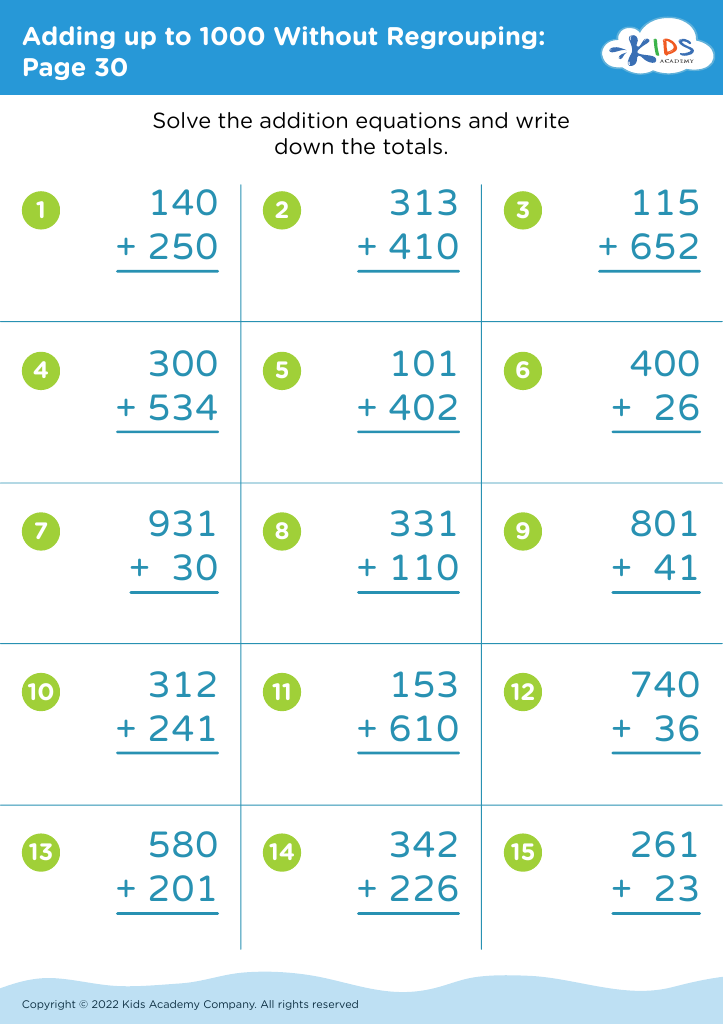
Adding up to 1000 Without Regrouping: Page 30
Worksheet
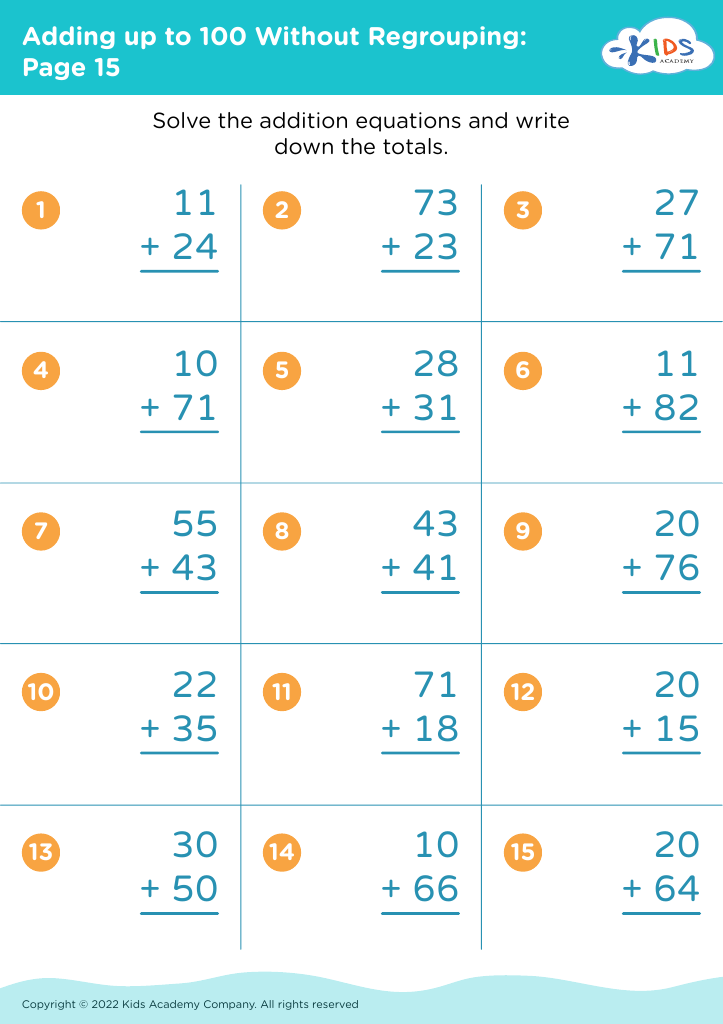
Adding up to 100 Without Regrouping: Page 15
Worksheet
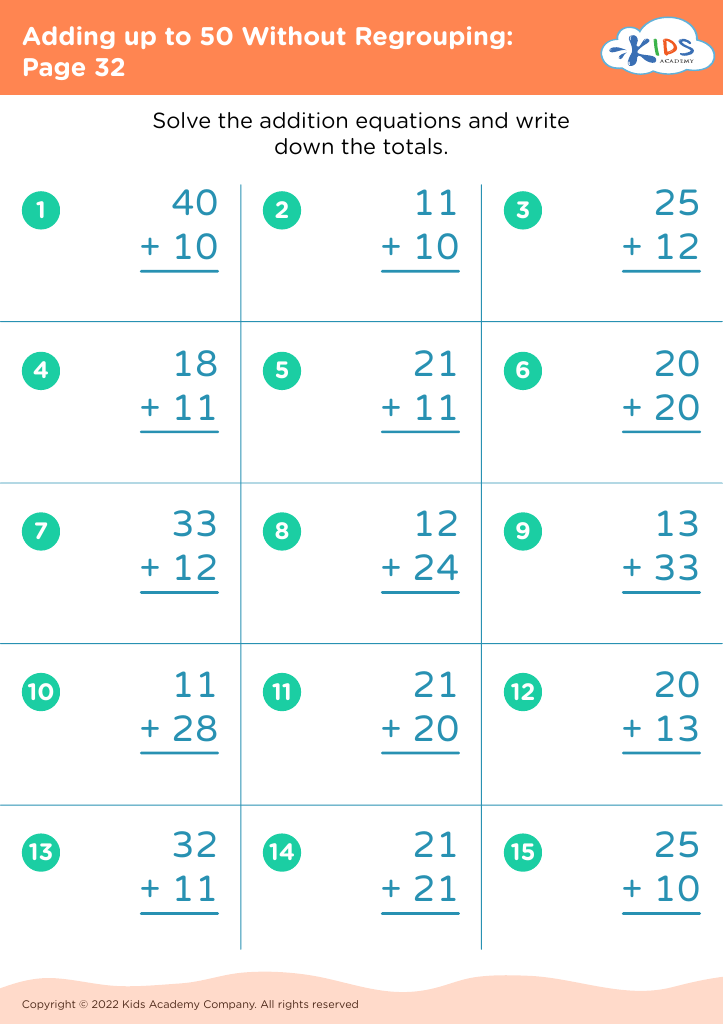
Adding up to 50 Without Regrouping: Page 32
Worksheet
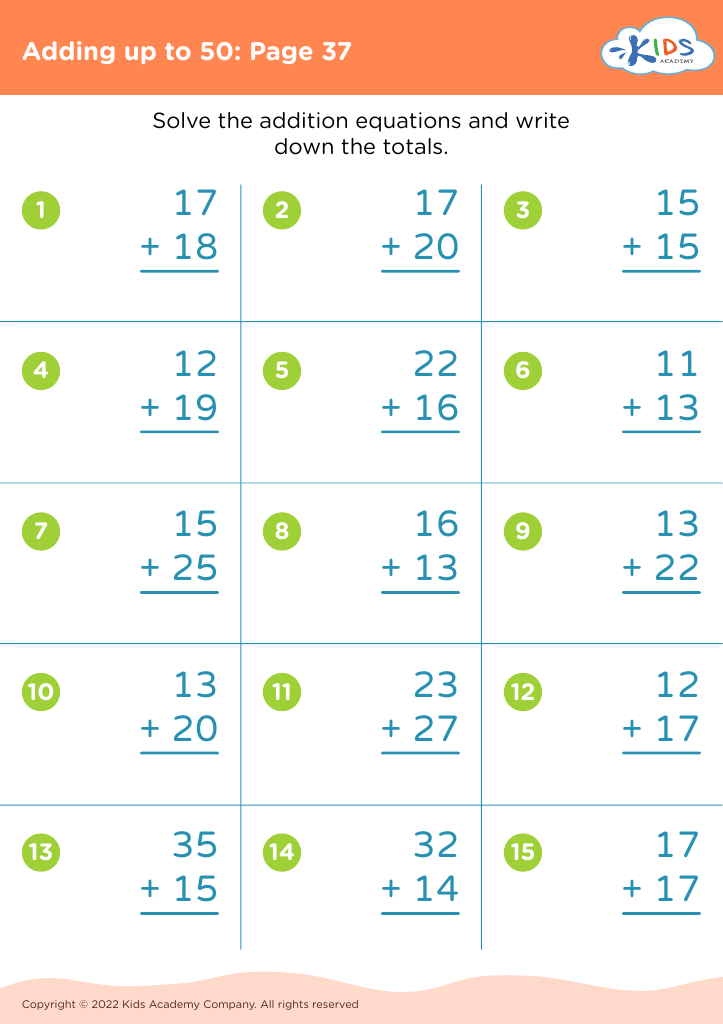
Adding up to 50: Page 37

Adding up to 50: Page 37

Adding up to 50: Page 37
Worksheet
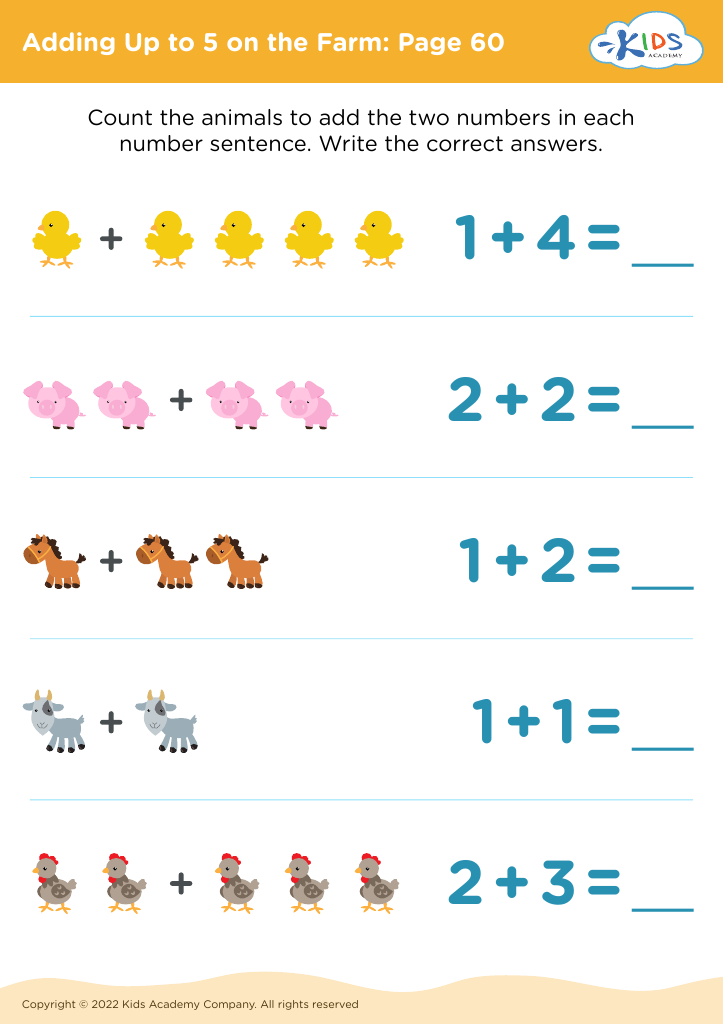
Adding Up to 5 on the Farm: Page 60
Worksheet


Counting objects is a foundational mathematical skill for children aged 4-7, crucial for their cognitive development. Parents and teachers should prioritize this practice because it helps to develop number sense, the basic understanding that numbers correspond to quantity. This skill is essential as it builds the groundwork for more complex math concepts, such as addition, subtraction, and later on, multiplication and division.

Moreover, counting objects enhances children’s ability to recognize patterns and sequences, which are critical thinking skills that apply to various aspects of learning and problem-solving. The act of counting also promotes fine motor skills, especially when children use their fingers or other small objects to keep track of counts.

Additionally, counting with physical objects helps make abstract concepts concrete. When children touch, move, and see items being counted, they can more easily grasp the idea of quantity and number relationships. This kinesthetic activity is particularly effective for young learners who naturally learn through play and hands-on activities.

In essence, focused engagement with counting objects equips children with vital skills in mathematical reasoning, prepares them for academic success, and bolsters their confidence in their ability to tackle problems. Thus, fostering an early interest and proficiency in counting can set a strong foundation for future learning and everyday life skills.