Develop analytical thinking Math Worksheets for Ages 4-7
3 filtered results
-
From - To
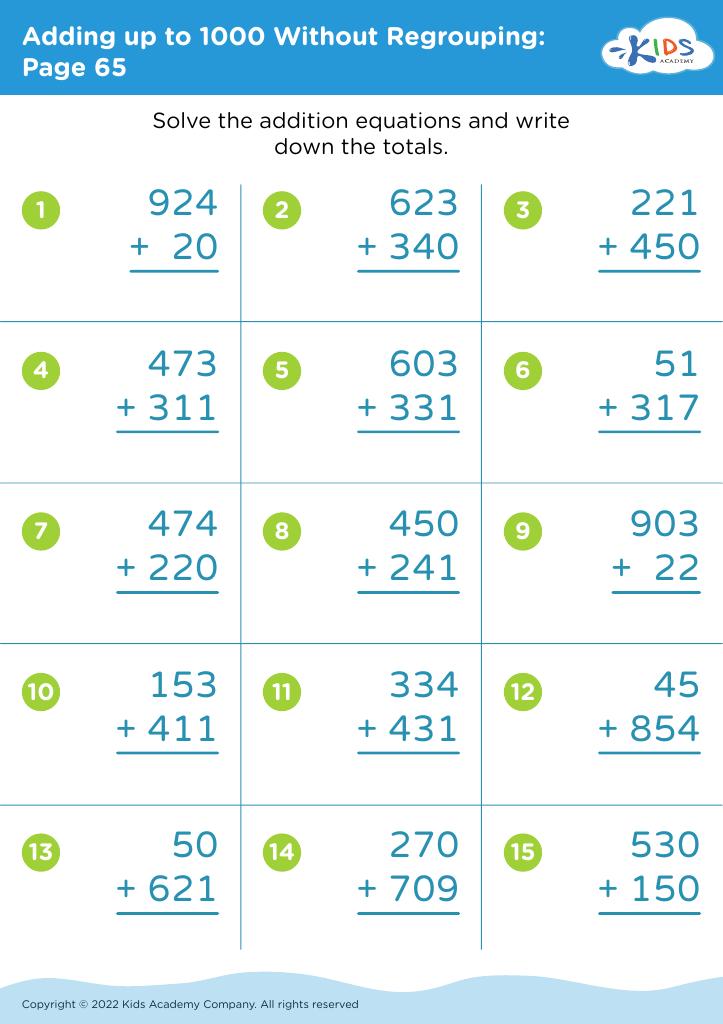
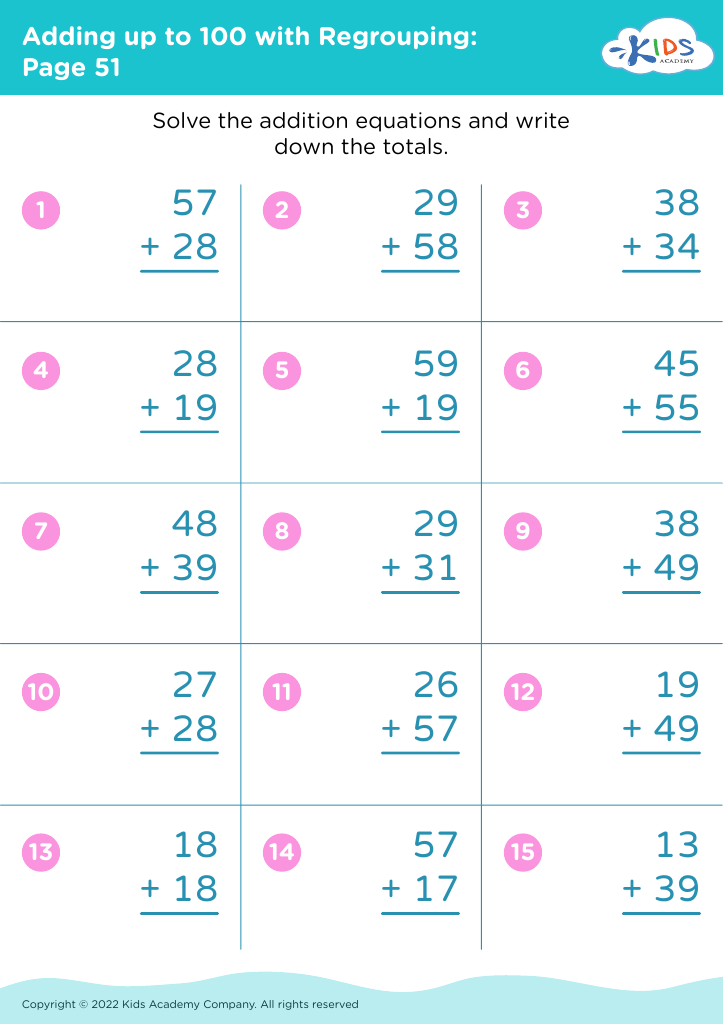
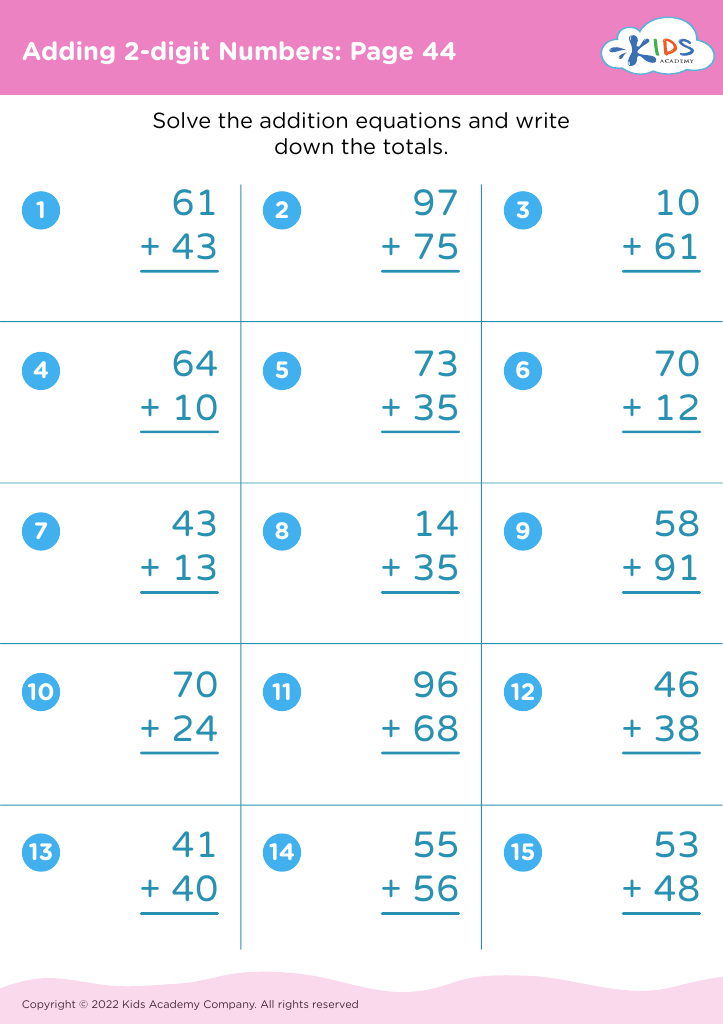
Welcome to our "Develop Analytical Thinking Math Worksheets for Ages 4-7" collection! Designed specifically for young learners, these printable worksheets introduce foundational math concepts through engaging and age-appropriate activities. Our expertly crafted exercises help children hone their problem-solving and critical-thinking skills while making math fun and accessible. Each worksheet encourages kids to explore patterns, relationships, and logical reasoning, reinforcing essential analytical thinking skills crucial for their academic journey. Perfect for home or classroom use, these resources support parents and educators in fostering young minds. Start your child’s math adventure today and watch their analytical abilities flourish!


.jpg)





Developing analytical thinking in math for children aged 4-7 is crucial because it lays a strong foundation for future academic success and practical life skills. During these formative years, children's brains are highly adaptable, making it an ideal time to introduce critical thinking concepts. Analytical thinking in math helps children to not only understand numbers and operations but also to recognize patterns, make connections, and solve problems creatively.
Firstly, early exposure to analytical thinking enhances cognitive development. It promotes logical reasoning and enables children to approach problems methodically. This, in turn, improves their ability to tackle complex tasks both in and out of the classroom. Strong analytical skills are linked with better outcomes in many subjects, as students apply structured thinking to understand and solve problems.
Secondly, building analytical thinking at a young age instills confidence. When children successfully solve problems or understand difficult concepts, it boosts their self-esteem. This encourages a positive attitude towards learning and challenges, fostering a lifelong love of inquiry and discovery.
Finally, these early math skills are practical. Everyday tasks such as counting, measuring, or even organizing toys benefit from analytical thinking. Parents and teachers who prioritize these skills provide children with tools to navigate their world effectively, making everyday life easier, richer, and more engaging. In sum, fostering analytical math skills early equips children with critical tools for both school and life, empowering them for future success.








