Develop counting skills Math Worksheets for Ages 4-7
6 filtered results
-
From - To
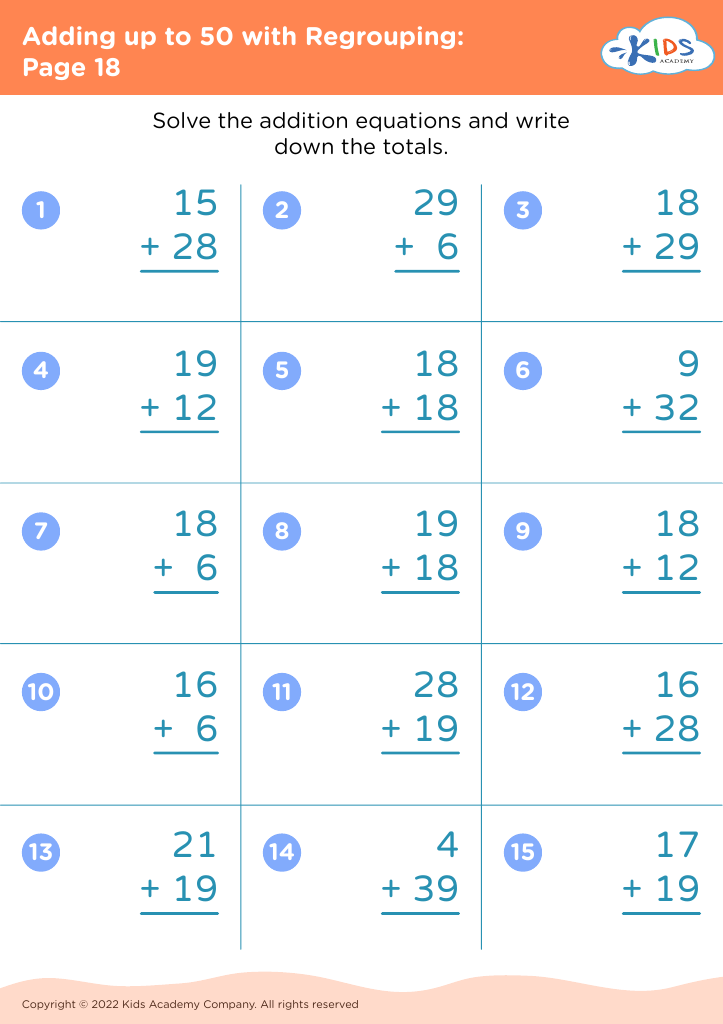
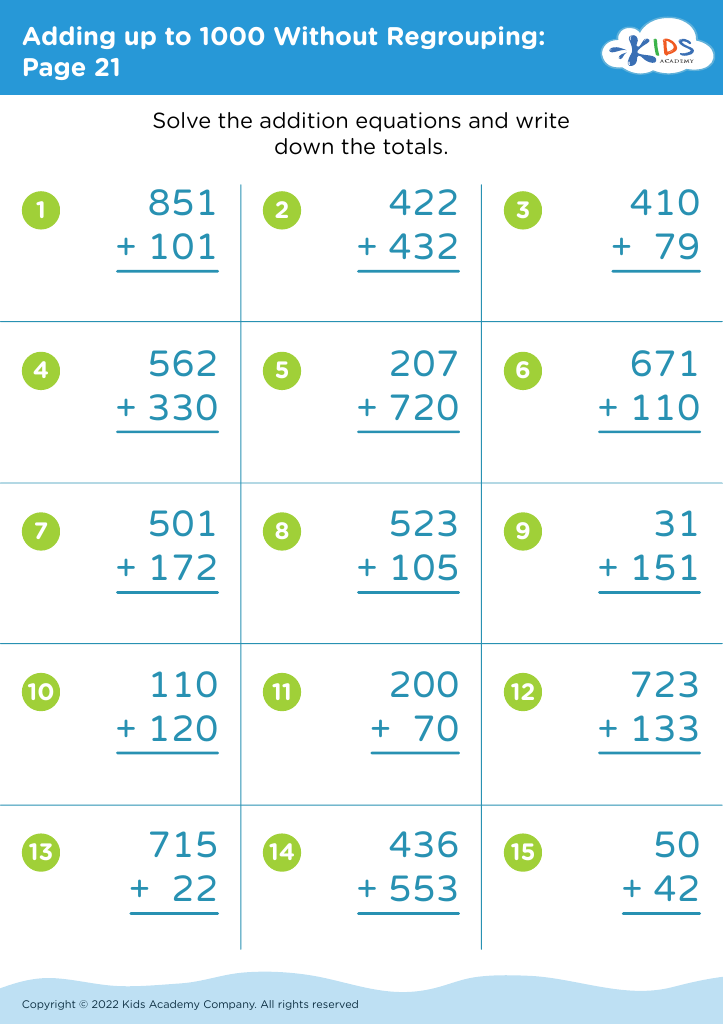
Introducing engaging and educational Develop Counting Skills Math Worksheets for Ages 4-7, designed to foster a strong mathematical foundation in young learners. Our expertly crafted worksheets help children build essential counting skills through fun, interactive activities. From counting colorful objects to simple addition and subtraction exercises, each worksheet captivates and challenges young minds, laying the groundwork for future math success. Perfect for preschool to early primary school ages, these worksheets support learning at home or in the classroom, making math enjoyable and accessible. Start your child's numerical journey with confidence using our comprehensive counting worksheets.
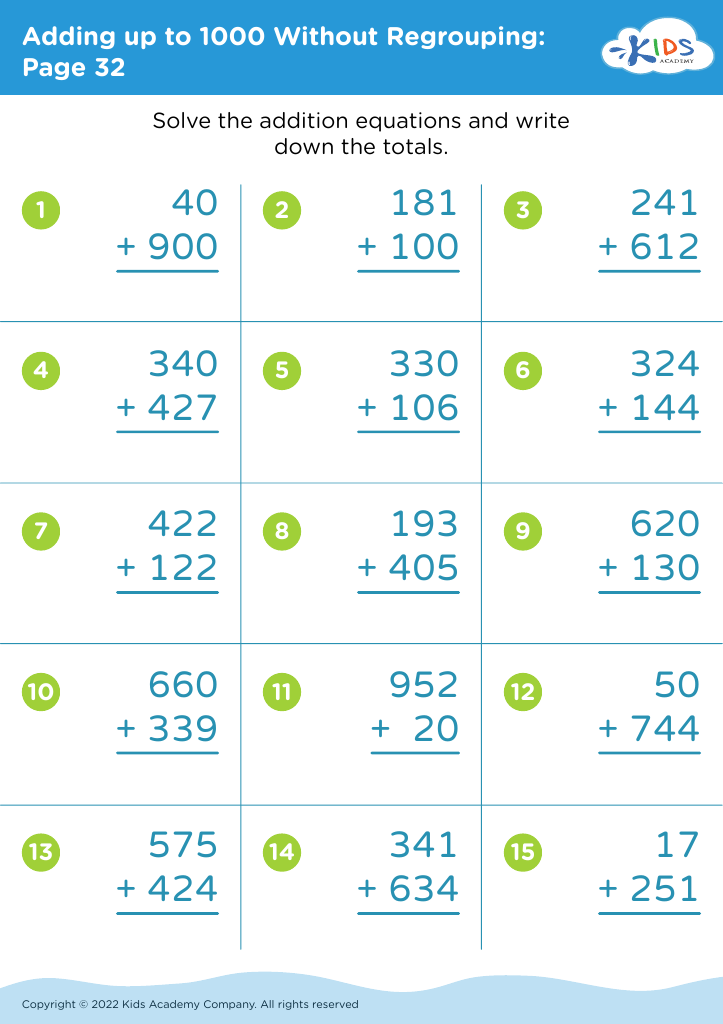
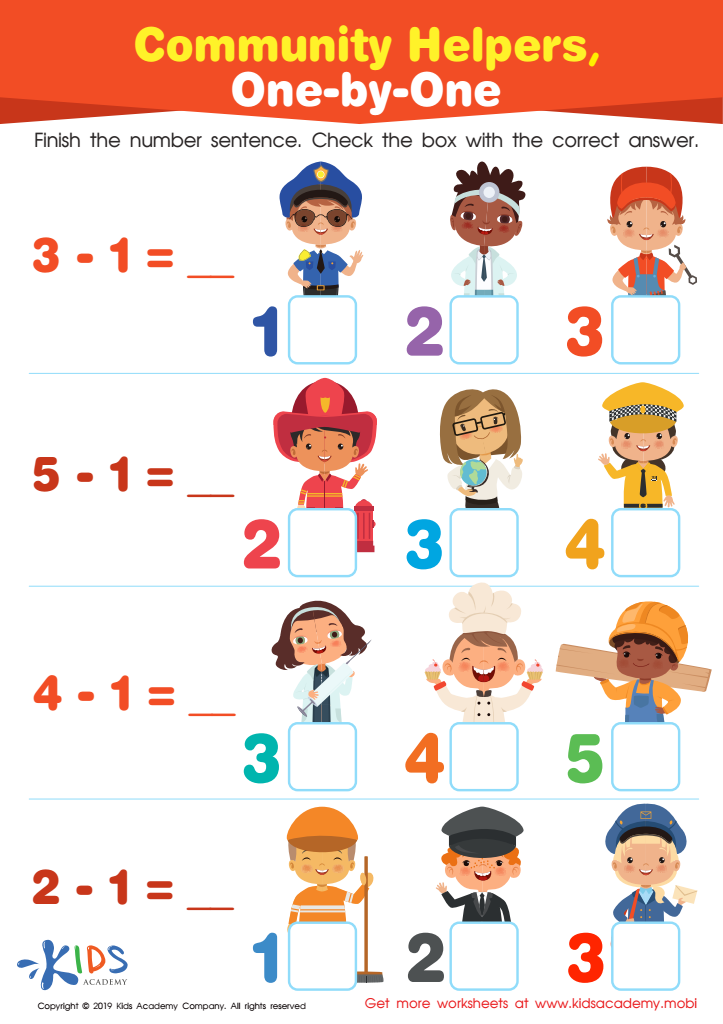
Community Helpers, One-by-One Worksheet
 Assign to My Students
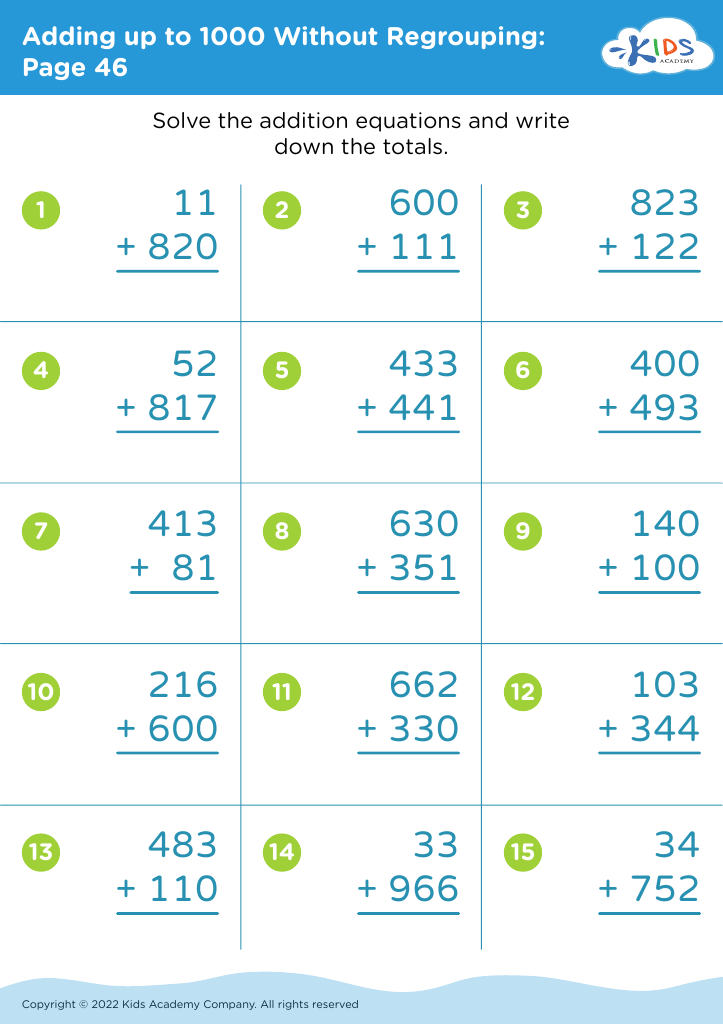
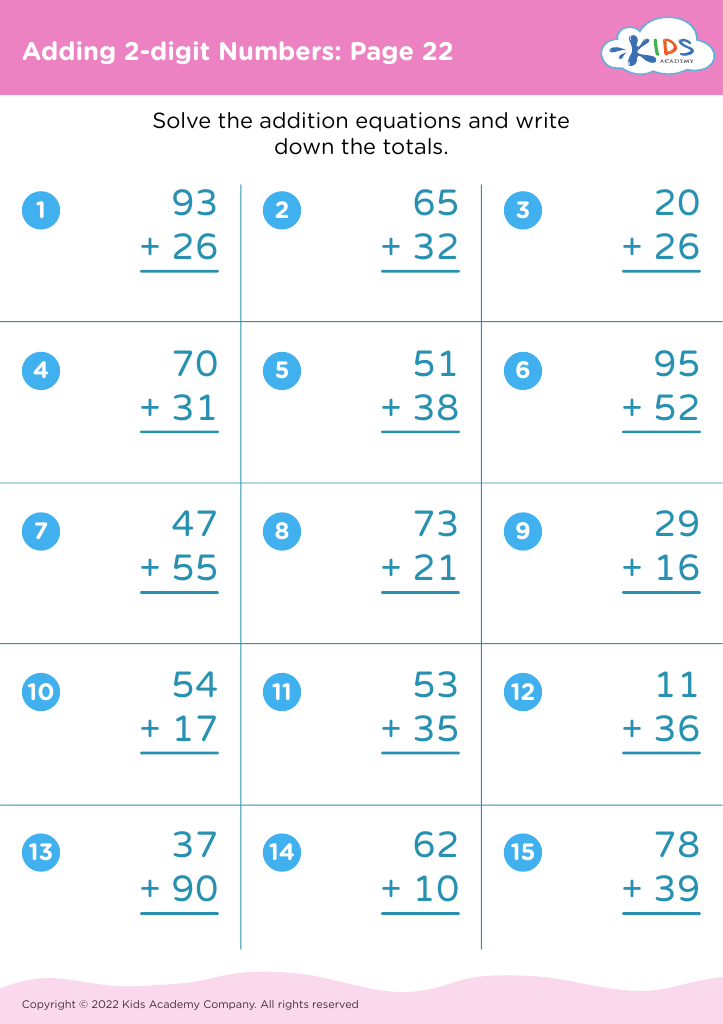








Counting skills are foundational for young children because they form the backbone of mathematical understanding and overall cognitive development. From ages 4-7, children transition from recognizing basic numbers to understanding their value and application in various contexts. Parents and teachers should prioritize developing these skills for several key reasons.
First, counting is integral to everyday tasks and problem-solving. Children learn to count objects, understand quantities, and make decisions based on numerical information, skills essential for daily life and future academic success. Teachers might use counting within stories, snacks, or play activities, creating an immersive learning environment that extends beyond the math classroom.
Second, early mastery of counting builds confidence and a positive attitude towards mathematics. When children feel competent in counting, it forms a strong, enjoyable foundation for more complex math concepts like addition, subtraction, and even multiplication. Regular, positive reinforcement of counting can reduce math anxiety, which is crucial for continuous learning and curiosity.
Finally, counting skills support broader cognitive abilities, such as memory, pattern recognition, and logical thinking. These skills overlap with literacy and critical thinking, bolstering overall educational growth. Thus, fostering counting skills is not just about math; it's about nurturing a child's ability to think, reason, and comprehend the world around them.








