Identifying objects Math Worksheets for Ages 4-7
3 filtered results
-
From - To
Enhance your child's math skills with our engaging Identifying Objects Math Worksheets designed specifically for ages 4-7. These worksheets aim to teach young learners to identify and categorize various objects through fun and interactive exercises. Perfect for early education, each worksheet promotes critical thinking, visual recognition, and basic counting skills, making learning enjoyable and effective. Whether at home or in the classroom, our resources support your child's growth and understanding of mathematics in a playful manner. Explore the diverse range of worksheets to help your little ones pave their way to mathematical confidence and readiness! Dive in and watch them thrive!
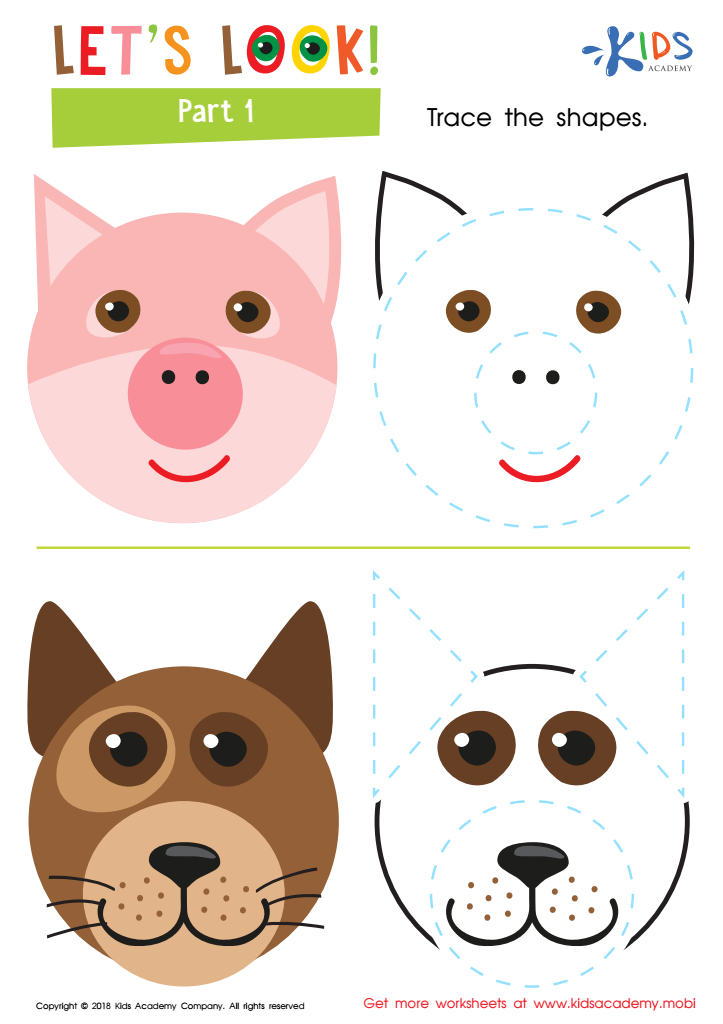
Let's Look! Part 1 Worksheet
 Assign to My Students
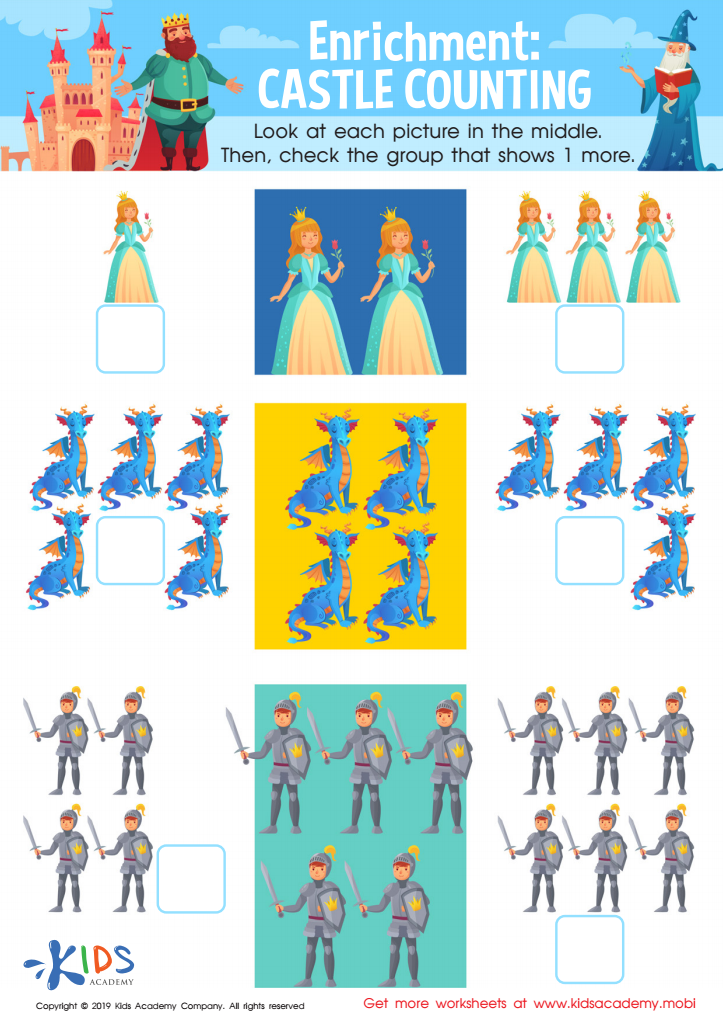
Enrichment: Castle Counting Worksheet
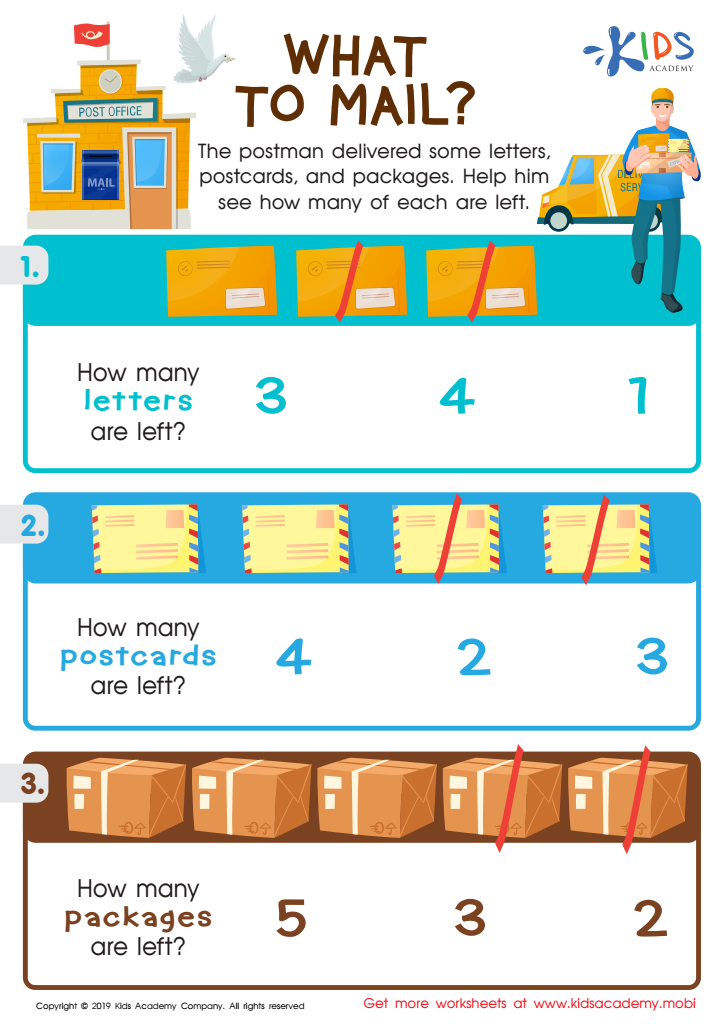
What to Mail? Worksheet





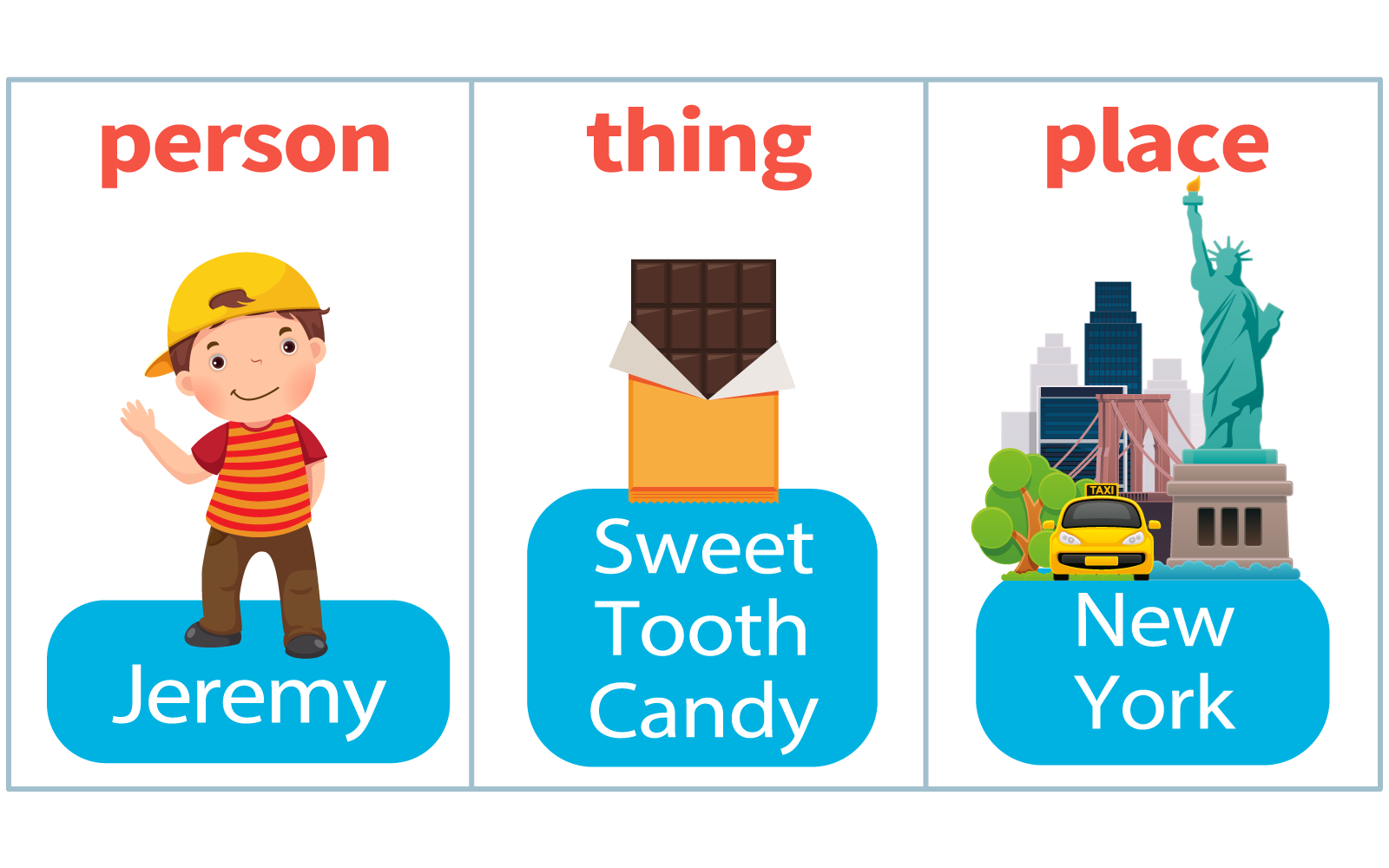


Identifying objects is a crucial math concept for children ages 4-7, as it lays the foundation for essential cognitive skills. At this developmental stage, children are naturally curious and eager to explore the world around them, making it an ideal time to engage them in identifying shapes, sizes, and colors of objects. This task enhances their observational skills, helping them to categorize and differentiate between various items, which are fundamental skills in math and science.
Parents and teachers should care about this because it fosters critical thinking and problem-solving abilities. Identifying objects paves the way for understanding more complex mathematical concepts, such as counting, sorting, and measuring. Moreover, engaging in these activities makes learning enjoyable and meaningful, priming children for a positive attitude toward math in the future.
Furthermore, incorporating real-world objects into math lessons makes the learning experience relevant and applicable. It promotes hands-on learning, allowing children to gain practical experiences that reinforce their understanding. By supporting children in identifying objects, parents and teachers help build a strong math foundation that contributes not only to academic success but also to emerging life skills such as organization, classification, and analytical thinking. Ultimately, investing in these skills sets the groundwork for lifelong learning.








