Mental math development Math Worksheets for Ages 4-7
3 filtered results
-
From - To
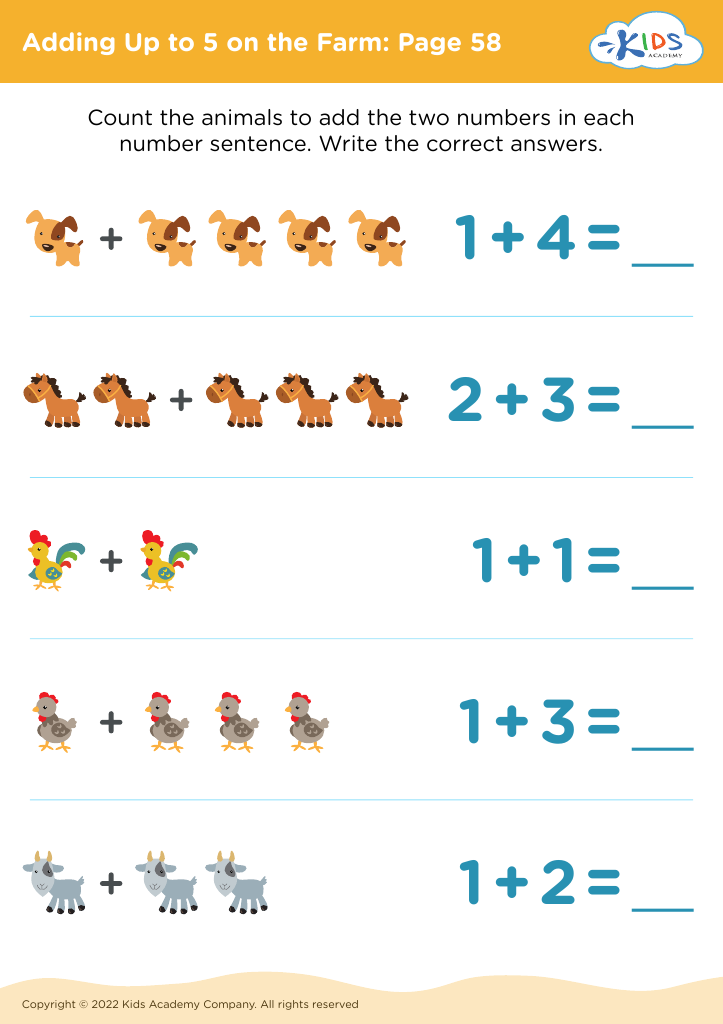
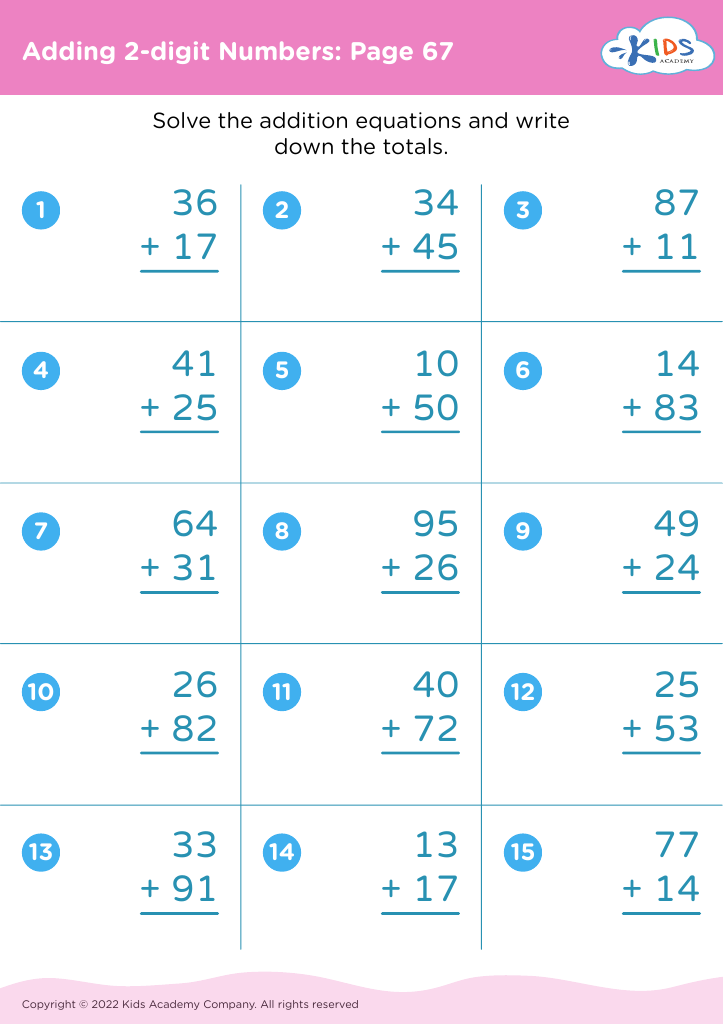
Enhance your child's math skills with our engaging Mental Math Development Worksheets for ages 4-7! Designed to boost confidence and foster a love for numbers, these resources provide fun and interactive exercises that support early arithmetic concepts. Children will practice essential skills like addition, subtraction, and number recognition through vibrant activities that encourage problem-solving and critical thinking. Our worksheets are easy to understand and perfect for homeschool or classroom settings. Watch your little learners develop their mental math abilities while having fun. Start their math journey today with our thoughtfully crafted worksheets that make learning enjoyable!
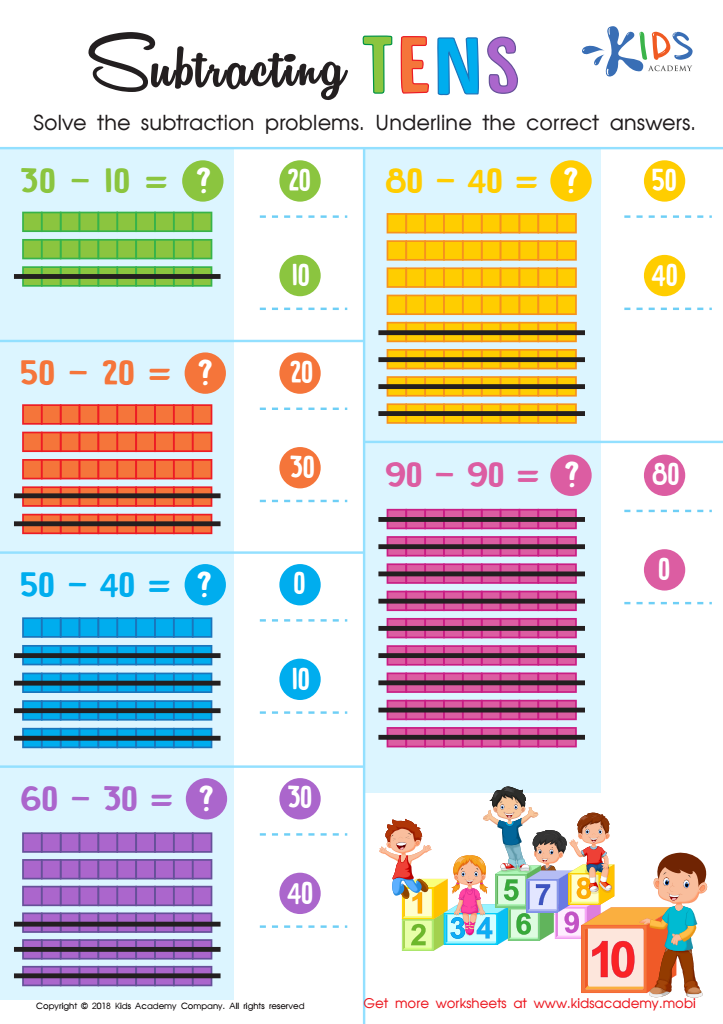
Subtracting Tens Worksheet
 Assign to My Students








Mental math development is crucial for children aged 4-7 as it lays the foundation for their overall mathematical understanding. At this age, children are naturally curious and eager to explore numbers, making it the perfect time for parents and teachers to nurture mental math skills.
Fostering mental math capabilities enhances children's ability to perform calculations quickly and accurately without relying on calculators or written methods. This cognitive flexibility encourages problem-solving and critical thinking. It empowers children to approach math with confidence, which is essential for later stages of learning.
Moreover, mental math promotes early numeracy skills, including number sense, understanding relationships between numbers, and developing estimation skills—important tools for real-life situations. Engaging children in fun, interactive mental math games cultivates a positive attitude towards mathematics, reducing math anxiety as they grow older.
In addition, strong mental math skills are linked to improved performance in formal assessments, thereby helping children excel academically. Ultimately, nurturing these abilities supports holistic development, fostering a generation of confident, capable learners who appreciate the role of mathematics in everyday life. By prioritizing mental math development, parents and teachers play a vital role in shaping a child's educational journey.








