Recognizing equal parts Math Worksheets for Ages 4-7
3 filtered results
-
From - To
Discover our engaging Recognizing Equal Parts Math Worksheets, designed specifically for children ages 4-7. These printable worksheets help young learners understand the concept of equal parts through interactive, hands-on activities. Kids will have fun identifying and coloring equal sections in various shapes, laying a strong foundation for future math skills like fractions and division. Foster confidence and build essential math skills as your child enjoys playful learning activities, crafted by expert educators. Perfect for both classroom and home use, these worksheets ensure a comprehensive grasp of early math concepts in an enjoyable and visually stimulating way.
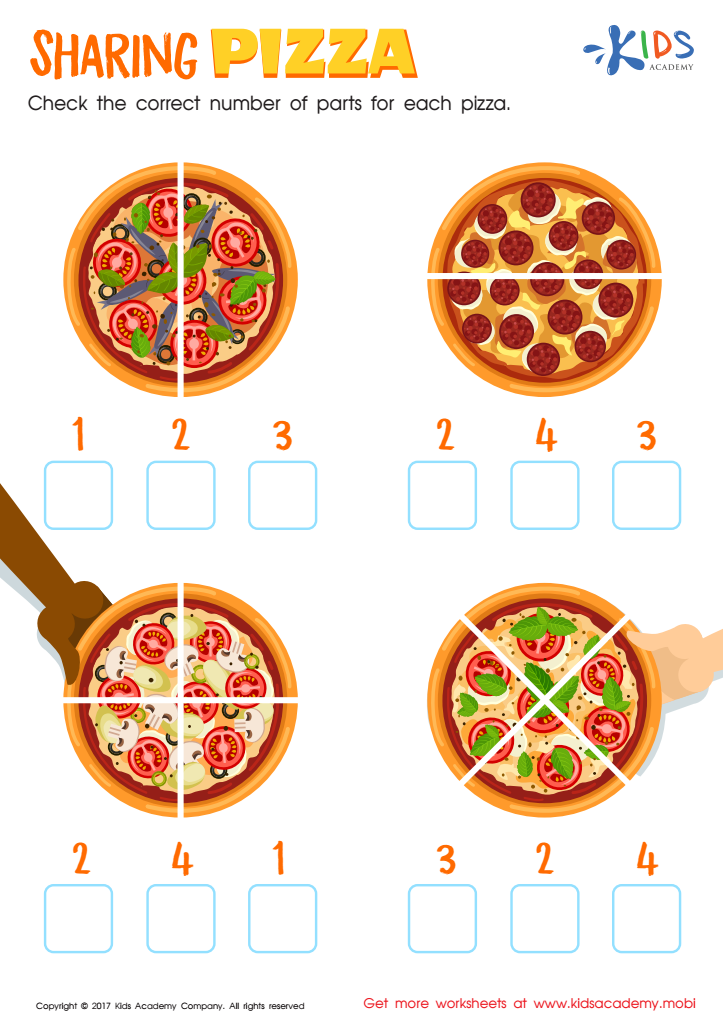
Sharing Pizza Worksheet
 Assign to My Students
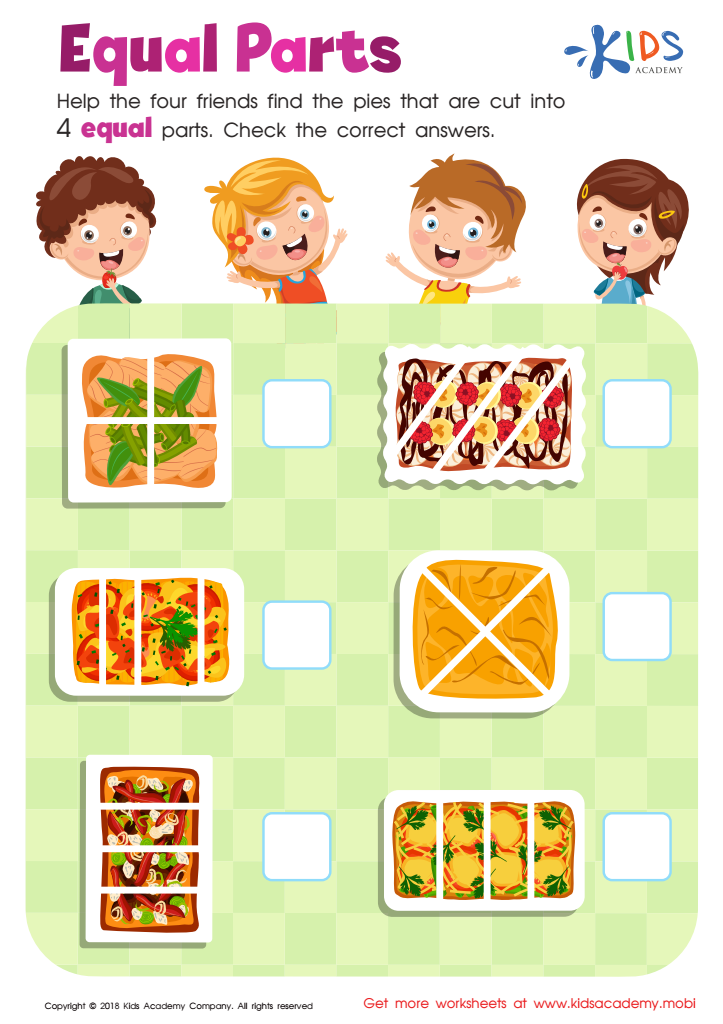
Equal Parts: Food Worksheet


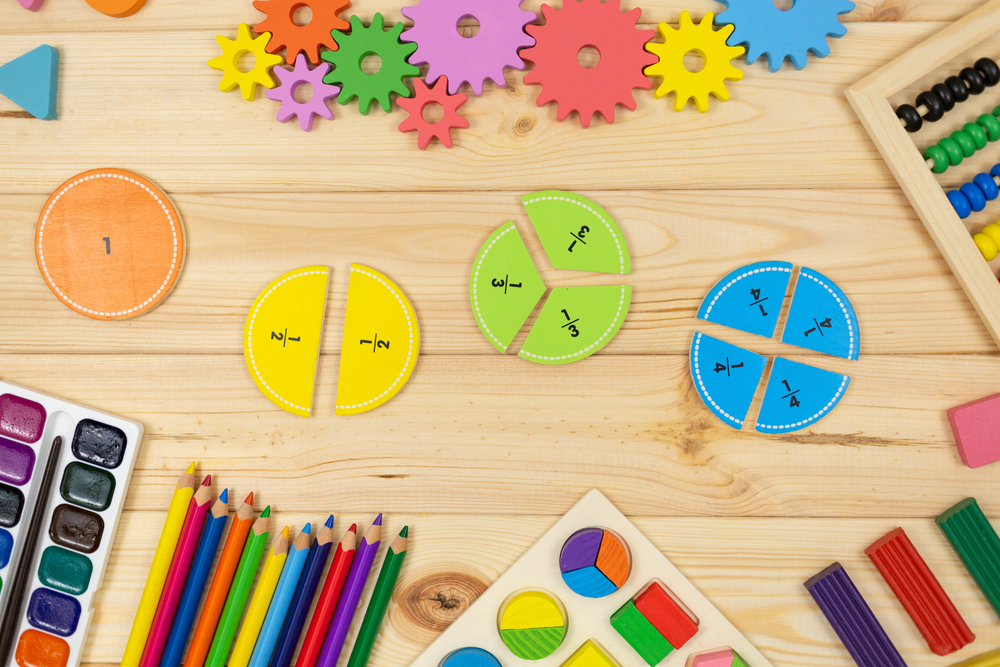





Recognizing equal parts in math is fundamental for children aged 4-7 because it lays the groundwork for understanding more complex mathematical concepts. When children learn to identify and work with equal parts, they develop a sense of fairness and balance, which is crucial for future learning in fractions, ratios, and proportions.
For parents and teachers, emphasizing the concept of equal parts aids in honing children's spatial reasoning and intuitive understanding of numbers. These skills are not only pivotal in mathematics but also enhance problem-solving capabilities across various disciplines. For example, understanding equal parts is essential in everyday activities like dividing a snack, sharing toys, or allocating time for different tasks. This helps children grasp the notion of equity and sharing in real-life contexts.
Moreover, recognizing equal parts stimulates cognitive development by fostering critical thinking and precision. It encourages children to observe, compare, and categorize objects or quantities rigorously. Early mastery of such mathematical concepts builds confidence and sets a positive trajectory for academic success in later years.
Teachers and parents who integrate activities focusing on equal parts help make learning interactive and engaging, linking abstract concepts with tangible experiences. This holistic approach paves the way for a more robust mathematical foundation, contributing to overall intellectual growth and a love for learning.








