Introduce your child to the fascinating world of shapes with our Recognizing Shapes Math Worksheets, crafted specifically for ages 4-7. These engaging and educational worksheets are designed to help young learners identify and differentiate a variety of shapes, laying a strong foundation for geometry skills. Through fun activities like matching, tracing, and drawing, children enhance their visual perception and fine motor skills while discovering circles, squares, triangles, and more. Perfect for both classroom and home use, our worksheets turn shape recognition into an enjoyable adventure for early learners. Start the journey to mastering shapes today!
Check out this FREE Trial Lesson on Math for age 4-7!

T

Favorites
With answer key
Interactive
  • 4-7
  • Recognizing shapes
  • Math
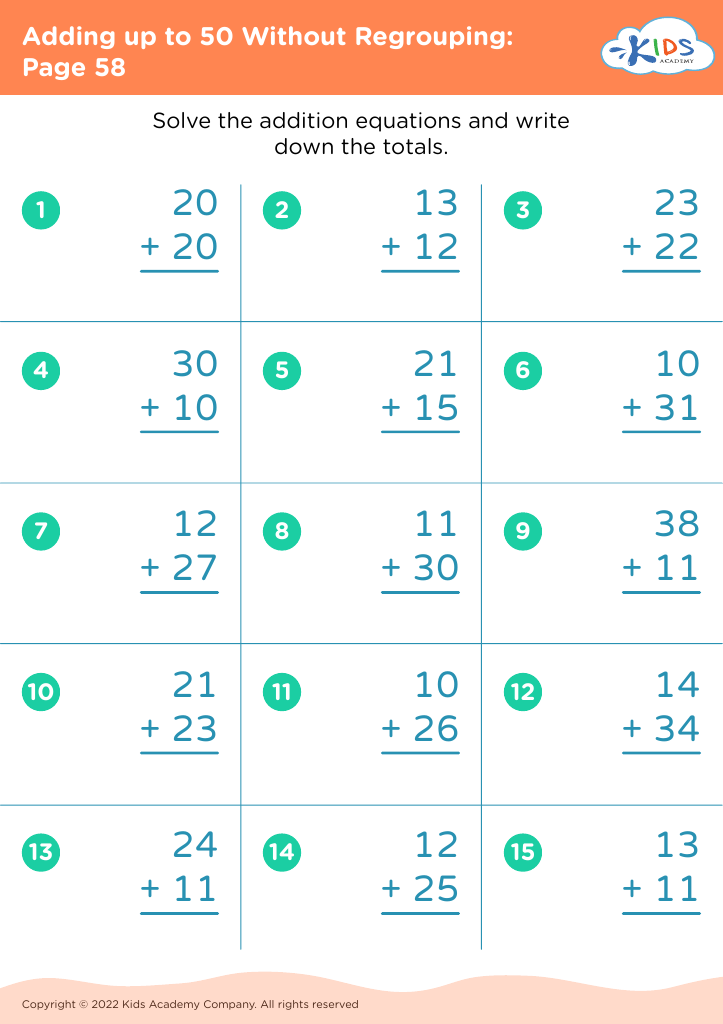
Adding up to 50 Without Regrouping: Page 58
Worksheet
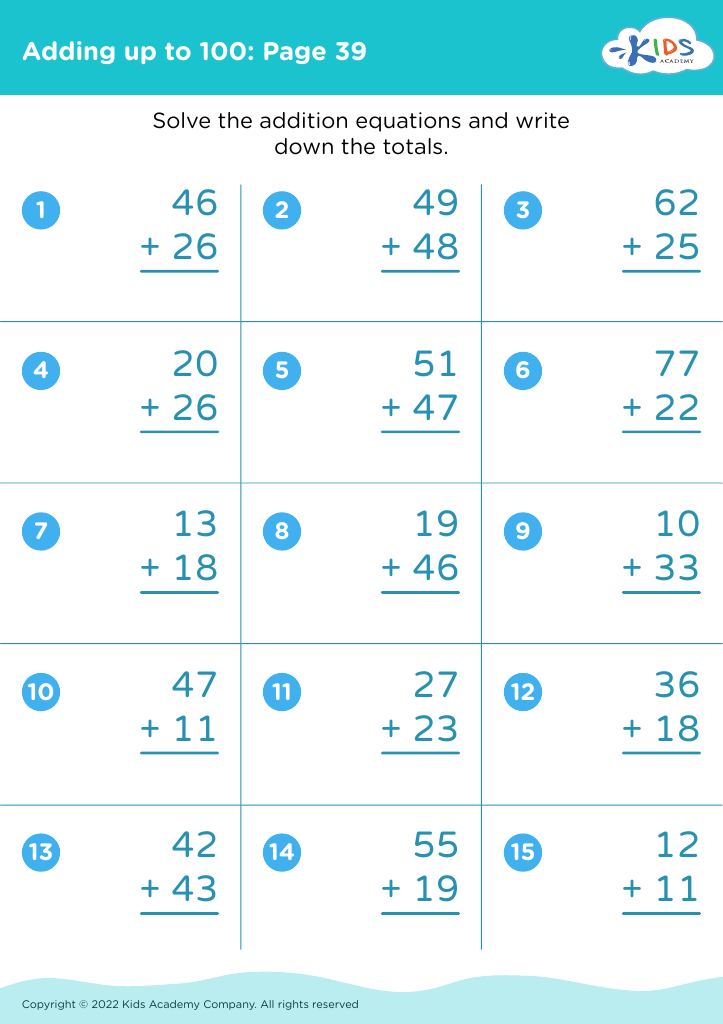
Adding up to 100: Page 39

Adding up to 100: Page 39

Adding up to 100: Page 39
Worksheet
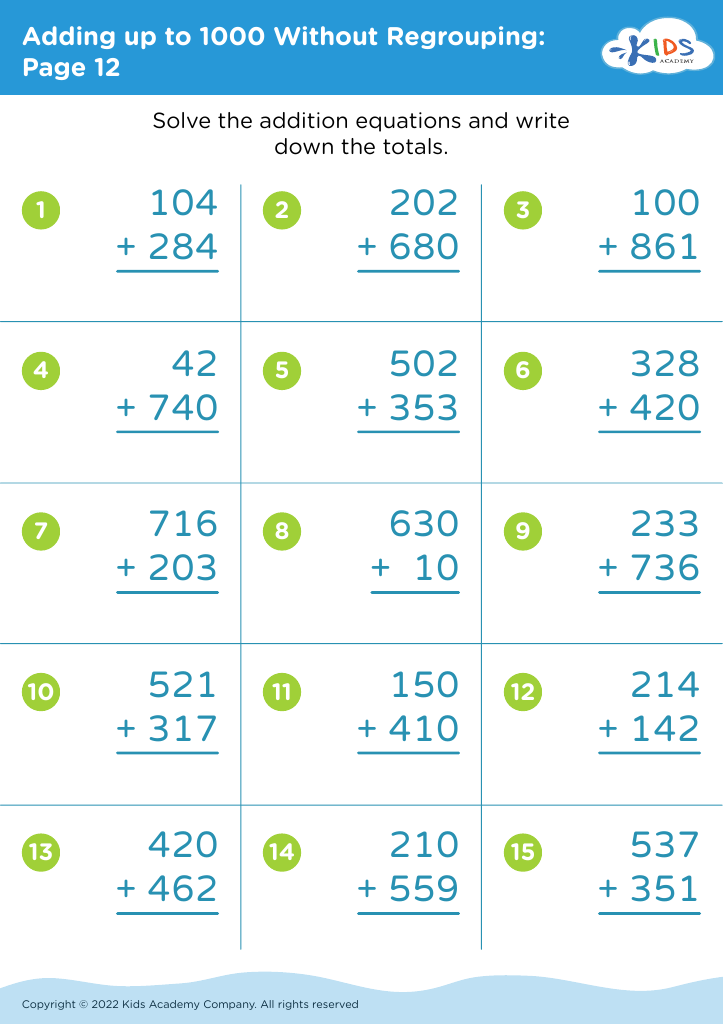
Adding up to 1000 Without Regrouping: Page 12
Worksheet
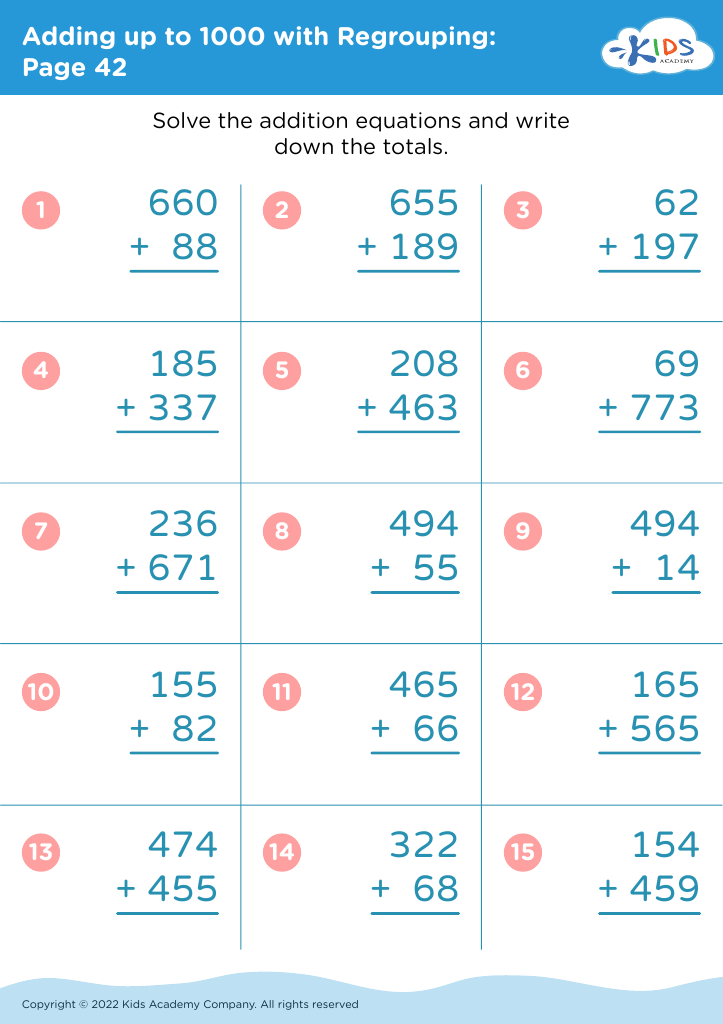
Adding up to 1000 with Regrouping: Page 42
Worksheet
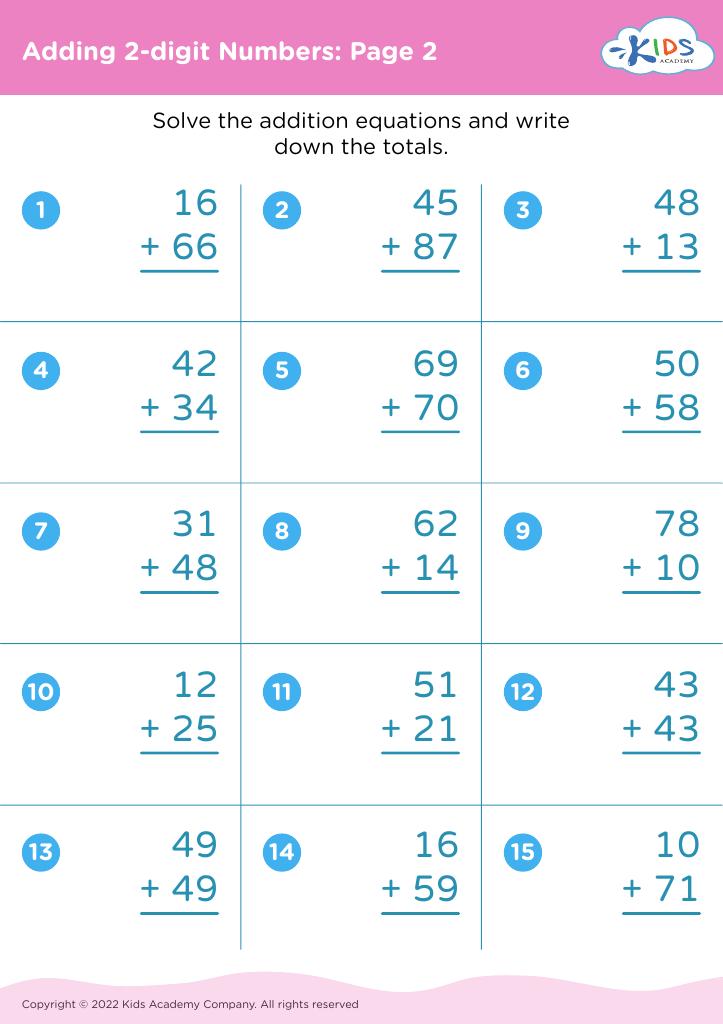
Adding 2-digit Numbers: Page 2

Adding 2-digit Numbers: Page 2

Adding 2-digit Numbers: Page 2
Worksheet
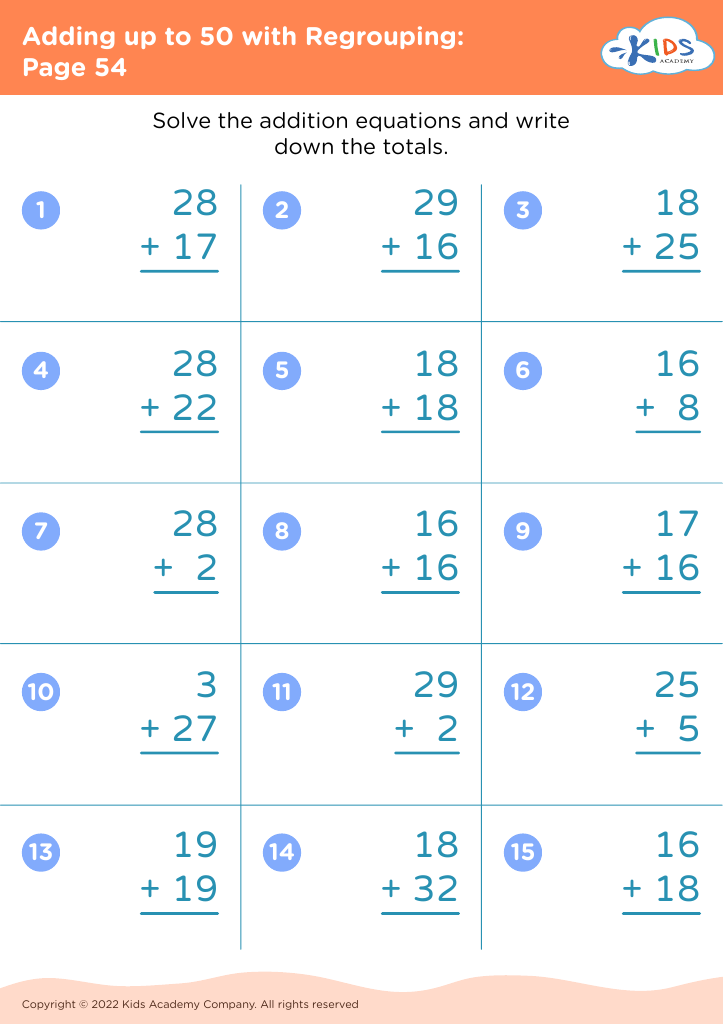
Adding up to 50 with Regrouping: Page 54
Worksheet
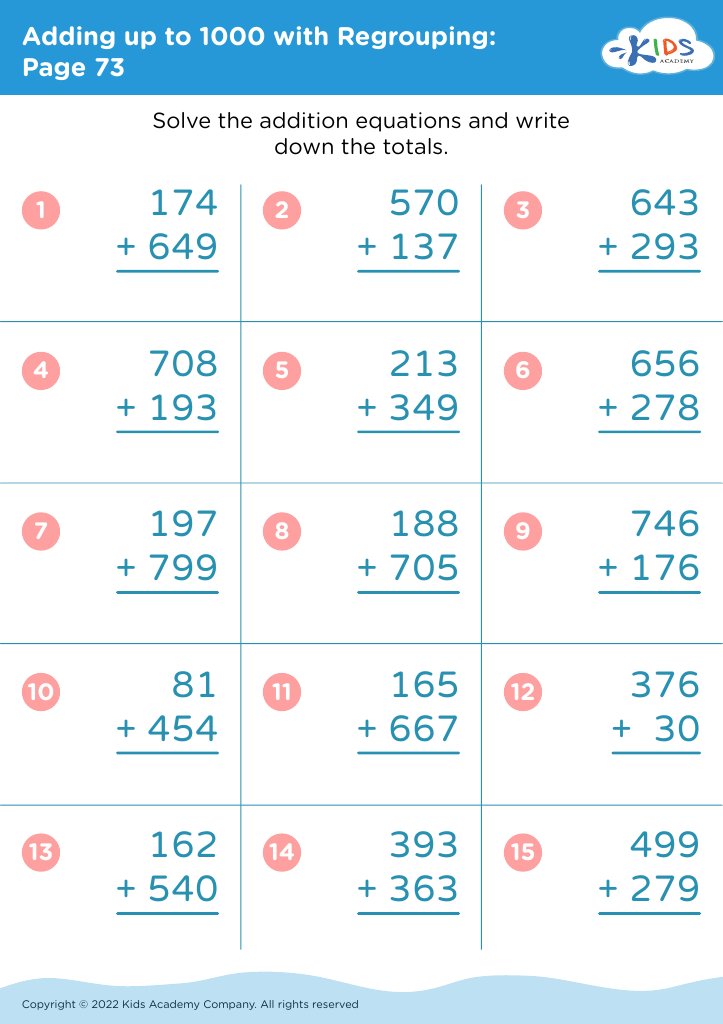
Adding up to 1000 with Regrouping: Page 73
Worksheet
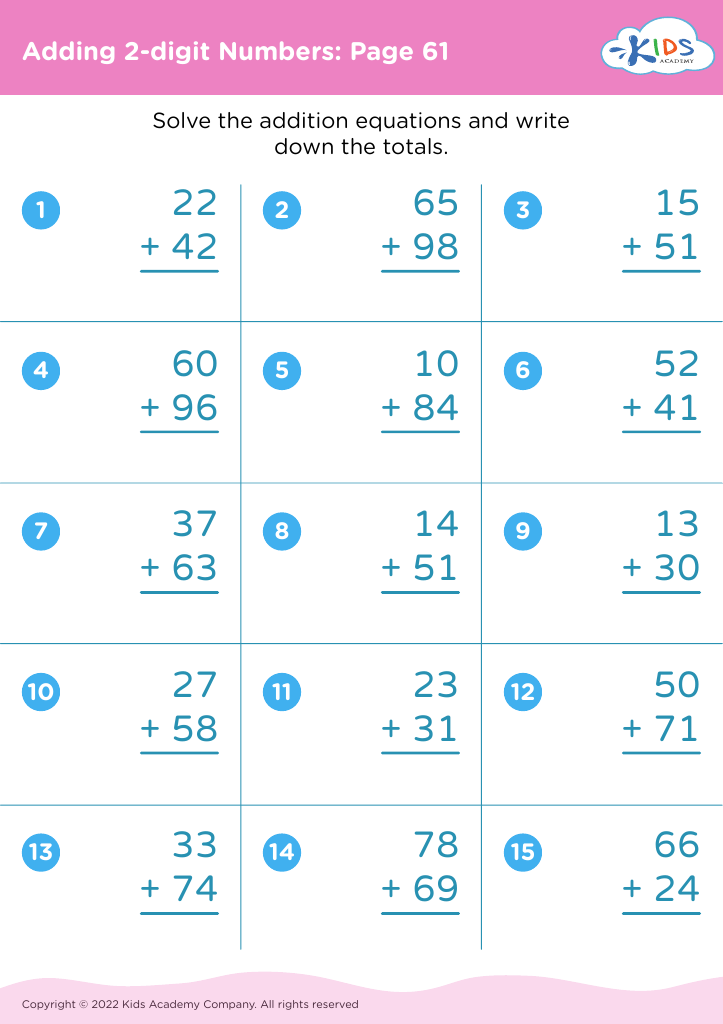
Adding 2-digit Numbers: Page 61

Adding 2-digit Numbers: Page 61

Adding 2-digit Numbers: Page 61
Worksheet
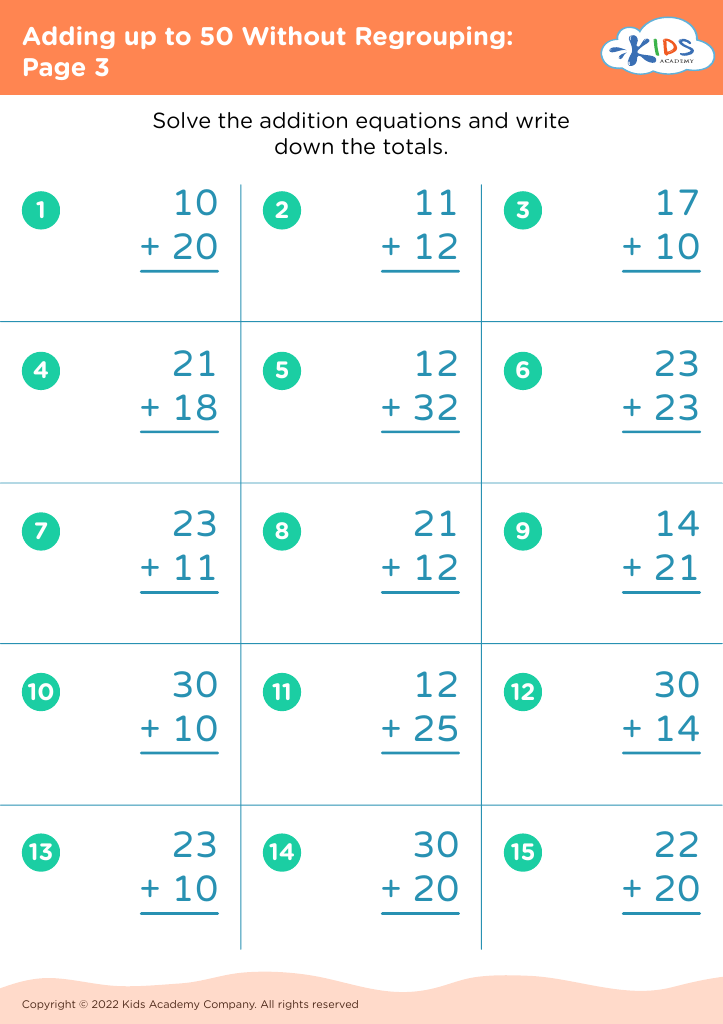
Adding up to 50 Without Regrouping: Page 3
Worksheet
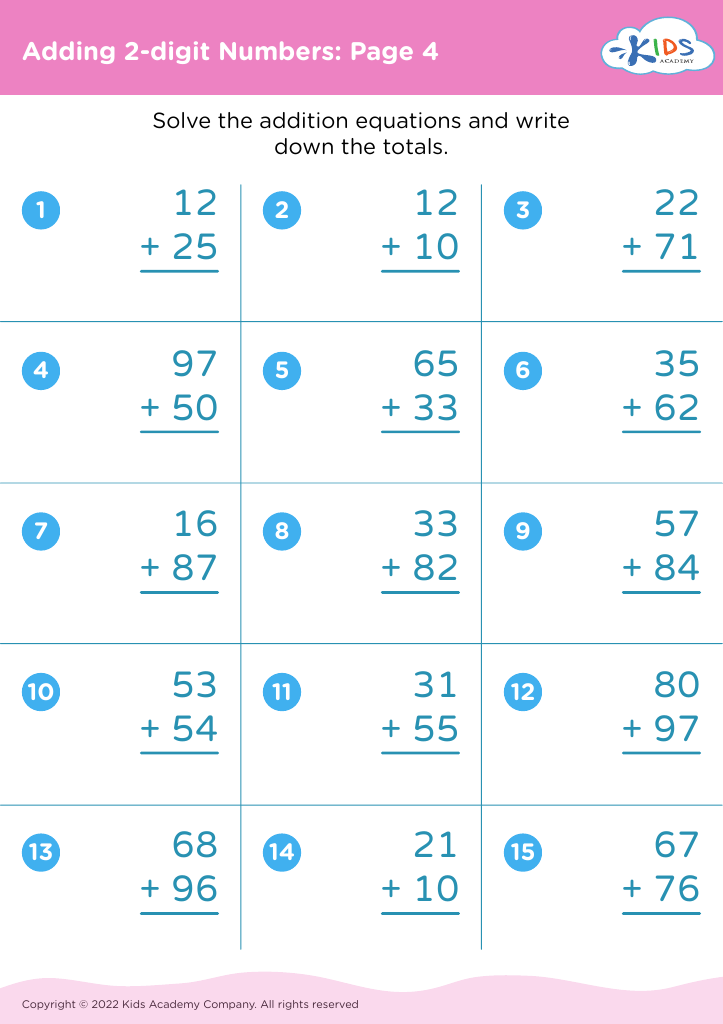
Adding 2-digit Numbers: Page 4

Adding 2-digit Numbers: Page 4

Adding 2-digit Numbers: Page 4
Worksheet
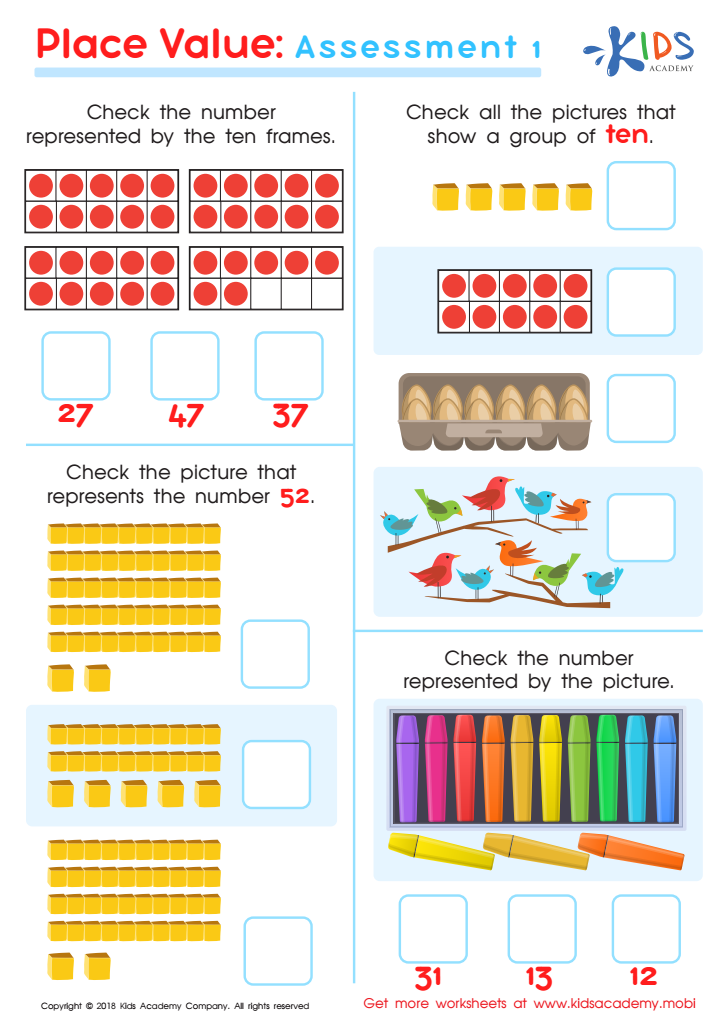
Place Value: Assessment 1 Worksheet

Place Value: Assessment 1 Worksheet

Assess your child's place value and number representation with this PDF worksheet. It lets them count and compare numbers and practice chiseling numbers into groups of ten. It's a great way to identify any concepts that need to be reinforced.
Place Value: Assessment 1 Worksheet
Worksheet
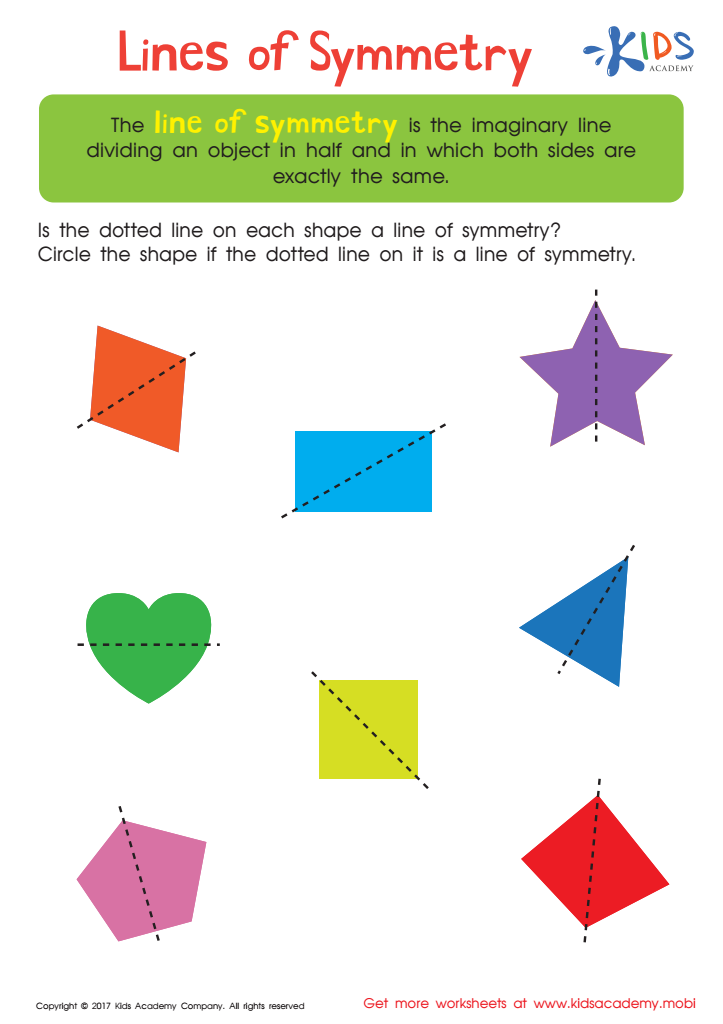
Lines of symmetry worksheet

Lines of Symmetry Printable

Symmetry is a key math concept that kids must learn to develop their geometry skills. This fun worksheet helps build this skill, by encouraging kids to recognize symmetrical shapes and find equal parts.
Lines of Symmetry Printable
Worksheet
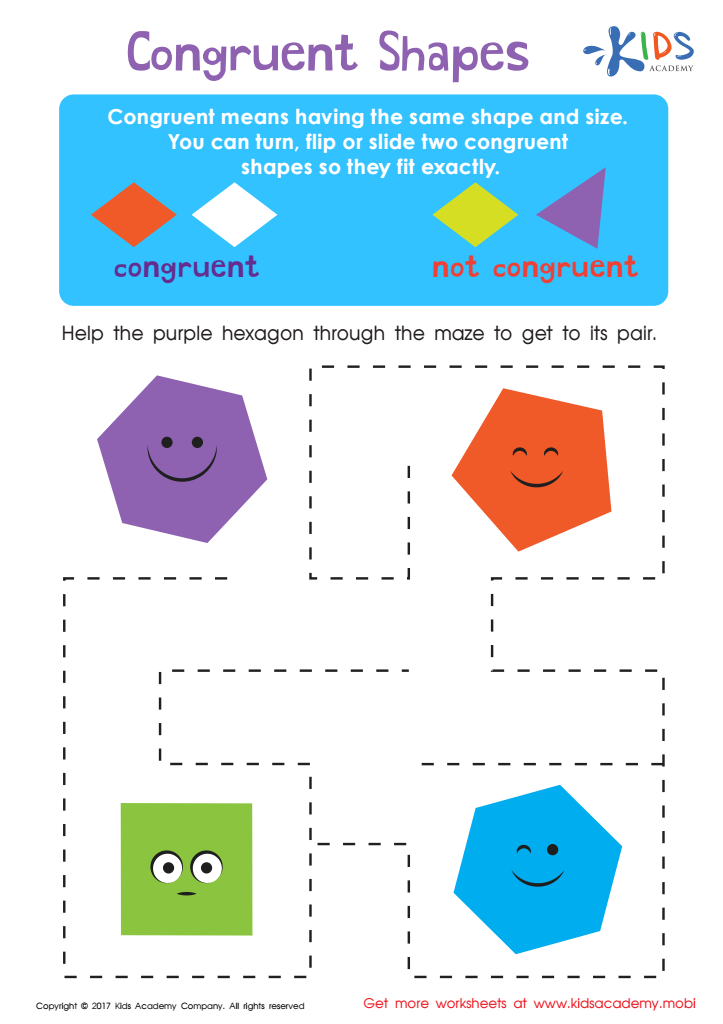
Congruent shapes worksheet

Congruent Shapes Worksheet

Help your child find the twin of the purple hexagon! This congruent shapes worksheet is great for increasing vocabulary while challenging mental rotation skills.
Congruent Shapes Worksheet
Worksheet
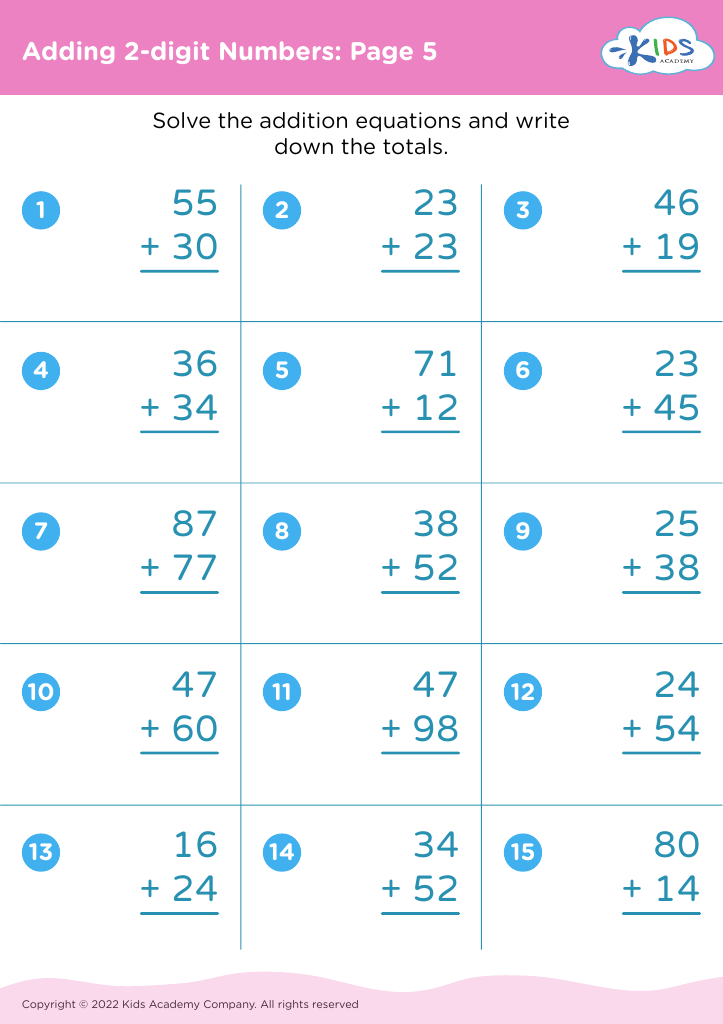
Adding 2-digit Numbers: Page 5

Adding 2-digit Numbers: Page 5

Adding 2-digit Numbers: Page 5
Worksheet
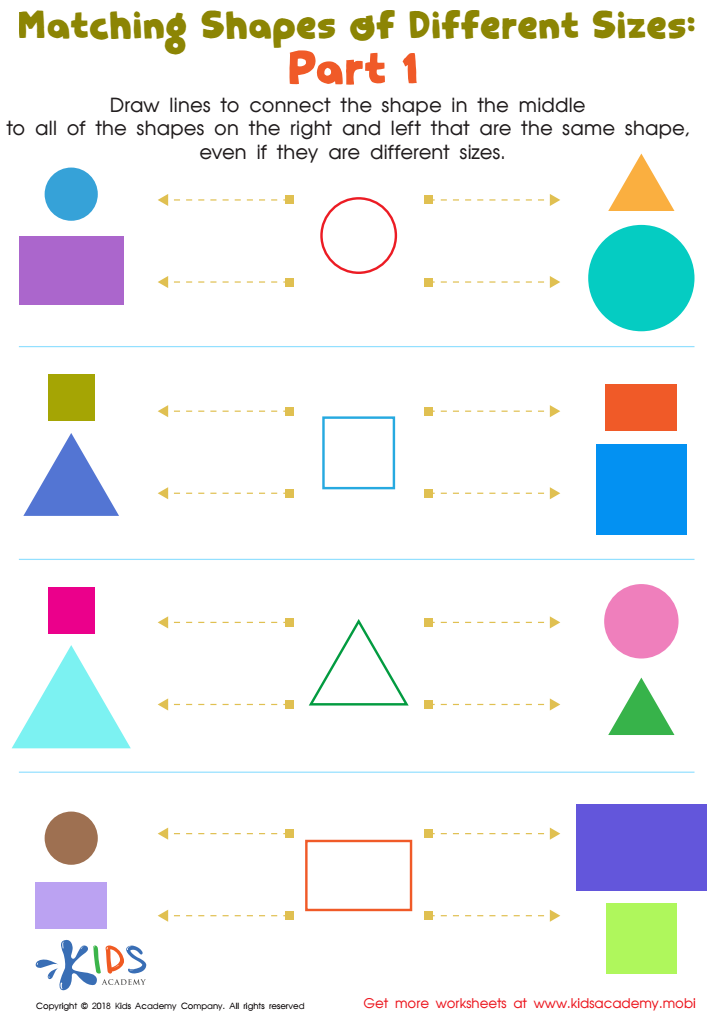
Geometry: part 1 Worksheet
Geometry: part 1 Worksheet
Test your student's shape knowledge with this beginner-level geometry worksheet. This fun, challenging printable PDF will sharpen spacial recognition skills as they match shapes of different sizes. Get started now!
Geometry: part 1 Worksheet

Worksheet
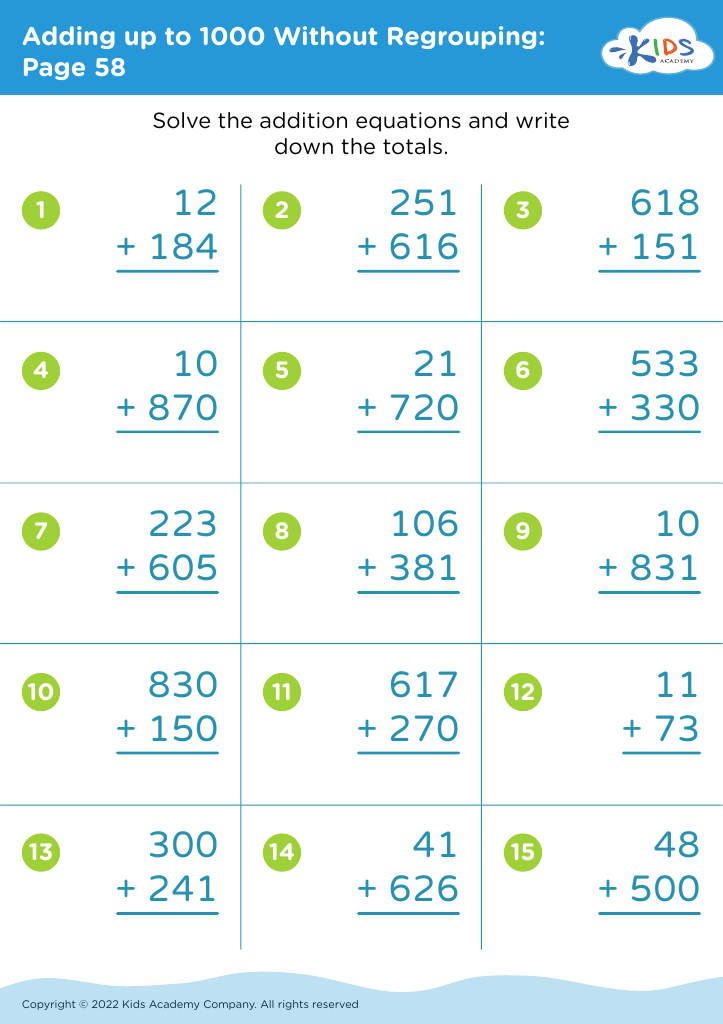
Adding up to 1000 Without Regrouping: Page 58
Worksheet
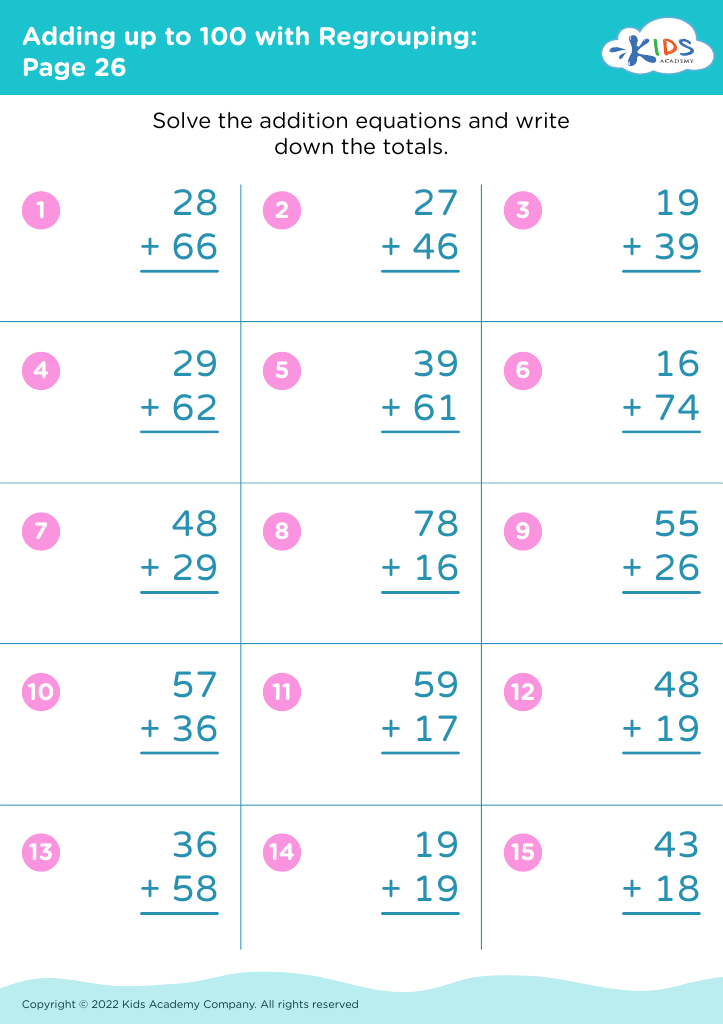
Adding up to 100 with Regrouping: Page 26
Worksheet
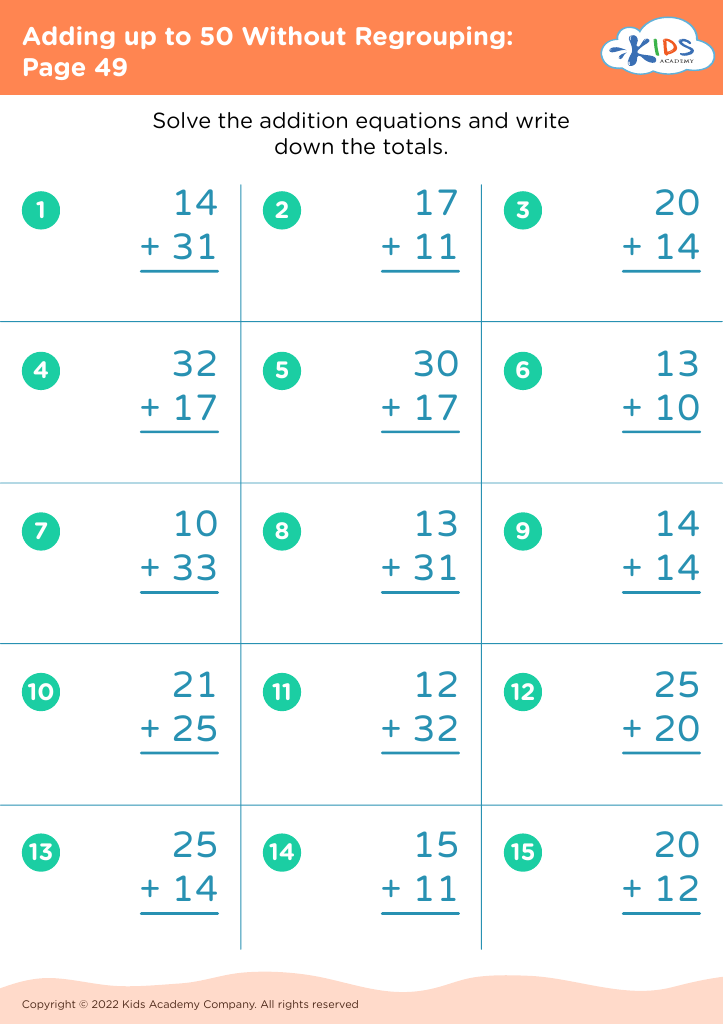
Adding up to 50 Without Regrouping: Page 49
Worksheet
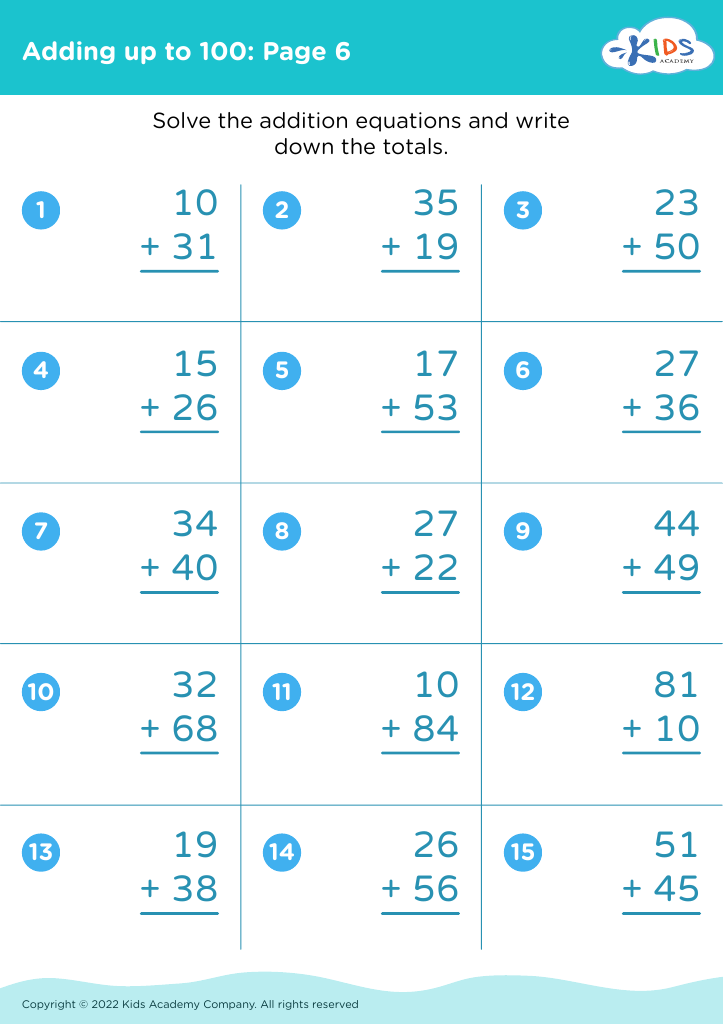
Adding up to 100: Page 6

Adding up to 100: Page 6

Adding up to 100: Page 6
Worksheet
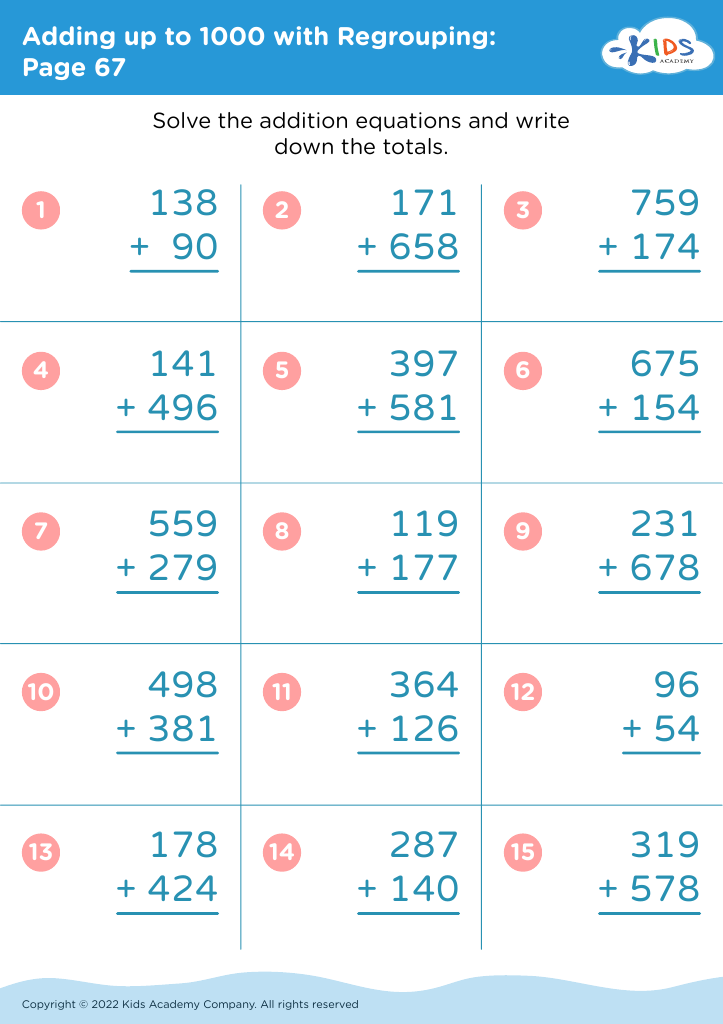
Adding up to 1000 with Regrouping: Page 67
Worksheet
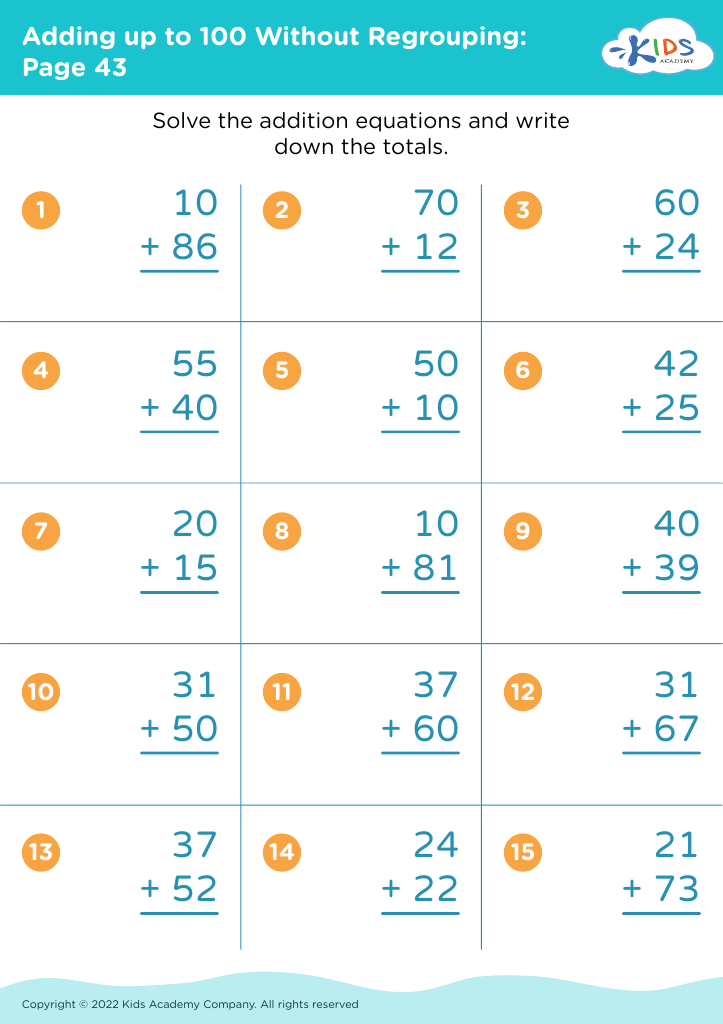
Adding up to 100 Without Regrouping: Page 43
Worksheet
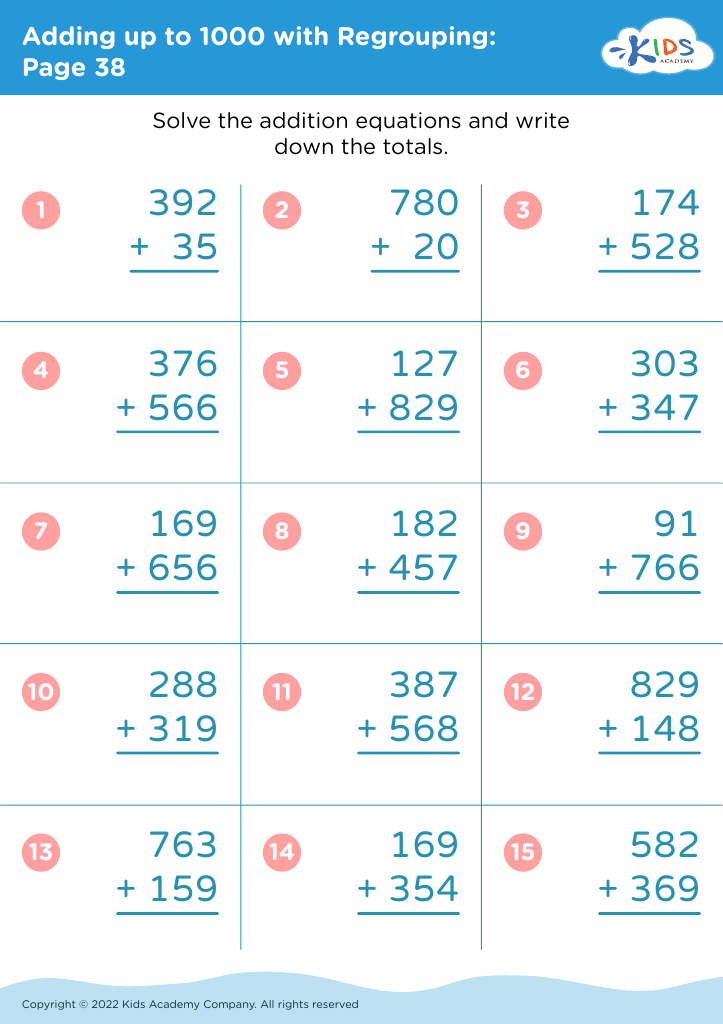
Adding up to 1000 with Regrouping: Page 38
Worksheet
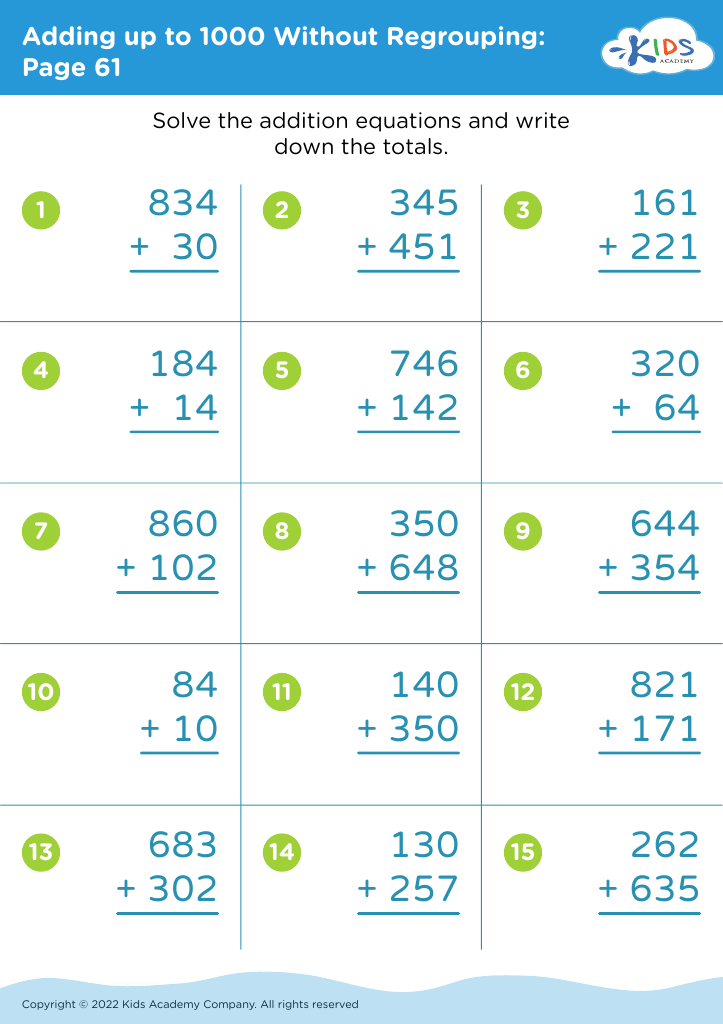
Adding up to 1000 Without Regrouping: Page 61
Worksheet
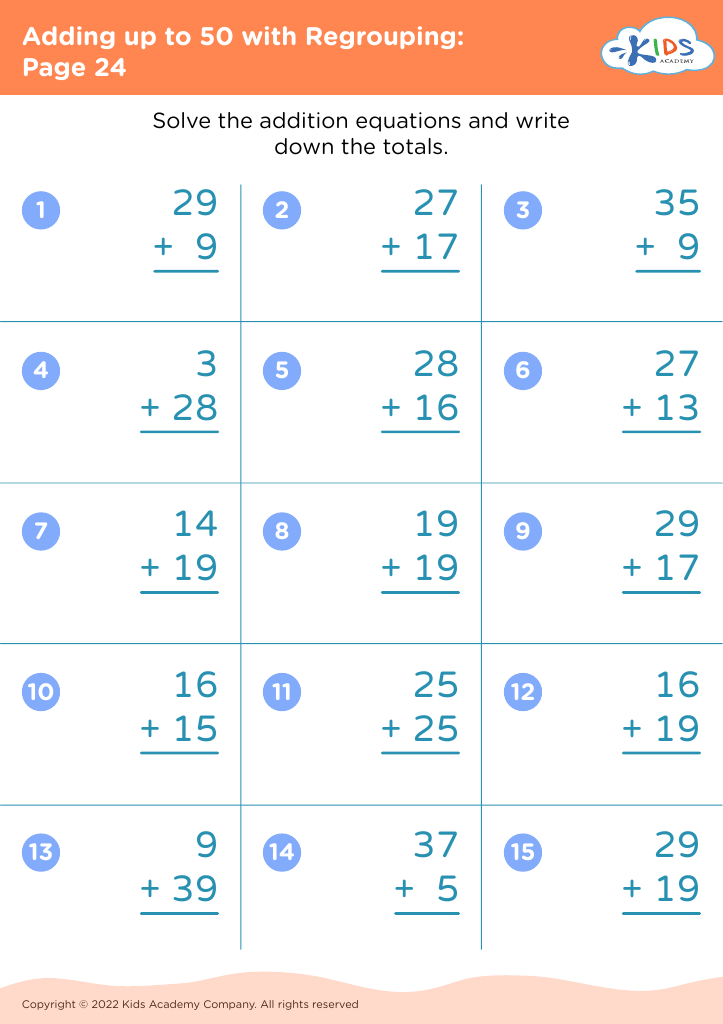
Adding up to 50 with Regrouping: Page 24
Worksheet


Recognizing shapes in early childhood is foundational for cognitive and academic development. For children ages 4-7, understanding basic geometric shapes fosters both their mathematical abilities and their problem-solving skills. When parents and teachers focus on teaching shapes like circles, squares, triangles, and rectangles, they contribute to children's spatial awareness, which is crucial for more advanced math concepts such as geometry, patterns, and symmetry.

Learning shapes also significantly boosts children's language development. As children identify, describe, and compare shapes, they acquire important vocabulary that enhances their ability to communicate effectively. Moreover, recognizing and categorizing shapes helps in developing sorting and classification skills, which are vital for critical thinking.

Shapes also appear ubiquitously in the environment, from traffic signs to toys, thus this knowledge helps children better understand and engage with the world around them. For example, a child's ability to recognize the ‘STOP’ sign is linked to identifying its octagonal shape.

Furthermore, integrating shape recognition in playful activities encourages fine motor skills and hand-eye coordination, reinforcing early writing skills. Consequently, parents and teachers who emphasize recognizing shapes in early education provide children with a well-rounded foundation that supports their overall academic and developmental growth.