Shape identification Math Worksheets for Ages 4-7 - Page 2
33 filtered results
-
From - To
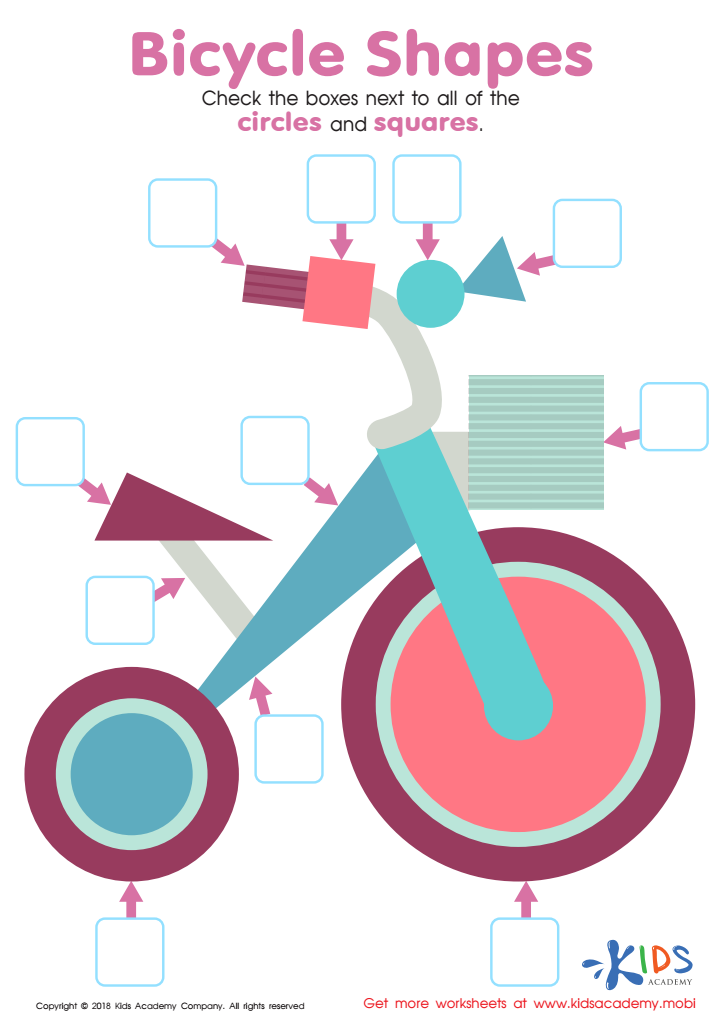
Bicycle Shapes Worksheet
 Assign to My Students
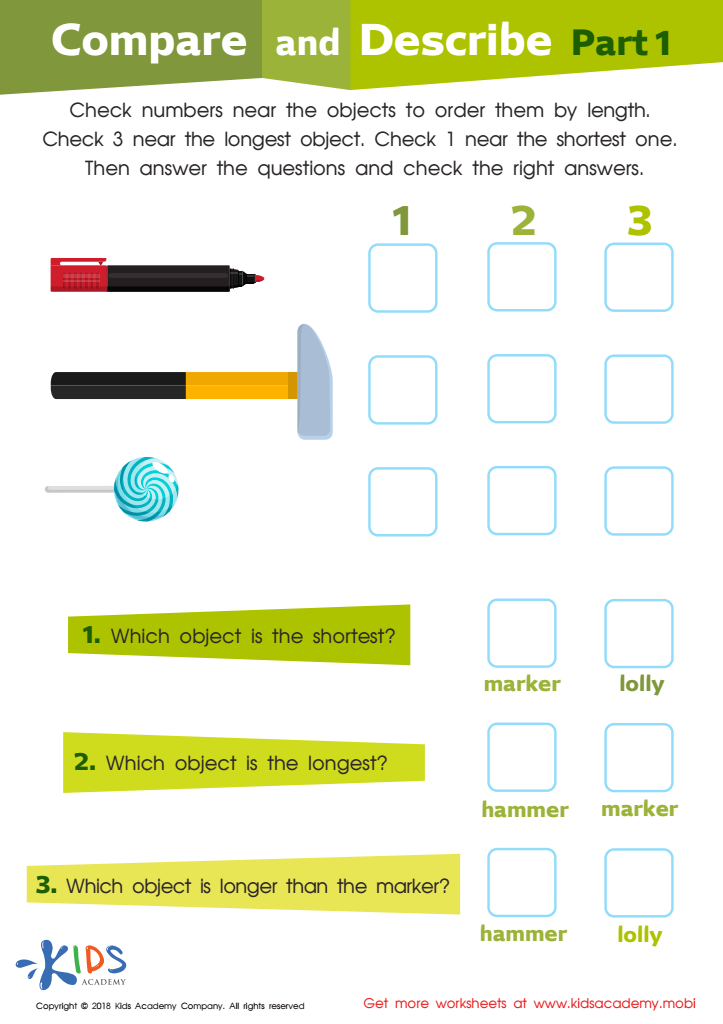
Compare and Describe: Part 1 Worksheet
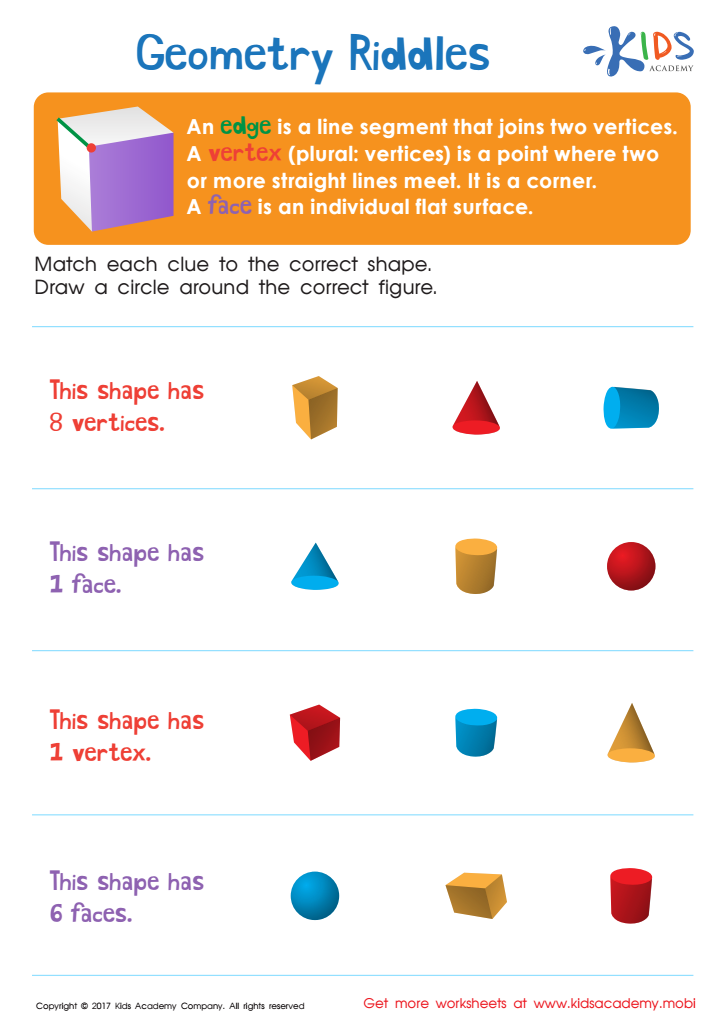
Geometry Riddles Printable
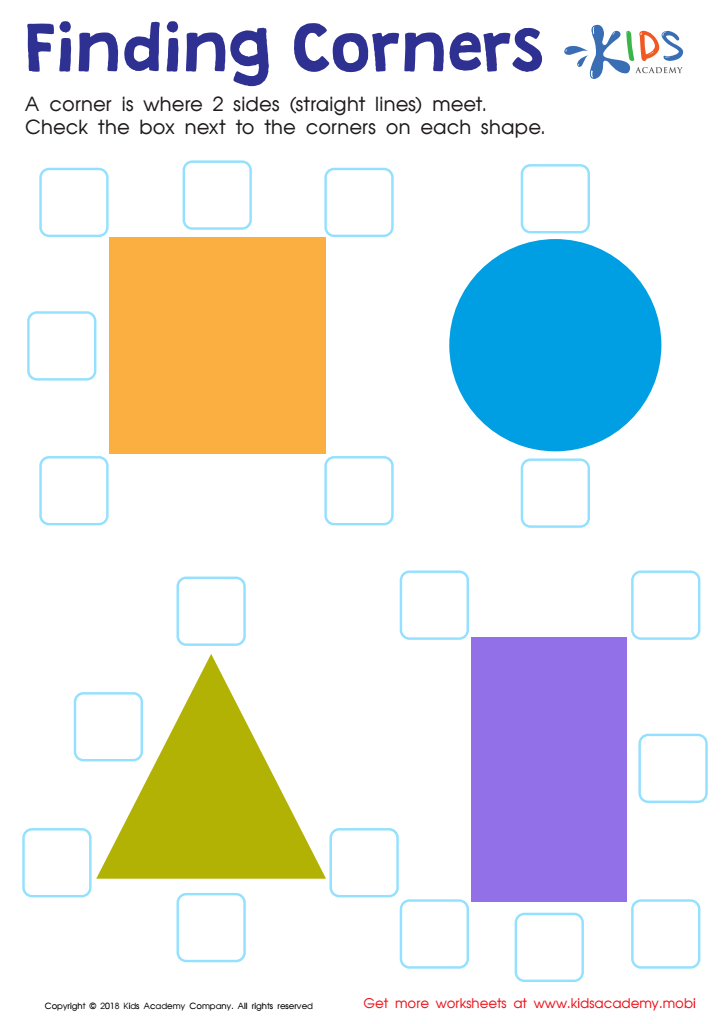
Finding Corners Worksheet
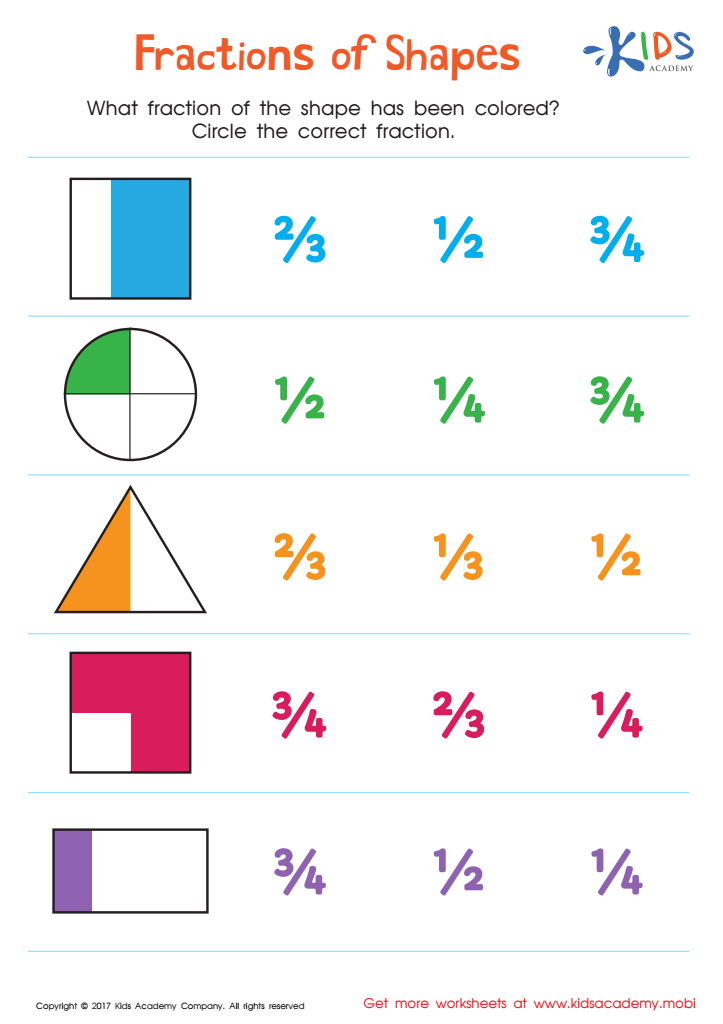
Fractions of Shapes: Math Concept Worksheet
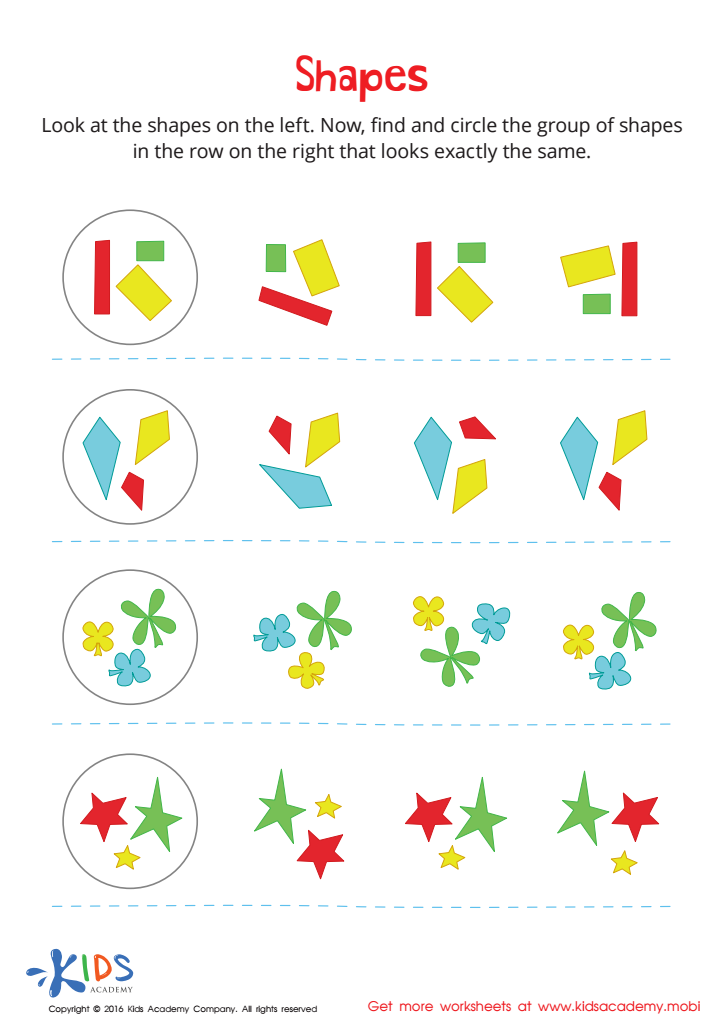
Shapes Worksheet







Shape identification in early math education is crucial for children ages 4-7, laying the foundation for numerous aspects of cognitive and academic development. At this age, children are at a formative stage, and learning about shapes such as circles, squares, triangles, and rectangles fosters their spatial awareness, critical thinking, and problem-solving skills. Recognizing and naming shapes help children categorize objects and understand the physical world's structure, enhancing their ability to grasp more complex math concepts later on.
Moreover, shape identification is intertwined with language development. As children learn to describe shapes’ properties—like the number of sides or corners—they expand their vocabulary and communication skills. This teaching also touches various subjects beyond math, including art, as children can see and create patterns, contributing to their creativity and aesthetic awareness.
In practical terms, shape recognition prepares children for reading and writing. Understanding shapes enhances their ability to distinguish between different letters and numbers, which is essential for literacy. Teachers and parents who prioritize shape identification are investing in a child's ability to learn about and interact with their environment more effectively. Thus, recognizing shapes is a foundational skill that supports comprehensive learning and development.








