Understanding patterns Math Worksheets for Ages 4-7
39 filtered results
-
From - To
Discover engaging and interactive “Understanding Patterns” math worksheets designed for children ages 4-7. These educational resources help young learners recognize, create, and extend patterns, building foundational math skills while encouraging critical thinking. With a variety of colorful and fun activities, kids will enjoy enhancing their understanding of sequences through shapes, colors, and numbers. Each worksheet is tailored to suit different learning styles, ensuring all students can thrive. Perfect for use at home or in the classroom, our worksheets foster a love for math and promote early cognitive development. Start your child’s mathematical journey today and watch them excel!
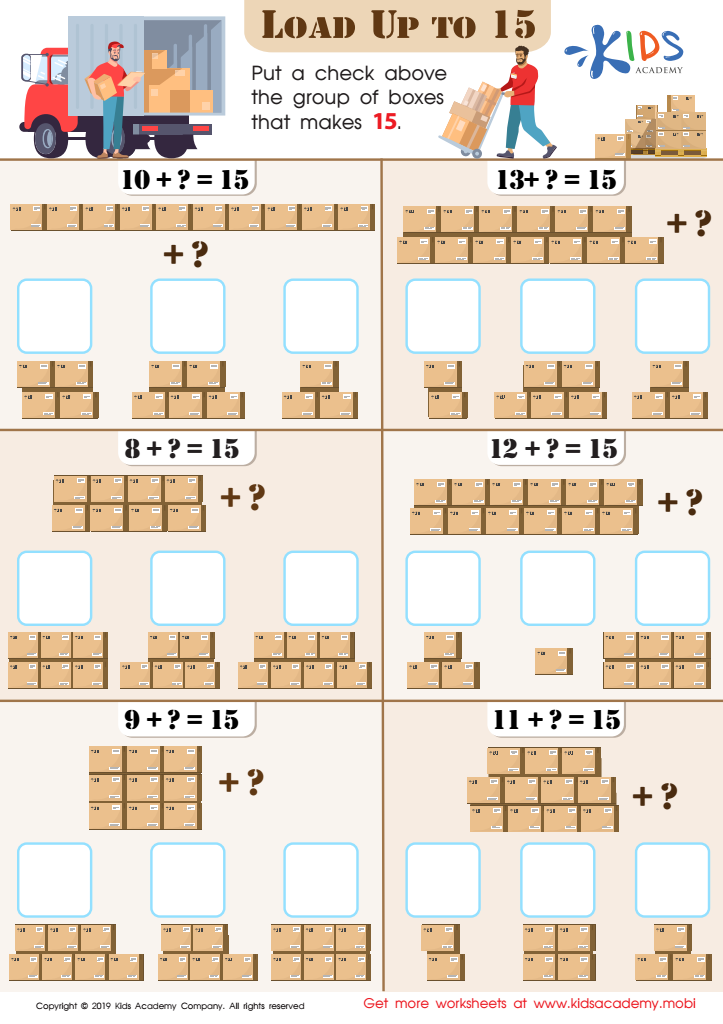
Load up to 15 Worksheet
 Assign to My Students
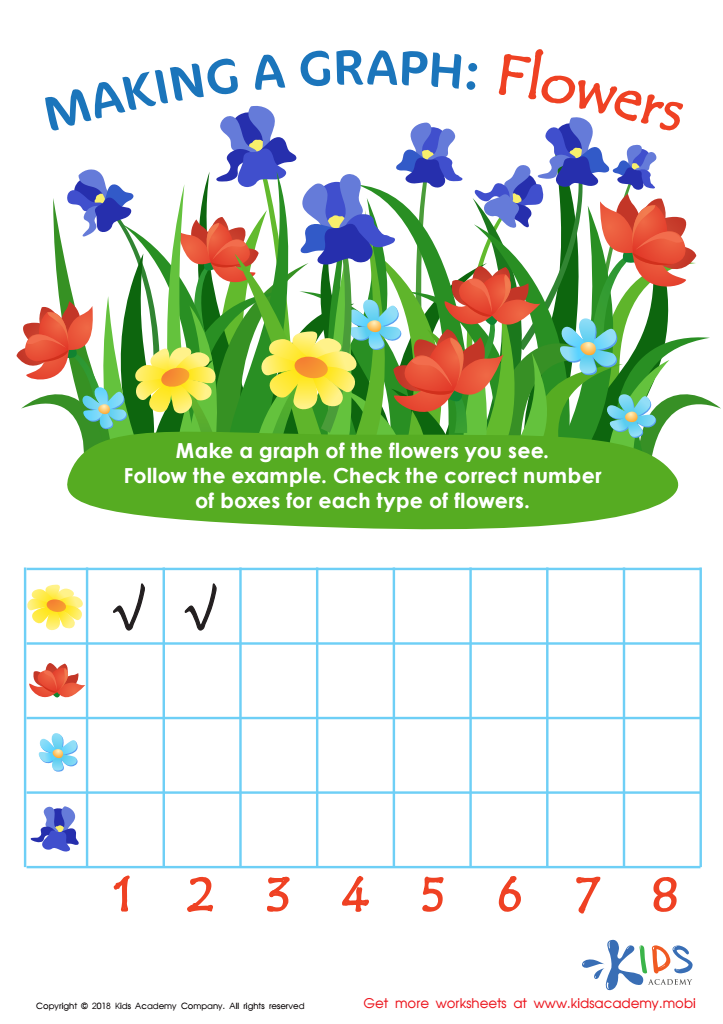
Making a Graph: Flowers Worksheet
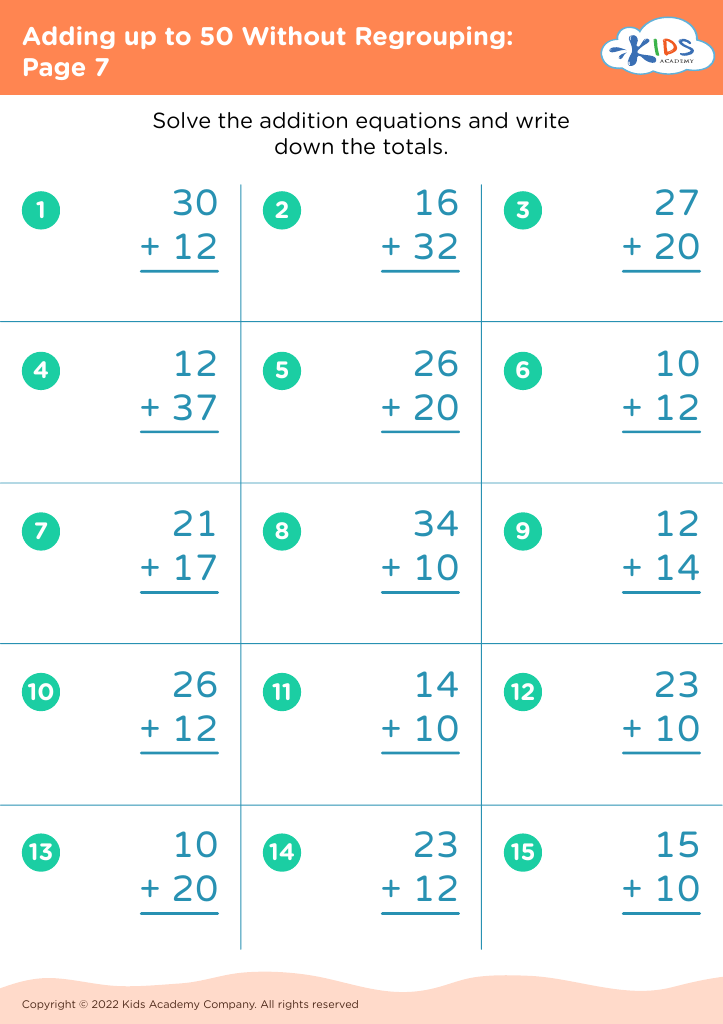
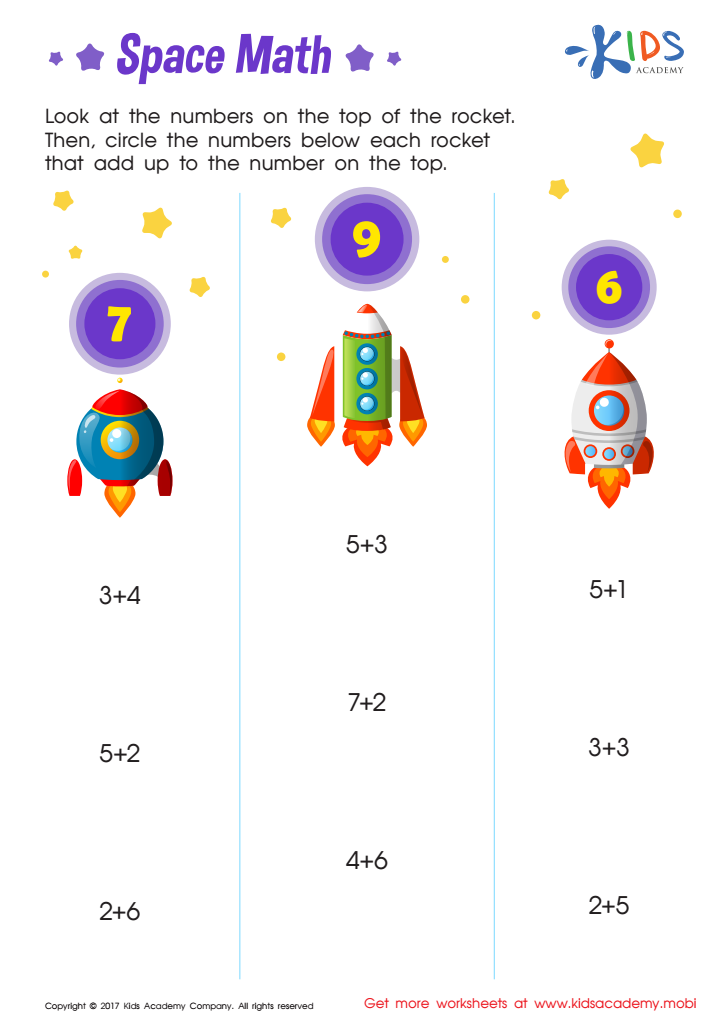
Addition: Space Math Worksheet
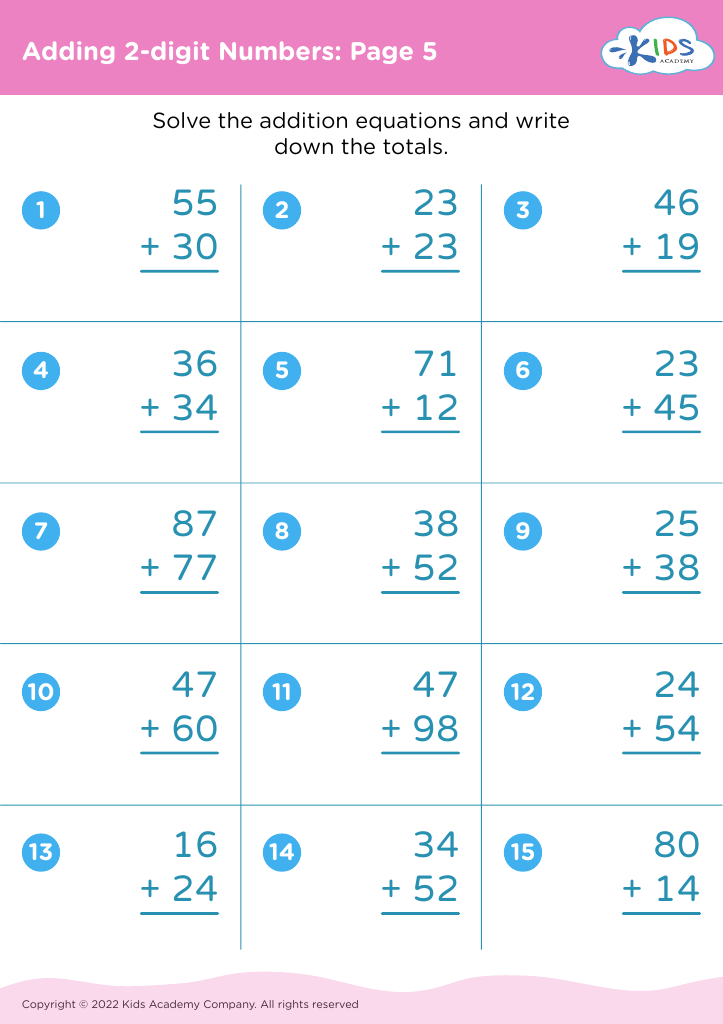
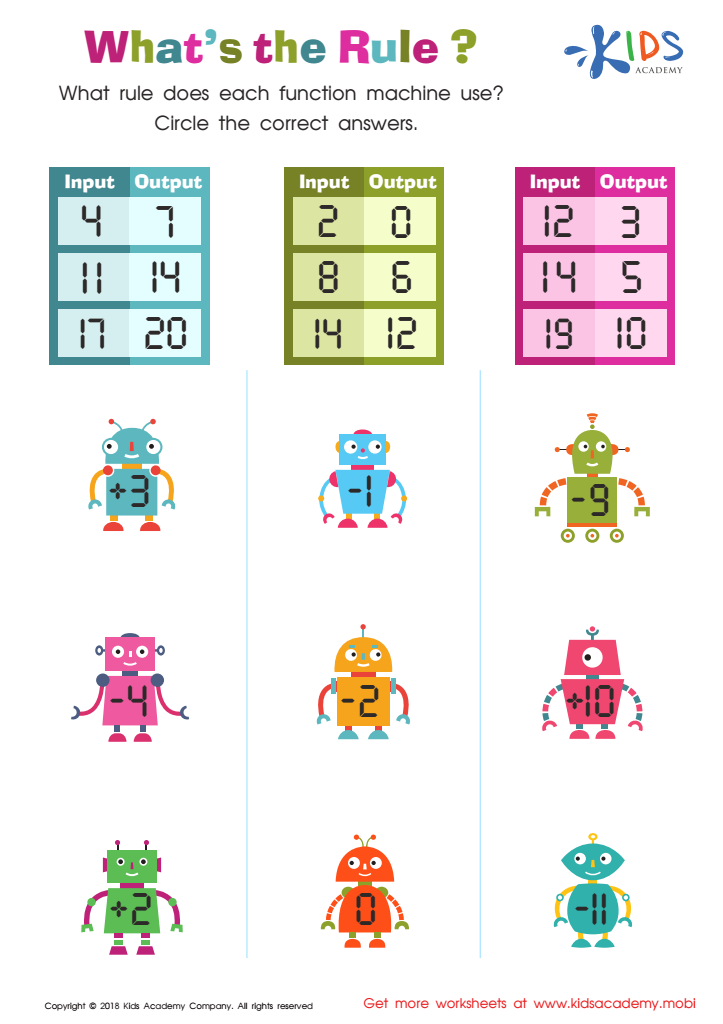
What's the Rule Worksheet
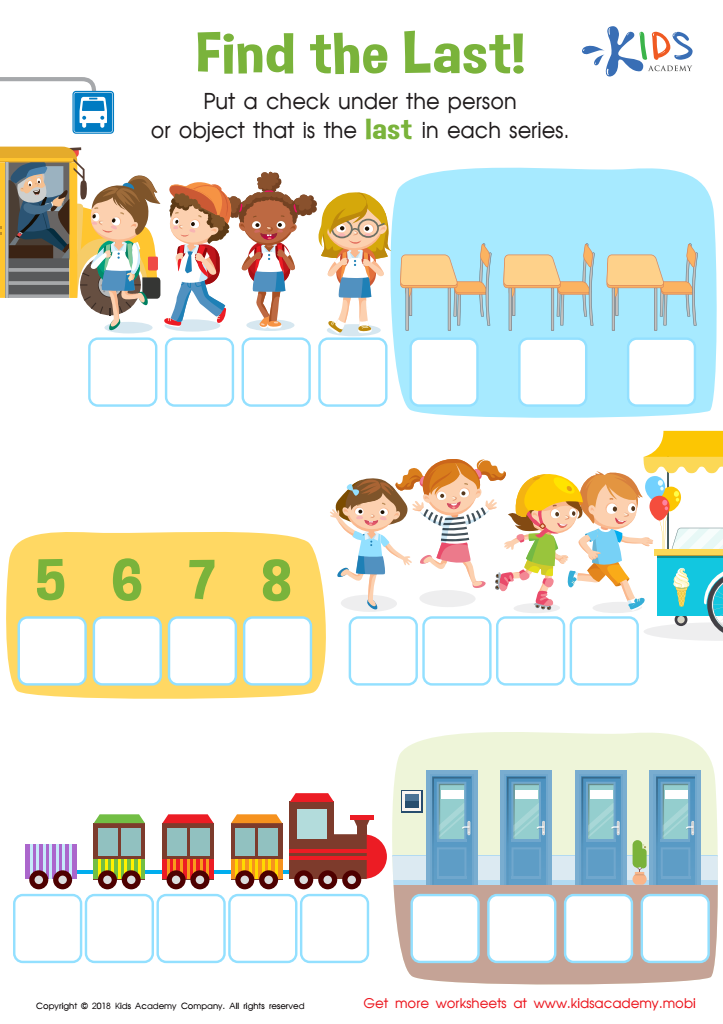
Find the Last! Worksheet
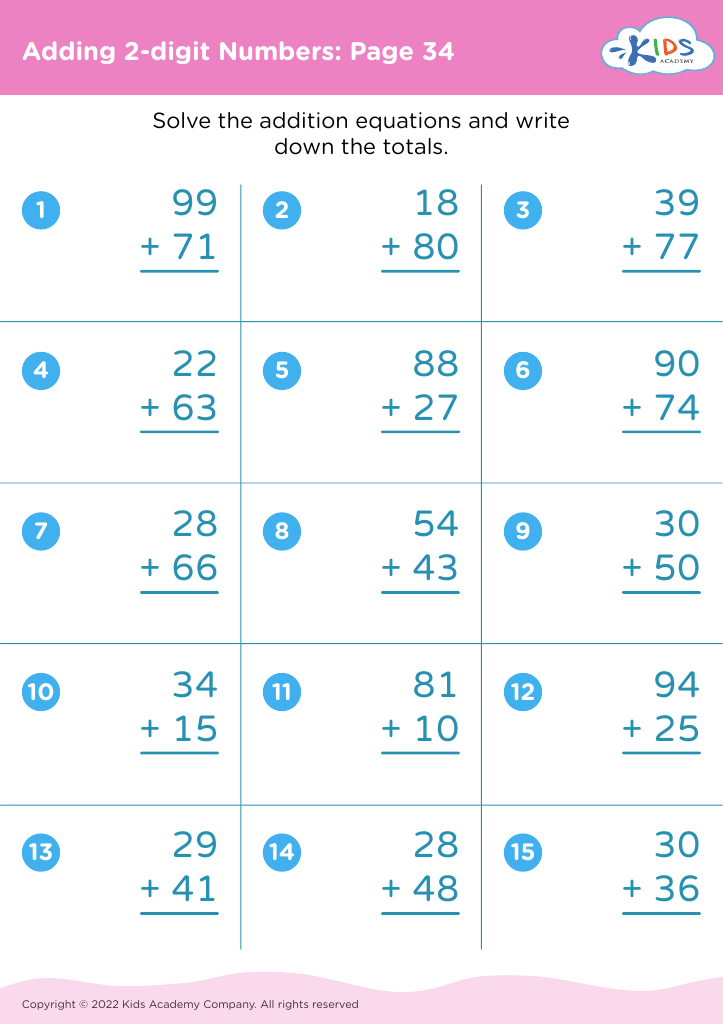
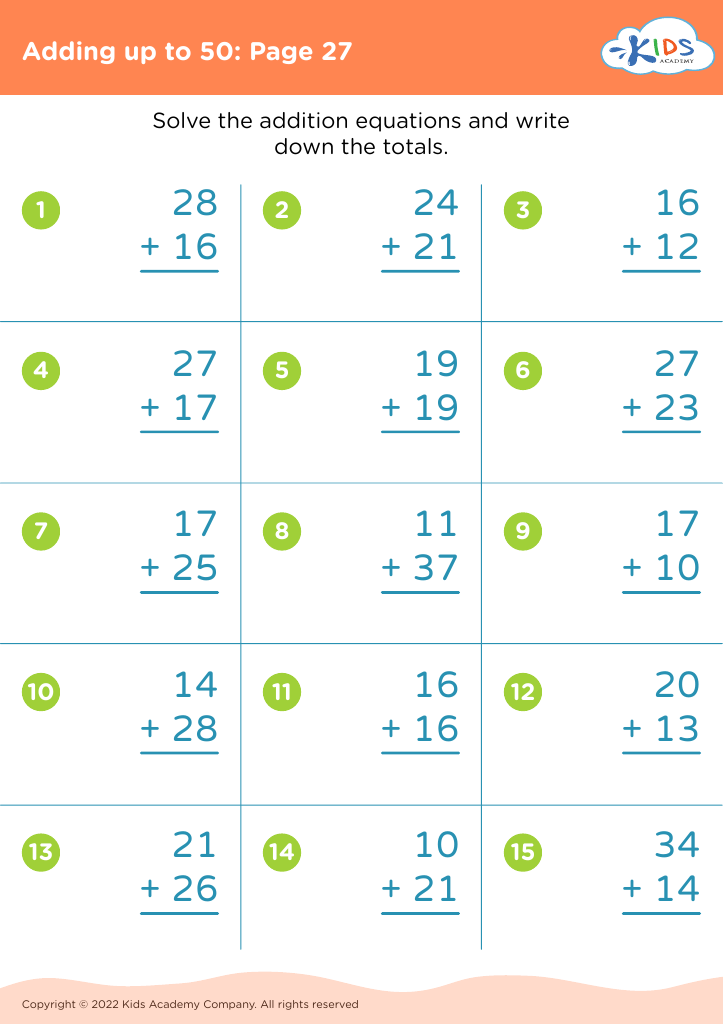
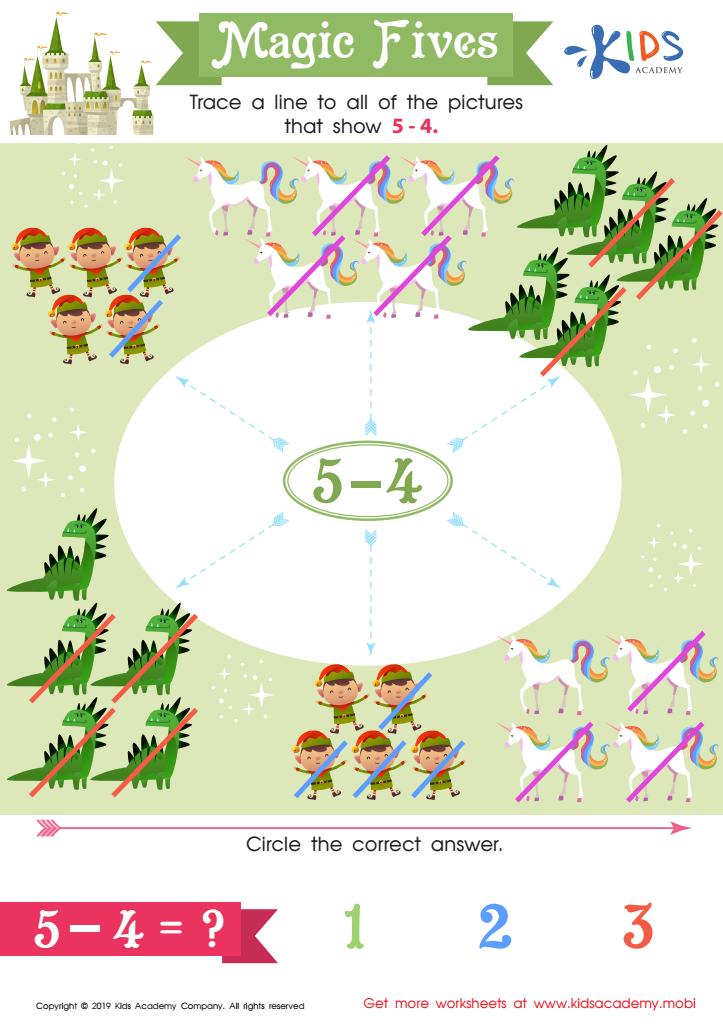
Magic Fives Worksheet
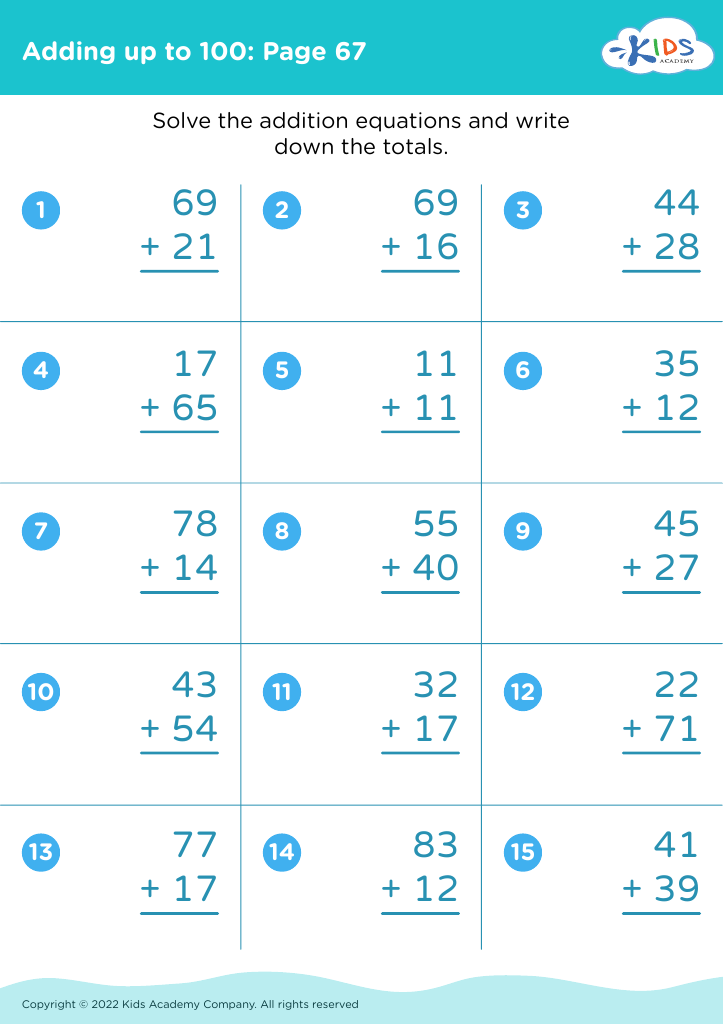
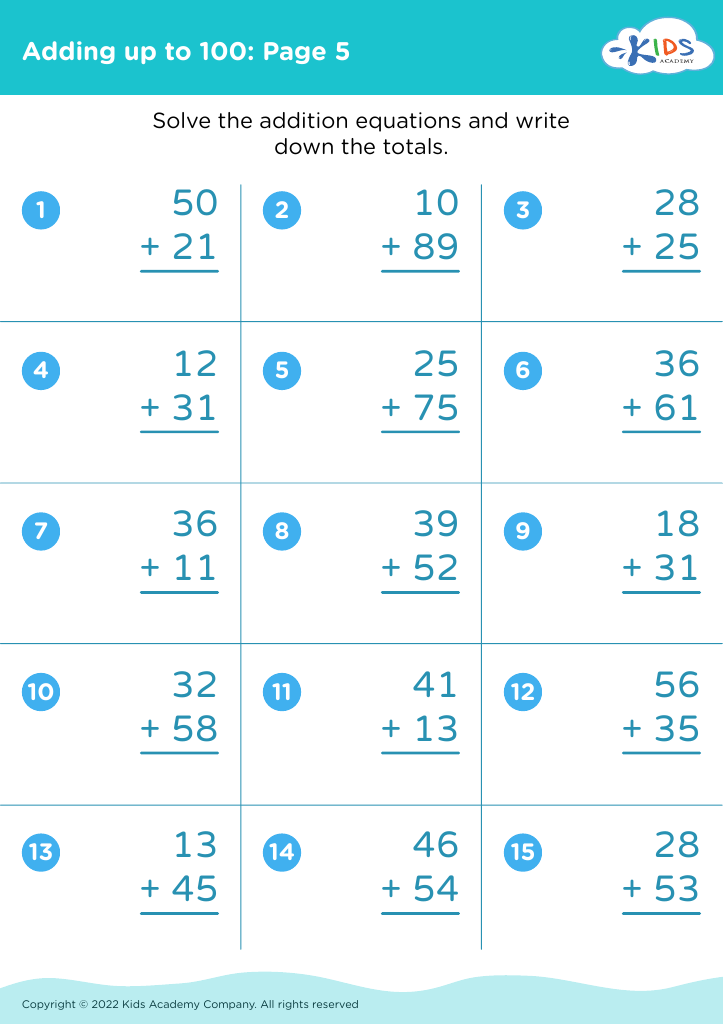
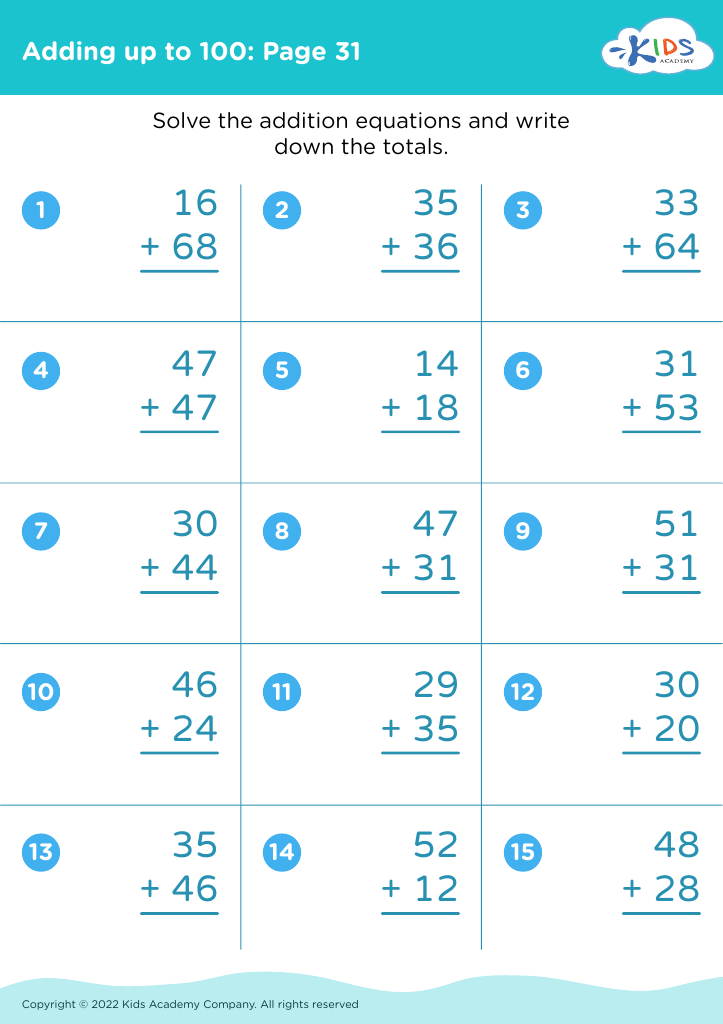
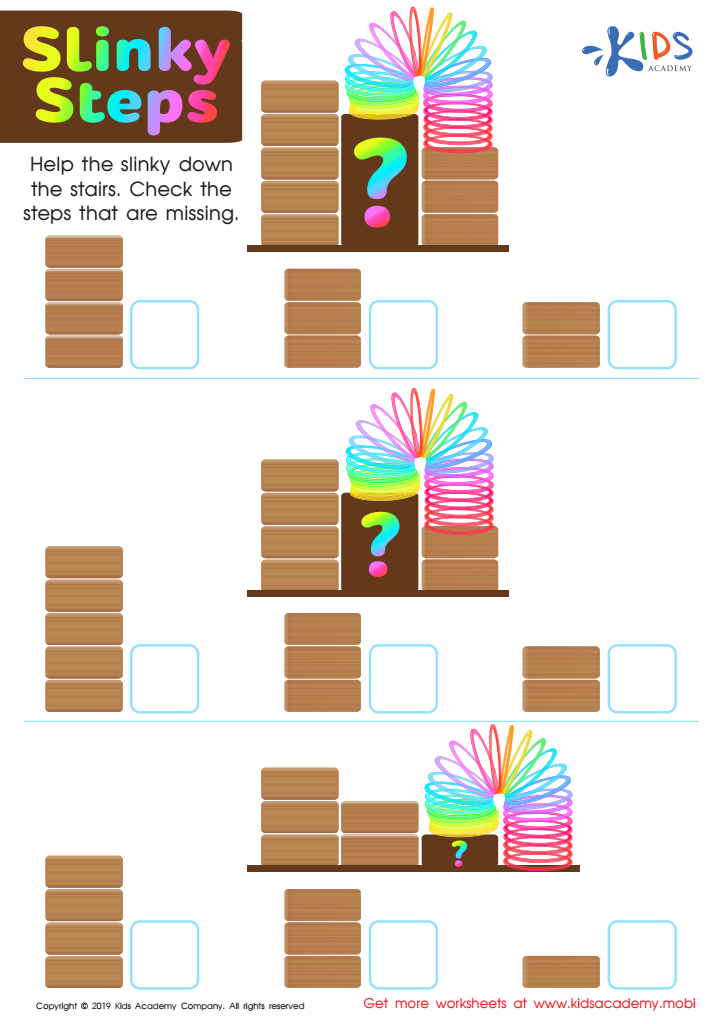
Slinky Steps Worksheet








Understanding patterns is a foundational aspect of math that is crucial for children aged 4-7. Parents and teachers should prioritize this skill because it fosters early mathematical thinking and problem-solving abilities. Recognizing and creating patterns helps children develop critical cognitive skills, including logical reasoning and analytical thinking. These abilities set the stage for more complex mathematical concepts later in their education.
Moreover, patterning is essential in various aspects of daily life and can be integrated into numerous activities. Through patterns, children learn to predict what comes next, enhancing their ability to make connections and form hypotheses. This not only strengthens their math skills but also boosts their language abilities, as they articulate their thinking and describe patterns they observe.
Additionally, understanding patterns supports emotional and social development. Engaging children in group activities around patterns encourages collaboration and communication with peers, fostering teamwork and social skills.
Ultimately, teaching patterns lays a strong groundwork for continued success in mathematics. It makes math fun and engaging, leading to a more positive attitude towards learning in general. That's why emphasizing patterning in early education is beneficial for children’s overall growth and academic trajectory.








