Visual discrimination Math Worksheets for Ages 4-7
21 filtered results
-
From - To
Boost your child’s math skills with our engaging Visual Discrimination Math Worksheets designed for ages 4-7! These worksheets help young learners develop essential visual discrimination abilities, which are crucial for problem-solving and understanding mathematical concepts. Through fun activities, children will sharpen their ability to distinguish between similar shapes, patterns, and numbers, laying a strong foundation for more complex math skills. With vibrant illustrations and age-appropriate exercises, these worksheets make learning enjoyable and interactive. Perfect for at-home practice or classroom use, our resources foster critical thinking and enhance your child's confidence in math. Download now and embark on a colorful math journey!
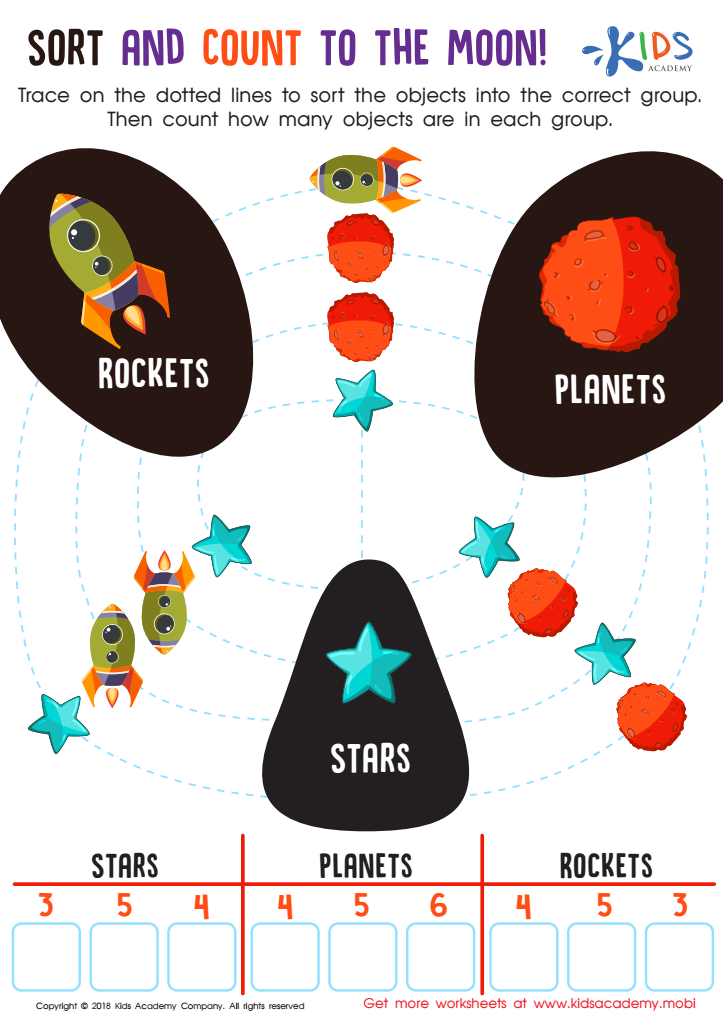
Sort and Count to the Moon Worksheet
 Assign to My Students
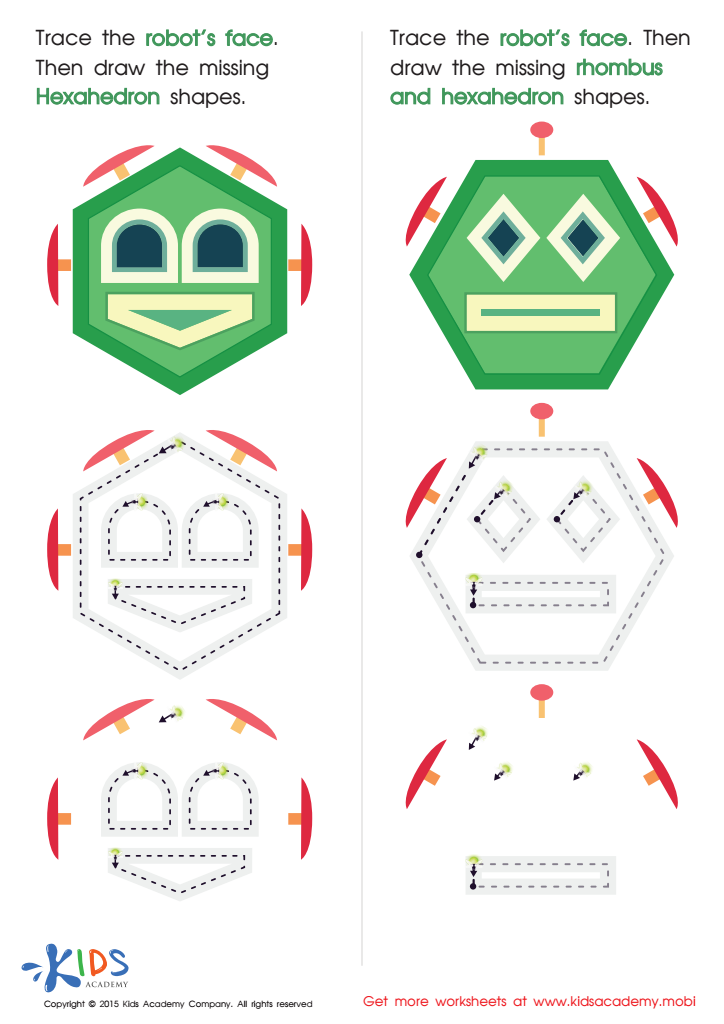
Practice Drawing Hexahedrons And a Rhombus Worksheet
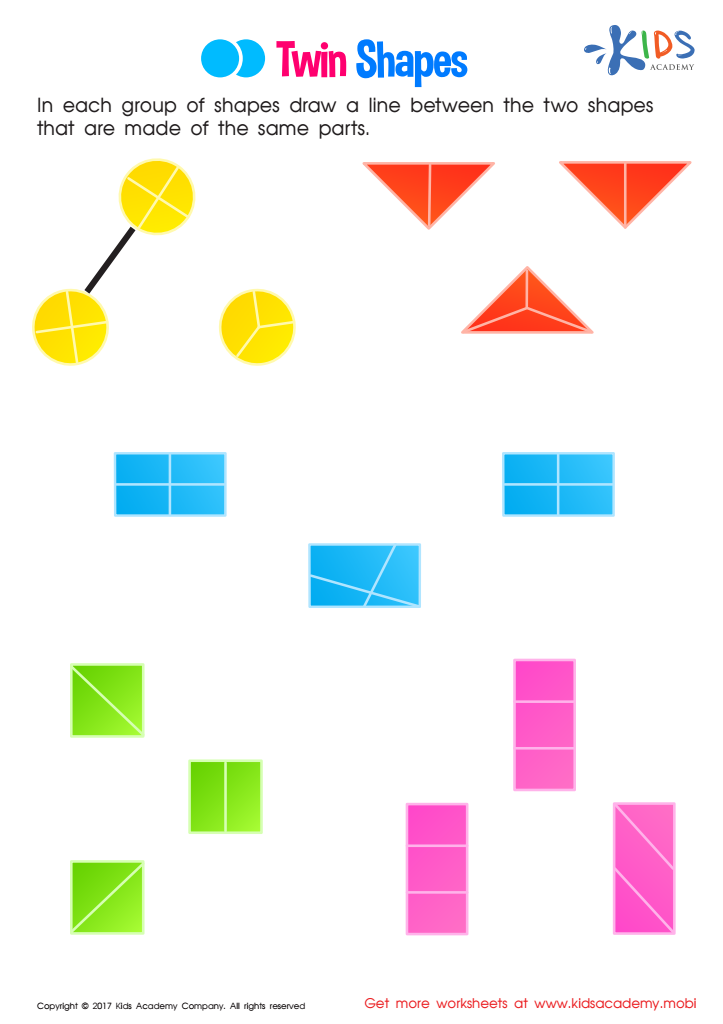
Twin Shapes Worksheet
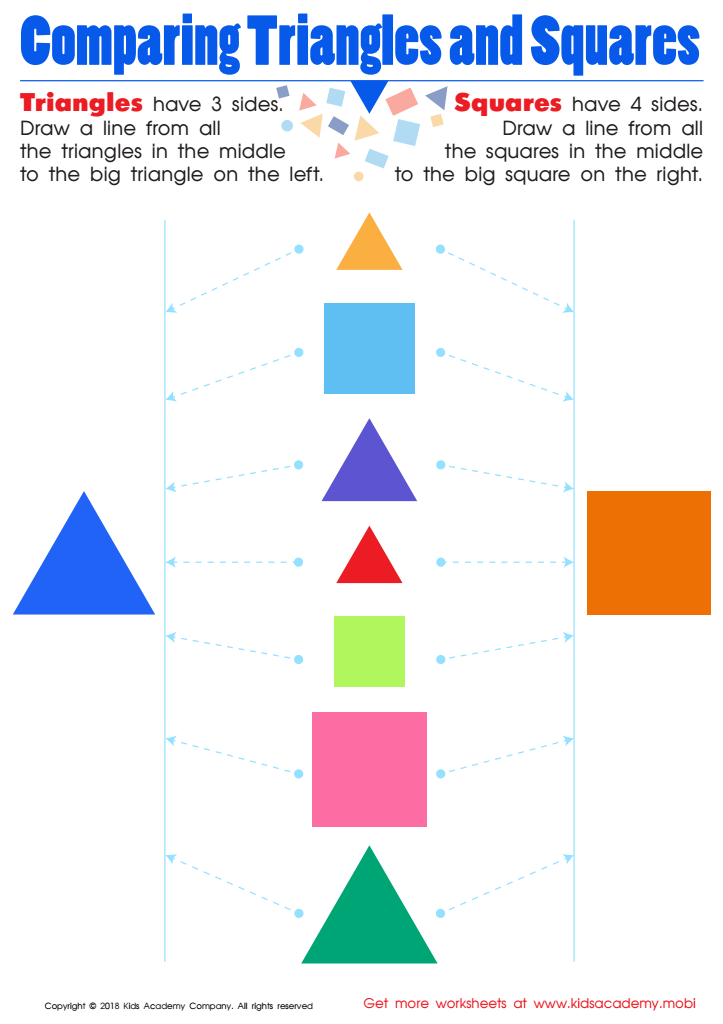
Comparing Triangles Squares Worksheet
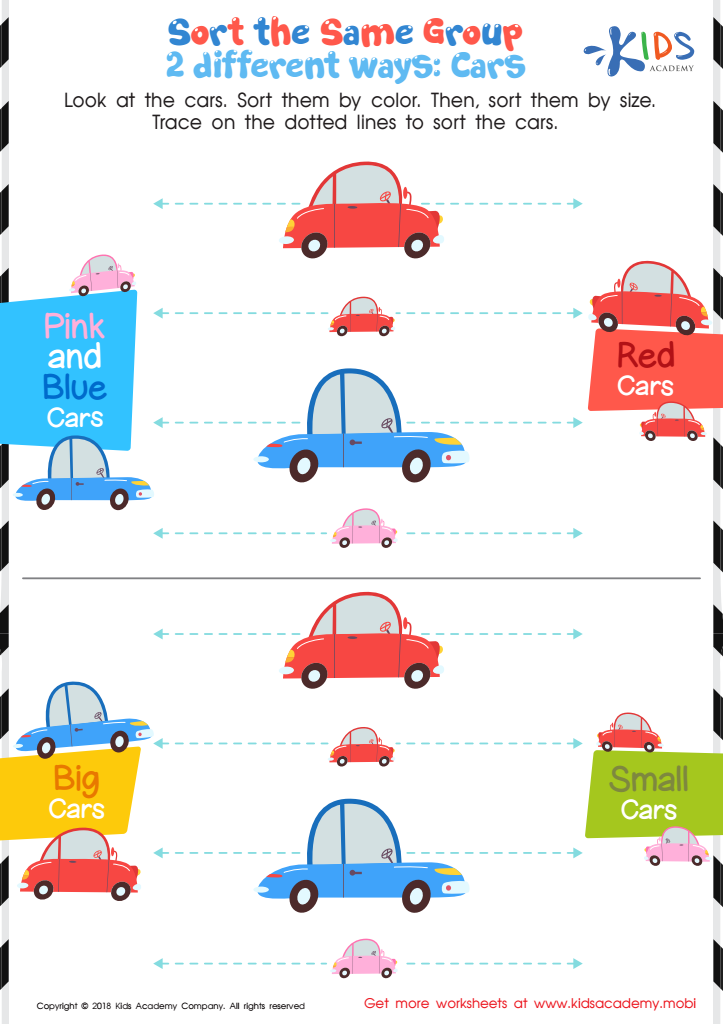
Sort the Same Group 2 Different Ways: Cars Worksheet
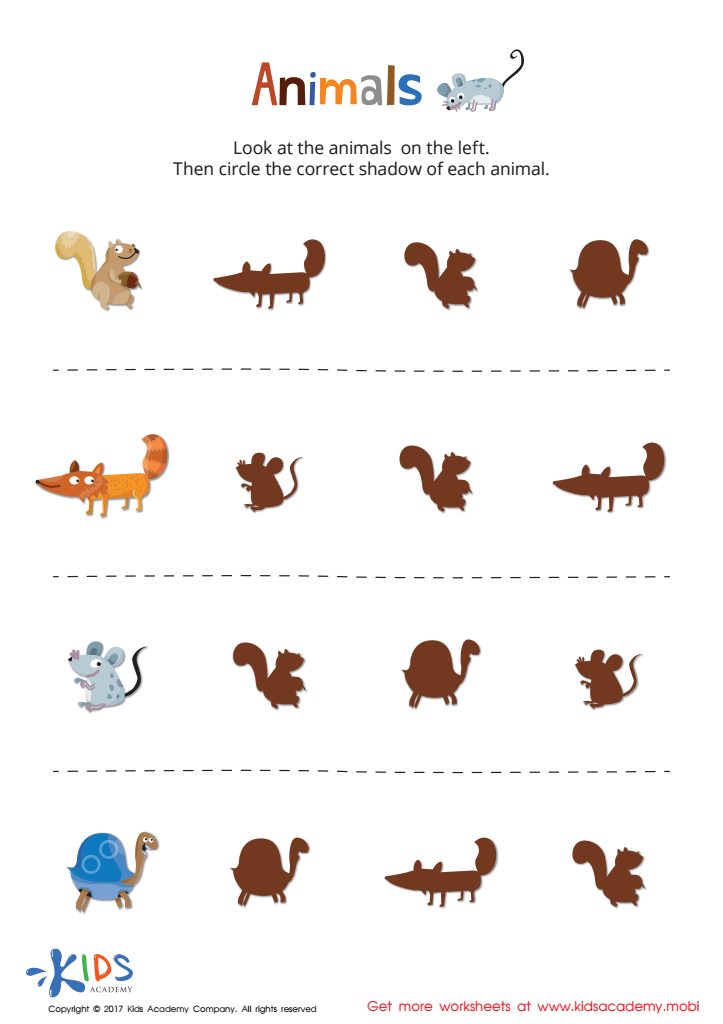
Animal Shadows Sorting Worksheet
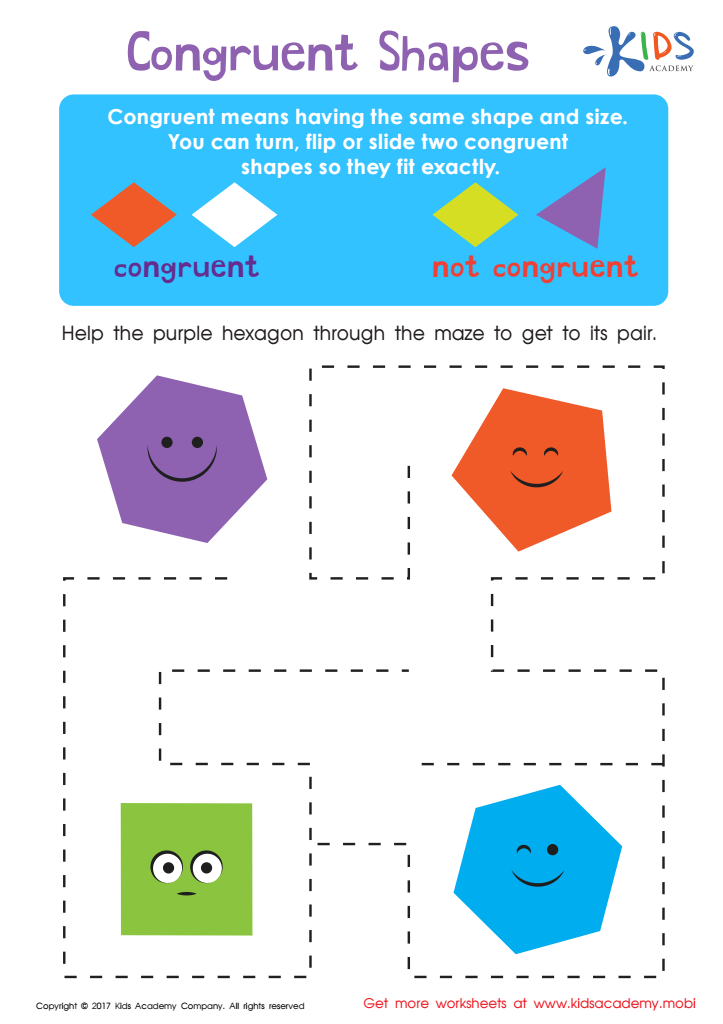
Congruent Shapes Worksheet
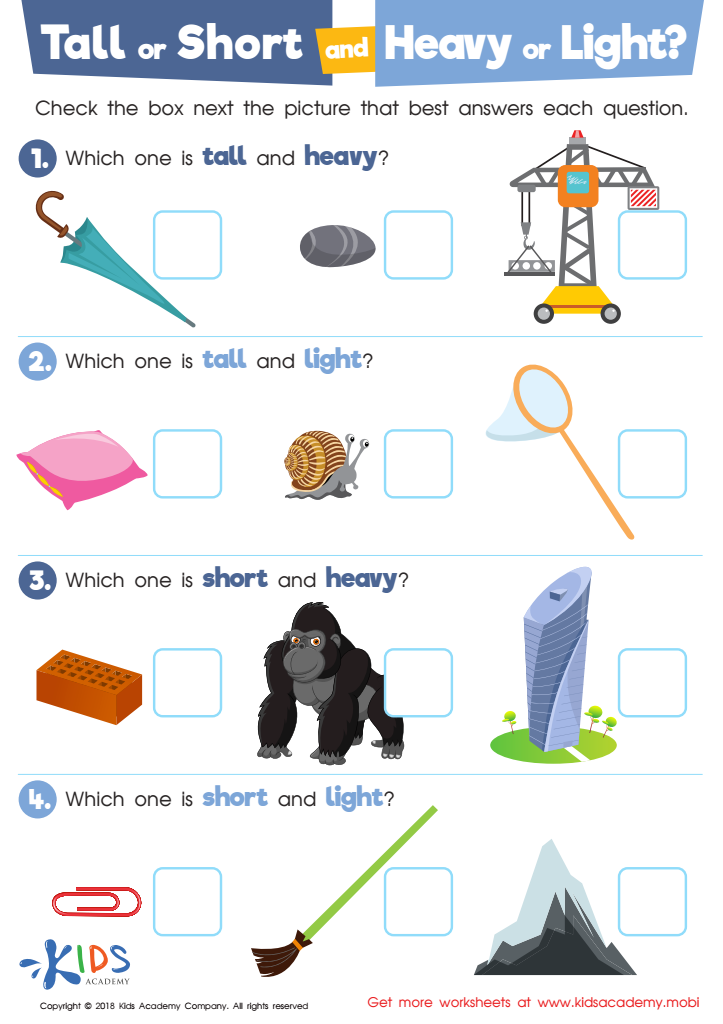
Tall or Short and Heavy or Light? Worksheet
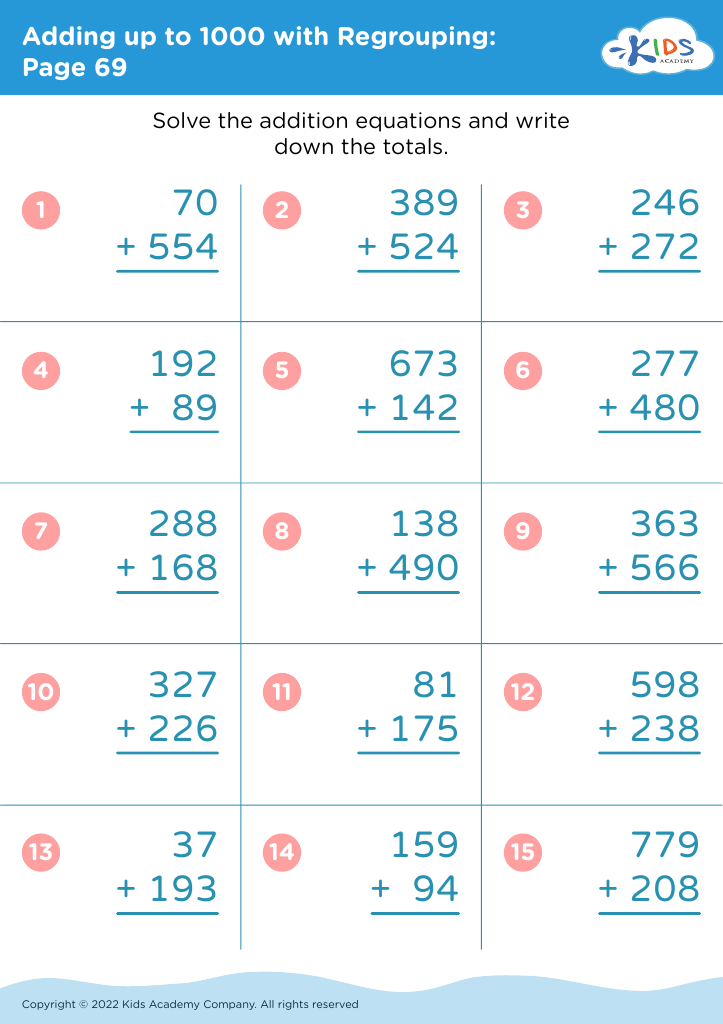
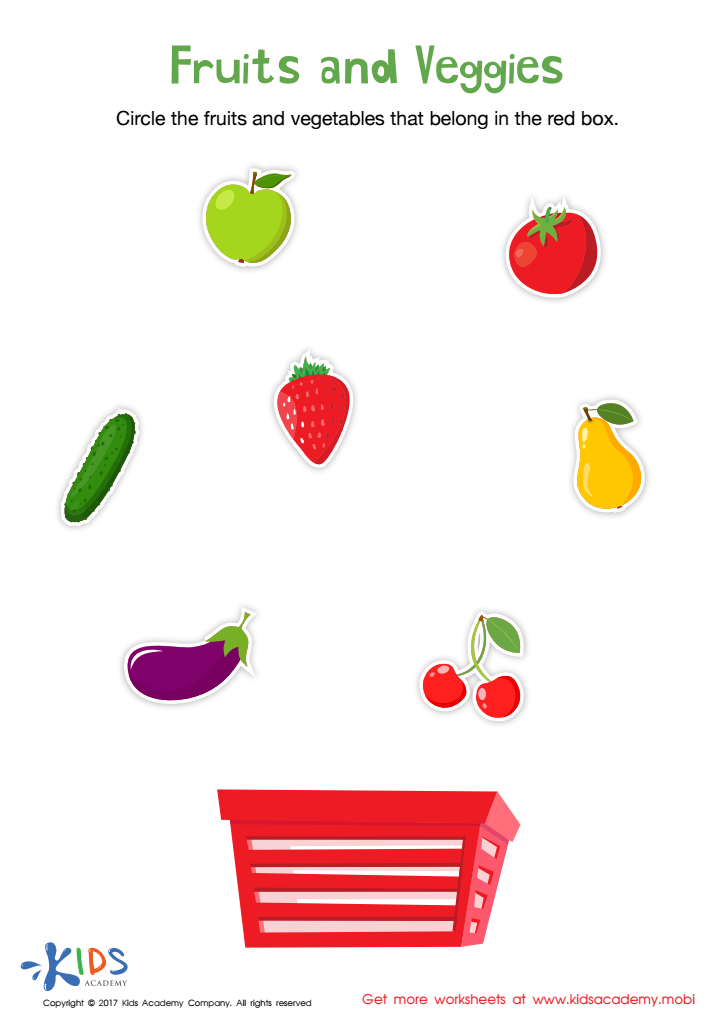
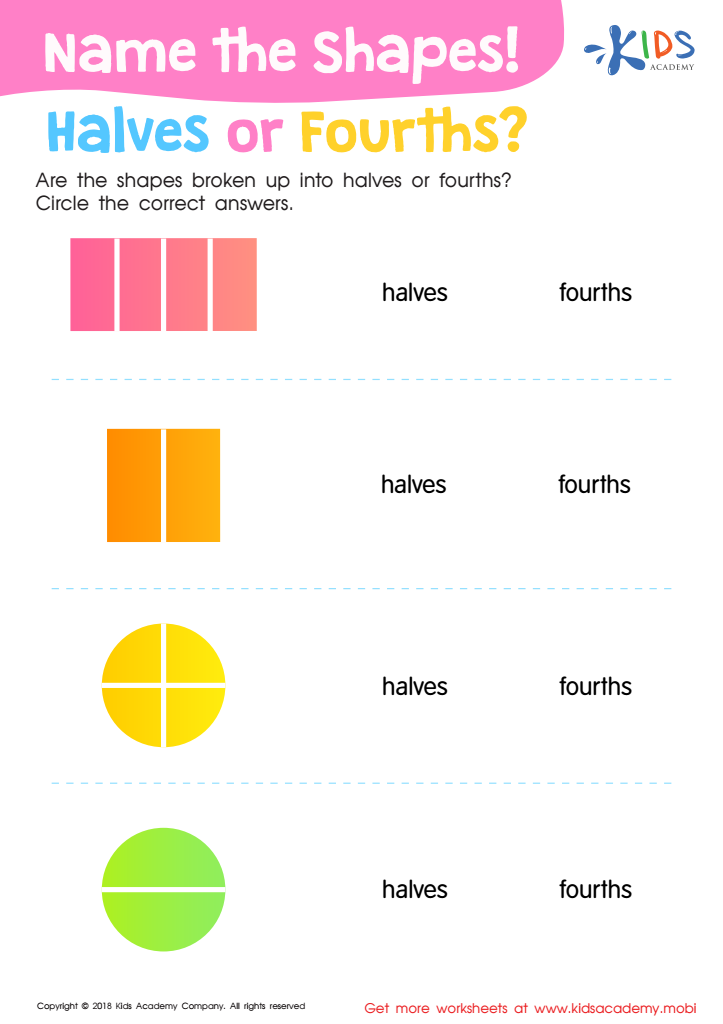
Name the Shapes Halves or Fourths? Worksheet
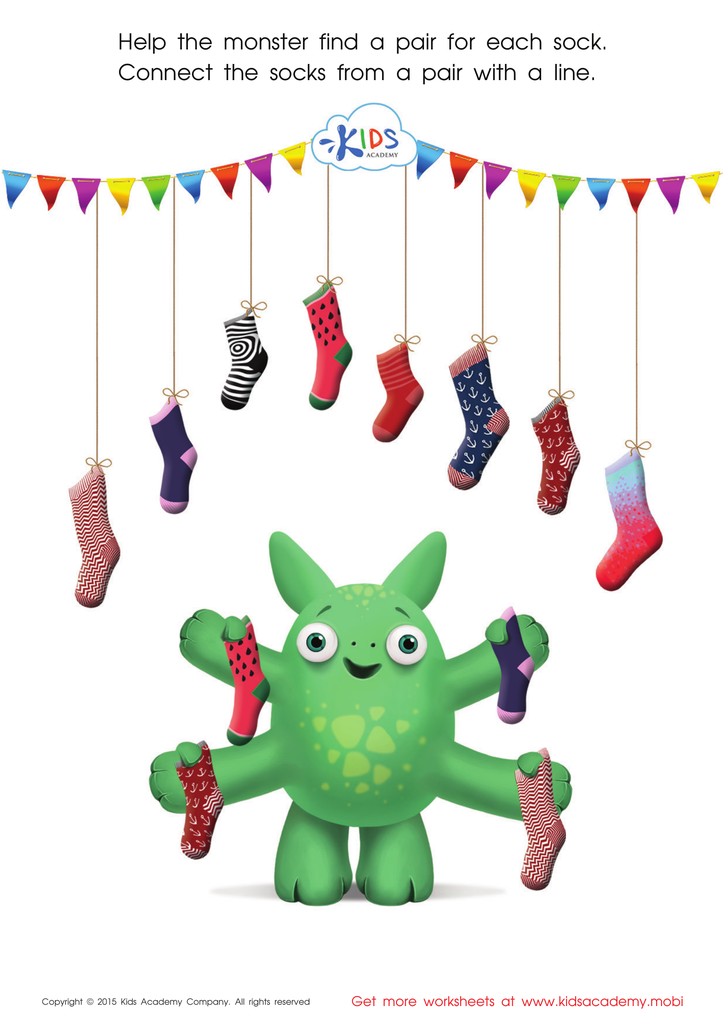
Math Matching Game: Monsterв's Socks Worksheet
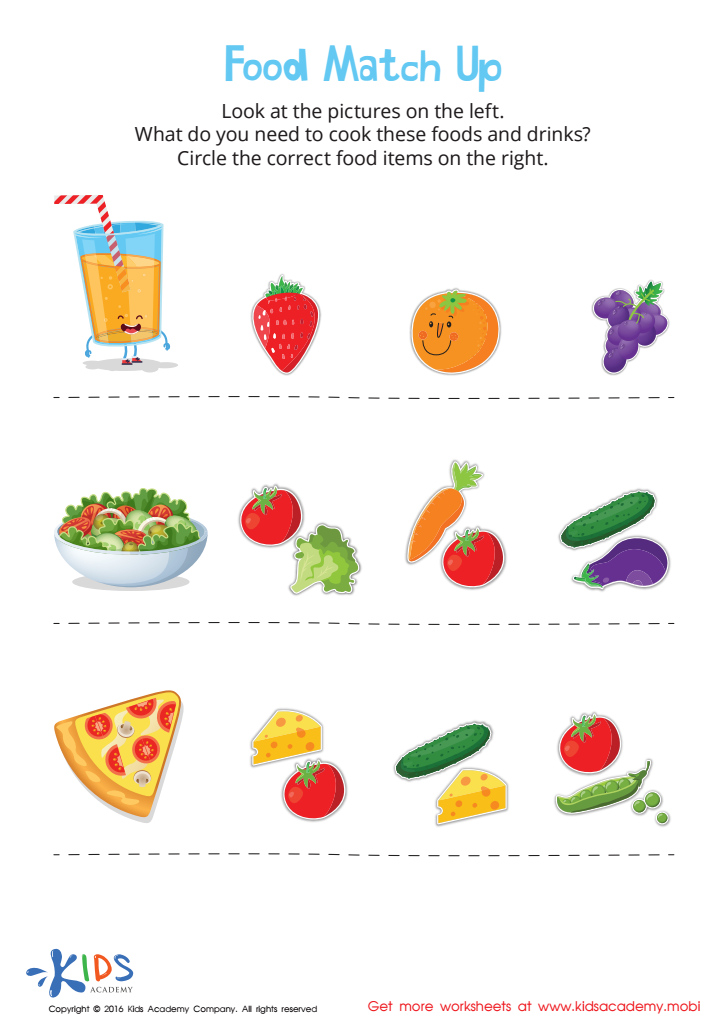
Food Match Up Worksheet
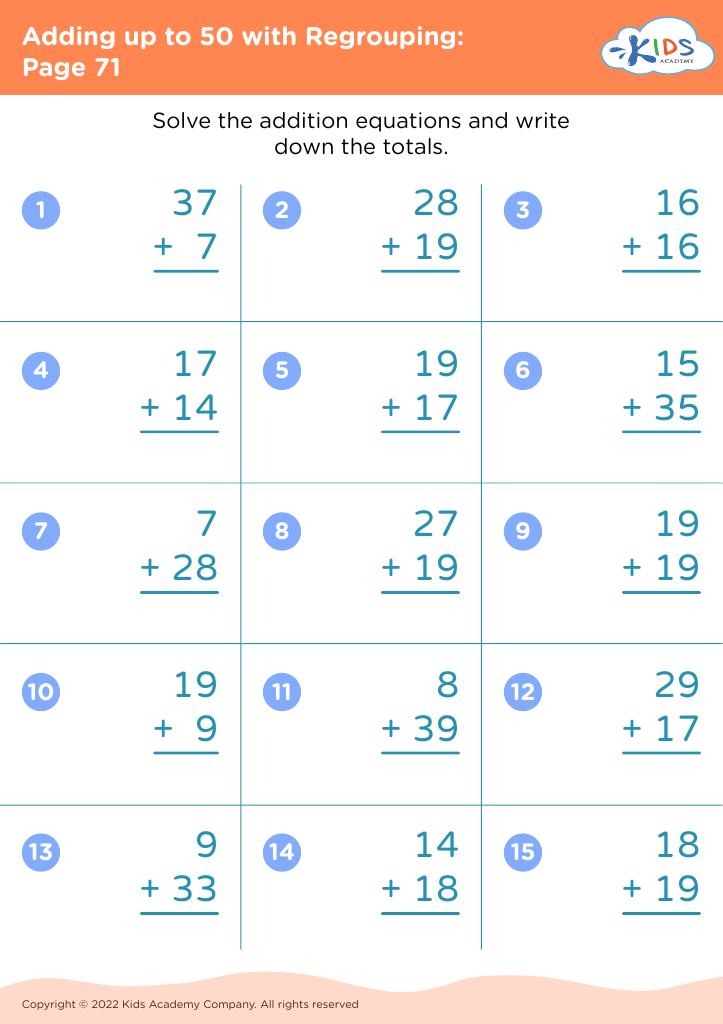
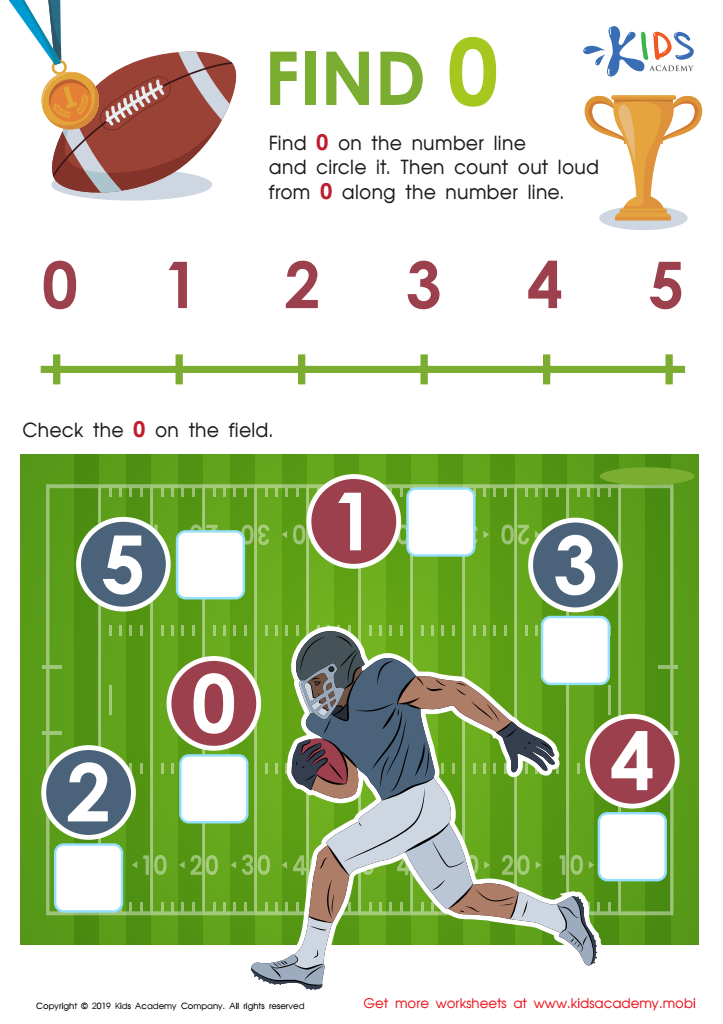
Find 0 Worksheet
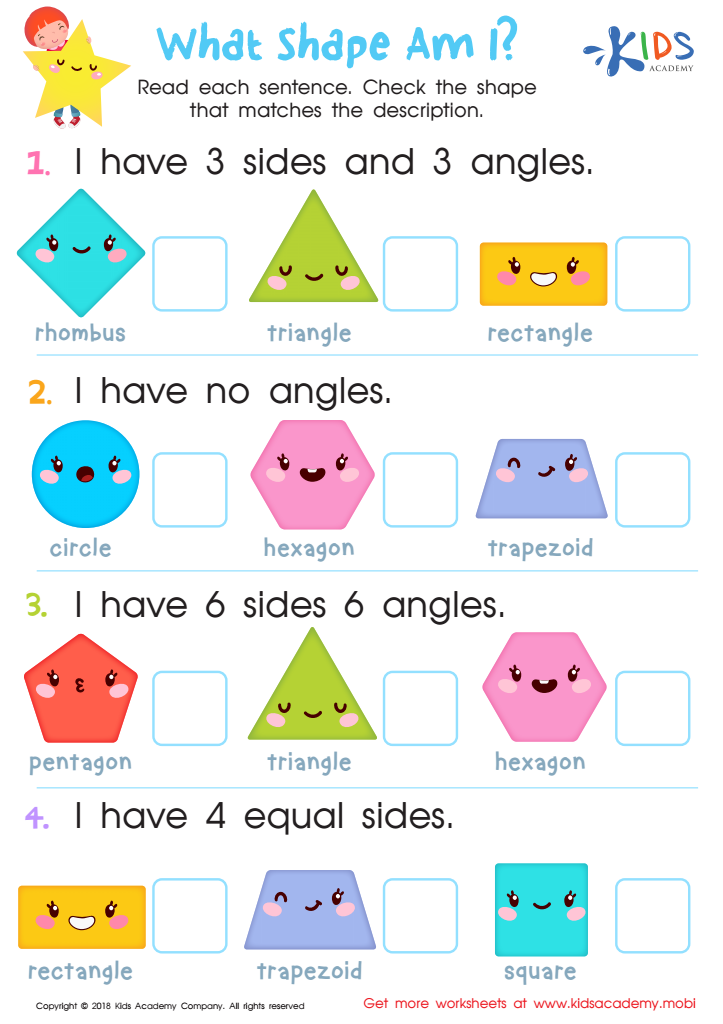
What Shape Am I? Worksheet
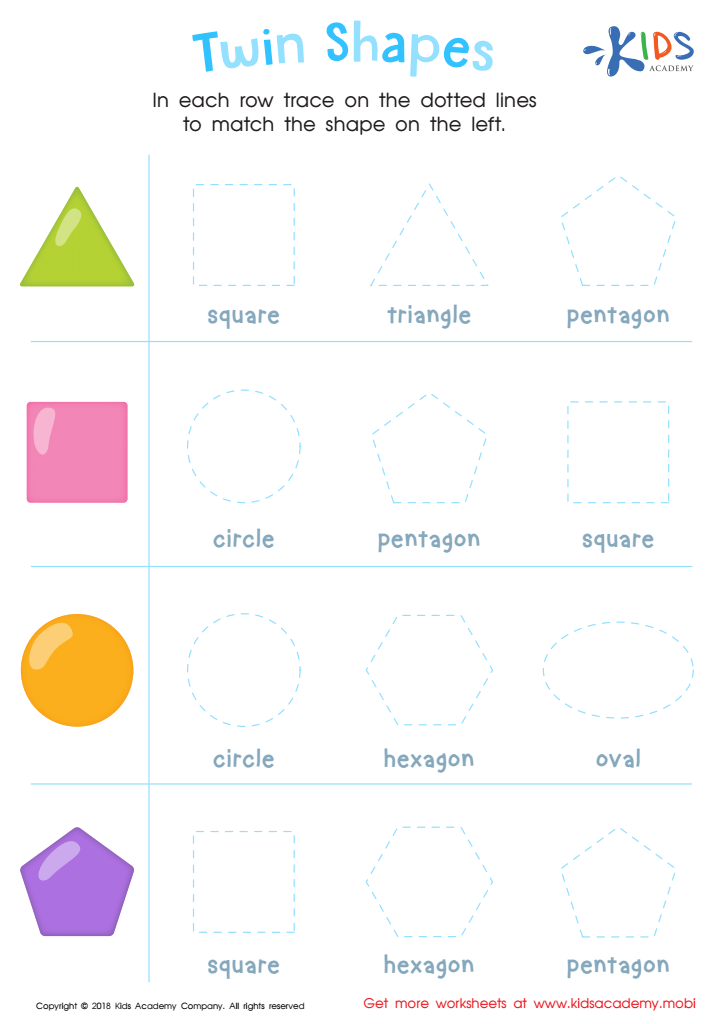
Twin Shapes Dot-to-Dot Worksheet
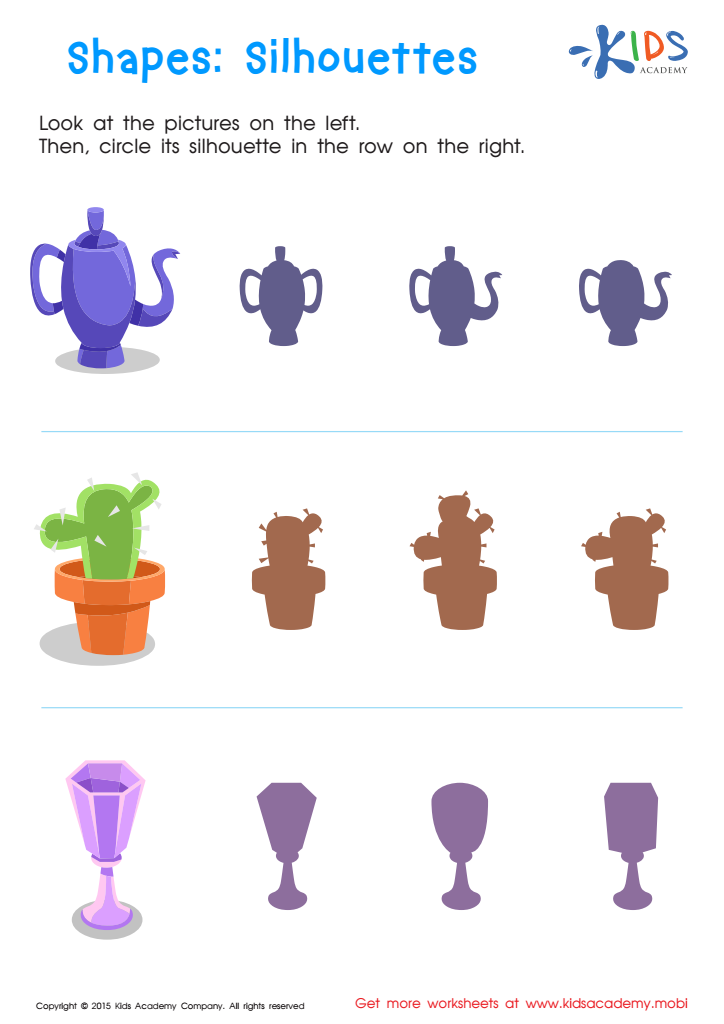
Silhouettes – Shapes Worksheet








Visual discrimination skills are crucial for children aged 4 to 7, as they serve as the foundation for mathematical understanding and overall academic learning. These skills involve the ability to distinguish differences and similarities between shapes, sizes, and patterns. For young learners, developing visual discrimination means they can better recognize numbers and symbols, categorize objects, and identify patterns—all skills integral to math fluency.
When parents and teachers focus on enhancing visual discrimination, they foster enhanced cognitive development. Children who can accurately distinguish visual information are better prepared to solve problems, understand spatial relationships, and learn more effectively. This skill is particularly important in activities like counting, sorting, and recognizing geometric shapes, which are common in early math curricula.
Furthermore, strengthening visual discrimination can build children’s confidence. As they become adept at recognizing and manipulating visual elements in mathematical contexts, they typically experience reduced frustration in learning. Ultimately, supporting the growth of these skills isn't just about improving math; it helps cultivate critical thinking, increases attention to detail, and encourages persistence—all essential attributes for lifelong learners. By prioritizing visual discrimination, parents and teachers set the stage for successful and enjoyable mathematical experiences.








