Vocabulary expansion Math Worksheets for Ages 4-7
21 filtered results
-
From - To
Our "Vocabulary Expansion Math Worksheets for Ages 4-7" offer engaging and effective activities designed to enhance young learners' mathematical vocabulary. These worksheets combine essential math concepts with vocabulary-building exercises, helping children develop a strong foundation in both areas. With colorful illustrations and age-appropriate tasks, kids will explore terms related to numbers, shapes, measurements, and more. Ideal for parents and educators, these printable resources are easy to use and can complement any learning environment, ensuring that children not only grasp mathematical principles but also learn to articulate them confidently. Boost your child's skills with our fun and interactive worksheets today!
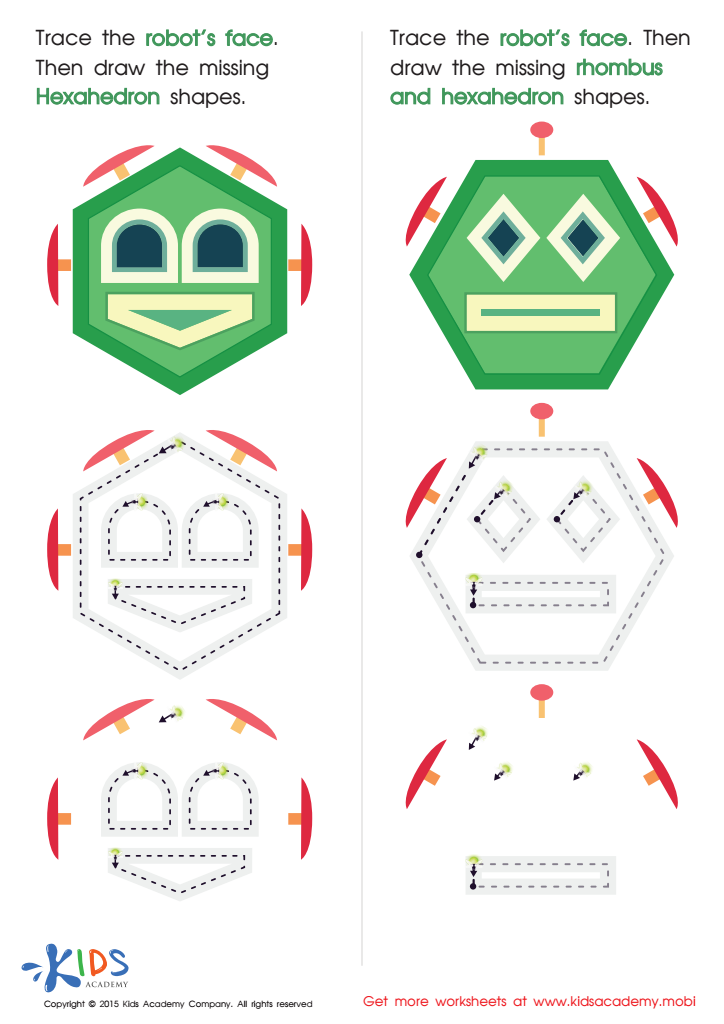
Practice Drawing Hexahedrons And a Rhombus Worksheet
 Assign to My Students
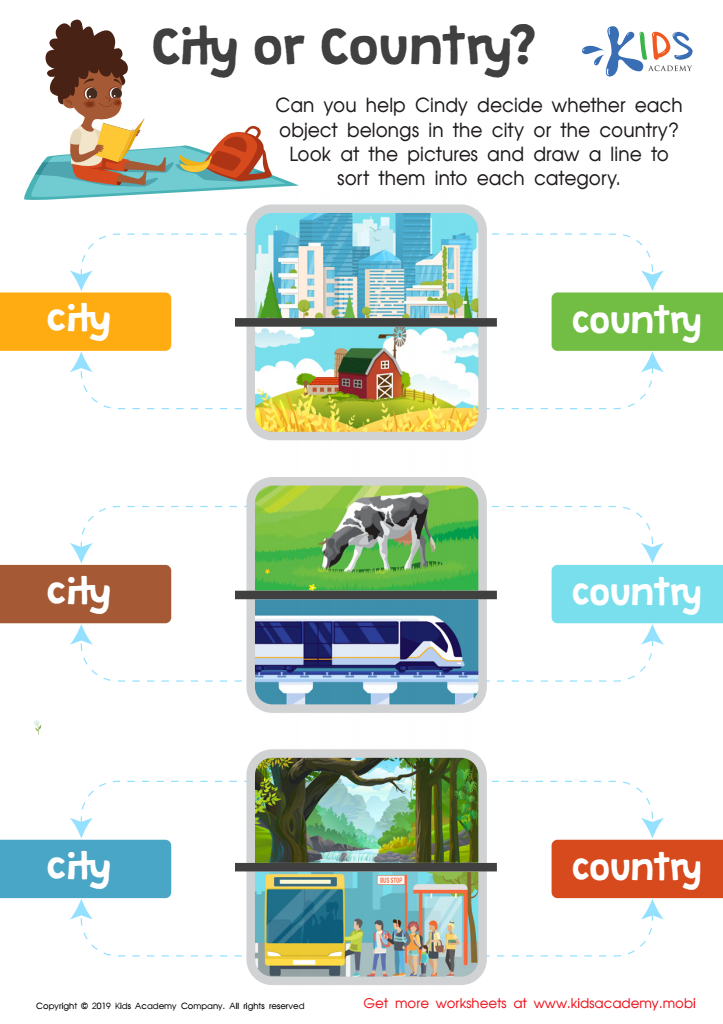
City or Country? Worksheet
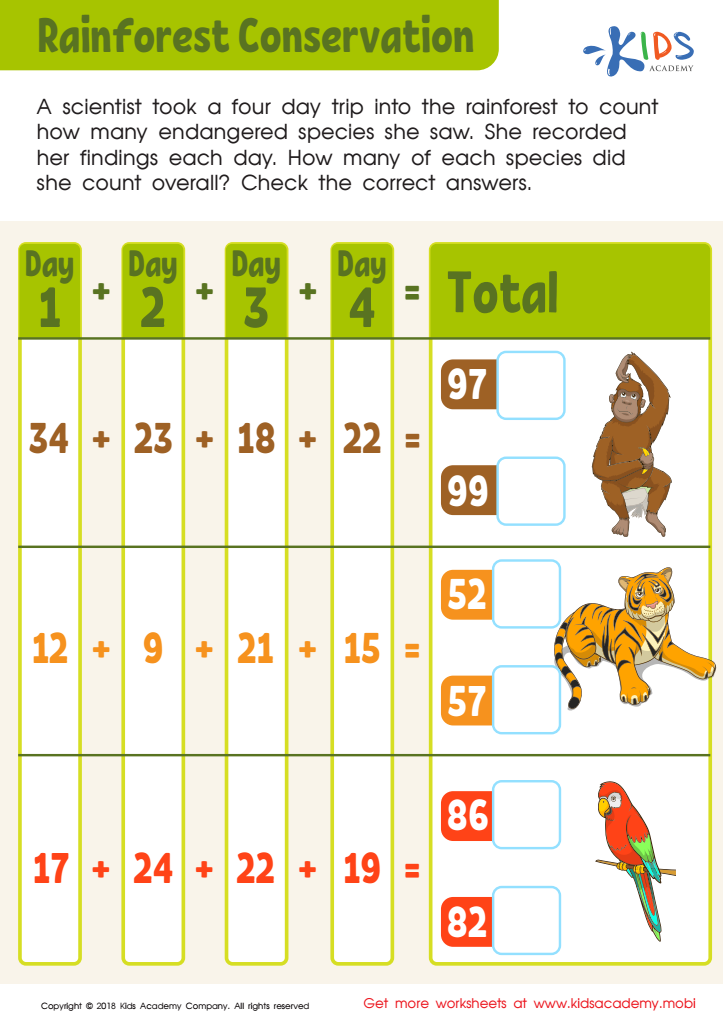
Rainforest Conservation Worksheet
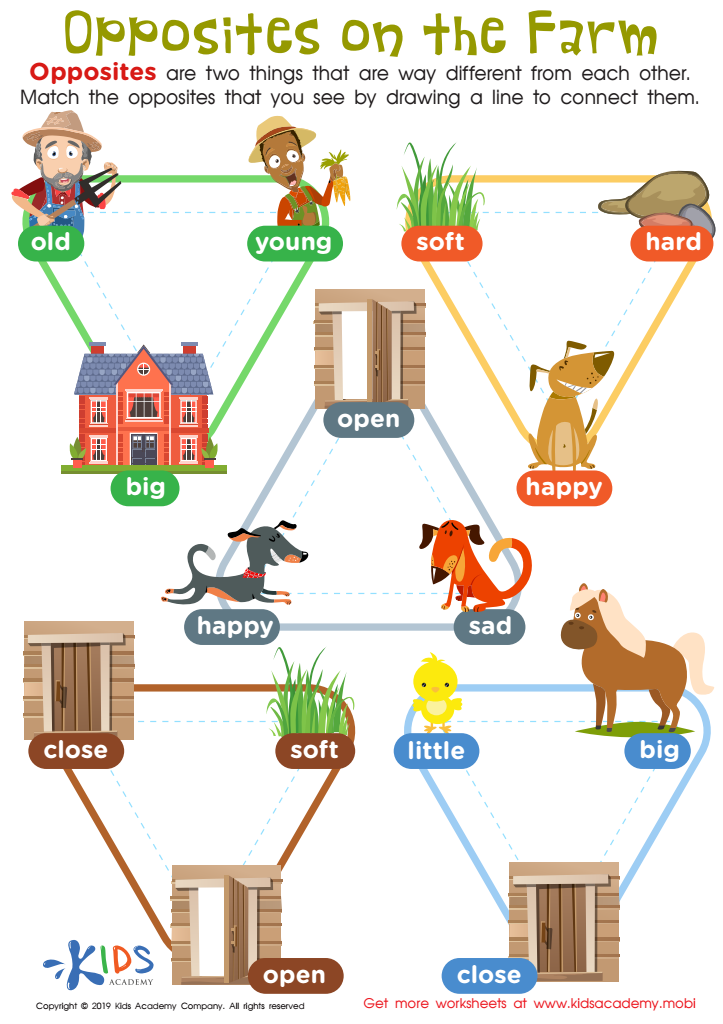
Opposites on the Farm Worksheet
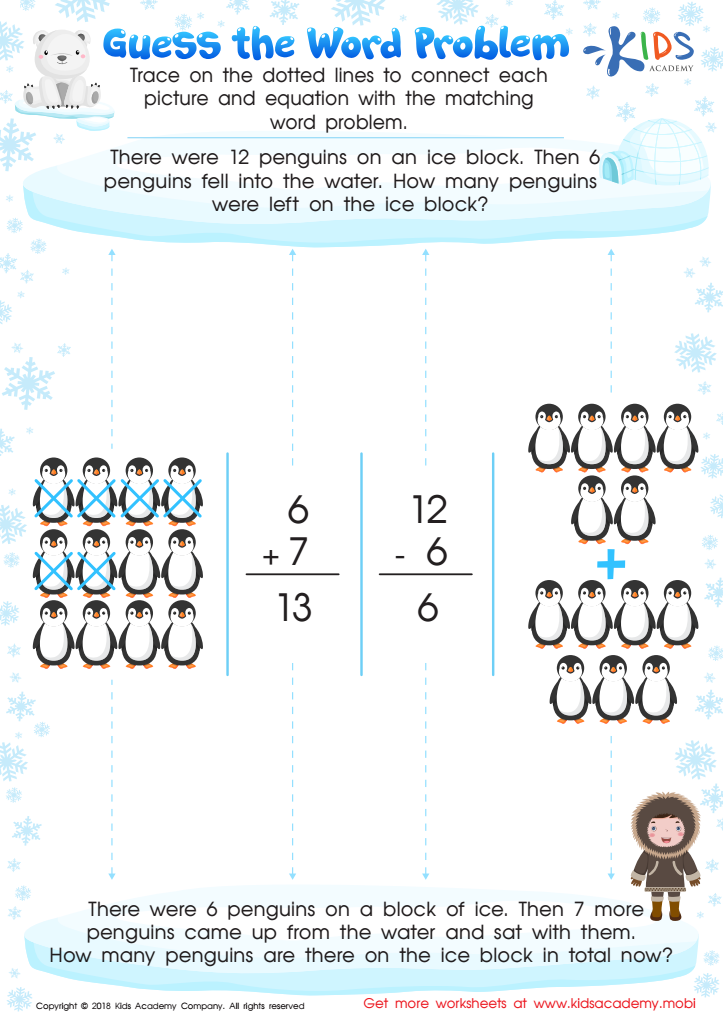
Guess the Word Problem Worksheet
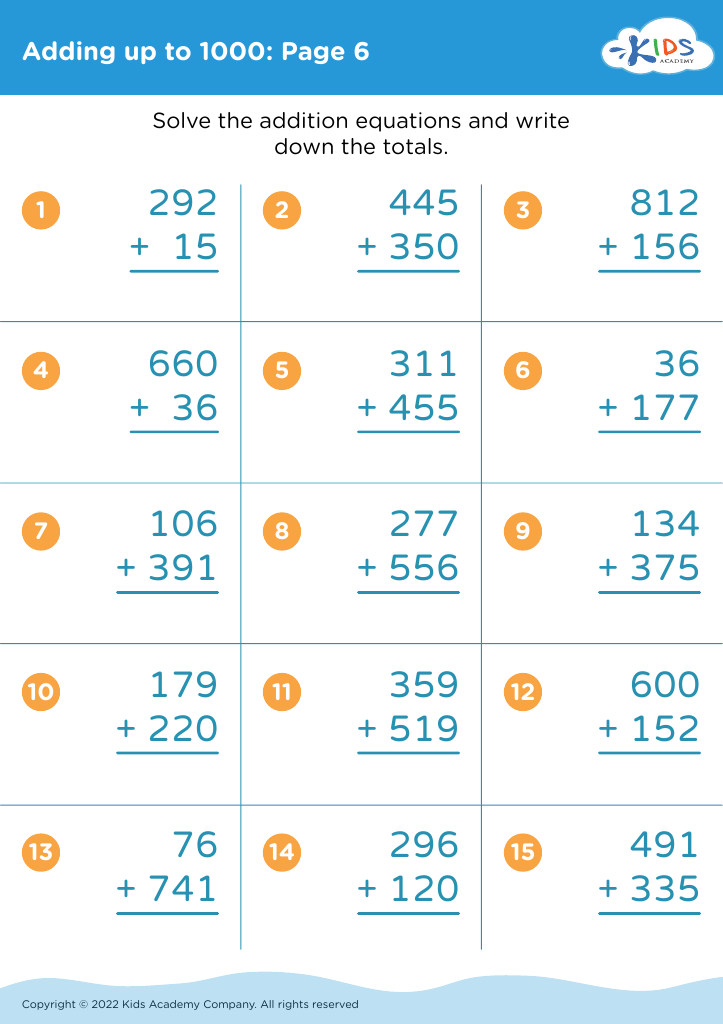
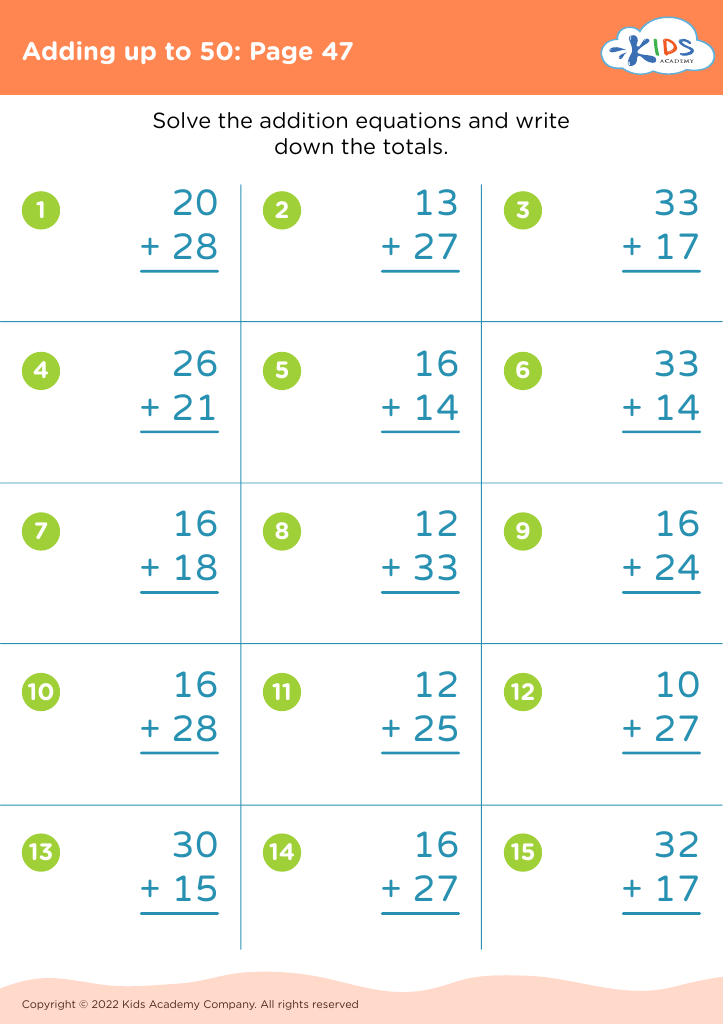
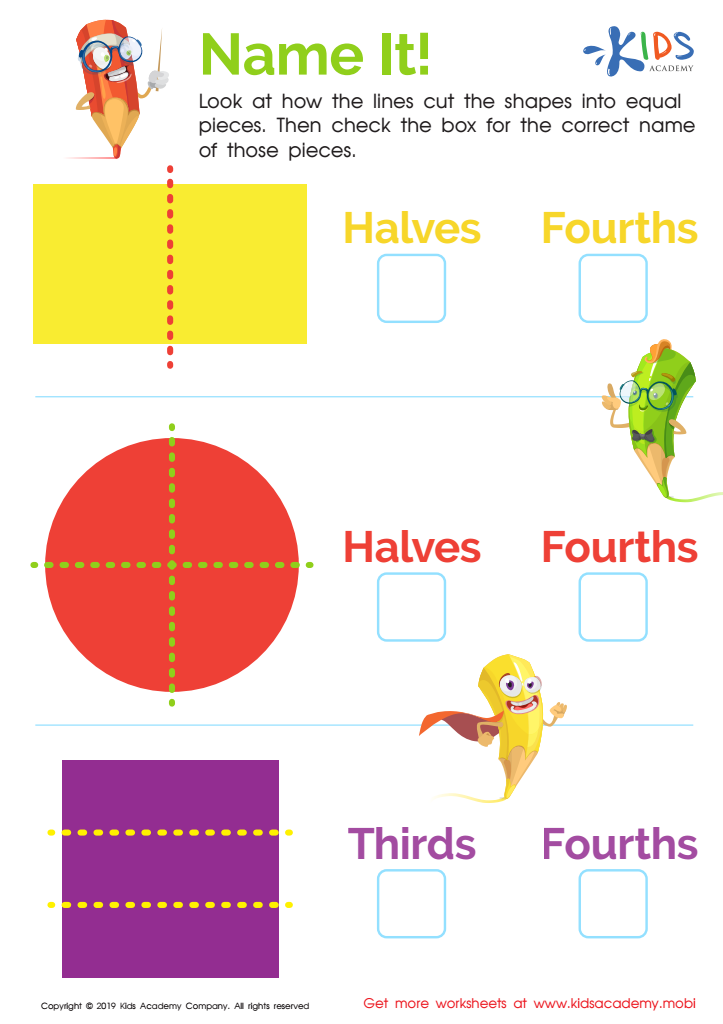
Name It! Worksheet
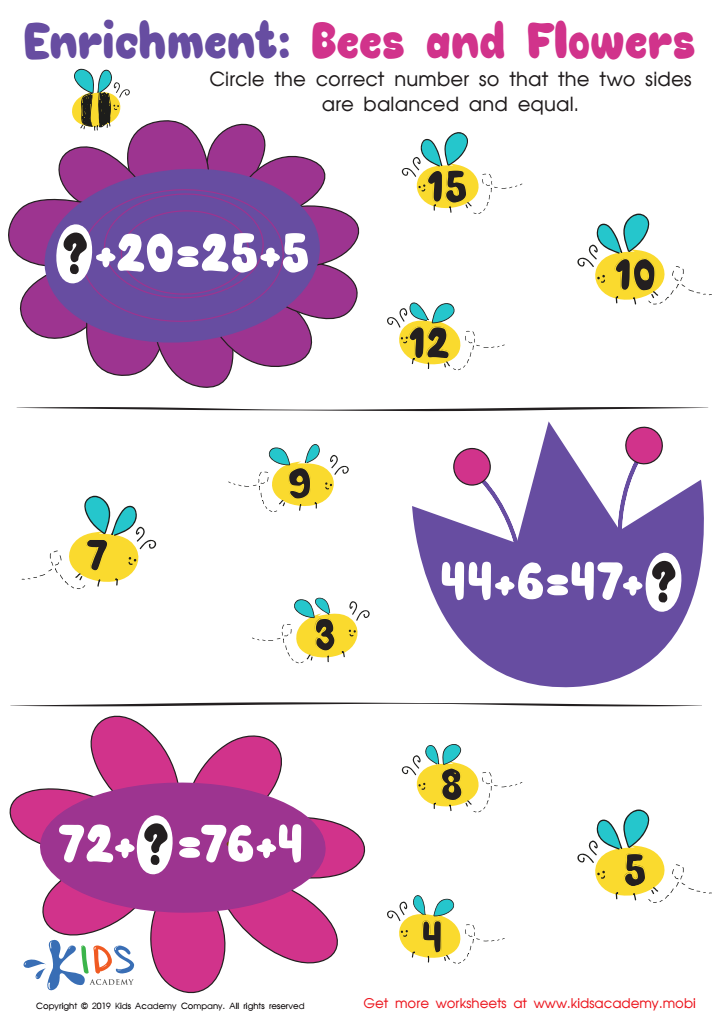
Enrichment: Bees and Flowers Worksheet
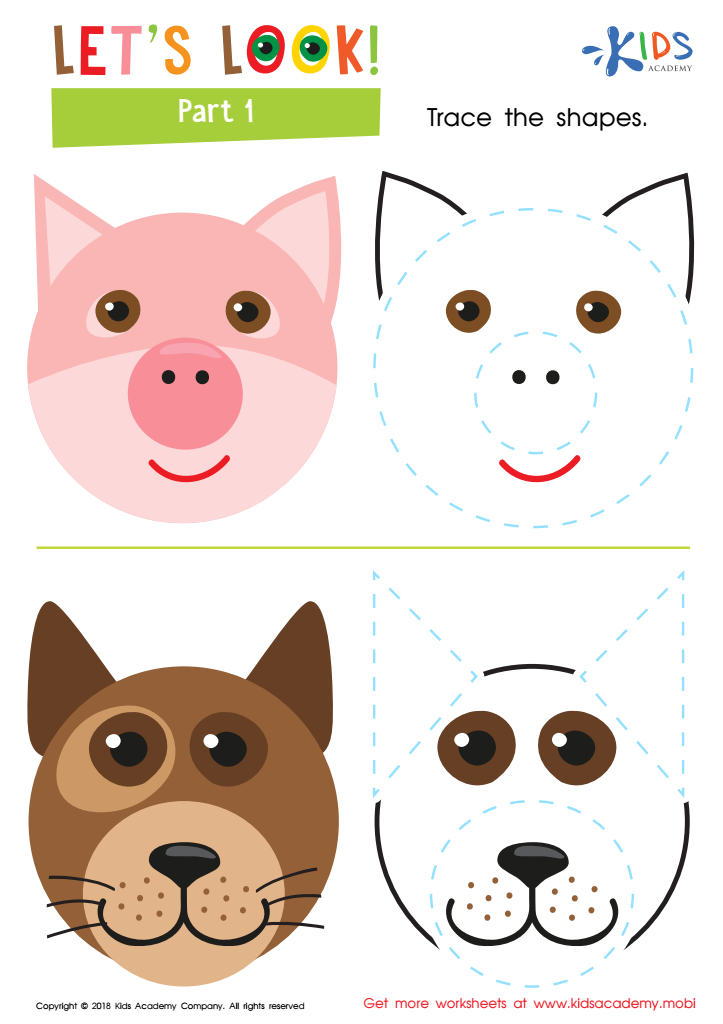
Let's Look! Part 1 Worksheet
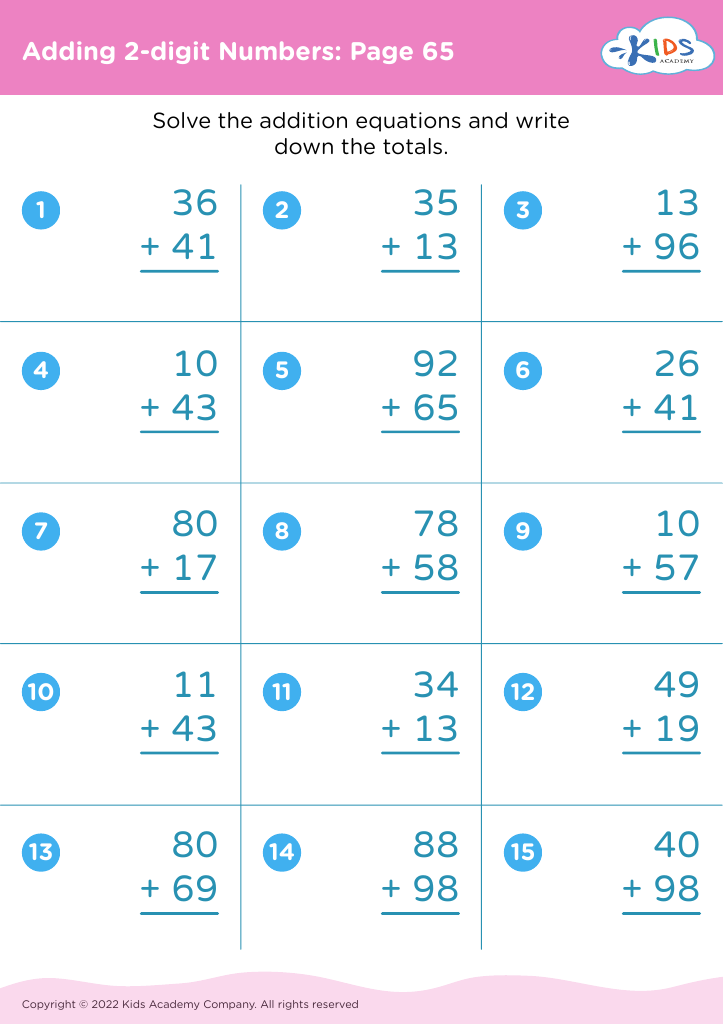
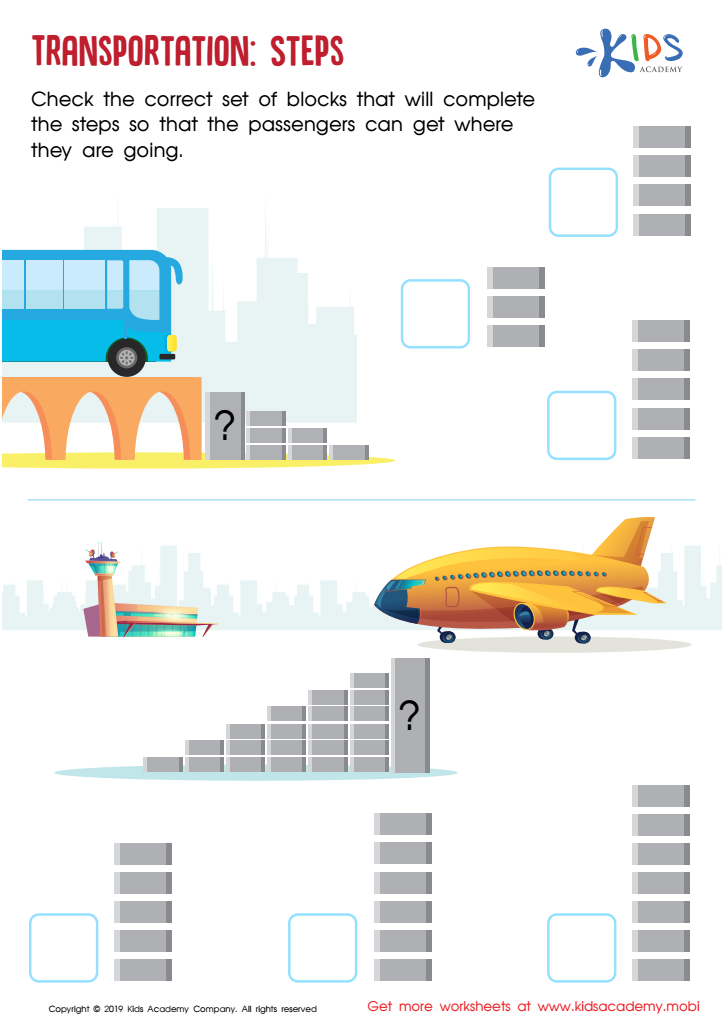
Transportation: Steps Worksheet
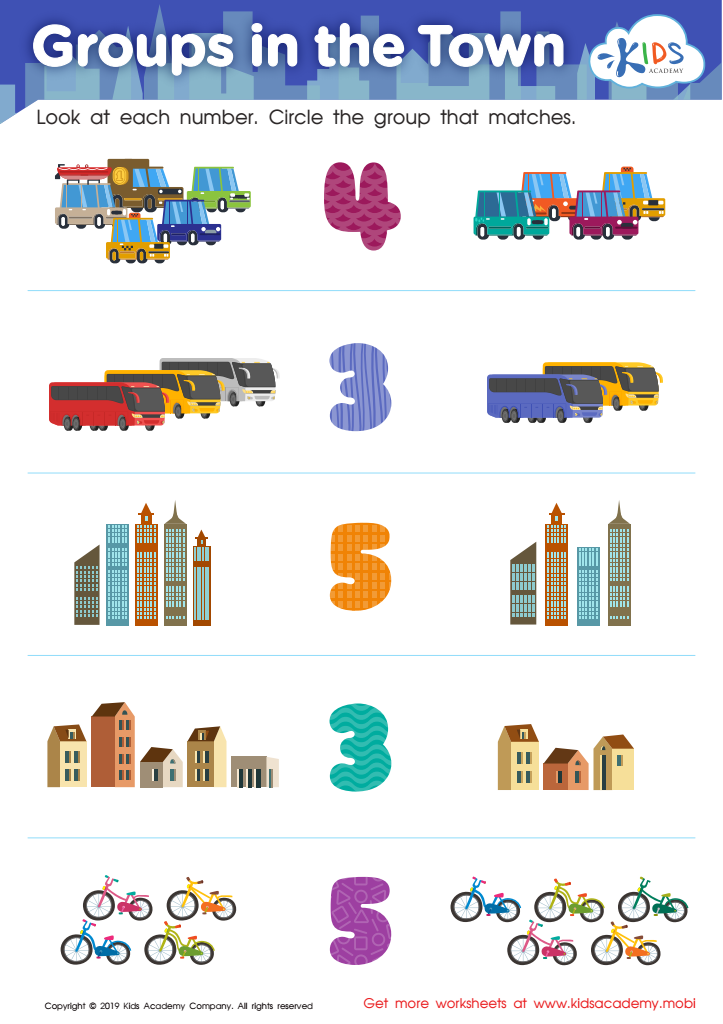
Groups in the Town Worksheet
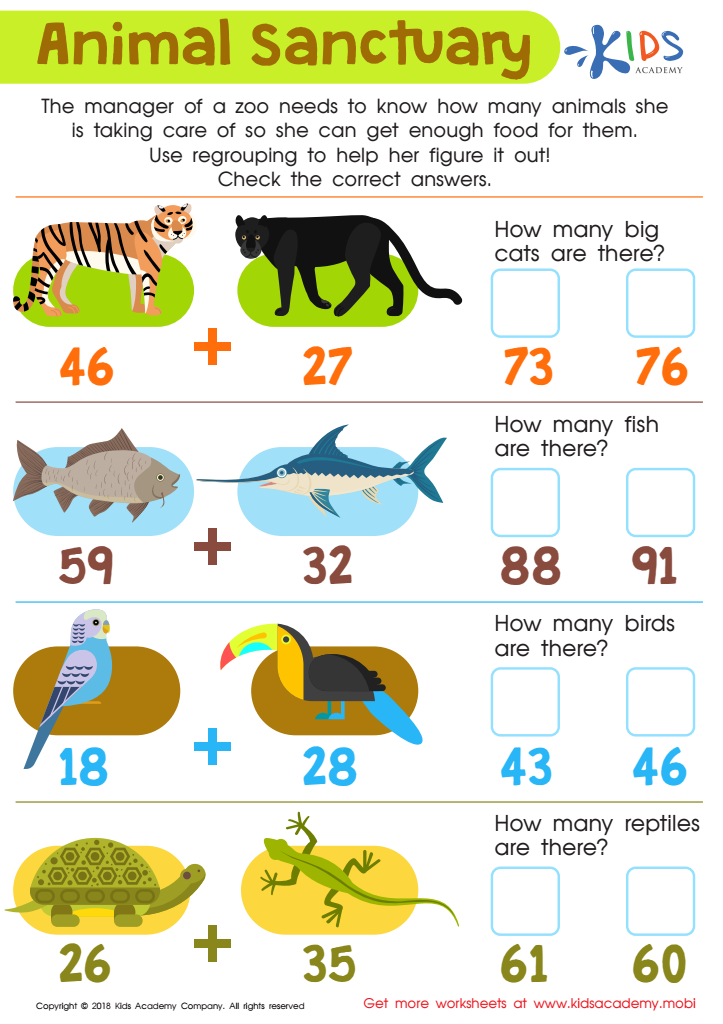
Animal Sanctuary Worksheet


.jpg)





Vocabulary expansion in math for children aged 4-7 is critical for their overall cognitive and linguistic development. At this stage, children are not only learning foundational math concepts but also the language that accompanies those concepts. A robust math vocabulary helps children express their ideas, understand instructions, and articulate their reasoning.
Understanding terminology like "add," "subtract," "greater than," and " equals" not only empowers children to solve problems but also builds confidence in their abilities. When children can effectively communicate their mathematical thinking, they become more engaged learners, better able to collaborate with peers and seek help when needed. Furthermore, a solid vocabulary correlates with improved reading and comprehension skills in other subjects.
When parents and teachers invest in vocabulary expansion in math, they foster critical thinking and encourage a positive attitude towards learning. Engaging with mathematical language through games, stories, and interactive activities can make learning enjoyable, helping children grasp complex ideas with ease. Ultimately, supporting vocabulary development lays a foundation for academic success and lifelong learning, making math a subject of exploration, confidence, and joy rather than fear or confusion. This investment in language can profoundly shape a child’s educational journey and pave the way for future achievements.








