Problem-Solving Skills Place Value Worksheets for Ages 4-7
5 filtered results
-
From - To
Enhance your child's math abilities with our "Problem-Solving Skills Place Value Worksheets for Ages 4-7." These expertly designed exercises focus on building critical thinking and problem-solving prowess while reinforcing key place value concepts. Ideal for young learners, each worksheet provides engaging activities to challenge their understanding of numbers, tens, and ones. Fun illustrations and age-appropriate problems make learning enjoyable and effective, laying a strong foundation for future math success. Parents and teachers will find these worksheets an invaluable resource for developing essential math skills in a playful and educational manner. Enhance learning at Kids Academy today!
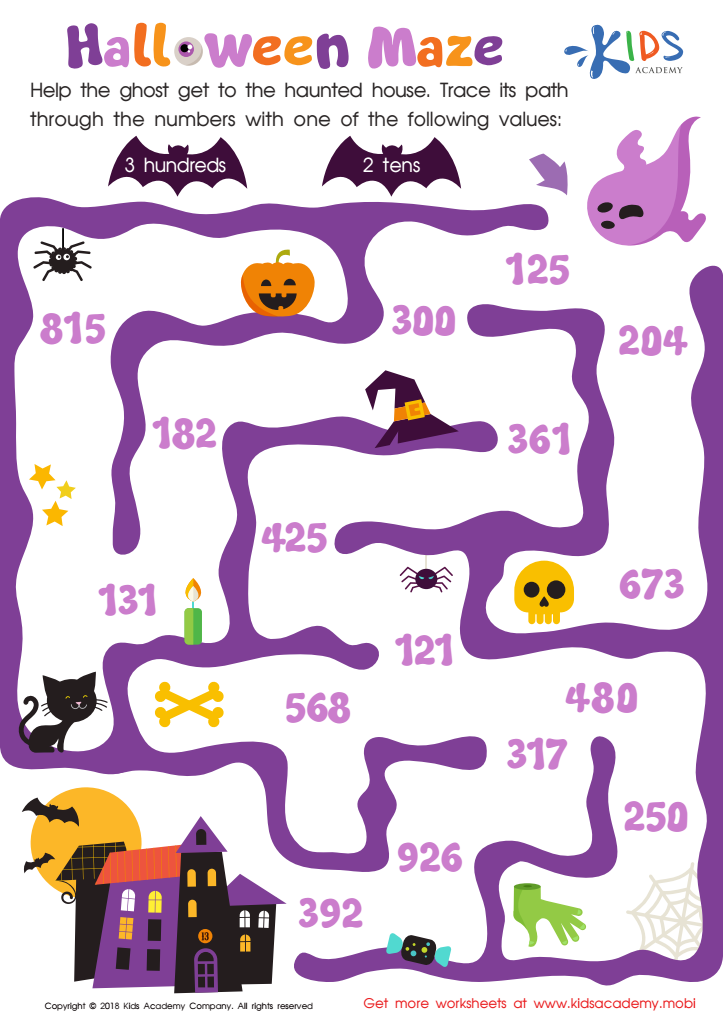
Place Value: Halloween Maze Worksheet
 Assign to My Students
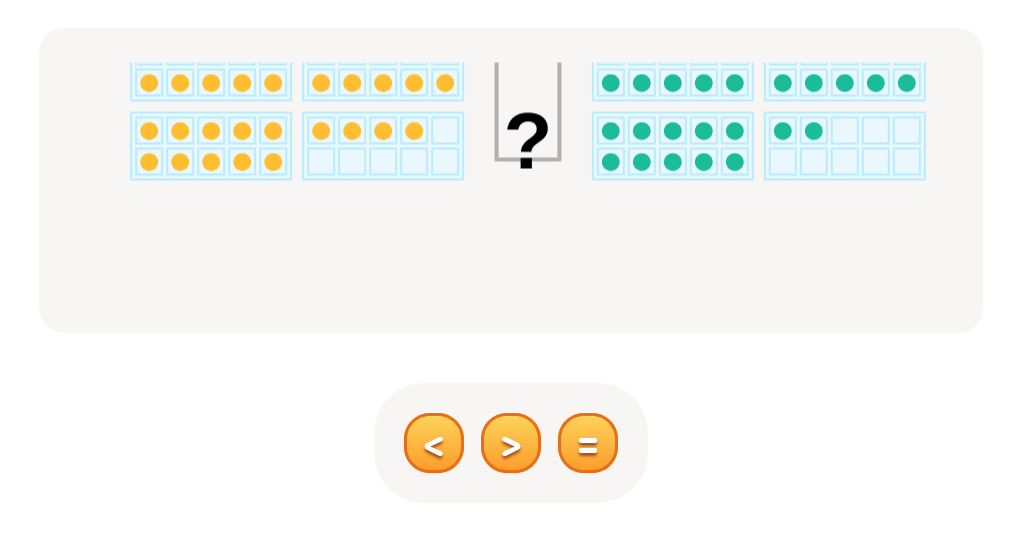

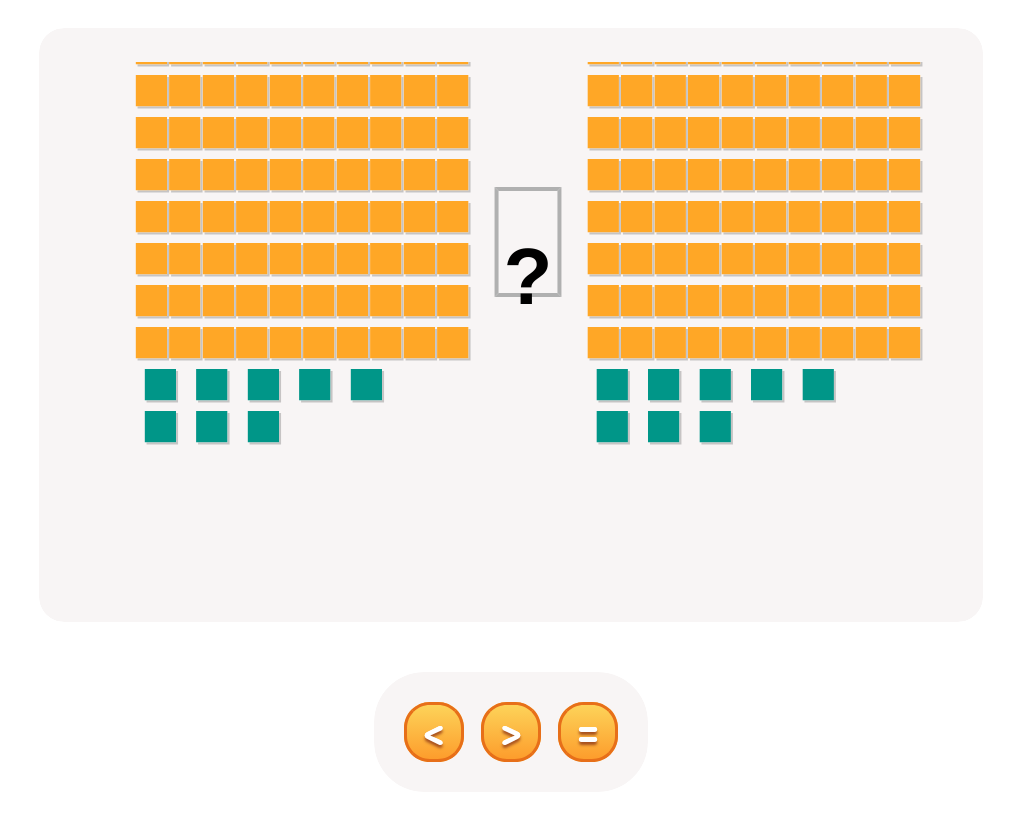
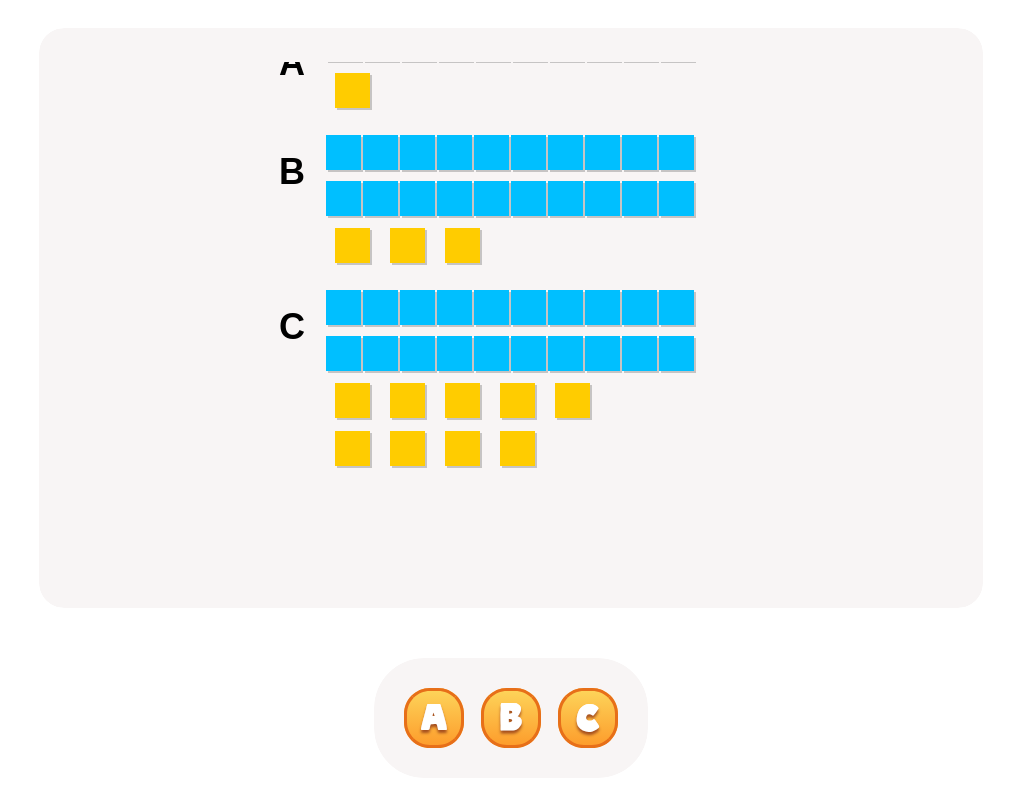
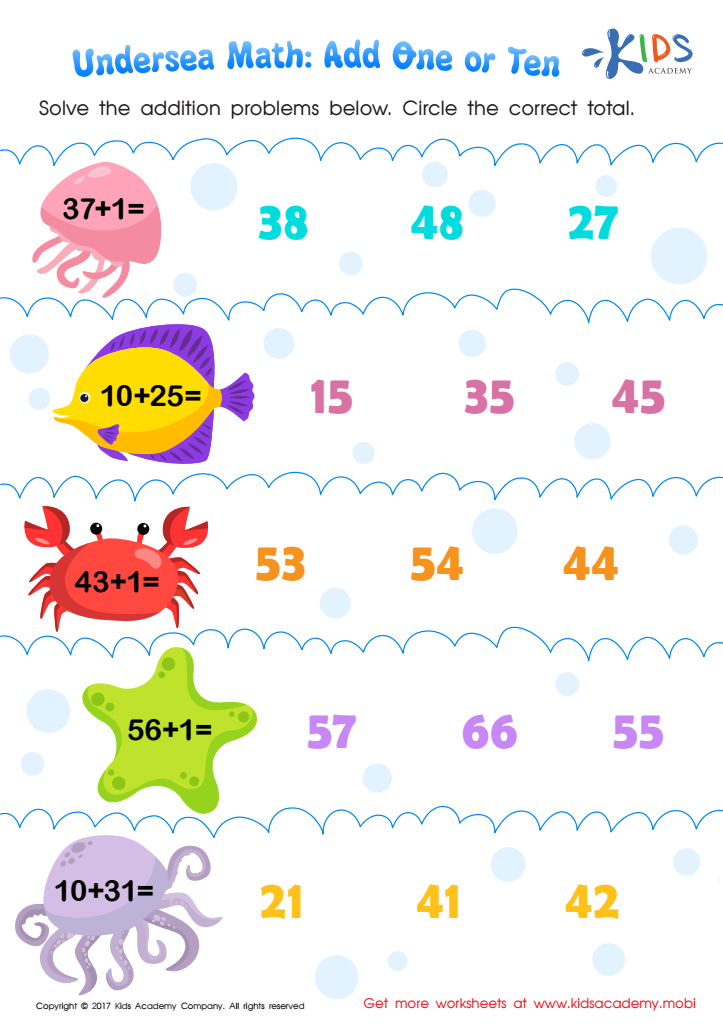
Undersea Math Worksheet
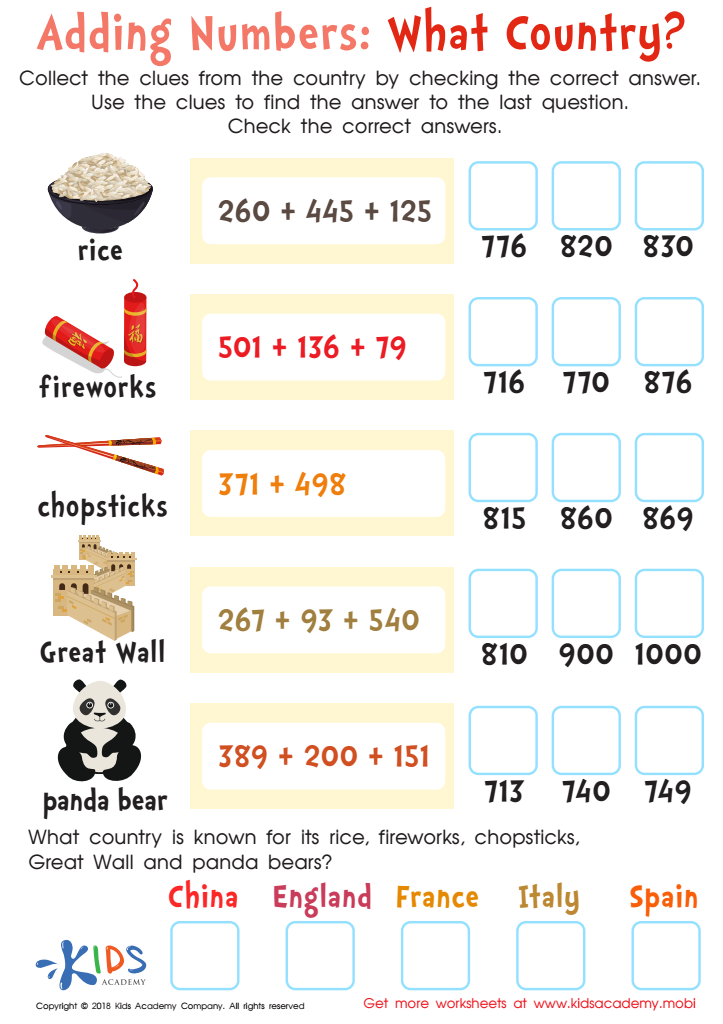
Adding Numbers: What Country Worksheet
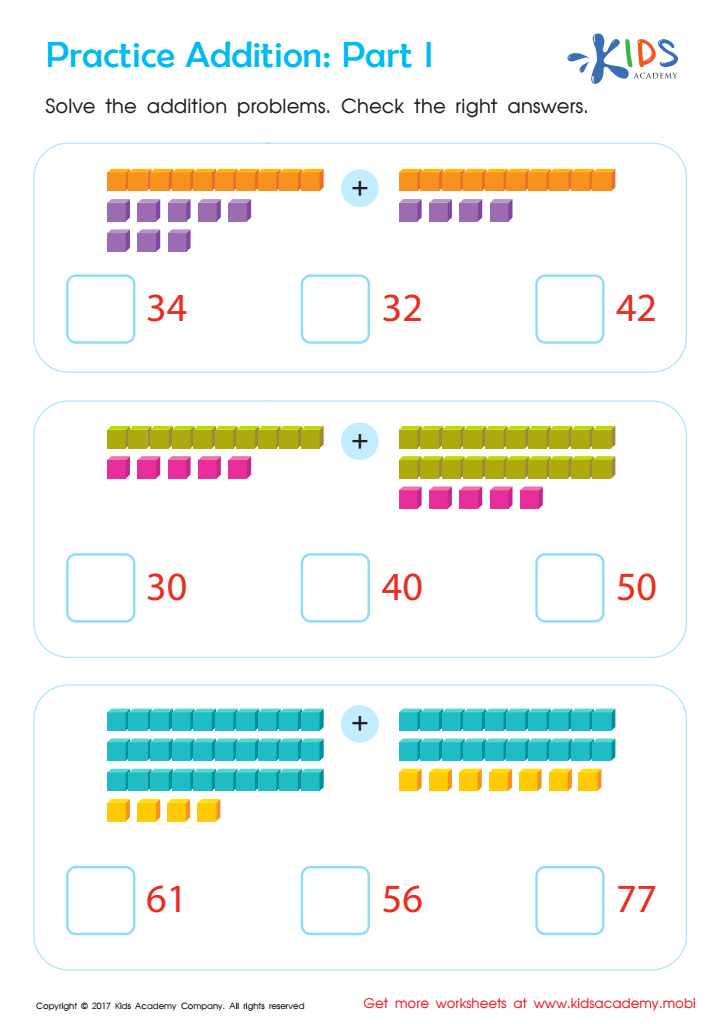
Practice Addition: Part 1 Worksheet
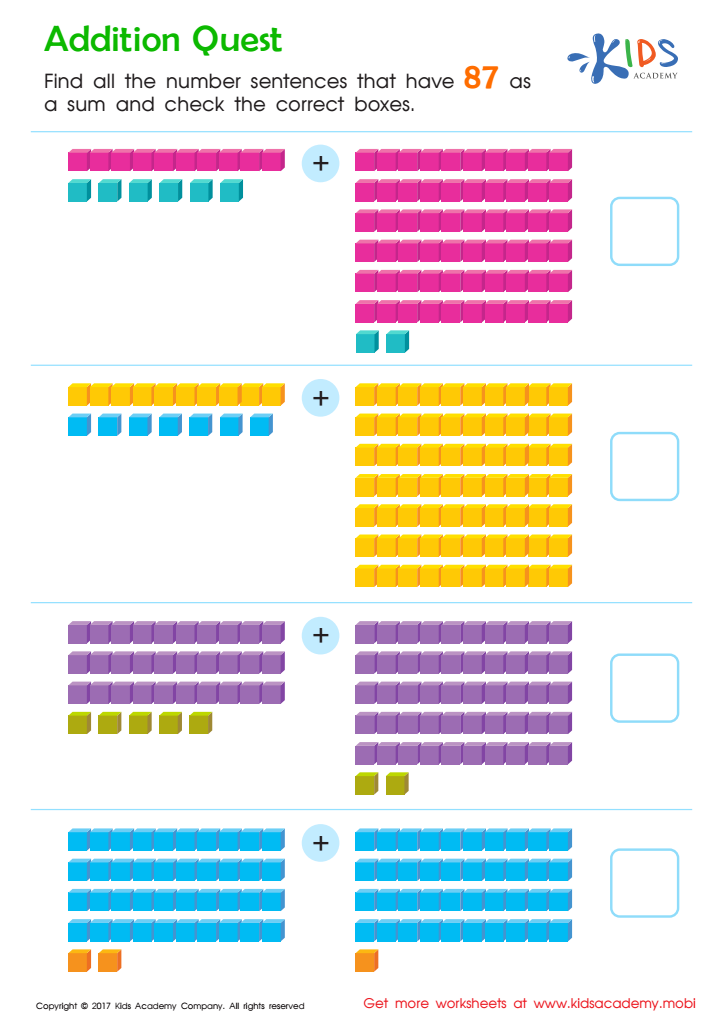
Addition Quest Worksheet: Part 1




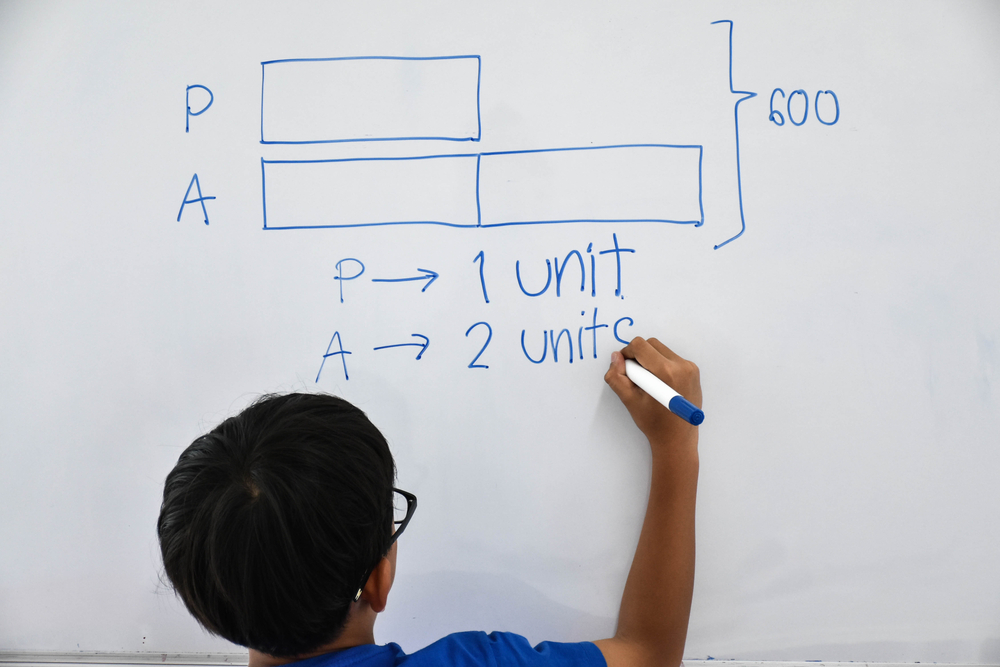



Problem-solving skills and an understanding of place value form the foundation of early mathematical learning for children ages 4-7. At this formative stage, young minds are highly receptive and adaptable, making it an ideal time to instill these essential skills.
Fostering problem-solving abilities helps children develop critical thinking and analytical skills. These skills empower kids to approach challenges methodically, improving their ability to make decisions and solve problems creatively in all areas of life, not just in mathematics. This sets a significant groundwork for future academic and real-world situations where problem-solving is crucial.
Understanding place value is fundamental to mastering arithmetic concepts like addition, subtraction, multiplication, and division. Place value helps children comprehend that the position of a digit in a number determines its magnitude, a crucial concept for grasping larger numbers and performing arithmetic operations accurately. For instance, recognizing that in the number 53, ‘5’ denotes five tens while ‘3’ stands for three units.
Children proficient in problem-solving and place value are more likely to excel in mathematics as they progress through school. Engaging them in fun, interactive activities helps maintain their interest and encourages enthusiasm for learning. Therefore, investing time and resources in nurturing these skills during early childhood is pivotal for long-term academic and cognitive development. Parents and teachers must prioritize these foundational skills to ensure children are well-equipped for future educational endeavors.