Problem-Solving Skills Word Problems Worksheets for Ages 4-7 - Page 2
39 filtered results
-
From - To
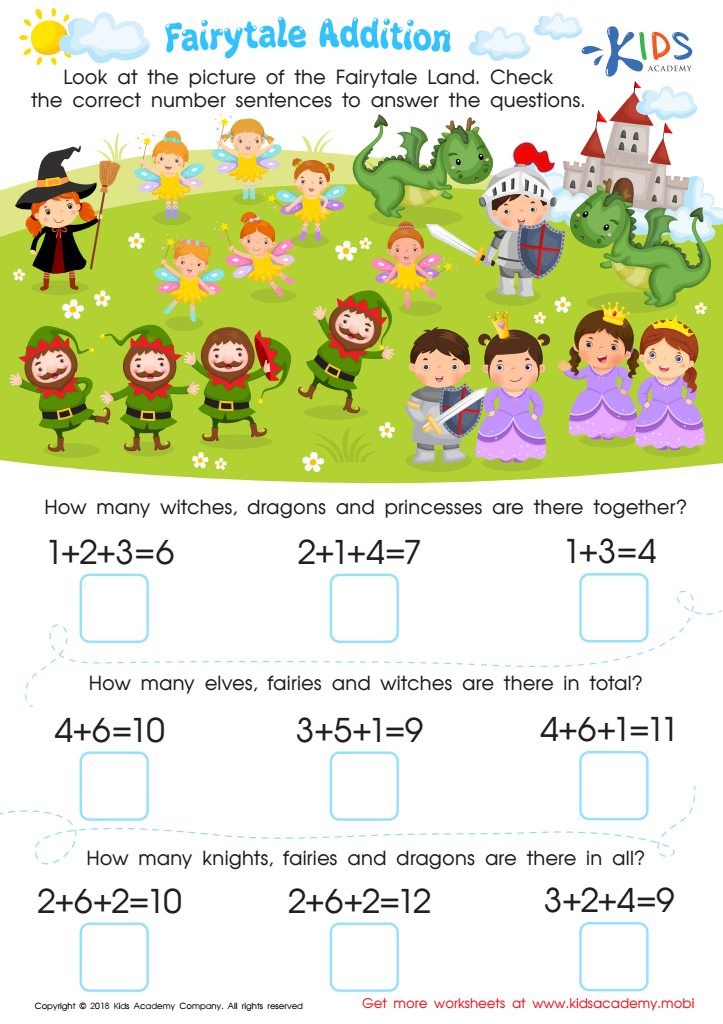
Fairytale Addition Worksheet
 Assign to My Students
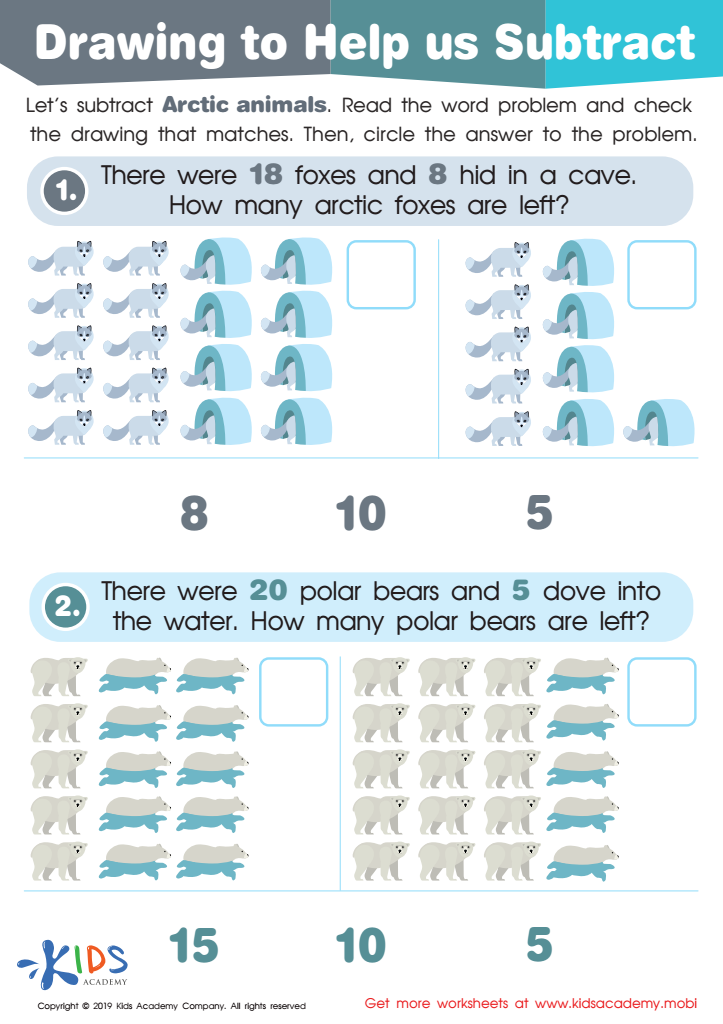
Drawing to Help Us Subtract Worksheet
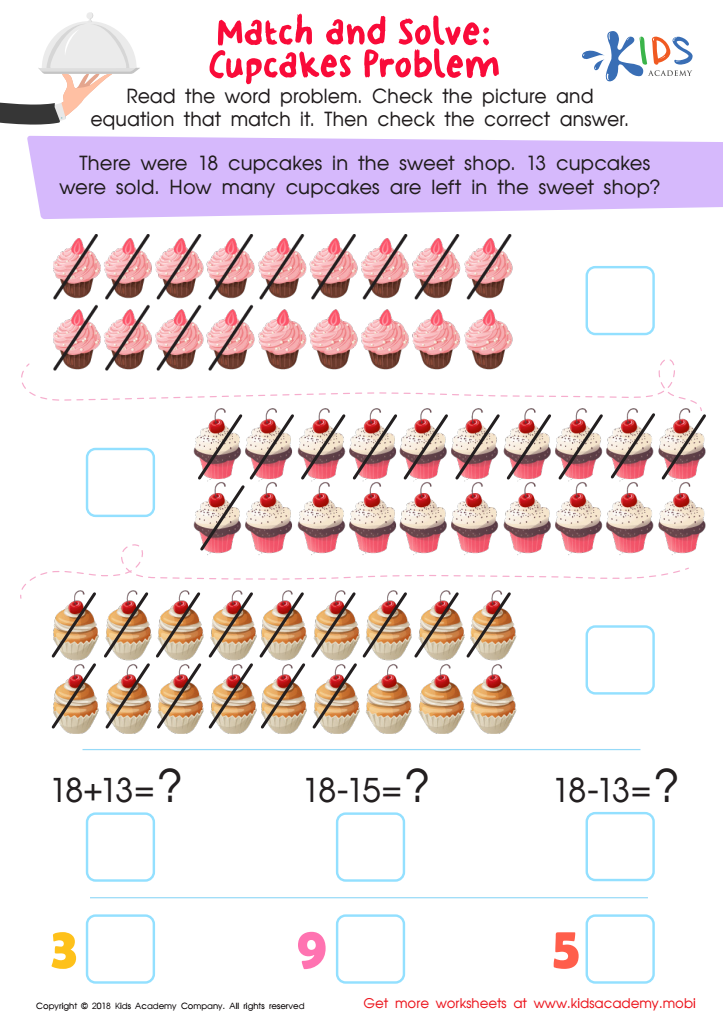
Match and Solve: Cupcakes Problem Worksheet
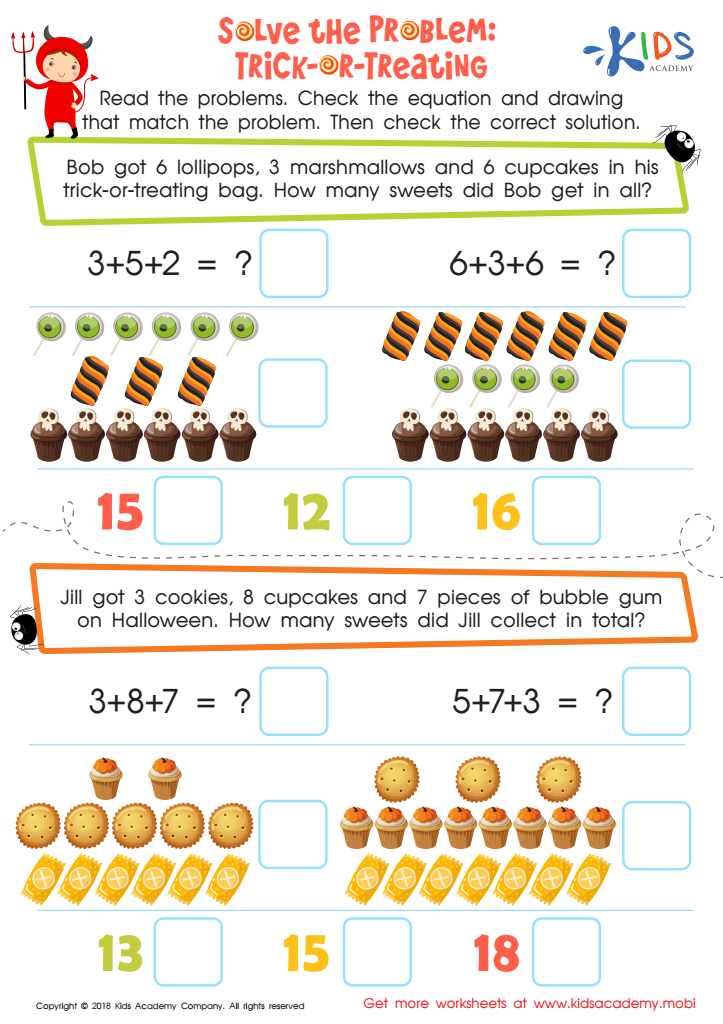
Solve the Problem: Trick–or–treating Worksheet
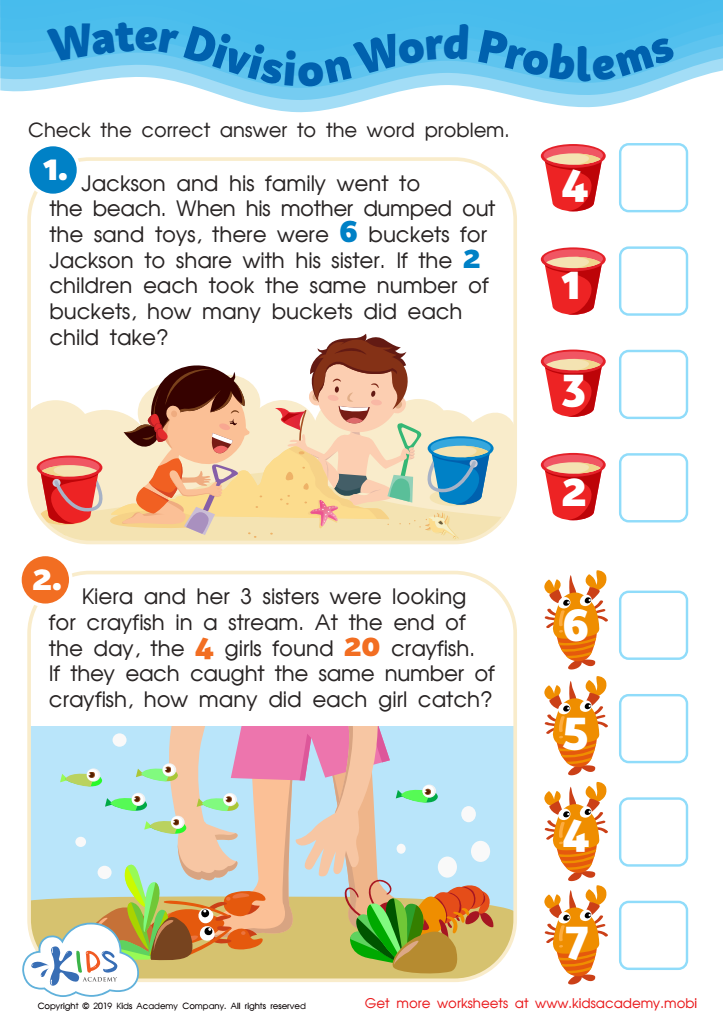
Water Division Word Problems Worksheet
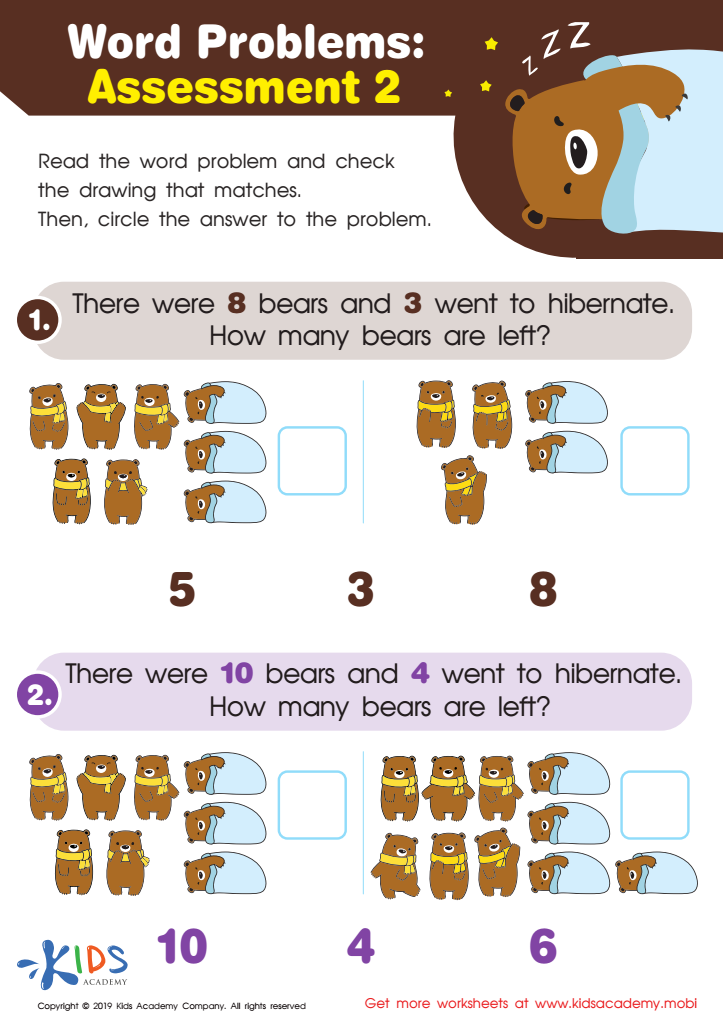
Word Problems: Assessment 2 Worksheet
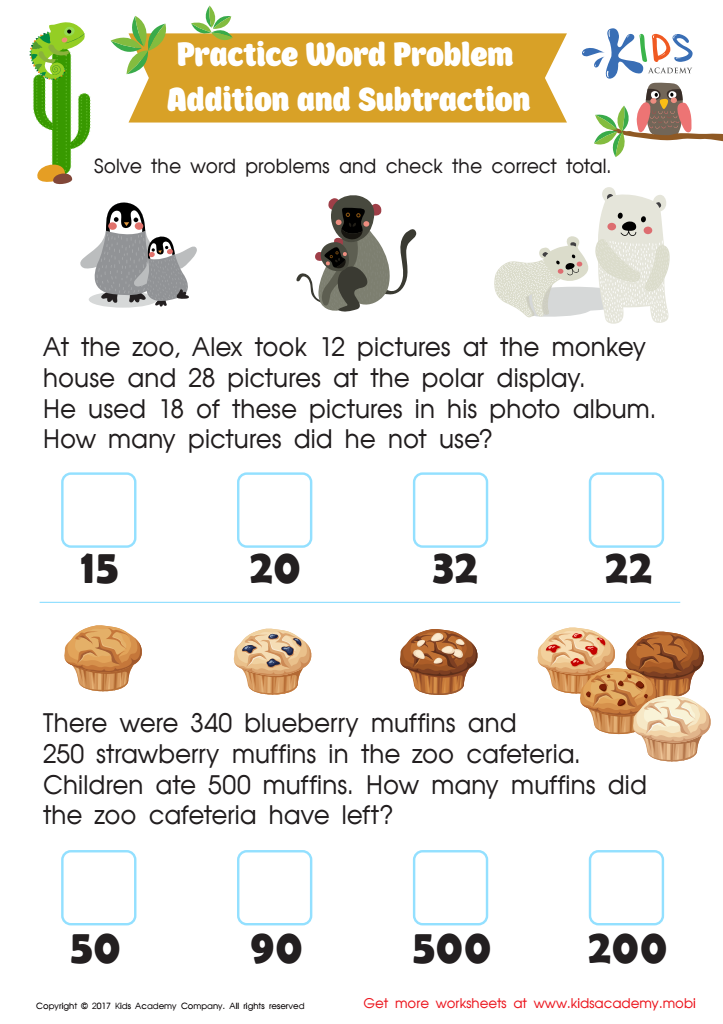
Addition and Subtraction: Word Problems Worksheet
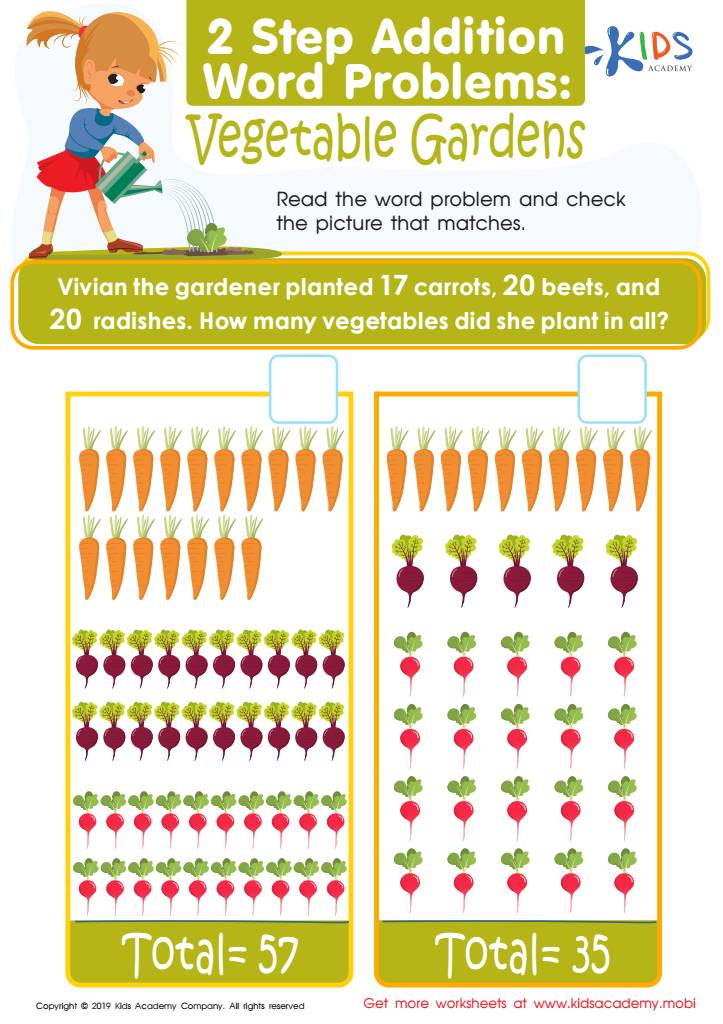
Vegetable Gardens Worksheet
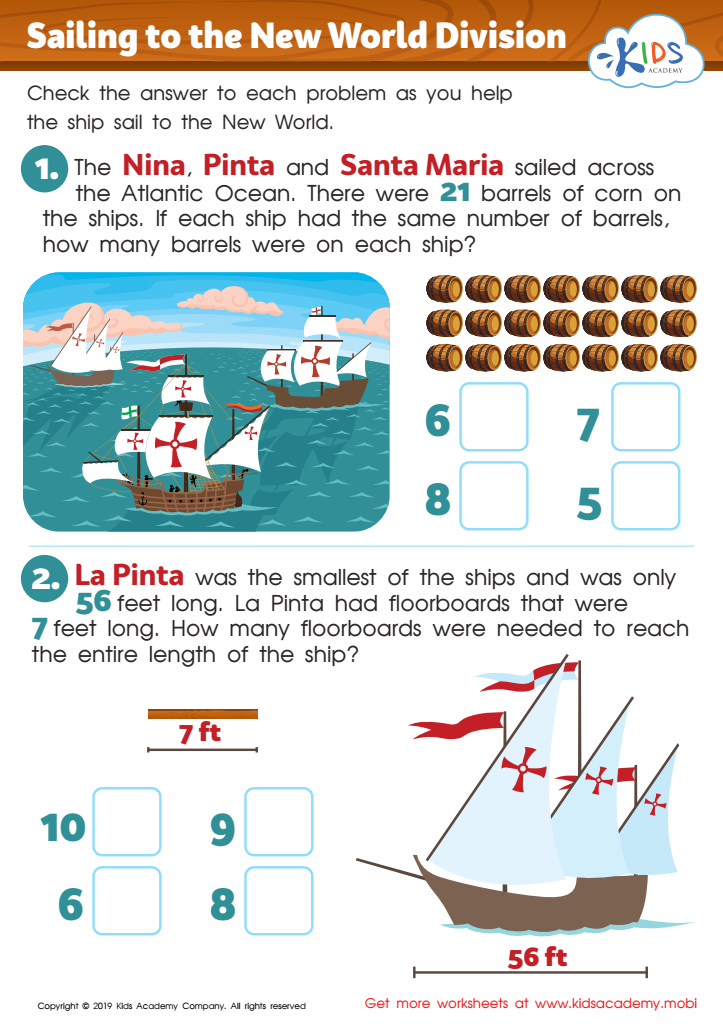
Sailing to the New World Division Worksheet
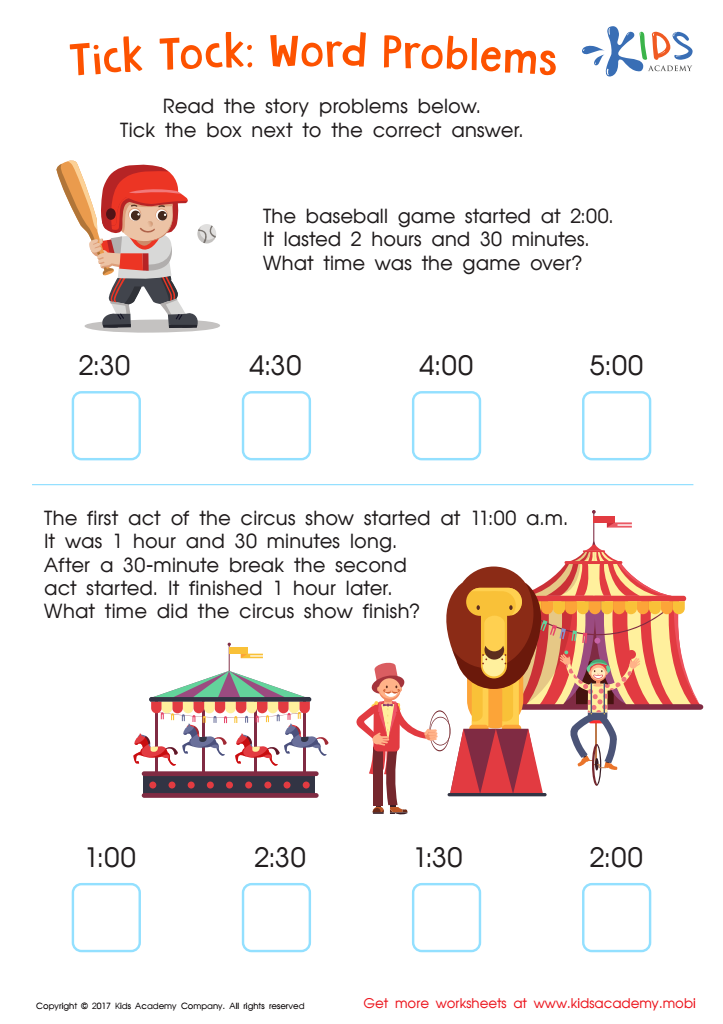
Tick Tock Word Problems Time Worksheet
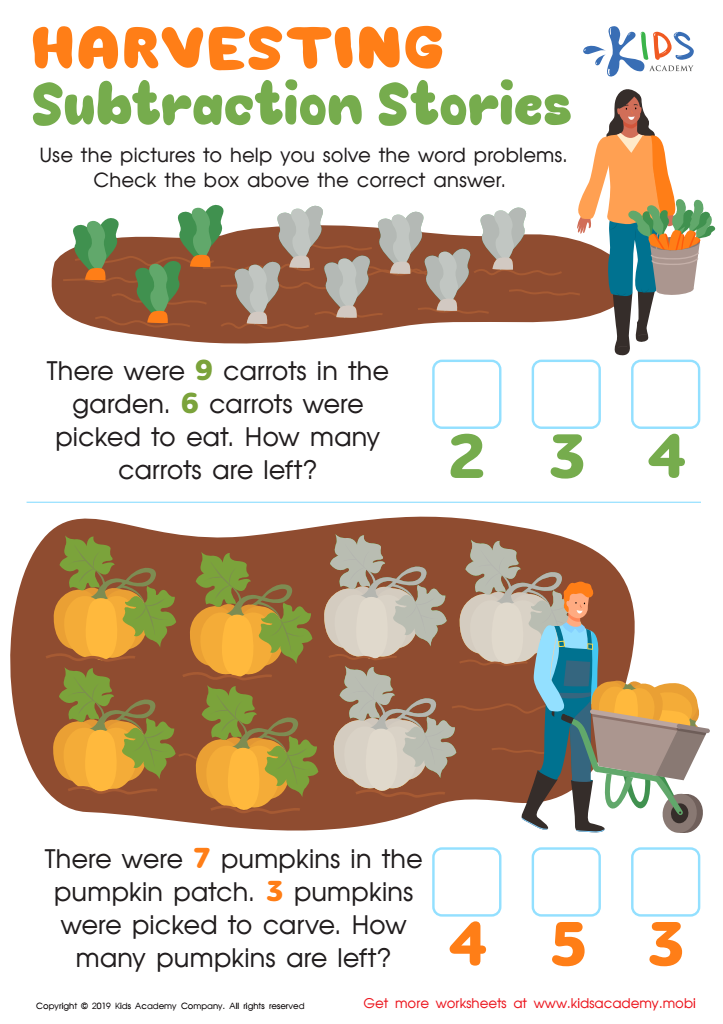
Harvesting Subtraction Stories Worksheet
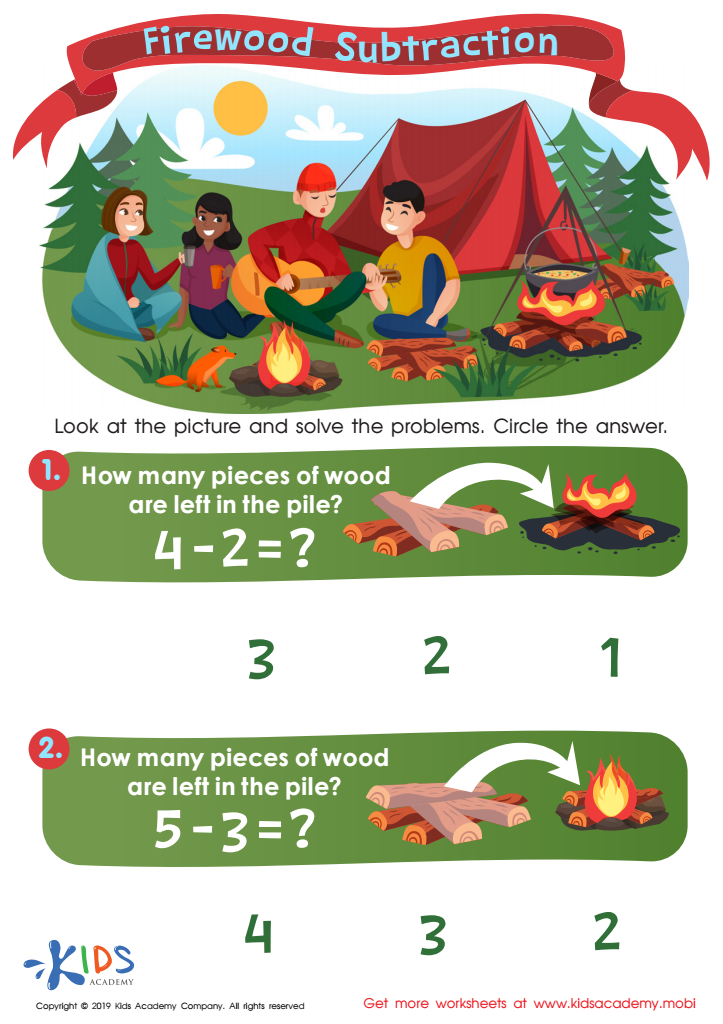
Firewood Subtraction Worksheet
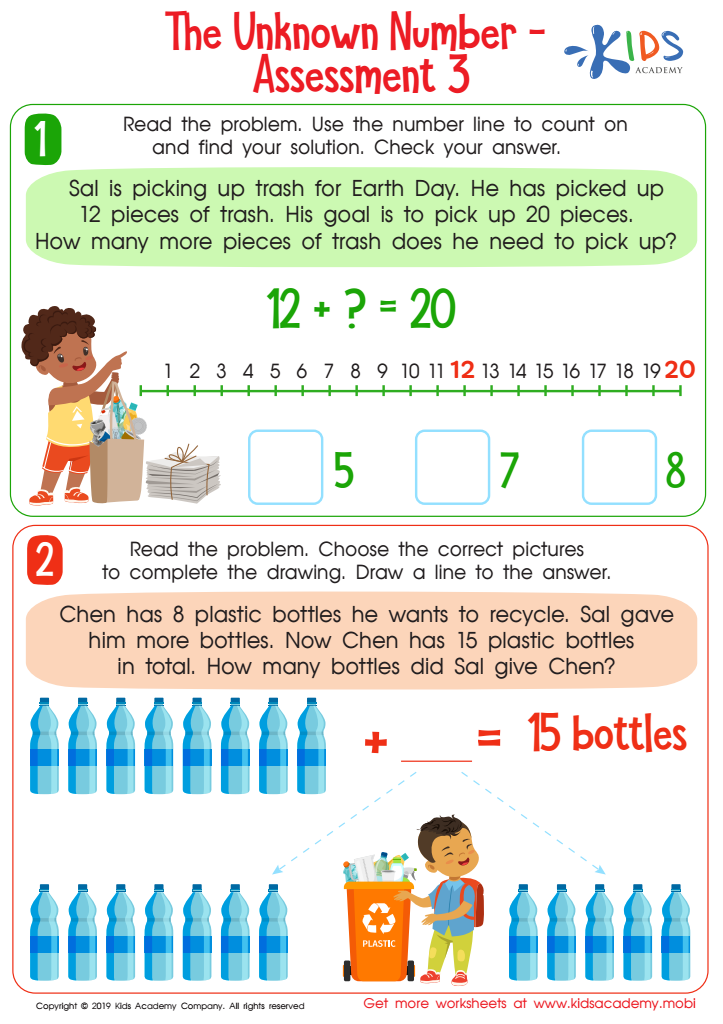
The Unknown Number - Assessment 3 Worksheet
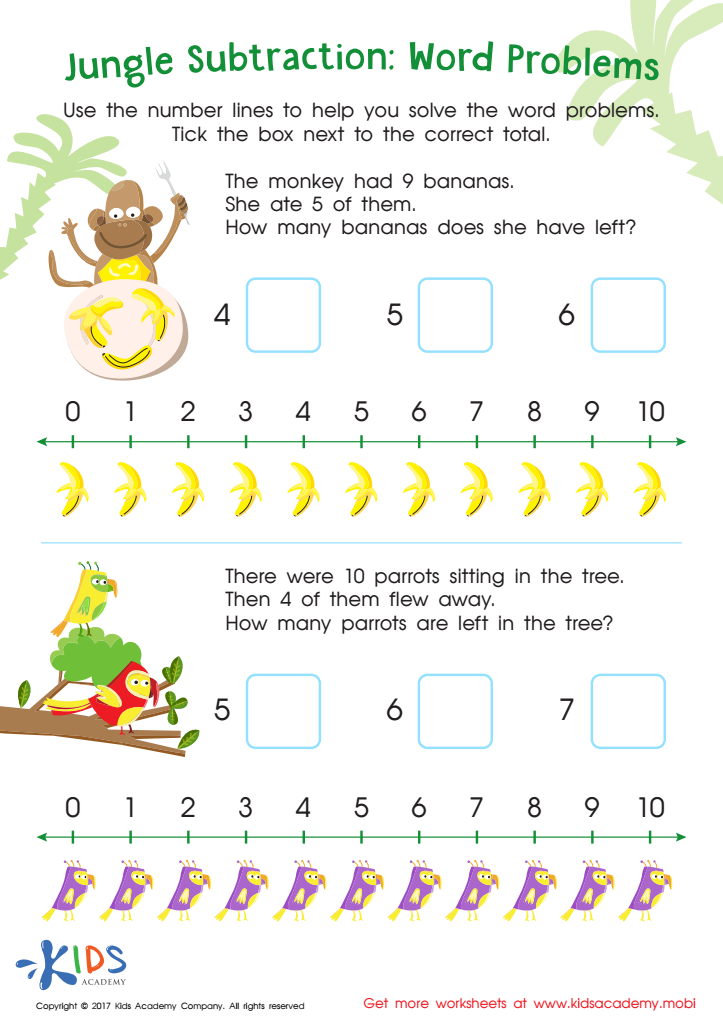
Jungle Subtraction Word Problems Substraction Worksheet
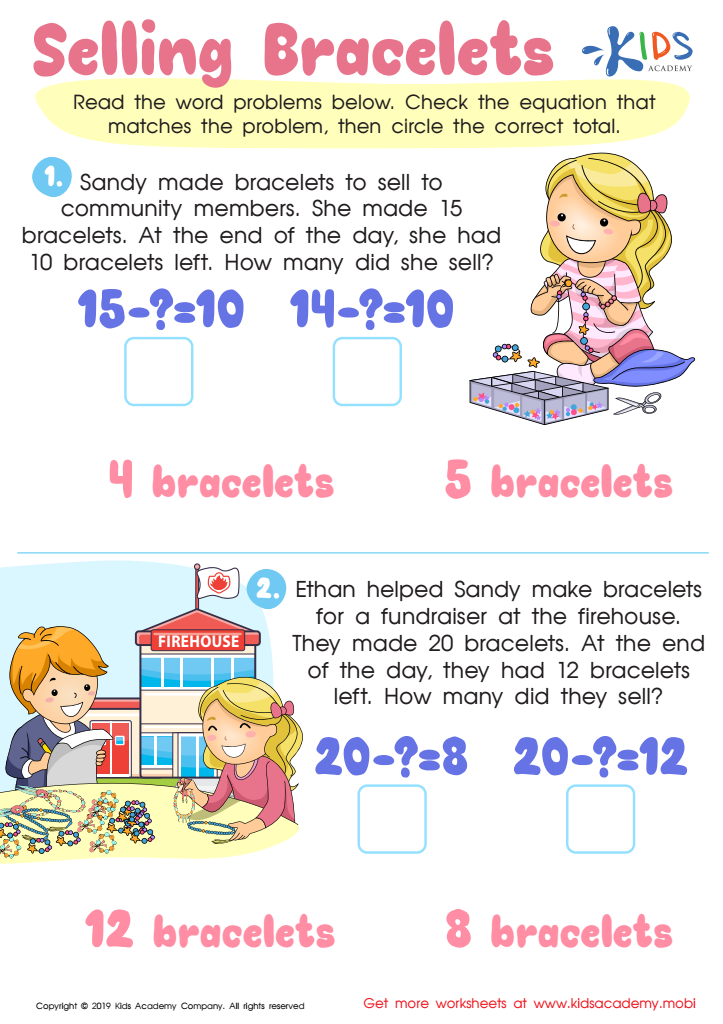
Selling the Bracelets Worksheet







.jpg)
Problem-solving skills are crucial for young children's cognitive and social development. For children aged 4-7, these skills translate into word problems that help them build foundational abilities needed for lifelong learning. Here's why parents and teachers should care:
-
Critical Thinking: Problem-solving word problems require children to think critically, analyze situations, and devise various solutions. This stimulates cognitive growth and encourages thoughtful decision-making.
-
Math Skills: Word problems integrate simple math concepts, aiding children in learning addition, subtraction, and understanding numerical relationships, which are essential for future academic success.
-
Language Development: These activities enhance vocabulary and comprehension. They encourage children to read instructions carefully, understand contexts, and verbalize solutions, thereby improving their communication skills.
-
Confidence Building: Successfully tackling word problems boosts self-esteem. Children recognize their ability to solve challenges independently, fostering a sense of achievement and encouraging a positive attitude toward learning.
-
Real-world Applications: Word problems mimic real-life situations. This helps children connect classroom learning with everyday experiences, making their education relevant and practical.
Nurturing these skills at a young age sets a robust foundation for future academic and life challenges. Hence, integrating problem-solving word problems into early education equips children with necessary life tools, contributing to their well-rounded development.








