Basic Math Skills Reading Worksheets for Ages 4-7
16 filtered results
-
From - To
Discover our engaging Basic Math Skills Reading Worksheets for children ages 4-7! Designed to blend foundational math concepts with fun reading exercises, our worksheets help young learners develop essential skills in counting, addition, subtraction, and number recognition. Each activity is crafted to ignite curiosity and build confidence, fostering a love for learning from an early age. Suitable for both classroom and home use, our printable worksheets support early math readiness in an enjoyable, stress-free manner. Visit our website to access a variety of colorful, age-appropriate worksheets that lay the groundwork for future academic success. Start the journey today!
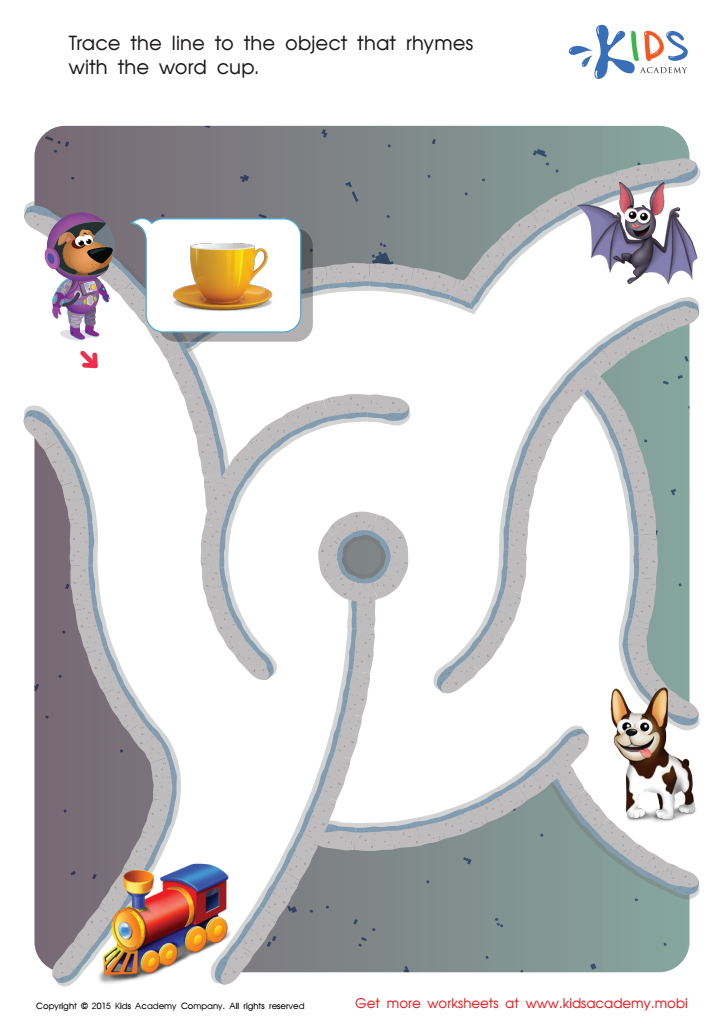
Cup Rhyming Words Worksheet
 Assign to My Students
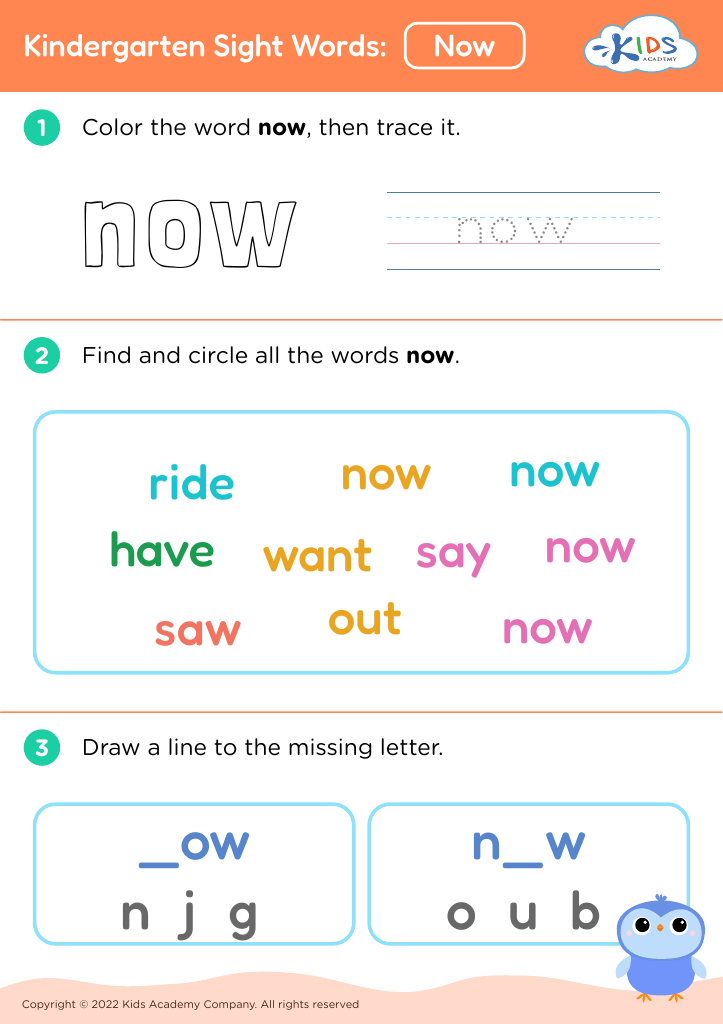
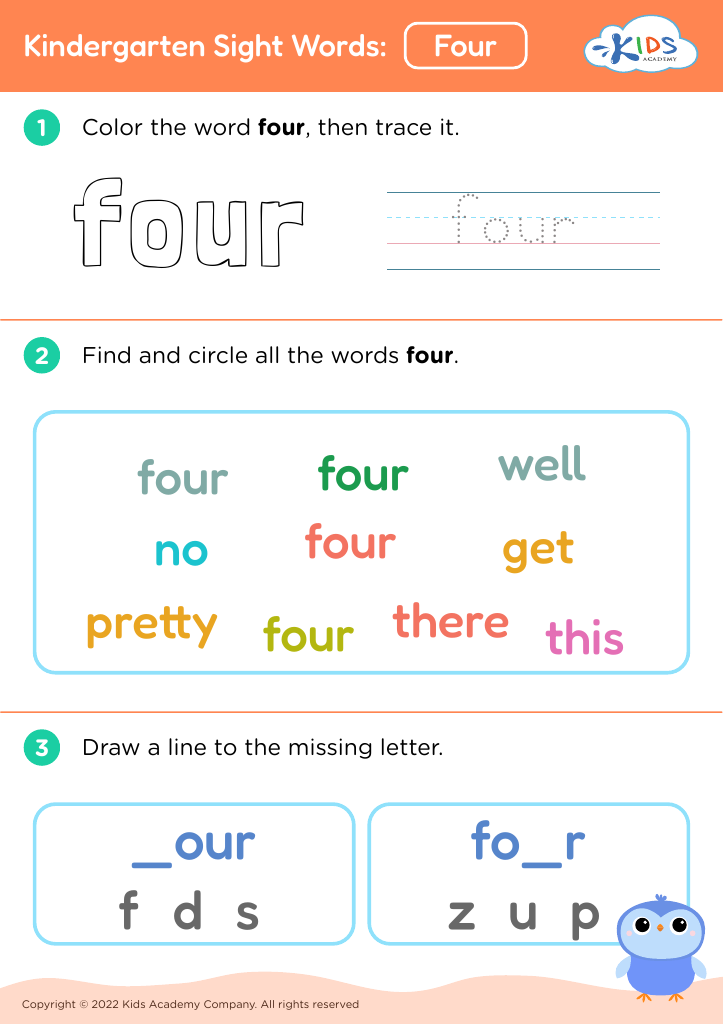
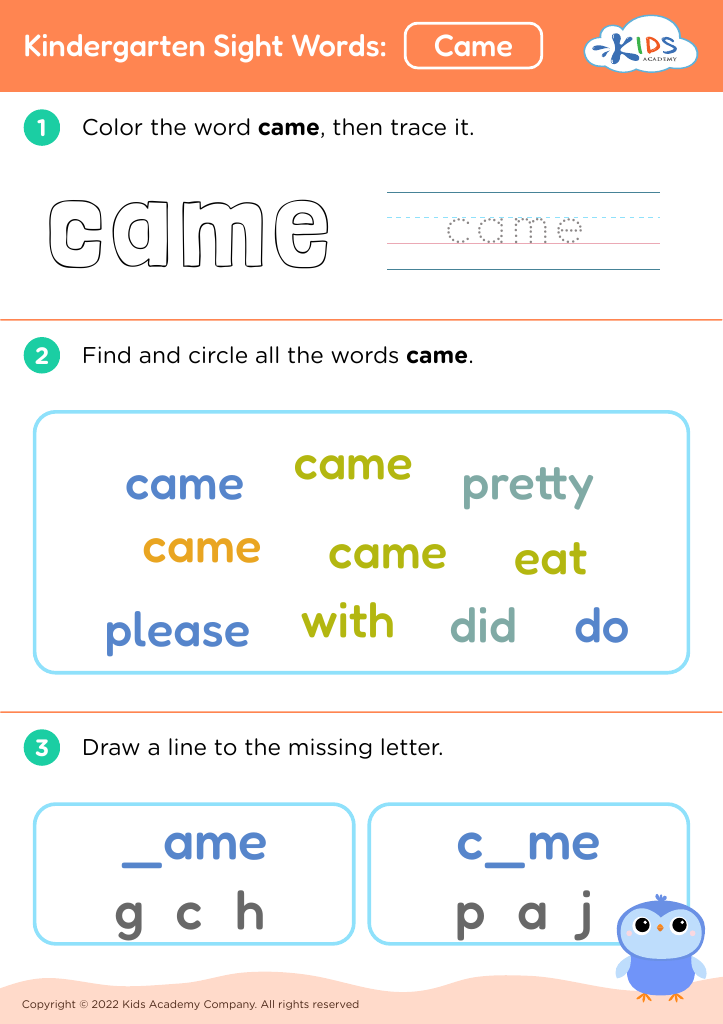
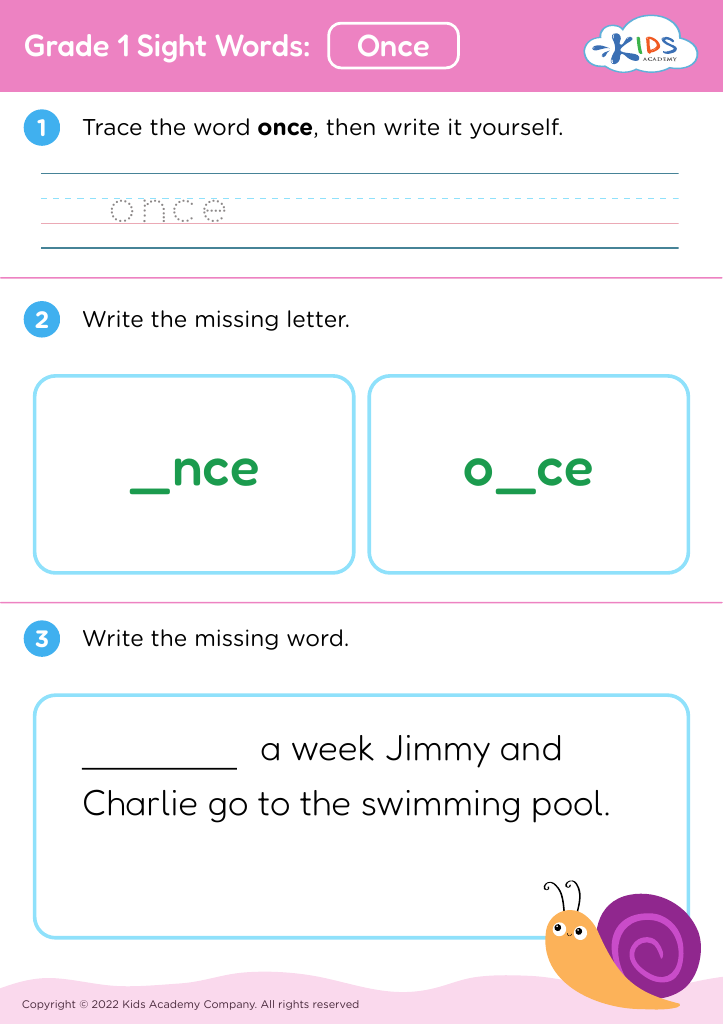







Basic math skills are crucial for children ages 4 to 7 because they lay the foundation for future academic success and everyday life proficiency. At this developmental stage, children's brains are highly receptive to new information. Mastering basic math skills—such as counting, recognizing numbers, and understanding simple addition and subtraction—helps strengthen their cognitive abilities.
Parents and teachers play a vital role in fostering an environment that promotes early math literacy. Proficiency in early math skills has been linked to higher achievement in later years, not only in mathematics but also in other subjects. A strong grasp of fundamental math concepts boosts a child’s confidence, encouraging them to tackle increasingly complex problems with enthusiasm.
Moreover, basic math skills are essential for daily activities and decision-making processes, such as telling time, making simple transactions, and following patterns or sequences. By prioritizing math education during these formative years, parents and teachers can help children develop critical thinking and problem-solving skills that are valuable throughout life.
Engaging children with fun, age-appropriate activities enhances their learning experience and can spark a lifelong interest in mathematics. Whether through games, hands-on activities, or interactive lessons, integrating basic math skills into a child's routine can significantly impact their long-term academic and personal development.








