Fraction simplification Reading Worksheets for Ages 4-7
12 filtered results
-
From - To
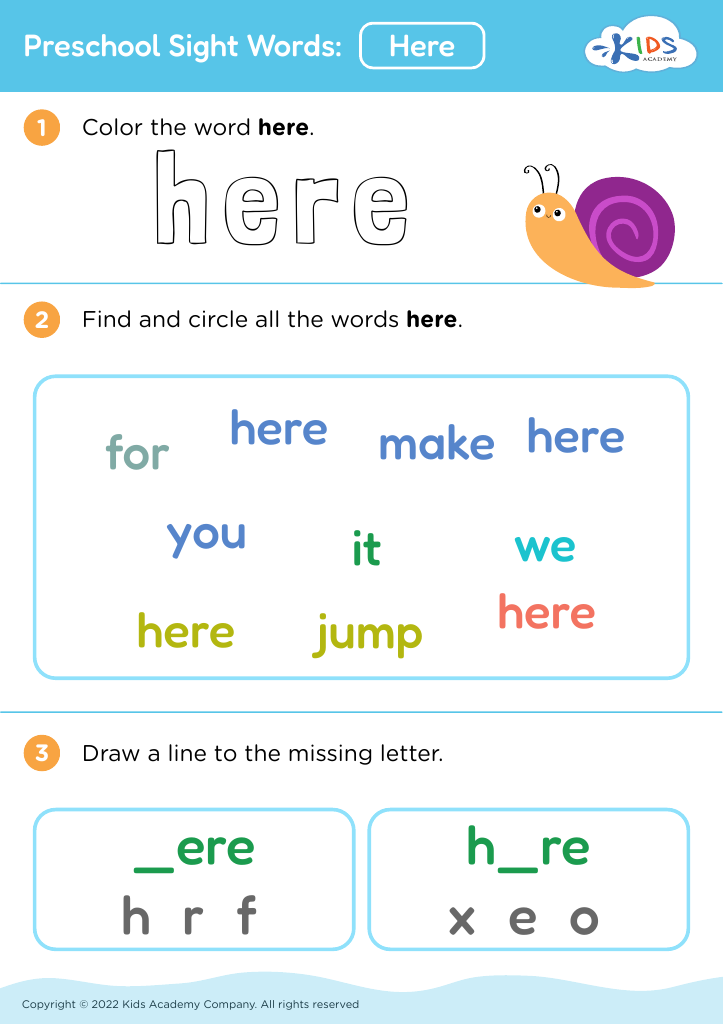
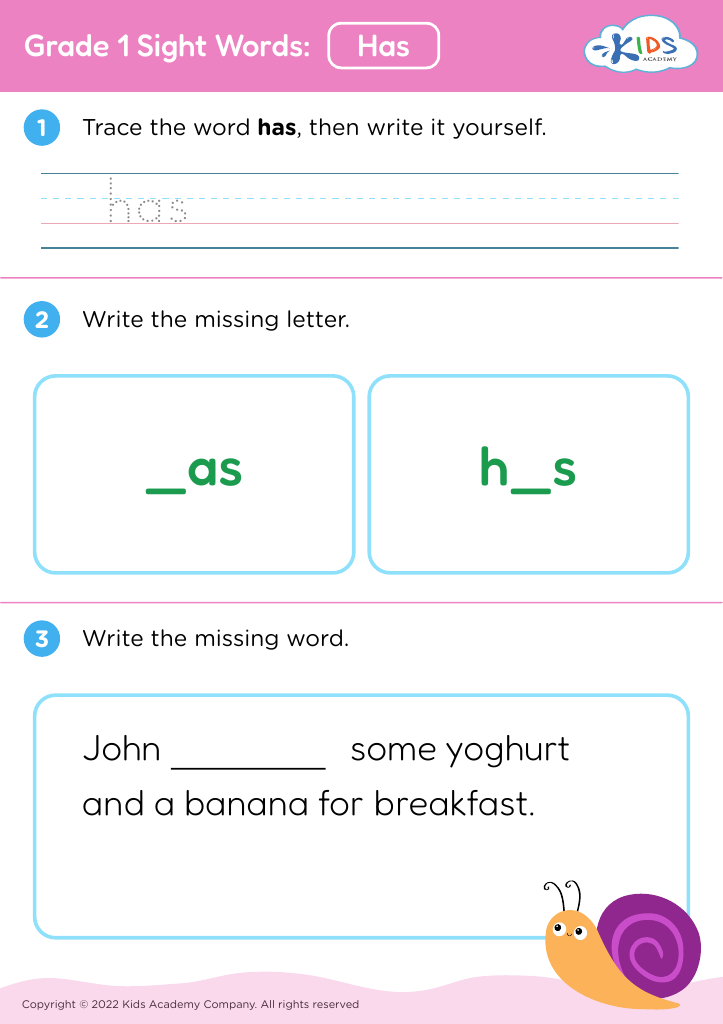
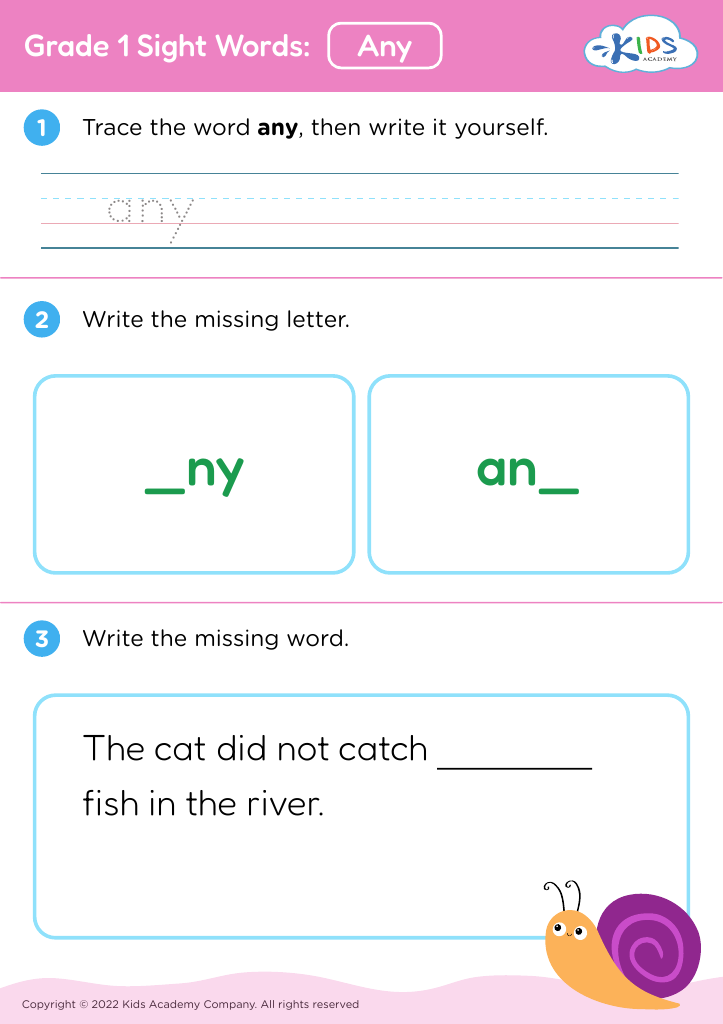
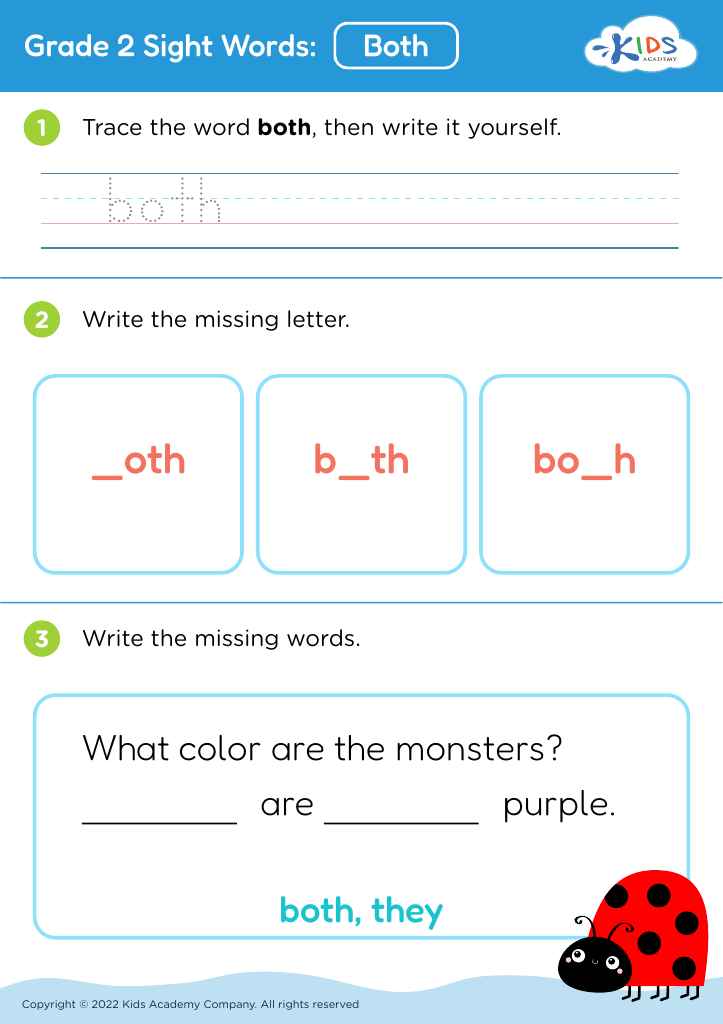
Discover engaging Fraction Simplification Reading Worksheets for young learners aged 4-7! Our interactive resources seamlessly blend literacy and math skills, making learning fractions fun and accessible. These worksheets feature colorful illustrations and age-appropriate language, ensuring that children grasp the concept of simplifying fractions through enjoyable reading experiences. Each activity encourages critical thinking and builds confidence in both mathematics and comprehension. Perfect for classroom use or home practice, these resources support early education by fostering a love for learning. Help your child master fractions with our carefully crafted worksheets today! Explore the joy of mathematics and reading combined for a bright educational future.
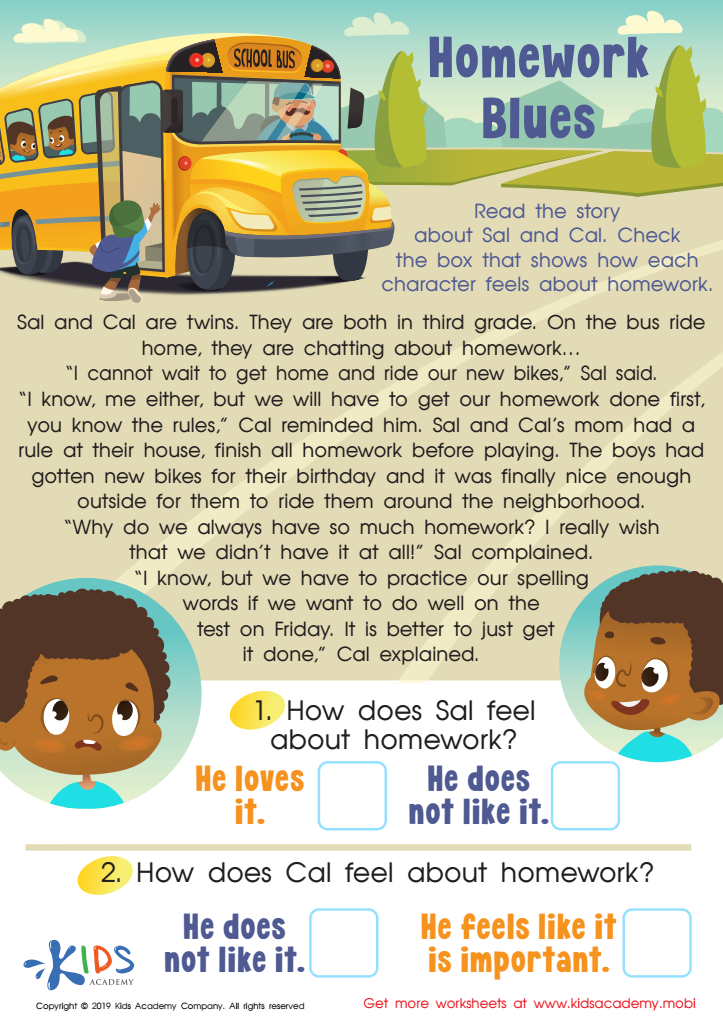
Homework Blues Worksheet
 Assign to My Students







Fraction simplification is a foundational mathematical skill that is crucial for students aged 4-7. Parents and teachers should care about this concept for several reasons. Firstly, understanding fractions fosters critical thinking and problem-solving skills. Simplifying fractions helps young learners grasp the idea of equivalency, which is essential for more advanced math concepts later on.
Moreover, introducing fraction simplification early cultivates a strong mathematical foundation and boosts kids’ confidence in their abilities. As they master this skill, children develop a sense of accomplishment and a positive attitude towards math, diminishing math anxiety in the long term.
Additionally, fractions are not just an abstract concept; they can be found in everyday life. From cooking to sharing, understanding fractions helps children make sense of the world around them. Engaging with children through reading resources that incorporate these concepts can solidify understanding and improve literacy skills simultaneously.
Finally, early exposure to fractions can pave the way to higher-level mathematics in later grades. Thus, it’s essential for parents and teachers to embrace fraction simplification as it plays a pivotal role in the holistic development of young learners, ensuring they are well-prepared for future academic challenges.








