Identifying shapes Reading Worksheets for Ages 4-7
10 filtered results
-
From - To
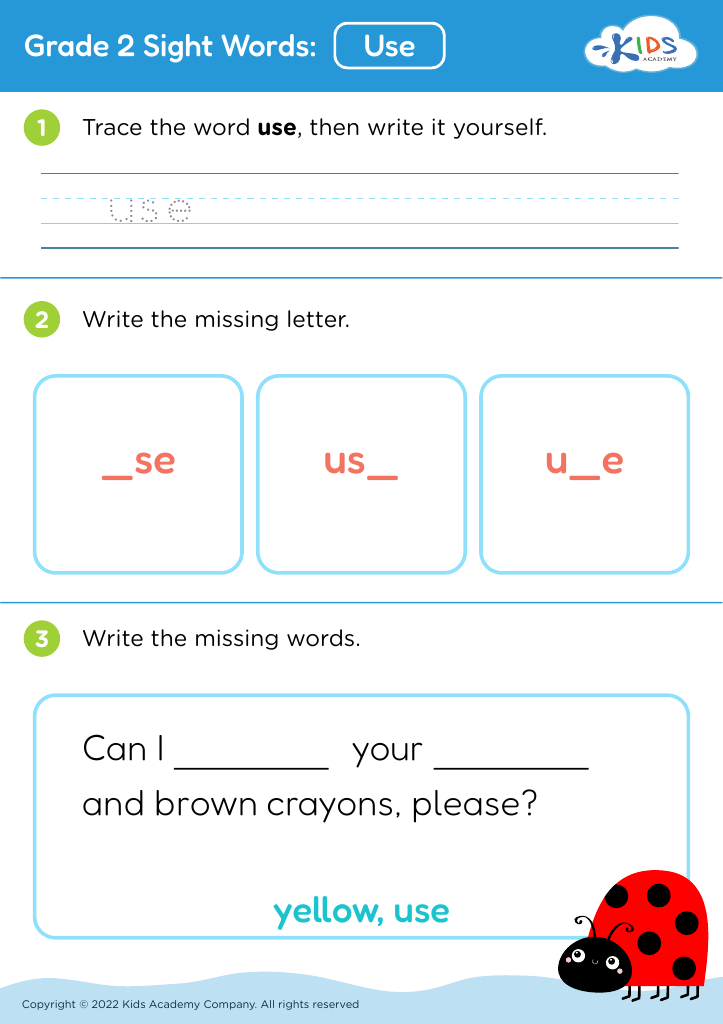
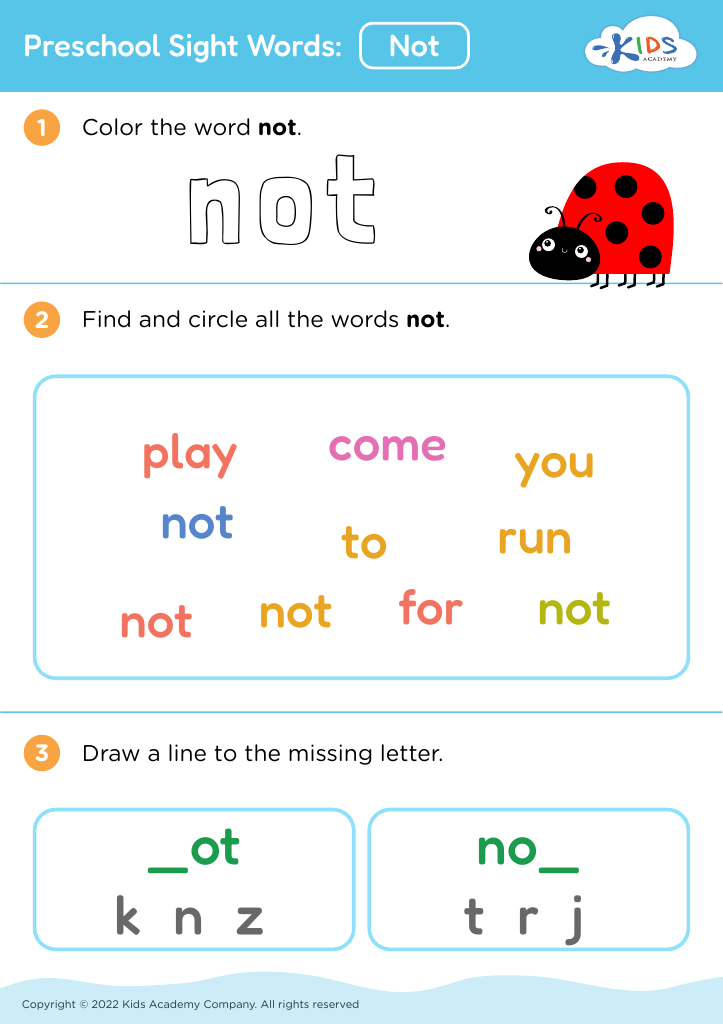
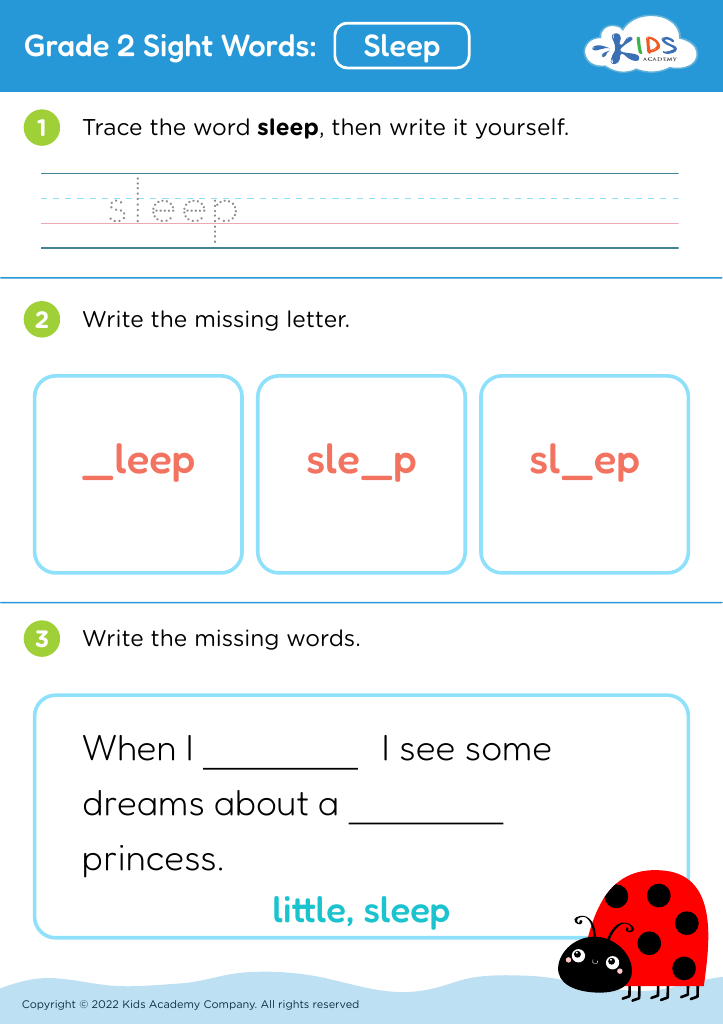
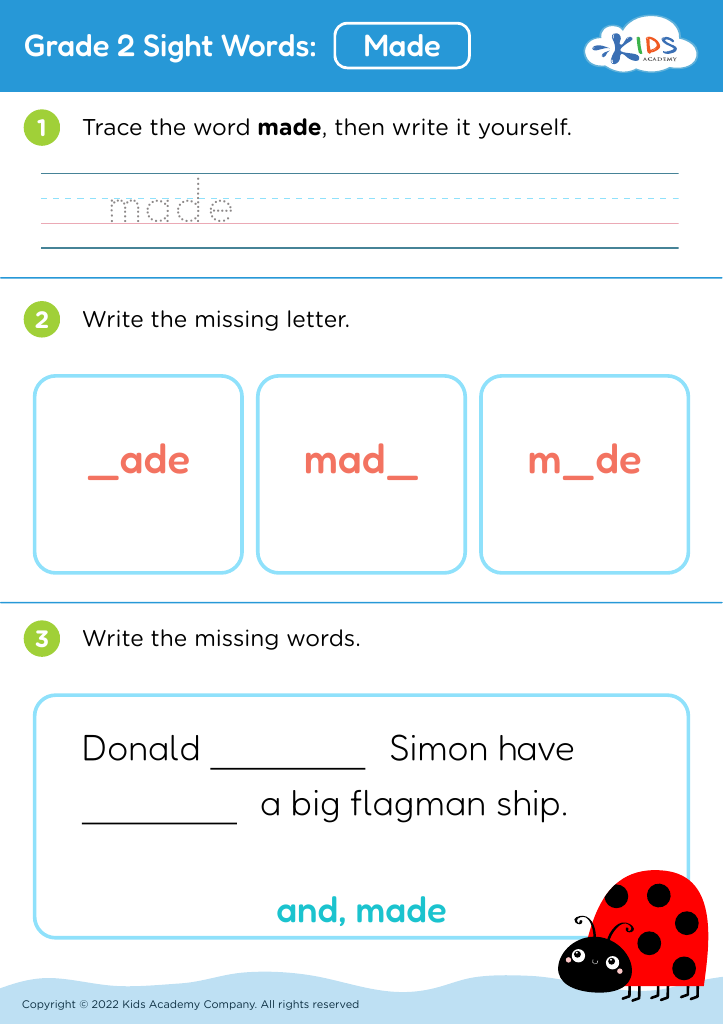
Welcome to our "Identifying Shapes Reading Worksheets" for children ages 4-7! These engaging worksheets are designed to help young learners recognize and understand different shapes through fun exercises and activities. Each worksheet encourages early literacy skills while introducing geometric concepts, making learning enjoyable and effective. With colorful illustrations and age-appropriate language, your child will develop shape recognition abilities alongside reading skills. Perfect for classroom use or at-home learning, these worksheets provide an interactive way to blend shape identification and reading comprehension. Start your child's educational journey today and help them build a strong foundation in both shapes and reading!
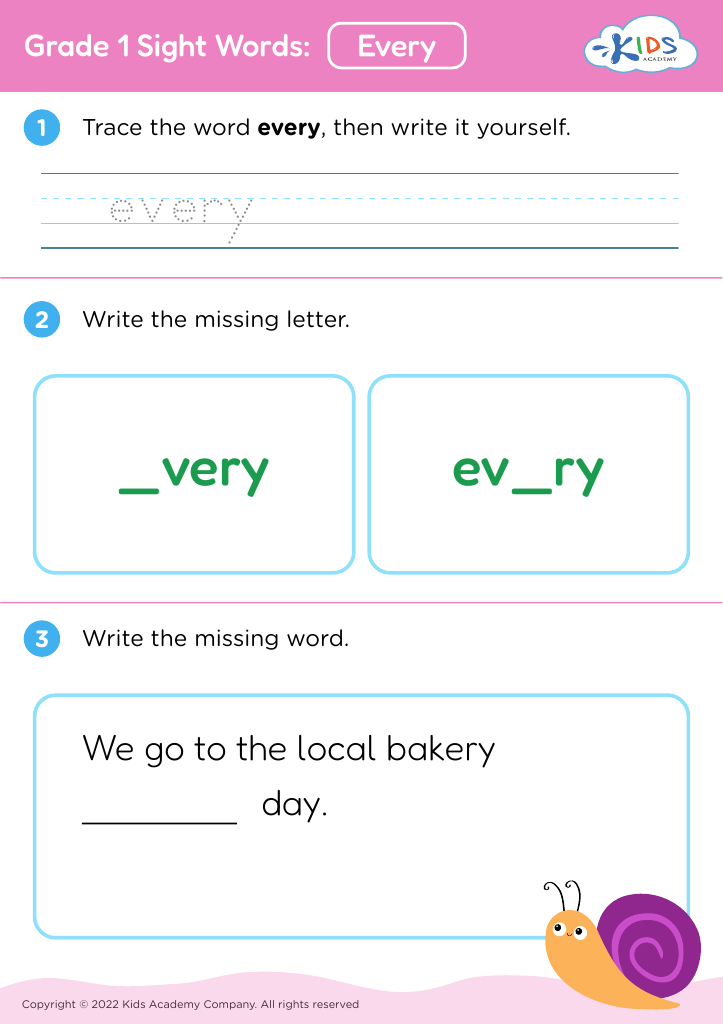
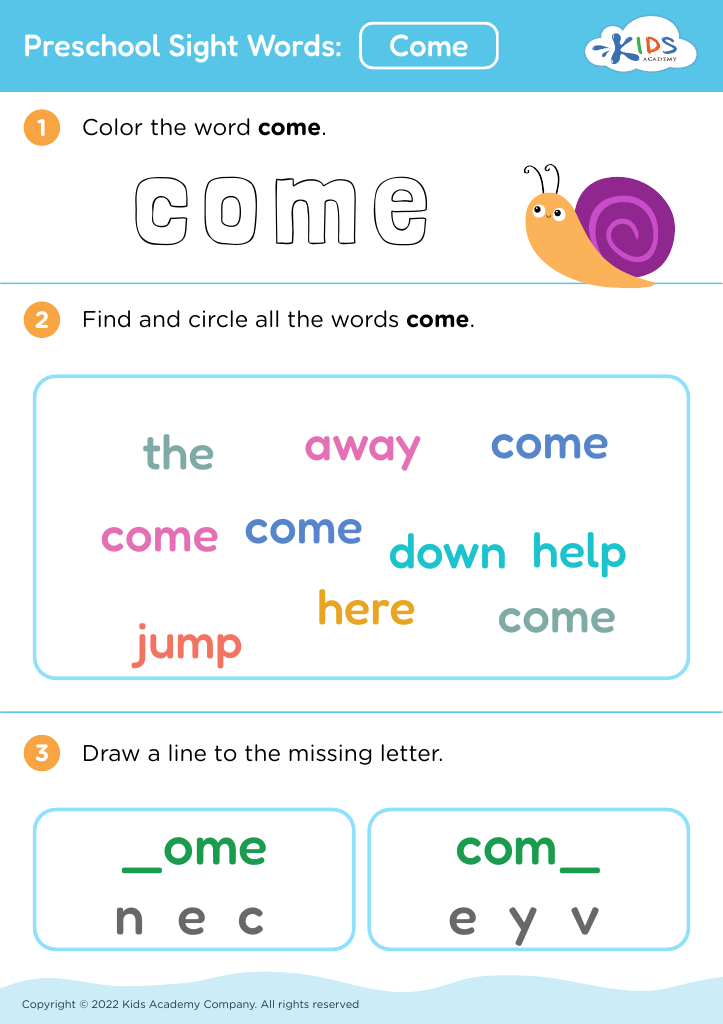
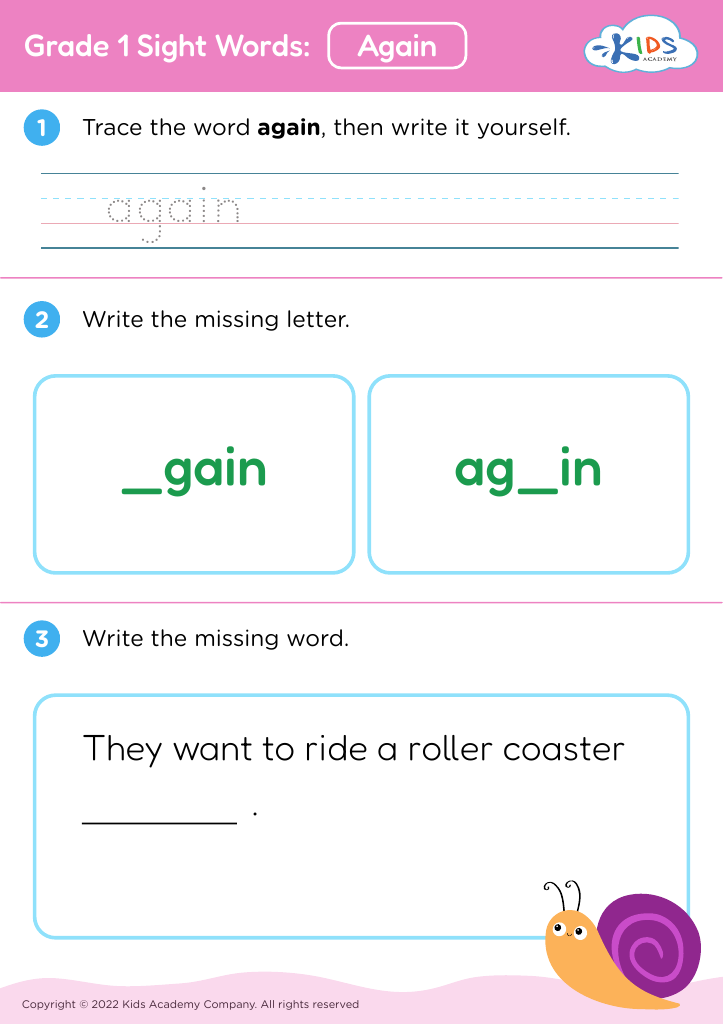
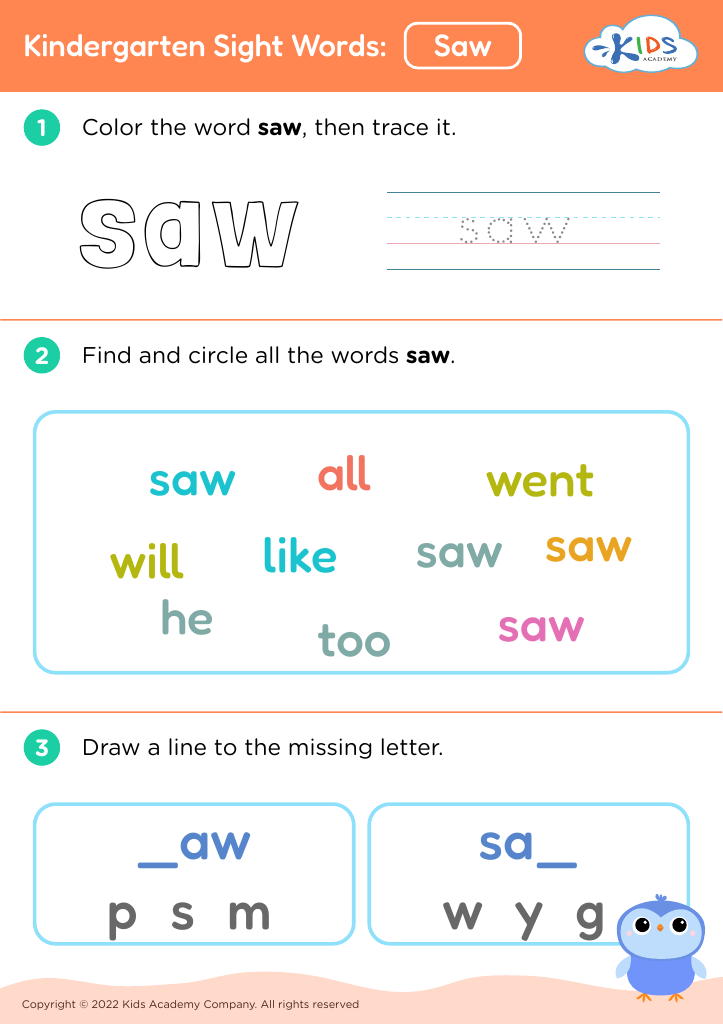
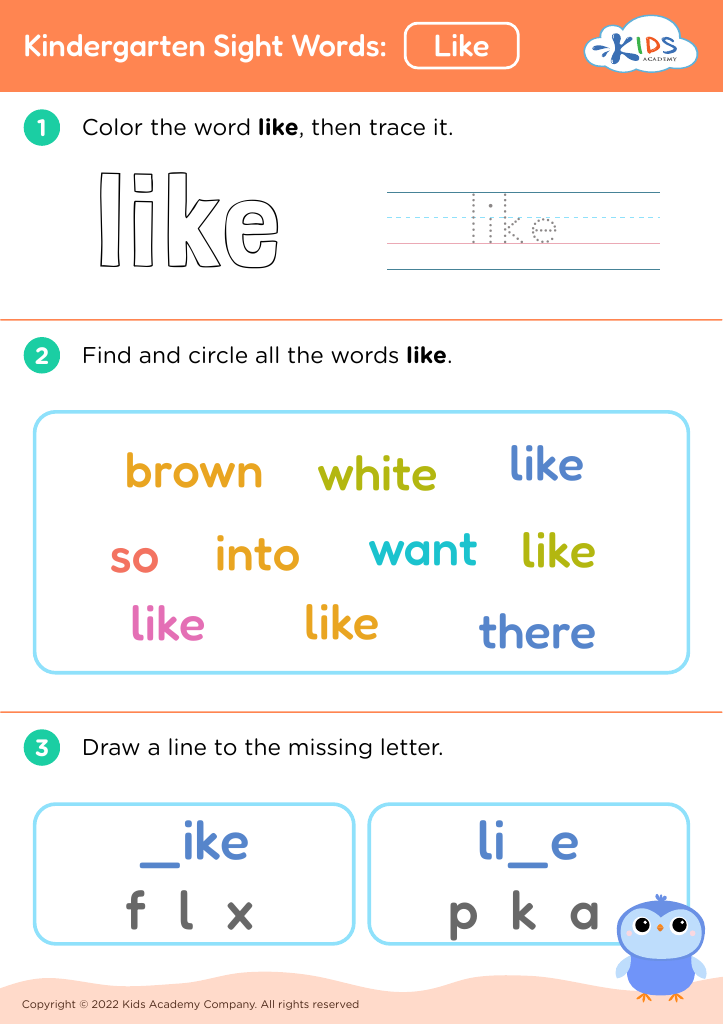
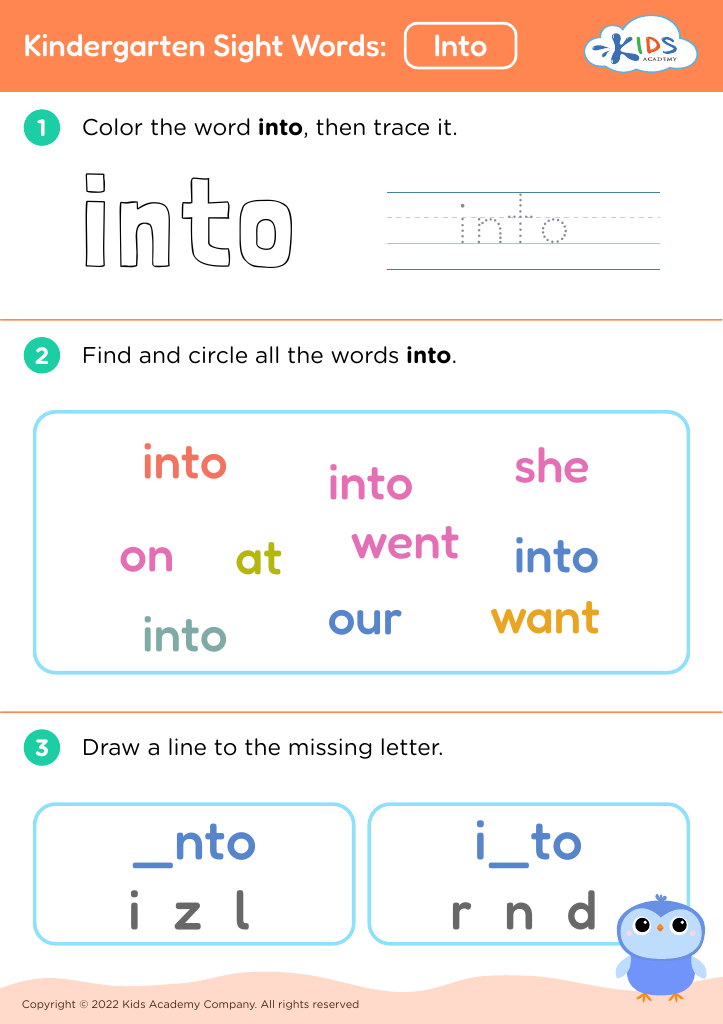







Identifying shapes is a fundamental skill that lays the groundwork for both mathematical understanding and critical thinking. For children aged 4-7, engaging with shapes fosters spatial awareness, which is essential for future learning in geometry and other areas of math. Recognizing shapes helps children categorize and understand their environment, from identifying road signs to recognizing objects in art.
Moreover, shape identification encourages language development, as children learn to articulate the properties of different shapes—such as sides, corners, and symmetry—expanding their vocabulary and improving their communication skills.
In addition to cognitive benefits, recognizing shapes can boost a child's confidence. Mastering this skill can lead to a sense of achievement and curiosity, prompting further exploration of math and science topics.
For parents and teachers, providing opportunities for shape recognition can be easily integrated into daily activities, such as through games, puzzles, and crafts. This not only makes learning enjoyable but also encourages collaborative learning experiences, fostering stronger parent-child and teacher-student relationships. Ultimately, by prioritizing shape identification, adults can empower children with skills that are essential for lifelong learning and problem-solving.








