Enhance your child's reading abilities with our engaging reading worksheets designed specifically for ages 4-7. Our comprehensive collection focuses on essential skills such as phonemic awareness, vocabulary building, and comprehension. Bright, colorful designs make learning enjoyable and captivating for young learners. Each worksheet includes fun activities that align with early literacy objectives, ensuring your child develops confidence as they progress. Whether at home or in the classroom, these resources provide the ideal foundation for lifelong reading success. Start your child's journey to becoming a proficient reader today with our expertly crafted materials that inspire curiosity and a love for reading!

Check out this FREE Trial Lesson on Reading for age 4-7!

Decode Two Syllable Words

Favorites
With answer key
Interactive
  • 4-7
  • Improve reading skills
  • Reading
Vehicles Worksheet
Vehicles Worksheet

Vehicles Worksheet

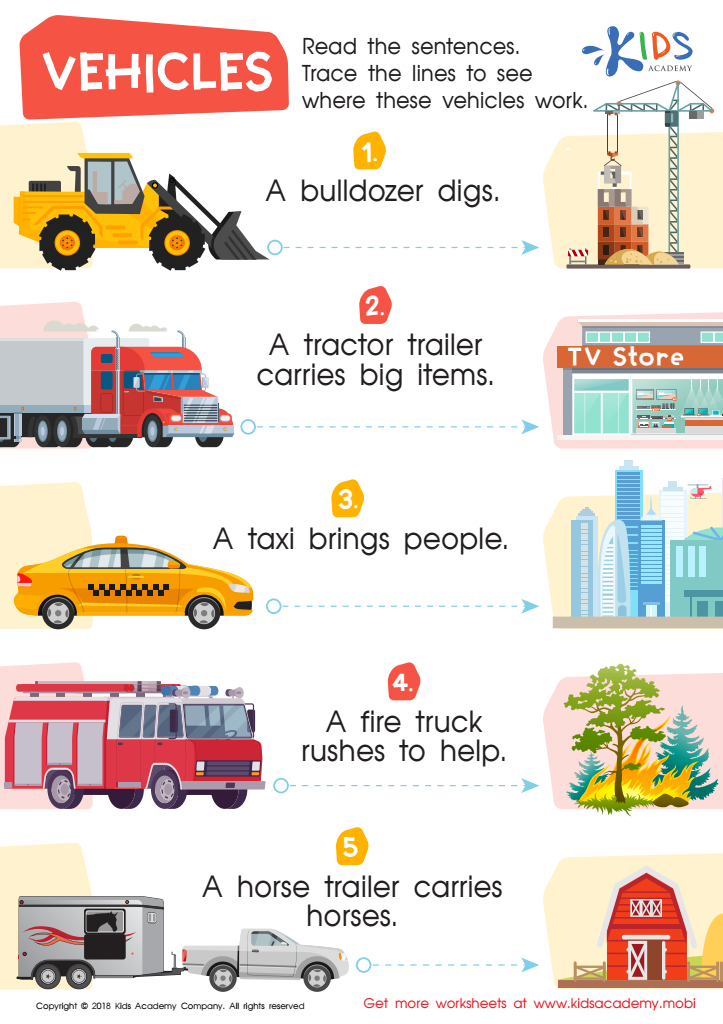
This worksheet helps kids visualize vehicles in different environments. They can trace each vehicle and read basic sentences about it to learn how it moves in each environment. It's a great way to boost their reference skills.
Vehicles Worksheet
Worksheet
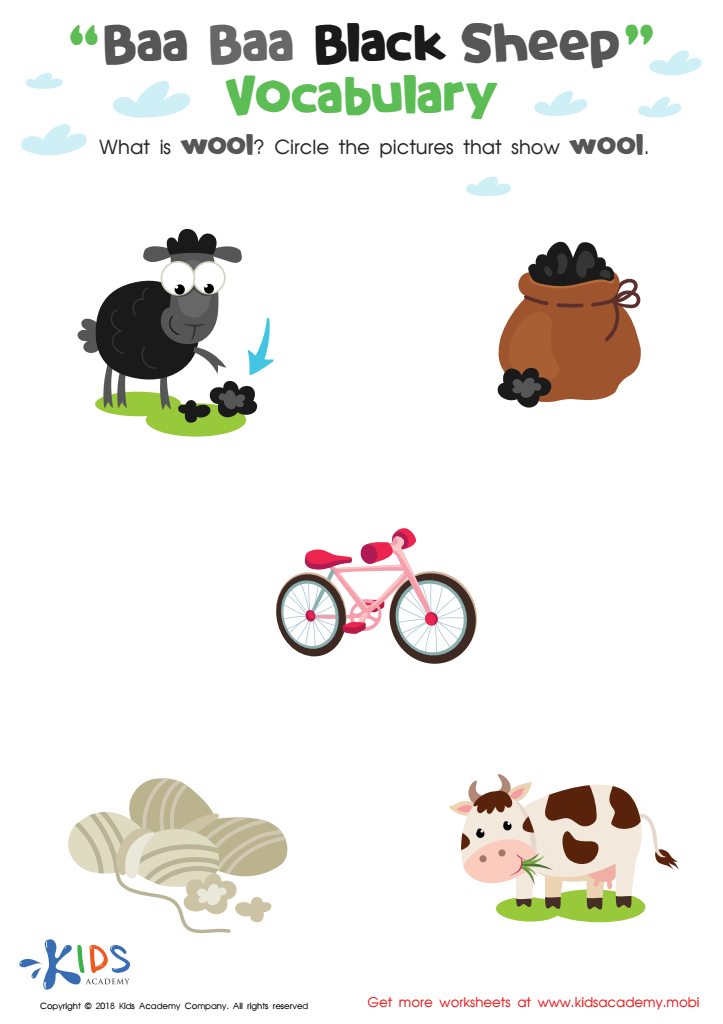
Baa Baa Black Sheep: Vocabulary Worksheet

Baa Baa Black Sheep: Vocabulary Worksheet

Exposing readers to various vocab helps their reading abilities grow. This cheery worksheet uses pictures to show what wool is and isn't, helping readers with visual discrimination. Having concrete images for new words is essential for emerging readers, and this is an enjoyable way to strengthen the skill.
Baa Baa Black Sheep: Vocabulary Worksheet
Worksheet
Reading: Decode It Worksheet

Reading: Decode It Worksheet

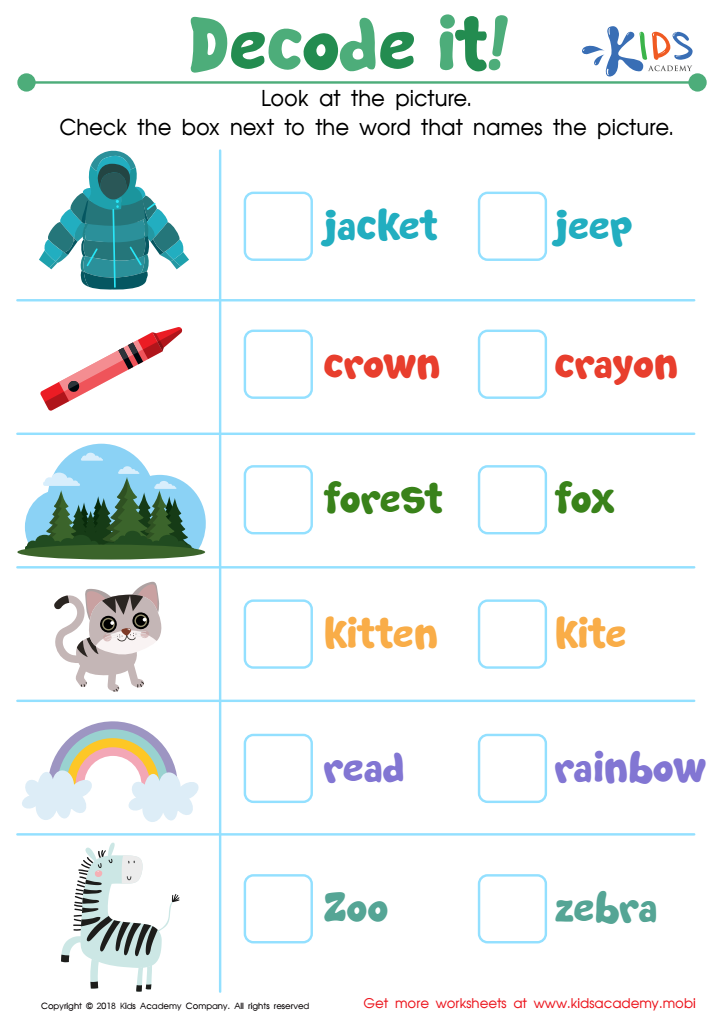
Look at the picture and circle the word that names it. This exercise helps kids practice picture cues and decoding words, with the same beginning sound. It builds their fluency and comprehension, giving them the skills to read unfamiliar words.
Reading: Decode It Worksheet
Worksheet
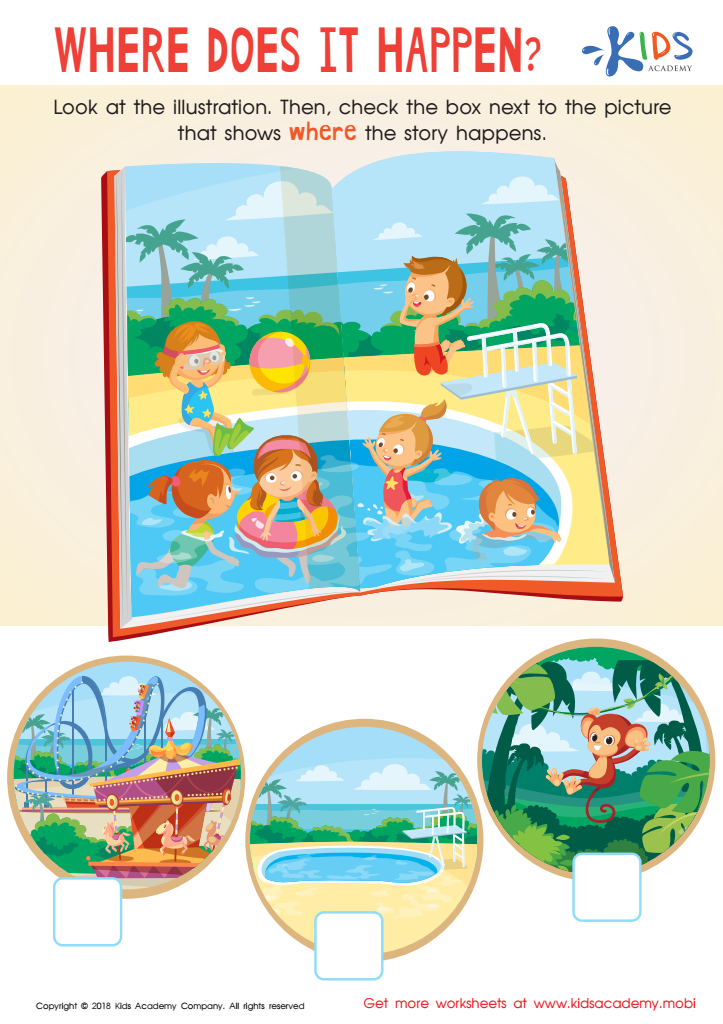
Where Does It Happen? Worksheet
Where Does It Happen? Worksheet
This worksheet helps kids give better descriptions of events and their locations. Look at the illustration with them, then help them check the box next to the relevant picture. This will help them explain where stories are happening or have happened.
Where Does It Happen? Worksheet
Worksheet
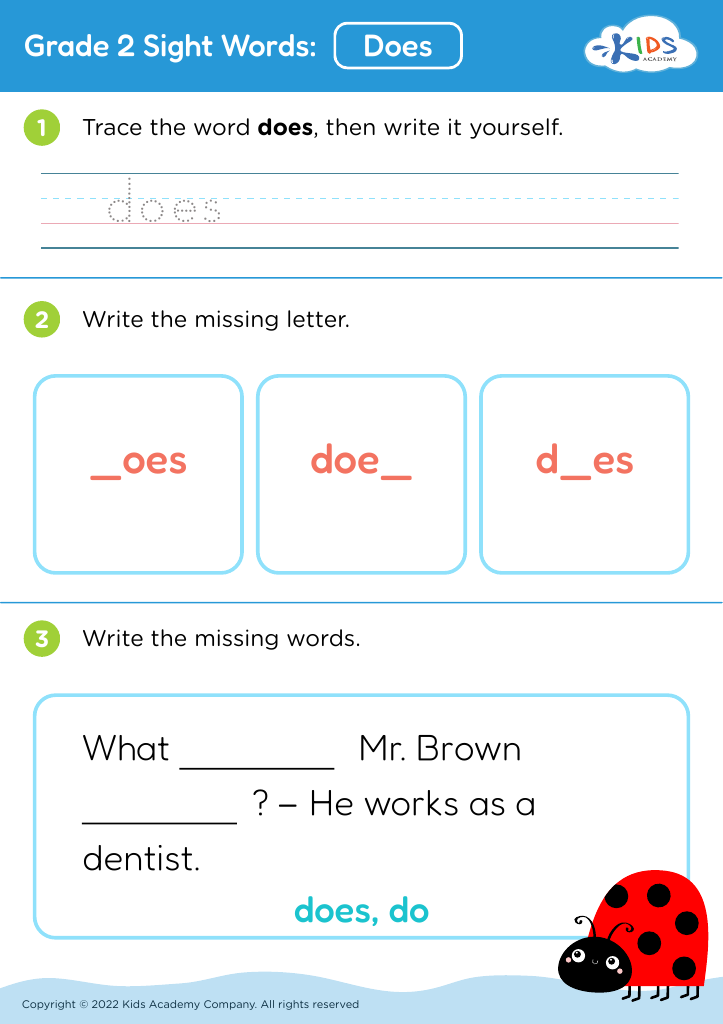
Grade 2 Sight Words: Does

Grade 2 Sight Words: Does

Grade 2 Sight Words: Does
Worksheet
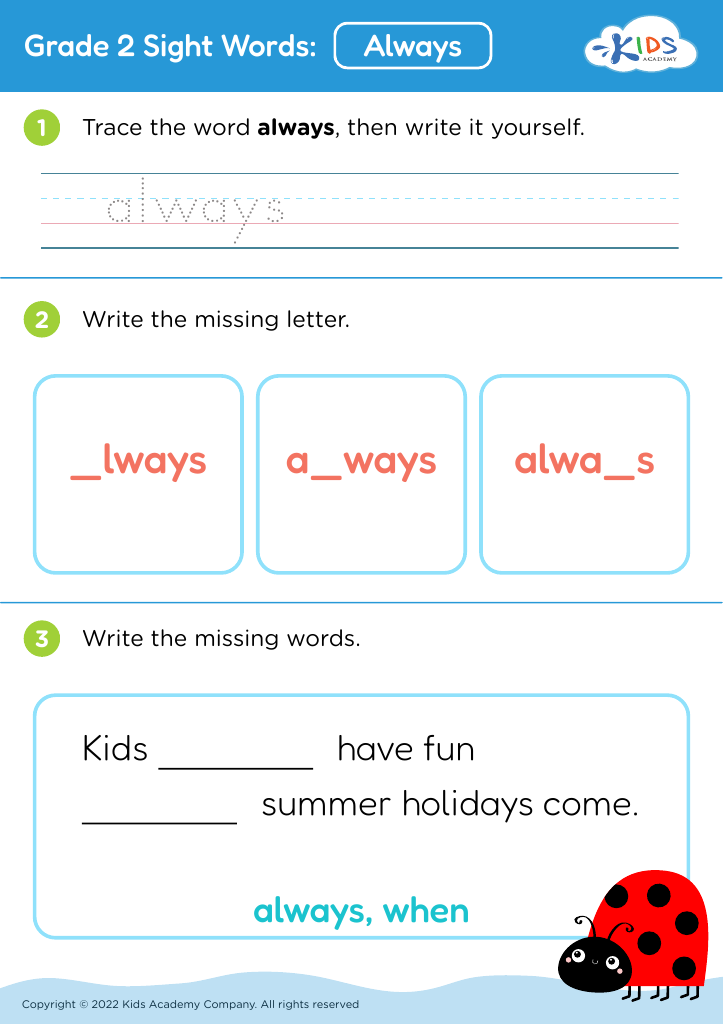
Grade 2 Sight Words: Always

Grade 2 Sight Words: Always

Grade 2 Sight Words: Always
Worksheet
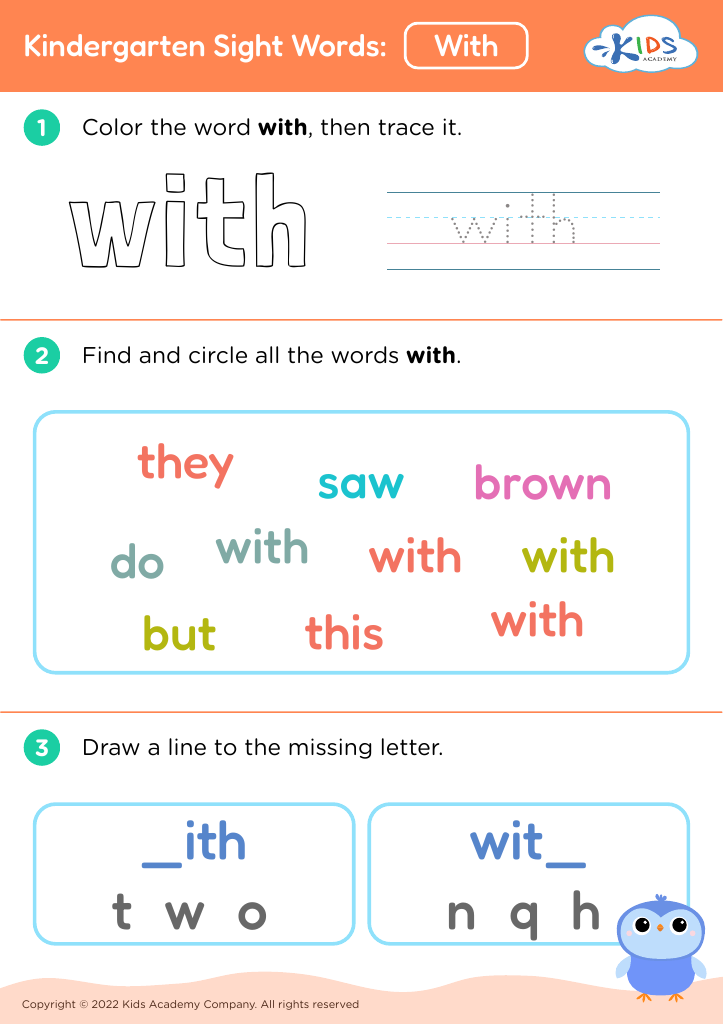
Kindergarten Sight Words: With

Kindergarten Sight Words: With

Kindergarten Sight Words: With
Worksheet
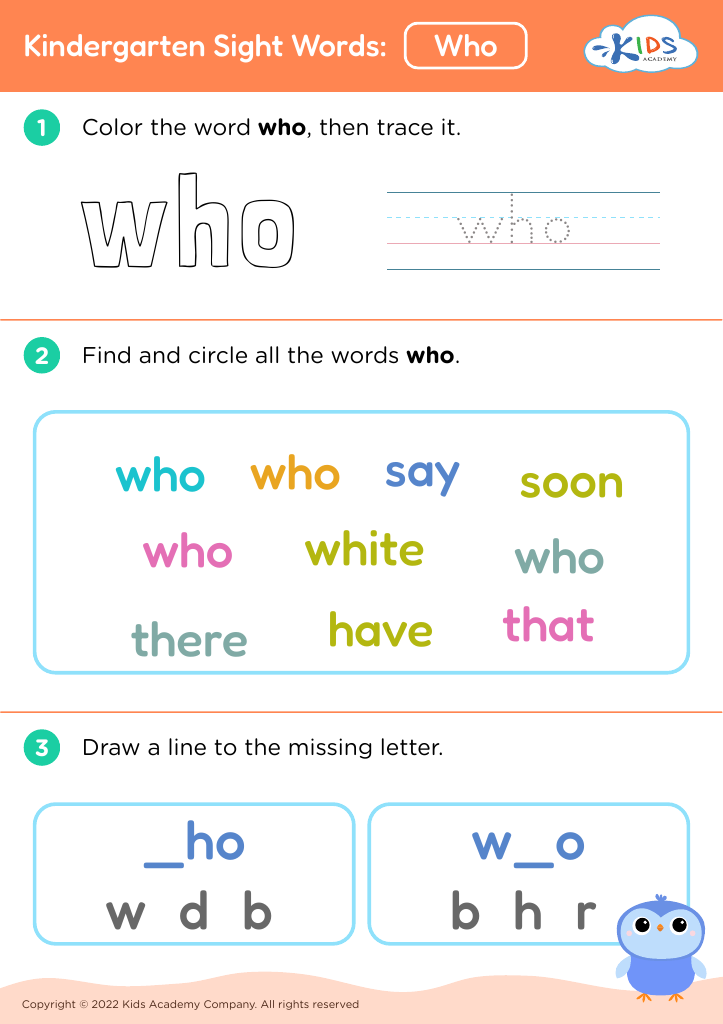
Kindergarten Sight Words: Who

Kindergarten Sight Words: Who

Kindergarten Sight Words: Who
Worksheet
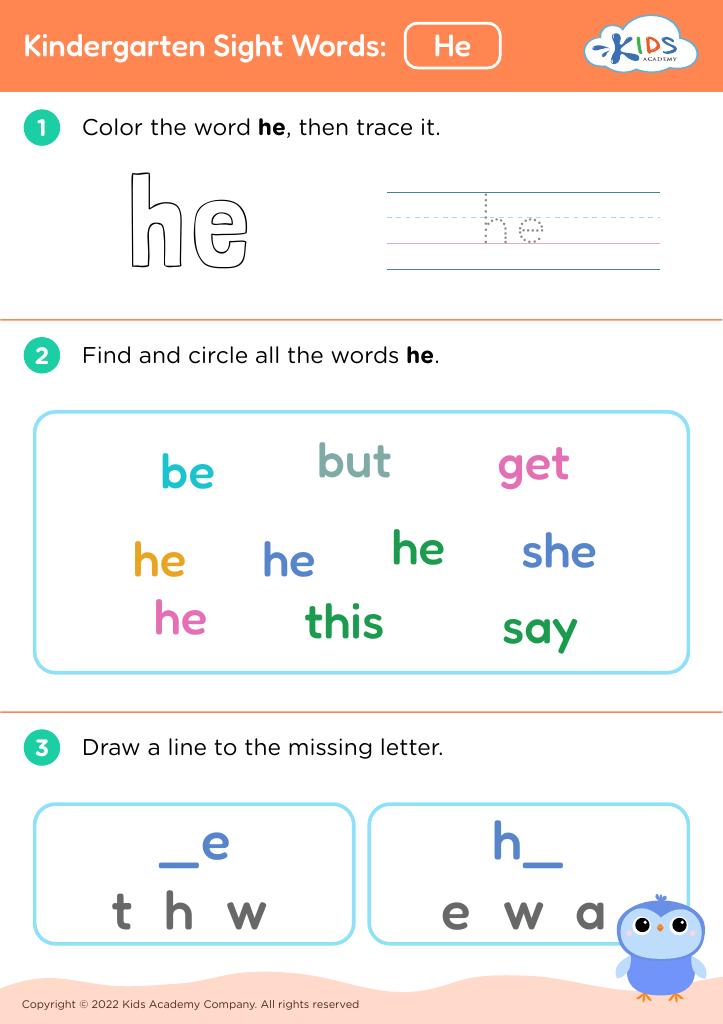
Kindergarten Sight Words: He

Kindergarten Sight Words: He

Kindergarten Sight Words: He
Worksheet
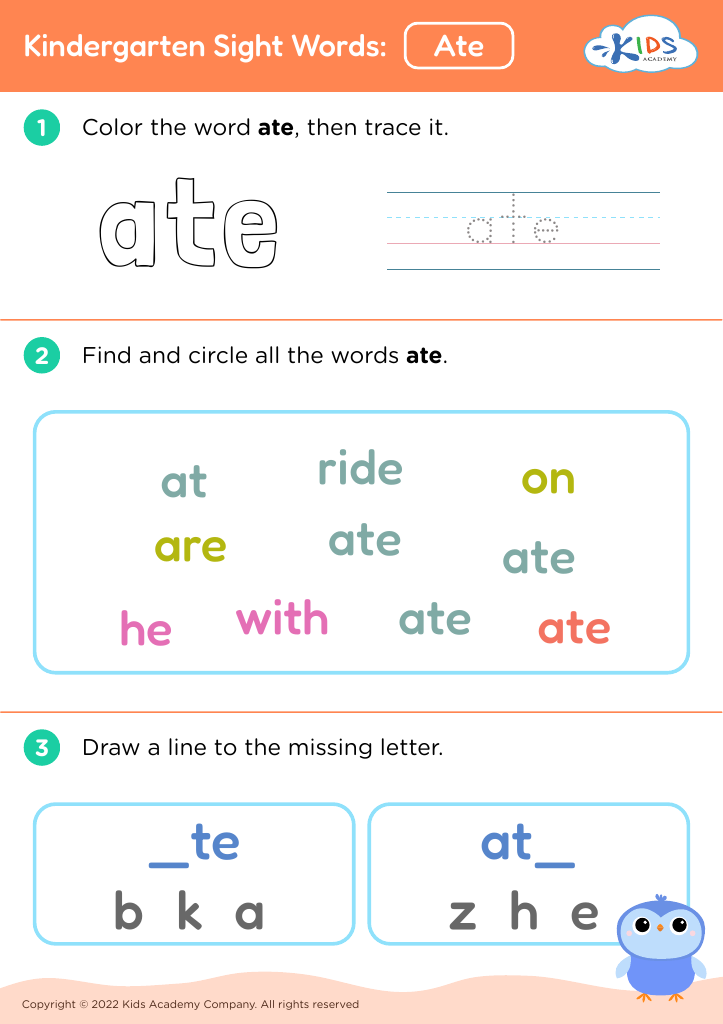
Kindergarten Sight Words: Ate

Kindergarten Sight Words: Ate

Kindergarten Sight Words: Ate
Worksheet
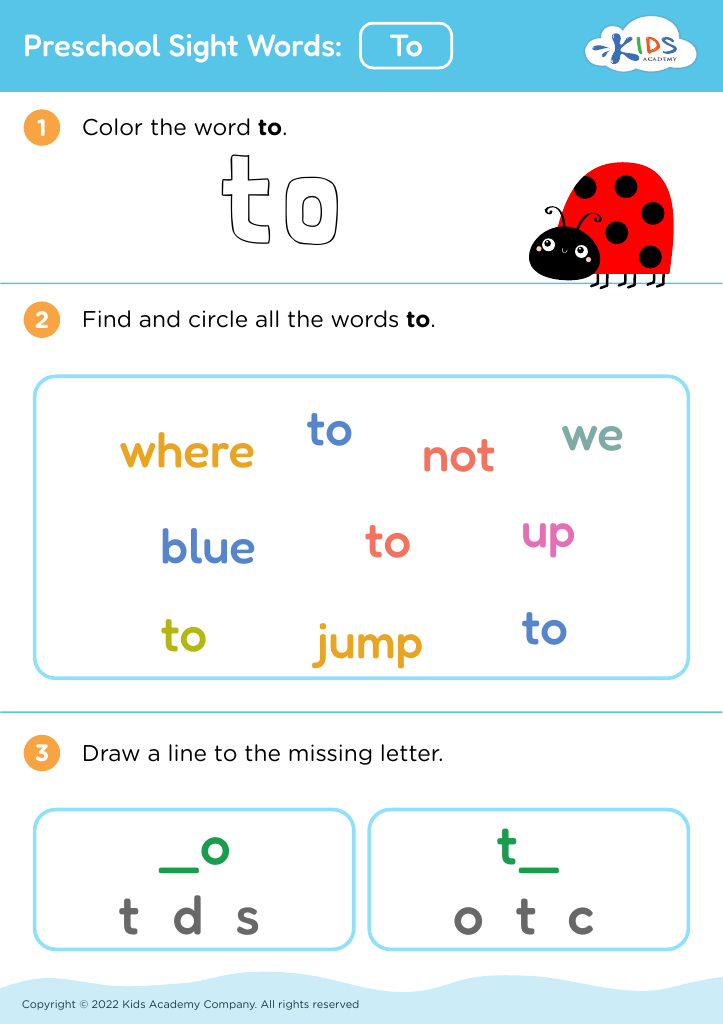
Preschool Sight Words: To

Preschool Sight Words: To

Preschool Sight Words: To
Worksheet
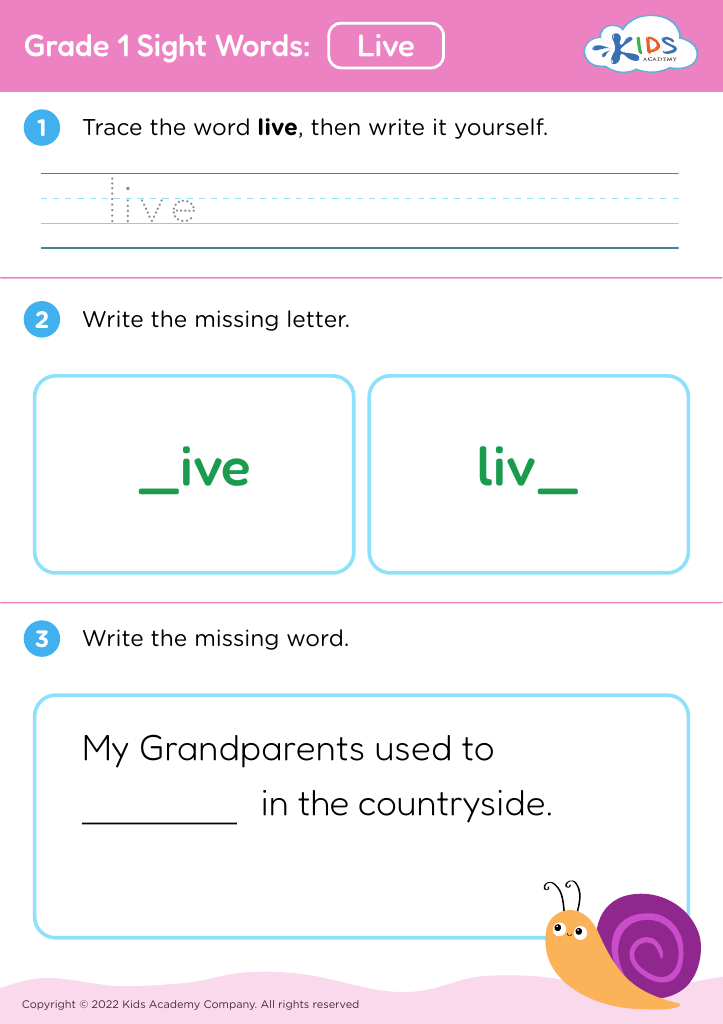
Grade 1 Sight Words: Live

Grade 1 Sight Words: Live

Grade 1 Sight Words: Live
Worksheet
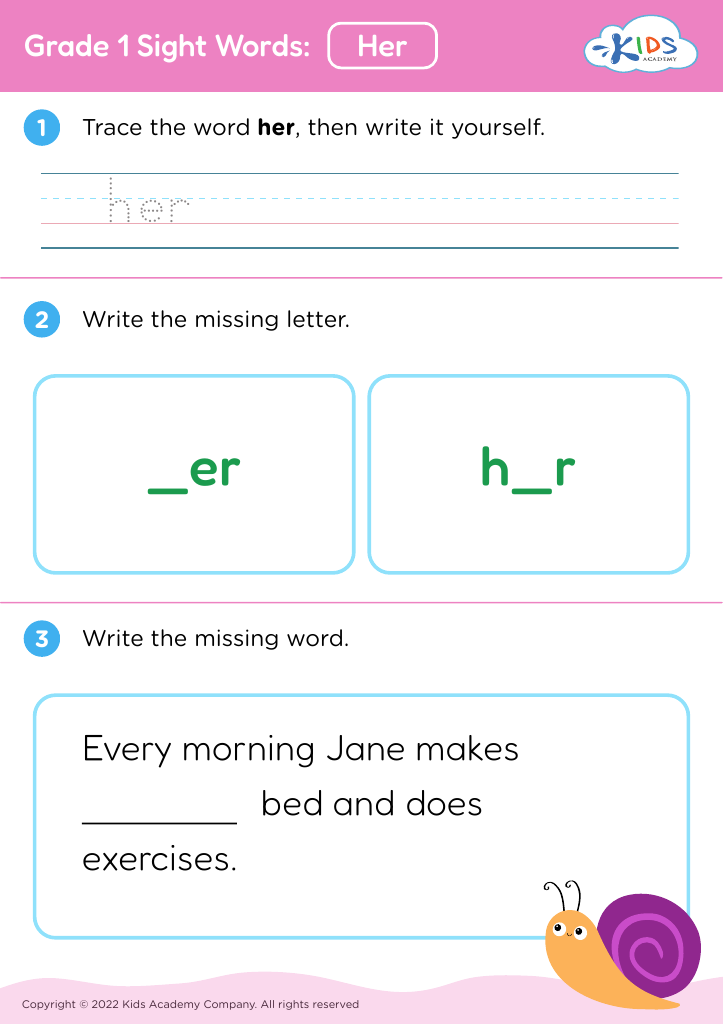
Grade 1 Sight Words: Her

Grade 1 Sight Words: Her

Grade 1 Sight Words: Her
Worksheet


Improving reading skills for children aged 4-7 is crucial for their cognitive and social development. This stage is foundational, as early readers develop essential language competencies, phonemic awareness, and comprehension skills that pave the way for lifelong learning. Research shows that children who read proficiently by the end of third grade are significantly more likely to succeed academically throughout their education.

For parents and teachers, fostering reading skills in young learners encourages critical thinking and creativity while enhancing vocabulary and communication abilities. Engaging children with age-appropriate texts stimulates their imaginations, encourages empathy, and provides insights into diverse cultures and perspectives.

Additionally, strong reading skills build self-confidence in children, making them more likely to participate actively in class discussions and cooperative learning activities. Establishing a love for reading early on promotes greater independence and a desire to explore knowledge independently.

In collaborative efforts—such as reading initiatives or family reading nights—both parents and teachers impact children's literacy journeys positively. Investing in reading skills not only benefits individual learners but also cultivates a more literate society. Overall, prioritizing reading during these pivotal years instills a passion for learning that lasts a lifetime.