Improving reading skills Reading Worksheets for Ages 4-7
7 filtered results
-
From - To
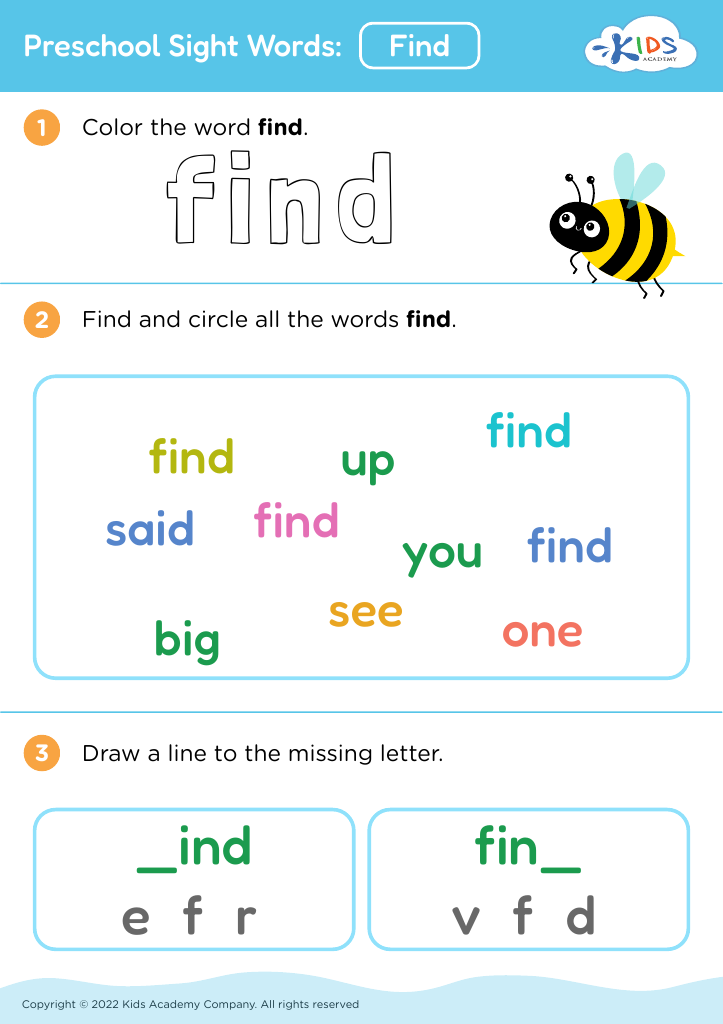
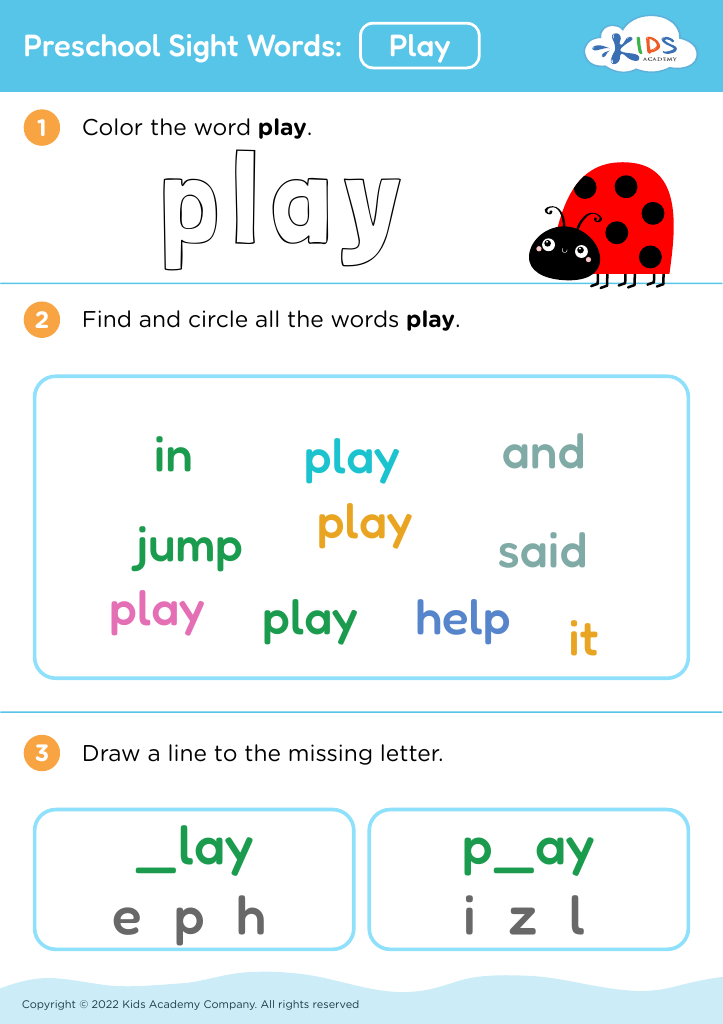
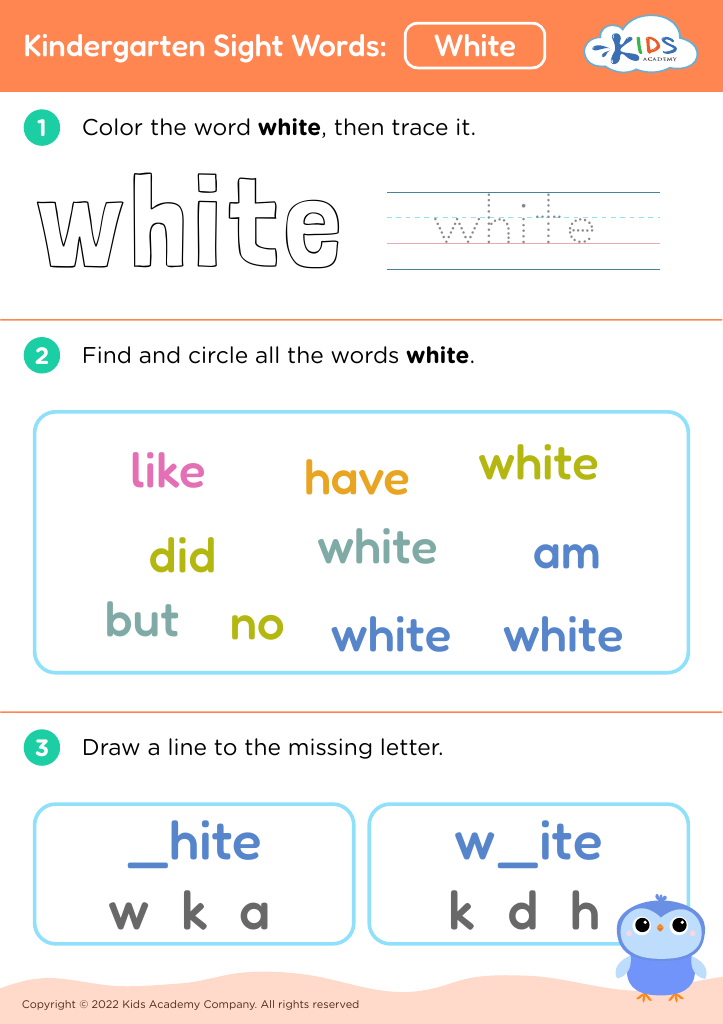
Enhance reading skills for ages 4-7 with our engaging worksheets designed to make learning fun! Our collection of printable resources focuses on key skills like phonics, sight words, and comprehension, helping young learners build a strong foundation in reading. Each worksheet features colorful illustrations and interactive activities that capture children's interest, fostering a love for reading. Parents and educators can easily access and print these worksheets to support classroom instruction or at-home learning. Transform reading practice into an exciting adventure as children develop confidence and proficiency. Explore our worksheets today and watch young readers thrive!
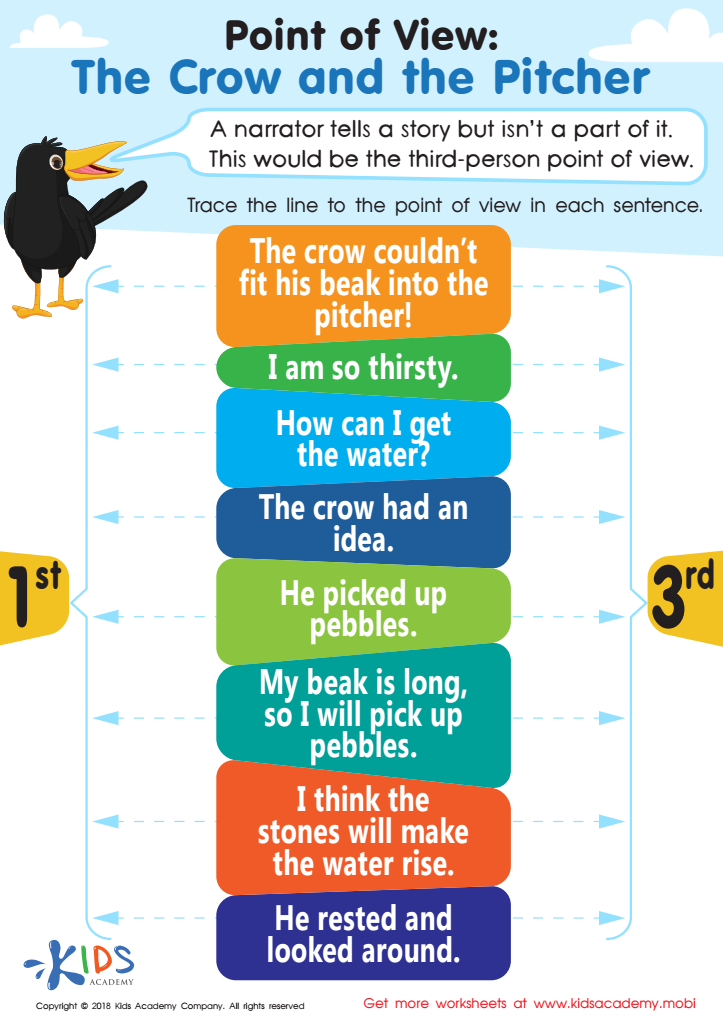
Point of View: The Crow and the Pitcher Worksheet
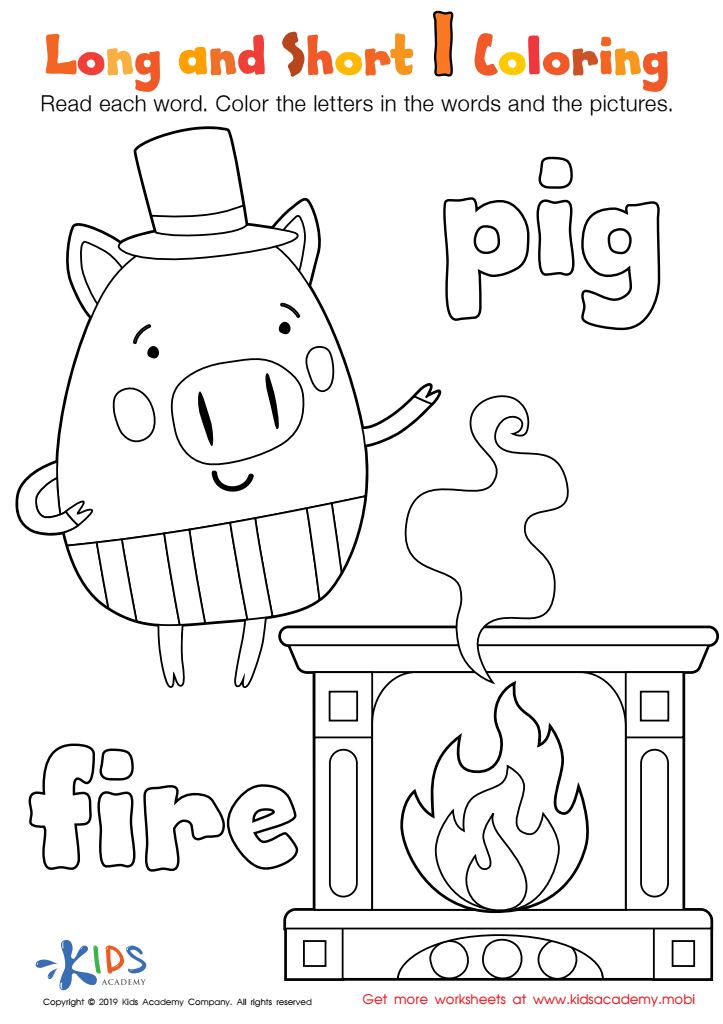
Long and Short I Worksheet
 Assign to My Students
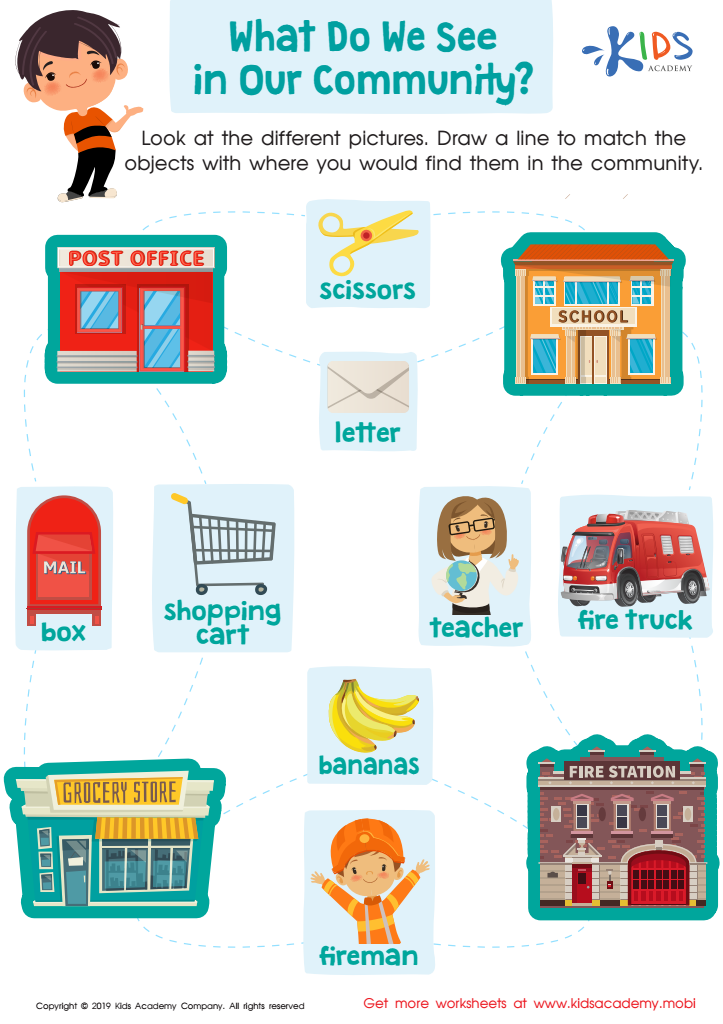
What Do We See in our Community? Worksheet
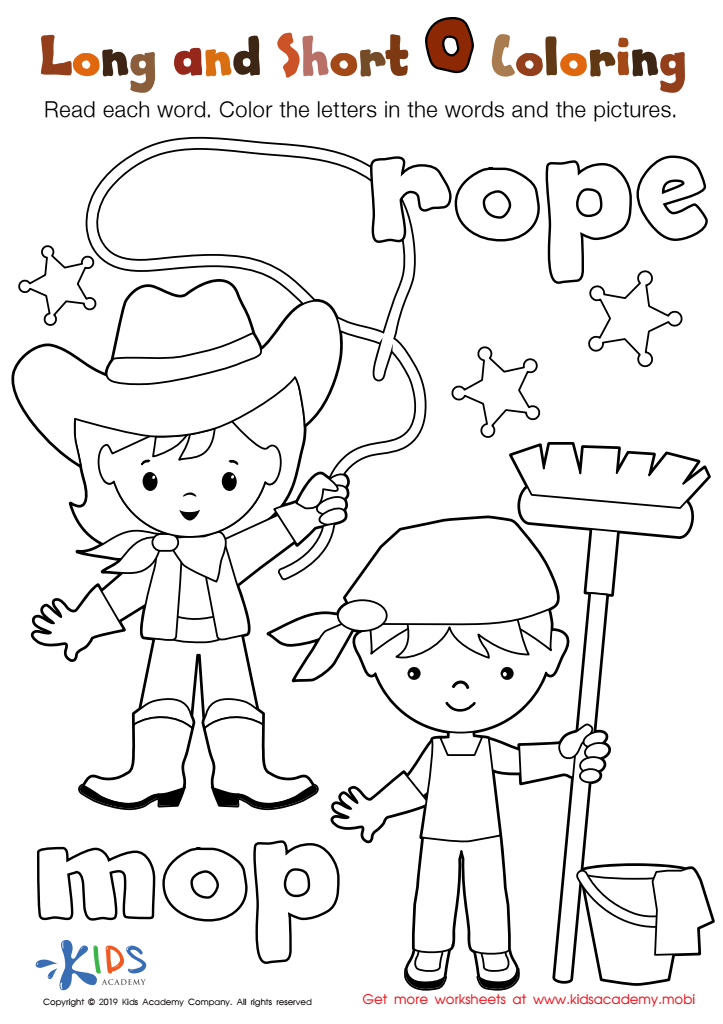
Long and Short O Worksheet
Assign to My Students








Improving reading skills in children aged 4-7 is crucial for their overall development and future success. This early stage of literacy forms the foundation for academic achievement and lifelong learning. When parents and teachers prioritize reading, they contribute to building children’s vocabulary, language comprehension, and critical thinking abilities. These skills are essential not only for reading but also for effective communication and understanding across all subjects in school.
Moreover, strong reading skills enhance children's confidence and encourage a love for learning. Early reading experiences foster imagination and creativity, allowing children to engage with stories, characters, and ideas, which boosts cognitive development. Additionally, proficient reading at this age correlates with better performance in later grades, as many subjects require strong literacy skills.
Reading also has social benefits; children who read well are better equipped to collaborate, share ideas, and participate in group activities. By creating a solid reading foundation, parents and teachers help children navigate the complexities of an ever-evolving world. Therefore, prioritizing reading during these formative years is not merely an academic duty; it is an investment in a child's future, enabling them to reach their full potential both in and out of the classroom.








