
Mathematical reasoning Reading Worksheets for Ages 4-7
6 filtered results
Difficulty Level
Grade
Age
-
From - To
Subject
Activity
Standards
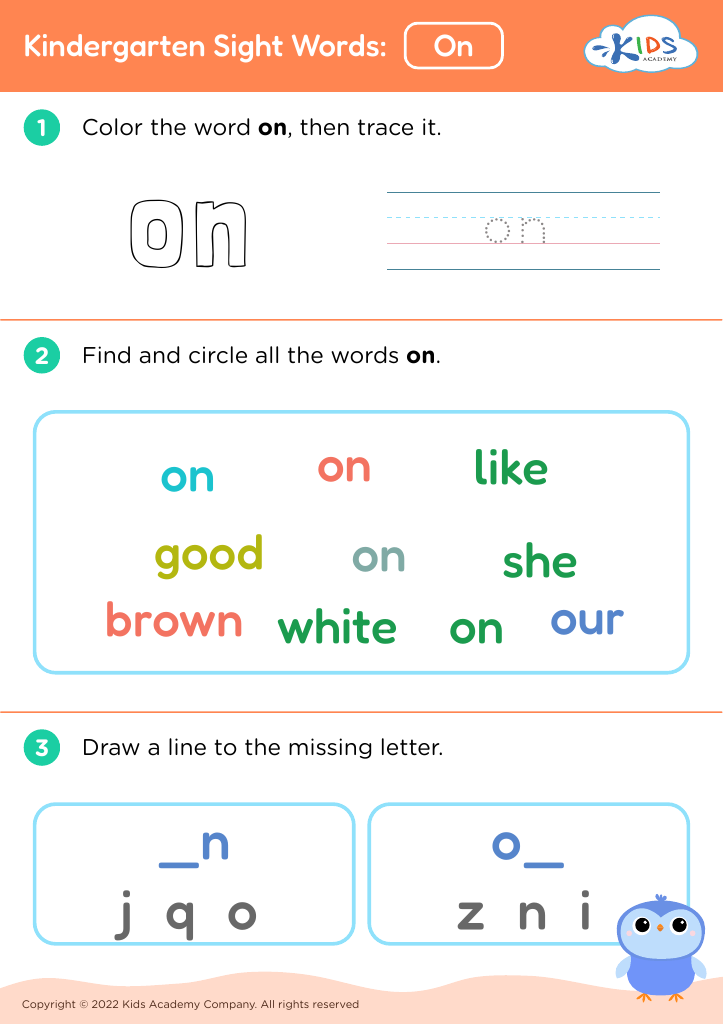
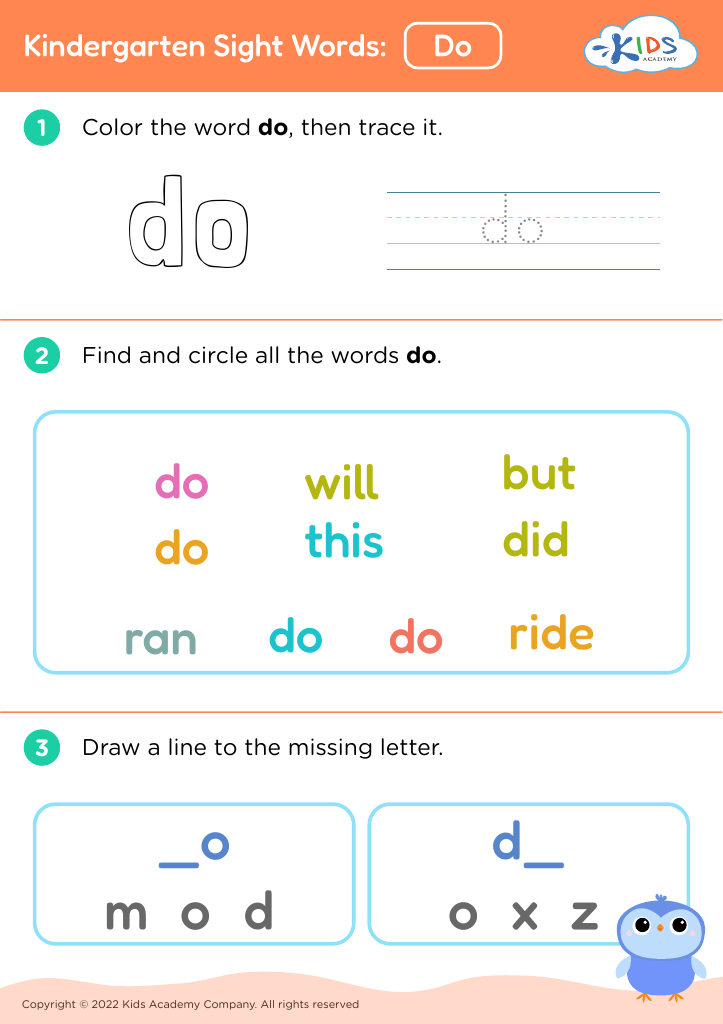
Explore our engaging Mathematical Reasoning Reading Worksheets designed for children ages 4-7! These worksheets are perfect for young learners to develop critical thinking and problem-solving skills through fun and interactive activities. Each worksheet features age-appropriate exercises that integrate reading and mathematical concepts, helping kids to understand numbers, patterns, and simple calculations while enhancing their comprehension abilities. Tailored to fit various learning styles, our resources support your child’s educational journey and encourage a love for math. Whether at home or in the classroom, these worksheets offer an excellent way to ignite curiosity and foster a solid foundation for future learning.
Favorites
With answer key
Interactive
Join Kids Academy for Free
Who is primarily going to use this learning content?







.jpg)
Mathematical reasoning reading skills are crucial for children aged 4-7 as they establish a strong foundation for lifelong learning in mathematics. At this young age, children begin to form their understanding of numbers, patterns, shapes, and relationships—all fundamental components in developing mathematical reasoning. Parents and teachers play a vital role in nurturing these skills, supporting children's cognitive development through engaging activities that integrate math and literacy.
Encouraging children to reflect on their mathematical thinking helps them develop critical problem-solving skills, promoting logical reasoning and the ability to approach challenges with confidence. Exposure to mathematical vocabulary while reading helps children see connections between language and math, fostering their ability to communicate their thoughts clearly. Furthermore, early reasoning skills lay the groundwork for more complex mathematical concepts encountered later in school.
Investing in mathematical reasoning encourages a positive attitude towards mathematics, diminishing the fear or anxiety commonly associated with the subject. By engaging with mathematical reasoning reading, caregivers can inspire curiosity, creativity, and a love for learning. Ultimately, math skills not only contribute to academic success but also prepare children for everyday life as they develop skills needed for decision-making, financial literacy, and analytical thinking. Therefore, it is essential for parents and teachers to prioritize this area of learning.








