Problem Solving Reading Worksheets for Ages 4-7
3 filtered results
-
From - To
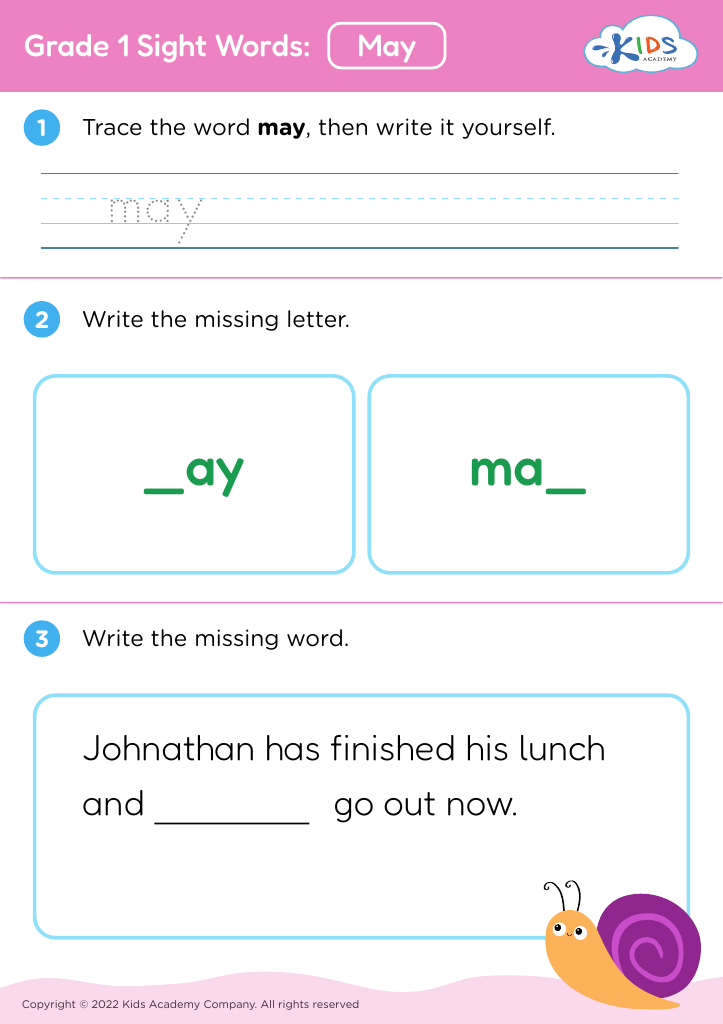
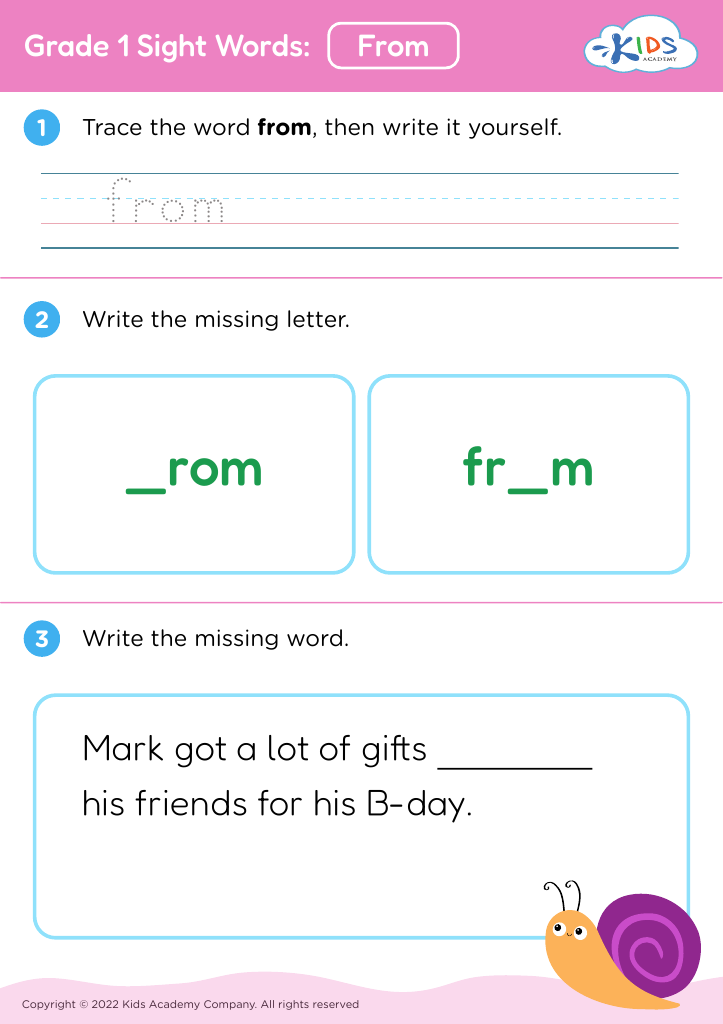
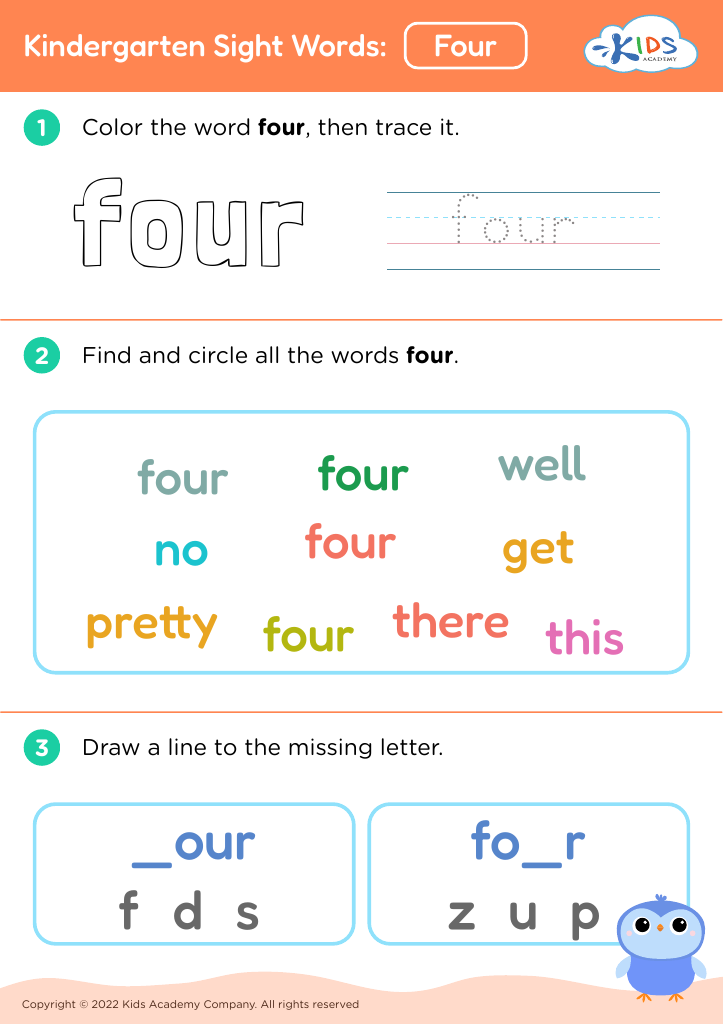
Unlock your child's potential with our Problem Solving Reading Worksheets designed for ages 4-7! These engaging, interactive resources encourage young learners to think critically and develop essential reading skills. Our worksheets feature age-appropriate stories and questions that promote comprehension, reasoning, and creativity. By tackling fun problem-solving activities, children enhance their ability to analyze scenarios and draw conclusions while building confidence in their reading abilities. Perfect for classroom or home use, our worksheets foster a love for learning and provide invaluable practice for young minds. Discover an exciting way to nurture your child's critical thinking skills today!






.jpg)
Problem-solving reading is a crucial component of early literacy for children aged 4 to 7. At this stage, children are not just learning how to read; they are also developing essential critical thinking skills and strategies for understanding and interpreting text. Engaging with texts that present problems encourages young readers to think analytically, predict outcomes, and consider multiple perspectives, which fosters creativity and innovation.
For parents and teachers, caring about problem-solving reading means investing in children's cognitive and emotional development. This type of reading helps children make connections between stories and their own experiences, enhancing comprehension and retention. By discussing problem-solving scenarios, children learn to articulate their thoughts, collaborate with peers, and explore solutions, laying the foundation for effective communication skills and resilience.
Furthermore, these skills are transferrable beyond the classroom, as they empower children to navigate real-life challenges effectively. As advocates for their development, parents and teachers play a significant role in cultivating a love for reading and problem-solving. Encouraging children to engage with diverse stories not only enriches their literacy but also nurtures a generation of thinkers equipped to tackle future complexities in an ever-changing world.








