Simplifying Fractions Reading Worksheets for Ages 4-7
7 filtered results
-
From - To
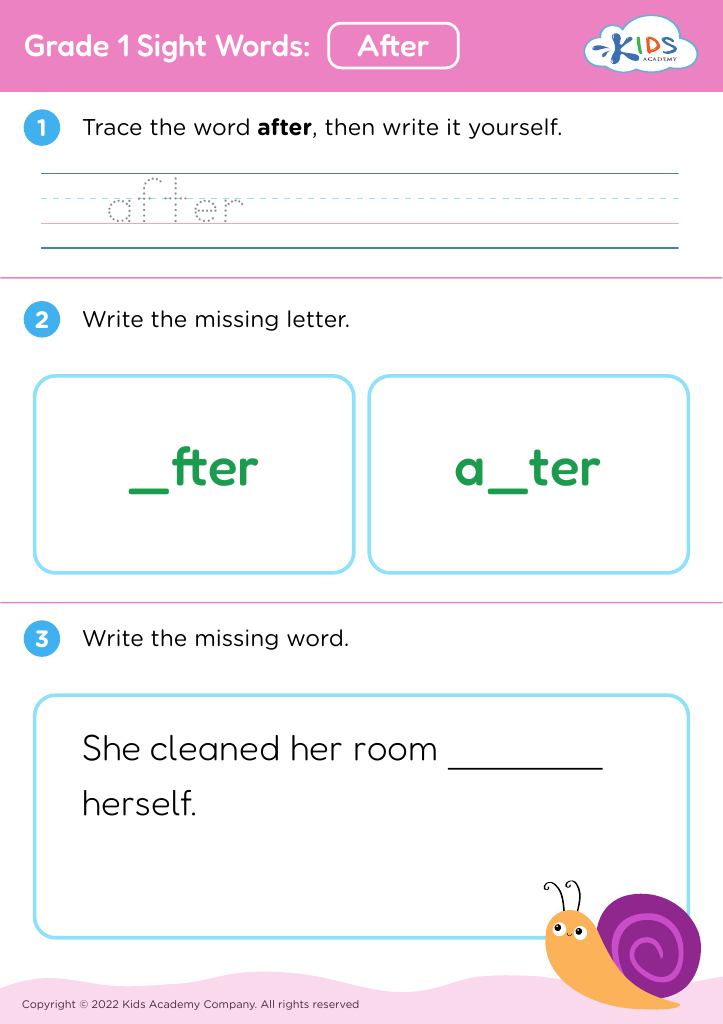
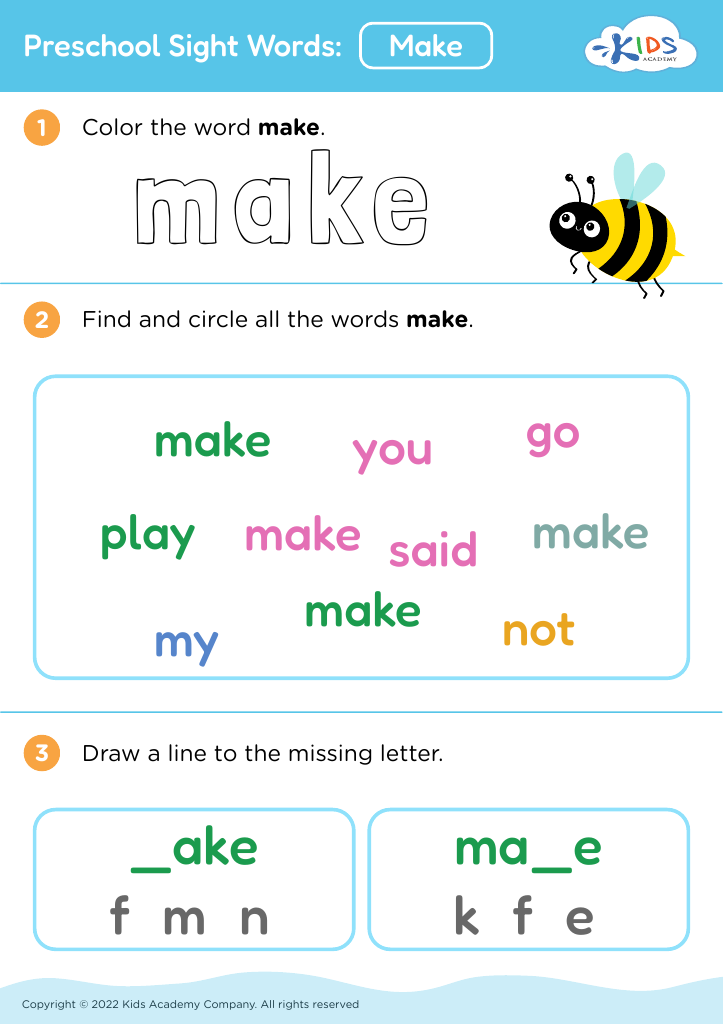
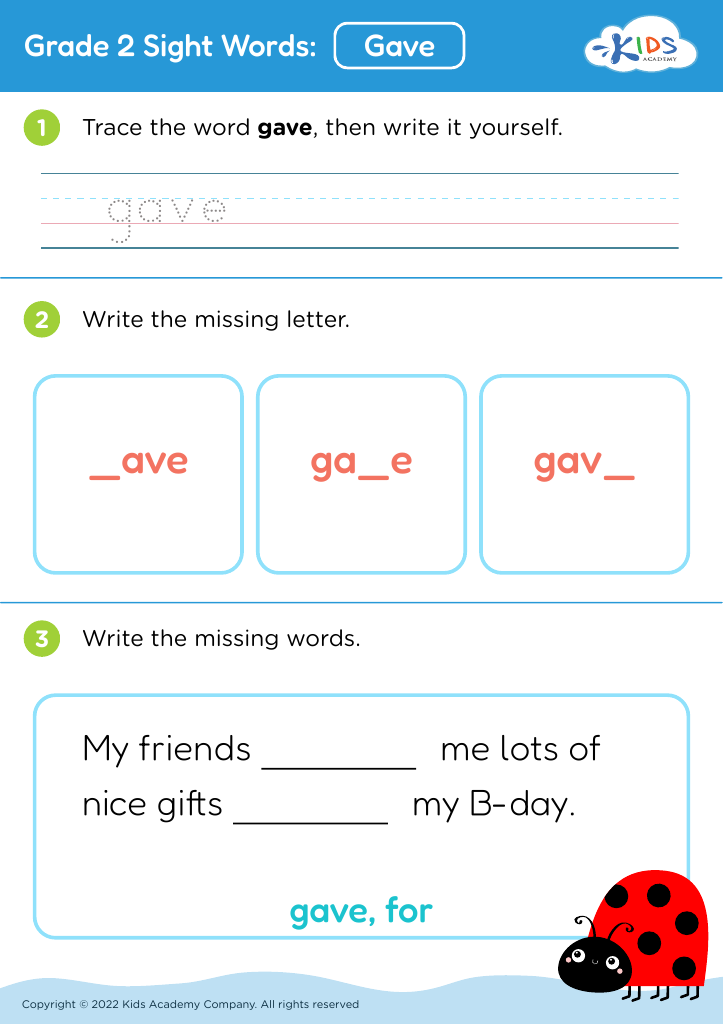
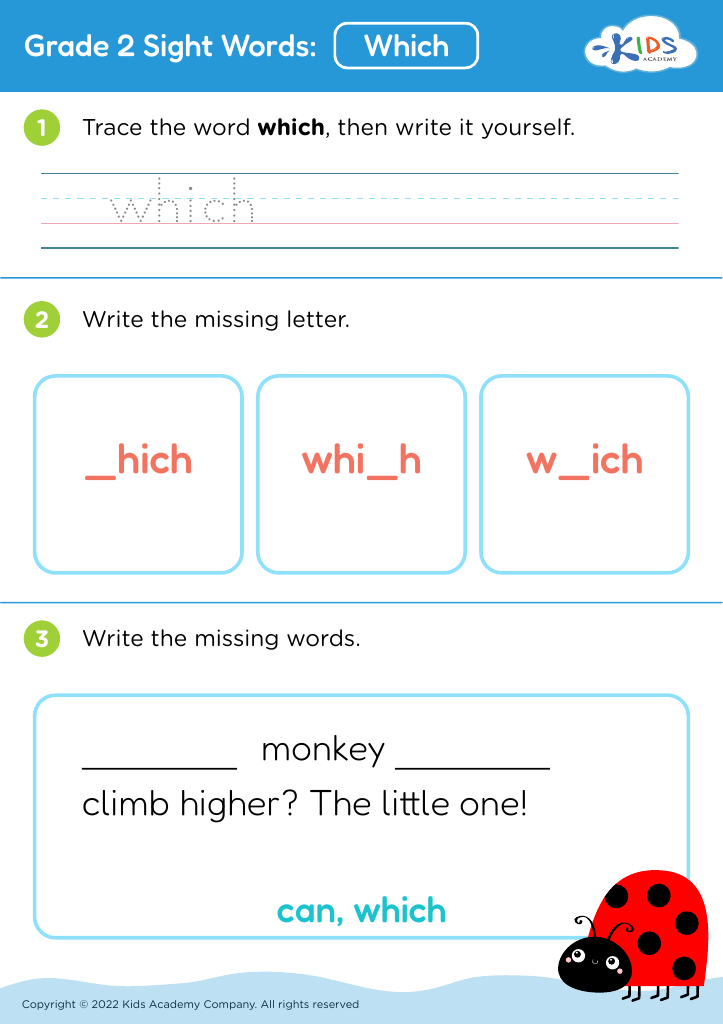
Discover "Simplifying Fractions Reading Worksheets" designed specifically for children aged 4-7 at Kids Academy! These worksheets make learning fractions fun and engaging through age-appropriate, visually appealing exercises. Our resources help young learners grasp the basics of simplifying fractions by breaking down complex concepts into simple, understandable steps. Developed by educators, each worksheet reinforces essential math and reading skills while encouraging critical thinking. Foster a love for math in your child with our interactive and educational activities, perfect for both home and classroom use. Join us in making math enjoyable and accessible for your young learner.






.jpg)

Simplifying fractions may seem advanced for ages 4-7, but laying its foundation this early can significantly benefit a child’s long-term mathematical understanding. At this formative age, children’s brains are exceptionally receptive to new concepts, making them less daunting as they grow. Simplifying fractions introduces kids to principles of fairness and sharing, which are everyday concepts they can grasp, thus grounding fractions in their real-world experiences.
When parents and teachers emphasize simplifying fractions early, they equip children with critical thinking and problem-solving skills. This early exposure helps kids to recognize patterns, understand part-whole relationships, and develop number sense, all foundational elements of math literacy. Simplifying fractions isn't just a mathematical skill; it invites kids to see complex problems as manageable by breaking them into smaller, more understandable parts.
Moreover, fostering a positive attitude towards mathematics at a young age is crucial. By presenting simplified concepts in engaging and confidence-boosting ways, parents and teachers can instill a sense of curiosity and enjoyment. This positive experience can counter math anxiety, leading to greater academic success in the future. Overall, early introduction to simplifying fractions can lead to stronger analytical abilities, better academic performance, and a more well-rounded intellectual development.








