Enhancing Reading Comprehension Reading Comprehension Worksheets for Ages 4-7
6 filtered results
-
From - To
Boost young learners' reading skills with our 'Enhancing Reading Comprehension' worksheets tailored for ages 4-7. Develop crucial comprehension abilities through engaging and educational exercises designed to stimulate kids' curiosity and understanding of texts. Each worksheet focuses on essential skills, including identifying key details, sequencing events, and making inferences, fostering a love for reading. Perfect for educators and parents, these printable materials aim to build a strong foundation in reading by combining fun activities with structured practice. Empower your child to become a confident reader with our expertly crafted worksheets, and watch their comprehension soar!
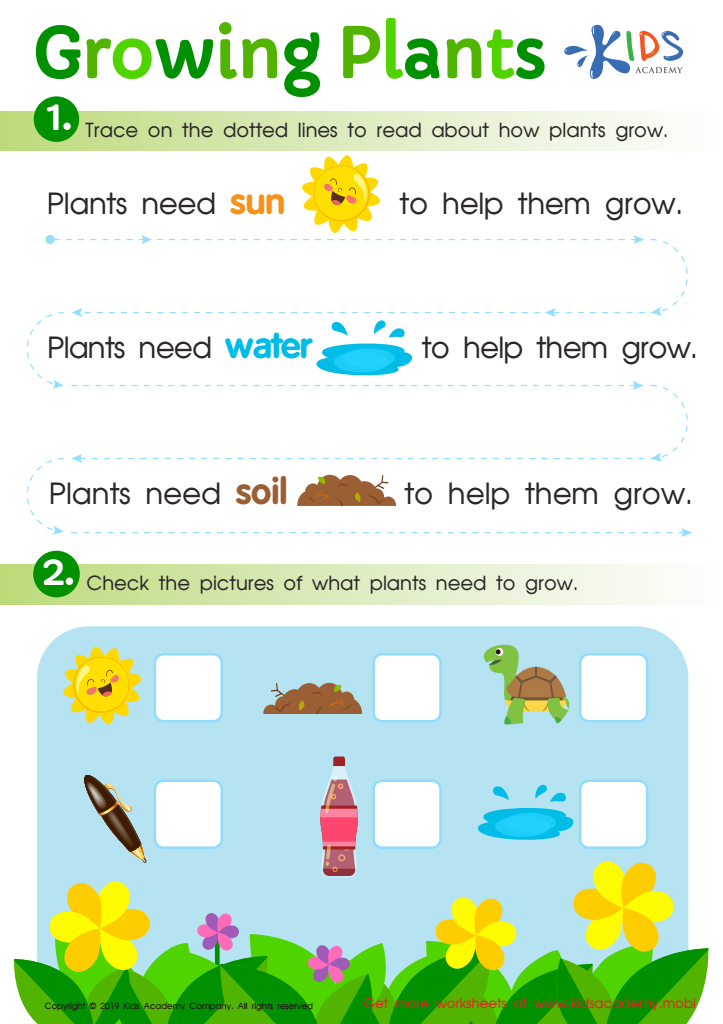
Growing Plants Worksheet
 Assign to My Students
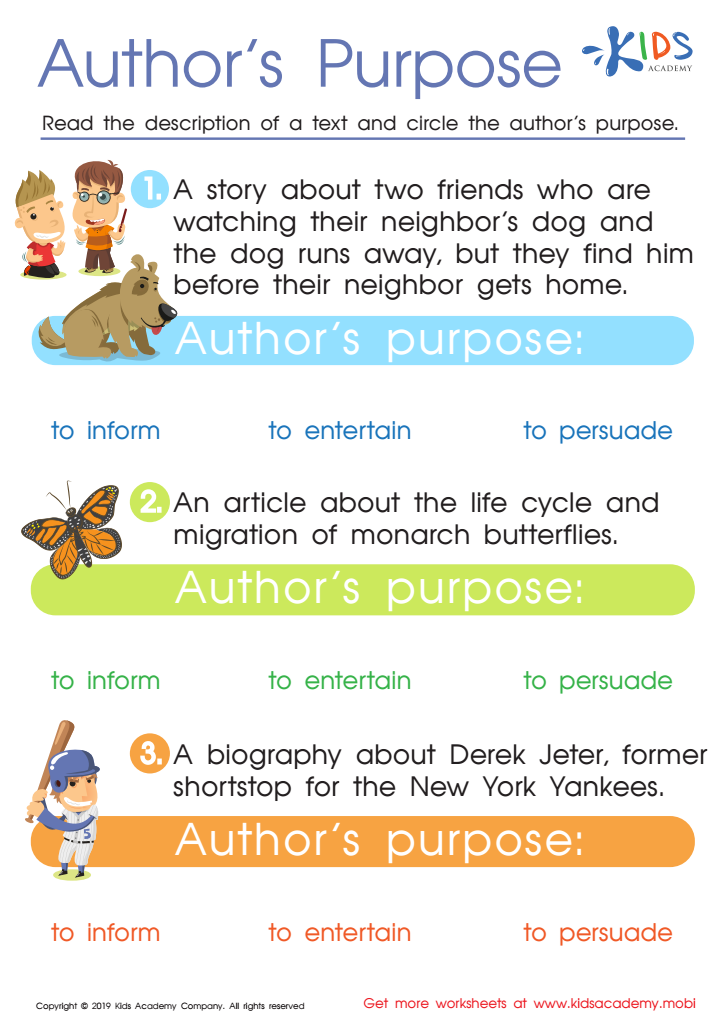
Author's Purpose Worksheet
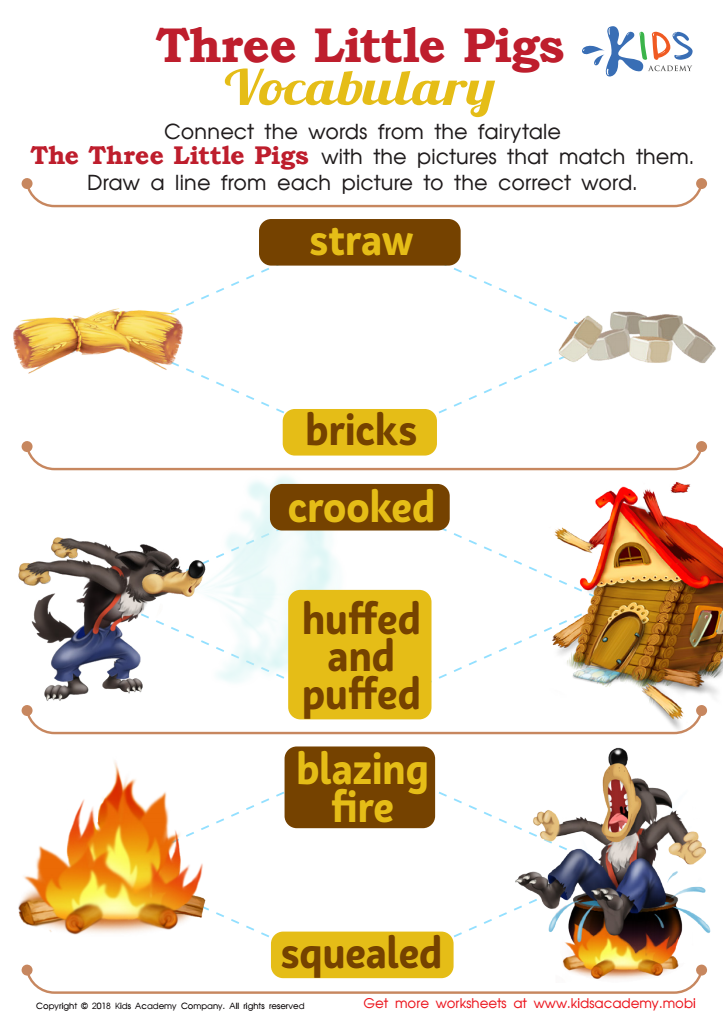
Three Little Pigs Vocabulary Worksheet
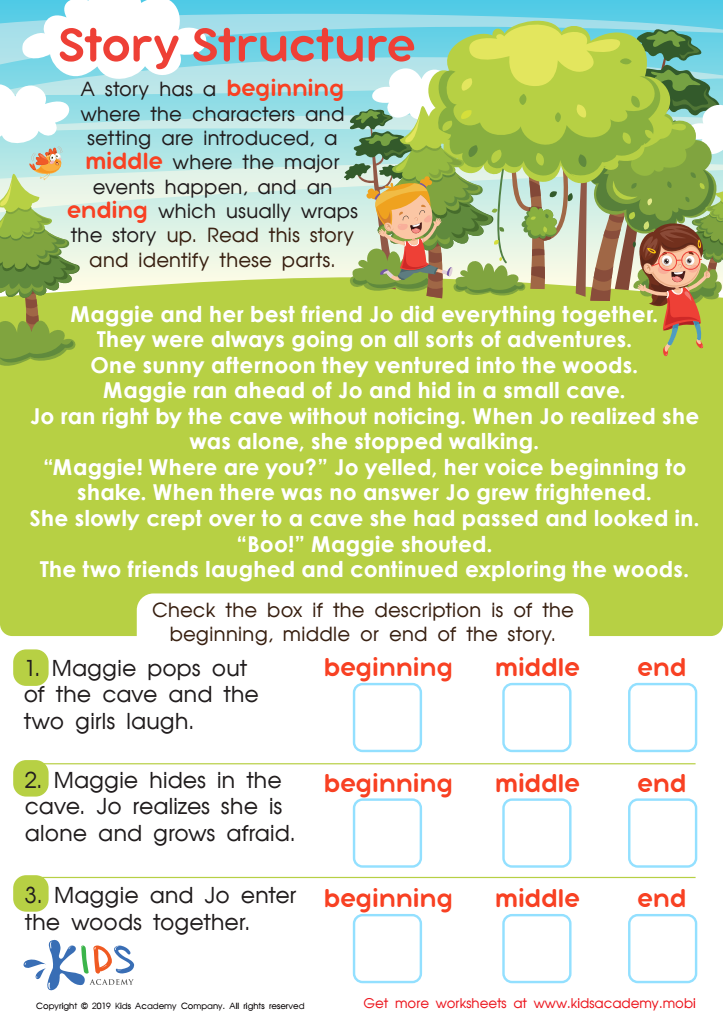
Story Structure Worksheet
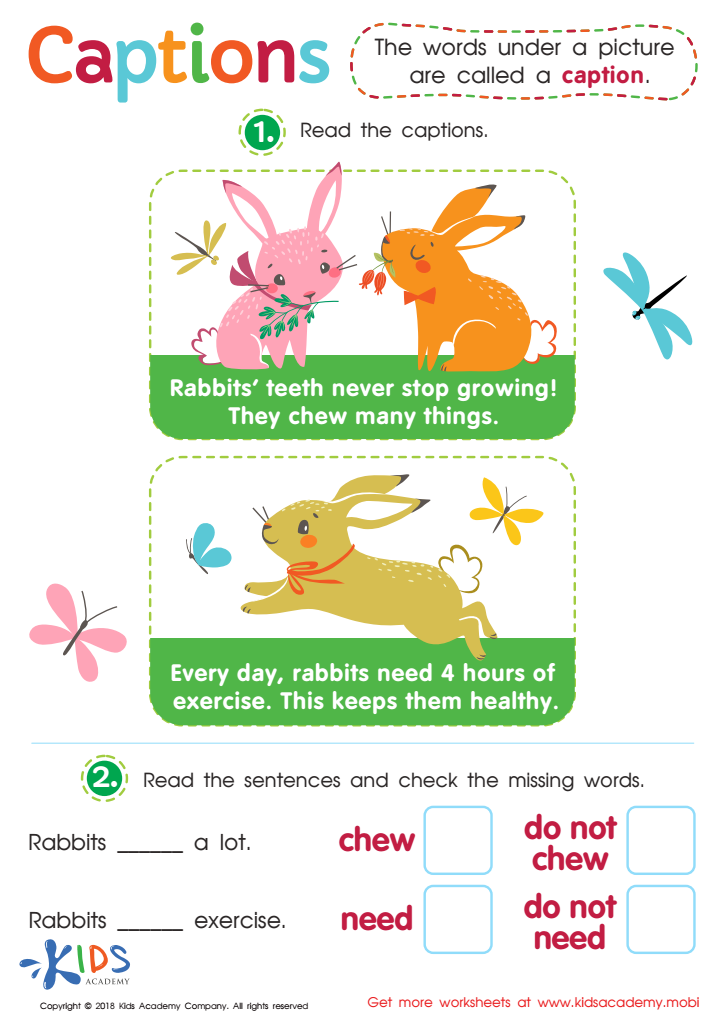
Captions Worksheet
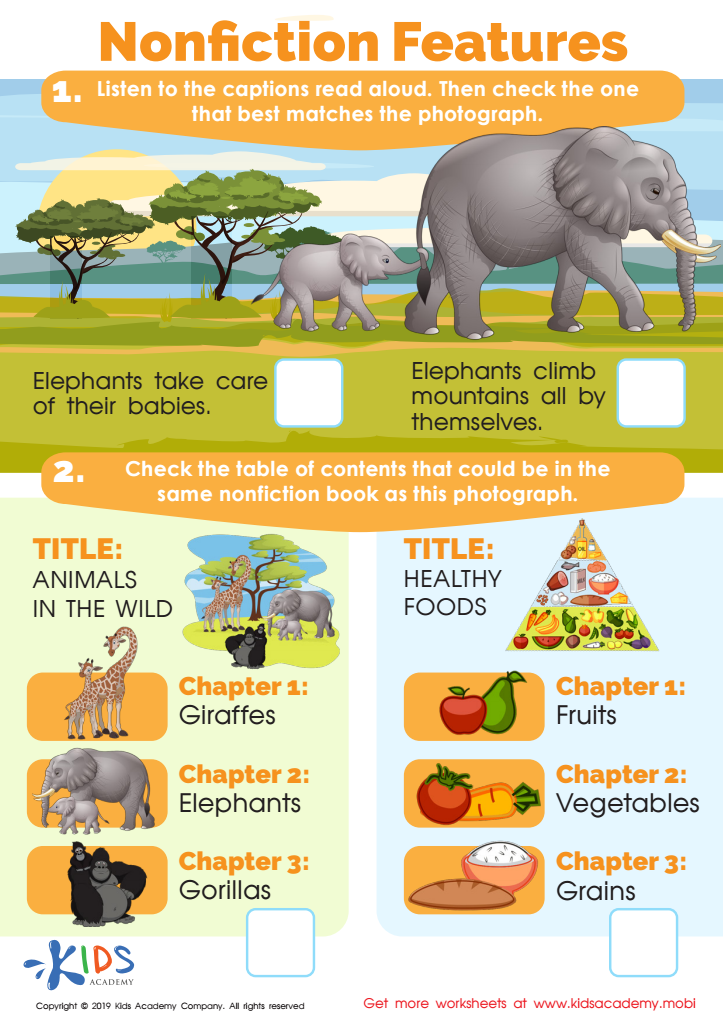
Nonfiction Features Worksheet







Enhancing reading comprehension for children aged 4-7 is crucial for their cognitive, emotional, and academic development. At this formative stage, young children are developing the foundational skills that will support their lifelong learning. Reading comprehension not only helps them understand stories and information but also improves their critical thinking and problem-solving abilities. When children can grasp what they read, they expand their vocabulary, gain new knowledge, and become more curious and motivated learners.
For parents and teachers, fostering strong reading comprehension skills creates a supportive and enriching environment that encourages growth and self-confidence in young readers. This is essential, as early success in reading can lead to a positive attitude towards education as a whole. Children who enjoy and understand reading are more likely to become confident, independent learners, achieving higher academic success in future years across all subjects.
Furthermore, adequate comprehension skills can significantly contribute to emotional intelligence by allowing children to better understand and empathize with characters' emotions and situations. This strengthens their social skills and their ability to relate to real-life scenarios. Thus, care and attention to enhancing reading comprehension at an early stage builds a robust foundation for children's overall development, ensuring they grow up to be well-rounded, competent individuals.








