Story analysis Reading Comprehension Worksheets for Ages 4-7
5 filtered results
-
From - To
Boost your child's reading skills with our "Story Analysis Reading Comprehension Worksheets for Ages 4-7." These engaging worksheets are designed to help young readers delve deeper into stories, enhancing their comprehension and critical thinking skills. Featuring age-appropriate texts and thought-provoking questions, the worksheets guide kids to understand plot, characters, and settings. Ideal for classroom or home use, our resources make learning fun and interactive, laying a strong foundation for lifelong reading habits. Give your child the tools they need to succeed in reading and beyond with our expertly crafted story analysis reading comprehension worksheets.
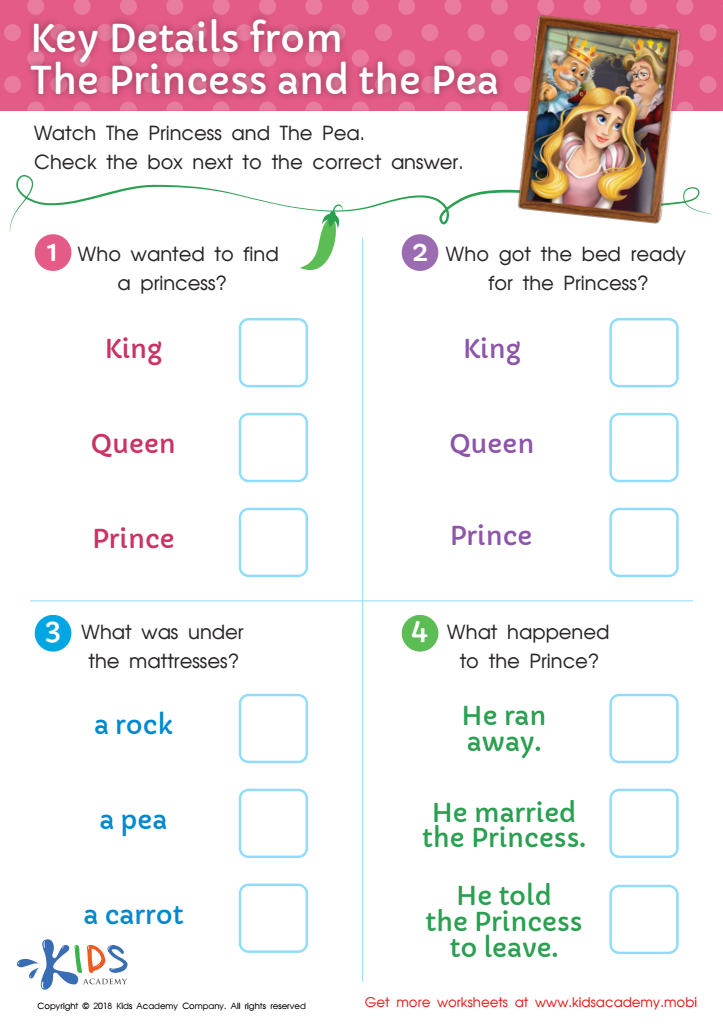
Key Details from the Princess and the Pea Worksheet
 Assign to My Students
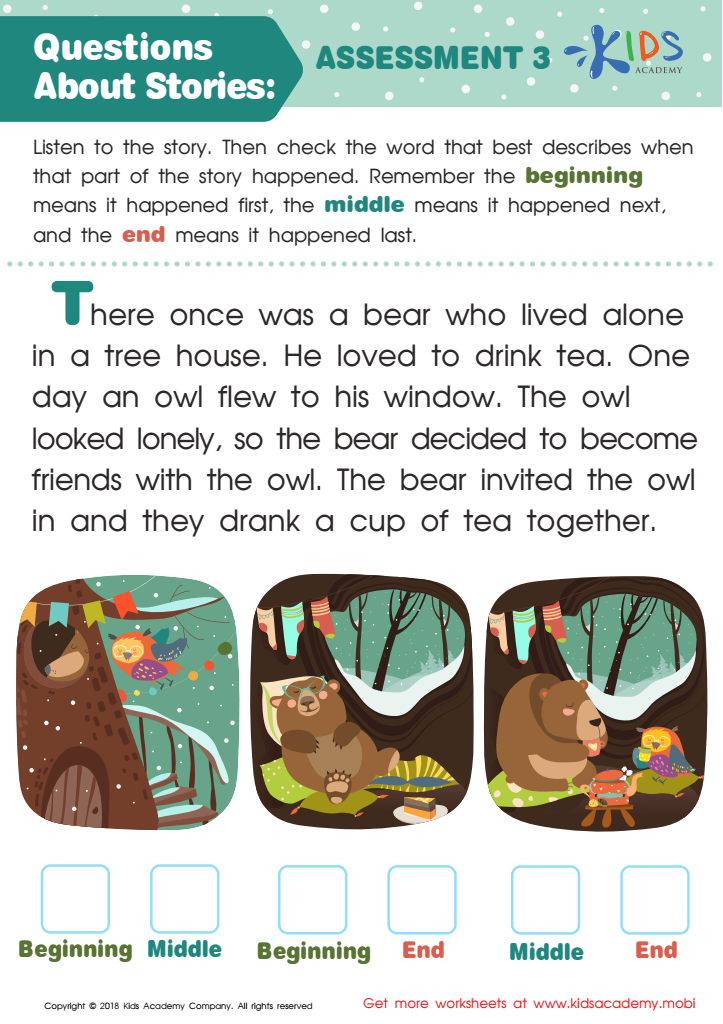
Questions About Stories: Assessment 3 Worksheet
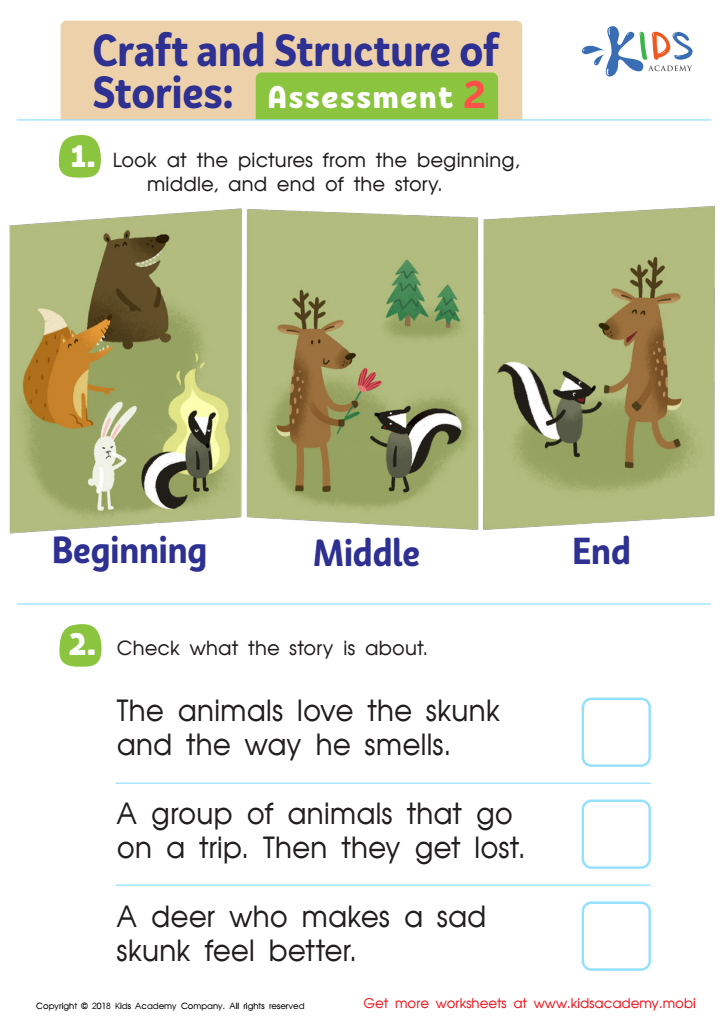
Craft and Structure of Stories: Assessment 2 Worksheet
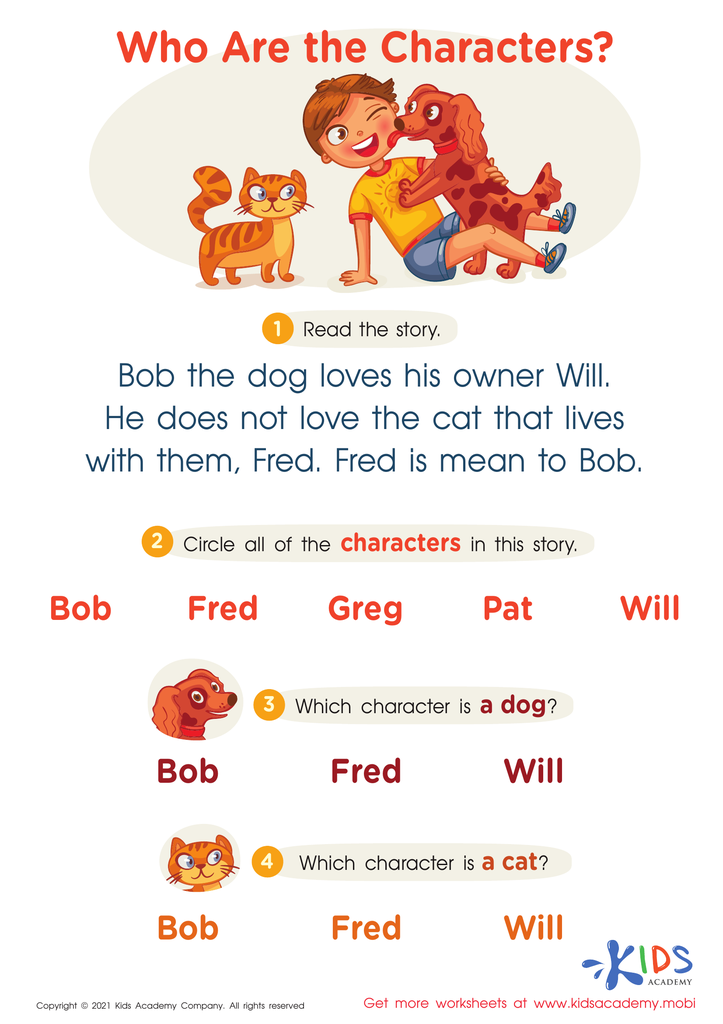
Who Are the Characters? Worksheet
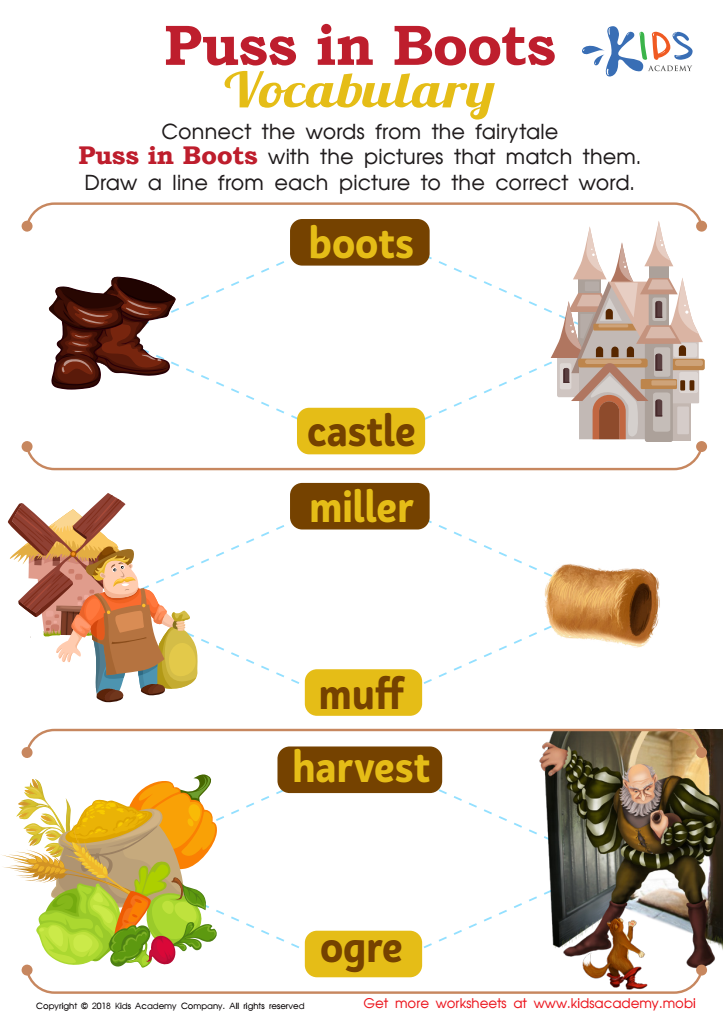
Puss in Boots Vocabulary Worksheet


.jpg)





Reading comprehension, especially through story analysis, is critical for children ages 4-7 because it lays the foundation for successful learning and cognitive development. During these formative years, young minds are highly receptive, and engaging them with stories helps develop not just their reading skills but also their critical thinking abilities. When parents and teachers focus on story analysis, children learn to identify key elements like characters, settings, plots, and moral lessons. This kind of analysis enables children to make connections, predict outcomes, and understand sequences, which are essential cognitive skills in everyday situations.
Moreover, story analysis nurtures emotional intelligence. By discussing the characters' feelings and motivations, children develop empathy and learn to express their own emotions more effectively. It also enriches their vocabulary and understanding of language nuances, which aids in better communication skills.
Parental and teacher involvement in this process also strengthens relationships, creating a supportive environment that boosts a child’s confidence and motivation to read. Furthermore, instilling a love for reading at an early age builds habits that support academic success and lifelong learning. Overall, story analysis for young children is not just about reading; it’s about fostering a holistic development that prepares them for future challenges.








