Understanding landforms Science Worksheets for Ages 4-7
3 filtered results
-
From - To
Unlock the wonders of our planet with "Understanding Landforms" science worksheets, tailored for curious minds aged 4-7. These engaging and easy-to-follow activities are designed to help young learners explore various landforms such as mountains, valleys, deserts, and more. Through colorful illustrations and interactive exercises, kids will develop essential geographical skills and gain a solid understanding of the earth's physical features. Perfect for both classroom and home use, these worksheets make learning about landforms fun and educational. Start your child’s journey to environmental discovery today with these expert-crafted resources!
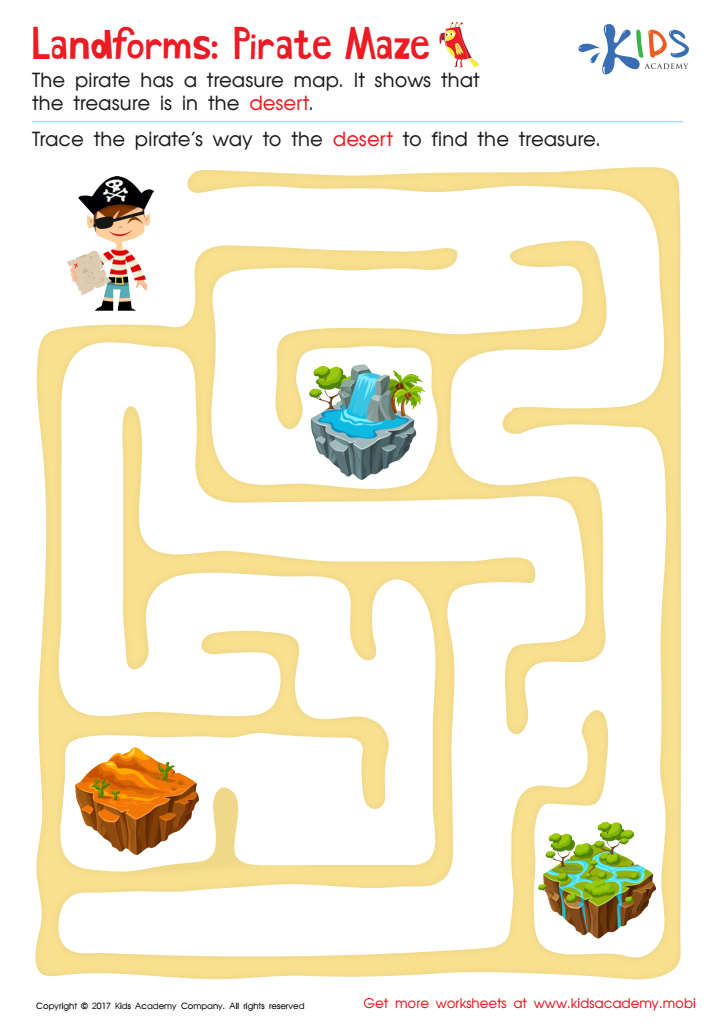
Landforms: Pirate Maze Printable
 Assign to My Students
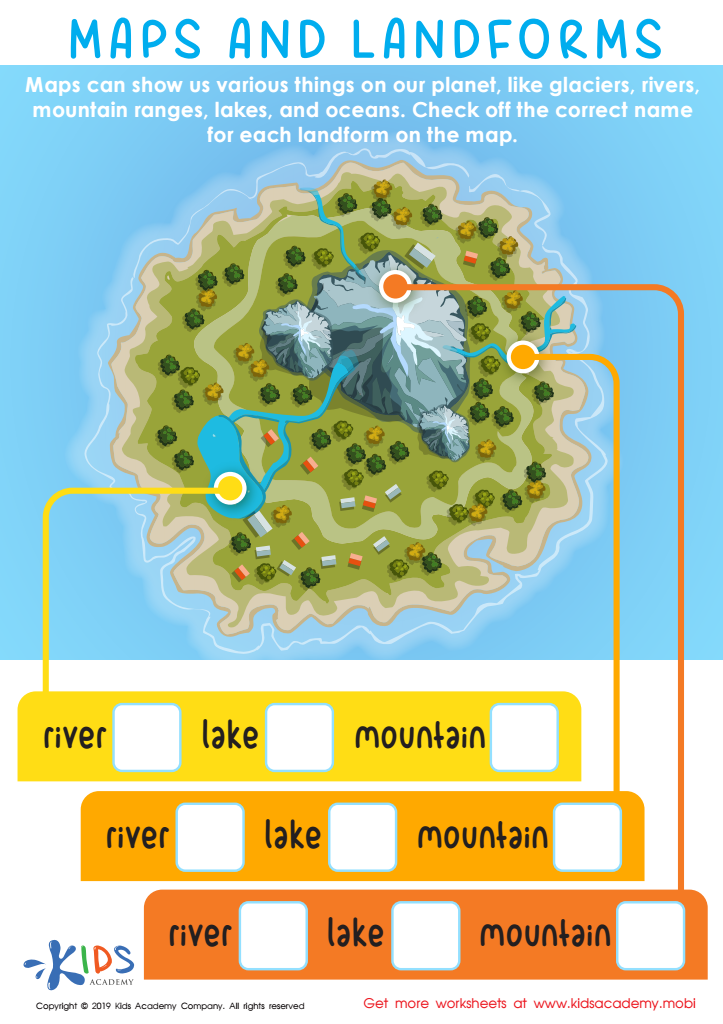
Maps and Landforms Worksheet
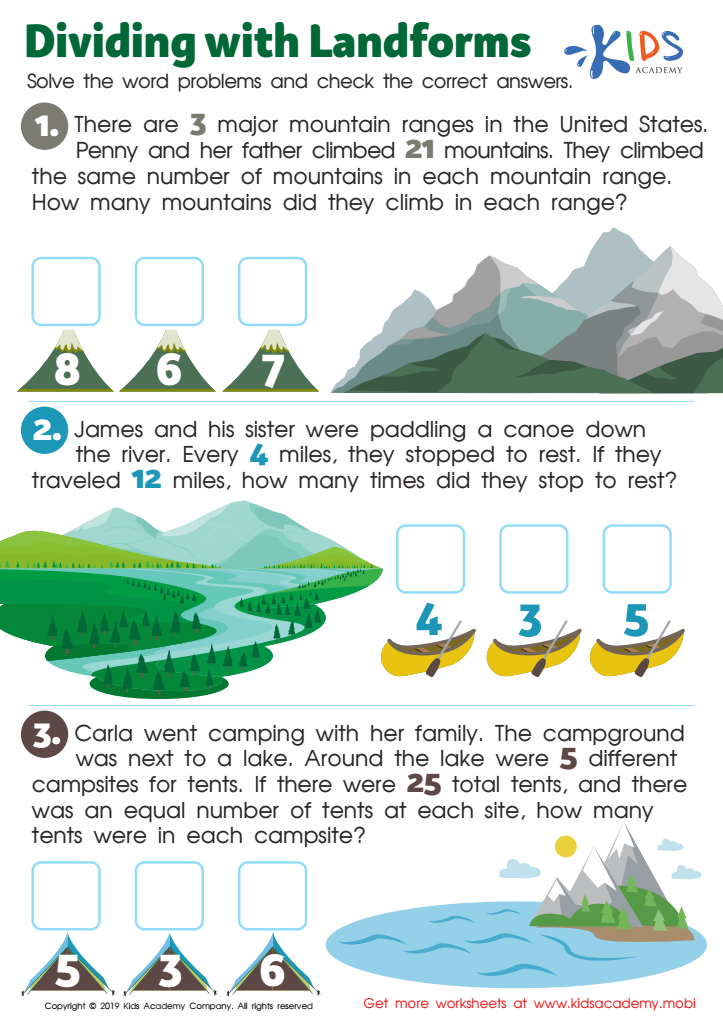
Dividing with Landforms





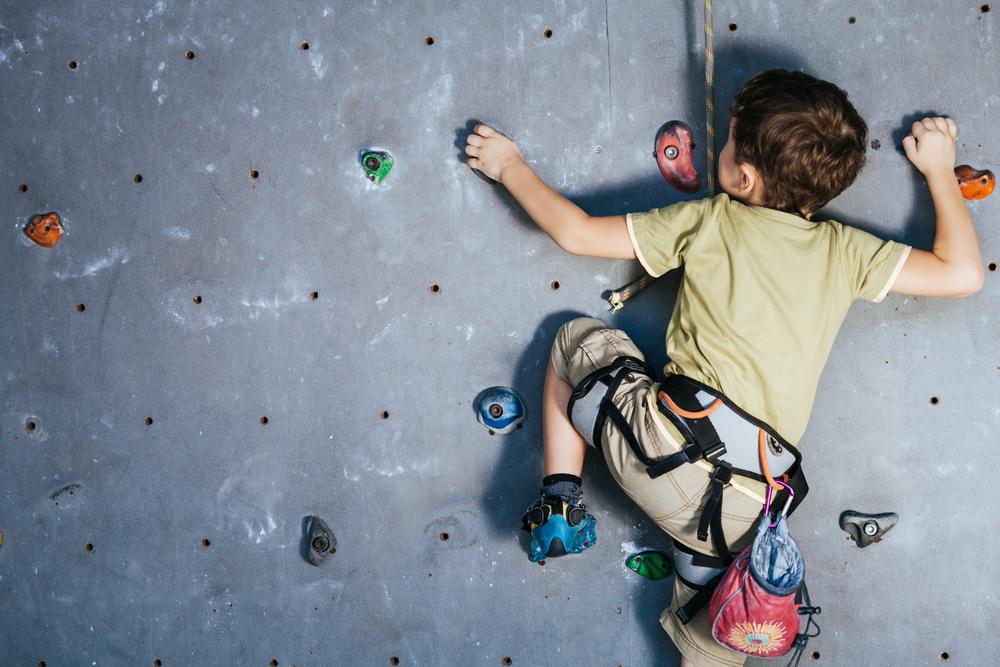

Understanding landforms is crucial for young children ages 4-7 because it lays the foundation for their overall awareness of the natural world. At this impressionable age, children are like sponges, absorbing information that shapes their future learning and curiosity. Introducing them to landforms such as mountains, hills, valleys, plains, and oceans helps foster an early interest in geography and earth sciences.
Such knowledge is essential for several reasons. Firstly, it helps children make sense of their environment, enabling them to understand and describe the world around them more accurately. This geographical awareness can promote curiosity and a sense of adventure, encouraging children to explore and ask questions about their surroundings.
Moreover, learning about landforms supports cognitive development by reinforcing concepts like shape, size, and spatial relationships. It also interweaves with other subjects such as mathematics and literacy. For instance, activities involving counting mountain peaks or reading stories set in different environments can enhance numerical skills and vocabulary.
Lastly, an understanding of landforms nurtures environmental stewardship from a young age. Children who learn about landforms and the Earth's layout develop a connection to nature, fostering a sense of responsibility to care for the planet. This early foundation can grow into a lifelong respect for our environment and sustainability.
Overall, understanding landforms equips young learners with essential knowledge and skills that benefit academic growth and promote responsible citizenship.







