Alphabet Recognition Letter Recognition Worksheets for Ages 4-8 - Page 2
45 filtered results
-
From - To

Letter E Tracing Worksheet
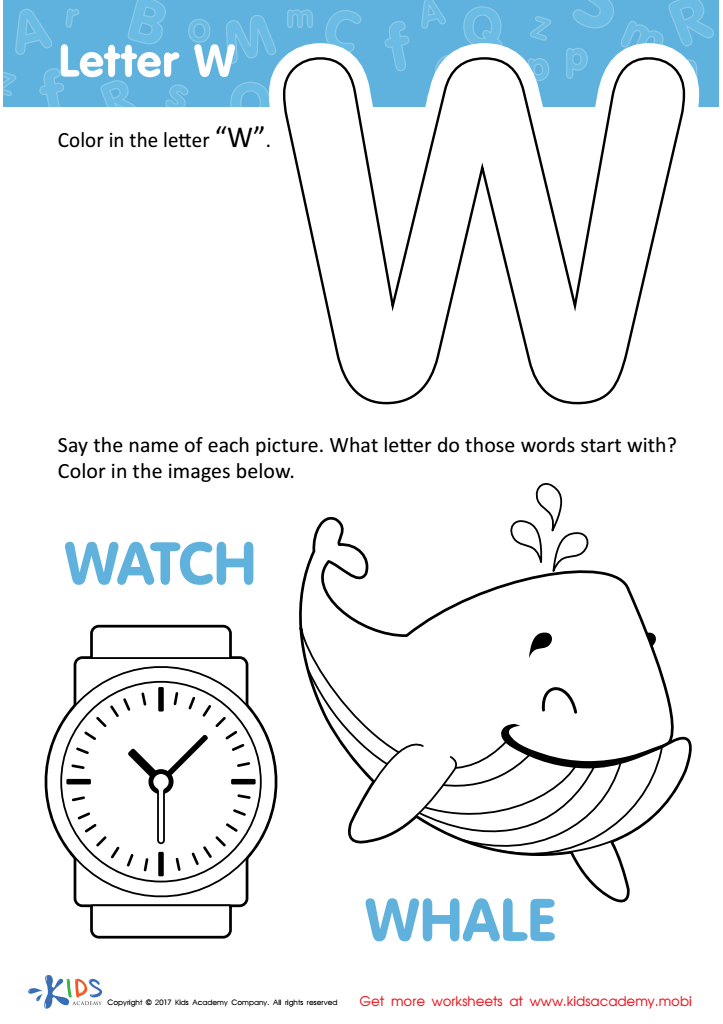
Letter W Coloring Sheet
 Assign to My Students
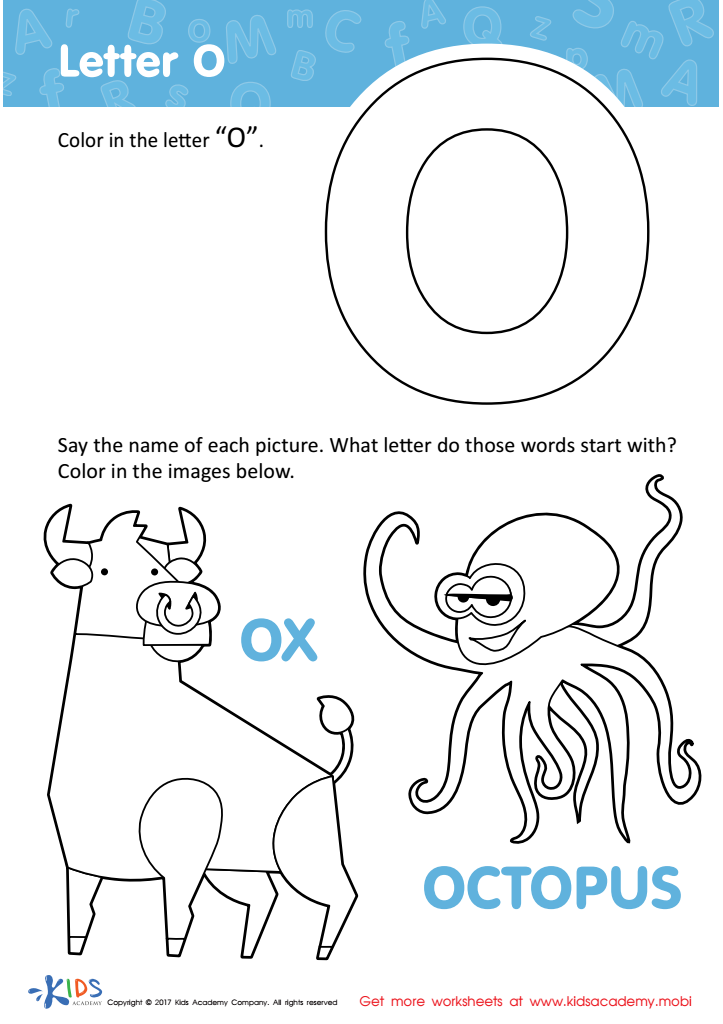
Letter O Coloring Sheet
Assign to My Students

Lowercase Letters m n o Worksheet
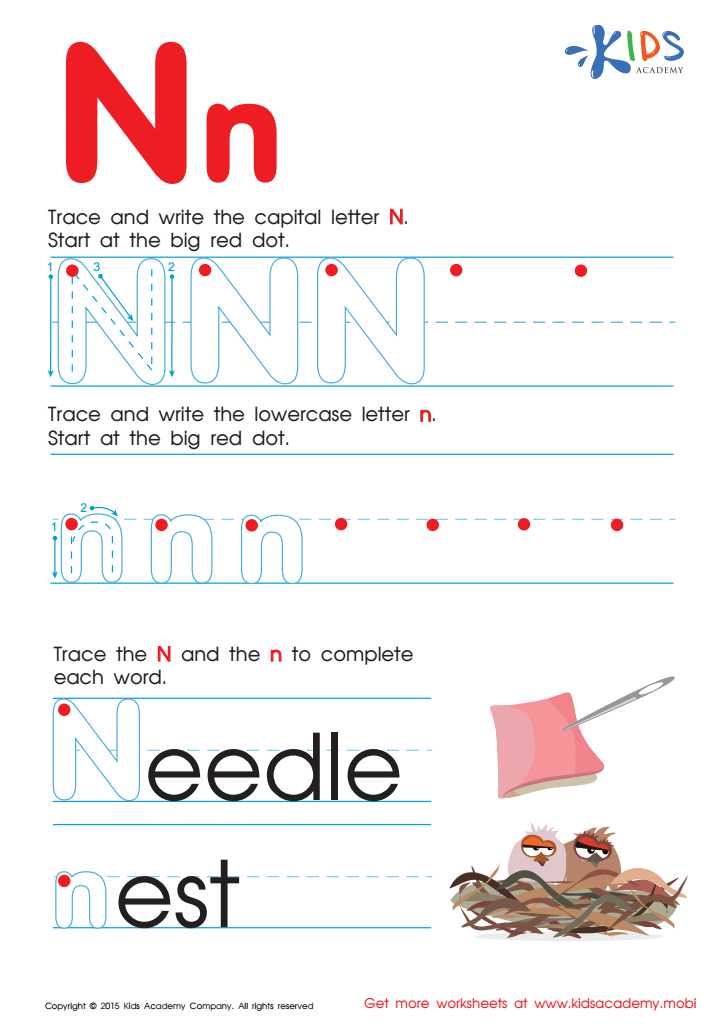
Letter N Tracing Page
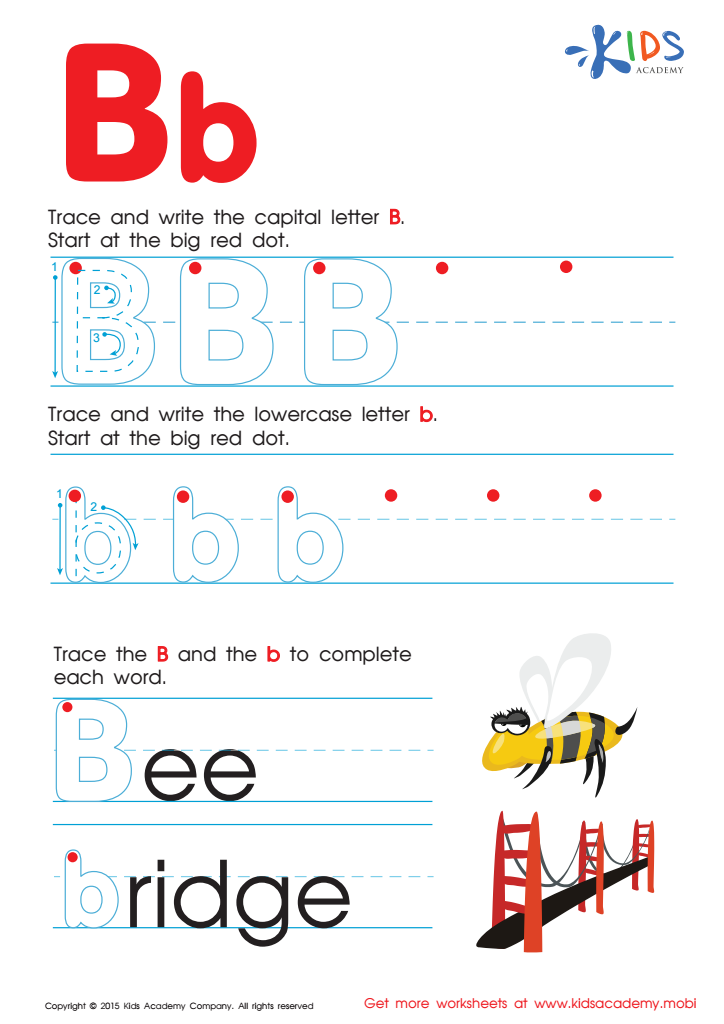
Letter B Tracing Page
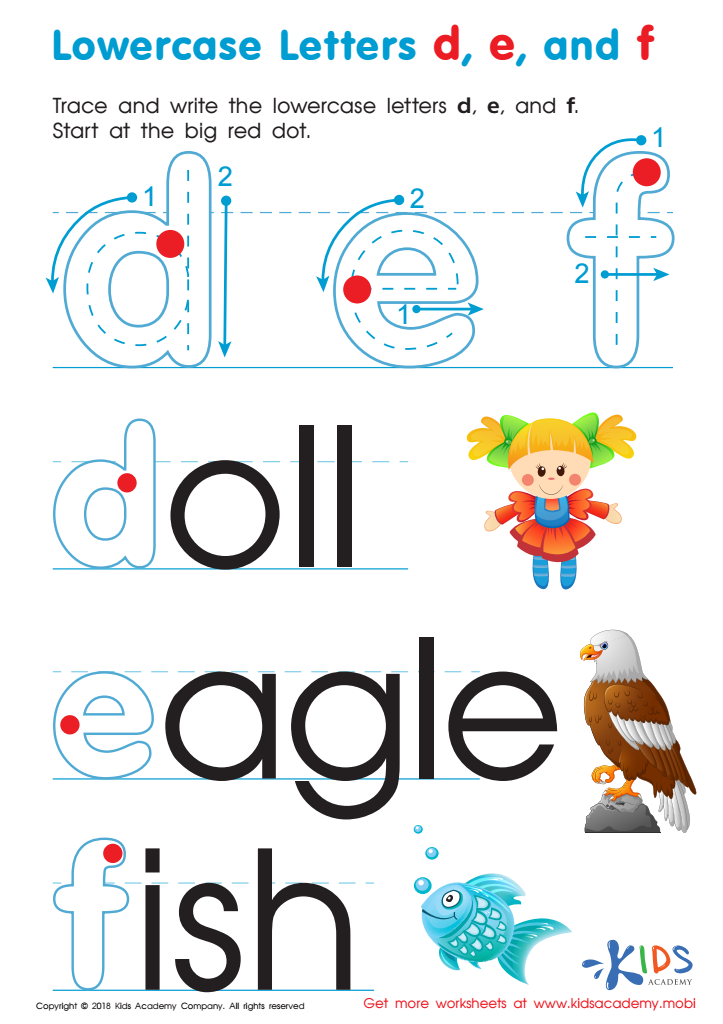
Lowercase Letters d e f Worksheet
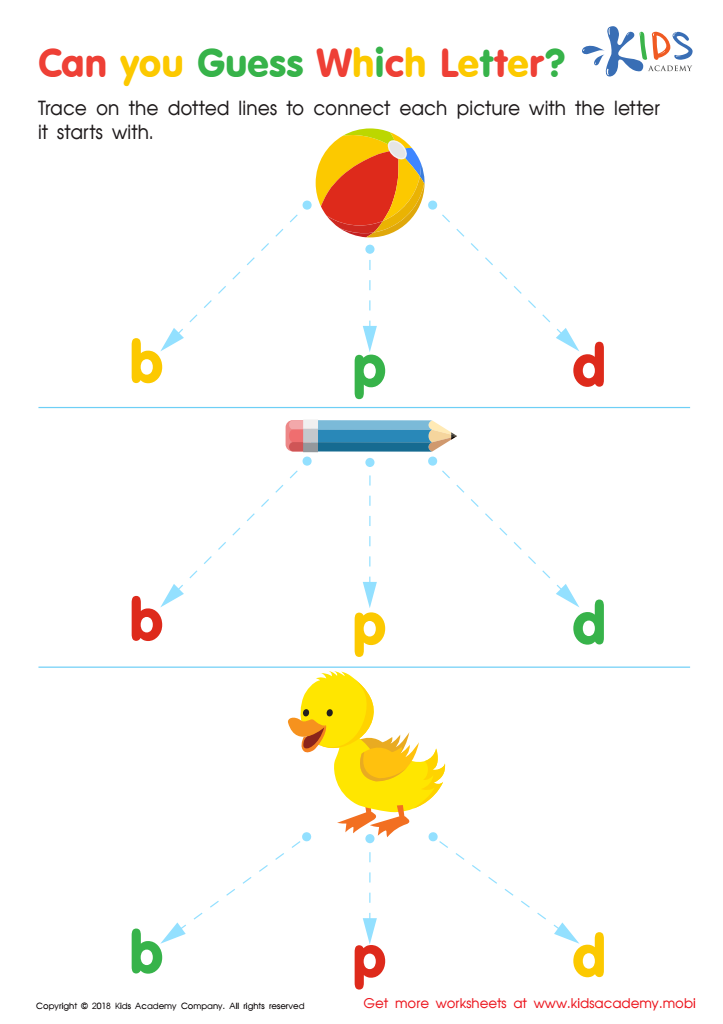
Can you Guess Which Letter? Worksheet
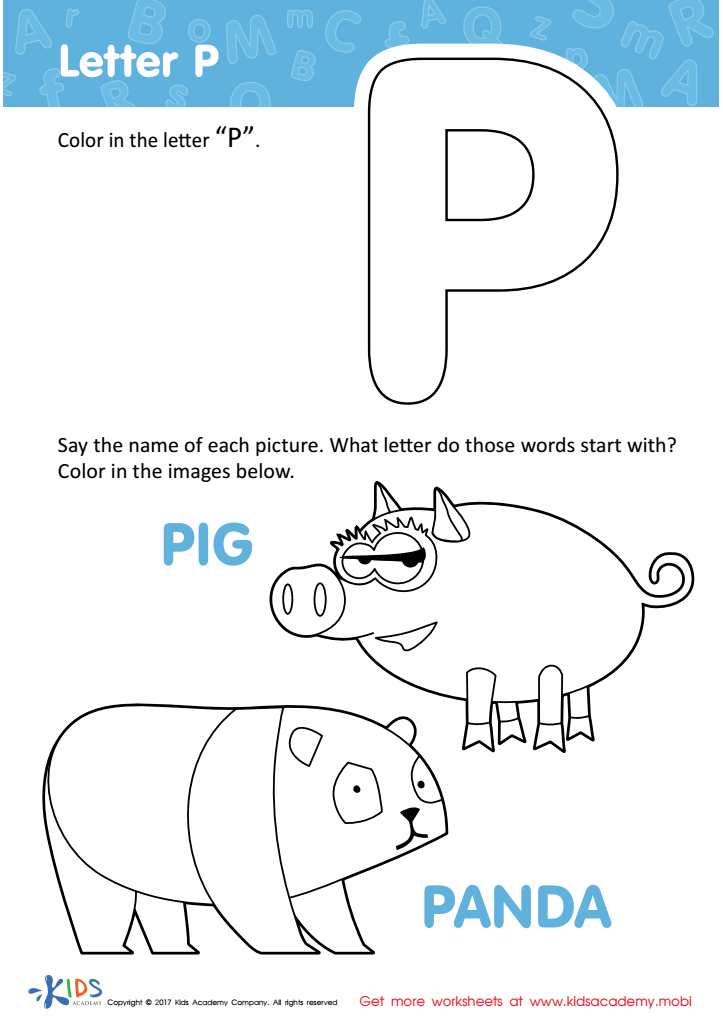
Letter P Coloring Sheet
Assign to My Students
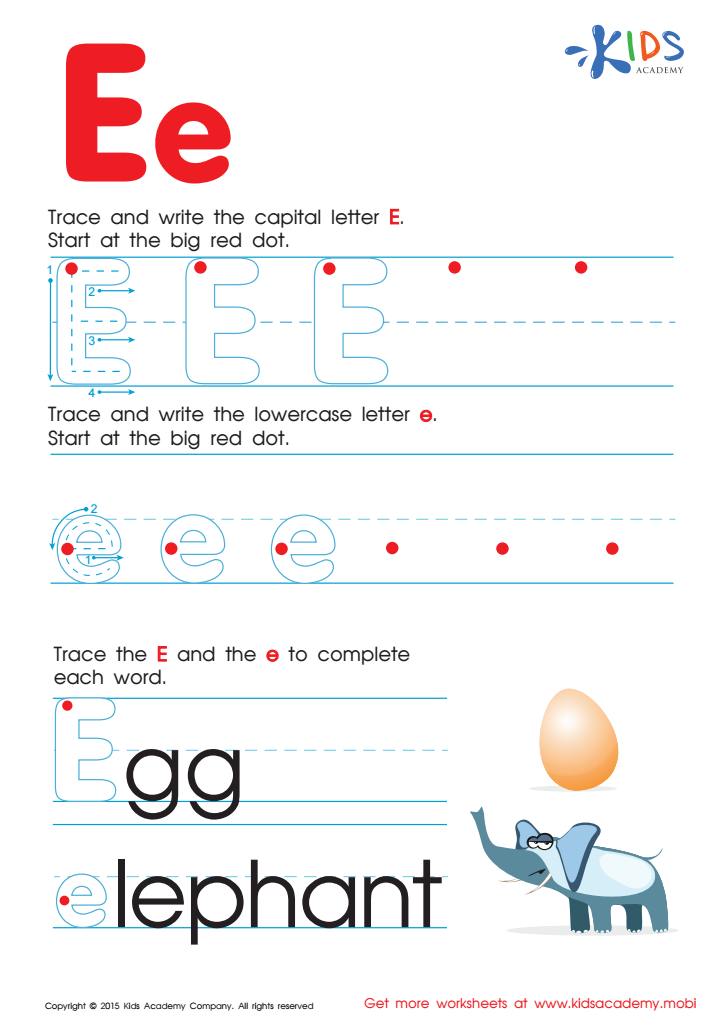
Letter E Tracing Page
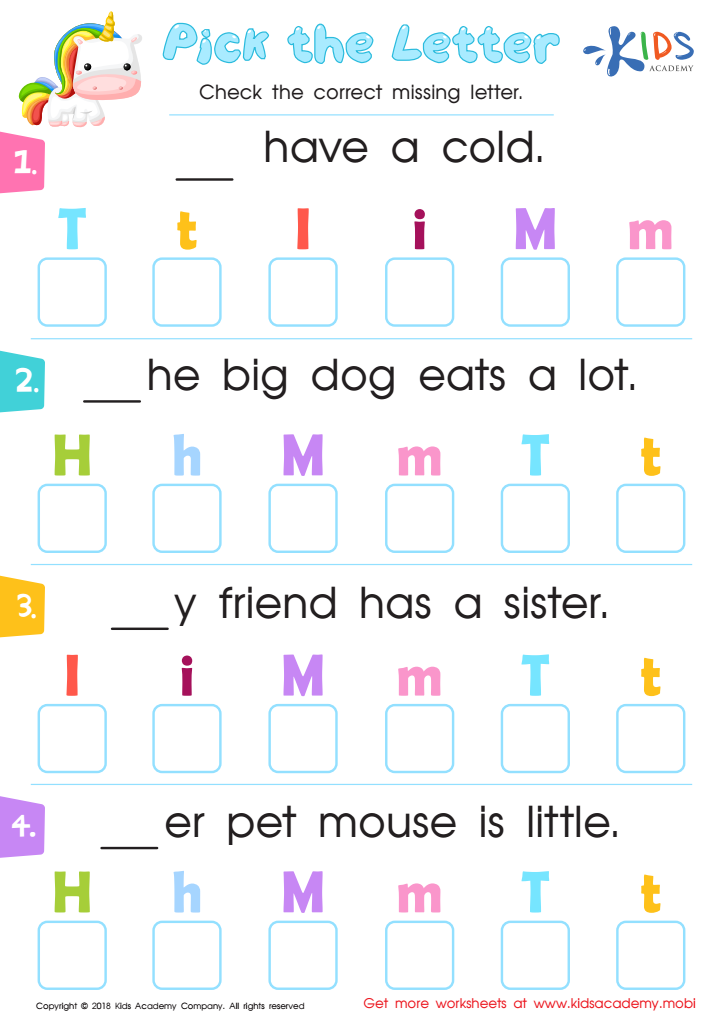
Pick the Letter Worksheet
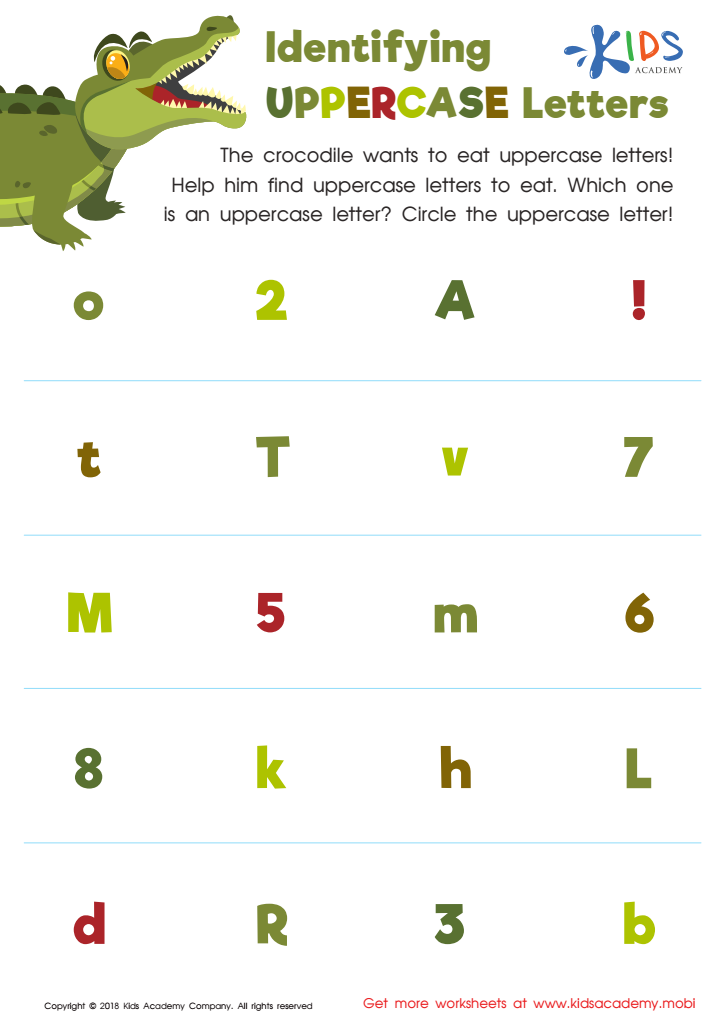
Identifying Uppercase Letters Worksheet
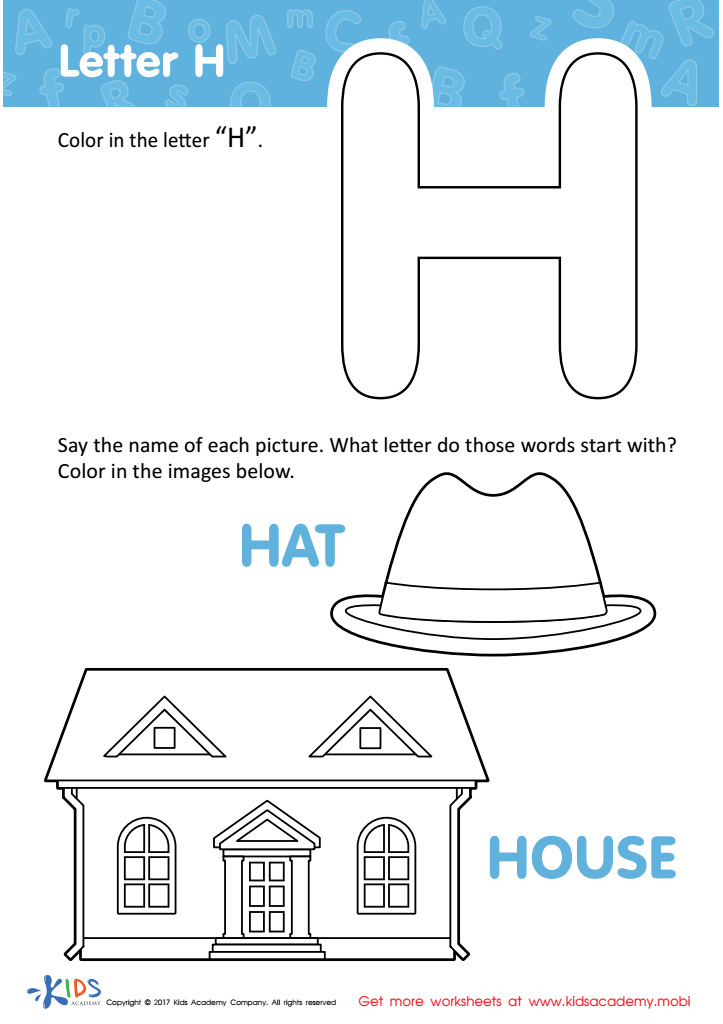
Letter H Coloring Sheet
Assign to My Students
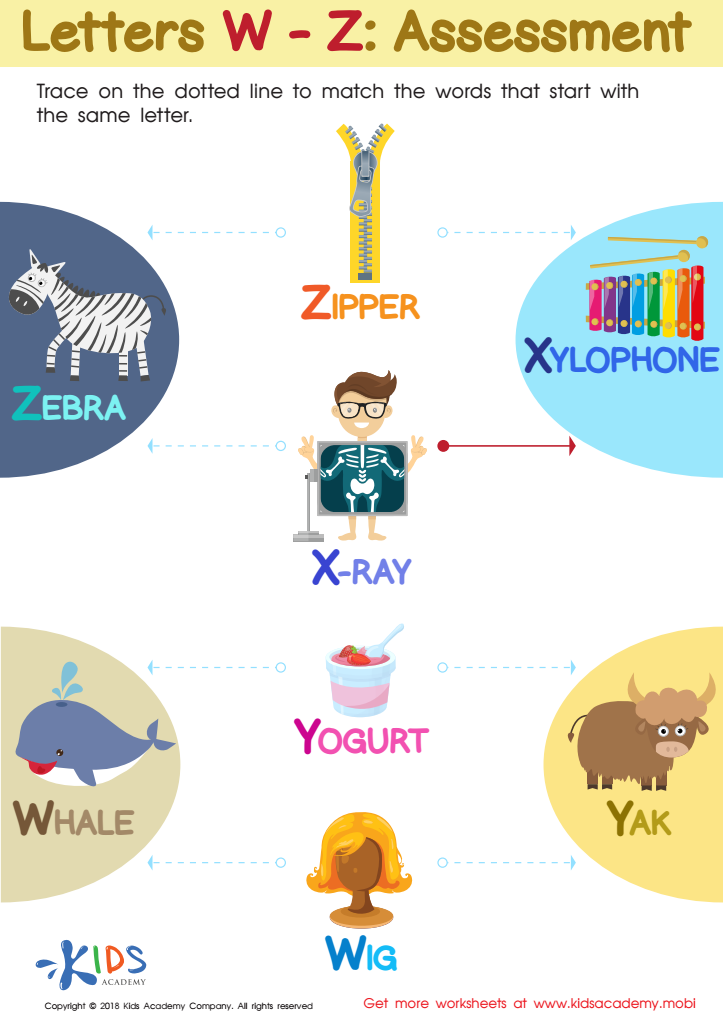
Letters W–Z Tracing Worksheet
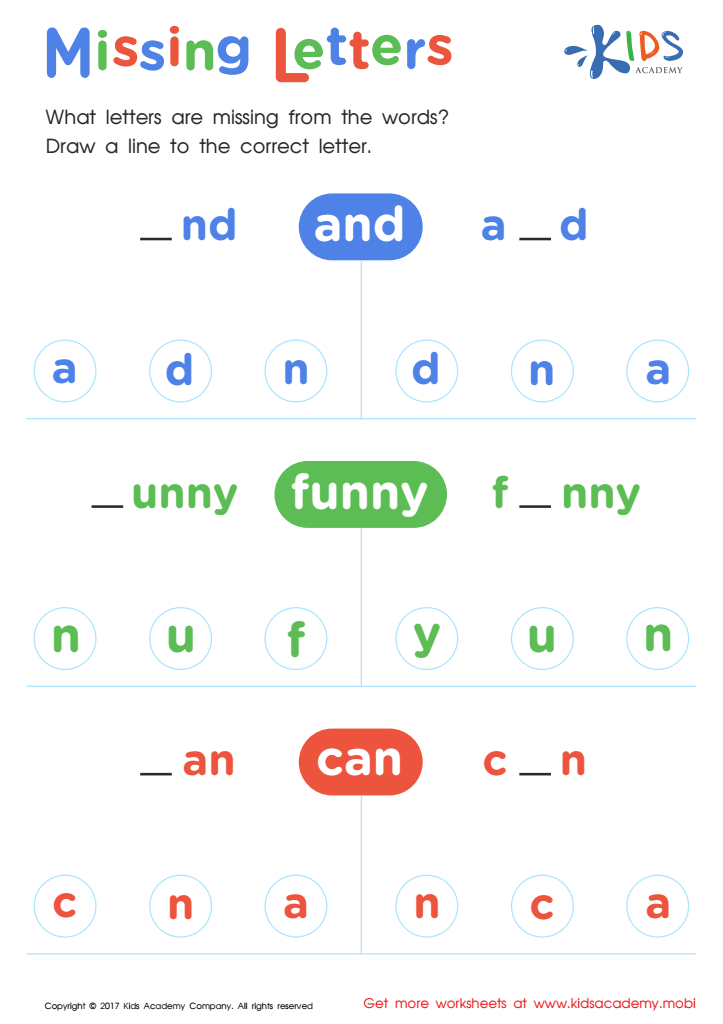
Missing Letters Worksheet
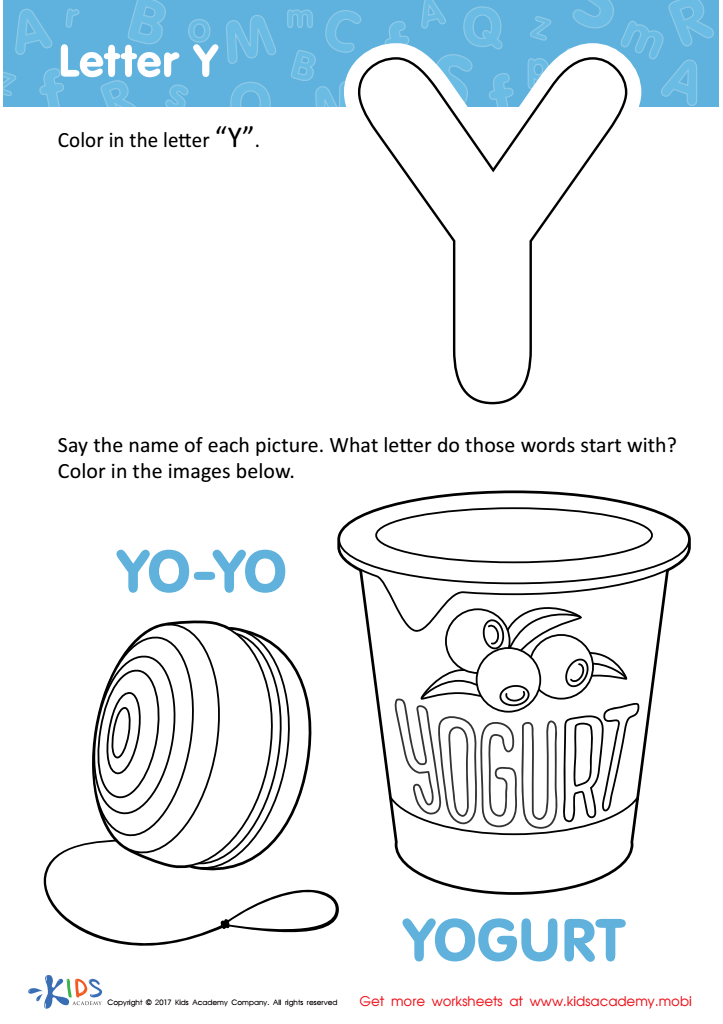
Letter Y Coloring Sheet
Assign to My Students
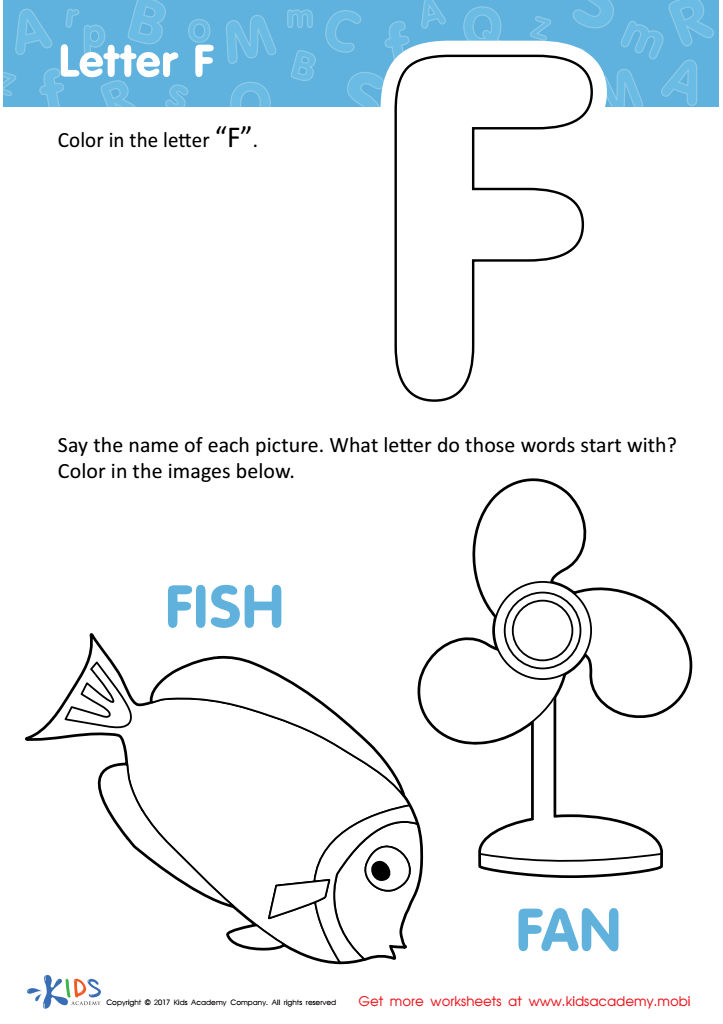
Letter F Coloring Sheet
Assign to My Students
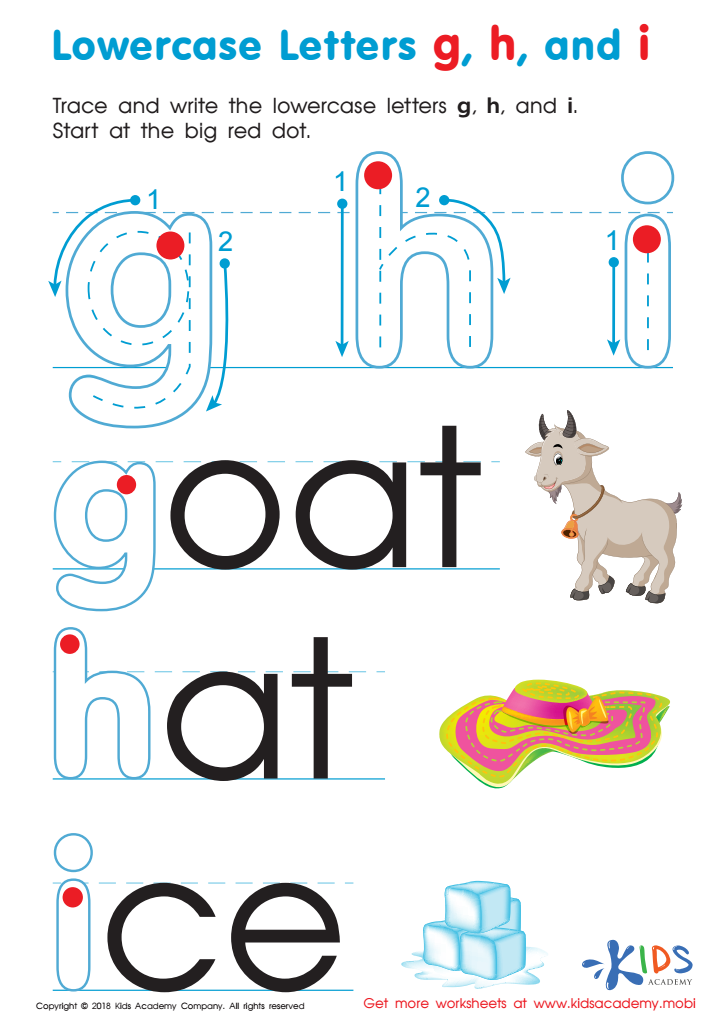
Lowercase Letters g h i Worksheet
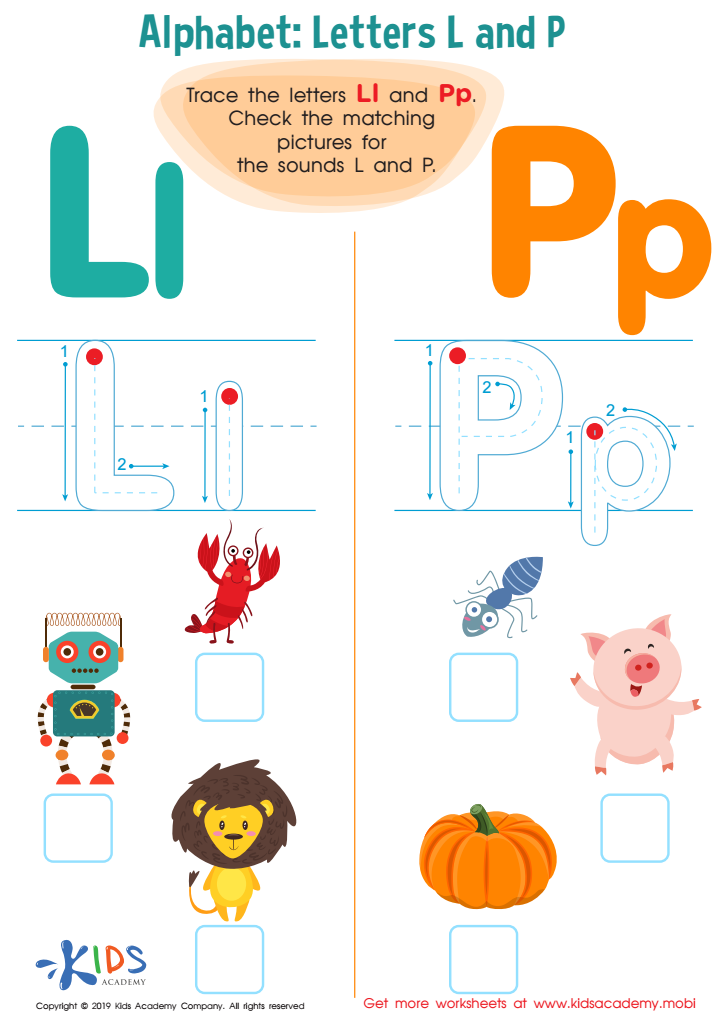
Letter L and P Tracing Worksheet
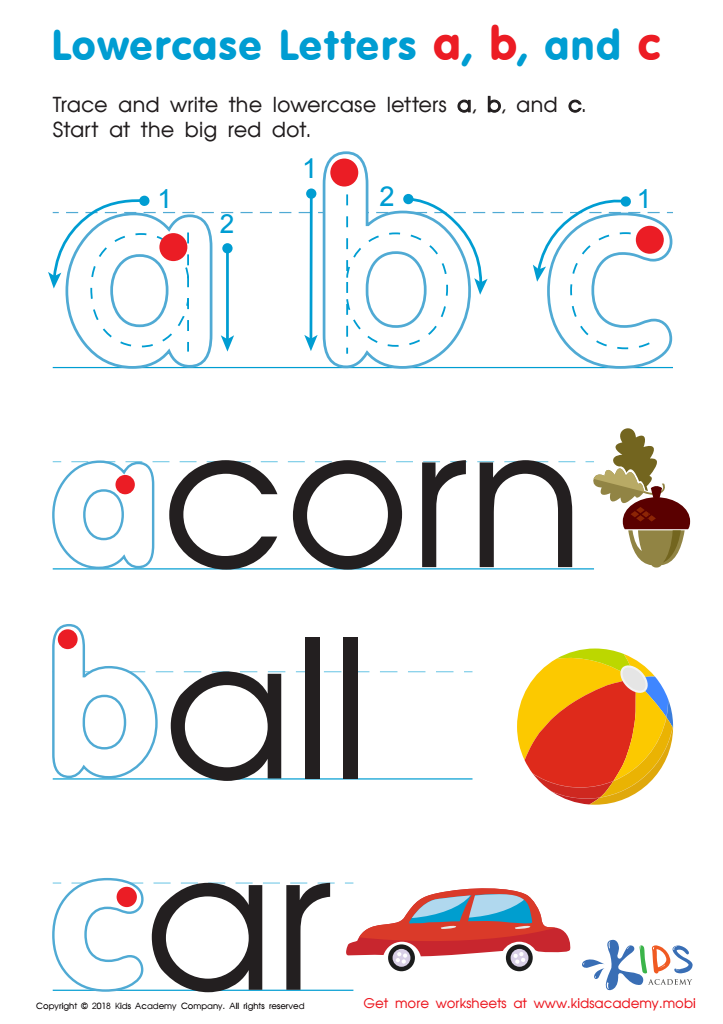
Lowercase Letters a b c Worksheet
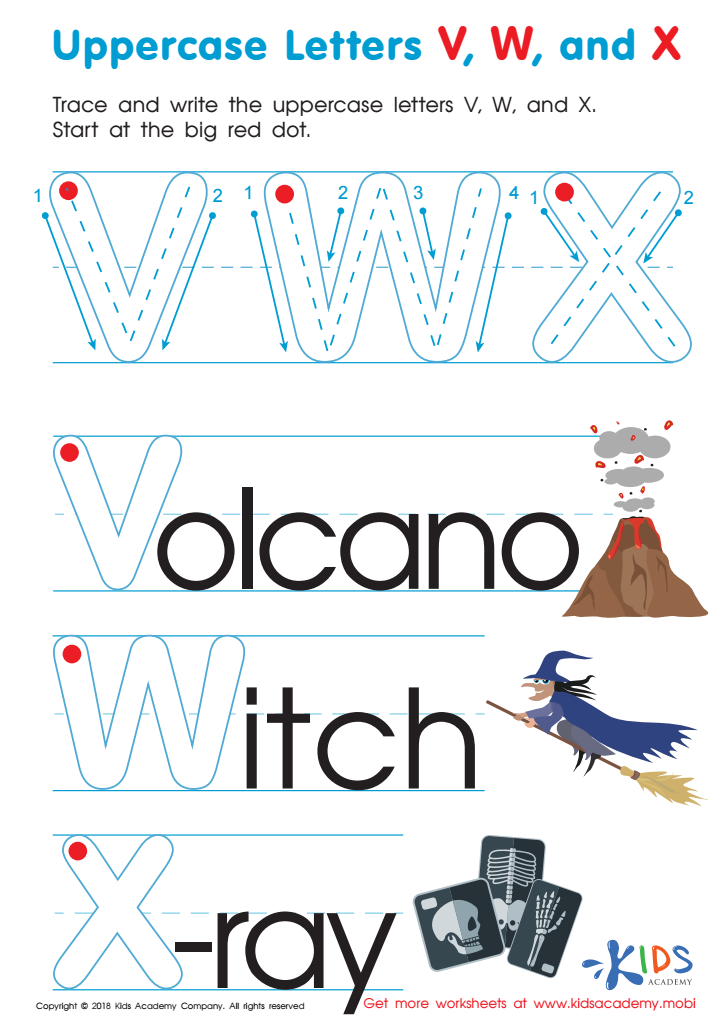
Uppercase Letters V, W, and X Worksheet








Alphabet recognition is crucial for children aged 4-8 as it lays the foundation for literacy and language development. At this age, children are just beginning to navigate the complexities of reading and writing. Recognizing letters helps them decode written words, understand sounds, and develop phonemic awareness. This skill is essential for later reading comprehension, allowing children to grasp the meaning behind the texts they encounter.
For parents and teachers, fostering letter recognition can significantly impact a child's enthusiasm for reading. When children feel confident in their ability to identify letters, they are more likely to engage with books and written language. Enhanced letter recognition equips them to spell familiar words, promoting independence in writing activities.
Furthermore, children who struggle with alphabet recognition may experience challenges in academic performance, leading to frustration and decreased self-esteem. By prioritizing these skills, parents and educators can create a supportive learning environment, encouraging exploration and curiosity about language.
Engaging activities, such as games, songs, and hands-on crafts, can make learning about letters enjoyable and memorable. Overall, supporting alphabet recognition in early childhood is vital to nurturing lifelong readers and learners.







