Vocabulary enhancement Letter Recognition Worksheets for Ages 4-8
4 filtered results
-
From - To
Boost your child’s language skills with our "Vocabulary Enhancement Letter Recognition Worksheets for Ages 4-8." These educational worksheets are designed to make learning fun by combining letter recognition with vocabulary building exercises. Perfect for young learners, each activity encourages children to identify letters while expanding their vocabulary through engaging and interactive tasks. Tailored for ages 4-8, our worksheets support early literacy development, helping children to recognize, pronounce, and understand new words. Ideal for both classroom and home use, these printables are the perfect tool to foster a love for reading and language in your child.
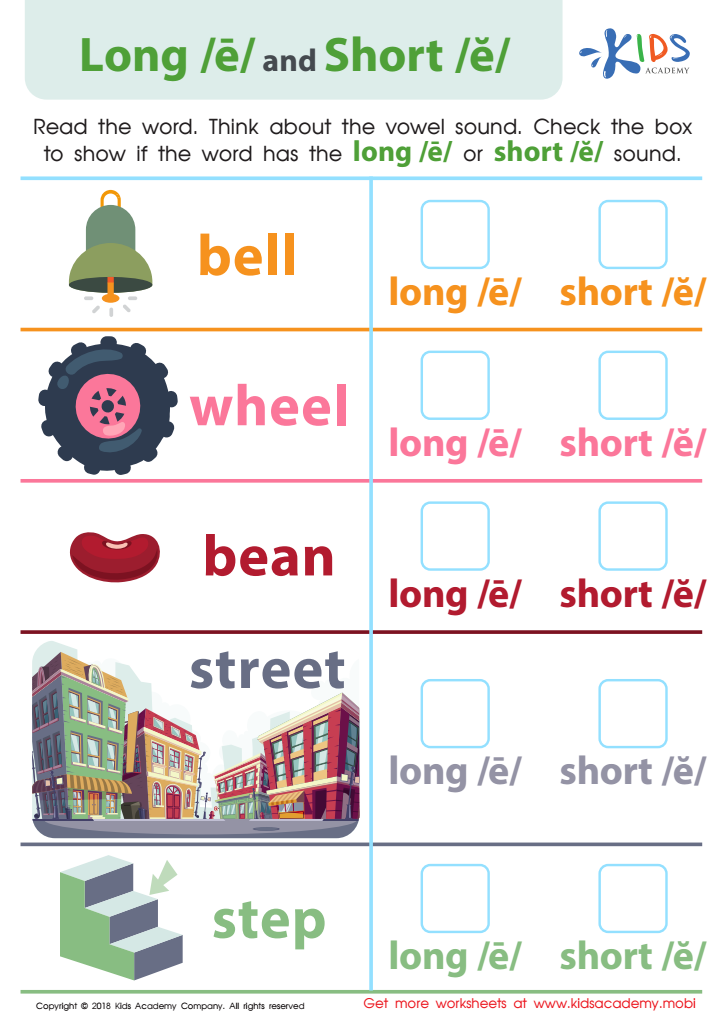
Reading: Long E and Short E Worksheet
 Assign to My Students
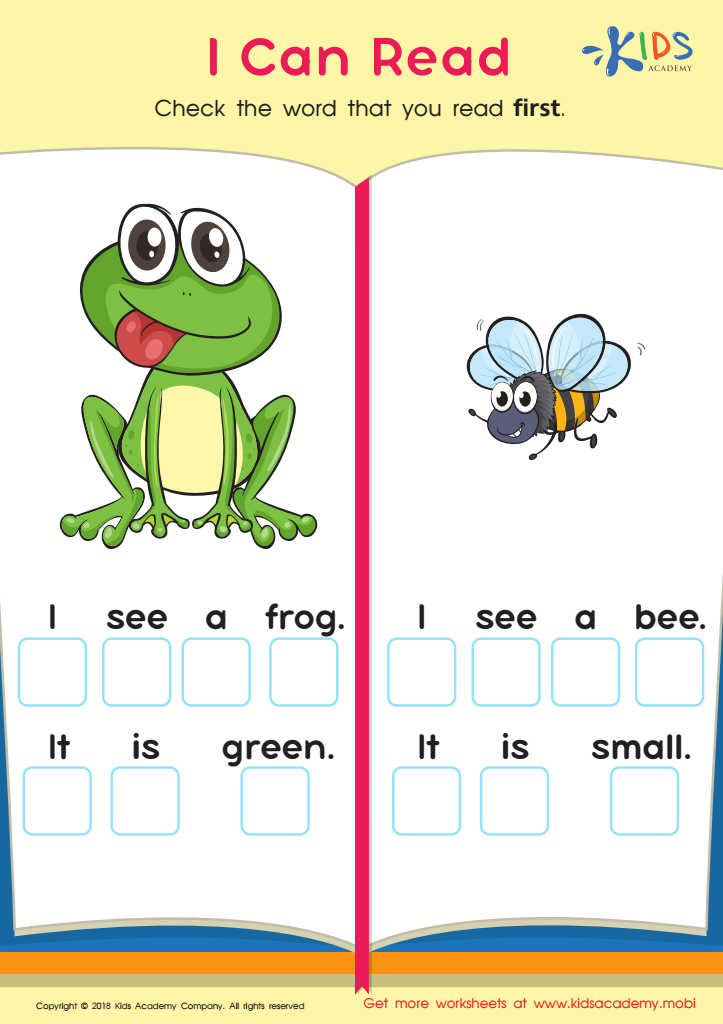
I Can Read Worksheet
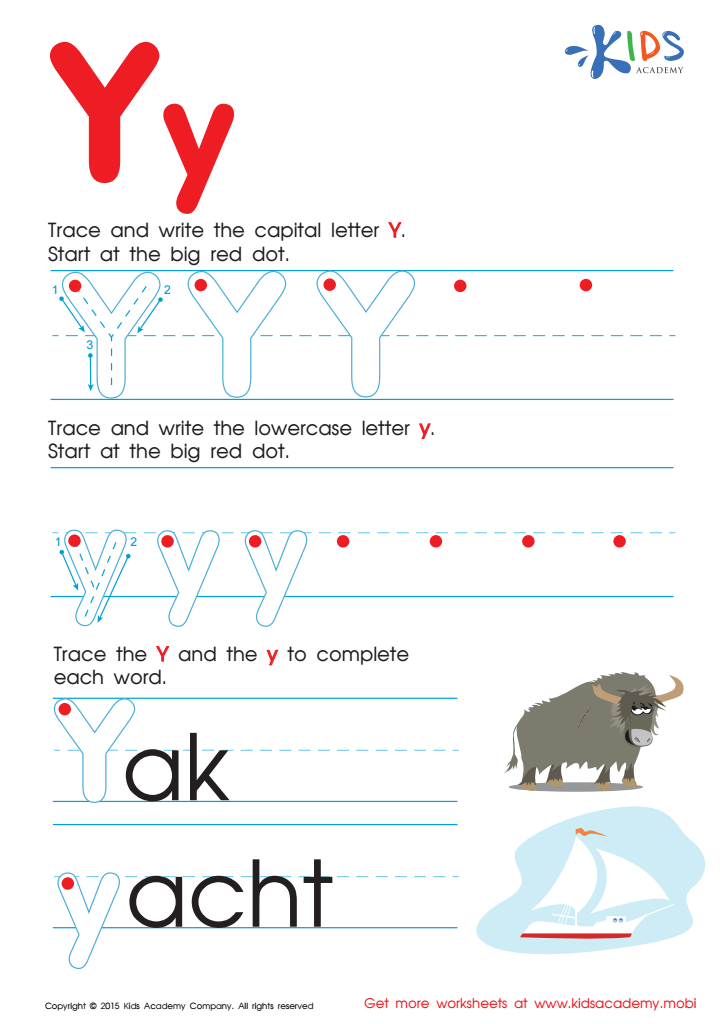
Letter Y Tracing Page
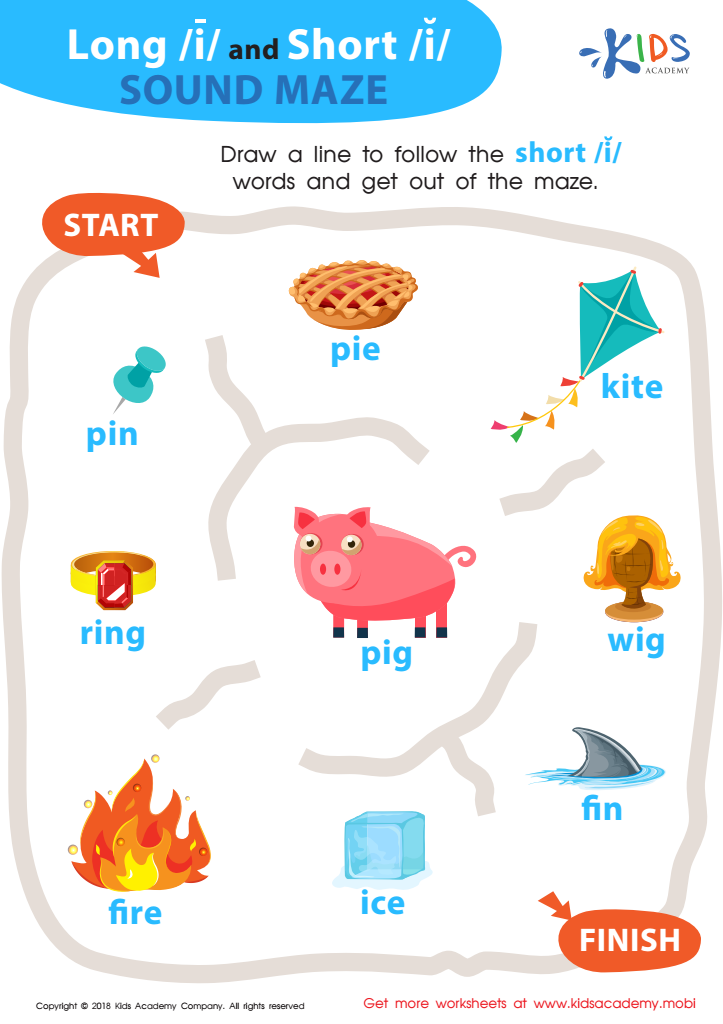
Reading: Long I and Short I Sound Maze Worksheet








Vocabulary enhancement and letter recognition are fundamental in early childhood education, especially for children aged 4-8. At this stage, children are highly receptive to learning new skills, and these foundational elements set the stage for their academic success.
First, vocabulary enhancement is crucial because it improves communication skills. A rich vocabulary allows children to express their thoughts and emotions more clearly and engage more effectively in the classroom. It also enhances their listening comprehension, enabling them to understand stories, instructions, and dialogues more effectively.
Letter recognition, meanwhile, is the building block of literacy. Recognizing letters and their associated sounds is the first step toward reading. Proficiency in letter recognition helps children decode words, bolstering their reading skills. Early reading abilities are often linked to better performance in a variety of subjects, including math.
Furthermore, both vocabulary enhancement and letter recognition contribute to cognitive development. Activities like storytelling and reading stimulate brain functions like memory and critical thinking. Children learn to categorize and make connections, skills that are essential for problem-solving.
Therefore, by fostering vocabulary enhancement and letter recognition, parents and teachers can provide children with essential tools for lifelong learning, promoting both academic achievement and cognitive growth. Investing time and resources in these areas is invaluable for children's future success.







