Vocabulary expansion Long Vowels Worksheets for Ages 4-8
8 filtered results
-
From - To
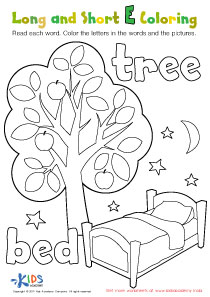
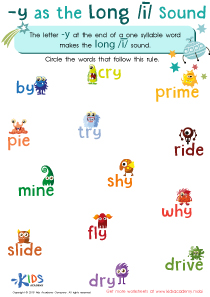
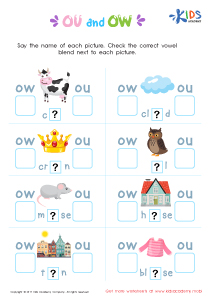
Boost your child's reading and language skills with our "Vocabulary Expansion Long Vowels Worksheets for Ages 4-8." These engaging worksheets are designed to make learning long vowels fun and interactive. Each activity focuses on expanding vocabulary through vivid illustrations and age-appropriate exercises. By practicing with these worksheets, young learners can enhance their phonetic knowledge, improve pronunciation, and build a robust vocabulary foundation. Perfect for classroom or at-home practice, these worksheets support early literacy development while keeping children entertained. Unlock the joy of learning and watch your child’s language skills flourish with our expertly crafted resources.
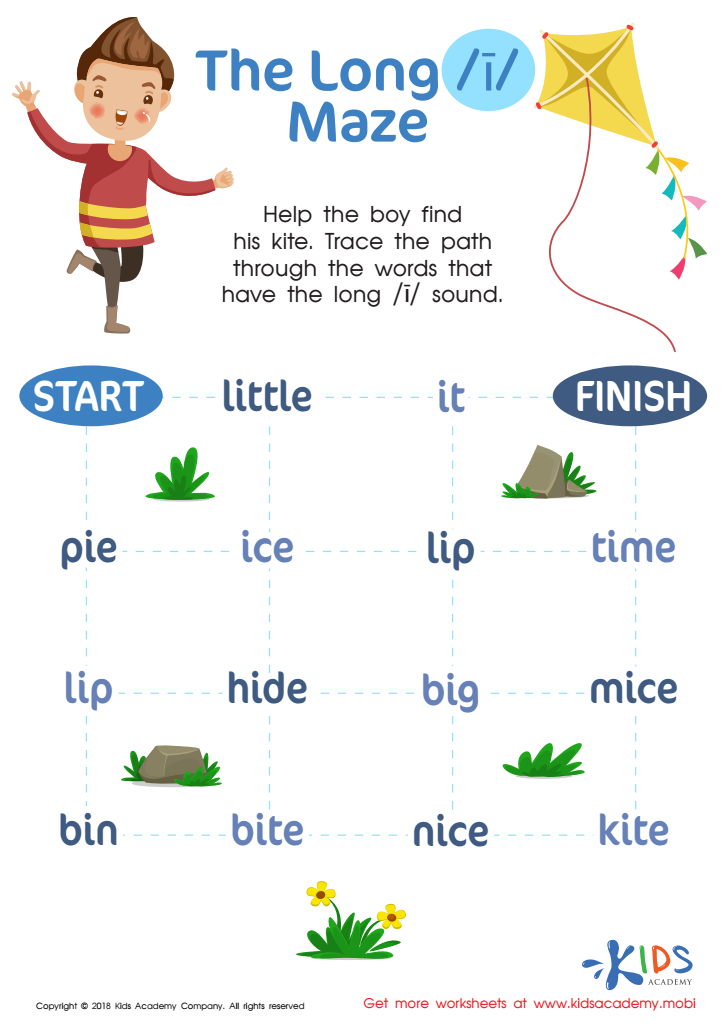
The Long I Maze Reading Worksheet
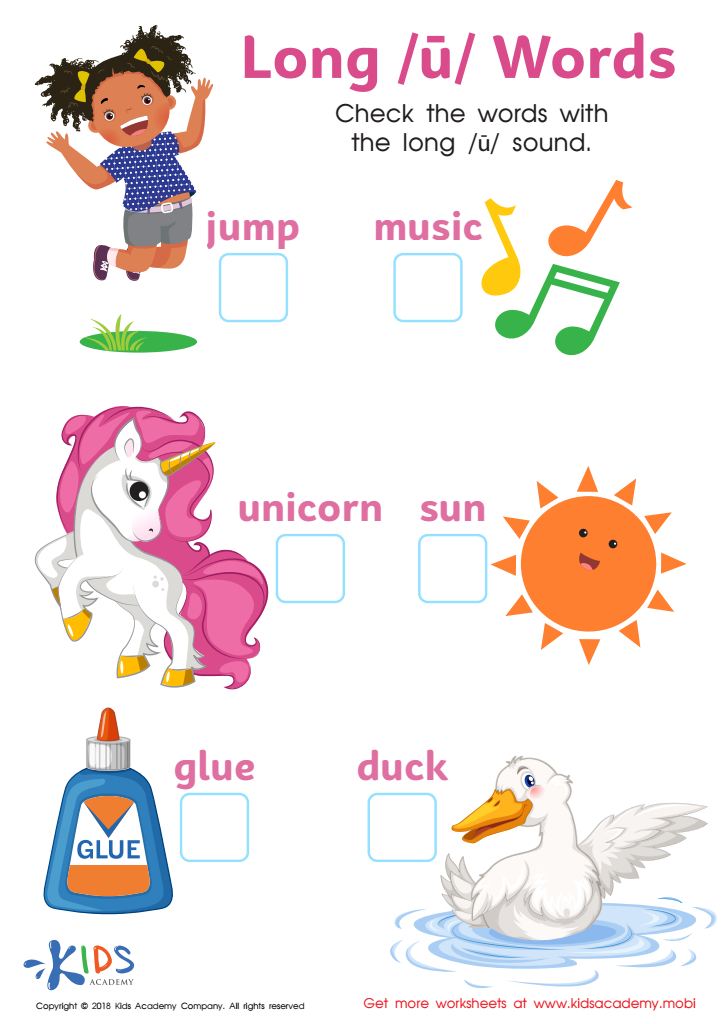
Long U Words Reading Worksheet
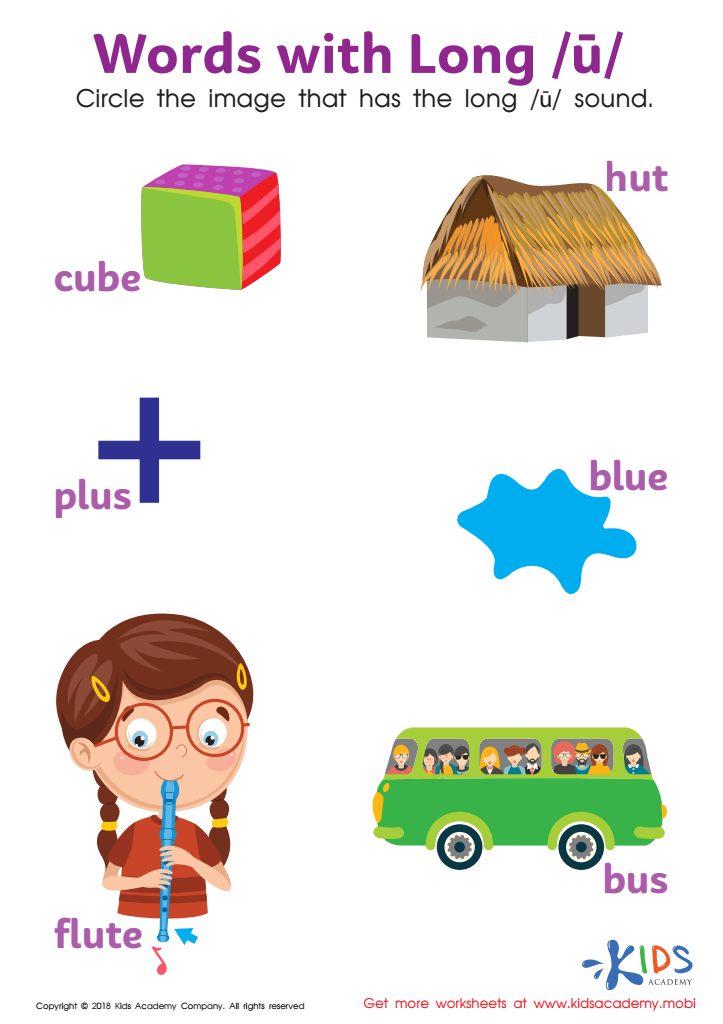
Words with Long U Reading Worksheet
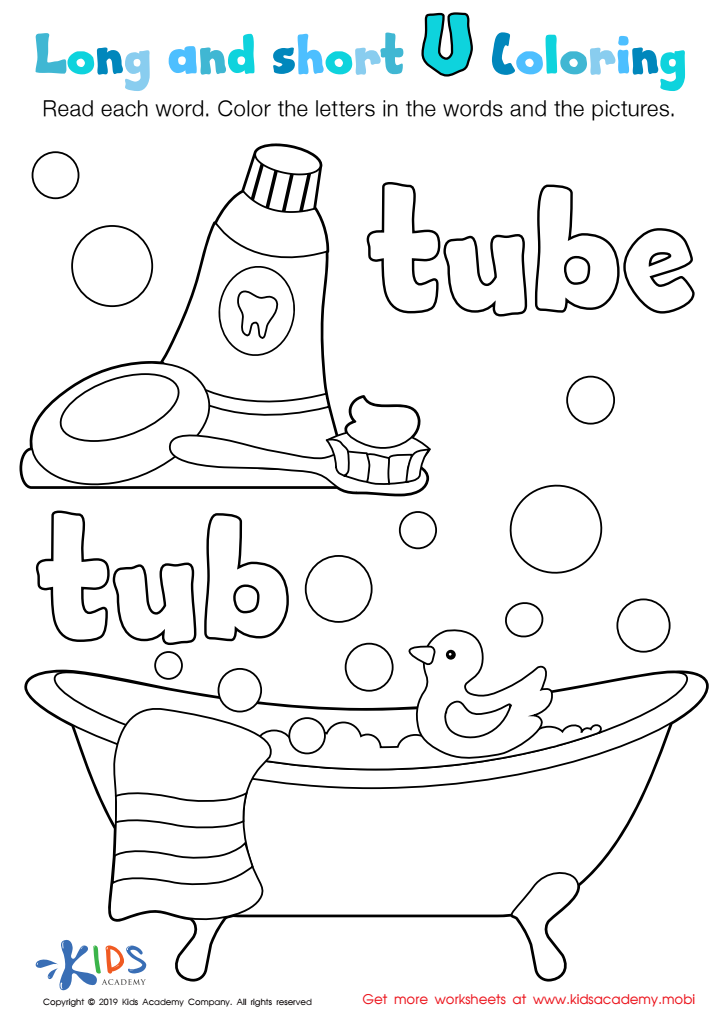
Long and Short U Worksheet
 Assign to My Students
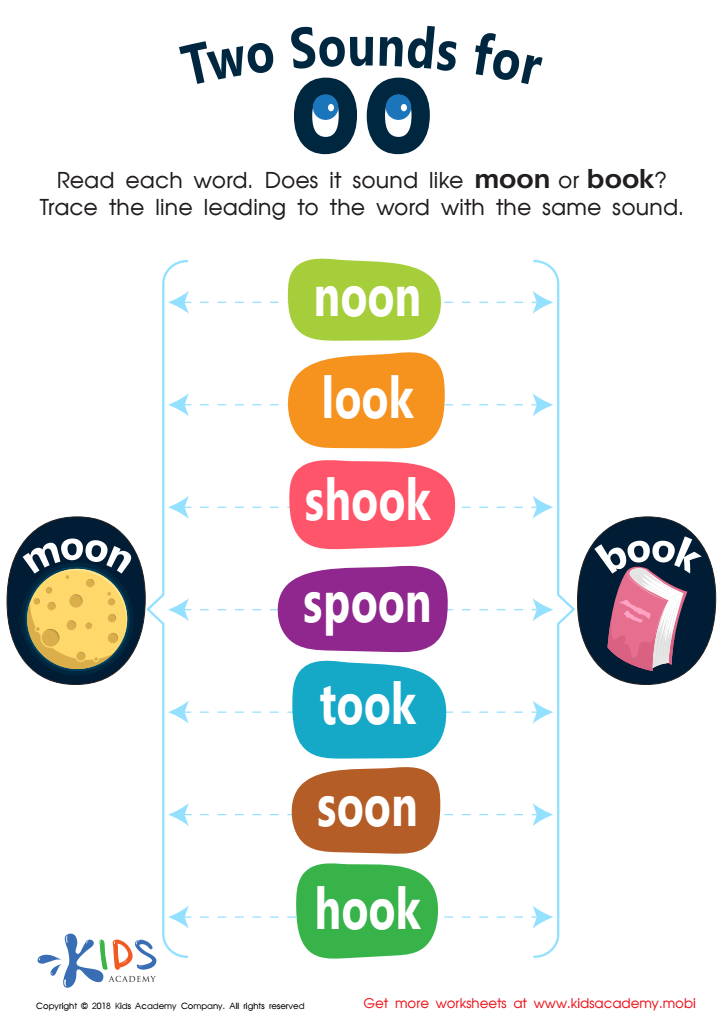
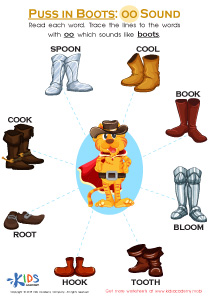
Two Sounds for OO Worksheet
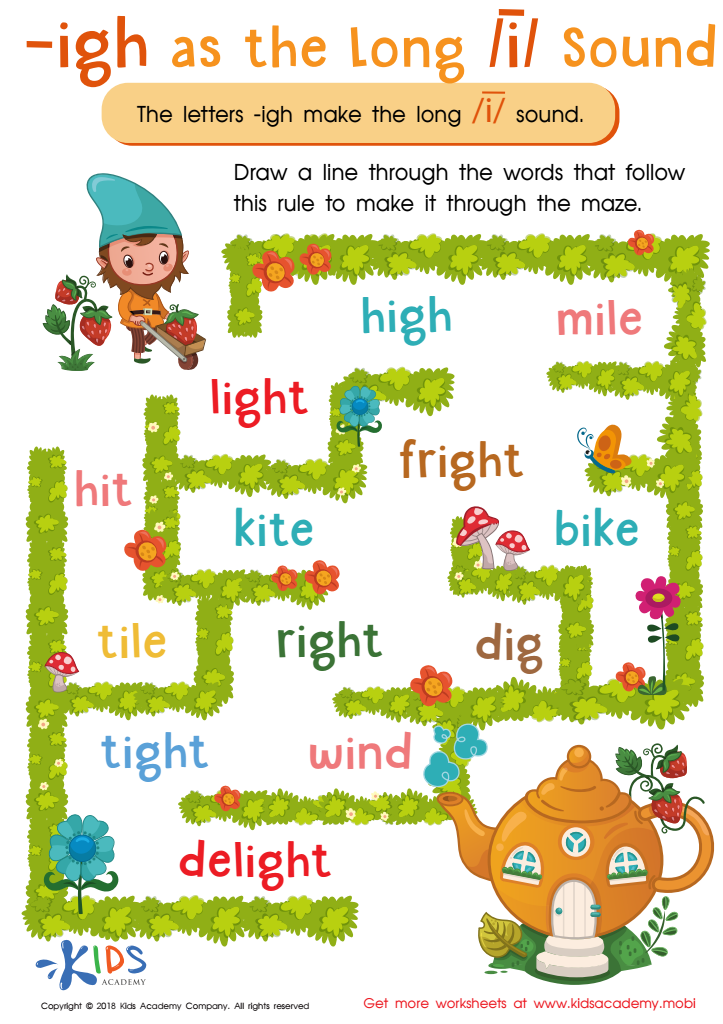
Reading: IGH as Long I Worksheet
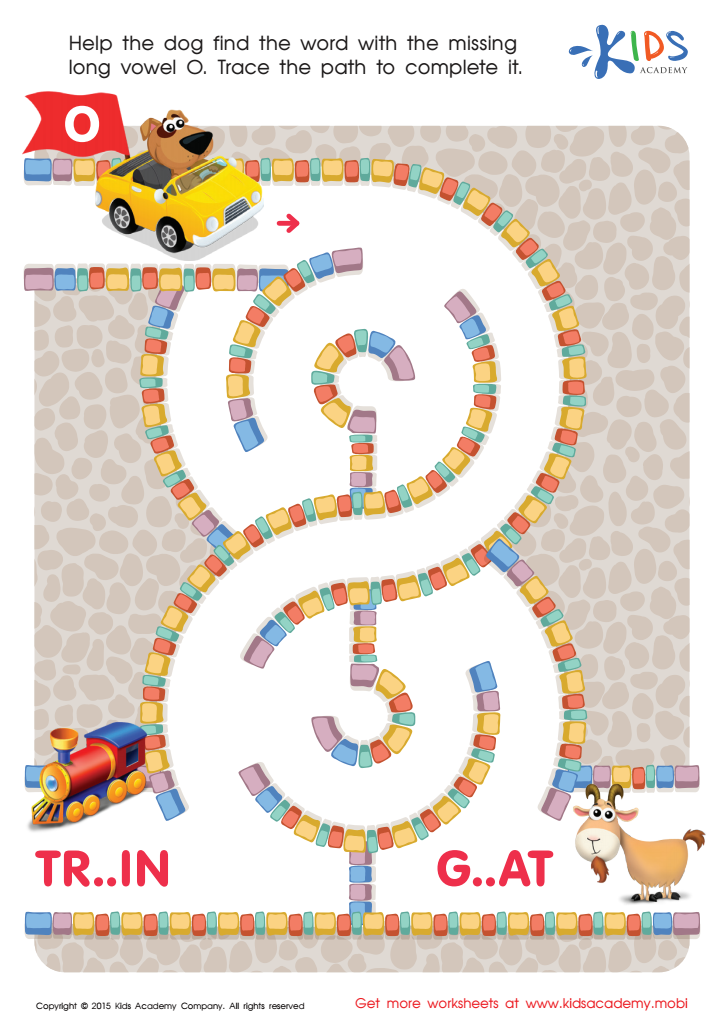
Long Vowel Sound O Worksheet
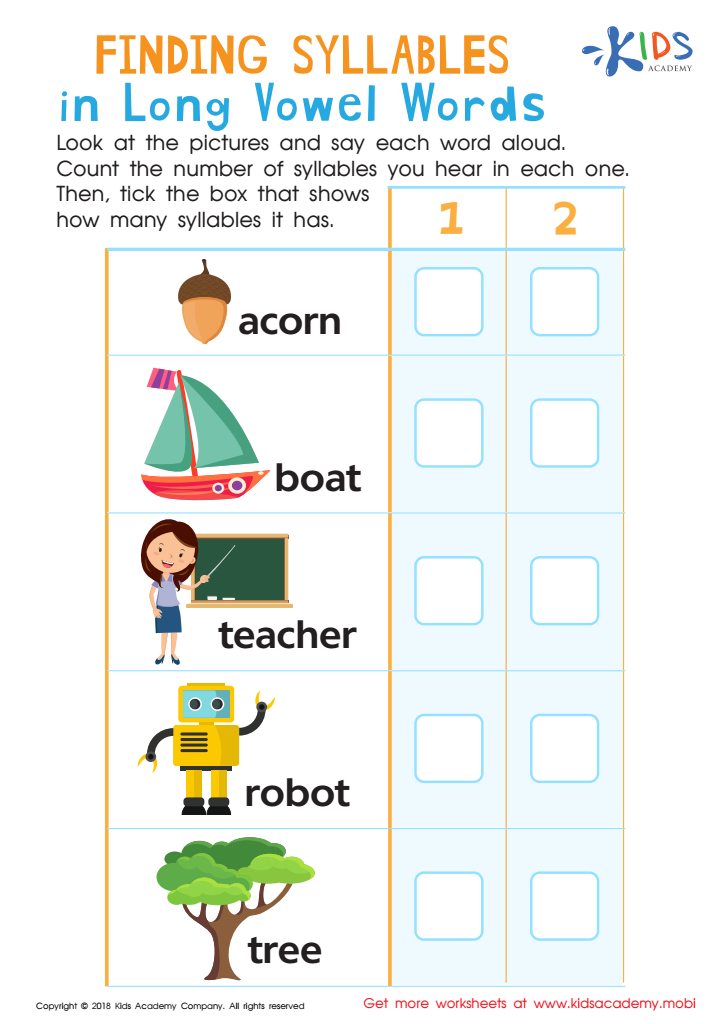
Finding Syllables in Long Vowel Words Worksheet



Vocabulary expansion and long vowel recognition play a critical role in early childhood education for ages 4-8. Understanding long vowels is fundamental to reading fluency and accurate pronunciation, crucial skills that form the foundation for effective communication and academic success.
Between ages 4-8, children are at a prime stage for language development and are highly receptive to learning new words and sounds. Introducing them to long vowels (/aɪ/ like in "bike," /oʊ/ like in "go," /iː/ like in "see") during this period enhances phonemic awareness, helping them distinguish between similar words and sounds. This aids in decoding words not just by rote memory but by understanding their phonetic structure, paving improved reading skills.
A strong vocabulary fosters better comprehension, allowing children to follow instructions, understand stories, and express themselves more clearly and effectively. When children encounter new words through long vowel instruction, they build a linguistic toolkit that enables them to tackle more complex texts as they grow.
Parents and teachers should prioritize vocabulary expansion and long vowel education because these skills directly influence a child's confidence and capability in reading and communication. Investing effort early on promotes lifelong literacy habits, adaptability to learning new concepts, and overall academic achievement.