Fine Motor Skills Phonics Worksheets for Ages 4-8
9 filtered results
-
From - To
Enhance your child's early learning experience with our Fine Motor Skills Phonics Worksheets designed for ages 4-8. These engaging printables combine phonics practice with fun fine motor activities, helping kids develop essential skills while learning sounds and letters. Each worksheet features activities that promote hand-eye coordination, grip strength, and overall dexterity—crucial for writing and other academic tasks. Designed with vibrant illustrations, our worksheets capture young learners' attention ensure they have fun as they learn. Utilize these resources to create a well-rounded educational foundation for literacy and motor skill development. Start building essential skills today with our phonics worksheets!
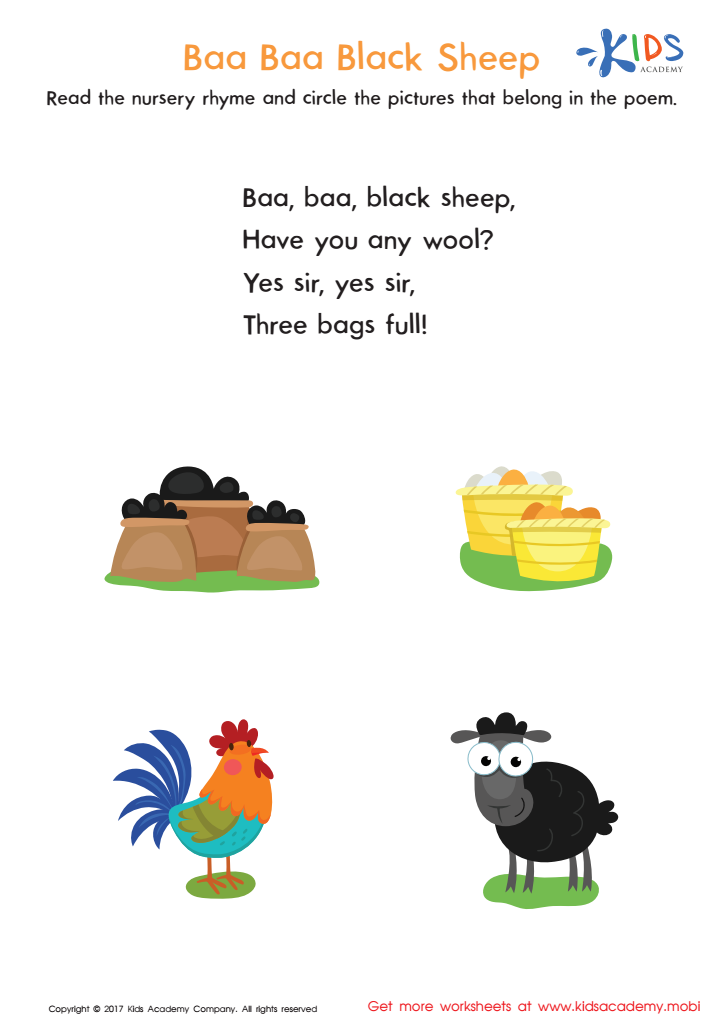
Baa Baa Black Sheep Printable
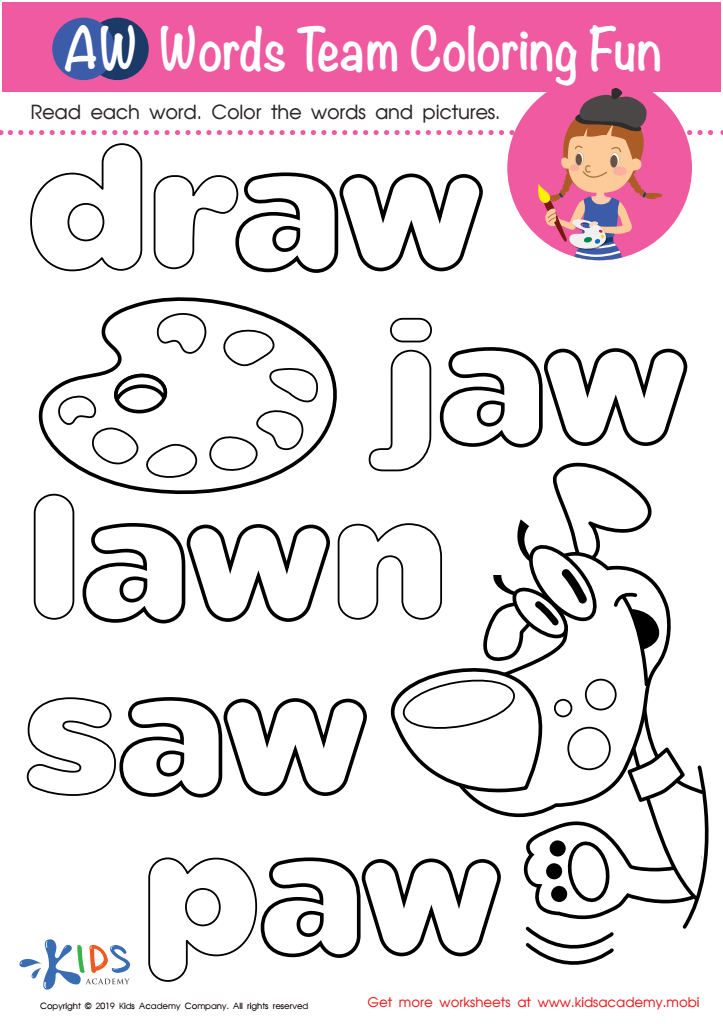
AW Words Team Coloring Fun Worksheet
 Assign to My Students
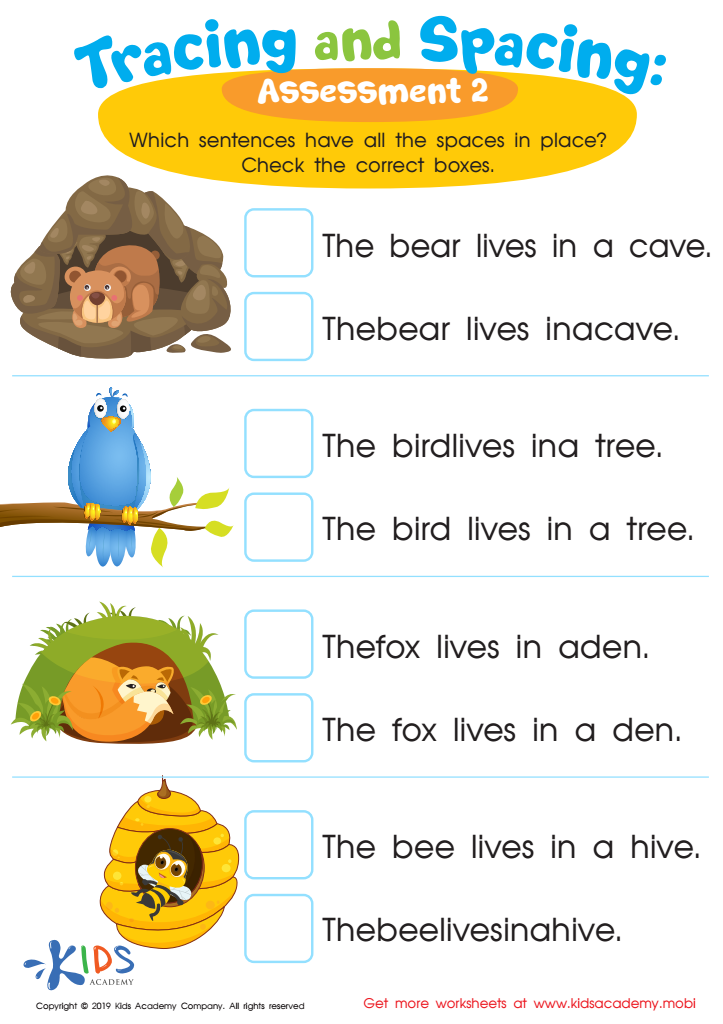
Tracing and Spacing: Assessment 2 Worksheet
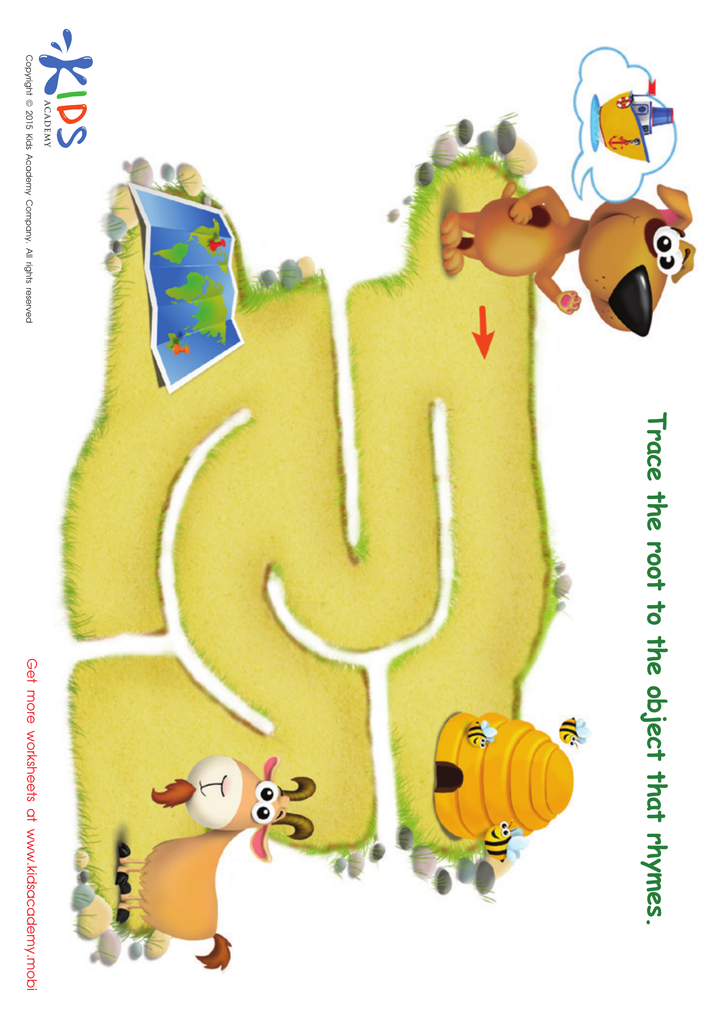
Boat Rhyming Words Worksheet

Long and Short U Worksheet
Assign to My Students
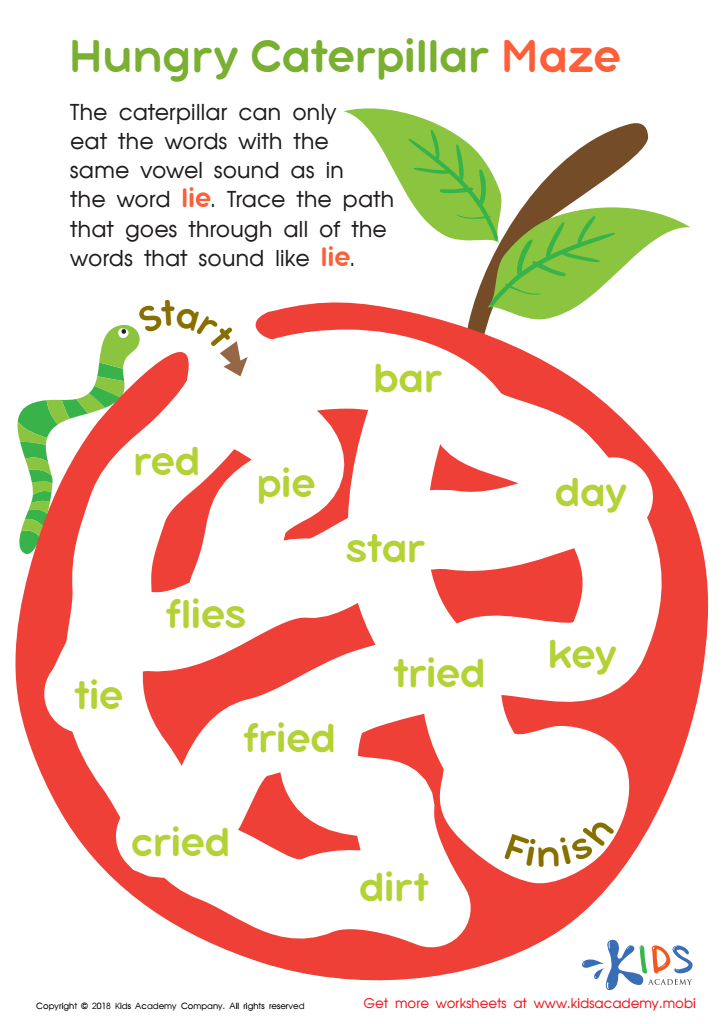
Hungry Caterpillar Maze Worksheet
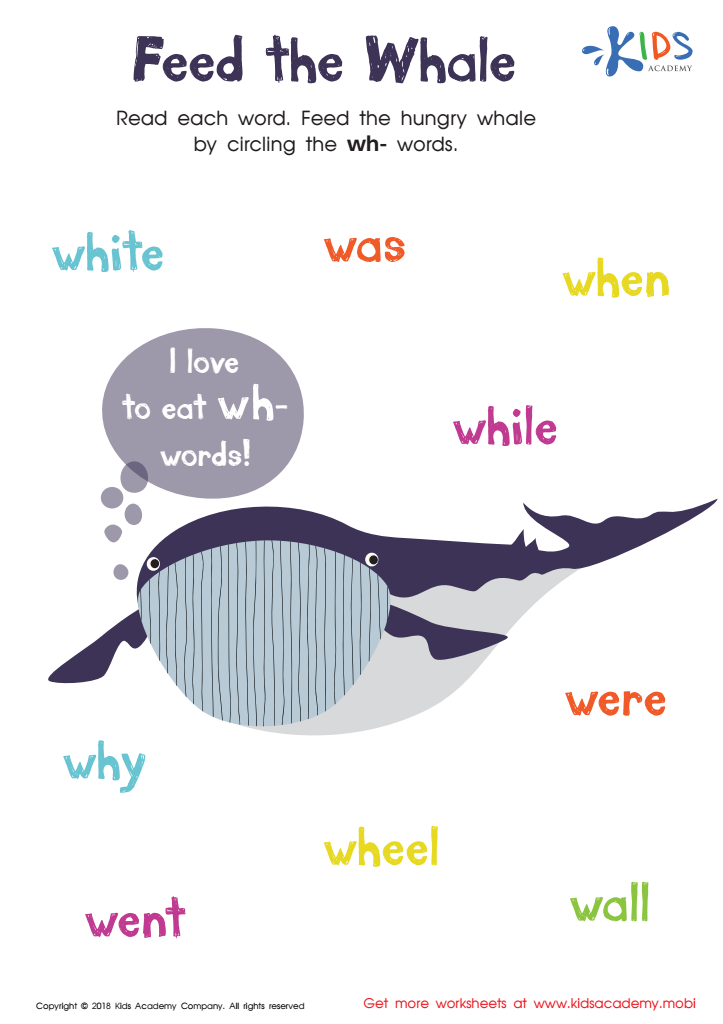
Feed the Whale Worksheet
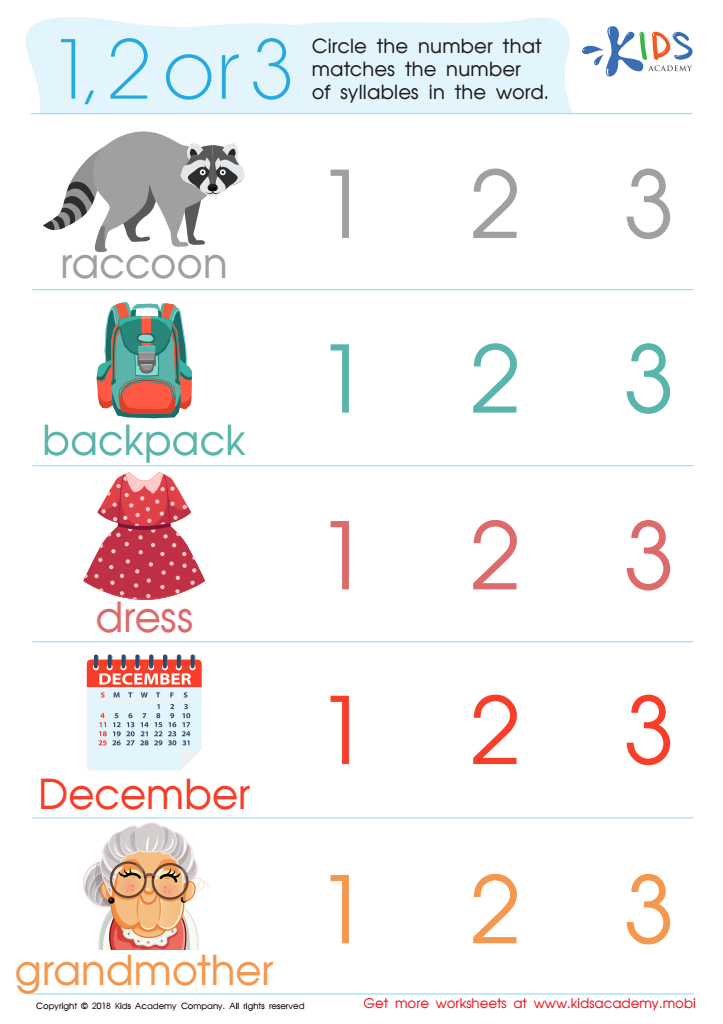
1, 2 or 3? Worksheet
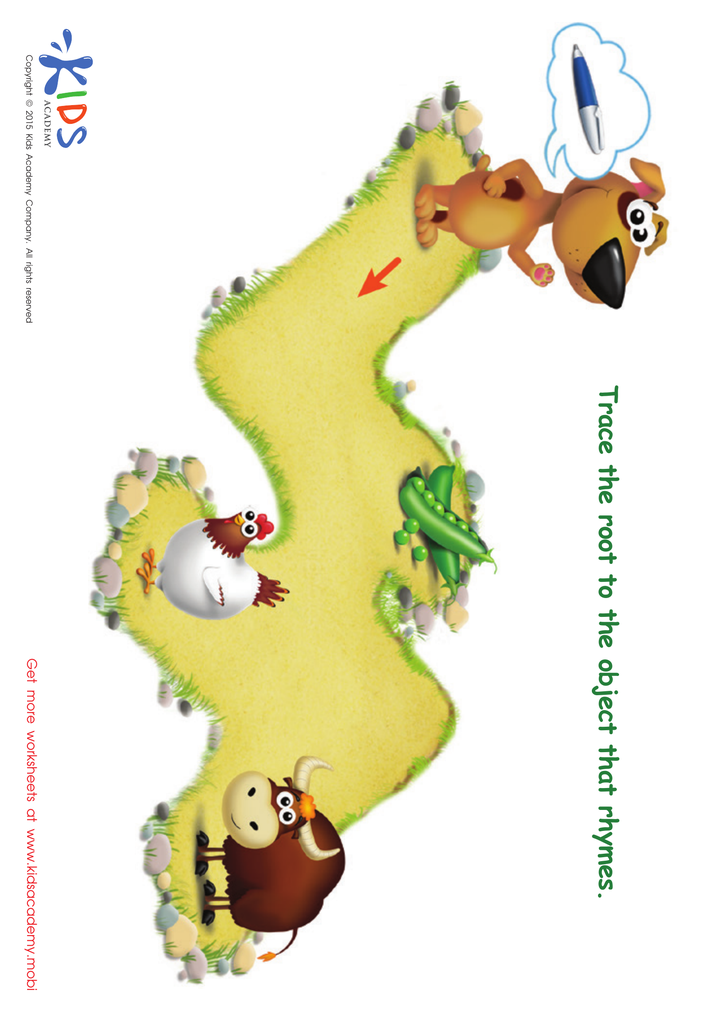
Pen Rhyming Words Worksheet








Fine motor skills are essential for children aged 4-8 as they form the foundation for tasks such as writing, drawing, and manipulating objects. Developing these skills is crucial for young learners because they enable children to effectively engage with their environment and perform everyday tasks, including using scissors, holding a pencil, or typing on a keyboard. Fine motor coordination supports not just academic success in literacy and numeracy, but also self-care skills such as buttoning clothing or tying shoelaces.
Phonics, on the other hand, is critical in teaching children the relationship between letters and sounds, which is fundamental for reading. Integrated programs combining fine motor skill activities with phonics instruction can enhance learning experiences by making connections between physical movement and cognitive processes. For example, activities that involve tracing letters or assembling words with tangible materials help solidify the learning from phonics lessons.
Both parents and teachers should care about this integration because it fosters a holistic developmental approach. Children with strong fine motor skills and phonics knowledge are likely to experience greater confidence, improved academic performance, and enhanced creativity, setting a solid foundation for lifelong learning. Ultimately, emphasizing both areas cultivates not only skills but also a love for learning.







